In contrast to adult and late-gestation fetal skin wounds, which heal with scar, early-gestation fetal skin wounds display a remarkable capacity to heal scarlessly. Although the underlying mechanism of this transition from fetal-type scarless healing to adult-type healing with scar has been actively investigated for decades, in utero restoration of scarless healing in late-gestation fetal wounds has not been reported. In this study, using loss- and gain-of-function rodent fetal wound models, we identified that fibromodulin (Fm) is essential for fetal-type scarless wound healing. In particular, we found that loss of Fm can eliminate the ability of early-gestation fetal rodents to heal without scar. Meanwhile, administration of fibromodulin protein (FM) alone was capable of restoring scarless healing in late gestation rat fetal wounds, which naturally heal with scar, as characterized by dermal appendage restoration and organized collagen architectures that were virtually indistinguishable from those in age-matched unwounded skin. High Fm levels correlated with decreased transforming growth factor (TGF)-beta 1 expression and scarless repair, while low Fm levels correlated with increased TGF-beta 1 expression and scar formation. This study represents the first successful in utero attempt to induce scarless repair in late-gestation fetal wounds by using a single protein, Fm, and highlights the crucial role that the FM TGF-beta 1 nexus plays in fetal-type scarless skin repair.
Vascular endothelial growth factor (VEGF) is a dimeric heparin-binding glycoprotein that is a potent endothelial cell-specific mitogen with increased expression during adult cutaneous wound healing. VEGF activity is mediated by two receptors, VEGFR-1 (Flt-1) and VEGFR-2 (Flk-1/KDR), which are expressed primarily in vascular endothelial cells. Initiation of profibrotic cytokine expression likely coordinates the transition from scarless healing to scar formation in fetal wounds. Angiogenesis is an important component of the scarring repair process, but the function of VEGF and degree of angiogenesis during scarless repair has not been investigated. We hypothesize that VEGF and its receptors are differentially expressed in scarless compared with scarring fetal wounds because VEGF is implicated in angiogenesis during skin development and adult wound healing. Excisional wounds were created on fetal rats at gestational ages 16.5 days (E16) and 18.5 days (E18) (term = 21.5 days). Wounds were harvested at 24 and 72 hours (n = 12 wounds per time point). Nonwounded fetal skin (E17, E19, and E21) was used as control. Reduced-cycle, specific-primer, reverse-transcriptase polymerase chain reaction was performed to determine the expression of VEGF and its receptors, VEGFR-1 and VEGFR-2. Wounds at 72 hours and fetal skin controls were examined under high-power microscopy for blood vessel counts. Unpaired two-tailed t test was used (p < 0.05 was considered significant). VEGF expression increased 2.4-fold (p < 0.001) during normal skin development from E17 to E19. In scarless wounds (E16), VEGF expression increased 2.8-fold (p < 0.02) at 72 hours. No increased expression occurred in the scarring wounds (E18). VEGFR-1 and VEGFR-2 expression increased over 2-fold during normal skin development from E17 to E21. However, each was down-regulated 30 to 50 percent in scarless (E16) and scarring (E18) wounds. There is a 2-fold increase in mean vessel counts per high-power field in scarless (E16) wounds at 72 hours compared with age-matched control skin (p < 0.02) and a 1.7-fold increase in mean vessel count in scarring fetal wounds (E18) compared with age-matched control skin (p < 0.05). There is no difference in the total number of vessels found in scarless versus scarring wounds or between 19.5-day versus 21.5-day fetal skin. VEGF and its receptors, VEGFR-1 and VEGFR-2, increase expression during skin development and dermal differentiation. VEGF expression quickly elevates during scarless compared with scarring repair, which likely contributes to the more rapid scarless fetal repair rate. Similar numbers of new ves-sels are formed during scarless and scarring fetal repair.
PURPOSE: This study was designed to obtain an updated population-based perspective on anal canal cancer incidence rates, demographics, and outcomes using a nationwide database. Eight-five percent of all carcinomas of the anus are anal canal cancers, and previous studies suggest that incidence rates may be rising. Although the most successful treatment for anal canal cancer has been chemoradiation, little information at the population-level exists regarding demographics, treatment, and survival. METHODS: All patients diagnosed with anal canal cancer from 1973 to 1998 in the Surveillance Epidemiology and End Results cancer registry were analyzed. Data regarding demographics, cancer characteristics, treatment, and survival were assessed. Univariate and multivariate survival analyses were performed. RESULTS: A total of 4,841 patients were studied (mean age was 61 years; 62 percent female). Female patients were significantly older than male patients (65 vs. 58 years; P < 0.0001). There was a yearly increase in incidence of anal canal cancers (from 1973–1998). Disease prevalence by stage was localized (53 percent), regional (38 percent), and distant (9 percent). Racial/stage differences were seen, because black patients had less localized disease than white patients (46 vs. 53 percent; P < 0.01). Overall five-year survival for the entire cohort was 53 percent, and cancer-specific survival was 84 percent. Survival improved per decade (based on year of diagnosis). Significant survival differences in race were noted, but were less when the receipt of treatment was considered. CONCLUSION: Although most anal canal cancer reviews are single institutional series, this study was performed with population-based data. The incidence of anal canal cancer is increasing, and overall survival rates are improving. Important disparities in care were identified, which need to be addressed.
In contrast to adult cutaneous wounds, early fetal wounds heal scarlessly. Fetal rat skin transitions from scarless repair to healing, with scar formation between days 16.5 (E16) and 18.5 (E18) of gestation. Term gestation is 21.5 days. The composition of the extracellular matrix in fetal skin and wounds differs from that of the adult. Matrix metalloproteinases (MMPs) and their tissue-derived inhibitors (TIMPs) determine the architecture of the extracellular matrix. The authors hypothesized that differential expression of MMPs and TIMPs occurs during the ontogenetic transition to scar-forming repair in fetal skin and wounds. Full-thickness, excisional wounds (2 mm) were created on the dorsum of E16 (n = 42 fetuses) and E19 fetal rats (n = 42 fetuses). Wounds were harvested at 24, 48, and 72 hours. Nonwounded skin from littermates was also harvested as controls. Six E16 and E19 wounds were fixed 72 hours after injury, stained with hematoxylin and eosin, and examined by light microscopy. RNA was isolated from the remaining wounds and skin, and a reduced-cycle, primer-specific, reverse-transcriptase polymerase chain reaction was performed to semiquantitatively determine relative gene expression of MMP-1, MMP-2, MMP-7, MMP-9, and MMP-14 and of TIMP-1, TIMP-2, and TIMP-3. Significance was determined by unpaired two-tailed t test (p < 0.05) and analysis of variance. In both E16 and E19 wounds, reepithelialization was complete by 72 hours. E16 wounds healed scarlessly, whereas E19 wounds healed with scar. During late gestation, skin expression of MMP-1 and MMP-14 (membrane type-1 MMP) doubled, whereas MMP-2 expression increased nearly 50-fold. Levels of MMP-7 and MMP-9 were unchanged in developing skin. As for the TIMPs, skin expression of TIMP-2 increased more than four-fold, whereas TIMP-1 and TIMP-3 expression was unchanged. In both scarless and scarring wounds, up-regulation of MMP-1 and MMP-9 occurred. However, the maximal increase in MMP-1 and MMP-9 expression occurred much more rapidly and was much greater in the scarless E16 wounds (28-fold versus 23-fold for MMP-1 and 18-fold versus nine-fold for MMP-9). Unchanged in scarless wounds, MMP-2 levels decreased more than three-fold in scarring wounds. MMP-14 (membrane type-1 MMP) expression increased three-fold in scarless wounds but was unchanged in scarring wounds. In contrast, TIMP-1 and TIMP-3 expression in E19 scarring wounds increased six-fold and four-fold, respectively. MMP-7 and TIMP-2 expression did not change in response to injury. E16 scarless wounds have greater MMP relative to TIMP expression than E19 scarring wounds. This favors extracellular matrix turnover, facilitates migration of fetal cells, and promotes scarless repair.
Wound healing is a complex process that we have only recently begun to understand. Central to wound repair is transforming growth factor β (TGF-β), a cytokine secreted by several different cell types involved in healing. TGF-β has diverse effects, depending upon the tissue studied. This review focuses on healing in skin, particularly the phases of cutaneous wound repair and the role of TGF-β in normal and impaired wound-healing models. It also explores TGF-β activity in scarless foetal wound healing. Knowledge of TGF-β function in scarless repair is critical to improving healing in clinical scenarios, such as diabetic wounds and hypertrophic scars.
Fibroblast growth factors (FGFs) are a family of 21 cytokines with a broad spectrum of activities, including regulation of cell proliferation, differentiation, and migration. The various FGFs bind to one or more of four different tyrosine kinase receptor types. FGFs 1, 2, 5, 7, and 10 are up-regulated during adult cutaneous wound healing. However, the expression of FGFs during fetal skin development and scarless wound healing has not been characterized. It was hypothesized that differential expression of FGF isoforms and receptors occurs during fetal skin development and that this differential expression pattern may regulate the transition from scarless repair to healing with scar formation.Excisional wounds (2 mm) were created on fetal rats at gestational days 16.5 (scarless) (one wound per fetus, n = 36 fetuses) and 19.5 (scarring) (one wound per fetus, n = 36 fetuses). Wounds were harvested at 24, 48, and 72 hours. Survival until wound harvest ranged from 66 to 75 percent for the gestational day 16 fetuses, and from 83 to 92 percent for the gestational day 19 fetuses. Non-wounded fetal skin from littermates (n = 12 fetuses per wound harvest time point) was used as the control. Wounds/skins were pooled by harvest time point, and RNA was isolated from pooled wounds/skins. Reduced-cycle, specific-primer reverse transcriptase-polymerase chain reaction was performed to determine the expression of FGF isoforms 2, 5, 7, 9, and 10 and FGF receptors 1, 2, and 4 in wounds relative to unwounded skin.In unwounded fetal skin, FGF isoform 5 expression more than doubled at birth. FGF 10 expression doubled during the transition period. FGF 7 expression increased more than sevenfold at birth. Expression of FGF isoforms 2 and 9 did not change during late fetal skin development. The expression of FGF receptors 1, 2, and 4 increased at birth. After wounding, expression of FGF isoforms 7 and 10 was down-regulated in scarless wounds, whereas FGF receptor 2 expression decreased in both scarless and scar-forming wounds. Expression of FGF isoforms 5 and 9 did not change in scarless wounds. FGF receptor 2 expression was down-regulated in both scarless and scarring wounds, but at an earlier and more sustained level in scarless wounds. Receptor type 4 expression increased in scarring wounds, whereas type 1 expression did not change in either scarless or scarring wounds. These results demonstrate an overall down-regulation of FGF expression during scarless healing.
Fetal rat skin transitions from scarless fetal-type repair to adult-type repair with scar between day 16 (E16) and day 18 (E18) of gestation (term = 21.5 days). Deficient transforming growth factor (TGF)-beta1 and -beta2 injury response has been proposed as a mechanism for scarless fetal-type repair. However, previous fetal studies have inconsistently reported the degree of TGF-beta induction after injury. To minimize developmental variables in fetal versus adult TGF-beta regulation, we narrowed our study to wounded fetal animals. We hypothesize that TGF-beta ligand and receptor expression will be differentially regulated during the transition from early gestation (E16) wounds manifesting scarless; fetal-type repair to late gestation (E19) wounds manifesting adult-type repair with scar. in this study, decreased and rapidly cleared TGF-beta1 and -beta2 expression accompanied by increased and prolonged TGF-beta3 levels in wounded E16 animals correlated with organized collagen deposition. In contrast, increased and prolonged TGF-beta1 and -beta2 expression accompanied by decreased and delayed TGF-beta3 expression in wounded E19 animals correlated with disorganized collagen architecture. Similarly, expression of TGF-beta receptors type I and H were also increased or prolonged in E19 animals. Our results implicate increased TGF-beta1, -beta2, and decreased TGF-beta3 expression, as well as increased type I and 11 receptor expression in late gestation fetal scar formation.
Fetal wounds pass from scarless repair to healing with scar formation during gestation. This transition depends on both the size of the wound and the gestational age of the fetus. This study defines the transition period in the fetal rat model and provides new insight into scarless collagen wound architecture by using confocal microscopy. A total of 16 pregnant Sprague-Dawley rats were operated on. Open full-thickness wounds, 2 mm in diameter, were created on fetal rats at gestational ages 14.5 days (E14; n = 10), 16.5 days (E 16; n = 42), and 18.5 days (E 18; n = 42) (term = 21.5 days). Wounds were harvested at 24 (n = 18 per gestational age) and 72 hours (n = 24 per gestational age). Skin at identical gestational ages to wound harvest was used for controls. The wounds were fixed and stained with hematoxylin and eosin, antibody to type I collagen, and Sirius red for confocal microscopic evaluation. No E 14 rat fetuses survived to wound harvest. Wounds created on E16 fetal rats healed completely and without scarring. E16 fetal rat hair follicle formation and collagen architecture was similar to that of normal, non-wounded skin. Wounds created on E18 fetal rats demonstrated slower healing; only 50 percent were completely healed at 72 hours compared with 100 percent of the E16 fetal rat wounds at 72 hours. Furthermore, the E18 wounds healed with collagen scar formation and without hair follicle formation. Confocal microscopy demonstrated that the collagen fibers were thin and arranged in a wispy pattern in E16 fetal rat wounds and in non-wounded dermis. E18 fetal rat Wounds had thickened collagen fibers with large interfiber distances. Two-millimeter excisional E16 fetal rat wounds heal without scar formation and with regeneration of normal dermal and epidermal appendage architecture. E18 fetal rat wounds heal in a pattern similar to that of adult Cutaneous wounds, with scar formation and absence of epidermal appendages. Confocal microscopy more clearly defined the dermal architecture in normal skin, scarless wounds, and scars. These data further define the transition period in the fetal rat wound model, which promises to be an effective system for the study of in vivo scarless wound healing.
Human liposuction aspirates contain pluripotent adipose-derived mesodermal stem cells that have previously been shown to differentiate into various mesodermal cell types, including osteoblasts and chondrocytes. To develop an autologous research model of bone and cartilage tissue engineering, the authors sought to determine whether rat inguinal fat pads contain a similar population of osteochondrogenic precursor cells. It was hypothesized that the rat inguinal fat pad contains adipose-derived multipotential cells that resemble human adipose-derived mesodermal stem cells in their osteochondrogenic capacity. To test this, the authors assessed the ability of cells isolated from the rat inguinal fat pad to differentiate into osteoblasts and chondrocytes by a variety of lineage-specific histologic stains. Rat inguinal fat pads were isolated and processed from Sprague-Dawley rats into a fibroblast-like cell population. Cell cultures were placed in pro-osteogenic media containing dexamethasone, ascorbic acid, and beta-glycerol phosphate. Osteogenic differentiation was assessed at 2, 4, and 6 weeks. Alkaline phosphatase activity and von Kossa staining were performed to assess osteoblastic differentiation and the production of a calcified extracellular matrix. Cell cultures were also placed in prochondrogenic conditions and media supplemented with transforming growth factor-beta1, insulin, transferrin, and ascorbic acid. Chondrogenic differentiation was assessed at 2, 7, and 14 days by the presence of positive Alcian blue staining and type II collagen immunohistochemistry. Cells placed in osteogenic conditions changed in structure to a more cuboidal shape, formed bone nodules, stained positively for alkaline phosphatase activity, and secreted calcified extracellular matrix by 2 weeks. Cells placed in chondrogenic conditions formed cartilaginous nodules within 48 hours that stained positively for Alcian blue and type II collagen. The authors identified the rat inguinal fat pad as a source of osteochondrogenic precursors and developed a straightforward technique to isolate osteochondrogenic precursors from a small animal source. This relatively easily obtained source of osteochondrogenic cells from the rat may be useful for study of tissue engineering strategies and the basic science of stem cell biology.
Purpose: Transforming growth factor beta (TGF-β) bioactivity has been implicated as a potential regulator of the transition from scarless healing to scar formation in fetal wounds. Decorin is an extracellular matrix proteoglycan that regulates TGF-β bioactivity and assists in collagen fibrillogenesis. To determine its role in scarless repair, the authors examined decorin expression in fetal fibroblasts, skin, and wounds. Methods: A single, full-thickness, 2-mm open wound was created on the dorsal surface of fetal rats at 16.5 days (E16) and 18.5 days (E18) gestational age (term, 21.5 days [E21]). Wounds were harvested at 24 and 72 hours (n = 12 wounds per time-point). Nonwounded fetal skin at E17, E19, and E21 was harvested for analysis of decorin expression during skin development and as controls for wounds. In addition, fetal (E14, E18) and adult dermal fibroblasts were cultured for in vitro analysis. Reduced-cycle, specific primer, reverse transcriptase polymerase chain reaction was performed to quantitate decorin expression. Results: Decorin expression increased rapidly with increasing gestational age in both fetal fibroblasts and skin. Expression was increased 22-fold in E18 fibroblasts (P < .002) and 300-fold in adult fibroblasts (P < .001) compared with E14 fibroblasts. In skin, expression increased 74% (P < .01) during the fetal wound healing transition period between E17 and E19. However, in E16 wounds (scarless), decorin expression decreased 59% (P < .006) at 24 hours and 45% (P < .02) at 72 hours. Decorin expression did not change in E18 (scar) wounds at 24 and 72 hours (P > .05). Conclusions: Early gestation fetal fibroblasts and fetal skin express decorin at lower levels than late gestation fetal and adult fibroblasts and skin. Decorin expression is down-regulated in scarless (E16) compared with scar (E18) wounds. Thus, increased decorin expression is associated with both skin development and scar formation. Conversely, decreased decorin expression is associated with scarless repair. J Pediatr Surg 36:1666-1671. Copyright © 2001 by W.B. Saunders Company.
Fetal cutaneous wounds that occur in early gestation heal without scar formation. Although much work has been done to characterize the role of transforming growth factor-beta (TGF-beta) isoforms in the adult wound repair process, their function in fetal scarless wound repair is not well understood. The authors hypothesized that the pattern of expression for TGF-beta isoforms and their receptors may influence the phenotypic transition from scarless to scar-forming repair observed during fetal gestation. Using time-dated fetal Sprague-Dawley rat fibroblasts and unwounded skin at gestational ages 14, 16, 18, and 21 days postcoitum of the scarless (less than or equal to 16 days) and scar-forming (>16 days) periods of gestation (term = 21.5 days), the authors analyzed the endogenous messenger RNA (mRNA) levels of TGF-beta1 and TGF-beta3 and their signaling receptors TGF-beta -RI and TGF-beta -RII. Northern blot analyses in both fibroblasts and unwounded skill revealed that levels of TGF-beta1 were not differentially expressed, whereas more TGF-beta1 mRNA transcript was found in early than in late gestation. Fibroblast expression of TGF-beta -RI showed no substantial differences, whereas expression of TGF-beta -RII increased during gestation. In contrast, expression of both TGF-beta -RI and TGF-beta -RII in unwounded skin showed decreasing levels as a function of gestational age. The differential levels of TGF-beta1 and TGF-beta3 suggest that the ratio of these cytokines may provide a predominantly antiscarring or profibrotic signal upon wounding during the scar-free or scar-forming periods of gestation, respectively. Furthermore, lower amounts of the ligand-binding TGF-beta -RII seen in early gestation fibroblasts suggest a decreased ability to perceive ligand during the period of scarless repair.
Transforming growth factor-beta (TGF-beta 1, -beta 2, and -beta 3) has been implicated in the ontogenetic transition from scarless fetal repair to adult repair with scar. Generally, TGF-beta exerts its effects through type I and II receptors; however, TGF-beta modulators such as latent TGF-beta binding protein-1 (LTBP-1), decorin, biglycan, and fibromodulin can bind and potentially inhibit TGF-beta activity. To more fully explore the role of TGF-beta ligands, receptors, and potential modulators during skin development and wound healing, we have used a rat model that transitions from scarless fetal-type repair to adult-type repair with scar between days 16 and 18 of gestation We showed that TGF-beta ligand and receptor mRNA levels did not increase during the transition to adult-type repair In fetal skin, whereas LTBP-1 and fibromodulin expression decreased. In addition, TGF-beta 1 and -beta 3; type I, II, and III receptors; as well as LTBP-1, decorin, and biglycan were up-regulated during adult wound healing. In marked contrast, fibromodulin expression was initially down-regulated in adult repair. Immunostaining demonstrated significant fibromodulin induction 36 hours after injury in gestation day 16, but not day 19, fetal wounds. This inverse relationship between fibromodulin expression and scarring in both fetal and adult rat wound repair suggests that fibromodulin may be a biologically relevant modulator of TGF-beta activity during scar formation.
Purpose: Renal failure occurs in children with moderate frequency. Surgical aspects of establishing and maintaining dialysis access in small infants are exceptionally challenging. The purpose of this review is to evaluate the authors' experience with dialysis access for infants less than 10 kg, particularly with respect to the surgical care required. Methods: A retrospective review was conducted between 1991 and 1999 of all pediatric dialysis patients weighing 10 kg or less (n = 29). Age at start of dialysis, duration of dialysis, modes of dialysis, and complications specific to peritoneal (PD) and hemodialysis (HD) were examined. Results: The mean age at start of dialysis was 10.4 months and continued for an average duration of 16.3 months. Seventy-two percent of all patients required both modes of dialysis. HD and PD duration averaged 7.8 and 10.5 months, respectively. Catheter durability was 3.1 and 4.5 months per catheter for HD and PD, respectively. There was no significant difference in complications when comparing HD and PD. Patients who weighed 5 to 10 kg had significantly longer PD catheter durability than patients 0 to 5 kg (P =.001). Forty-one percent of patients terminated dialysis after transplantation, whereas 24% died awaiting transplantation. Conclusion: Despite a large number of operations required, infants less than 10 kg can be bridged successfully, by surgical intervention and subsequent dialysis, to transplantation. J Pediatr Surg 35:1543-1548. Copyright © 2000 by W.B. Saunders Company.
 Kang Ting合作论文数Department of Bioengineering, School of Engineering, University of California, Los Angeles11
 Chia Soo合作论文数Department of Bioengineering, School of Engineering, University of California, Los Angeles11
 H Peter Lorenz合作论文数8Dang Catherine合作论文数7Marc H. Hedrick合作论文数6Benhaim P合作论文数4
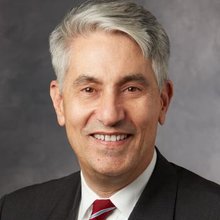 Michael T. Longaker合作论文数Department of Materials Science & Engineering, Stanford University4
 James Atkinson合作论文数University of California, Los Angeles Hospital System4
 Xinli Zhang合作论文数University of California-Los Angeles4
 Earl G. Freymiller合作论文数School of Dentistry, University of California, Los Angeles3Yubert Wang合作论文数3Fei-Ya Hu合作论文数3Mark Urata合作论文数2
 Grace Chang合作论文数Centre for Applied English Studies, Faculty of Arts, The University of Hong Kong2
 Eric W. Fonkalsrud合作论文数Department of Surgery, University of California, Los Angeles2Anna H. K. Plaas合作论文数2R L Prentice合作论文数1R J Collins合作论文数1A Roohi合作论文数1
 James G Karras合作论文数1U R Reddy合作论文数1Ka Yin Kwong合作论文数1Mohammad Reza Rezvany合作论文数1Renee Tschumper合作论文数1ramazanali sharifian合作论文数1Richard J. Mackool合作论文数1
 Eunji Lee合作论文数1
 Agnieszka Bojarska-Junak合作论文数1Juan M Zapata合作论文数1Jacek Rolinski合作论文数1Martin Lotz合作论文数1A. Hildebrand合作论文数1M Romarís合作论文数1A Oldberg合作论文数Dept Expt Med, Matrix Biol1Rj Mackool合作论文数1
 Clemens-Martin Wendtner合作论文数1Dick Heinegård合作论文数1Yao Chen合作论文数School of Dentistry, University of California Los Angeles1Hélène Merle-Béral合作论文数Cell Death and Drug Resistance in Lymphoproliferative Disorders Team, Centre de Recherche des Cordeliers;Sorbonne Universités, UPMC Univ Paris;Centre de Recherche des Cordeliers, Université Paris Descartes;UPMC Univ Paris, Sorbonne Universités1Hao-Fu Lee合作论文数School of Dentistry, University of California, Los Angeles1
 Clifford Ko (克利福德·科)合作论文数Department of Health Policy and Management, Fielding School of Public Health, University of California, Los Angeles;Division of Research and Optimal Patient Care, American College of Surgeons1
 Ichiro Nishimura合作论文数School of Dentistry, University of California, Los Angeles;The Jane and Jerry Weintraub Center for Reconstructive Biotechnology, University of California, Los Angeles;Jonsson Comprehensive Cancer Center, University of California, Los Angeles1
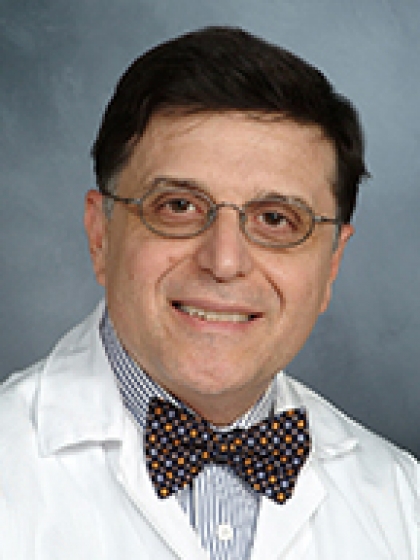 Giorgio Inghirami合作论文数Department of Pathology and Laboratory Medicine, Weill Cornell Medical College, Cornell University;NewYork-Presbyterian Hospital1
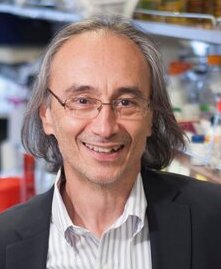 John Blenis合作论文数Sandra and Edward Meyer Cancer Center, Weill Cornell Medicine, Cornell University;Graduate School of Medical Sciences, Weill Cornell Medicine, Cornell University1
 Chenshuang Li合作论文数Department of Orthodontics, School of Dental Medicine, University of Pennsylvania1
 Wyndham Wilson合作论文数Lymphoid Malignancies Branch, Center for Cancer Research, National Cancer Institute, National Institutes of Health1
 Melinda Maggard Gibbons合作论文数Department of Surgery, David Geffen School of Medicine, University of California, Los Angeles;Jonsson Comprehensive Cancer Center, University of California, Los Angeles1Mellstedt Håkan合作论文数1Kiaii Shahryar合作论文数1




