Mangine, GT, Hoffman, JR, Gonzalez, AM, Townsend, JR, Wells, AJ, Jajtner, AR, Beyer, KS, Boone, CH, Wang, R, Miramonti, AA, LaMonica, MB, Fukuda, DH, Witta, EL, Ratamess, NA, and Stout, JR. Exercise-induced hormone elevations are related to muscle growth. J Strength Cond Res 31(1): 45-53, 2017-Partial least squares regression structural equation modeling (PLS-SEM) was used to examine relationships between the endocrine response to resistance exercise and muscle hypertrophy in resistance-trained men. Pretesting (PRE) measures of muscle size (thickness and cross-sectional area) of the vastus lateralis and rectus femoris were collected in 26 resistance-trained men. Participants were randomly selected to complete a high-volume (VOL, n = 13, 10-12RM, 1-minute rest) or high-intensity (INT, n = 13, 3-5RM, 3-minute rest) resistance training program. Blood samples were collected at baseline, immediately postexercise, 30-minute, and 60-minute postexercise during weeks 1 (week 1) and 8 (week 8) of training. The hormonal responses (testosterone, growth hormone [22 kD], insulin-like growth factor-1, cortisol, and insulin) to each training session were evaluated using area-under-the-curve (AUC) analyses. Relationships between muscle size (PRE), AUC values (week 1 + week 8) for each hormone, and muscle size (POST) were assessed using a consistent PLS-SEM algorithm and tested for statistical significance (p ≤ 0.05) using a 1,000 samples consistent bootstrapping analysis. Group-wise comparisons for each relationship were assessed through independent t-tests. The model explained 73.4% (p < 0.001) of variance in muscle size at POST. Significant pathways between testosterone and muscle size at PRE (p = 0.043) and muscle size at POST (p = 0.032) were observed. The ability to explain muscle size at POST improved when the model was analyzed by group (INT: R = 0.882; VOL: R = 0.987; p < 0.001). No group differences in modal quality were found. Exercise-induced testosterone elevations, independent of the training programs used in this study, seem to be related to muscle growth.
Apoptosis, or programmed cell death, is an essential physiological process regulating cellular development and is often associated with advanced stages of inflammation and disease. However, limited research has focused on skeletal muscle apoptosis as result of exercise induced muscular trauma. PURPOSE: To observe the effects of an acute lower-body resistance exercise protocol and subsequent recovery on intramuscular apoptotic signaling. METHODS: Twenty-eight untrained males (22.3 ± 3.2 y, 1.7 ± 0.1 m, 81.1 ± 15.5 kg) were assigned to either a control (CON; n=11) or exercise group (EX; n=17) and completed a lower-body resistance exercise protocol consisting of the back squat, leg press, and leg extension exercise. Skeletal muscle microbiopsies were obtained from the vastus lateralis pre-exercise (PRE), 1-hour (1HR), 5-hour (5HR), and 48-hours (48HR) post-resistance exercise. Multiplex signaling assay kits (EMD Millipore, Billerica, MA, USA) were used to quantify the total protein (Caspase-3,-8,-9) or phosphorylation status of proteins (JNK, FADD, p53, BAD, Bcl-2) specific to apoptotic signaling pathways using MAGPIX® (Luminex, Austin, TX, USA). Mann Whitney U analysis was used to determine the effects of the exercise bout on intramuscular signaling. Additionally, change scores were analyzed by magnitude based inferences to determine a mechanistic interpretation. RESULTS: Mann-Whitney U analysis revealed that resistance exercise increased JNK phosphorylation at 1H (p=0.001) and 5H (p=0.022), and FADD phosphorylation at 1H (p=0.029). No other differences observed between groups. Magnitude based inferences revealed a “Likely” increase in total Caspase 3 from PRE-5H and from PRE-48H. JNK phosphorylation was “Most Likely” increased from PRE-1H and PRE-5H and FADD was “Likely” increased from PRE-1H. BAD was “Very Likely” increased from PRE-5H and Bcl-2 was “Most Likely” increased from PRE-1H and “Likely” increased” from PRE-5H. CONCLUSION: These data show that apoptotic signaling is upregulated in response to a typical resistance exercise protocol, providing additional insight into the physiological mechanisms involved in skeletal muscle remodeling following resistance exercise.
To compare the effects of two different resistance training programs, high intensity (INT) and high volume (VOL), on changes in isometric force (FRC), rate of force development (RFD), and barbell velocity during dynamic strength testing.
This study compared caffeine pharmacokinetics, glycerol concentrations, metabolic rate, and performance measures following ingestion of a time-release caffeine containing supplement (TR-CAF) versus a regular caffeine capsule (CAF) and a placebo (PL). Following a double-blind, placebo-controlled, randomized, cross-over design, ten males (25.9 ± 3.2 y) who regularly consume caffeine ingested capsules containing either TR-CAF, CAF, or PL. Blood draws and performance measures occurred at every hour over an 8-hour period. Plasma caffeine concentrations were significantly greater (p < 0.05) in CAF compared to TR-CAF during hours 2-5 and significantly greater (p = 0.042) in TR-CAF compared to CAF at hour 8. There were no significant differences between trials in glycerol concentrations (p = 0.86) or metabolic measures (p = 0.17-0.91). Physical reaction time was significantly improved for CAF at hour 5 (p=0.01) compared to PL. Average upper body reaction time was significantly improved for CAF and TR-CAF during hours 1-4 (p = 0.04 and p = 0.01, respectively) and over the 8-hour period (p = 0.04 and p = 0.001, respectively) compared to PL. Average upper body reaction time was also significantly improved for TR-CAF compared to PL during hours 5-8 (p = 0.004). TR-CAF and CAF showed distinct pharmacokinetics yielding modest effects on reaction time, yet did not alter glycerol concentration, metabolic measures, or other performance measures. Key pointsTime-release caffeine and regular caffeine showed distinct pharmacokinetics over an 8-hour period following ingestion.Time-release caffeine and regular caffeine yielded modest effects on reaction time over an 8-hour period following ingestion.Time-release caffeine and regular caffeine did not alter glycerol concentration, metabolic measures, or other performance measures over an 8-hour period following ingestion.
This investigation compared the effect of high‐volume (VOL) versus high‐intensity (INT) resistance training on stimulating changes in muscle size and strength in resistance‐trained men. Following a 2‐week preparatory phase, participants were randomly assigned to either a high‐volume (VOL; n = 14, 4 × 10–12 repetitions with ~70% of one repetition maximum [1RM], 1‐min rest intervals) or a high‐intensity (INT; n = 15, 4 × 3–5 repetitions with ~90% of 1RM, 3‐min rest intervals) training group for 8 weeks. Pre‐ and posttraining assessments included lean tissue mass via dual energy x‐ray absorptiometry, muscle cross‐sectional area and thickness of the vastus lateralis (VL), rectus femoris (RF), pectoralis major, and triceps brachii muscles via ultrasound images, and 1RM strength in the back squat and bench press (BP) exercises. Blood samples were collected at baseline, immediately post, 30 min post, and 60 min postexercise at week 3 (WK3) and week 10 (WK10) to assess the serum testosterone, growth hormone (GH), insulin‐like growth factor‐1 (IGF1), cortisol, and insulin concentrations. Compared to VOL, greater improvements (P < 0.05) in lean arm mass (5.2 ± 2.9% vs. 2.2 ± 5.6%) and 1RM BP (14.8 ± 9.7% vs. 6.9 ± 9.0%) were observed for INT. Compared to INT, area under the curve analysis revealed greater (P < 0.05) GH and cortisol responses for VOL at WK3 and cortisol only at WK10. Compared to WK3, the GH and cortisol responses were attenuated (P < 0.05) for VOL at WK10, while the IGF1 response was reduced (P < 0.05) for INT. It appears that high‐intensity resistance training stimulates greater improvements in some measures of strength and hypertrophy in resistance‐trained men during a short‐term training period.
Resistance training is known to improve muscular strength and power, though it is unclear how training volume and intensity will affect their improvement in experienced, resistance trained men. PURPOSE: Compare the effect of training volume and intensity on changes in lower body maximal strength, isometric force, and power in experienced, resistance trained men. METHODS: Following a 2-wk preparatory phase, 29 experienced, resistance trained men completed pre-testing (PRE) measures of rectus femoris (RF) and vastus lateralis (VL) activation and power output during a one repetition maximum (1RM) squat (SQ) assessment. During testing, peak (PSP) and mean (MSP) squat power was determined by a linear force transducer attached to the barbell, while muscle activation was assessed via surface electromyography at weight corresponding to 40, 60, 80, and 100% of the SQ 1RM. Peak isometric force (PIF) and rate of force development (RFD) were tested by an isometric mid-thigh pull. Participants were then matched for relative squat strength and randomly selected to complete either a low intensity, high volume (VOL, n = 14, 4x 10-12RM, 1min rest) or low volume, high intensity (INT, n = 15, 4 x 3-5RM, 3min rest) resistance training program. Participants completed post-testing following 8 wks (4 d · wk-1) of training. RESULTS: Paired-samples comparisons indicated that both groups increased 1RM SQ (VOL: 19.3 ± 9.4%, p < 0.001; INT: 16.4 ± 8.8%, p < 0.001), MSP at 100% (VOL: 14.9 ± 11.9%, p < 0.001; INT: 9.7 ± 12.3%, p = 0.030), and reduced RF activation at 100% (VOL: -23.1 ± 27.1%, p = 0.009; INT: -20.2 ± 21.8%, p = 0.005). Exclusive improvements for INT included increased VL activation during maximal SQ (19.7 ± 19.7%, p = 0.003) and PIF (7.8 ± 6.2%, p < 0.001), while VOL increased PSP at 80% 1RM (9.0 ± 15.6%, p = 0.038) and reduced RF activation at 60% (-15.6 ± 30.1%, p = 0.039). RFD did not improve in either group. Analysis of covariance, controlling for PRE, indicated that the RF activation reduction at 60% was significantly (p = 0.020) different between groups. CONCLUSIONS: In resistance trained men, greater training intensity may be more beneficial for performance at maximal loads, while greater training volume may positively influence performance at submaximal loads.
This study compared caffeine pharmacokinetics, glycerol concentrations, metabolic rate, and performance measures following ingestion of a time-release caffeine containing supplement (TRCAF) versus a regular caffeine capsule (CAF) and a placebo (PL). Following a double-blind, placebo-controlled, randomized, cross-over design, ten males (25.9 ± 3.2 y) who regularly consume caffeine ingested capsules containing either TR-CAF, CAF, or PL. Blood draws and performance measures occurred at every hour over an 8-hour period. Plasma caffeine concentrations were significantly greater (p < 0.05) in CAF compared to TR-CAF during hours 2-5 and significantly greater (p = 0.042) in TR-CAF compared to CAF at hour 8. There were no significant differences between trials in glycerol concentrations (p = 0.86) or metabolic measures (p = 0.17-0.91). Physical reaction time was significantly improved for CAF at hour 5 (p=0.01) compared to PL. Average upper body reaction time was significantly improved for CAF and TR-CAF during hours 1-4 (p = 0.04 and p = 0.01, respectively) and over the 8-hour period (p = 0.04 and p = 0.001, respectively) compared to PL. Average upper body reaction time was also significantly improved for TR-CAF compared to PL during hours 5-8 (p = 0.004). TR-CAF and CAF showed distinct pharmacokinetics yielding modest effects on reaction time, yet did not alter glycerol concentration, metabolic measures, or other performance measures.
BACKGROUND: Physiological adaptation consequent to resistance training is thought to be specific to training intensity and training volume. However, studies comparing high intensity and high training protocols on muscle strength and growth in experienced, resistance trained (RT) men are limited. PURPOSE: Compare high volume versus high intensity training on changes in lean body mass, bone mineral content (BMC), bone area (BA), and bone mineral density (BMD) in the upper body. In addition, changes in upper body strength and power were also examined in RT men. METHODS: Following a 2-wk preparatory phase, 29 RT men completed pre-testing (PRE) measures of skeletal and muscular mass via dual energy X-ray absorptiometry to determine BMC, BA, BMD, and lean arm mass (LAM). Peak (PP) and mean (MP) power were determined by a linear force transducer attached to the barbell during one repetition maximum (1RM) assessment of the bench press (BP), as well as during a single repetition at a resistance corresponding to 40, 60, 80% of the participant’s BP 1RM. Participants were then randomly selected to complete either a high volume, low intensity (HV, n = 14, 4 x 10-12RM, 1min rest) or a high intensity, low volume (HI, n = 15, 4 x 3-5RM, 3min rest) whole body resistance training program. Participants completed post-testing following 8-wks (4 d · wk-1) of training. Outcomes were assessed by ANCOVA with posttest means adjusted for pretest differences among the groups. RESULTS: The ANCOVA indicated significant differences for POST BP 1RM (p=0.013, [[Unsupported Character - Symbol Font η]][[Unsupported Character - Symbol Font 2]]=0.214), LAM (p=0.036, [[Unsupported Character - Symbol Font η]][[Unsupported Character - Symbol Font 2]]=0.158), and BMC (p=0.035, [[Unsupported Character - Symbol Font η]][[Unsupported Character - Symbol Font 2]]=0.160). The group means (± standard error) for the adjusted POST variables were HI 121.76 ± 2.25 vs HV 113.11 ± 2.33kg for 1RM BP, HI 10.2 ± 0.11 vs HV 9.84 ± 0.12kg for LAM, and HI 548.56 ± 4.10 vs HV 535.40 ± 4.25g for BMC. No other group differences were observed between the two RT protocols. CONCLUSIONS: The results of the study indicate that during an 8-wk training program in RT men that the HI RT protocol may provide a greater stimulus to bone and muscle tissue adaptation than HV. However, no preferential increase in peak or mean power between the two protocols were observed.
Background The purpose of this study was to examine the ergogenic benefits of Turkish coffee consumed an hour before exercise. In addition, metabolic, cardiovascular, and subjective measures of energy, focus and alertness were examined in healthy, recreationally active adults who were regular caffeine consumers (>200 mg per day). Methods Twenty males ( n = 10) and females ( n = 10), age 24.1 ± 2.9 y; height 1.70 ± 0.09 m; body mass 73.0 ± 13.0 kg (mean ± SD), ingested both Turkish coffee [3 mg · kg −1 BW of caffeine, (TC)], and decaffeinated Turkish coffee (DC) in a double-blind, randomized, cross-over design. Performance measures included a 5 km time trial, upper and lower body reaction to visual stimuli, and multiple object tracking. Plasma caffeine concentrations, blood pressure (BP), heart rate and subjective measures of energy, focus and alertness were assessed at baseline (BL), 30-min following coffee ingestion (30+), prior to endurance exercise (PRE) and immediately-post 5 km (IP). Metabolic measures [VO 2 , V E , and respiratory exchange rate (RER)] were measured during the 5 km. Results Plasma caffeine concentrations were significantly greater during TC ( p < 0.001) at 30+, PRE, and IP compared to DC. Significantly higher energy levels were reported at 30+ and PRE for TC compared to DC. Upper body reaction performance ( p = 0.023) and RER ( p = 0.019) were significantly higher for TC (85.1 ± 11.6 “hits,” and 0.98 ± 0.05 respectively) compared to DC (81.2 ± 13.7 “hits,” and 0.96 ± 0.05, respectively). Although no significant differences ( p = 0.192) were observed in 5 km run time, 12 of the 20 subjects ran faster ( p = 0.012) during TC (1662 ± 252 s) compared to DC (1743 ± 296 s). Systolic BP was significantly elevated during TC in comparison to DC. No other differences ( p > 0.05) were noted in any of the other performance or metabolic measures. Conclusions Acute ingestion of TC resulted in a significant elevation in plasma caffeine concentrations within 30-min of consumption. TC ingestion resulted in significant performance benefits in reaction time and an increase in subjective feelings of energy in habitual caffeine users. No significant differences were noted in time for the 5 km between trials, however 60 % of the participants performed the 5 km faster during the TC trial and were deemed responders. When comparing TC to DC in responders only, significantly faster times were noted when consuming TC compared to DC. No significant benefits were noted in measures of cognitive function.
Economy during exercise can be presented as either an endurance measure (e.g., energy expenditure) or a strength measure (e.g. muscle activation). Running economy is defined as the oxygen demand of running a specified velocity (VO2submax) (Pate et al., 1992). As described by Cadore et al. (2011b), neuromuscular economy can be defined as the muscle activation, represented by EMG amplitude, that is necessary to move an absolute load. The load could be weight on a leg extension machine, resistance on an isokinetic machine, the resistance (in wattage) on a cycle ergometer, or the speed on a treadmill. A person with a lower EMG amplitude for this load is considered more economical than a person with a higher EMG amplitude. Cadore and colleagues (2011b) explained that the more economical cyclist/runner may be recruiting fewer motor units to perform the set workload, resulting in a lower EMG signal. Also, the more economical cyclist/runner would rely more on type I motor units, which have a lower activation threshold, leading to the lower EMG signal (Cadore et al., 2011a). Decreased neuromuscular economy of the quadriceps muscles during aerobic activity indicates that fewer motor units are recruited for a given load, suggesting that economy of movement may be improved (Cardore et al., 2011a). William P. McCormack, David H. Fukuda, Gabriel J. Pruna, Adam R. Jajtner, Jeremy R. Townsend, Michael B. La Monica, Jay R. Hoffman, FACSM, Maren S. Fragala, Jeffrey R. Stout, FACSM Human Performance Laboratory, University of Central Florida, Orlando, FL, USA,
To determine if unilateral measures of muscle architecture in the rectus femoris (RF) and vastus lateralis (VL) were related to (and predictive of) sprinting speed and unilateral (and bilateral) force (FRC) and power (POW) during a 30 s maximal sprint on the Woodway Curve 3.0 non-motorized treadmill. Twenty-eight healthy, physically active men (n = 14) and women (n = 14) (age = 22.9 ± 2.4 years; body mass = 77.1 ± 16.2 kg; height = 171.6 ± 11.2 cm; body-fa t = 19.4 ± 8.1%) completed one familiarization and one 30-s maximal sprint on the TM to obtain maximal sprinting speed, POW and FRC. Muscle thickness (MT), cross-sectional area (CSA) and echo intensity (ECHO) of the RF and VL in the dominant (DOM; determined by unilateral sprinting power) and non-dominant (ND) legs were measured via ultrasound. Pearson correlations indicated several significant (p < 0.05) relationships between sprinting performance [POW (peak, DOM and ND), FRC (peak, DOM, ND) and sprinting time] and muscle architecture. Stepwise regression indicated that POW(DOM) was predictive of ipsilateral RF (MT and CSA) and VL (CSA and ECHO), while POW(ND) was predictive of ipsilateral RF (MT and CSA) and VL (CSA); sprinting power/force asymmetry was not predictive of architecture asymmetry. Sprinting time was best predicted by peak power and peak force, though muscle quality (ECHO) and the bilateral percent difference in VL (CSA) were strong architectural predictors. Muscle architecture is related to (and predictive of) TM sprinting performance, while unilateral POW is predictive of ipsilateral architecture. However, the extent to which architecture and other factors (i.e. neuromuscular control and sprinting technique) affect TM performance remains unknown.
Background Moderate amounts of caffeine can lead to an increase in both physical and mental task performance. However, a single dose of caffeine typically induces only 90-120 minutes of increased alertness and is often associated with an acute “crash” state following its metabolism. Recently, slow/sustained release caffeine (SRC) alternatives have been developed to prolong the effects of caffeine. While prior investigations have demonstrated the efficacy of SRC, there is currently limited information regarding the safety of SRC during prolonged usage. Therefore, the purpose of this study was to investigate the effects of 28-days of daily SRC ingestion on blood lipid profiles, comprehensive blood chemistry, and complete blood counts in young, healthy men and women. Methods Forty healthy individuals (20 males, 20 females; age: 22.73 ± 3.06 years; height: 171.68 ± 10.45 cm; mass: 74.49 ± 15.51 kg; BMI: 25.08 ± 3.66 (kg/m2) who were regular consumers of caffeine volunteered to participate in this randomized, double-blind, placebo controlled study. While enrolled in the study, participants were permitted to maintain their normal caffeine intake. Following a 12hour fast, participants reported to the Human Performance Laboratory (HPL) for pre-testing. Testing consisted of resting heart rate (RHR) and blood pressure (BP) measures, followed by a resting blood draw obtained from an antecubital vein in the superficial forearm using a 21-gauge disposable needle stick. Upon completion of
Background Caffeine has been associated with enhancing the ability to perform mental tasks and elevate feelings of energy, however, a single dose of caffeine typically induces only 90-120 minutes of increased alertness and is often associated with an acute “crash” state following its metabolism. The nature of formulation can directly influence the rate and extent of absorption following oral administration. Time-release caffeine supplements have been developed to prolong the effects of caffeine. The purpose of this study was to compare the plasma caffeine pharmacokinetics following ingestion of a time-release caffeine capsule (TR-CAF) to an equivalent dose of a regular caffeine capsule (CAF) and a placebo (PL) over an 8-hour period.
Muscle architecture is a determinant for sprinting speed and jumping power, which may be related to anaerobic sports performance. In the present investigation, the relationships between peak (PVJP) and mean (MVJP) vertical jump power, 30m maximal sprinting speed (30M), and muscle architecture were examined in 28 college-aged, recreationally-active men (n = 14; 24.3 +/- 2.2y; 89.1 +/- 9.3kg; 1.80 +/- 0.07 m) and women (n = 14; 21.5 +/- 1.7y; 65.2 +/- 12.4kg; 1.63 +/- 0.08 m). Ultrasound measures of muscle thickness (MT), pennation angle (PNG), cross-sectional area (CSA), and echo intensity (ECHO) were collected from the rectus femoris (RF) and vastus lateralis (VL) of both legs; fascicle length (FL) was estimated from MT and PNG. Men possessed lower ECHO, greater muscle size (MT & CSA), were faster, and were more powerful (PVJP & MVJP) than women. Stepwise regression indicated that muscle size and quality influenced speed and power in men. In women, vastus lateralis asymmetry negatively affected PVJP (MT: r = -0.73; FL: r = -0.60) and MVJP (MT: r = -0.76; FL: r = -0.64), while asymmetrical ECHO (VL) and FL (RF) positively influenced MVJP (r = 0.55) and 30M (r = 0.57), respectively. Thigh muscle architecture appears to influence jumping power and sprinting speed, though the effect may vary by gender in recreationally-active adults. Appropriate assessment of these ultrasound variables in men and women prior to training may provide a more specific exercise prescription.
 Jay R. Hoffman合作论文数Department of Physical Therapy, Ariel University15
 David H. Fukuda合作论文数Metabolic and Body Composition Laboratory, University of Oklahoma15
 Adam R Jajtner合作论文数Inst Exercise Physiol & Wellness, Univ Cent Florida14
 Townsend Jeremy R合作论文数Institute of Exercise Science and Wellness, University of Central Florida14
 Jeffrey R. Stout合作论文数Metabolic and Body Composition Laboratory, University of Oklahoma14
 Wells Adam J合作论文数13
 Adam Gonzalez合作论文数12
 Gerald T Mangine合作论文数Department of Health and Exercise Science, The College of New Jersey11
 Amelia Miramonti合作论文数Institute of Exercise Physiology &University of Central Florida;Institute of Exercise Physiology & Wellness, University of Central Florida10
 Maren S. Fragala合作论文数University of Connecticut Human Performance Laboratory, Department of Kinesiology Storrs CT 06269 USA10
 Ran Wang合作论文数Institute of Exercise Physiology and Wellness, University of Central Florida9
 Boone Carleigh H合作论文数Inst Exercise Physiol & Wellness, Univ Cent Florida6
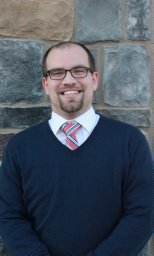 Beyer Kyle S合作论文数6
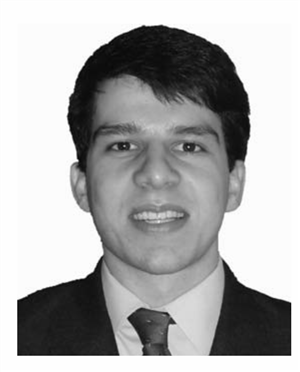 Leonardo Oliveira合作论文数Universidade Federal de São Paulo6
 Hoffman Mattan W合作论文数Institute of Exercise Physiology and Wellness, University of Central Florida5
 Jonathan D Bohner合作论文数4Pruna Gabriel J合作论文数4
 David Church合作论文数3
 Nicholas Ratamess合作论文数Department of Kinesiology and Health Sciences, School of Nursing and Health Sciences, College of New Jersey3
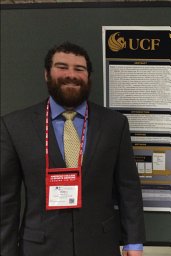 Joshua J Riffe合作论文数2
 Alyssa N. Varanoske合作论文数Military Nutrition Division, U.S. Army Research Institute of Environmental Medicine2
 William Mccormack合作论文数2Michael J. Redd合作论文数1
 Kayla M. Baker合作论文数University of Cincinnati1Edward H Robinson合作论文数1
 Tyler W D Muddle合作论文数Dept Hlth & Human Performance, Oklahoma State Univ1Reardon Danielle合作论文数1




