Actin cytoskeleton remodeling sustains the ability of cytotoxic T cells to search for target cells and eliminate them. We here investigated the relationship between energetic status, actin remodeling, and functional fitness in human CD8+ effector T cells. Cell spreading during migration or immunological synapse assembly mirrored cytotoxic activity. Morphological and functional fitness were boosted by interleukin-2 (IL-2), which also stimulated the transcription of glycolytic enzymes, actin isoforms, and actin-related protein (ARP)2/3 complex subunits. This molecular program scaled with F-actin content and cell spreading. Inhibiting glycolysis impaired F-actin remodeling at the lamellipodium, chemokine-driven motility, and adhesion, while mitochondrial oxidative phosphorylation blockade impacted cell elongation during confined migration. The severe morphological and functional defects of ARPC1B-deficient T cells were only partially corrected by IL-2, emphasizing ARP2/3-mediated actin polymerization as a crucial energy state integrator. The study therefore underscores the tight coordination between metabolic and actin remodeling programs to sustain the cytotoxic activity of CD8+ T cells.
BACKGROUND:Increasing evidence links genetic defects affecting actin-regulatory proteins to diseases with severe autoimmunity and autoinflammation, yet the underlying molecular mechanisms are poorly understood. Dedicator of cytokinesis 11 (DOCK11) activates the small Rho guanosine triphosphatase (GTPase) cell division cycle 42 (CDC42), a central regulator of actin cytoskeleton dynamics. The role of DOCK11 in human immune-cell function and disease remains unknown. METHODS:We conducted genetic, immunologic, and molecular assays in four patients from four unrelated families who presented with infections, early-onset severe immune dysregulation, normocytic anemia of variable severity associated with anisopoikilocytosis, and developmental delay. Functional assays were performed in patient-derived cells, as well as in mouse and zebrafish models. RESULTS:We identified rare, X-linked germline mutations in DOCK11 in the patients, leading to a loss of protein expression in two patients and impaired CDC42 activation in all four patients. Patient-derived T cells did not form filopodia and showed abnormal migration. In addition, the patient-derived T cells, as well as the T cells from Dock11-knockout mice, showed overt activation and production of proinflammatory cytokines that were associated with an increased degree of nuclear translocation of nuclear factor of activated T cell 1 (NFATc1). Anemia and aberrant erythrocyte morphologic features were recapitulated in a newly generated dock11-knockout zebrafish model, and anemia was amenable to rescue on ectopic expression of constitutively active CDC42. CONCLUSIONS:Germline hemizygous loss-of-function mutations affecting the actin regulator DOCK11 were shown to cause a previously unknown inborn error of hematopoiesis and immunity characterized by severe immune dysregulation and systemic inflammation, recurrent infections, and anemia. (Funded by the European Research Council and others.).
T cells rely on actin cytoskeleton remodeling to migrate and assemble the immunological synapse (IS). Here, we investigated how human CD8+ cells regulate their actin cytoskeleton and associated morphological responses according to their metabolic status. The actin-rich lamellipodium sustaining motility and IS was mostly dependent on the ARP2/3 subunit ARPC1B and its regulators WASP and HEM1 as revealed by a morphological screen of T cells from patients with actinopathies. ARP2/3 subunits, actin isoforms and glycolytic enzymes were co-stimulated at the transcriptional level upon IL-2 stimulation. This molecular program scaled with F-actin content and cell spreading in healthy donor T cells and was associated with phenotypic correction of WASP and HEM1 deficient T cells. Blockade of glycolysis but not OXPHOS reduced F-actin density at the lamellipodium and impaired chemokine-driven motility and synaptic adhesion. Thus ARP2/3-mediated lamellipodium assembly scales with glycolysis to adjust morphological responses in effector CD8+ T cells.
The Front Cover shows the synthesis of various quinoxalines in nothing but “hot water”. Aromatic quinoxalines can be synthesized in down to 10 min from the starting compounds in stoichiometric ratio in water at 230 °C through microwave-assisted hydrothermal synthesis. The synthetic approach is tolerant to a broad array of functional groups and can be combined with protecting group strategies. A large-scale computational comparison of all to date existing syntheses towards the presented quinoxalines shows that the hydrothermal approach is the greenest. More information can be found in the Full Paper by F. A. Amaya-García et al.
Invited for this month's cover is the group of Miriam Unterlass at the Technische Universität Wien and the CeMM Research Center for Molecular Medicine of the Austrian Academy of Sciences. The image illustrates the synthesis of quinoxalines in "hot water" and the large-scale computational comparison of all existing syntheses of these quinoxalines. The Full Paper itself is available at 10.1002/cssc.202100433.
Here, the hydrothermal synthesis (HTS) of 2,3-diarylquinoxalines from 1,2-diketones and o-phenylendiamines (o-PDAs) was achieved. The synthesis is simple, fast, and generates high yields, without requiring any organic solvents, strong acids or toxic catalysts. Reaction times down to <10 min without decrease in yield could be achieved through adding acetic acid as promoter, even for highly apolar biquinoxalines (yield >90 % in all cases). Moreover, it was shown that HTS has high compatibility: (i) hydrochlorides, a standard commercial form of amines, could be used directly as combined amine source and acidic catalyst, and (ii) Boc-diprotected o-PDA could be directly employed as substrate that underwent HT deprotection. A systematic large-scale computational comparison of all reported syntheses of the presented quinoxalines from the same starting compounds showed that this method is more environmentally friendly and less toxic than all existing methods and revealed generic synthetic routes for improving reaction yields. Finally, the application of the synthesized compounds as fluorescent dyes for cell staining was explored.
Obesity-induced white adipose tissue (WAT) hypertrophy is associated with elevated adipose tissue macrophage (ATM) content. Overexpression of the triggering receptor expressed on myeloid cells 2 (TREM2) reportedly increases adiposity, worsening health. Paradoxically, using insulin resistance, elevated fat mass and hypercholesterolemia as hallmarks of unhealthy obesity, a recent report demonstrated ATM-expressed TREM2 promoted health. Here, we identified that in mice TREM2 deficiency aggravated diet-induced insulin resistance and hepatic steatosis independently of fat and cholesterol levels. Metabolomics linked TREM2 deficiency with elevated obesity-instigated serum ceramides that correlated with impaired insulin sensitivity. Remarkably, while inhibiting ceramide synthesis exerted no influences on TREM2-dependent ATM remodeling, inflammation or lipid load, it restored insulin tolerance, reversing adipose hypertrophy and secondary hepatic steatosis of TREM2-deficient animals. Bone marrow transplantation experiments revealed unremarkable influences of immune cell-expressed TREM2 on health instead demonstrating that WAT-intrinsic mechanisms impinging on sphingolipid metabolism dominate in TREM2’s systemic protective effects on metabolic health.
We report on the hydrothermal polymerization (HTP) of polyimide (PI) networks using the medium H2O and the comonomers 1,3,5-tris(4-aminophenyl)benzene (TAPB) and pyromellitic acid (PMA). Full condensation is obtained at minimal reaction times of only 2 h at 200 °C. The PI networks are obtained as monoliths and feature thermal stabilities of >500 °C, and in several cases even up to 595 °C. The monoliths are built up by networks of densely packed, near-monodisperse spherical particles and annealed microfibers, and show three types of porosity: (i) intrinsic inter-segment ultramicroporosity (<0.8 nm) of the PI networks composing the particles (∼3-5 μm), (ii) interstitial voids between the particles (0.1-2 μm), and (iii) monolith cell porosity (∽10-100 μm), as studied via low pressure gas physisorption and Hg intrusion porosimetry analyses. This unique hierarchical porosity generates an outstandingly high specific pore volume of 7250 mm3 g-1. A large-scale micromorphological study screening the reaction parameters time, temperature, and the absence/presence of the additive acetic acid was performed. Through expert interpretation of hundreds of scanning electron microscopy (SEM) images of the products of these experiments, we devise a hypothesis for morphology formation and evolution: a monomer salt is initially formed and subsequently transformed to overall eight different fiber, pearl chain, and spherical morphologies, composed of PI and, at long reaction times (>48 h), also PI/SiO2 hybrids that form through reaction with the reaction vessel. Moreover, we have developed a computational image analysis pipeline that deciphers the complex morphologies of these SEM images automatically and also allows for formulating a hypothesis of morphology development in HTP that is in good agreement with the manual morphology analysis. Finally, we upscaled the HTP of PI(TAPB-PMA) and processed the resulting powder into dense cylindrical specimen by green solvent-free warm-pressing, showing that one can follow the full route from the synthesis of these PI networks to a final material without employing harmful solvents.
des établissements d'enseignement et de recherche français ou étrangers, des laboratoires publics ou privés.
The WAVE regulatory complex (WRC) is crucial for assembly of the peripheral branched actin network constituting one of the main drivers of eukaryotic cell migration. Here, we uncover an essential role of the hematopoietic-specific WRC component HEM1 for immune cell development. Germline-encoded HEM1 deficiency underlies an inborn error of immunity with systemic autoimmunity, at cellular level marked by WRC destabilization, reduced filamentous actin, and failure to assemble lamellipodia. Hem1-/- mice display systemic autoimmunity, phenocopying the human disease. In the absence of Hem1, B cells become deprived of extracellular stimuli necessary to maintain the strength of B cell receptor signaling at a level permissive for survival of non-autoreactive B cells. This shifts the balance of B cell fate choices toward autoreactive B cells and thus autoimmunity.
Adipose tissue macrophages (ATMs) display tremendous heterogeneity depending on signals in their local microenvironment and contribute to the pathogenesis of obesity. The phosphoinositide 3-kinase (PI3K) signalling pathway, antagonized by the phosphatase and tensin homologue (PTEN), is important for metabolic responses to obesity. We hypothesized that fluctuations in macrophage-intrinsic PI3K activity via PTEN could alter the trajectory of metabolic disease by driving distinct ATM populations. Using mice harbouring macrophage-specific PTEN deletion or bone marrow chimeras carrying additional PTEN copies, we demonstrate that sustained PI3K activity in macrophages preserves metabolic health in obesity by preventing lipotoxicity. Myeloid PI3K signalling promotes a beneficial ATM population characterized by lipid uptake, catabolism and high expression of the scavenger macrophage receptor with collagenous structure (MARCO). Dual MARCO and myeloid PTEN deficiencies prevent the generation of lipid-buffering ATMs, reversing the beneficial actions of elevated myeloid PI3K activity in metabolic disease. Thus, macrophage-intrinsic PI3K signalling boosts metabolic health by driving ATM programmes associated with MARCO-dependent lipid uptake.
Infections induce complex host responses linked to antiviral defense, inflammation and tissue damage and repair. These processes are increasingly understood to involve systemic metabolic reprogramming. We hypothesized that the liver as a central metabolic hub may orchestrate many of these changes during infection. Thus, we investigated the systemic interplay between inflammation and metabolism in a mouse model of chronic viral infection and hepatitis. Here we show that virus-induced type I interferon (IFN-I) modulates wide-spread metabolic alterations of the liver in a hepatocyte-intrinsic Ifnar1-dependent way. Specifically, IFN-I repressed the transcription of numerous genes with metabolic function including Otc and Ass1 , which encode enzymes of the urea cycle. This led to decreased arginine and increased ornithine concentrations in the circulation, resulting in suppressed virus-specific CD8 T cell responses and ameliorated liver pathology. These findings establish IFN-I-induced modulation of hepatic metabolism and the urea cycle as an endogenous mechanism of immunoregulation.
We provide a catalog for the effects of the human kinome on cell survival in response to DNA damaging agents, selected to cover all major DNA repair pathways. By treating 313 kinase-deficient cell lines with ten diverse DNA damaging agents, including seven commonly used chemotherapeutics, we were able to identify kinase specific vulnerabilities and resistances. In order to identify novel synthetic lethal interactions, we investigate the cellular response to carmustine for 25 cell lines, by establishing a phenotypic FACS assay designed to mechanistically investigate and validate gene-drug interactions. We show apoptosis, cell cycle, DNA damage and proliferation after alkylation or crosslink-induced damage for selected cell lines and rescue the cellular sensitivity of DYRK4, EPHB6, MARK3, PNCK as a proof of principle for our study. Our data suggest that some cancers with inactivated DYRK4, EPHB6, MARK3 or PNCK gene could be particularly vulnerable to treatment by alkylating chemotherapeutic agents carmustine or temozolomide.
Infections induce complex host responses linked to antiviral defense, inflammation, and tissue damage and repair. We hypothesized that the liver, as a central metabolic hub, may orchestrate systemic metabolic changes during infection. We infected mice with chronic lymphocytic choriomeningitis virus (LCMV), performed RNA sequencing and proteomics of liver tissue, and integrated these data with serum metabolomics at different infection phases. Widespread reprogramming of liver metabolism occurred early after infection, correlating with type I interferon (IFN-I) responses. Viral infection induced metabolic alterations of the liver that depended on the interferon alpha/beta receptor (IFNAR1). Hepatocyte-intrinsic IFNAR1 repressed the transcription of metabolic genes, including Otc and Ass1, which encode urea cycle enzymes. This led to decreased arginine and increased ornithine concentrations in the circulation, resulting in suppressed virus-specific CD8+ T cell responses and ameliorated liver pathology. These findings establish IFN-I-induced modulation of hepatic metabolism and the urea cycle as an endogenous mechanism of immunoregulation.Video Abstract
Drug combinations provide effective treatments for diverse diseases, but also represent a major cause of adverse reactions. Currently there is no systematic understanding of how the complex cellular perturbations induced by different drugs influence each other. Here, we introduce a mathematical framework for classifying any interaction between perturbations with high-dimensional effects into 12 interaction types. We apply our framework to a large-scale imaging screen of cell morphology changes induced by diverse drugs and their combination, resulting in a perturbome network of 242 drugs and 1832 interactions. Our analysis of the chemical and biological features of the drugs reveals distinct molecular fingerprints for each interaction type. We find a direct link between drug similarities on the cell morphology level and the distance of their respective protein targets within the cellular interactome of molecular interactions. The interactome distance is also predictive for different types of drug interactions.
RNA-dependent RNA polymerases (RdRps) play a key role in the life cycle of RNA viruses and impact their immunobiology. The arenavirus lymphocytic choriomeningitis virus (LCMV) strain Clone 13 provides a benchmark model for studying chronic infection. A major genetic determinant for its ability to persist maps to a single amino acid exchange in the viral L protein, which exhibits RdRp activity, yet its functional consequences remain elusive. To unravel the L protein interactions with the host proteome, we engineered infectious L protein-tagged LCMV virions by reverse genetics. A subsequent mass-spectrometric analysis of L protein pulldowns from infected human cells revealed a comprehensive network of interacting host proteins. The obtained LCMV L protein interactome was bioinformatically integrated with known host protein interactors of RdRps from other RNA viruses, emphasizing interconnected modules of human proteins. Functional characterization of selected interactors highlighted proviral (DDX3X) as well as antiviral (NKRF, TRIM21) host factors. To corroborate these findings, we infected Trim21-/- mice with LCMV and found impaired virus control in chronic infection. These results provide insights into the complex interactions of the arenavirus LCMV and other viral RdRps with the host proteome and contribute to a better molecular understanding of how chronic viruses interact with their host.
The use of a refined chemical library called the CeMM library of unique drugs (CLOUD) identified a synergistic interaction between flutamide and phenprocoumon in decreasing the growth of prostate cancer cells by regulating androgen receptor stability.
Recent advances in high-throughput technologies have created exciting opportunities for systematically investigating the molecular basis of human disease. In addition to a growing catalog of disease-associated genetic variations, we can now map out an increasingly detailed network diagram of the complex machinery of interacting molecules that constitutes the basis of (patho-) physiological states. The emerging field of ‘network medicine’ applies tools and concepts from network theory to interpret this diagram and elucidate the relation between perturbations on the molecular level and phenotypic disease manifestations. The interactome, i.e. the integrated network of all physical interactions within the cell, can be interpreted as a map and diseases as local perturbations. Network-based approaches can aid in identifying the specific interactome neighborhood that is perturbed in a certain disease, guide the search for therapeutic targets and reveal common molecular mechanisms between seemingly unrelated diseases.
AbstractAutomatisiertes De‐novo‐Moleküldesign führte zur Entdeckung eines neuartigen Inhibitors der Death‐Associated Proteinkinase 3 (DAPK3). Eine erste Kristallstruktur der inaktiven DAPK3 als Homodimer im Komplex mit dem fragmentartigen Liganden zeigt dessen Bindung in der ATP‐Bindetasche. Das verwendete maschinelle Lernverfahren hat neben DAPK3 weitere Targets korrekt vorhergesagt, sowohl für den entworfenen Liganden als auch für den strukturell verwandten und bereits auf dem Markt befindlichen Wirkstoff Azosemid. Die vorliegende Studie bestätigt das Konzept des computergestützten ligandenbasierten De‐novo‐Moleküldesigns als geeignet für die Erzeugung neuartiger Liganden und potentieller Startpunkte für die Wirkstofffindung.
Automated molecular de novo design led to the discovery of an innovative inhibitor of death-associated protein kinase 3 (DAPK3). An unprecedented crystal structure of the inactive DAPK3 homodimer shows the fragment-like hit bound to the ATP pocket. Target prediction software based on machine learning models correctly identified additional macromolecular targets of the computationally designed compound and the structurally related marketed drug azosemide. The study validates computational de novo design as a prime method for generating chemical probes and starting points for drug discovery.
 Menche Jörg合作论文数Northeastern University Physics Department, Budapest University of Technology and Economics13
 Joerg Menche合作论文数5
 Kaan Boztug合作论文数CeMM Research Center for Molecular Medicine, Austrian Academy of Sciences;Medical University of Vienna5
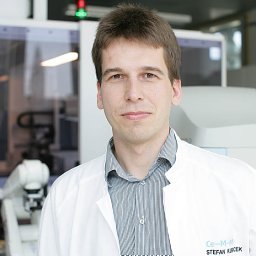 Stefan Kubicek合作论文数IMEC vzw 75 Kappeldreef5
 Loic Dupre合作论文数INSERM U563, Toulouse, France5
 Gernot Schabbauer合作论文数Inst Physiol, Med Univ Vienna4
 Kandasamy Richard K合作论文数CeMM Research Center for Molecular Medicine, the Austrian Academy of Sciences4
 Brunner Julia合作论文数Institute for Physiology, Medical University of Vienna;Institute for Physiology, Medical University of Vienna4
 Keiryn L. Bennett合作论文数Protana4
 Andreas Bergthaler合作论文数Institute for Systems Biology, Seattle, WA 98103, USA4
 Peter Májek合作论文数Cornell University4Anna-Katharina Mautner合作论文数3
 Beatriz Chaves合作论文数3Charles-Hugues Lardeau合作论文数CeMM Research Center for Molecular Medicine3
 Unterlass Miriam M合作论文数Univ. Lyon 1, Université de Lyon3
 Anannya Bhattacharya合作论文数3
 Lindsay Kosack合作论文数CeMM Research Center for Molecular Medicine, the Austrian Academy of Sciences3
 Kristaps Klavins合作论文数3
 Anton Kamnev合作论文数Max F Perutz Laboratories, University of Vienna3
 Christoph Bock合作论文数Institute for Artificial Intelligence, Medical University of Vienna;CeMM Research Center for Molecular Medicine, Austrian Academy of Sciences3Tiago Rodrigues合作论文数2Jana Block合作论文数2Christina Rashkova合作论文数2Theresa Pinter合作论文数2
 Claire Lacouture合作论文数2Cyrill Brunner合作论文数2Daniela Reil合作论文数2Felix Müller合作论文数2Wolfgang Weninger合作论文数2
 Sevgi Kostel Bal合作论文数2
 Moritz F Schlapansky合作论文数2Hatoon Baazim合作论文数Dept Mol Metab, Harvard TH Chan Sch Publ Hlth2Anna Koren合作论文数2Fabián Amaya‐García合作论文数Inst Appl Synthet Chem, Vienna Univ Technol2
 Lisa Ellen Shaw合作论文数2
 Dijana Vitko合作论文数Equal contribution, co-first authors.2Bettina Gürtl合作论文数Austrian Acad Sci, CeMM Res Ctr Mol Med, Vienna, Austria2Paul Cheng合作论文数Division of Cardiovascular Medicine, 300 Pasteur Drive, Falk CVRC, Stanford, CA, 94305, USA.2
 Andrea Vogel合作论文数Med Univ Vienna, Ctr Physiol & Pharmacol, Inst Vasc Biol, Vienna, Austria2Michael Schuster合作论文数2
 Daniel Reker合作论文数Department of Biomedical Engineering, Pratt School of Engineering, Duke University2
 Popa Alexandra合作论文数Université de Lyon2
 Zoghi Samaneh合作论文数School of Medicine, Tehran University of Medical Sciences;School of Medicine, Tehran University of Medical Sciences;Tehran University of Medical Sciences, Tehran University of Medical Sciences2Sharif Omar合作论文数2
 Raul Jimenez Heredia合作论文数2Mesteri Ildiko合作论文数2
 Gabernet Gisela合作论文数2
 Wielscher Matthias合作论文数Health and Environment Department, Austrian Institute of Technology2Hoeger Birgit合作论文数2




