In amyotrophic lateral sclerosis (ALS), non-invasive ventilation (NIV) improves survival; however, the phenotype of patients who are most likely to benefit remains unclear. This study aimed to identify predictors of survival at initiation of NIV. A retrospective review (September 2018 - June 2022) of patients with ALS initiated on NIV at a tertiary referral centre was conducted. Survival analysis was performed with a Cox regression model. 105 patients (56% male) with ALS (69% limb-onset, 31% bulbar-onset) received new NIV treatment. Age (mean±SD) at initiation was 66±11 yrs, BMI was 23±6 kg/m2. Daytime CO2 at initiation was 5.7±0.8 kPa, sniff nasal inspiratory pressure (SNIP) was 25±19 cmH2O, and peak cough flow (PCF) was 197±100 L/min. At 3-months following initiation, median (IQR) NIV adherence was 1.0 (0-5.5) hours per night. 28% were using NIV for more than four hours per night, while 43% used it for zero hours. Median survival (95%CI) from initiation of NIV was 354 (287;421) days. In those who used NIV more than four hours per night, median survival was 479 (237;721) days. Mortality at 6-month was 26%, at 12-months was 51% and 18-months was 70%. Increasing age (HR 1.03 [1.01, 1.05], p=0.02), lower BMI (HR 0.95 [0.91,0.98] p=0.004), lower PCF (HR 0.99 [0.99,0.99] p<0.001) and lower adherence at first review (HR 0.93 [0.87,0.99] p=0.049) were associated with reduced survival. ALS phenotype and SNIP were not associated with survival. In conclusion, potentially modifiable factors such as nutritional state, cough function and NIV adherence are associated with improved survival. It remains to be proven if interventions in these areas could improve outcomes.
Introduction: Positional therapy is increasingly prescribed as adjunct therapy for patients ranging from sleep disordered breathing to proning in acute respiratory distress syndrome. Patients with severe obesity are a high risk group for these breathing disorders. We examined the effects of different positions on respiratory mechanics in patients with severe obesity. Methods: Pre-bariatric surgery patients in sleep clinic were enrolled. Respiratory mechanics assessed using balloon catheters with oesophageal and gastric pressures during stable tidal breathing volume measured with pneumotachograph. Patients assessed in sitting, supine, prone, left lateral and right lateral position. Results: 9 patients enrolled (4 female; age 55.1+/-3.4 years; BMI 49.7+/-6.9kg/m2) with 2 diagnosed with obesity hypoventilation syndrome (OHS). Mean dynamic compliance in OHS was 46.5+/-2.6mL/cmH2O compared to 89.5+/-37.8 in eucapnic cohort. Trans-diaphragmatic pressure was 25.3+/-0.9 cmH2O in OHS vs 15.7+/-0.4 cmH2O in eucapnic. Compliance decreased with supine positioning to 66%+/-15 of upright baseline. No significant change in compliance in response to all non-upright positioning in OHS patients. In eucapnic cohort, optimal compliance to positioning was seen when proning in 4 patients (32.8%+/-3.8 increase over supine) and left lateral position in 3 patients (54.4%+/-61.3). Conclusion: Patients with OHS have a fixed low dynamic compliance in all tested postures likely reflective of a fixed compartment with poor elastic response. Different responses to positioning in the non-hypercapnic patients may be reflective of differential fat distribution and intra-abdominal pressures offering different mechanical advantages.
Patients with amyotrophic lateral sclerosis (ALS) develop chronic respiratory failure, managed with non-invasive ventilation (NIV) to improve survival and quality of life. We investigated if baseline clinical features can predict outcome. Baseline data of our ALS cohort, initiated on NIV between 01/04/21 and 01/04/22, were included to determine the relationship between baseline clinical characteristics and mortality. 35 patients were included (57% male; median(IQR) age 68(56-77) yrs); 69% limb-onset and 31% bulbar-onset). Baseline data are shown in Tab 1. Survival time was 389 (308-470) days. 12-month mortality was 42%. In a univariate Cox proportional hazard model, decreasing ALSFRS-R (HR 0.93 [0.89,0.99]; p=0.02), increasing seated Borg dyspnoea scale (HR 1.33 [1.04,1.70]; p=0.02) were associated with shorter survival from NIV initiation. Although decreasing SNIP (HR 0.96 [0.92,0.99]; p=0.01), PEF (HR 0.99 [0.98,0.99]; p=0.02) and CPEF (HR 0.99 [0.98,0.99]; p=0.02) were associated with reduced survival, the effect size was much less than ALSFRS-R and seated Borg dyspnoea scale. Although measures of respiratory function predict mortality post NIV initiation in ALS, simple measures of dyspnoea whilst seated and functional status may have greater utility at predicting outcome. Table 1
Background The prevalence of obstructive sleep apnoea (OSA) is increasing worldwide. Bariatric surgery is an option where conventional measures to achieve weight loss fail. We compared peri-operative outcomes in patients living with obesity with and without OSA undergoing bariatric surgery. Methods Retrospective cohort study of consecutive patients undergoing bariatric surgery at a tertiary referral centre. Data were extracted from electronic patient records. Primary outcomes were the rate of peri-operative complications and level of respiratory support. Secondary outcomes were length of stay (LOS), and the highest level of care required. Results A total of 302 patients underwent surgery [age 47 (±11.6) years, 238 (78.8%) female, body mass index (BMI) 48.1 (±7.8) kg/m2]. A total of 101 (33.4%) patients had moderate or severe OSA, or mild OSA with significant sleepiness, and were prescribed continuous positive airway pressure (CPAP), whilst 201 (66.6%) had mild OSA without symptoms or no OSA and weren’t. Patients requiring CPAP were more obese (BMI 50.2 vs. 47.0 kg/m2, P=0.002). Complications were analysed individually and according to the Clavien-Dindo classification. The incidence of each individual complication did not differ between groups. When grouped into Clavien-Dindo grades, only grade I complications differed: CPAP 9% vs. non-CPAP 2.6%, P=0.02). LOS was longer in the CPAP group [3 (1.5) vs. 2 (1.0) days, P=0.002]. Conclusions The rate of peri-operative complications in patients with OSA undergoing bariatric surgery is low and can be addressed by the provision of CPAP therapy in most cases. However, a longer LOS and more frequent Grade I complications requires selection of appropriate post-operative monitoring.
Background: There is a significant burden of sleep disordered breathing (SDB) in patients living with severe and complex obesity undergoing pre-bariatric surgery assessment. This longitudinal observational study evaluated the burden of obesity hypoventilation syndrome (OHS) in this cohort of patients and the therapeutic compliance of patients commenced on positive airway pressure treatment. Methods: All pre-bariatric surgery patients referred to the sleep clinic for review after an abnormal screening study between 2018 and 2022 were included. We collected data on their sleep study results, anthropometrics, co-morbid medical conditions, clinical observations, spirometry and arterial blood gas (ABG). Patients commenced on therapy were followed-up longitudinally and compliance data collected via remote monitoring. Results: A total of 116 patients were included [age: mean & PLUSMN; standard deviation (SD) 48.8 & PLUSMN;10.8 years; body mass index (BMI) 49.2 & PLUSMN;8.5 kg/m2; Epworth Sleepiness Scale (ESS) 8.7 & PLUSMN;5.1 points]. Fifteen patients (12.9% of cohort) were diagnosed with hypercapnic respiratory failure (pH 7.40 & PLUSMN;0.02; pO2 11.00 & PLUSMN;1.04 kPa; pCO2 6.15 & PLUSMN;0.08 kPa). Compared to eucapnic obstructive sleep apnoea (OSA) patients, they were older (51.1 vs. 48.5 years; P=0.311), had a higher BMI (51.5 vs. 48.9 kg/m2; P=0.266), more likely to be female (66.7% vs. 53.5%; P=0.275) and had a higher ESS score (10.4 vs. 8.5 points; P=0.177). On binomial regression analysis insulin dependent diabetes was the only patient characteristic of significance with prevalence increased in patients with OHS (26.7% vs. 8.9%; P=0.042). Forced vital capacity (FVC) and oxygen saturation (SpO2) cut-offs demonstrated high specificity (96.8%) but low sensitivity (13.3%) to diagnosed hypercapnia. Fifty percent of the patients with hypercapnia required bi-level ventilation. On follow-up 44.9% of patients were compliant with therapy (>4 hours usage/night). Conclusions: In minimally symptomatic patients living with severe and complex obesity who have an abnormal overnight oximetry, over 1 in 10 demonstrated chronic respiratory failure. Clinic spirometry and daytime SpO2 excluded those with hypercapnia. Overall adherence to prescribed therapy is low. Screening, appropriate pre-operative optimisation and peri-operative planning are important in preventing complications in this patient cohort.
Introduction Obstructive Sleep Apnoea (OSA) is commonly treated with Continuous Positive Airway Pressure (CPAP) therapy. Over the last decade, hypoglossal nerve stimulation in OSA has been tested in randomised controlled trials (RCT) to maintain the neuromuscular tone of the genioglossus muscle and treat OSA. We sought to analyse the qualitative feedback of patients who were included in an RCT using transcutaneous electrical stimulation (TESLA-home) for three months. Method & Patients We analysed the feedback of patients included in the TESLA-home trial (NCT03160456, 2018–2023) undertaken at Guy's & St Thomas' Hospital, London following patients for 3 months. The intervention arm received domiciliary TESLA, while the control arm received usual care (CPAP). Patients with OSA (apnoea-hypopnoea index 5–35/hour) who failed effective CPAP usage (<4 hours/night) were included. This is an interim analysis on 46/56 patients. Results The trial randomised 56 randomised patients, 29 patients into the intervention arm (TESLA), while 27 patients were assigned to usual care (CPAP). In total, this interim analysis included exit interview feedback from 46 patients. 89% (41) of patients reported no skin discomfort, the rest had mild skin discomfort; some patients experienced improved headaches, while one patient discontinued the intervention (TESLA) due to mild headaches. Out of the entire group, 59% (27) of patients reported dryness of the mouth (both trial arms). 67% (31) of the patients reported limited sleep quality as well as not feeling refreshed (both trial arms), caused by either being non-responders to TESLA or non-adherence to CPAP. Discussion TESLA is well tolerated but may cause mild skin sensation and mild headaches in some patients. Other related issues (dry mouth, sleep quality) match the problems experienced with usual care (CPAP).
Multiple Sclerosis (MS) can be complicated with respiratory dysfunction, and particularly expiratory muscle weakness, requiring ventilatory and secretion management support. We sought to characterise the MS cohort at a tertiary ventilation centre. A retrospective review of MS patients admitted to our centre between 01/2015 and 01/2021 was conducted. We identified 30 adults (50% male) admitted for respiratory review. MS subtypes included primary progressive (59%), secondary progressive (27%) and relapsing-remitting (14%). Time from initial MS diagnosis to referral was 22±12yrs, while age was 57±11years. At baseline, BMI was 29±11kg/m2, peak cough flow 74±39L/min, FEV1: 1.06±0.65L, FVC: 1.37±0.72L, 4%ODI: 13±18events/hr, and overnight transcutaneous CO2: 45.3±6.52mmHg. Following assessment, 46% were initiated onto positive airway pressure (PAP) therapy (58% on pressure support, 29% on pressure control, 13% on continuous positive airway pressure), 25% onto mechanical insufflation-exsufflation (MIE) and 29% onto both. Survival after review was: 1-yr(100%), 2-yr (83.3%) and 5-yr(63.3%). Median time to death from referral was 5.2(4.2,7.5)yrs. The combination of PAP and MIE resulted in longer survival time (8.3[4.8,11.7]) compared with PAP alone (4.6[2.4,6.8]; p=0.03). In MS patients, respiratory compromise and consequent referral to a tertiary ventilation service is a late feature of the disease. Average survival following onset of respiratory compromise is more than half a decade. The combination of PAP and MIE appears to increase survival compared with PAP alone.
Background Hypoglossal nerve stimulation (HNS) for obstructive sleep apnoea (OSA) is a novel way to manage the condition. We hypothesised that in patients with OSA and limited adherence to continuous positive airway pressure (CPAP) therapy, domiciliary transcutaneous electrical stimulation (TESLA) would control sleep apnoea and provide health benefits.Methods We undertook a single-centre, open-label, randomised, controlled phase III trial in patients with OSA (apnoea-hypopnoea-index [AHI] 5-35 h(-1)), a BMI of 18.5-32 kg*m(-2), and a documented lack of adherence to CPAP therapy (<4 h*night(-1)) at Guy's & St Thomas' NHS Foundation Trust (hospital), UK. Patients were randomly assigned (1:1) using minimisation (gender and OSA severity) to receive TESLA or usual care (CPAP) for at least 3 months; sleep study analysis was provided without knowledge of the assignment arm. The primary outcome was change in AHI at 3-months. The primary outcome and safety were analysed in the intention-to-treat population. Data are reported as median (interquartile range), unless otherwise explained. This trial is registered at ClinicalTrials.gov, NCT03160456.Findings Between 6 June 2018 and 7 February 2023, 56 participants were enrolled and randomly assigned (29 patients in the intervention group and 27 in the usual care group). Patients were followed up for a median of 3.0 months (IQR 3.0; 10.0). The groups were similar in terms of age (55.8 (48.2; 66.0) vs 59.3 (47.8; 64.4) years), gender (male:female, 19:10 vs 18:9) and BMI (28.7 (26.4; 31.9) vs 28.4 (24.4; 31.9) kg*m(-2)). The unadjusted group difference in the Delta AHI was -11.5 (95% CI -20.7; -2.3) h(-1) (p = 0.016). Adjusted for the baseline value, the difference was Delta AHI -7.0 (-15.7; 1.8) h(-1) (p = 0.12), in favour of the intervention. Minor adverse events were found in one of the participants who developed mild headaches related to the intervention.Interpretation Domiciliary TESLA can be used safely and effectively in OSA patients with poor adherence to CPAP, with favourable impact on sleepiness and sleep fragmentation. Despite pandemic-related limitations of the amended protocol this trial provides the evidence that TESLA improves clinically meaningful outcomes over the observed follow up period, and the transcutaneous approach is likely to offer an affordable alternative for responders to electrical stimulation in clinical practice.
Obesity is an increasing cause of respiratory morbidity and lead to sleep disordered breathing and ultimately respiratory failure. The chapter summarizes the current literature on the pathophysiology, diagnosis and clinical assessment of patients with obesity related respiratory failure. A detailed description of the impact of obesity on respiratory mechanics and the load-capacity-drive relationship of the respiratory muscle pump is provided and how this impacts on breathing during sleep and ultimately leads to daytime respiratory failure. An overview is provided on the impact of respiratory failure in obesity on the cardiovascular system and a pathway of clinical assessment of patients is provided.
Sleep disordered breathing describes an important group of conditions that causes abnormal nocturnal gas exchange, with important implications in the peri-operative management plan. An understanding of the pathophysiology behind obstructive sleep apnoea and other disorders that may lead to hypoventilation can help to prevent complications. Patients with these disorders may be minimally symptomatic and it requires careful screening in the pre-operative assessment process for a diagnosis to be made. Decisions regarding initiation of therapy, such as positive airway pressure, and delay of the operation need to be carefully weighed up against the urgency of the surgical intervention. Planning of the peri-operative care, including the use of positive airway pressure therapy and appropriate post-operative monitoring, can help to avoid respiratory and cardiovascular morbidities and improve clinical outcomes. Educational aims:To review different types of sleep disordered breathing and available screening methods in pre-operative assessment.To understand the pathophysiology behind sleep disordered breathing and how it can lead to complications in the peri-operative setting.To review the planning and treatment strategies that should be considered as part of peri-operative management.
BACKGROUND:Electrical current can be used to stimulate upper airway dilator muscles to treat obstructive sleep apnoea (OSA). Ultrasound devices are widely available and may be used to detect contraction of the upper airway dilator muscles assessing the functionality of electrical stimulation (ES) used for this treatment. METHODS:In a physiological sub-study of a randomised controlled trial, patients with OSA underwent ultrasound examination to assess contraction of the upper airway dilator muscles in response to transcutaneous ES. Ultrasound scans were scored according to the picture quality (poor = '0', acceptable = '1' and good = '2'). Tongue base thickness was assessed in mid-sagittal and coronal planes with (D2, A2) and without ES (D1, A1), while awake and seated. The primary outcome was to determine the increase in tongue thickness during ES in both views (D2 - D1 = ΔD), as well as any increase in the cross-sectional area (CSA) in the coronal view (A2 - A1 = ΔA). Data were presented as mean and standard deviation (SD). RESULTS:Fourteen patients [eight male, age 57.5 (9.8) years, body mass index (BMI) 29.5 (2.8) kg/m2] with OSA [Apnea-Hypopnea Index (AHI) 19.5 (10.6) × hour-1] were studied. Quality of the ultrasound scans was acceptable or good with 1.5 (0.5) points. In the mid-sagittal plane, ΔD was +0.17 (0.07) cm in midline and +0.21 (0.09) cm in the widest diameter, a percentual change of 12.2% (4%) and 12.8% (5.2%) (P<0.001, respectively). In the coronal plane, ΔD was +0.17 (0.04) cm, an increase of 12.3% (4.6%) (P<0.001, respectively), ΔA in the CSA increased by +18.9% (3.0%) with stimulation (P<0.001). There was a negative correlation between age and ΔA (r= -0.6, P=0.03), but no significant associations were found with gender, BMI, neck circumference, Epworth Sleepiness Scale (ESS), AHI, skin and subcutaneous tissue in the submental area. CONCLUSIONS:Ultrasound can visualise upper airway dilator muscle contraction during transcutaneous ES in awake patients with OSA. Contraction is best detected in the CSA of the tongue base in the coronal plane.
Marine water diatom Phaeodactylum tricornutum is a photosynthetic organism that is known to respond to the changing light environment and adapt to different temperatures to prevent photoinhibition and maintain its metabolic functions. The objective of the present study was to test whether light shift variations in different growth phases impact the growth and lipid metabolism of P. tricornutum. Thus, we investigated R exposure in different growth phases to find the most effective light shift condition. The results showed that substituting white light (W) by red light (R) under autotrophic conditions, a condition called red shift (RS), increased biomass and lipid content compared to levels found under continuous W or R exposure alone. We observed an increase by 2-fold biomass and 2.3-fold lipid content in RS as compared to W. No significant change was observed in the morphology of lipid droplets, but the fatty acid (FA) composition was altered. Specifically, polyunsaturated FAs were increased, whereas monounsaturated FAs decreased in P. tricornutum grown in RS compared to W control. Therefore, we propose that a light shift during the beginning of the stationary phase is a low-cost cultivation strategy to boost the total biomass and lipids in P. tricornutum.
Single-use injection devices have undergone continuous evolution since the 1970s. Old problems remain and new ones emerge. These products constitute a large and indispensable class of medical devices which have adapted to changing clinical needs. Technical, commercial, and waste disposal constraints have also changed, altering the way the products are used and discarded. New materials and fabrication techniques have enabled heretofore inconvenient, unsafe, or unreliable procedures. Some devices are sold prefilled with pharmaceuticals which complicate the management of the medical consumables. A brief overview of current developments and their impact on clinical practices is presented. Selection, problem areas, and field evaluation protocols are discussed. Specific clinical sectors include technologies aiming to prevent extemporaneous reuse by incorporating self-disabling features, devices intended for contrast enhancing substances in radiographic or magnetic resonance imaging (MRI) procedures and specialized devices for ophthalmic, dermatologic, endodontic, and other procedures of rising importance.
Background Recovery from Guillain-Barre syndrome (GBS) may be protracted, and patients may need prolonged ventilatory support. We present clinical data from a tertiary referral weaning center managing patients with GBS requiring prolonged ventilatory support. Methods A retrospective review of patients managed in a 34-bed specialist ventilator weaning facility in London, United Kingdom, between 2006 and 2017. Data including demographics, initial presentation, and ventilatory support were collected. Functional recovery and outcome data were collected between 12 months and 3 years following disease onset. Results Twenty-nine patients with severe GBS requiring prolonged ventilation were included. In several patients, coexisting conditions or complications affected the course. Seventy-six percent (n = 22) were successfully weaned from invasive ventilation with a median time to tracheostomy decannulation of 193 days (range: 49-527 days). Use of noninvasive ventilation (NIV), as part of the weaning program, was applied in 59% (13/22), with 14% (3/22) requiring long-term nocturnal NIV. Twenty-four percent (7/29) were not decannulated, with 14% (4/29) supported on long-term invasive ventilation. Forty-five percent (10/22) weaned from invasive ventilation were able to achieve short distance-assisted ambulation. Mortality at 36 months was 17% (5/29), with 3 of these deaths occurring in patients invasively ventilated during their acute admission. Conclusions GBS with severe respiratory muscle weakness and bulbar dysfunction may require prolonged invasive ventilation. However, there is potential for complete weaning from invasive mechanical ventilatory support with associated function recovery. These data highlight the importance of maintaining ongoing support and rehabilitation for patients with GBS requiring prolonged ventilation.
 Joerg Steier合作论文数School of Basic & Medical Biosciences, Faculty of Life Sciences & Medicine, King’s College London21
 Nicholas Hart合作论文数National Institute of Health Research Comprehensive Biomedical Research Centre, Guy's & St Thomas' NHS Foundation Trust and King's College12
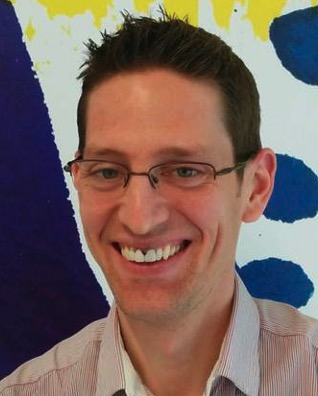 Patrick Murphy合作论文数Guy's and St Thomas' NHS Foundation Trust;Lane Fox Respiratory Unit, Guy's and St Thomas' Hospital;King’s College London;Department of Respiratory and Sleep Medicine, Royal Prince Alfred Hospital11
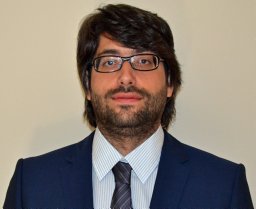 Georgios Kaltsakas合作论文数9
 Esther I Schwarz合作论文数8
 Martino F. Pengo合作论文数6
 Marino Philip S合作论文数6Ramsay Michelle合作论文数6
 Deeban Ratneswaran合作论文数5Eui-Sik Suh合作论文数5
 Yuanming Luo (罗远明)合作论文数First Affiliated Hospital of Guangzhou Medical University;State Key Laboratory of Respiratory Disease;Flinders Medical Centre, College of Medicine and Public Health, Flinders University5
 Baiting He (贺白婷)合作论文数Guangzhou Institute of Respiratory Health, The First Affiliated Hospital of Guangzhou Medical University5Shelley Srivastava合作论文数4Miral Al-Sherif合作论文数Guys & St Thomas Hosp NHS Fdn Trust4
 Rebecca D'Cruz合作论文数Royal Free London NHS Foundation Trust4
 Neeraj Mukesh Shah合作论文数King's College London School of Medicine4Ahmad Guni合作论文数3Barbara McGowan合作论文数Guy's and St Thomas' Hospitals, NHS Foundation Trust3
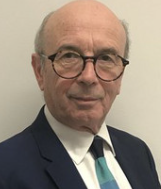 John Moxham合作论文数King's College London;King's College Hospital3Ratneswaran Culadeeban合作论文数3Rossel A合作论文数3Amanda J. Piper合作论文数Department of Respiratory Medicine, Royal Prince Alfred Hospital3Johan Meurling合作论文数2Mike Mackie合作论文数2Hina Pattani合作论文数2Shauna Sheridan合作论文数2
 Jacek Nasiłowski合作论文数2Laura Tincknell合作论文数2kok wai johnny chew合作论文数2Nick Weston合作论文数2Cristiano Van Zeller合作论文数2
 Kiat Seng Yeo (杨杰圣)合作论文数School of Microelectronics, Tianjin University2
 Xi Sung Loo合作论文数2
 Richard G Brown合作论文数Department of Neuropsychology, King's College London2Maxime Patout合作论文数Hôpital Charles Nicolle, CHU de Rouen2
 Crimi Claudia合作论文数2
 Michael Polkey合作论文数National Heart & Lung Institute, Faculty of Medicine, Imperial College London2
 Winfried J. Randerath合作论文数Krankenhaus Bethanien Klinik für Lungen- und Bronchialerkrankungen2
 Gerrard F. Rafferty合作论文数MRC & Asthma UK Centre in Allergic Mechanisms of Asthma, King’s College London2
 Raphael Heinzer合作论文数2
 Kai K Lee合作论文数2Alessandra Sorano合作论文数1Sophie Madden-Scott合作论文数1Anastasia Krompa合作论文数1k w chew合作论文数1Aileen Kharat合作论文数1Wai Heng Chow合作论文数1Andreas Huschka合作论文数1Christoph Schwan合作论文数1




