[This corrects the article DOI: 10.1016/j.ekir.2025.05.051.].
Kidney transplantation is an optimal treatment for kidney failure; however, delayed graft function is a common complication with a prevalence of up to 40% in deceased donor transplantation. The use of i.v. fluids during kidney transplantation is required for hemodynamic stability; however, there are concerns that normal saline may contribute to increased delayed graft function and hyperchloremic metabolic acidosis. Balanced electrolyte solutions have been suggested as an alternative i.v. fluid that may decrease delayed graft function. However, there have been concerns that this may increase hyperkalemia in transplant recipients. This guideline seeks to synthesize the available evidence and make recommendations for the Australian and New Zealand care by a multidisciplinary working group, including consumers with lived experience of kidney transplantation. A recently published systematic review and meta-analysis of randomized controlled trials (RCTs), including data from the BEST Fluids trial, evaluating balanced electrolyte solutions versus normal saline in kidney transplants was identified and absolute effects were determined using baseline risks of SONG Transplant Core outcomes from either national registries or event rates in the control arms of the included trials. All outcomes were assessed using the GRADE certainty of evidence. The GRADE Evidence-to-Decision framework was used to develop recommendations for care and clinical practice points. Balanced electrolyte solution compared with normal saline resulted in an 18% reduction in delayed graft function (7 studies, 1306 participants, risk ratio: 0.82; 95% confidence interval [CI]: 0.71-0.94) and no differences across living and deceased donation were evident. In deceased donation, balanced electrolyte solution compared with normal saline has a clinically important decrease in delayed graft function (69 fewer per 1000 patients; 95% CI: 111 to 23 fewer]). The use of balanced electrolyte solution compared with normal saline has an unclear effect on hyperkalemia but it may be no different (66 fewer per 1000 patients; 95% CI: 207 fewer to 136 more). In living donation, the use of balanced electrolyte solutions had very small benefits on the risk of delayed graft function (7 few per 1000 patients; 95% CI: 12 fewer to 2 fewer). In those receiving a living donor kidney transplant, the effects of balanced electrolyte solutions compared with normal saline on hyperkalemia were unclear but are likely to be no different (25 fewer per 1000 patients; 95% CI: 79 fewer to 52 more). Balanced electrolyte solutions are recommended for deceased donor transplants, with a moderate certainty of evidence. However, in living donation transplants balanced electrolyte solutions are only suggested with a low degree of certainty of evidence. Further research is needed on patient-centered outcomes and the use of balanced solutions in pediatric populations to optimize kidney transplant care.
Delayed graft function (DGF), is associated with inferior graft outcomes. Whether poor graft function without dialysis, termed slow graft function (SGF), affects outcomes is unclear. We investigated associations between SGF (serum creatinine dropping by less than 30% between days 1 and 2), DGF and graft outcomes by donor type in a cohort of 17,579 Australian and New Zealand kidney transplant recipients from 2001–2021. The primary outcomes were graft survival and death-censored graft survival Compared with immediate graft function, both SGF (Adjusted hazard ratio [aHR] 1.48 (95% CI 1.14–1.91) and DGF [aHR 1.97 (1.42–2.73)] were associated with reduced graft survival in living donor and donation after brain death (DBD) recipients [SGF aHR 1.13 (1.01–1.27); DGF aHR 1.37 (1.24–1.51)]. In donation after circulatory death (DCD) recipients, DGF [(aHR 1.52 (1.13–2.04)] but not SGF [(aHR 1.55 (1.13–2.13)] was associated with reduced graft survival. Findings were similar for death-censored graft survival. In secondary analyses, SGFwas associated with reduced patient survival in living donor recipients. SGF and DGF were associated with lower 12-month eGFR for all donor types. DGF increased the odds of rejection for all donor types; for SGF this association was significant only for DBD recipients. SGF is associated with adverse outcomes in live donor and DBD kidney recipients.
Introduction: Posttransplant sleep disturbances may influence recovery, immunosuppressive adherence, and graft outcomes. This study examined sleep disruption in acute renal transplant recipients and its relationship with medication comprehension and hospital stressors. Methods/Approach: A mixed-methods, pilot prospective cohort study was conducted at a metropolitan hospital in Australia. Consecutive renal transplant patients were recruited. Perioperative sleep patterns were assessed using the American Academy of Sleep Medicine's sleep diary. The Kidney Transplant Understanding Tool evaluated medication comprehension. Qualitative data from semistructured interviews were analysed using inductive content analysis. Univariate linear regression assessed associations between sleep and perioperative outcomes (P ≤ .05). Findings: Ten recipients were recruited. Recipients averaged 5.2 hours of sleep per night with frequent disruptions. Sleep ranged from 0 to 10 hours per night, with the longest sleepless period being 41 hours. An inverse correlation was observed between sleep duration and medication comprehension scores(β=-8.736, P = .0232), suggesting recipients with less sleep had better medication comprehension. Qualitative analysis identified sleep disruptions due to hospital practices, environmental factors, transplant-related stress, and medication side effects. Conclusion: Perioperative sleep disturbances were multifactorial, influenced by hospital and procedural factors. The paradoxical association between reduced sleep and increased medication comprehension highlights a complex interplay between stress, sleep, and cognitive engagement. This pilot study suggested that addressing sleep disturbances and incorporating culturally sensitive education may enhance perioperative care. However, further research is needed to validate these findings in larger cohorts.
Background. Perioperative intravenous fluids are administered to kidney transplant recipients to maintain hemodynamic stability and graft perfusion; however, the ideal fluid remains uncertain. Although 0.9% saline (saline) is commonly used, its high chloride content causes hyperchloremic metabolic acidosis and may increase the risks of delayed graft function (DGF) and hyperkalemia. Balanced electrolyte solutions (BES) have a more physiological chloride concentration and may reduce these risks. Previous meta-analyses found insufficient evidence to compare BES with saline for these outcomes; however, new studies have recently been published. In this updated review, we compared the effects of BES with saline on the risk of DGF and hyperkalemia in kidney transplantation. Methods. MEDLINE, Embase, and CENTRAL were searched for randomized controlled trials comparing BES with saline in kidney transplantation. The primary outcomes were DGF and hyperkalemia. Eligible studies were assessed for risk of bias and data were pooled for analysis. The Grading of Recommendations Assessment, Development, and Evaluation framework was used to assess the quality of evidence. Results. Ten studies involving 1532 participants were included. The quality of evidence was high for deceased donor transplantation and very low for living donor transplantation. The relative risk (RR) of DGF associated with BES compared with saline was 0.83 (95% confidence interval [CI], 0.71-0.96; P = 0.01) in deceased donor transplantation. There was no difference in DGF in living donor transplantation (RR 0.79; 95% CI, 0.26-2.41; P = 0.68). There was no difference in hyperkalemia between groups (RR 0.87; 95% CI, 0.59-1.27; P = 0.46). Conclusions. Compared with saline, BES reduces the risk of DGF in deceased donor kidney transplantation without increasing hyperkalemia.
OBJECTIVE:The aim of the study was to compare preinjury and initial subacute clinical characteristics of adolescents with sport-related concussion to those with nonsport-related concussion who present to a specialty concussion clinic. DESIGN:This is a cross-sectional analysis of 136 adolescents 10-18 (mean = 14.4 ± SD = 2.3) yrs presenting to a specialty concussion clinic 2-30 (M = 9.25 ± SD = 6.3) days after injury. Main measures included 1) clinical interview, 2) Immediate Post-Concussion Assessment and Cognitive Test, 3) Post-Concussion Symptom Scale, 4) Vestibular/Ocular-Motor Screening, 5) Screen for Child Related Anxiety Disorders-Child Version, and 6) Generalized Anxiety Disorder Assessment. RESULTS:One hundred one (74.3%) participants reported a sport-related concussion, and 35 (25.7%) reported a nonsport-related concussion. Adolescents presenting to the clinic with nonsport-related concussion were older, more likely to be female, presented to the clinic later, and reported headache/migraine and depression history ( P < 0.05). These adolescents also reported a higher PCSS symptom severity and GAD-7 total score compared to their sport-related concussion counterparts ( P < 0.01). Forward stepwise logistic regression revealed significant associations between nonsport-related concussion and headache/migraine history (adjusted adjusted odds ratio = 2.95, 95% confidence interval = 1.17-7.47, P = 0.022), Post-Concussion Symptom Scale total score (adjusted odds ratio = 1.04, confidence interval = 1.02-1.06, P < 0.001), and days to clinic (odds ratio = 1.08, 95% confidence interval = 1.01-1.15, P = 0.029). CONCLUSIONS:The most salient factors associated with nonsport-related concussion patients presenting to a specialty concussion clinic were a headache/migraine history, a longer time to clinic, and greater initial visit symptoms. These findings suggest that the factors that lead patients with sport-related concussion and nonsport-related concussion to present to a specialty clinic differ, and that studies that are interested in differences in clinical characteristics based on mechanism of injury will need to address substantial referral differences between these two populations that would confound such findings.
AIM:Determining specific causes of allograft failure allows a focus on understanding and treating these conditions. Previous studies highlight chronic antibody-mediated rejection as a leading cause of late allograft failure. We sought to define causes of allograft failure in a large cohort of kidney transplant recipients across multiple centres in Australia and New Zealand, including cases previously attributed to chronic allograft nephropathy (CAN). METHODS:All death-censored allograft failures at 9 participating centres between 1 January 2014 to 31 December 2018 were included. Available clinical and biopsy data were reviewed and the "most likely" cause assigned. RESULTS:There were 642 death-censored allograft failures in the study period. Of these, 495 (77.1%) had an informative biopsy performed a median of 13.4 months (IQR 2.5-39.1 months) prior to allograft failure. Rejection of any type was the leading cause of allograft failure (47.5%), comprised chiefly of chronic antibody-mediated rejection (37.4%) and chronic T-cell mediated rejection (6.4%). Other leading causes were undifferentiated interstitial fibrosis and tubular atrophy (10.8%), late medical and surgical complications (8.1%) and recurrent or de novo glomerulonephritis (7.0%). Polyoma viral nephropathy and calcineurin inhibitor toxicity each contributed to <2%. Causes of allograft failure previously attributed to CAN (n = 419, 65.3%) had a similar distribution to the overall cohort, with 43.9% attributed to chronic antibody-mediated rejection. CONCLUSION:To prolong allograft survival, improved strategies are needed to curtail alloimmune responses. Greater understanding of the causes of undifferentiated interstitial fibrosis and tubular atrophy and potential treatments would also be of considerable benefit.
Searchable abstracts of presentations at key conferences in endocrinology ISSN 1470-3947 (print) | ISSN 1479-6848 (online)
Intravenous (i.v.) fluid therapy is critically important in pediatric kidney transplantation. Because of the high volumes given perioperatively, transplant recipients can develop significant electrolyte abnormalities depending on the types of fluids used. Current practices in pediatric transplantation aim to balance risks of hyponatremia from traditionally used hypotonic fluids, such as 0.45% sodium chloride, against hyperchloremia and acidosis associated with isotonic 0.9% sodium chloride. Using the balanced solution Plasma-Lyte 148 as an alternative might mitigate these risks.
Concussion often results in psychological symptoms, including anxiety. Post-concussion anxiety has been well documented, although much of this research has focused on collegiate athletes. The purpose of this study was to compare (1) anxiety symptoms in concussed and healthy controls over time and (2) to explore sex differences in post-concussion anxiety within the context of pubertal development. Participants (N = 126, mean age = 15.1 years old), including concussed (n = 86) and healthy adolescents (n = 40), completed the Pubertal Development Scale (PDS) and the Screen for Child Anxiety and Related Disorders (SCARED-C). The concussed groups completed SCARED-C at three visits (<= 10 days, 4 weeks, 3 months). Results of an analysis of covariance (ANCOVA) and multi-variate analysis of covariance (MANCOVA) found concussed adolescents reported higher SCARED-C total, generalized, and panic anxiety scores than healthy controls, after controlling for sex, age, and PDS score (PDSS). A three-way mixed ANCOVA examined the effects of sex, PDSS, time, and their interaction on SCARED-C total score in concussed adolescents while controlling for age. There was a significant three-way interaction between sex, age, and PDSS on SCARED-C total score while controlling for age. Overall, we observed increased anxiety in concussed adolescents, compared with controls, as well as greater post-concussion anxiety reported by females compared with males, including within PDSS groups. Concussion providers should be prepared to receive training to administer well-validated measures of psychopathology and should consider that female adolescents, compared with males, regardless of pubertal development, may be at greater risk for post-concussion anxiety.
Abstract Purpose The purpose of the present study was to determine the ability of these risk factors to predict vestibular/oculomotor symptom provocation on the Vestibular/Oculomotor Screening (VOMS). It was hypothesized that both pre- and post-injury risk factors would predict symptom provocation on the VOMS. Methods This was a retrospective chart review of patients (n=78; 41 male) aged 15.2±1.7 years (range 12-18 years) seeking care at a concussion specialty clinic. Participants were seen 5.1±3.2 days (range 1-14 days) post-injury and completed a clinical interview, history questionnaire, symptom inventory, and VOMS as part of routine clinical care. Data analysis included chi-square tests with odds ratios to examine the association between identified risk factors and VOMS outcomes. An alpha value of .05 was used for all analyses. Results Personal history of motion sickness (χ2=7.6, p=.006, OR=11.4), personal history of oculomotor dysfunction (Fisher’s exact test, p=.01, OR=1.2), post-traumatic migraine (PTM) symptoms (χ2=11.7, p<.001, OR=5.4), and post-injury fogginess (χ2=10.1, p=.001, OR=4.8), were associated with presence of one or more post-injury VOMS individual item scores above clinical cutoff (i.e., symptom elevation >2). History of oculomotor dysfunction (Fisher’s exact test p=.013, OR=6.6) and PTM symptoms (χ2=5.0, p=.025, OR=3.3) were associated with obtaining a post-injury near-point convergence (NPC) distance >5 cm. Gender, loss of consciousness status, concussion history, history of migraine, and psychiatric history were not associated with VOMS symptom provocation or abnormal NPC. Conclusions Findings indicate that both pre-injury risk factors (i.e., personal history of motion sickness and history of oculomotor dysfunction) and post-injury risk factors (i.e., fogginess, PTM symptoms) were associated with clinically meaningful symptom provocation on the VOMS. In addition, history of oculomotor dysfunction and PTM symptoms were both associated with abnormal NPC distance. These results reinforce the importance of a comprehensive evaluation including a clinical history and vestibular and oculomotor screening following SRC. Consistent with prior research, loss of consciousness status and concussion history were not associated with increased risk for vestibular/oculomotor outcomes.
The results indicate that symptom provocation on oculomotor components of the VOMS (i.e., dizziness during vertical saccades), sex, and self-reported history of depression diagnosis are modest predictors of panic disorder symptoms in adolescents. Clinicians should consider these symptoms when interpreting symptoms post-injury.
During deceased donor kidney transplantation, the transplanted kidney is subjected to repeated insults of variable severity. Donor death may entail hypotension, hypertension, microvascular thrombosis, sepsis, obstruction, drug toxicity, and in the case of donation after circulatory determination of death (DCDD), cessation of kidney blood flow. Retrieval surgery adds physical trauma and a brief period of kidney ischemia at body temperature, followed by instillation of preservation fluid and a period of cold storage, with or without machine perfusion. Implantation surgery imparts further insults, including exposure to a second period of warm ischemia during rewarming. Upon reperfusion, the kidney is exposed to recipient factors including uremic serum, foreign immune system, and variable blood pressures. Consequently, transplanted kidneys inevitably develop ischemia-reperfusion injury (IRI). The clinical manifestations of kidney IRI depend on its severity, ranging from immediate function with polyuria and clearance of creatinine, through "slow" graft function where urine output is achieved without significant reduction in serum creatinine, to delayed graft function (DGF). DGF is characterized by increasing serum creatinine, with or without oliguria, despite adequate graft perfusion. For clinical, registry and trial purposes, DGF is defined by the requirement for 1 or more dialysis treatments beginning the first week posttransplant.1 This definition is somewhat subjective because indications for dialysis may vary between clinicians and may include factors not directly resulting from IRI, including volume overload or hyperkalemia. The definition also does not incorporate the severity of injury. However, this definition is simple, binary, relevant to patients, clinicians, payers and registries, and has therefore been endorsed by the Food and Drug Administration for use in clinical trials.2 DGF is a significant and increasing problem, affecting 20%–40% of recipients of a donation after neurological determination of death kidney and 40%–60% of those receiving a DCDD kidney. With increasing use of kidneys from older and more marginal donors, DGF incidence will likely increase. For patients, requiring dialysis posttransplant causes anxiety, discomfort, need for additional tests, and prolonged hospitalization. Increased costs, surveillance scans and biopsies, and increased risks of acute rejection and graft failure are major problems for care providers. Addressing DGF, therefore, remains an important unmet need in kidney transplantation. Substantial efforts to prevent DGF are underway and can be categorized as donor based, preservation based, or recipient based. Donor-based interventions include donor hypothermia and, for DCDD kidneys, regional perfusion. Donor hypothermia showed initial promise as a preventive strategy3 but was not found to be useful in a recent large clinical trial.4 Regional perfusion may provide substantial protection5,6; however, clarification of this procedure is required within legal, ethical, and clinical contexts. Preservation-based strategies have shown benefits, particularly machine perfusion of organs ex vivo. A Cochrane review7 of 14 studies found high-certainty evidence that hypothermic machine perfusion reduces the risk of DGF compared with standard of care cold storage (relative risk, 0.77; 95% confidence interval, 0.67-0.90; I2 = 33%). Despite initial success in a nonrandomized study,8 a recent multicenter randomized trial9 of normothermic perfusion of DCDD kidneys with a warmed, oxygenated red-cell based perfusate did not demonstrate a reduction in DGF. Further trials exploring different approaches including pulsatility, solution (oxygen carrying or not), and duration of normothermia are planned or underway. Machine perfusion has been progressively adopted into clinical practice, although its high cost, labor requirements, and practicality have limited uptake in a global context. Recipient-based interventions include strategies to block graft and/or recipient-mediated immune responses and interventions designed to improve kidney perfusion. Induction therapy with steroid and polyclonal T-cell depleting antibodies are primarily used to inhibit alloimmunity but likely reduce IRI by inhibiting immune cell activation and migration into the kidney, respectively. Studies specifically addressing capacity to prevent DGF are few.10 Other inhibitors of innate and adaptive immunity, including complement inhibition, have not as yet demonstrated compelling efficacy in clinical trials. Perioperative fluid management has been acknowledged for decades as critical to maintaining perioperative BP and graft perfusion. Fluids are cheap and widely available and are therefore appealing. How much fluid and what type have been open to question. Standard clinical practice has been to administer larger volumes of fluids than in nontransplant surgery, targeting a high central venous pressure to ensure adequate graft perfusion. However, excessive volume expansion is a common consequence and may contribute to adverse outcomes, including delayed wound healing and pulmonary edema. Whether use of central venous pressure monitoring or more invasive and/or dynamic measures of blood pressure responsiveness to volume loading can be used to optimize fluid therapy and prevent DGF remains uncertain.11 Traditionally, potassium-containing fluids have been avoided because of perceived risks of posttransplant hyperkalemia and consequently normal saline (0.9% sodium chloride) has been the fluid of choice for many units. Albumin appeared beneficial in early studies; however, larger multicenter studies failed to confirm efficacy.11 Small studies of limited quality suggested balanced crystalloids may have advantages over saline, avoiding the hyperchloremic metabolic acidosis that occurs with large volume infusions of saline and has been associated with reduced blood flow and hypoperfusion in mechanistic studies.12 Hyperkalemia was not more common than with saline, attributed to the lack of acidosis. The BEST-Fluids trial, published this month in The Lancet,13 has provided clear answers to the question of whether choice of IV fluid can prevent DGF. In this pragmatic, double-blind, registry-embedded, randomized trial of 808 deceased donor kidney transplant recipients in Australia and New Zealand, the incidence of DGF was 30% among participants receiving Plasma-Lyte 148 (Plasmalyte), a balanced crystalloid, compared with 40% among those who received saline. The adjusted relative risk of 0.74 (95% confidence interval, 0.66-0.84) and absolute risk reduction of 10% are highly clinically meaningful, indicating that 1 case of DGF was prevented for every 10 patients treated with Plasmalyte. Treatment effects were consistent across a range of subgroups, including DCDD and donation after neurological determination of death, all tertiles of kidney donor risk index, and shorter or longer ischemic times. Plasmalyte use was associated with lower serum chloride and higher bicarbonate and pH than saline, and was safe and well tolerated. Hyperkalemia was similar in both groups. Given the study's quality and generalizability,14 and Plasmalyte's low cost and widespread availability, this should now become standard of care for peritransplant intravenous fluid therapy. Beyond the BEST-Fluids trial results, several issues remain. Cost savings remain to be proven but are likely substantial given the low differential and overall costs of Plasmalyte over saline in many parts of the world, including Australia, New Zealand, United States, and the United Kingdom,15 and the much larger costs of dialysis. The proposed mechanism of Plasmalyte in avoiding hyperchloremia may be applicable to other balanced crystalloids; however, subtle differences in tonicity and electrolyte content exist between Plasmalyte and others such as Lactated Ringers solution. Broader applicability should ideally be demonstrated rather than assumed. Use of machine perfusion was infrequent in BEST-Fluids and given the effectiveness of this technology at preventing DGF,7 further studies are needed to determine the relative benefits of Plasmalyte in patients receiving machine perfused kidney transplants. Identifying an IV fluid therapy that prevents DGF represents a significant advance for the kidney transplant field. However, the residual 30% incidence of DGF seen with Plasmalyte in this study indicates much room for improvement before we can conclude that we have dealt with DGF.
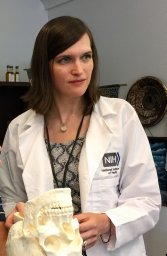 Boyce Alison M合作论文数National Institute of Dental and Craniofacial Research, National Institutes of Health18
 Kontos Anthony P合作论文数14
 Carmel Hawley合作论文数Centre for Health Services Research, Faculty of Medicine, The University of Queensland11
 Rachel I Gafni合作论文数11Philip A Clayton合作论文数10
 David Johnson合作论文数Department of Kidney and Transplant Services, Princess Alexandra Hospital10
 Kelly L. Roszko合作论文数9
 Patrick Toby Coates合作论文数Sch Med, Univ Adelaide9Hartley Iris R合作论文数University of Maryland, Fairleigh Dickinson University8
 Wai Lim合作论文数Nutrition & Health Innovation Research Institute, School of Medical and Health Sciences, Edith Cowan University;Department of Renal Medicine and Transplantation, Sir Charles Gairdner Hospital;Medical School, University of Western Australia8
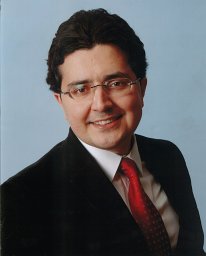 Saboury Babak合作论文数Dept Radiol, Hosp Univ Penn7
 Elaine Pascoe合作论文数Centre for Health Services Research, University of Queensland7
 Steven Chadban合作论文数Faculty of Medicine and Health, University of Sydney7Nisan Bhattacharyya合作论文数6
 Luis Fernandez De Castro合作论文数6Zachary Michel合作论文数5
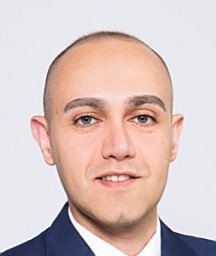 Faraz Farhadi合作论文数Clinical Center, National Institutes of Health5
 Sriram S Paravastu合作论文数National Institute of Dental and Craniofacial Research, National Institutes of Health (NIH),5
 Shawn R Eagle合作论文数University of Pittsburgh Sports Medicine Concussion Program, University of Pittsburgh Medical Center5Helen Pilmore合作论文数5Peter F Mount合作论文数5Germaine Wong合作论文数School of Public Health, Faculty of Medicine and Health, The University of Sydney5
 Diana Ovejero Crespo合作论文数5Lori C. Guthrie合作论文数5Magid A. Fahim合作论文数5
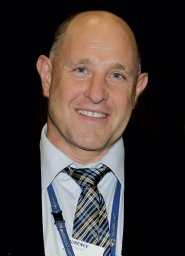 Laurence Weinberg合作论文数Accident and Emergency Department, Royal Cornwall Hospital5Rachael C McConnochie合作论文数4Kathryn Dansie合作论文数4Natalia Wojnowski合作论文数4Julie Varghese合作论文数4Karen Pozo合作论文数4Mary Scott Roberts合作论文数4
 Alicia Trbovich合作论文数4
 Pablo Florenzano合作论文数Pontificia Univ Catolica Chile4
 Kirsten Howard合作论文数School of Public Health, Faculty of Medicine and Health, The University of Sydney4McArthur Colin合作论文数Dept Crit Care Med, Auckland City Hosp4
 Francis Ross S合作论文数Transplant Research Immunology Group, University of Oxford John Radcliffe Hospital4
 Georgios E. Papadakis合作论文数Eunice Kennedy Shriver National Institute of Child Health and Human Development, National Institutes of Health;Department of Laboratory Medicine and Pathology, Mayo Clinic;National Institutes of Health, Eunice Kennedy Shriver National Institute of Child Health and Human Development4Reidlinger Donna合作论文数Australasian Kidney Trials Network, University of Queensland4Nemeth Edward F合作论文数4
 Stephen McDonald合作论文数Department of Medicine, Faculty of Health and Medical Sciences, The University of Adelaide;SA Health & Medical Research Institute;Central Northern Adelaide Renal and Transplantation Service;ANZDATA Registry;Country Health SA LHN;Clinical Research Group, Renal Unit, Royal Adelaide Hospital4
 Pamela Robey合作论文数Skeletal Biology Section, National Institute of Dental and Craniofacial Research, National Institutes of Health4
 Yeoungjee Cho合作论文数Renal Unit, Royal Brisbane & Women's Hospital4Steven McTaggart合作论文数4Liza Vergara合作论文数4Arun Mathew合作论文数3Ananth V Sridhar合作论文数3Elizabeth Theng合作论文数3Laura Hickey合作论文数3




