AIMS:The social drivers of diabetic foot disease (SDDFD) impact ulcer incidence and outcomes, but how is relatively unknown. We aimed to build a conceptual model positing how three SDDFD-poverty, insurance, and government assistance-influence outcomes for patients with diabetic foot ulcers. MATERIALS AND METHODS:To inform the model, we conducted a scoping review of studies linking poverty, insurance, and/or government assistance with diabetic foot ulcer outcomes using Levac and colleagues' 6-stage framework, the Preferred Reporting Items for Systematic Review and Meta-analysis extension for scoping reviews, and the SPIDER tool. We searched PubMed, CINAHL, and Embase for original research articles set in the United States and published between 1 January 2005 and 7 November 2025. We excluded those published in a language other than English, case reports, abstracts, and studies of other SDDFD. RESULTS:Data from 35 included studies informed our conceptual model, depicting a complex causal pathway between SDDFD and outcomes, often mediated by healthcare system factors and moderated by patients' abilities to adhere to healthcare recommendations. Multidisciplinary teams might ameliorate the risk of amputations associated with poverty, lack of insurance, or qualifying for government assistance. Additionally, the model highlights reinforcing feedback loops, both positive and negative. CONCLUSION:Our model can be used to inform mediation and moderation analyses and help avoid collider-conditioning bias during statistical analyses. It can help identify potential points of intervention within the healthcare system for those working to dampen the negative effects of SDDFD on outcomes.
Background Peripheral artery disease (PAD) is a major cause of cardiovascular events but remains underdiagnosed. Electronic health record (EHR)-based machine learning models show promise for earlier detection, but developing generalizable and fair models across diverse populations remains challenging. Methods Using the University of California Health Data Warehouse, containing EHR data from five health systems, we identified patients with and without PAD. We used unsupervised clustering to define PAD phenotypes and trained a LightGBM classifier using 14,023 features spanning demographics, comorbidities, medications, laboratory values, healthcare utilization, and diagnosis, procedure, and medication codes. We evaluated performance overall and across demographic groups and phenotypes, and assessed fairness using selection rates and subgroup differences in true- and false-positive rates. Results The study included 33,739 cases and 33,739 matched controls. Clustering identified four phenotypes: patients with limited healthcare documentation (cluster 1), younger patients with severe metabolic disease (cluster 2), patients with a traditional atherosclerotic risk profile (cluster 3), and frail elderly patients with multimorbidity (cluster 4). Overall, the model demonstrated consistent performance across institutions (AUROC 0.76?0.79; AUC-PR 0.76?0.79) with well-calibrated probabilities. Performance was similar across genders, with modest variation by race and age, and was stronger in clusters 2?4. Cluster 2 demonstrated the highest sensitivity (TPR 0.87, 95% CI 0.87?0.88), while cluster 1 showed the lowest performance (TPR 0.40, 95% CI 0.39?0.41). Conclusions The EHR-based PAD detection model demonstrated consistent performance across five health systems. Phenotypic clustering revealed clinically meaningful differences in model performance adding an additional consideration in ML fairness and performance evaluations.
OBJECTIVE:To perform a systematic review and meta-analysis evaluating the prognostic utility of the Global Limb Anatomical Staging System (GLASS) classification in patients with chronic limb-threatening ischemia, and to determine which intervention, endovascular or open bypass, is associated with superior outcomes in patients classified as GLASS III. METHODS:We conducted a systematic review and meta-analysis using PubMed, Scopus, and Cochrane Central from inception through October 2025. Outcomes compared across GLASS stages included immediate technical success (ITS) of endovascular procedures, overall survival, amputation-free survival, limb salvage, freedom from major adverse limb events (MALE), and limb-based patency (LBP). For patients with GLASS III disease, we directly compared endovascular vs surgical bypass revascularization for overall survival, freedom from MALE, and limb salvage. RESULTS:We included 17 studies in the meta-analysis, comprising 5290 patients and 5492 limbs: 945 (17.2%) GLASS I, 1431 (26.1%) GLASS II, and 3116 (56.7%) GLASS III. Compared with GLASS I, GLASS II presented a significantly higher hazard for LBP failure [hazard ratio (HR), 1.53; 95% confidence interval (CI), 1.06-2.20; P = .032] and major amputation (endovascular only; HR, 1.45; 95% CI, 1.13-1.86). When comparing GLASS III with GLASS I, GLASS III had significantly higher hazard for mortality (HR, 1.28; 95% CI, 1.06-1.56; P = .021), MALE (HR, 1.36; 95% CI, 1.02-1.83; P = .042), and LBP failure (HR, 2.23; 95% CI, 1.56-3.19; P = .003). GLASS I presented a significantly higher ITS rate compared with GLASS II [risk ratio (RR), 1.03; 95% CI, 1.01-1.05; P = .016] and GLASS III (RR, 1.24; 95% CI, 1.09-1.41; P = .005). GLASS II also showed a significantly higher ITS rate compared with GLASS III (RR, 1.20; 95% CI, 1.04-1.38; P = .017). No other comparisons across GLASS stages were statistically significant. Among patients classified as GLASS III, we found an increased hazard of MALE in the endovascular group compared with open bypass surgery (HR, 1.88; 95% CI, 1.35-2.61; P = .015). No significant differences were identified between endovascular and surgical bypass revascularization for other outcomes. CONCLUSIONS:This meta-analysis demonstrates that increasing GLASS anatomical severity is associated with progressively lower ITS following endovascular intervention and increased hazard of LBP failure across all revascularization strategies in patients with chronic limb-threatening ischemia. Patients classified as GLASS I, with low complexity anatomies, had a lower mortality and MALE hazard compared with those with high-complexity disease (GLASS III). Among patients classified as GLASS III, endovascular therapy is associated with an increased hazard for MALE compared with bypass surgery.
OBJECTIVE:The Wound, Ischaemia, and foot Infection (WIfI) staging system for chronic limb threatening ischaemia (CLTI) predicts outcomes after revascularisation, but individual components of WIfI have not been evaluated. This study was designed to evaluate changes in WIfI ischaemia grade as a predictor of major amputation after open and endovascular revascularisation in the Best Endovascular versus Best Surgical Therapy in Patients with CLTI (BEST-CLI) trial. METHODS:A secondary analysis was conducted of patients with CLTI randomised to surgical bypass or endovascular therapy as part of the BEST-CLI trial with available WIfI ischaemia scores at baseline and one month post-procedure. Risk adjusted Cox regression models were used to assess the effect of change in WIfI ischaemia grade on the rate of major amputation, while controlling for potential confounders. RESULTS:Among 785 patients with CLTI who underwent revascularisation and were alive at one year, 629 (80.1%) achieved improvement in their WIfI ischaemia grade within 30 days after undergoing surgical and or endovascular interventions. Patients with improved ischaemia grade were younger and were more likely to smoke, have lower baseline ankle brachial indices, and have a worse overall WIfI stage at the time of revascularisation compared with patients with worsening or no improvement in limb perfusion (p < .050 for all comparisons). The major amputation incidence at one year was 14% and was increased among those with higher baseline WIfI stage (3/4 vs. 1/2) and with unchanged or worse WIfI ischaemia grade after revascularisation. Patients with improved WIfI ischaemia grade early after revascularisation had a statistically significantly lower likelihood of major amputation at one year (hazard ratio 0.27, 95% confidence interval 0.18 - 0.41; p < .001) after risk adjustment. CONCLUSION:Achieving early improvement in limb perfusion based on WIfI ischaemia grade predicts major amputation following revascularisation independent of other risk factors. Changes in ischaemia grade after interventions should be closely monitored to determine the adequacy of revascularisation, risk of CLTI progression, and need for major amputation.
Background There are substantial data supporting the use of atherectomy for the treatment of coronary artery disease, but data regarding its efficacy for treating chronic limb-threatening ischemia (CLTI) are less robust. Objectives The authors aimed to evaluate the association of atherectomy with limb-based outcomes among patients managed with endovascular revascularization in the BEST-CLI (Best Endovascular vs Best Surgical Therapy in Patients With CLTI; NCT02060630) trial. Methods BEST-CLI was a prospective randomized trial comparing open and endovascular revascularization strategies for patients with CLTI. We included all patients treated with endovascular revascularization and stratified them according to whether they were treated with or without atherectomy. We evaluated whether atherectomy was associated with major adverse limb events (MALE) (including major reintervention or above-ankle amputation in the index limb) and secondary outcomes using Kaplan-Meier analyses and Cox proportional hazards models. Results 923 patients underwent an endovascular intervention in the BEST-CLI trial (mean age 67.3 ± 10.0 years, 71.1%[656/923] male, 72.3%[662/916] White race), of which 132 (14.3%) received an atherectomy. After risk adjustment, MALE (adjusted HR [aHR]: 1.30; 95% CI: 0.92-1.84), major reintervention (aHR: 1.07; 95% CI: 0.67-1.73), above-ankle amputation (aHR: 1.32; 95% CI: 0.81-2.15), and all-cause death (aHR: 1.06; 95% CI: 0.75-1.49) were similar for patients who were treated with and without atherectomy. In a sensitivity analysis limited to patients with technical success, atherectomy was associated with higher MALE (unadjusted log-rank P = 0.02; aHR: 1.51; 95% CI: 1.03-2.22). Conclusions Atherectomy was associated with similar or slightly worse limb-based outcomes among patients undergoing endovascular revascularization for CLTI compared with other available endovascular technologies.
BACKGROUND:Age remains an important factor in decision-making and operative outcomes in patients with chronic limb-threatening ischemia (CLTI). Prior studies have used arbitrary age categories. Our aim is to identify an evidence-based age cutoff to differentiate patient outcomes between open and endovascular therapy (ET) in Best Endovascular vs Best Surgical Therapy in Patients with CLTI. METHODS:The Best Endovascular vs Best Surgical Therapy in Patients with CLTI trial dataset was queried to include all patients who underwent open surgical bypass or ET. Patient age on the day of the index revascularization was identified as a continuous variable. Restricted cubic splines were generated to examine the moderating effect of age on the outcomes of procedure type in cohort 1 (bypass with single-segment saphenous vein [SSGSV] vs ET) and cohort 2 (bypass with an alternative conduit vs ET). Four separate spline models for each cohort were generated corresponding to our outcomes of interest: major amputation (above ankle), all-cause mortality, major adverse limb events (MALE defined as above-ankle amputation or major reintervention), and MALE/death. RESULTS:Our study included 1780 patients with a mean age of 67.2 ± 9.7 years (range, 27.9-94.1 years). In cohort 1, the MALE/death spline model showed a lower hazard for SSGSV compared with ET across all ages; however, the upper limit of the hazard ratio confidence interval approaches 1.0 at age 72. There was no age inflection point identified with regard to mortality. Amputation risk was lower with SSGSV compared with ET up to around the age of 57, beyond which there was no difference between the two treatment modalities. Furthermore, the risk of MALE was consistently lower with SSGSV for patients up to age 83. In contrast, in cohort 2, age was not found to be an effect modifier in revascularization outcomes or survival among patients undergoing bypass with an alternative conduit compared with ET. CONCLUSIONS:In this study, we confirmed that bypass with SSGSV was associated with superior MALE-free survival compared with ET up to the age of 72, beyond which there was no significant difference in outcomes between the two strategies. MALE was significantly higher for ET for patients up to age 83. Patient age was not found to favor one revascularization method over the other if the bypass was performed using an alternative conduit. Further studies are needed to compare the effectiveness of revascularization strategies among older patients with CLTI.
Background Chronic limb-threatening ischemia (CLTI) has a high risk of limb amputation without revascularization. In the Best Surgical Therapy in CLTI (BEST-CLI) trial, endovascular revascularization had a higher risk of major adverse limb events (MALE) or death compared with surgical bypass with a good quality vein. However, endovascular revascularization is still required for patients with poor vein options or high surgical risk. We assessed the factors related to MALE or death among patients with a successful endovascular intervention in the BEST-CLI trial. Methods All patients with successful endovascular revascularization in the BEST-CLI trial were followed for a mean of 2.7 years. Baseline patient characteristics, lesion characteristics, and endovascular techniques were compared with the subsequent risk of MALE or death. Multivariable models estimated hazard ratios (HRs) and 95% CIs from Cox proportional hazards models. Results Of the 923 patients having endovascular revascularization, 773 (84%) had a successful index procedure. In femoral-popliteal interventions, MALE or death was associated with end-stage renal disease (HR, 1.64; 95% CI, 1.17-2.29), wounds at or above the ankle (HR, 2.13; 95% CI, 1.38-3.29), and longer procedure time (HR, 1.15 per 120 minutes; 95% CI, 1.02-1.30). In below-knee popliteal-tibial interventions, MALE or death was associated with diabetes mellitus (HR, 1.69; 95% CI, 1.18-2.43), end-stage renal disease (HR, 1.80; 95% CI, 1.26-2.57), and longer procedure time (HR, 1.28 per 120 minutes; 95% CI, 1.11-1.47). Interventional technique, including drug-coated technologies, did not relate to MALE or death. Conclusions Patient factors were strongly related to MALE or death after successful endovascular revascularization for CLTIs. Endovascular techniques, including drug-coated balloons and stents, were not consistently related to MALE or death in this high-risk population of patients with CLTI, justifying their use when needed for complex disease.
OBJECTIVES:Infrainguinal bypass (IB) using single-segment greater saphenous vein (ssGSV) demonstrates superior outcomes for chronic limb-threatening ischemia (CLTI), but the definition and prevalence of adequate ssGSV are not well established. METHODS:This is a single-center retrospective analysis of patients with CLTI who underwent preoperative vein mapping (VM) by duplex ultrasound (2015-2025). A standardized hierarchical scoring system was applied to classify GSV suitability as a bypass conduit, measured from the saphenofemoral junction to the knee (GSV-K) and to mid-calf (GSV-MC) (A: ≥3 mm, B: ≥2.5 mm, C: >2 mm, D: any portion ≤2 mm, and E: thrombosed, ablated, varicose, previously harvested). GSV quality, associated clinical factors, and interventions received were analyzed. Major adverse limb events (MALE) and patency were assessed as outcomes. RESULTS:Patients (n = 349) had a median age of 71.1 years, and 68% of the patients were male. Comorbidities included diabetes (67%), end-stage renal disease (13%), coronary revascularization (37%), heart failure (38%), and current tobacco use (22%). The best available GSV-K and GSV-MC were classified as adequate (A/B) in 67% and 46%, marginal (C) in 7.7% and 13%, and inadequate (D/E) in 25% and 40%, respectively. In this cohort, IB was performed on 197 limbs (representing 67% of all IB performed for CLTI during the study period), using ssGSV (53%), alternate autogenous vein (23%), prosthetic (6.1%), or cryopreserved vein (18%). Among GSV bypasses performed, 32% were femoropopliteal, 19% infrapopliteal, and 49% femorodistal. The GSV conduits used were classified by VM as GSV-K: 81% A/B, 7.8% C, and 11% D/E; and GSV-MC: 57% A/B, 14% C, and 29% D/E. Of limbs with grade A/B GSV-K that underwent bypass (n = 133), 69% used an ssGSV conduit; this utilization rose to 82% for grade A/B GSV-MC (n = 87). Major reintervention, major amputation, and MALEs at 1 year after GSV bypass (ss or spliced) were 17%, 10%, and 23%, respectively. Among GSV bypasses, preoperative grade A/B GSV-K was associated with superior primary patency (P < .001). In a Cox proportional hazards multiple regression model, GSV-K grade D/E and spliced GSV conduits were independently associated with loss of primary patency (hazard ratio, 3.8; 95% confidence interval, 1.8-7.8; P < .001 and hazard ratio, 2.1; 95% confidence interval, 1.2-3.8; P = .01, respectively). CONCLUSIONS:Most patients with CLTI undergoing preoperative VM had adequate GSV for use as a bypass conduit. More than half of IBs performed used an ssGSV conduit, with outcomes consistent with those observed in the Best Endovascular vs. Best Surgical Therapy in Patients with Critical Limb Ischemia (BEST-CLI) trial.
OBJECTIVE:The aim of this study was to perform a multi-institutional retrospective validation of the Society for Vascular Surgery Appropriate Use Criteria (AUC) for management of intermittent claudication (IC). METHODS:A retrospective review of patients treated for IC from 2005 to 2024 was performed across seven institutions. Inclusion criteria followed AUC assumptions. All treated limbs were rated as appropriate (benefit outweighs risk [B>R]), indeterminate (IND) or inappropriate (R>B) per the original AUC by two authors, who resolved discrepancies through discussion. Analysis was performed on the patient level. If one limb was rated as R>B, the patient was rated as R>B. For the purposes of comparison, B>R and IND were grouped together (B>R/IND). RESULTS:A total of 372 patients were included. The median follow-up was 1190 days (interquartile range, 433-2115 days). Treatment was classified as B>R/IND in 245 patients (66%) and R>B in 127 (34%). More patients in the R>B group identified as Black (12.7% vs 6.7%) and Hispanic (19.8% vs 9.2%) (P = .006). Fewer patients in the R>B group were on optimal medical therapy at the time of evaluation (58.3% vs 75.9%; P < .01). More patients in R>B had mild or moderate lifestyle limitations (93.7% vs 68.6%; P < .01) and fewer patients in R>B had exercise therapy prior to revascularization (22% vs 54%; P < .01). The most affected segments were aortoiliac (30.9%) and femoropopliteal (49.7%). Revascularization was performed in 231 patients (104 B>R/IND and 127 R>B). Of the patients who underwent revascularization, 149 underwent unilateral revascularization, and 82 underwent bilateral revascularization. Interventions were most often performed in the femoropopliteal (48.1%) and aortoiliac (35.1%) segments. At 2 years from initial consultation with the vascular surgeon, 19% in the R>B group were free from revascularization compared with 57% in the B>R/IND group (P < .01). Freedom from symptom recurrence at 2 years was lower in the R>B group but did not reach statistical significance (48.9% vs 60%; P = .07). Freedom from reintervention at 2 years following revascularization was significantly lower in the R>B group (64% vs 84%; P = .01). A total of 10 major amputations and 11 minor amputations occurred in 17 patients (4.6%) over the study period. Among patients who had mild/moderate lifestyle limitations and were classified as R>B, 15 (11.8%) underwent nine minor amputations and 10 major amputations. Among patients who had mild or moderate lifestyle limitations and were classified as B>R/IND, no patients underwent any type of amputation. CONCLUSIONS:In this retrospective multi-institutional cohort, patients with IC who were treated inappropriately (R>B) per the Society for Vascular Surgery AUC experienced significantly worse outcomes compared with those who received appropriate/indeterminate (B>R/IND) treatment.
BACKGROUND:Peripheral vascular intervention (PVI) is increasingly used for the treatment of peripheral arterial disease (PAD) with intermittent claudication (IC). However, large, real-world comparative studies of the safety and effectiveness of PVI compared with no PVI are limited. We sought to compare the effectiveness and costs of elective PVI compared with no PVI among patients with PAD and IC. METHODS:We conducted a 1:1 propensity-matched retrospective cohort analysis of commercially insured and Medicare Advantage patients in OptumLabs Data Warehouse from January 1, 2016, to September 30, 2023. Patients aged 18 years and older with incident diagnosis codes for PAD with IC were included. Patients undergoing elective PVI were matched to those who did not receive PVI based on demographics, calendar year, comorbidities, PAD-related medications, office visits, and baseline costs. The primary outcome was major adverse limb events (MALE), defined as a composite of new major amputation, new acute limb ischemia, and progression to chronic limb-threatening ischemia among patients with 12-months continuous enrollment. Secondary outcomes included subsequent PVI after a 30-day delay and costs of care. RESULTS:Among 26,716 propensity-matched patients, mean age was 70.5 years, and 41% of patients were women. Elective PVI was associated with a higher risk of MALE [incidence rate ratio (IRR), 2.20; 95% confidence interval (CI), 2.04-2.38], including new major amputations (IRR, 4.01; 95% CI, 2.45-6.55), new acute limb ischemia (IRR, 1.94; 95% CI, 1.73-2.18), and progression to chronic limb-threatening ischemia (IRR, 2.43; 95% CI, 2.22-2.67). Among the 13,358 patients who received elective PVI, 3477 patients (26.0%) received a repeat procedure during months 2 to 12 following the initial PVI. Elective PVI treatment was also associated with higher mean total cost of care, $44,934 compared with $26,452 among patients who did not receive PVI (cost ratio, 1.70; 95% CI, 1.65-1.75). CONCLUSIONS:In this large real-world study of patients with PAD and IC, elective PVI was associated with increased MALE compared with no PVI. These findings should inform a re-evaluation of the increasing use of PVI in this population.
BACKGROUND:Frailty is associated with mortality and adverse outcomes in chronic limb-threatening ischaemia (CLTI). Although prompt revascularization is recommended to reduce major adverse limb events (MALE), it is unclear whether frailty modifies the relative effectiveness of surgical versus endovascular therapy. The aim of this study was to assess whether the outcomes of these strategies differ by frailty status in the BEST-CLI randomized trial. METHODS:A frailty index (FI; 0-1) was constructed using a deficit-accumulation approach; severe frailty was defined as an FI ≥0.45. The primary endpoint was MALE or death, and the safety endpoint was major adverse cardiovascular events (MACE). Patients with an adequate great saphenous vein (GSV) (cohort 1) and those requiring an alternative conduit (cohort 2) were analysed separately. RESULTS:Of 1830 randomized patients, the FI was calculable for 1754 patients. Severe frailty was present in 654 patients (47.6%) in cohort 1 and 187 patients (49.3%) in cohort 2 and was associated with higher MALE or death regardless of treatment. In cohort 1, surgical bypass reduced the risk of MALE or death in both severely frail patients (51.0% versus 67.2%; HR 0.68 (95% c.i. 0.55 to 0.83)) and non-severely frail patients (35.4% versus 48.2%; HR 0.68 (95% c.i. 0.54 to 0.86)) versus endovascular therapy (interaction P = 0.95). In cohort 2, outcomes were similar between treatment groups across frailty strata. No interaction was observed between frailty and treatment strategy for MACE. CONCLUSION:In the BEST-CLI trial, severe frailty was associated with higher MALE or death. Among patients suitable for bypass with an adequate GSV, surgical bypass was more effective than endovascular therapy irrespective of frailty status.
Importance:Choosing between endovascular and open (bypass) surgical revascularization for chronic limb-threatening ischemia has major implications for clinical practice. Objective:To evaluate the cost-effectiveness of endovascular vs bypass surgical revascularization. Design, Setting, and Participants:This economic evaluation used individual-level data from the Best Endovascular vs Best Surgical Therapy for Patients With Chronic Limb Ischemia (BEST-CLI) trial, with the first patient enrolled August 28, 2014, and the final October 18, 2019, for a median follow-up of 2.7 years. An individual-level, continuous-time Markov model with health states based on adjudicated clinical events from BEST-CLI was developed. Rates of clinical outcomes, health utilities, and health care resource use were derived from trial data. Unit costs came from Medicare insurance claims data and the physician fee schedule. The data were analyzed between June 27, 2025, and May 28, 2026. Main Outcomes and Measures:The main outcomes were incremental cost per life-years gained, incremental quality-adjusted life-years (QALYs) gained, incremental net monetary benefit, and cost per major events of revascularization and amputation avoided over a 5- and 10-year time horizon. One-way and probabilistic sensitivity analyses were performed to quantify uncertainty. Results:The cohort included 1434 patients from BEST-CLI (mean [SD] age, 67 [10] years; 1026 male [71.5%]). In the base case analysis, over a 5-year time horizon, the mean per-person direct medical costs were $118 559 (95% credible interval [CrI], $86 978-$157 152) for bypass surgery and $125 535 (95% CrI, $96 205-$160 357) for endovascular surgery. The mean survival per person was 3.84 years (95% CrI, 3.74-3.93 years) and 3.78 years (95% CrI, 3.61-3.94 years) for bypass and endovascular surgery, respectively. The mean QALYs per person were 2.53 (95% CrI, 2.34-2.70) for bypass surgery and 2.48 (95% CrI, 2.28-2.67) for endovascular surgery. Bypass surgery dominated endovascular surgery with respect to both costs per life-year and per QALY gained. The results over 10 years were consistent with those of the 5-year BEST-CLI follow-up. In the Monte Carlo simulation, there was a 93% chance that bypass surgery was more cost-effective than endovascular surgery. Conclusions and Relevance:This cost-effectiveness study found that bypass surgery was more cost-effective in most probabilistic simulations; however, uncertainty remained, highlighting the need for future research to identify subgroups in whom each approach may be cost-effective.
Objective It is unclear whether treating multiple diseased tibial arteries at initial revascularisation improves outcomes with chronic limb threatening ischaemia (CLTI). Using data from the Best Endovascular versus Best Surgical Therapy in Patients with CLTI (BEST-CLI) trial this study aimed to compare single arterial intervention (SAI) with multiple arterial intervention (MAI) for infrapopliteal disease. Methods A retrospective, as treated analysis of the endovascular dataset from the BEST-CLI trial was undertaken to compare SAI with MAI. Only patients with multiple tibial vessel arterial occlusive disease with > 50% stenosis were included. Evaluated outcomes included major re-interventions (new bypass, interposition graft, thrombectomy, or thrombolysis), major adverse limb events (MALE)/death, and above ankle amputations. Risk adjusted analysis was performed. Results There were 324 patients included: 224 SAI and 100 MAI. On unadjusted analysis at 3 years, SAI had a higher rate of a major re-intervention (19.2% vs. 5.3%; p = .010) and MALE/death (56.4% vs. 43.6%; p = .030), while there was no difference for above ankle amputation (19.7% vs. 13.1%; p = .14), amputation/death (45.2% vs. 43%; p = .53), or all cause death (37.7% vs. 33.5%, p = .57). SAI and MAI were associated with similar rates of resolution of initial CLTI symptoms (75.9% vs. 86%; p = .60). On risk adjusted analysis, SAI was associated with a higher rate of major re-intervention (odds ratio [OR] 3.14, 95% confidence interval [CI] 1.2 – 8.2; p = .019) than MAI; however, there was no increase in any re-intervention (OR 0.95, 95% CI 0.6 – 1.49; p = .80), MALE/death (OR 1.27, 95% CI 0.86 – 1.89; p = .24), above ankle amputation (OR 1.53, 95% CI 0.74 – 3.19; p = .25), initial CLTI resolution (OR 1.16, 95% CI 0.85 – 1.59; p = .36), or death (OR 1.03, 95% CI 0.64 – 1.63; p = .90). Conclusion In patients with diffuse tibial arterial occlusive disease, treatment of multiple tibial arteries rather than just one at the time of index revascularisation was associated with fewer major re-interventions and should be considered.
OBJECTIVE:Multiple options exist for the treatment of femoropopliteal (FP) disease, including endovascular interventions (ENDOs) and bypass surgery (OPEN). There are limited data directly comparing ENDO and OPEN strategies for FP disease in chronic limb threatening ischaemia (CLTI). METHODS:Outcomes of patients in the Best Endovascular vs. Best Surgical Therapy in Patients with CLTI (BEST-CLI) trial who underwent revascularisation for FP disease were examined. ENDO and OPEN were compared using single segment great saphenous vein (SSGSV) or alternative conduits (ACs). The primary outcome was major adverse limb event (MALE) or death; secondary outcomes included major amputation (MA); major re-intervention; amputation free survival; any re-intervention, MA, or death (RAD); and any re-intervention. RESULTS:Seven hundred and sixty-four patients underwent ENDO (378), OPEN with SSGSV (265), or OPEN with AC (121) procedures for FP disease. Patients had a mean age of 67 years; 66.6% were men, and 75.9% were White. Comorbidities included hypertension (85.5%), hyperlipidaemia (75.4%), diabetes mellitus (59.5%), smoking (47.2%), coronary artery disease (40.4%), and end-stage renal disease (7.6%); 68.4% of patients had tissue loss. Wound, Ischemia, and foot Infection (WIfI) stages were stage 1 (7.3%), stage 2 (35.2%), stage 3 (28.4%), and stage 4 (29.1%). TASC II classification of the FP disease was A and B (24.0%), C (25.4%), D (34.8%), or not scored (15.8%). Associated (untreated) infrapopliteal disease was present in 42.5%. ENDO treatments included plain balloon angioplasty (9.3%), drug coated balloons (32%), drug eluting stents (24.9%), bare metal stents (55.6%), stent grafts (17.5%), and atherectomy (11.1%). Cox models demonstrated superior MALE and death, MA, RAD, major re-intervention, and any re-intervention for OPEN SSGSV vs. ENDO. OPEN SSGSV also demonstrated superior freedom from MALE and death, and greater amputation free survival vs. OPEN AC. Presence of infrapopliteal disease, tissue loss, TASC classification, and diabetes mellitus were significant covariables. CONCLUSION:Open FP bypass with an SSGSV conduit provides the most effective revascularisation for patients with CLTI due to advanced FP disease.
 Warren J. Gasper合作论文数70Jade S. Hiramoto合作论文数57Matthew T. Menard合作论文数52
 Iannuzzi James合作论文数Department of Surgery, University of Rochester50
 Deepak L. Bhatt合作论文数Icahn School of Medicine, Mount Sinai;Mount Sinai Fuster Heart Hospital49
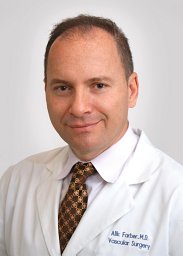 Alik Farber合作论文数Boston University Medical Center48
 Kenneth Rosenfield合作论文数Massachusetts General Hospital;Mass General Research Institute46Christopher D. Owens合作论文数45
 Michael B Strong合作论文数42
 Bian Wu合作论文数40
 Gabriel Steg合作论文数Bioquantis;Institut universitaire de France;iVASC Research Consortium;Hôpital Bichat;Laboratory for Vascular Translational Science, INSERM;Université Paris Diderot39Gheorghe Doros合作论文数35
 Gregory W Schwartz合作论文数Feinberg School of Medicine, Northwestern University33Grenon S Marlene合作论文数33Rafael Diaz合作论文数University of Montreal33
 Shaun Goodman合作论文数Division of Cardiology, Department of Medicine, St. Michael’s Hospital;Department of Medicine, Faculty of Medicine & Dentistry, University of Alberta;University of Toronto32Shant M Vartanian合作论文数31
 Vera Bittner合作论文数Dept. of Medicine Division of Cardiovascular Disease University of Alabama at Birmingham30
 Harvey D. White合作论文数Green Lane Cardiovascular Research Unit, Green Lane Cardiovascular Service, Auckland City Hospital;University of Auckland29
 Johan Jukema合作论文数Department of Cardiology, Leiden University Medical Center28Jeffrey J. Siracuse合作论文数Department of Surgery, Beth Israel Deaconess Medical Center28Peter A. Schneider合作论文数27Robert Pordy合作论文数27
 Robert A. Harrington合作论文数Weill Cornell Medicine;Cornell University26Mian Chen合作论文数25
 Michael Belkin合作论文数25
 Joel Ramirez合作论文数Sunnybrook Health Sciences Centre25
 Manesh Raman Patel合作论文数Division of Cardiology, Department of Medicine, Duke University School of Medicine;Division of Clinical Pharmacology, Department of Medicine, Duke University School of Medicine23
 Richard Powell合作论文数University of Birmingham23Joseph L. Mills合作论文数23Andres Schanzer合作论文数22
 Andreas M. Zeiher合作论文数Goethe Universität Frankfurt21Hugh Alley合作论文数20Elizabeth M Lancaster合作论文数19
 Marc Bonaca合作论文数Department of Medicine-Cardiology, School of Medicine, University of Colorado19
 Mark A Creager合作论文数Department of Medicine, Geisel School of Medicine, Dartmouth College;Department of Surgery, Geisel School of Medicine, Dartmouth College;Dartmouth Hitchcock Medical Center16
 Chatterjee Anuran合作论文数Space Biosciences Research Branch, NASA Ames Research Center16Reyzelman Alexander M合作论文数16
 Mottola Giorgio合作论文数Cardiovascular Research Institute (CVRI) and Department of Surgery, University of California San Francisco16
 Bertram Pitt合作论文数Samuel and Jean Frankel Cardiovascular Center, University of Michigan;School of Medicine, University of Michigan16
 Melinda S. Schaller合作论文数16Charles M. Eichler合作论文数16
 Rym El Khoury合作论文数15Zachary A Matthay合作论文数15Chong Karen合作论文数15
 Matthew Spite合作论文数Center for Experimental Therapeutics and Reperfusion Injury, Department of Medicine, Brigham and Women's Hospital and Harvard Medical School, Boston, Massachusetts15
 Philip Ades合作论文数Department of Neurological Sciences, Larner College of Medicine, The University of Vermont14
 Christopher J. White合作论文数The John Ochsner Cardiovascular Institute, Ochsner Clinic Foundation14Thomas A. Sorrentino合作论文数13




