BACKGROUND:Guideline size criteria for prophylactic repair of ascending aortic aneurysm do not account for sex, although some evidence suggests women may experience acute type A aortic dissection (ATAAD) at smaller diameters. We examined sex differences in ascending aortic diameter among patients with ATAAD. METHODS:We performed a single-centre, retrospective study including consecutive adult patients undergoing repair of spontaneous ATAAD (2011-2023). Maximal ascending aortic diameter was measured on index CT. Maximum diameter and diameter indexed to height and body surface area (BSA) were compared by sex. Multivariable linear regression, accounting for sex, age and comorbidities, predicted aortic diameter at time of ATAAD. Height and BSA were separately added to the model to evaluate how associations changed with body size. RESULTS:Among 413 included patients, 146 (35.4%) were female. Women were older (65 years vs 58 years, p<0.001) and had a smaller height and BSA than men. Women had smaller aortic diameter at the time of dissection (46.6 mm vs 48.5 mm, p=0.035), but a larger aorta indexed to height (28.7 mm/m vs 27.2 mm/m, p=0.001) and BSA (25.7 mm/m2 vs 22.97 mm/m2, p<0.001). Female sex was associated with smaller diameter after adjusting for comorbidities (β=-1.77 (95% CI -3.12 to -0.42), p=0.010). This association disappeared after adjusting for height and BSA. CONCLUSION:Female sex was associated with ATAAD at a smaller absolute diameter, an association that resolved when accounting for women's smaller body size . Sex-specific guidelines for ascending aneurysm repair or guidelines accounting for body size may reduce preventable complications among women.
BACKGROUND:Primary results from the Optimize PRO study demonstrated that transcatheter aortic valve replacement (TAVR) with the cusp overlap technique (COT) resulted in low 30-day permanent pacemaker implantation (PPI) rates and no moderate or greater aortic regurgitation (AR). OBJECTIVES:The aim of this study was to evaluate outcomes after Evolut FX implantation using the COT and postprocedural computed tomography (CT). METHODS:The Optimize PRO FX Addendum study is a postmarket, prospective, multicenter, nonrandomized study. Patients with severe aortic stenosis underwent TAVR with the Evolut FX using the COT protocol. Postprocedurally, COT adherence was evaluated to identify key steps, and CT-assessed transcatheter aortic valve orientation was compared with fluoroscopically guided commissural alignment. RESULTS:A total of 151 patients received the Evolut FX device from September 2022 to October 2023. The median duration of follow-up was 371 days (Q1-Q3: 352-388 days). Compliance with the refined COT was 86.0%. The median length of stay was 1 day. The rate of the primary endpoint of all-cause mortality or all stroke was 2.7% (95% CI: 1.0%-6.9%) at 30 days and 7.5% (95% CI: 4.2%-13.1%) at 1 year. The new PPI rate was 6.7% (95% CI: 3.7%-12.1%) at 30 days and 8.8% (95% CI: 5.2%-14.6%) at 1 year. One patient had moderate AR and none had severe AR at 1 year. The rate of commissural alignment was 91.5% (107 of 117) when assessed by marker positioning on fluoroscopy and 86.9% (113 of 130) when assessed using CT, indicating good agreement. CT indicated no severe coronary misalignment in >92% of patients. CONCLUSIONS:Implantation of the Evolut FX device with a refined COT was associated with low PPI rates and no severe AR at 1 year. Postprocedural CT demonstrated consistent commissural and coronary alignment.
Objective: We aimed to examine early outcomes of surgical aortic valve replacement (SAVR) with Y-incision aortic annular enlargement (Y-AAE) versus transcatheter AVR (TAVR) in native aortic valve stenosis. Methods: From August 2020 to March 2024, 362 patients with severe native aortic valve stenosis underwent SAVR + Y-AAE with bioprosthetic valves (n = 70) or TAVR (n = 292) with ejection fraction ≥50%, Society of Thoracic Surgeons predicted risk of mortality score ≤8, and minimal aortic annular diameter ≤25 mm by computed tomography. Nearest-neighbor 1:3 propensity score matching was conducted across all preoperative variables. Results: The minimal aortic annular diameter by CT was 22 mm (IQR, 20, 23 mm) in the TAVR group and 21 mm (IQR, 19, 23 mm) in the SAVR + Y-AAE group. The TAVR group had median implanted valve sizes of Edwards LifeSciences Sapien 26 mm (IQR, 25, 29 mm) and Medtronic Evolut 29 mm (29, 34 mm), whereas the SAVR + Y-AAE group had a median implant size of 29 mm (27, 29 mm). Compared with the TAVR group, the SAVR + Y-AAE group had similar operative mortality (0% vs 2%; P > .99) and lower postoperative pacemaker implantation rate (1.4% vs 10.3%; P = .03). At 24 to 36 months postoperative, the SAVR + Y-AAE group had significantly larger effective orifice area (2.7 vs 1.9 cm2), lower aortic valve mean gradients (5 vs 9.5 mm Hg), greater dimensionless index (0.67 vs 0.54), lower rates of aortic insufficiency (3.0% vs 26%), and less moderate/severe prosthesis-patient mismatch (0% vs 20.1%). The left ventricular mass index regression was greater in SAVR + Y-AAE patients (42% vs 22%; P = .05). The SAVR + Y-AAE 3-year survival was 96% versus 79% for TAVR in the propensity-score matched cohort (P = .12). The hazard ratio of SAVR + Y-AAE for early mortality was 0.15 (95% CI, 0.02-1.13; P = .066). Conclusions: Low- and intermediate-risk patients with aortic valve stenosis should be considered for SAVR + Y-AAE for excellent hemodynamics and early outcomes.
BACKGROUND:Transcatheter devices designed for calcific aortic stenosis are not optimised for use in native aortic regurgitation, and data on aortic regurgitation-dedicated platforms are limited. The extended ALIGN-AR pivotal experience with a prospectively enrolled continued-access cohort and longer follow-up aimed to characterise the safety, valve function, and clinical outcomes of transcatheter aortic valve intervention (TAVI) with a dedicated device in aortic regurgitation. METHODS:ALIGN-AR is a prospective, multicentre, single-arm study enrolling patients at high surgical risk to undergo TAVI with a dedicated valve (Trilogy valve) for symptomatic moderate-to-severe or severe aortic regurgitation at 30 centres in the USA. Coprimary endpoints were a safety composite of major adverse events within 30 days post procedure (all-cause death, stroke, life-threatening or major bleeding, acute kidney injury, major vascular complications, need for additional surgical or percutaneous interventions, new pacemaker implantation, and moderate or greater aortic regurgitation), tested for non-inferiority against a margin of 1·35 applied to literature-based incidence of safety endpoint of 30% translating to performance goal of 40·5%, and 1-year all-cause mortality, tested for superiority against a performance goal of 25·0%. Analyses were done in the intention-to-treat population. This study is registered with ClinicalTrials.gov (NCT04415047), and is ongoing. FINDINGS:Between June 8, 2018, and July 29, 2025, we screened 1352 patients and enrolled 700 patients (pivotal cohort n=180; continued access cohort n=520). Median age was 79·0 years (IQR 72·0-84·0), 321 (46%) were female, 379 (54%) were male, and 532 (76%) were White, 68 (10%) were Black or African American, and 36 (5%) were Asian. Technical success was achieved in 664 (95%) patients. The median duration of follow-up was 472 days (IQR 352-891). The 30-day primary safety composite endpoint occurred in 168 patients (24·0% [upper 97·5% CI 27·3%]; pnon-inferiority<0·0001), meeting the performance goal. Among components of the composite safety endpoint, death occurred in 11 (1·6%), stroke in 12 (1·7%), new pacemaker implantation in 127 (21·6%) of 589, moderate aortic regurgitation in three (0·5%) of 569 and severe aortic regurgitation in none. All-cause mortality occurred in 38 at 1 year (7·7% [upper 97·5% CI 10·4%]; psuperiority<0·0001), meeting the performance goal, and in 53 (13·3%) at 2 years. INTERPRETATION:In patients with symptomatic moderate-to-severe or severe aortic regurgitation considered to be of high surgical risk, TAVI with a dedicated platform met prespecified safety and effectiveness performance goals. We observed substantial reductions in aortic regurgitation, favourable valve haemodynamics and myocardial remodelling, with associated improvements in functional status and quality-of-life gains up to 2 years. These data support TAVI with a purpose-built device as a feasible and effective treatment option for selected patients with native aortic regurgitation who are at high risk for death or complications after surgery. FUNDING:JenaValve Technology.
BACKGROUND:The cause of increased risk for reoperation after transcatheter aortic valve replacement (TAVR) vs prior surgical aortic valve replacement (SAVR) is poorly understood. This study evaluated the impact of concomitant mitral and tricuspid valve disease on associated risk of TAVR explantation. METHODS:Patients undergoing aortic valve replacement after prior SAVR or TAVR were extracted from The Society of Thoracic Surgeons Adult Cardiac Surgery Database (2011-2021). Patients were stratified by TAVR explantation status and presence of severe concomitant valve disease for analyses. Risk adjustment was performed by multivariable logistic regression. Interaction terms were used to evaluate differential risk of concomitant valve disease for TAVR explantation vs redo-SAVR. RESULTS:Of 24,097 redo aortic valve replacement patients, 877 (3.6%) underwent TAVR explantation. TAVR explantation patients had higher rates of concomitant severe valve disease (17% vs 14%; P < .001). Patients with severe concomitant valve disease had worse operative mortality after TAVR explantation (26.2% vs 14.6%; P < .001) and redo-SAVR (12.3% vs 6.9%; p < .001). TAVR explantation was independently associated with higher mortality (adjusted odds ratio [ORadj], 1.3 [1.0-1.6]; P = .030). Severe mitral regurgitation (ORadj, 1.2 [1.0-1.6]; P = .017), mitral stenosis (ORadj, 2.0 [1.5-2.7; P < .001), and tricuspid regurgitation (ORadj, 1.6 [1.3-1.9]; P < .001) were all associated with mortality, although these factors were not associated with disproportionately higher risk during TAVR explantation (P > .05). CONCLUSIONS:TAVR explantation cases have a higher burden of severe concomitant valve disease than redo-SAVR cases. Heart teams should consider these findings when discussing initial procedure choices for patients with multivalve disease, given their extreme risk at time of TAVR explantation.
Background The incidence and clinical importance of bioprosthetic valve dysfunction (BVD) in patients undergoing supra-annular, self-expanding transcatheter aortic valve replacement (TAVR) or surgery is not well understood. Objectives The purpose of this study was to evaluate the 5-year incidence and clinical outcomes of BVD in patients undergoing CoreValve/Evolut TAVR or surgery. Methods This post hoc analysis pooled data from the U.S. High Risk Pivotal (n = 726) and SURTAVI (n = 1,618) randomized controlled trials (RCTs), the Extreme Risk Pivotal trial (n = 608), and CoreValve Continued Access Study (n = 2,654). The primary endpoint was the incidence of BVD through 5 years from the RCTs. The association of BVD with 5-year clinical outcomes was evaluated in the pooled RCT and non-RCT populations. Results Of 5,606 patients evaluated, 3,070 (54.8%) were men, and the mean age was 82.2 ± 7.4 years. A total of 2,344 RCT patients, including 1,227 who received TAVR and 1,117 who received surgery, and 3,262 non-RCT TAVR patients were included. The rate of BVD was lower in RCT patients undergoing CoreValve/Evolut TAVR compared with surgery (9.7% vs 15.3%; subdistribution HR: 0.57; 95% CI: 0.45-0.73; P < 0.001). In the pooled RCT and non-RCT cohort, BVD was associated with increased 5-year all-cause mortality (HR: 1.49; 95% CI: 1.32-1.68; P < 0.001), cardiovascular mortality (HR: 1.76; 95% CI: 1.52-2.03; P < 0.001), and hospitalization for valve disease or worsening heart failure (HR: 1.48; 95% CI: 1.23-1.78; P < 0.001). Conclusions Five-year valve performance was significantly better after CoreValve/Evolut TAVR compared with surgery. Development of BVD in TAVR and surgery patients was associated with worsened 5-year clinical outcomes. (Safety and Efficacy Study of the Medtronic CoreValve System in the Treatment of Symptomatic Severe Aortic Stenosis in High Risk and Very High Risk Subjects Who Need Aortic Valve Replacement, NCT01240902; Safety and Efficacy Study of the Medtronic CoreValve System in the Treatment of Severe, Symptomatic Aortic Stenosis in Intermediate Risk Subjects Who Need Aortic Valve Replacement [SURTAVI], NCT01586910; Safety and Efficacy Continued Access Study of the Medtronic CoreValve System in the Treatment of Symptomatic Severe Aortic Stenosis in Very High Risk Subjects and High Risk Subjects Who Need Aortic Valve Replacement, NCT01531374)
Background:Reoperations after transcatheter aortic valve replacement (TAVR) are increasingly reported with consistently poor outcomes. This study aimed to analyze clinical outcomes of TAVR explantation stratified by the original risk profile at the time of TAVR. Methods:We reviewed our single institutional series of 110 consecutive patients who underwent TAVR explant between 2013 and 2024. This cohort was stratified into low-risk (n=35), intermediate-risk (n=35), and high/extreme-risk (n=40) categories based on the original risk profile. Results:Low-risk patients began to appear in 2018. By 2021, the number of low/intermediate-risk patients surpassed that of the high/extreme-risk group. Balloon-expandable valves were predominantly used in the low-risk group, whereas chronic kidney disease was more prevalent in the other groups. The majority of patients in each group had either structural valve deterioration (SVD) and/or non-SVD as the primary failure mechanism, with endocarditis accounting for 20% or less. Cardiopulmonary bypass/aortic cross-clamp times were longest in the high-/extreme-risk group. Overall, 75 (68.2%) patients underwent a concomitant procedure during TAVR explant, most commonly an aortic (n=39; 52.0%) and a mitral procedure (n=29; 38.7%). The high/extreme-risk group had the highest rates of concomitant procedures. Operative mortality improved significantly over time, dropping from 27.3% in Era 1 (2013-2017) to 5.6% in Era 3 (2022-2024) (P=0.049). The operative and one-year mortality rates were 8.6%, 8.6%, and 7.5% (P=0.98), and 17.1%, 8.6%, and 17.5% (P=0.48) in the low-, intermediate-, and high-/extreme-risk group, respectively. Conversely, the observed-to-expected mortality ratio (O/E ratio) was highest in the low-risk group (2.8 vs. 1.0 vs. 0.8; P<0.001). Conclusions:Low-risk patients are emerging as the predominant group requiring TAVR explant. Despite the procedural simplicity and lower-risk profile, the operative mortality was comparable to higher-risk groups, and the O/E ratio was significantly higher in the low-risk group. Thoughtful reconsideration of the TAVR-first approach may be warranted for this population.
BACKGROUND:The Evolut Low Risk trial demonstrated that transcatheter aortic valve replacement (TAVR) was noninferior to surgery for the primary endpoint of all-cause mortality or disabling stroke at 2 years. Outcomes at 5 years have not been reported. OBJECTIVES:This study sought to evaluate 5-year clinical and hemodynamic outcomes with TAVR vs surgery in patients from the Evolut Low Risk trial. METHODS:We randomly assigned low-risk patients with severe aortic stenosis to TAVR or surgery. The primary endpoint was a composite of all-cause mortality or disabling stroke. Secondary endpoints included clinical, echocardiographic, and quality-of-life outcomes through 5 years. RESULTS:A total of 1,414 patients underwent an attempted implant (n = 730 TAVR, n = 684 surgery). The mean age was 74 years (range 51-88 years), and women accounted for 35% of patients. At 5 years the Kaplan-Meier estimate for the primary endpoint of all-cause mortality or disabling stroke was 15.5% for the TAVR group and 16.4% for the surgery group (P = 0.47). The Kaplan-Meier estimates in the TAVR and surgery groups for all-cause mortality were 13.5% and 14.9% (P = 0.39) and for disabling stroke were 3.6% and 4.0% (P = 0.57). Cardiovascular mortality was 7.2% in the TAVR group and 9.3% in the surgery group (P = 0.15). Noncardiovascular mortality in the TAVR group was 6.8% and 6.2% in the surgery group (P = 0.73). A site-level vital status sweep was performed for patients who were lost to follow-up or withdrew from the study. With the addition of these patients, the all-cause mortality rate at 5 years for patients undergoing TAVR was 14.7% and for surgery was 15.2% (P = 0.74). Over 5 years, valve reintervention rate was 3.3% for TAVR and 2.5% for surgery (P = 0.44). A sustained improvement in quality of life was observed in both treatment arms with mean Kansas City Cardiomyopathy Questionnaire summary score of 88.3 ± 15.8 in TAVR and 88.5 ± 15.8 in surgery. CONCLUSIONS:At 5 years, patients with severe aortic stenosis who were treated with either TAVR or surgery had comparable rates of all-cause mortality or disabling stroke. Valve durability and performance were excellent in both arms. This midterm evaluation reinforces the position of TAVR as noninferior to surgery in patients with severe aortic stenosis at low surgical risk (Medtronic Evolut Transcatheter Aortic Valve Replacement in Low Risk Patients; NCT02701283).
INTRODUCTION:Bicuspid aortic valve affects 0.5-2% of the population in developed countries. Given uncertainties about the best aortic valve replacement (AVR) option in this often younger, low-risk, population, it is important to understand how newer bioprostheses perform in these patients. The primary objective of this analysis was to compare 7-year outcomes of surgical AVR (SAVR) with the Avalus bioprosthesis between patients with a congenital bicuspid or tricuspid valve. METHODS:This prospective, non-randomized study included 1132 patients with aortic valve stenosis or chronic severe aortic regurgitation who underwent successful SAVR with the Avalus bioprosthesis. Patients were categorized into bicuspid (n=339) and tricuspid (n=775) groups; 18 patients had unknown etiology. Kaplan-Meier analyses estimated valve-related adverse events over 7 years. Multivariable Cox proportional hazard models with propensity score adjustments evaluated the association of valve etiology with clinical outcomes, and a multivariable analysis identified risk factors for all-cause mortality. RESULTS:Patients with a tricuspid valve were older with more advanced heart failure symptoms and a higher mean Society of Thoracic Surgeons risk score (P<0.01). At 7 years postimplant, mortality was lower [8.9% (95% CI: 5.9%-13.4%) versus 21.3% (95% CI: 18.1%-24.9%), P<0.01] and non-structural valve dysfunction was higher in the bicuspid cohort [2.9% (95% CI: 1.5%-5.5%) versus 0.6% (95% CI: 0.2%-1.6%), P<0.01]. Other safety parameters were not significantly different. In the bicuspid and tricuspid cohorts, the respective mean effective orifice area was 2.0±0.5 and 2.0±0.5 at 7 years, and the respective mean aortic gradient was 13.6±6.4 and 14.1±5.7. Reintervention rates were low [6.8% (95% CI: 4.1%-10.9%) versus 5.4% (95% CI: 3.7%-7.8%), P=0.54] in both cohorts. CONCLUSIONS:SAVR with the Avalus bioprosthesis yielded excellent 7-year outcomes for patients with either a congenital bicuspid or tricuspid valve. Hemodynamic performance and reintervention rates were similar between cohorts with low rates of other valve-related adverse events.
Objectives Acute aortic dissection is a rare yet life-threatening complication associated with transcatheter aortic valve replacement (TAVR). Given its low incidence, the characteristics and risk factors remain inadequately investigated. Methods Between 2011 and 2023, a total of 2558 TAVR procedures were performed at the University of Michigan. Among these, 12 patients (0.47%) developed aortic dissection. Additionally, 3 post-TAVR patients from other institutions presented with aortic dissection and were treated at our institution, yielding a total of 12 type A and 3 type B aortic dissections. Results The median age was 79.5 years, and 5 (33.3%) exhibited end-organ malperfusion affecting the brain (n = 3), legs (n = 3), and kidneys (n = 1). TAVR device migration requiring repositioning was observed in 40% (6 out of 15) of cases. In type A dissections, the entry tear consistently occurred along the greater curvature. Patients with type A dissections had a larger pre-TAVR aortic diameter than those without dissection (41.6 mm vs 34.5 mm; P < .001). Preexisting aortic dilation (≥45 mm) was associated with a significantly increased risk of type A dissection (odds ratio, 12.0; 95% confidence interval 3.0-50.6; P < .001). Type A dissection was managed with open repair in 7 patients (58.3%), all of whom survived 30 days, and with endovascular aortic repair in 4 patients (33.3%), all of whom experienced mortality; 1 patient received palliative care. All type B dissections were successfully treated with endovascular repair. Conclusions TAVR-related aortic dissection is characterized by preexisting aortic risk factors with various mechanisms. Current surgical guidelines recommending aortic repair for dilatation ≥45 mm should be strongly considered in patients undergoing TAVR evaluation.
OBJECTIVE:To evaluate the short- and midterm outcomes of surgically managed acute type A intramural hematoma (IMH) versus classic acute type A aortic dissection (ATAAD). METHODS:From 1996 to February 2023, a total of 106 patients with acute type A IMH and 795 patients with classic ATAAD presented for open aortic repair at our institution. Data were obtained from the local Society of Thoracic Surgeons' Data Warehouse and medical chart review. RESULTS:Compared with the classic ATAAD group, the IMH group was older (65 vs 59 years, P < .001) and more likely to be female (45% vs 32%, P = .005), with fewer comorbidities such as severe aortic insufficiency (5.0% vs 25%, P < .001), acute stroke (2.8% vs 8.3%, P = .05), acute renal failure (5.7% vs 13%, P = .04), and malperfusion syndrome (8.5% vs 26%, P < .001) but more cardiac tamponade (18% vs 11%, P = .03). The IMH group had less aortic root replacement (15% vs 33%, P < .001), zone 2 arch replacements (9.4% vs 18%, P = .02), and shorter crossclamp times (120 minutes vs 150 minutes, P < .001). The operative mortality was significantly lower in the IMH group (0.9% vs 8.8%, P = .005) and a multivariable regression model showed IMH to be protective, odds ratio of 0.11, P = .03. The 10-year survival was similar between the 2 groups (65% vs 61%, P = .35). The hazard ratio of IMH for midterm mortality after surgery was 0.73, P = .12. CONCLUSIONS:Acute type A IMH could be treated with emergency open aortic repair with excellent short- and midterm outcomes.
Background:Prosthetic valve endocarditis is a rare yet devastating complication following transcatheter aortic valve replacement (TAVR). This study aims to investigate the outcomes of surgical versus medical management of post-TAVR endocarditis. Methods:Between 2011 and 2024, 67 patients with post-TAVR endocarditis were identified, comprising 24 (35.8%) patients managed surgically and 43 (64.2%) managed medically. All cases were reviewed by our multidisciplinary endocarditis team to determine the optimal treatment strategy. Results:The overall incidence of post-TAVR endocarditis was 1.4%. The number of endocarditis cases increased over time from 1-2 in 2015-2018 to 18 in 2023. The most frequent source of endocarditis was unknown (32.8%), and the predominant causative organism was enterococcus species (25.4%). Notably, among the 43 medically managed patients, 19 (44.2%) exhibited surgical indications, predominantly due to large vegetations with or without embolic complications (n=11; 57.9%). The medical management group had a higher proportion of females and more frequent use of self-expandable valves compared to the surgical group. The time interval between TAVR and endocarditis diagnosis was similar across both groups. In the surgically managed cohort, isolated aortic valve replacement was uncommon, with most patients undergoing complex TAVR explantations coupled with concomitant procedures, most frequently aortic root repair (n=11; 45.8%). The 30-day and 1-year mortality rates for the three groups (surgical, medical without surgical indications, and medical with surgical indications) were 0%, 4.2%, and 31.6% (P=0.002), and 4.2%, 20.8%, and 73.7% (P<0.001), respectively. Conclusions:Surgical management was associated with significantly improved survival compared to medical management for post-TAVR endocarditis. The poor clinical outcomes in the medically managed group were primarily due to patients who did not undergo surgery despite having surgical indications. Prudent clinical judgment and timely surgical intervention when indicated are critical to enhancing the overall clinical outcomes of this challenging condition.
BACKGROUND:We aimed to determine the effect of aortic annular enlargement on the midterm outcomes of aortic valve replacement surgery by comparing patients with the same-sized (≤23 mm) native aortic annuli. METHODS:From January 2011 to June 2022, 1328 patients underwent isolated aortic valve replacement-1163 without aortic annular enlargement (AVR group) and 165 with aortic annular enlargement (AVR+AAE group). Propensity score matching identified 112 pairs, controlling for native aortic annulus diameter, age, sex, diabetes, chronic lung disease, dialysis, ejection fraction, prior cardiac surgery, indication, hypertension, dyslipidemia, valve type, prior stroke, prior myocardial infarction, and case status. RESULTS:Demographic and preoperative variables were similar, except body surface area was larger in the AVR+AAE group (2.1 m2 vs 1.9 m2). Median native aortic annulus diameter was 23 mm in both groups. Median prosthesis size was 25 in the AVR+AAE group and 23 in the AVR group. The AVR+AAE group had longer cardiopulmonary bypass (143 vs 111 minutes) and cross-clamp (115 vs 82 minutes) times. Incidences of perioperative complications, including operative mortality (1.8% AVR+AAE vs 3.6% AVR) were similar between groups. Survival at 6 years was 98% in the AVR+AAE group and 74% in the AVR group (P = .016). Aortic annular enlargement was an independent protective factor for midterm mortality, with a hazard ratio of 0.19 (P = .006). The rate of moderate/severe patient-prosthesis mismatch was 19% in the AVR+AAE group and 31% in the AVR group (P = .16). CONCLUSIONS:Patients with small native aortic annuli (≤23 mm) undergoing isolated aortic valve replacement may benefit from aortic annular enlargement.
OBJECTIVES: The objective of this analysis was to assess the normal haemodynamic performance of contemporary surgical aortic valves at 1 year postimplant in patients undergoing surgical aortic valve replacement for significant valvular dysfunction. By pooling data from 4 multicentre studies, this study will contribute to a better understanding of the effectiveness of surgical aortic valve replacement procedures, aiding clinicians and researchers in making informed decisions regarding valve selection and patient management. METHODS: Echocardiograms were assessed by a single core laboratory. Effective orifice area, dimensionless velocity index, mean aortic gradient, peak aortic velocity and stroke volume were evaluated. RESULTS: The cohort included 2958 patients. Baseline age in the studies ranged from 70.1 +/- 9.0 to 83.3 +/- 6.4 years, and Society of Thoracic Surgeons risk of mortality was 1.9 +/- 0.7 to 7.5 +/- 3.4%. Twenty patients who had received a valve model implanted in fewer than 10 cases were excluded. Ten valve models (all tissue valves; n = 2938 patients) were analysed. At 1 year, population mean effective orifice area ranged from 1.46 +/- 0.34 to 2.12 +/- 0.59 cm(2), and dimensionless velocity index, from 0.39 +/- 0.07 to 0.56 +/- 0.15. The mean gradient ranged from 8.6 +/- 3.4 to 16.1 +/- 6.2 mmHg with peak aortic velocity of 1.96 +/- 0.39 to 2.65 +/- 0.47 m/s. Stroke volume was 75.3 +/- 19.6 to 89.8 +/- 24.3 ml. CONCLUSIONS: This pooled cohort is the largest to date of contemporary surgical aortic valves with echocardiograms analysed by a single core lab. Overall haemodynamic performance at 1 year ranged from good to excellent. These data can serve as a benchmark for other studies and may be useful to evaluate the performance of bioprosthetic surgical valves over time.
BACKGROUND:Outcomes from transcatheter aortic valve replacement (TAVR) in low-surgical risk patients with bicuspid aortic stenosis beyond 2 years are limited. OBJECTIVES:This study aimed to evaluate 3-year clinical and echocardiographic outcomes from the Evolut Low Risk Bicuspid Study. METHODS:The Evolut Low Risk Bicuspid Study is a prospective, multicenter, single-arm study conducted in 25 U.S. CENTERS:Patients with severe aortic stenosis at low surgical risk with bicuspid aortic valve anatomy (all subtypes) underwent TAVR with a self-expanding, supra-annular Evolut R or PRO (Medtronic) bioprosthesis. An independent clinical events committee adjudicated all deaths and endpoint-related adverse events, and a central echocardiographic core laboratory assessed hemodynamic endpoints. RESULTS:An attempted implant was performed in 150 patients from December 2018 to October 2019. The mean age was 70.3 ± 5.5 years, 48% (72/150) of the patients were women, and the mean Society of Thoracic Surgeons Predicted Risk of Mortality score was 1.3% (Q1-Q3: 0.9%-1.7%). Sievers type 1 was the dominant bicuspid morphology (90.7%, 136/150). The Kaplan-Meier rates of all-cause mortality or disabling stroke were 1.3% (95% CI: 0.3%-5.3%) at 1 year, 3.4% (95% CI: 1.4%-8.1%) at 2 years, and 4.1% (95% CI: 1.6%-10.7%) at 3 years. The incidence of new permanent pacemaker implantation was 19.4% (95% CI: 12.4%-29.6%) at 3 years. There were no instances of moderate or severe paravalvular aortic regurgitation at 2 and 3 years after TAVR. CONCLUSIONS:The 3-year results from the Evolut Low Risk Bicuspid Study demonstrate low rates of all-cause mortality or disabling stroke and favorable hemodynamic performance.
In 1978, Rahimtoola published a successful series of surgical aortic valve replacements (SAVR) on patients with severe aortic stenosis (AS) with congestive heart failure (CHF). He described the perfect prosthesis-patient match as a "prosthetic valve with a functioning opening area that matches the patient's normal functioning valve." This manuscript revisits the forty-six-year journey in pursuit of that perfect match. We address the essential components for the perfect match, such as the usefulness of the current valve sizing techniques using the manufacturer's labeled valve size (MLVS) and sizer, the accuracy of an objective parameter to define the perfect match, and the need and safety to enlarge the patient's annulus and root to accommodate the proper size valve. A thorough literature search was performed using the University of Michigan Medical Library search engine. The population included patients who underwent SAVR. Three individual searches were conducted: (I) valve size and sizing techniques; (II) hemodynamic performance (HP) and prosthesis-patient mismatch (PPM); and (III) aortic root enlargement (ARE) procedures. Excluded were articles not in English, articles that involved animal research, duplicate articles, articles involving valve repair, allograft or autograft replacement, and articles specific to aortic sizing and congenital heart surgery. The emphasis was placed on randomized prospective trials, large registry trials with and without propensity matching, and meta-analysis articles. We discovered that the manufacturer-labeled valve size and sizing technique does not accurately represent the functional opening area of the valve. A pre-operative multidetector computed tomography (CT) scan is an accurate and reproducible method for measuring patient root and annulus dimensions and should be used for pre-operative valve sizing for SAVR. Matching the CT area derived aortic diameter with the true functional diameter of the opening of the prosthetic valve will yield the best prosthesis-patient match. ARE is safe and should be used to attain the best match.
 Himanshu J. Patel合作论文数123Michael J. Reardon合作论文数96
 Steven Yakubov合作论文数71
 Bo Yang合作论文数Department of Biomedical Engineering, College of Engineering, University of Michigan-Ann Arbor68
 Jeffrey J. Popma合作论文数Medtronic64
 David M. Williams合作论文数Department of Radiology, University of Michigan Cardiovascular Center, Ann Arbor, Mich57Stanley Chetcuti合作论文数52
 Shinichi Fukuhara合作论文数Department of Cardiac Surgery, Medical School, University of Michigan-Ann Arbor49Karen M Kim合作论文数46Xiaoting Wu合作论文数45Steven F. Bolling合作论文数44Neal Kleiman合作论文数38Thomas G. Gleason合作论文数37
 Mubashir Mumtaz合作论文数35
 Jae K. Oh合作论文数Division of Structural Heart Disease, Department of Cardiovascular Medicine, Mayo Clinic;Division of Cardiovascular Ultrasound, Department of Cardiovascular Medicine, Mayo Clinic34
 Kim Allen Eagle合作论文数Department of Health Management and Policy, School of Public Health, University of Michigan31Jian Huang合作论文数29
 Elizabeth Norton合作论文数Language, Education and Reading Neuroscience Lab, Department of Communication Sciences and Disorders, School of Communication, Northwestern University;McGovern Institute for Brain Research, Massachusetts Institute of Technology27
 David H Adams合作论文数Department of Cardiovascular Surgery, Icahn School of Medicine at Mount Sinai;The Mount Sinai Hospital27
 Narasimham L Dasika合作论文数26Hemal Gada合作论文数25
 N.M.D.A. (Nicolas) Van Mieghem合作论文数Department of Cardiology, Erasmus MC;Erasmus University Rotterdam23
 William Merhi合作论文数22
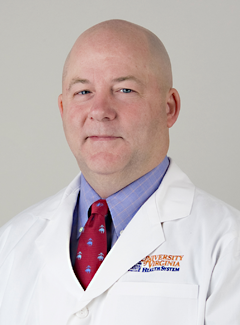 Gilbert R. Upchurch合作论文数University of Virginia22James Hermiller合作论文数21
 John Heiser合作论文数20
 John Forrest合作论文数Cardiovascular Medicine, Internal Medicine, Yale School of Medicine, Yale University19G. Chad Hughes合作论文数Surgery, Duke University Medical Center19Daniel O'Hair合作论文数18George L. Zorn合作论文数18Shuzhen Li合作论文数17Petrossian George合作论文数17
 John V Conte合作论文数Johns Hopkins School of Medicine;Geisinger Health System;Penn State University17
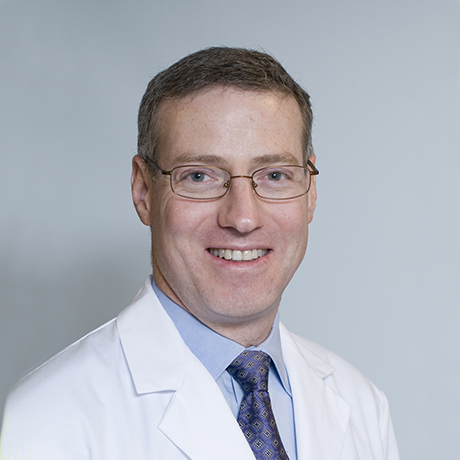 Eric Isselbacher合作论文数Massachusetts General Hospital;Harvard Medical School17
 Christoph Nienaber合作论文数Guy's and St Thomas' NHS Foundation Trust;Royal Brompton and Harefield hospitals16
 Francis Dominic Pagani合作论文数Frankel Cardiovascular Center, University of Michigan, Ann Arbor16Tanvir Bajwa合作论文数16
 John Kevin Harrison合作论文数Department of Medicine, Duke University School of Medicine15
 Gorav Ailawadi合作论文数Department of Cardiac Surgery, Medical School, University of Michigan-Ann Arbor15Linda Farhat合作论文数15
 William Floyd Armstrong合作论文数University of Michigan Health15Robinson Newell合作论文数12Tadros Peter合作论文数12Rossella Fattori合作论文数12
 Basel Ramlawi合作论文数12Rana-Armaghan Ahmad合作论文数11
 Richard L. Prager合作论文数Frankel Cardiovascular Center, University of Michigan Health11
 David S. Bach合作论文数Medical School, University of Michigan11Hornsby Whitney E合作论文数11




