Acute aortic dissection of the ascending aorta is a life-threatening disease that poses a significant challenge for cardiovascular surgeons. Dissection of the aorta typically occurs when the aortic media separates from the intima. Surgical repair is performed emergently and classically involves the use of hypothermic circulatory arrest for distal aortic repair. The impact of circulatory arrest duration on postoperative outcomes is unclear with the critical time leading to increased risk being controversial. The purpose of this study is to elucidate the pivotal circulatory arrest time that increases surgical complications in patients undergoing type A aortic dissection repair. This retrospective review of prospectively collected data included patients who underwent Aortic Dissection Repair from 2016 to 2022 at a New Jersey institution. Circulatory arrest time groups were stratified by above and below 30 min. Primary outcomes included 30-day mortality, postoperative length of stay (LOS), 30-day readmission and 12-month mortality. Secondary outcomes included postoperative complications of acute kidney injury (AKI), pericardial or pleural effusion, postoperative cerebrovascular accident (CVA) and postoperative atrial fibrillation. Outcomes were analyzed using Pearson’s Chi-squared, Fisher’s Exact, Regression Analysis and Pooled T-Tests, with significance set at p < 0.05. A total of 109 patients were included, 87 of whom (80
BACKGROUND AND AIMS:The TRISCEND II trial demonstrated superior clinical benefits for patients with ≥severe tricuspid regurgitation (TR) treated with the EVOQUE transcatheter tricuspid valve replacement (TTVR) system plus medical therapy vs medical therapy alone. This work reports 1-year and 18-month outcomes in patients stratified by baseline TR severity. METHODS:The multicentre, prospective TRISCEND II trial enrolled 400 patients with symptomatic, ≥severe TR, and randomized 2:1 to TTVR (n = 267) or control (n = 133). In a post hoc analysis, patients were stratified into severe TR (n = 172) and massive/torrential TR (n = 220) cohorts. Clinical and quality-of-life outcomes were reported at 1 year, with Kaplan-Meier estimates for all-cause mortality and heart failure (HF) hospitalization assessed at 18 months. Study oversight included an independent echocardiographic core laboratory, clinical events committee, and data safety monitoring board. RESULTS:One year after TTVR, TR was ≤mild in 95.2% of severe TR and 95.3% of massive/torrential TR patients. The primary safety and effectiveness endpoint (win ratio) favoured TTVR over control regardless of baseline TR severity: severe {1.64 [95% confidence interval (CI): 1.11, 2.43]} and massive/torrential [2.20 (1.55, 3.14)]. At 18 months, TTVR patients had similar mortality to controls [rate difference: severe 0.2% (-11.6, 11.9), massive/torrential -5.8% (-17.6, 6.0)], whereas HF hospitalization rates favoured TTVR in the massive/torrential cohort [vs control, severe 9.8% (-3.0, 22.7), massive/torrential -15.2% (-28.9, -1.5)]. CONCLUSIONS:Patients with ≥severe TR benefit from TTVR, experiencing improvements in TR severity, functional capacity, and quality of life regardless of baseline TR severity, with a signal for greater benefit in patients with more advanced disease.
Background:Transcatheter aortic valve implantation (TAVI) for prosthetic valve dysfunction is frequently associated with suboptimal echocardiographic outcomes. The effect of anticoagulation on preserving valve function is not well understood. Methods:Patients who underwent the valve-in-valve TAVI for failed prosthetic aortic valves between 2015 and 2023 at a large academic medical center were retrospectively included. Data on anticoagulation use, along with clinical and echocardiographic outcomes, were collected. The end point of the study was the effect of anticoagulation use on the changes in mean gradient, peak velocity (Vmax), and dimensionless index over time. Results:One hundred thirteen patients (43 women) with a mean Society of Thoracic Surgeons score of 5.8 ± 5.5 were included in the study. Of these, 42% underwent valve fracture, and anticoagulation was used in 69.3% patients at discharge and 53.3% at 1-year follow-up. The mean gradient (β = 4.46, P < .001) and Vmax (β = 0.292, P < .001) increased, whereas dimensionless index decreased over time in the overall cohort (β = -0.06, P = .001). However, there was a significant effect of anticoagulation use on changes in mean gradient (β = -4.36, P = .003) and Vmax (β = -0.30, P = .003) but not on DI (β = 0.40, P = .104) at 1-year post-TAVI. Conclusions:Anticoagulation postvalve-in-valve TAVI may lead to lower mean gradients and peak velocities at 1-year follow-up. More data are needed to understand its impact on nonflow-dependent indices and clinical outcomes.
BACKGROUND:Transcatheter devices designed for calcific aortic stenosis are not optimised for use in native aortic regurgitation, and data on aortic regurgitation-dedicated platforms are limited. The extended ALIGN-AR pivotal experience with a prospectively enrolled continued-access cohort and longer follow-up aimed to characterise the safety, valve function, and clinical outcomes of transcatheter aortic valve intervention (TAVI) with a dedicated device in aortic regurgitation. METHODS:ALIGN-AR is a prospective, multicentre, single-arm study enrolling patients at high surgical risk to undergo TAVI with a dedicated valve (Trilogy valve) for symptomatic moderate-to-severe or severe aortic regurgitation at 30 centres in the USA. Coprimary endpoints were a safety composite of major adverse events within 30 days post procedure (all-cause death, stroke, life-threatening or major bleeding, acute kidney injury, major vascular complications, need for additional surgical or percutaneous interventions, new pacemaker implantation, and moderate or greater aortic regurgitation), tested for non-inferiority against a margin of 1·35 applied to literature-based incidence of safety endpoint of 30% translating to performance goal of 40·5%, and 1-year all-cause mortality, tested for superiority against a performance goal of 25·0%. Analyses were done in the intention-to-treat population. This study is registered with ClinicalTrials.gov (NCT04415047), and is ongoing. FINDINGS:Between June 8, 2018, and July 29, 2025, we screened 1352 patients and enrolled 700 patients (pivotal cohort n=180; continued access cohort n=520). Median age was 79·0 years (IQR 72·0-84·0), 321 (46%) were female, 379 (54%) were male, and 532 (76%) were White, 68 (10%) were Black or African American, and 36 (5%) were Asian. Technical success was achieved in 664 (95%) patients. The median duration of follow-up was 472 days (IQR 352-891). The 30-day primary safety composite endpoint occurred in 168 patients (24·0% [upper 97·5% CI 27·3%]; pnon-inferiority<0·0001), meeting the performance goal. Among components of the composite safety endpoint, death occurred in 11 (1·6%), stroke in 12 (1·7%), new pacemaker implantation in 127 (21·6%) of 589, moderate aortic regurgitation in three (0·5%) of 569 and severe aortic regurgitation in none. All-cause mortality occurred in 38 at 1 year (7·7% [upper 97·5% CI 10·4%]; psuperiority<0·0001), meeting the performance goal, and in 53 (13·3%) at 2 years. INTERPRETATION:In patients with symptomatic moderate-to-severe or severe aortic regurgitation considered to be of high surgical risk, TAVI with a dedicated platform met prespecified safety and effectiveness performance goals. We observed substantial reductions in aortic regurgitation, favourable valve haemodynamics and myocardial remodelling, with associated improvements in functional status and quality-of-life gains up to 2 years. These data support TAVI with a purpose-built device as a feasible and effective treatment option for selected patients with native aortic regurgitation who are at high risk for death or complications after surgery. FUNDING:JenaValve Technology.
BACKGROUND:Patients with severe mitral regurgitation are frequently not candidates for surgery or transcatheter edge-to-edge repair (TEER). We aimed to evaluate 1-year outcomes of a novel percutaneous transseptal transcatheter mitral valve replacement (TMVR) system in patients unsuitable for surgery or TEER. METHODS:In this prospective, multicentre, single-arm, pivotal trial, adult patients (aged ≥18 years) with symptomatic moderate-to-severe or severe mitral regurgitation who were not suitable for surgery or TEER were recruited at 56 centres in six countries (the USA, Canada, the UK, the Netherlands, Israel, and Australia). Eligible patients were treated with TMVR using the SAPIEN M3 system (Edwards Lifesciences, Irvine, CA, USA). The primary endpoint was a non-hierarchical composite of all-cause mortality and heart failure rehospitalisation at 1 year in the as-treated population, compared with a prespecified performance goal of 45%. This trial is registered with ClinicalTrials.gov, NCT04153292, and is ongoing. FINDINGS:Between June 9, 2020, and Oct 10, 2023, 1171 patients were screened, of whom 299 were treated. Follow-up data were available for 283 (95%) patients at 30 days and 243 (81%) at 1 year (median follow-up 1·4 years [IQR 1·0-2·1]). The median age was 77·0 years (IQR 70·0-82·0), 152 (51%) participants self-reported as male and 147 (49%) as female, and the mean Society of Thoracic Surgeons predicted risk of 30-day mortality for mitral valve replacement was 6·6%. There were no intraprocedural deaths, no instances of left ventricular outflow tract obstruction causing haemodynamic compromise, and no conversions to surgery. The primary endpoint rate of 25·2% (95% CI 20·6-30·6) was significantly lower than the prespecified performance goal of 45% (p<0·0001). INTERPRETATION:Percutaneous transseptal TMVR with the SAPIEN M3 system effectively reduced mitral regurgitation with low rates of complications and mortality. These findings support percutaneous TMVR with the SAPIEN M3 system as a therapeutic option for patients who are unsuitable for surgery or TEER. FUNDING:Edwards Lifesciences.
Objective To examine the clinical and economic consequences of delayed transcatheter aortic valve replacement (TAVR) in patients with clinically significant aortic stenosis. Methods We analyzed 4,069 patients with clinically significant aortic stenosis who underwent TAVR between July 2019 and June 2023 using the Optum Market Clarity database. Patients were categorized as timely TAVR (≤90 days from diagnosis) or delayed TAVR (>90 days or urgent/emergent procedure). Clinical outcomes included all-cause mortality, heart failure hospitalizations, stroke, and composite endpoints over 3 years. Economic outcomes included total healthcare costs and hospitalization utilization. Multivariable Cox proportional hazards and generalized linear models were used for analysis. Results Of 4,069 patients, 2,051 (50.4%) received timely TAVR and 2,018 (49.6%) received delayed TAVR. Delayed patients had higher frailty scores (10.9 vs 8.5, p<0.01) but similar comorbidity burden. At 3 years, delayed TAVR was associated with significantly higher composite outcomes (50.1% vs 36.8%, HR 1.52, p<0.01) (, mortality (19.5% vs 13.7%, HR 1.50, p<0.01), heart failure hospitalizations (38.4% vs 26.5%, HR 1.59, p<0.01). Disabling stroke was not statistically significant (10.0% vs 7.9%, HR 1.25, p=0.0558). Delayed patients incurred $36,740 higher healthcare costs over 3 years ($182,470 vs $145,730, p<0.01), driven primarily by increased hospitalizations ($22,127 difference). Results remained significant when restricted to elective procedures only. Conclusions Delayed TAVR is associated with substantial clinical and economic consequences, including 50% higher mortality risk and $36,740 in excess costs over 3 years. These findings support the importance of timely intervention and healthcare system investments to reduce TAVR wait times.
We describe a rare complication of intraprocedural spontaneous thrombus formation on a transcatheter edge-to-edge repair (MitraClip; Abbott Laboratories) device in a hypercoagulable yet adequately anticoagulated patient. We also outline the novel use of a vacuum (Penumbra) aspiration system, which resulted in rapid and effective thrombus elimination.
BACKGROUND: Little is known about the occurrence of subclinical new -onset atrial fibrillation (NOAF) after transcatheter aortic valve implantation (TAVI). AIMS: We aimed to evaluate the incidence, predictors, and clinical impact of subclinical NOAF after TAVI. METHODS: This was a multicentre study, including patients with aortic stenosis (AS) and no previous atrial fibrillation undergoing TAVI, with continuous ambulatory electrocardiogram (AECG) monitoring after TAVI. RESULTS: A total of 700 patients (79 +/- 8 years, 49% female, Society of Thoracic Surgeons score 2.9% [1.9-4.0]) undergoing transarterial TAVI were included (85% balloon -expandable valves). AECG was started 1 (0-1) day after TAVI (monitoring time: 14 [12-14] days). NOAF was detected in 49 patients (7%), with a median duration of 185 (43-421) minutes (atrial fibrillation burden of 0.7% [0.3-2.8]). Anticoagulation was started in 25 NOAF patients (51%). No differences were found in baseline or procedural characteristics, except for a higher AS severity in the NOAF group (peak gradient: no NOAF: 71.9 +/- 23.5 mmHg vs NOAF: 85.2 +/- 23.8 mmHg; p=0.024; mean gradient: no NOAF: 44.4 +/- 14.7 mmHg vs NOAF: 53.8 +/- 16.8 mmHg; p=0.004). In the multivariable analysis, the baseline mean transaortic gradient was associated with a higher risk of NOAF after TAVI (odds ratio 1.04, 95% confidence interval: 1.01-1.06 for each mmHg; p=0.006). There were no differences between groups in all -cause mortality (no NOAF: 4.7% vs NOAF: 0%; p=0.122), stroke (no NOAF: 1.4% vs NOAF: 2.0%; p=0.723), or bleeding (no NOAF: 1.9% vs NOAF: 4.1%; p=0.288) from the 30 -day to 1 -year follow-up. CONCLUSIONS: NOAF detected with AECG occurred in 7% of TAVI recipients and was associated with a higher AS severity. NOAF detection determined the start of anticoagulation therapy in about half of the patients, and it was not associated with an increased risk of clinical events at 1 -year follow-up.
Background Despite improvements in outcomes of ST elevation myocardial infarction (STEMI), ventricular septal rupture (VSR) remains a known complication, carrying high mortality. The contemporary incidence, mortality, and management of post-STEMI VSR remains unclear. Methods The National Inpatient Sample database (2009–2020) was used to study trends in admissions and outcomes of post-STEMI VSR over time. Survey estimation commands were used to determine weighted national estimates. Results There were 2 315 186 ± 22 888 visits for STEMI with 0.194 ± 0.01% experiencing VSR during 2009–2020 in the USA. Patients with VSR were more often older, white, female, and presented with an anterior STEMI; there was no difference in the rates of fibrinolysis. In-hospital mortality was 73.6 ± 1.8%, but only 29.2 ± 1.9 and 10 ± 1.2% received surgical repair and transcatheter repair (TCR), respectively. TCR was associated with higher and surgical repair with lower mortality. Days to surgery were longer for those who survived (5.9 ± 2.75) compared with those who died (2.44 ± 1). In a multivariable analysis, surgical repair at greater than or equal to day 4 was associated with lower in-hospital mortality (odds ratio = 0.39, 95% confidence interval: 0.17–0.88). Conclusion Mortality in post-STEMI VSR remains high with no improvement over time. Most patients are managed conservatively, and the frequency of surgical repair has decreased, while TCR has increased over the study period. Despite design limitations and survival bias, surgical repair at greater than or equal to 4 days was associated with a lower mortality.
The optimal antithrombotic therapy after transcatheter aortic valve replacement (TAVR), in patients with and without indication for anticoagulation (AC), remains a topic of debate due to competitive risks of bleeding and valve thrombosis. Current societal guidelines recommend use of lifelong aspirin (ASA) with or without clopidogrel or warfarin (VKA) for 3-6 months based on bleeding risk post TAVR. The role of direct oral anticoagulant (DOAC) in this setting remains unclear. We searched electronic databases for randomized controlled trials comparing DOAC to antiplatelets or warfarin post TAVR. We performed a random effect meta-analysis and trial sequential analysis (TSA) was performed to assess the relevant outcomes. Five studies/sub-studies were included in the analysis. DOAC use was associated with higher mortality compared to antiplatelet agents in patients with no indication for AC post TAVR however no difference was found in patients with indication for AC (Figure 1A). There was no difference in Valve Academic Research Consortium (VARC) life threatening/disabling/major bleeding and valve thrombosis between DOAC versus antiplatelet and VKA (Figure1B). In post-TAVR patients with an indication for AC and at low bleeding risk, there may be a role for treatment with DOAC as opposed to VKA. More randomized data is needed to confirm our results as well as analyze additional in-hospital and long-term outcomes.
BackgroundAortic stenosis (AS) is a prevalent valvular disorder necessitating timely intervention, particularly when symptomatic. Aortic valve replacement (AVR) is the recommended treatment, but delays in access to AVR are common and linked to adverse outcomes and increased health care costs. This study aims to assess the health care cost burden associated with delaying transcatheter AVR (TAVR) in Medicare Advantage beneficiaries with clinically significant AS.Methods and ResultsThis retrospective database study utilized the Optum de-identified U.S. claims database, encompassing Medicare Advantage enrollees. Patients aged 65 years or older were identified as having AS based on medical billing codes and were required to have a record of syncope, dyspnea, fatigue, chest pain/angina, or heart failure prior to, on or within 30 days of their incident AS diagnosis. Total health care costs were analyzed over a 2-year period, regressed against the delay in receiving TAVR, and adjusted for covariates. In the 4105 patients meeting study inclusion criteria, delays in TAVR were associated with a significant increase in health care costs, translating to those waiting 12 months for TAVR incurring an additional cost of $10,080 compared to those receiving TAVR promptly. Non-TAVR related costs largely drove this increase.ConclusionsDelaying TAVR in clinically significant AS patients is associated with higher health care costs, emphasizing the need for timely interventions. Addressing delays in TAVR access and optimizing pre-TAVR workup can potentially improve patient outcomes and reduce health care expenditure.
BackgroundOur objective was to compare the impact of patient-prosthesis mismatch (PPM) for 2 years after surgical aortic valve replacement within the prospective, randomized Placement of Aortic Transcatheter Valves (PARTNER) trials.MethodsSurgical aortic valve replacement patients from the PARTNER 1, 2, and 3 trials were included. PPM was classified as moderate (indexed effective orifice area ≤0.85 cm2/m2) or severe (indexed effective orifice area ≤0.65 cm2/m2). The primary endpoint was the composite of all-cause death and heart failure rehospitalization at 2 years.ResultsBy the predicted PPM method (PPMP), 59.1% had no PPM, 38.8% moderate PPM, and 2.1% severe PPM; whereas by the measured PPM method (PPMM), 42.4% had no PPM, 36.0% moderate, and 21.6% severe. Patients with no PPMP (23.6%) had a lower rate of the primary endpoint compared with patients with moderate (28.2%, P = .03) or severe PPMP (38.8%, P = .02). Using the PPMM method, there was no difference between the no (17.7%) and moderate PPMM groups (21.1%) in the primary outcome (P = .16). However, those with no PPMM or moderate PPMM were improved compared with severe PPMM (27.4%, P < .001 and P = .02, respectively).ConclusionsSevere PPM analyzed by PPMP was only 2.1% for surgical aortic valve replacement patients. The PPMM method overestimated the incidence of severe PPM relative to PPMP, but was also associated with worse outcome. There was higher all-cause mortality in patients with severe PPM, thus surgical techniques to minimize PPM remain critical.
Abstract Objective Despite key differences in pathological processes, both Intramural Hematomas and Aortic Dissections are Acute Aortic Syndromes repaired with similar surgical technique. The objective of this study was to determine differences in surgical outcomes between patients with Intramural Hematoma versus Type A Aortic Dissection undergoing Ascending Aortic Arch repair. Methods This retrospective review of prospectively collected data included all patients with acute Intramural Hematoma or Type A Aortic Dissection who underwent emergent Ascending- or Arch Repair from January 2018 to May 2023 at a single academic institution. Primary outcomes included intraoperative mortality, 30-Day mortality, and postoperative stay. Secondary outcomes included postoperative complications. Outcomes were analyzed using Chi-squared, Fisher’s Exact, and t-tests, with significance set at p < 0.05. Results A total of 107 patients were included, 27 of whom (25%) had Intramural Hematoma and 80 (75%) had Type A Aortic Dissection. There were no differences in preoperative characteristics such as age, gender, and comorbidities, and no differences in perioperative characteristics such as case length, cardiopulmonary bypass, aortic cross-clamp, and circulatory arrest times. When comparing postoperative outcomes, there was a higher rate of postoperative pericardial effusions requiring pericardial window in the Intramural Hematoma cohort compared to the Aortic Dissection cohort (15% [n = 4] vs. 3% [n = 2]; p = 0.02). There were no differences in other primary outcomes such as intraoperative mortality, 30-Day mortality, and postoperative length of stay. There were also no differences in the rates of postoperative complications such as bleeding requiring reoperation, cerebrovascular accident, atrial fibrillation, pleural effusion requiring thoracentesis, and surgery-related Emergency Department visits. Conclusions Our analysis demonstrates similar outcomes for patients undergoing Ascending Aortic Arch repair between patients with Intramural Hematoma and Type A Aortic Dissection. Despite the higher rate of required postoperative pericardial windows in the Intramural Hematoma cohort, the overall primary outcomes remained comparable. These findings better elucidate the standard of care for patients with acute Intramural Hematoma undergoing Ascending Aortic Arch repair.
Background Surgery remains the only recommended intervention for patients with native aortic regurgitation. A transcatheter therapy to treat patients at high risk for mortality and complications with surgical aortic valve replacement represents an unmet need. Commercial transcatheter heart valves in pure aortic regurgitation are hampered by unacceptable rates of embolisation and paravalvular regurgitation. The Trilogy transcatheter heart valve (JenaValve Technology, Irvine, CA, USA) provides a treatment option for these patients. We report outcomes with transfemoral transcatheter aortic valve implantation (TAVI) in patients with pure aortic regurgitation using this dedicated transcatheter heart valve. Methods The ALIGN -AR trial is a prospective, multicentre, single -arm study. We recruited symptomatic patients (aged >= 18 years) with moderate -to -severe or severe aortic regurgitation at high risk for mortality and complications after surgical aortic valve replacement at 20 US sites for treatment with the Trilogy transcatheter heart valve. The 30 -day composite primary safety endpoint was compared for non -inferiority with a prespecified performance goal of 405%. The primary efficacy endpoint was 1 -year all -cause mortality compared for non -inferiority with a performance goal of 25%. This trial is registered with ClinicalTrials.gov, NCT 04415047, and is ongoing. Findings Between June 8, 2018, and Aug 29, 2022, we screened 346 patients. We excluded 166 (48%) patients and enrolled 180 (52%) patients with symptomatic aortic regurgitation deemed high risk by the heart team and independent screening committee assessments. The mean age of the study population was 755 years (SD 108), and 85 (47%) were female, 95 (53%) were male, and 131 (73%) were White. Technical success was achieved in 171 (95%) patients. At 30 days, four (2%) deaths, two (1%) disabling strokes, and two (1%) non -disabling strokes occurred. Using standard Valve Academic Research Consortium -2 definitions, the primary safety endpoint was achieved, with events occurring in 48 (27% [975% CI 192-340]) patients (p(non-inferiority) <00001), with new pacemaker implantation in 36 (24%) patients. The primary efficacy endpoint was achieved, with mortality in 14 (78% [33-123]) patients at 1 year (p(non-inferiority) < 0 0001 ). Interpretation This study shows the safety and effectiveness of treating native aortic regurgitation using a dedicated transcatheter heart valve to treat patients with symptomatic moderate -to -severe or severe aortic regurgitation who are at high risk for mortality or complications after surgical aortic valve replacement. The observed short-term clinical and haemodynamic outcomes are promising as are signs of left ventricular remodelling, but long-term follow-up is necessary.
 Chunguang Chen合作论文数40
 Alexis K. Okoh合作论文数Division of Cardiology, Emory University School of Medicine39
 Marc Cohen合作论文数Department of Medicine, Newark Beth Israel Medical Center;Rutgers New Jersey Medical School;RWJBarnabas Health31Bruce Haik合作论文数30
 Vinod H. Thourani合作论文数Piedmont Healthcare25
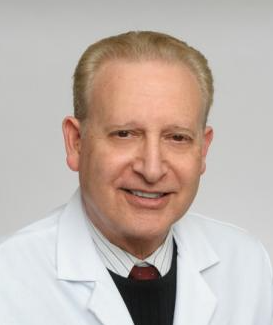 Martin Leon合作论文数Center for Interventional Vascular Therapy, Columbia University Medical Center23
 Ankur Sethi合作论文数19
 Rajendra Makkar合作论文数Smidt Heart Institute, Cedars-Sinai Medical Center18
 John Webb合作论文数St Paul's Hospital, University of British Columbia;Department of Medicine, Faculty of Medicine, University of British Columbia16
 James M Mccabe合作论文数16Leonard Lee合作论文数15Babaliaros Vasilis合作论文数14
 Rebecca T. Hahn合作论文数Seymour, Paul and Gloria Milstein Division of Cardiology, Department of Medicine, Columbia University Irving Medical Center14
 Philippe Pibarot合作论文数Faculté Médecine, Université Laval;Centre de recherche de l'Institut universitaire de cardiologie et de pneumonie de Québec;Institut universitaire de cardiologie et de pneumologie de Québec – Université Laval12
 Abdul Hakeem合作论文数University of Arkansas for Medical Sciences;Central Arkansas VA12
 Maria Alu合作论文数Columbia University Medical Center;Soprano Baroque Orchestra of NJ11
 Hiltner Emily P合作论文数11
 Isaac George合作论文数Department of Surgery;Division of Cardiothoracic;Columbia University;College of Physicians11Susheel Kodali合作论文数10
 S Chris Malaisrie合作论文数Division of Cardiac Surgery, Department of Surgery, Northwestern University Feinberg School of Medicine10
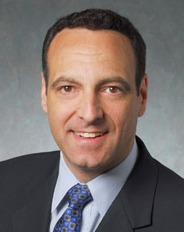 David J. Cohen合作论文数University of Missouri-Kansas City10
 Samir Kapadia合作论文数Robert and Suzanne Tomsich Department of Cardiovascular Medicine, Cleveland Clinic;Sydell and Arnold Miller Family Heart, Vascular & Thoracic Institute, Cleveland Clinic;College of Medicine, Case Western Reserve University10
 Swaiman Singh合作论文数9
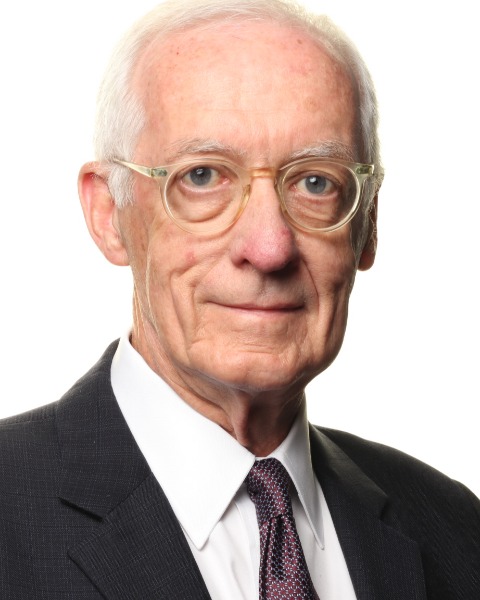 Michael Mack合作论文数Baylor Scott & White Health9
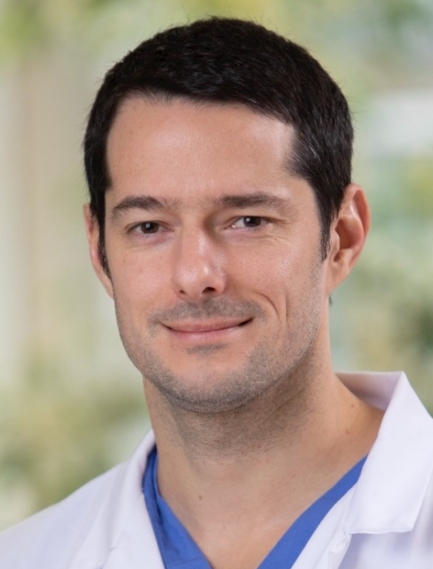 Philippe Genereux合作论文数Anges Québec;Morristown Medical Center9
 Fady K Soliman合作论文数8
 Setri Fugar合作论文数Div Cardiol, Rush Univ8
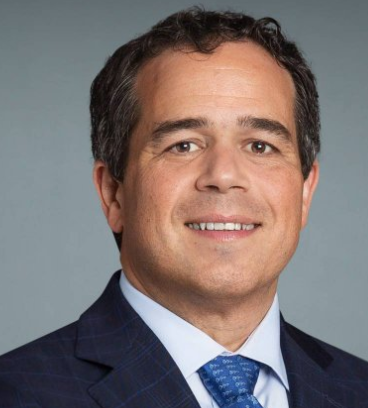 Mathew R. Williams合作论文数Division of Adult Cardiac Surgery, Grossman School of Medicine, New York University8Thawabi Mohammad合作论文数8Lee Leonard Y合作论文数8Philipp Blanke合作论文数Clinical Development Bayropharm GmbH8
 Pradeep Yadav合作论文数7
 Wilson Y. Szeto合作论文数Department of Surgery, Perelman School of Medicine, University of Pennsylvania7Lemaire Anthony合作论文数7John Kassotis合作论文数Departments of Pharmacology and Medicine;Columbia University;College of Physicians;College of Physicians, Columbia University7Brian K. Whisenant合作论文数7
 Jonathon A. Leipsic合作论文数Department of Radiology, University of British Columbia7Xiao Yu合作论文数6Amer Hawatmeh合作论文数Division of Cardiology, Newark Beth Israel Medical Center6Tayal Rajiv合作论文数6Khalique Omar K合作论文数Heart Valve Center, Columbia University Medical Center6
 Ashok Chaudhary合作论文数Department of Medicine, The Reading Hospital and Medical Center6
 Tamim Nazif合作论文数6
 Hirohisa Ikegami合作论文数Department of Cardiovascular Surgery Setatsukinowa, Shiga University of Medical Science6
 Stephan Baldus合作论文数Department III of Internal Medicine, Cluster of Excellence for Aging Research, University of Cologne6Treede Hendrik合作论文数5Takebe Manabu合作论文数Gorman Cardiovascular Research Group, University of Pennsylvania5




