PURPOSE:Schools provide access to mental health services for traditionally underserved youth. However, there is variability in the types of school-based services students receive (e.g., school counseling, services in separate classrooms, or schools serving students with psychiatric disorders). Prior research has typically not distinguished among these different types of school-based services. The present study examines sociodemographic characteristics and disorders associated with the types of services received in schools. METHODS:Data were analyzed from a sample of adolescent-parent pairs in the U.S. National Comorbidity Survey Adolescent Supplement who received school mental health services (N = 1,204). DSM-IV diagnoses were based on the Composite International Diagnostic Interview administered to adolescents and questionnaires self-administered to parents. Adolescents (aged 13-18 years) and parents also responded to questions about lifetime school-based mental health service receipt. RESULTS:Among those receiving school-based mental health services, almost one-third (29.7%) received services in a separate classroom and almost one-fourth (22.3%) in a separate school. Increased likelihood of lifetime placement in a separate classroom or school was detected among older youth, males, blacks, Latinos, youth with learning disabilities, those whose parents had fewer years of education, and those who received community-based mental health services. Oppositional defiant disorder was associated with increased lifetime placement in a separate school. CONCLUSIONS:The results advance the evidence base by indicating that racial/ethnic minority youth and those whose parents have fewer years of education were more likely to receive school-based mental health services in separate settings. These results provide more context to studies of school-based mental health service receipt.
Importance:Recognition that adult attention-deficit/hyperactivity disorder (ADHD) is common, seriously impairing, and usually undiagnosed has led to the development of adult ADHD screening scales for use in community, workplace, and primary care settings. However, these scales are all calibrated to DSM-IV criteria, which are narrower than the recently developed DSM-5 criteria. Objectives:To update for DSM-5 criteria and improve the operating characteristics of the widely used World Health Organization Adult ADHD Self-Report Scale (ASRS) for screening. Design, Setting, and Participants:Probability subsamples of participants in 2 general population surveys (2001-2003 household survey [n = 119] and 2004-2005 managed care subscriber survey [n = 218]) who completed the full 29-question self-report ASRS, with both subsamples over-sampling ASRS-screened positives, were blindly administered a semistructured research diagnostic interview for DSM-5 adult ADHD. In 2016, the Risk-Calibrated Supersparse Linear Integer Model, a novel machine-learning algorithm designed to create screening scales with optimal integer weights and limited numbers of screening questions, was applied to the pooled data to create a DSM-5 version of the ASRS screening scale. The accuracy of the new scale was then confirmed in an independent 2011-2012 clinical sample of patients seeking evaluation at the New York University Langone Medical Center Adult ADHD Program (NYU Langone) and 2015-2016 primary care controls (n = 300). Data analysis was conducted from April 4, 2016, to September 22, 2016. Main Outcomes and Measures:The sensitivity, specificity, area under the curve (AUC), and positive predictive value (PPV) of the revised ASRS. Results:Of the total 637 participants, 44 (37.0%) household survey respondents, 51 (23.4%) managed care respondents, and 173 (57.7%) NYU Langone respondents met DSM-5 criteria for adult ADHD in the semistructured diagnostic interview. Of the respondents who met DSM-5 criteria for adult ADHD, 123 were male (45.9%); mean (SD) age was 33.1 (11.4) years. A 6-question screening scale was found to be optimal in distinguishing cases from noncases in the first 2 samples. Operating characteristics were excellent at the diagnostic threshold in the weighted (to the 8.2% DSM-5/Adult ADHD Clinical Diagnostic Scale population prevalence) data (sensitivity, 91.4%; specificity, 96.0%; AUC, 0.94; PPV, 67.3%). Operating characteristics were similar despite a much higher prevalence (57.7%) when the scale was applied to the NYU Langone clinical sample (sensitivity, 91.9%; specificity, 74.0%; AUC, 0.83; PPV, 82.8%). Conclusions and Relevance:The new ADHD screening scale is short, easily scored, detects the vast majority of general population cases at a threshold that also has high specificity and PPV, and could be used as a screening tool in specialty treatment settings.
BackgroundMajor depressive disorder (MDD) is a leading cause of disability worldwide.AimsTo examine the: (a) 12-month prevalence of DSM-IV MDD; (b) proportion aware that they have a problem needing treatment and who want care; (c) proportion of the latter receiving treatment; and (d) proportion of such treatment meeting minimal standards.MethodRepresentative community household surveys from 21 countries as part of the World Health Organization World Mental Health Surveys.ResultsOf 51 547 respondents, 4.6% met 12-month criteria for DSM-IV MDD and of these 56.7% reported needing treatment. Among those who recognised their need for treatment, most (71.1%) made at least one visit to a service provider. Among those who received treatment, only 41.0% received treatment that met minimal standards. This resulted in only 16.5% of all individuals with 12-month MDD receiving minimally adequate treatment.ConclusionsOnly a minority of participants with MDD received minimally adequate treatment: 1 in 5 people in high-income and 1 in 27 in low-/lower-middle-income countries. Scaling up care for MDD requires fundamental transformations in community education and outreach, supply of treatment and quality of services.
Background.To examine cross-national patterns and correlates of lifetime and 12-month comorbid DSM-IV anxiety disorders among people with lifetime and 12-month DSM-IV major depressive disorder (MDD).Method.Nationally or regionally representative epidemiological interviews were administered to 74 045 adults in 27 surveys across 24 countries in the WHO World Mental Health (WMH) Surveys. DSM-IV MDD, a wide range of comorbid DSM-IV anxiety disorders, and a number of correlates were assessed with the WHO Composite International Diagnostic Interview (CIDI).Results.45.7% of respondents with lifetime MDD (32.0–46.5% inter-quartile range (IQR) across surveys) had one of more lifetime anxiety disorders. A slightly higher proportion of respondents with 12-month MDD had lifetime anxiety disorders (51.7%, 37.8–54.0% IQR) and only slightly lower proportions of respondents with 12-month MDD had 12-month anxiety disorders (41.6%, 29.9–47.2% IQR). Two-thirds (68%) of respondents with lifetime comorbid anxiety disorders and MDD reported an earlier age-of-onset (AOO) of their first anxiety disorder than their MDD, while 13.5% reported an earlier AOO of MDD and the remaining 18.5% reported the same AOO of both disorders. Women and previously married people had consistently elevated rates of lifetime and 12-month MDD as well as comorbid anxiety disorders. Consistently higher proportions of respondents with 12-month anxious than non-anxious MDD reported severe role impairment (64.4 v. 46.0%; χ21 = 187.0, p < 0.001) and suicide ideation (19.5 v. 8.9%; χ21 = 71.6, p < 0.001). Significantly more respondents with 12-month anxious than non-anxious MDD received treatment for their depression in the 12 months before interview, but this difference was more pronounced in high-income countries (68.8 v. 45.4%; χ21 = 108.8, p < 0.001) than low/middle-income countries (30.3 v. 20.6%; χ21 = 11.7, p < 0.001).Conclusions.Patterns and correlates of comorbid DSM-IV anxiety disorders among people with DSM-IV MDD are similar across WMH countries. The narrow IQR of the proportion of respondents with temporally prior AOO of anxiety disorders than comorbid MDD (69.6–74.7%) is especially noteworthy. However, the fact that these proportions are not higher among respondents with 12-month than lifetime comorbidity means that temporal priority between lifetime anxiety disorders and MDD is not related to MDD persistence among people with anxious MDD. This, in turn, raises complex questions about the relative importance of temporally primary anxiety disorders as risk markers v. causal risk factors for subsequent MDD onset and persistence, including the possibility that anxiety disorders might primarily be risk markers for MDD onset and causal risk factors for MDD persistence.
We evaluate the precision of a model estimating school prevalence of SED using a small area estimation method based on readily-available predictors from area-level census block data and school principal questionnaires. Adolescents at 314 schools participated in the National Comorbidity Supplement, a national survey of DSM-IV disorders among adolescents. A multilevel model indicated that predictors accounted for under half of the variance in school-level SED and even less when considering block-group predictors or principal report alone. While Census measures and principal questionnaires are significant predictors of individual-level SED, associations are too weak to generate precise school-level predictions of SED prevalence.
IMPORTANCE:The US Army experienced a sharp increase in soldier suicides beginning in 2004. Administrative data reveal that among those at highest risk are soldiers in the 12 months after inpatient treatment of a psychiatric disorder.OBJECTIVE:To develop an actuarial risk algorithm predicting suicide in the 12 months after US Army soldier inpatient treatment of a psychiatric disorder to target expanded posthospitalization care.DESIGN, SETTING, AND PARTICIPANTS:There were 53,769 hospitalizations of active duty soldiers from January 1, 2004, through December 31, 2009, with International Classification of Diseases, Ninth Revision, Clinical Modification psychiatric admission diagnoses. Administrative data available before hospital discharge abstracted from a wide range of data systems (sociodemographic, US Army career, criminal justice, and medical or pharmacy) were used to predict suicides in the subsequent 12 months using machine learning methods (regression trees and penalized regressions) designed to evaluate cross-validated linear, nonlinear, and interactive predictive associations.MAIN OUTCOMES AND MEASURES:Suicides of soldiers hospitalized with psychiatric disorders in the 12 months after hospital discharge.RESULTS:Sixty-eight soldiers died by suicide within 12 months of hospital discharge (12.0% of all US Army suicides), equivalent to 263.9 suicides per 100,000 person-years compared with 18.5 suicides per 100,000 person-years in the total US Army. The strongest predictors included sociodemographics (male sex [odds ratio (OR), 7.9; 95% CI, 1.9-32.6] and late age of enlistment [OR, 1.9; 95% CI, 1.0-3.5]), criminal offenses (verbal violence [OR, 2.2; 95% CI, 1.2-4.0] and weapons possession [OR, 5.6; 95% CI, 1.7-18.3]), prior suicidality [OR, 2.9; 95% CI, 1.7-4.9], aspects of prior psychiatric inpatient and outpatient treatment (eg, number of antidepressant prescriptions filled in the past 12 months [OR, 1.3; 95% CI, 1.1-1.7]), and disorders diagnosed during the focal hospitalizations (eg, nonaffective psychosis [OR, 2.9; 95% CI, 1.2-7.0]). A total of 52.9% of posthospitalization suicides occurred after the 5% of hospitalizations with highest predicted suicide risk (3824.1 suicides per 100,000 person-years). These highest-risk hospitalizations also accounted for significantly elevated proportions of several other adverse posthospitalization outcomes (unintentional injury deaths, suicide attempts, and subsequent hospitalizations).CONCLUSIONS AND RELEVANCE:The high concentration of risk of suicide and other adverse outcomes might justify targeting expanded posthospitalization interventions to soldiers classified as having highest posthospitalization suicide risk, although final determination requires careful consideration of intervention costs, comparative effectiveness, and possible adverse effects.
Objectives: To derive job condition scales for future studies of the effects of job conditions on soldier health and job functioning across Army Military Occupation Specialties (MOSs) and Areas of Concentration (AOCs) using Department of Labor (DoL) Occupational Information Network (O*NET) ratings. Methods: A consolidated administrative dataset was created for the "Army Study to Assess Risk and Resilience in Servicemembers" (Army STARRS) containing all soldiers on active duty between 2004 and 2009. A crosswalk between civilian occupations and MOS/AOCs (created by DoL and the Defense Manpower Data Center) was augmented to assign scores on all 246 O*NET dimensions to each soldier in the dataset. Principal components analysis was used to summarize these dimensions. Results: Three correlated components explained the majority of O*NET dimension variance: "physical demands" (20.9% of variance), "interpersonal complexity" (17.5%), and "substantive complexity" (15.0%). Although broadly consistent with civilian studies, several discrepancies were found with civilian results reflecting potentially important differences in the structure of job conditions in the Army versus the civilian labor force. Conclusions: Principal components scores for these scales provide a parsimonious characterization of key job conditions that can be used in future studies of the effects of MOS/AOC job conditions on diverse outcomes.
Variation in the course of major depressive disorder (MDD) is not strongly predicted by existing subtype distinctions. A new subtyping approach is considered here.
Although schools are identified as critical for detecting youth mental disorders, little is known about whether the number of mental health providers and types of resources that they offer influence student mental health service use. Such information could inform the development and allocation of appropriate school-based resources to increase service use. This article examines associations of school resources with past-year mental health service use among students with 12-month DSM-IV mental disorders.Data come from the U.S. National Comorbidity Survey Adolescent Supplement (NCS-A), a national survey of adolescent mental health that included 4,445 adolescent-parent pairs in 227 schools in which principals and mental health coordinators completed surveys about school resources and policies for addressing student emotional problems. Adolescents and parents completed the Composite International Diagnostic Interview and reported mental health service use across multiple sectors. Multilevel multivariate regression was used to examine associations of school mental health resources and individual-level service use.Nearly half (45.3%) of adolescents with a 12-month DSM-IV disorder received past-year mental health services. Substantial variation existed in school resources. Increased school engagement in early identification was significantly associated with mental health service use for adolescents with mild/moderate mental and behavior disorders. The ratio of students to mental health providers was not associated with overall service use, but was associated with sector of service use.School mental health resources, particularly those related to early identification, may facilitate mental health service use and may influence sector of service use for youths with DSM disorders.
OBJECTIVE To assess prevalence and correlates of family caregiver burdens associated with mental and physical conditions worldwide. METHODS Cross-sectional community surveys asked 43,732 adults residing in 19 countries of the WHO World Mental Health (WMH) Surveys about chronic physical and mental health conditions of first-degree relatives and associated objective (time, financial) and subjective (distress, embarrassment) burdens. Magnitudes and associations of burden are examined by kinship status and family health problem; population-level estimates are provided. RESULTS Among the 18.9-40.3% of respondents in high, upper-middle, and low/lower-middle income countries with first-degree relatives having serious health problems, 39.0-39.6% reported burden. Among those, 22.9-31.1% devoted time, 10.6-18.8% had financial burden, 23.3-27.1% reported psychological distress, and 6.0-17.2% embarrassment. Mean caregiving hours/week was 12.9-16.5 (83.7-147.9 hours/week/100 people aged 18+). Mean financial burden was 15.1% of median family income in high, 32.2% in upper-middle, and 44.1% in low/lower-middle income countries. A higher burden was reported by women than men, and for care of parents, spouses, and children than siblings. CONCLUSIONS The uncompensated labor of family caregivers is associated with substantial objective and subjective burden worldwide. Given the growing public health importance of the family caregiving system, it is vital to develop effective interventions that support family caregivers.
A clinical reappraisal study was carried out in conjunction with the Army Study to Assess Risk and Resilience in Servicemembers (Army STARRS) All-Army Study (AAS) to evaluate concordance of the Diagnostic and Statistical Manual of Mental Disorders, Fourth Edition (DSM-IV) diagnoses based on the Composite International Diagnostic Interview Screening Scales (CIDI-SC) and post-traumatic stress disorder (PTSD) checklist (PCL) with diagnoses based on independent clinical reappraisal interviews (Structured Clinical Interview for DSM-IV [SCID]). Diagnoses included: lifetime mania/hypomania, panic disorder, and intermittent explosive disorder; six-month adult attention-deficit/hyperactivity disorder; and 30-day major depressive episode, generalized anxiety disorder, PTSD, and substance (alcohol or drug) use disorder (abuse or dependence). The sample (n=460) was weighted for over-sampling CIDI-SC/PCL screened positives. Diagnostic thresholds were set to equalize false positives and false negatives. Good individual-level concordance was found between CIDI-SC/PCL and SCID diagnoses at these thresholds (area under curve [AUC]=0.69-0.79). AUC was considerably higher for continuous than dichotomous screening scale scores (AUC=0.80-0.90), arguing for substantive analyses using not only dichotomous case designations but also continuous measures of predicted probabilities of clinical diagnoses. Copyright (c) 2013 John Wiley & Sons, Ltd.
Objective: Although schools are identified as critical for detecting youth mental disorders, little is known about whether the number of mental health providers and types of resources that they offer influence student mental health service use. Such information could inform the development and allocation of appropriate school-based resources to increase service use. This article examines associations of school resources with past-year mental health service use among students with 12-month DSM-IV mental disorders. Method: Data come from the U.S. National Comorbidity Survey Adolescent Supplement (NCS-A), a national survey of adolescent mental health that included 4,445 adolescent–parent pairs in 227 schools in which principals and mental health coordinators completed surveys about school resources and policies for addressing student emotional problems. Adolescents and parents completed the Composite International Diagnostic Interview and reported mental health service use across multiple sectors. Multilevel multivariate regression was used to examine associations of school mental health resources and individual-level service use. Results: Nearly half (45.3%) of adolescents with a 12-month DSM-IV disorder received past-year mental health services. Substantial variation existed in school resources. Increased school engagement in early identification was significantly associated with mental health service use for adolescents with mild/ moderatemental andbehavior disorders. The ratio of students tomental health providerswas not associated with overall service use, but was associated with sector of service use. Conclusions: School mental health resources, particularly those related to early identification, may facilitate mental health service use and may influence sector of service use for youths with DSM disorders. J. Am. Acad. Child Adolesc. Psychiatry, 2013;52(5):501–510.
Background Although irritability is a core symptom of DSM-IV major depressive disorder (MDD) for youth but not adults, clinical studies find comparable rates of irritability between nonbipolar depressed adults and youth. Including irritability as a core symptom of adult MDD would allow detection of depression-equivalent syndromes with primary irritability hypothesized to be more common among males than females. We carried out a preliminary examination of this issue using cross-national community-based survey data from 21 countries in the World Mental Health (WMH) Surveys (n = 110,729). Methods The assessment of MDD in the WHO Composite International Diagnostic Interview includes one question about persistent irritability. We examined two expansions of the definition of MDD involving this question: (1) cases with dysphoria and/or anhedonia and exactly four of nine Criterion A symptoms plus irritability; and (2) cases with two or more weeks of irritability plus four or more other Criterion A MDD symptoms in the absence of dysphoria or anhedonia. Results Adding irritability as a tenth Criterion A symptom increased lifetime prevalence by 0.4% (from 11.2 to 11.6%). Adding episodes of persistent irritability increased prevalence by an additional 0.2%. Proportional prevalence increases were significantly higher, but nonetheless small, among males compared to females. Rates of severe role impairment were significantly lower among respondents with this irritable depression who did not meet conventional DSM-IV criteria than those with DSM-IV MDD. Conclusion Although limited by the superficial assessment in this single question on irritability, results do not support expanding adult MDD criteria to include irritable mood.
CONTEXT:Although childhood adversities (CAs) are known to be highly co-occurring, most research examines their associations with psychiatric disorders one at a time. However, recent evidence from adult studies suggests that the associations of multiple CAs with psychiatric disorders are nonadditive, arguing for the importance of multivariate analysis of multiple CAs. To our knowledge, no attempt has been made to perform a similar kind of analysis among children or adolescents.OBJECTIVE:To examine the multivariate associations of 12 CAs with first onset of psychiatric disorders in a national sample of US adolescents.DESIGN:A US national survey of adolescents (age range, 13-17 years) assessing DSM-IV anxiety, mood, behavior, and substance use disorders and CAs. The CAs include parental loss (death, divorce, and other separations), maltreatment (neglect and physical, sexual, and emotional abuse), and parental maladjustment (violence, criminality, substance abuse, and psychopathology), as well as economic adversity.SETTING:Dual-frame household-school samples.PARTICIPANTS:In total, 6483 adolescent-parent pairs.MAIN OUTCOME MEASURES:Lifetime DSM-IV disorders assessed using the World Health Organization Composite International Diagnostic Interview.RESULTS:Overall, exposure to at least 1 CA was reported by 58.3% of adolescents, among whom 59.7% reported multiple CAs. The CAs reflecting maladaptive family functioning were more strongly associated than other CAs with the onset of psychiatric disorders. The best-fitting model included terms for the type and number of CAs and distinguished between maladaptive family functioning and other CAs. The CAs predicted behavior disorders most strongly and fear disorders least strongly. The joint associations of multiple CAs were subadditive. The population-attributable risk proportions across DSM-IV disorder classes ranged from 15.7% for fear disorders to 40.7% for behavior disorders. The CAs were associated with 28.2% of all onsets of psychiatric disorders.CONCLUSIONS:Childhood adversities are common, highly co-occurring, and strongly associated with the onset of psychiatric disorders among US adolescents. The subadditive multivariate associations of CAs with the onset of psychiatric disorders have implications for targeting interventions to reduce exposure to CAs and to mitigate the harmful effects of CAs to improve population mental health.
ContextCommunity epidemiological data on the prevalence and correlates of adolescent mental disorders are needed for policy planning purposes. Only limited data of this sort are available.ObjectiveTo present estimates of 12-month and 30-day prevalence, persistence (12-month prevalence among lifetime cases and 30-day prevalence among 12-month cases), and sociodemographic correlates of commonly occurring DSM-IV disorders among adolescents in the National Comorbidity Survey Replication Adolescent Supplement.DesignThe National Comorbidity Survey Replication Adolescent Supplement is a US national survey of DSM-IV anxiety, mood, behavior, and substance disorders among US adolescents based on face-to-face interviews in the homes of respondents with supplemental parent questionnaires.SettingDual-frame household and school samples of US adolescents.ParticipantsA total of 10 148 adolescents aged 13 to 17 years (interviews) and 1 parent of each adolescent (questionnaires).Main Outcome MeasuresThe DSM-IV disorders assessed with the World Health Organization Composite International Diagnostic Interview and validated with blinded clinical interviews based on the Schedule for Affective Disorders and Schizophrenia for School-Age Children. Good concordance (area under the receiver operating characteristic curve ≥0.80) was found between Composite International Diagnostic Interview and Schedule for Affective Disorders and Schizophrenia for School-Age Children diagnoses.ResultsThe prevalence estimates of any DSM-IV disorder are 40.3% at 12 months (79.5% of lifetime cases) and 23.4% at 30 days (57.9% of 12-month cases). Anxiety disorders are the most common class of disorders, followed by behavior, mood, and substance disorders. Although relative disorder prevalence is quite stable over time, 30-day to 12-month prevalence ratios are higher for anxiety and behavior disorders than mood or substance disorders, suggesting that the former are more chronic than the latter. The 30-day to 12-month prevalence ratios are generally lower than the 12-month to lifetime ratios, suggesting that disorder persistence is due more to episode recurrence than to chronicity. Sociodemographic correlates are largely consistent with previous studies.ConclusionsAmong US adolescents, DSM-IV disorders are highly prevalent and persistent. Persistence is higher for adolescents than among adults and appears to be due more to recurrence than chronicity of child-adolescent onset disorders.
We examine differential validity of the Diagnostic and Statistical Manual of Mental Disorders, Fourth Edition (DSM‐IV) diagnoses assessed by the fully‐structured Composite International Diagnostic Interview Version 3.0 (CIDI) among Latino, non‐Latino Black, and non‐Latino White adolescents in comparison to gold standard diagnoses derived from the Schedule for Affective Disorders and Schizophrenia for School‐age Children (K‐SADS). Results are based on the National Comorbidity Survey Replication Adolescent Supplement, a national US survey of adolescent mental health. Clinicians re‐interviewed 347 adolescent/parent dyads with the K‐SADS. Sensitivity and/or specificity of CIDI diagnoses varied significantly by ethnicity/race for four of ten disorders. Modifications to algorithms sometimes reduced bias in prevalence estimates, but at the cost of reducing individual‐level concordance. These findings document the importance of assessing fully‐structured diagnostic instruments for differential accuracy in ethnic/racial subgroups. Copyright © 2012 John Wiley & Sons, Ltd.
Objective: To examine whether food insecurity is associated with past-year DSM-IV mental disorders after controlling for standard indicators of family socioeconomic status (SES) in a U.S. national sample of adolescents. Method: Data were drawn from 6,483 adolescent parent pairs who participated in the National Comorbidity Survey Replication Adolescent Supplement, a national survey of adolescents 13 to 17 years old. Frequency and severity of food insecurity were assessed with questions based on the U.S. Department of Agriculture's Food Security Scale (standardized to a mean of 0, variance of 1). DSM-IV mental disorders were assessed with the World Health Organization Composite International Diagnostic Interview. Associations of food insecurity with DSM-IV/Composite International Diagnostic Interview diagnoses were estimated with logistic regression models controlling for family SES (parental education, household income, relative deprivation, community-level inequality, and subjective social status). Results: Food insecurity was highest in adolescents with the lowest SES. Controlling simultaneously for other aspects of SES, standardized food insecurity was associated with an increased odds of past-year mood, anxiety, behavior, and substance disorders. A 1 standard deviation increase in food insecurity was associated with a 14% increase ill the odds of past-year mental disorder, even after controlling for extreme poverty. The association between food insecurity and mood disorders was strongest in adolescents living in families with a low household income and high relative deprivation. Conclusions: Food insecurity is associated with a wide range of adolescent mental disorders independently of other aspects of SES. Expansion of social programs aimed at decreasing family economic strain might be one useful policy approach for improving youth mental health. J. Am. Acad. Child Adolesc. Psychiatry; 2012; 51(12):1293-1303.
 Ronald C. Kessler合作论文数Department of Health Care Policy, Harvard Medical School;Department of Mental Health, Bloomberg School of Public Health, Johns Hopkins University;Department of Sociology, Survey Research Center, University of Michigan48
 Nancy Sampson合作论文数Blavatnik Institute Health Care Policy, Harvard Medical School40
 Jennifer Greif Green合作论文数Sch Educ, Boston Univ24
 Alan M. Zaslavsky合作论文数Department of Health Care Policy, Blavatnik Institute, Harvard Medical School;Department of Statistics, Harvard University23
 Katie A. McLaughlin合作论文数Ballmer Institute for Children's Behavioral Health, University of Oregon18
 Jose Posada Villa合作论文数Universidad Colegio Mayor de Cundinamarca11
 Oyewusi Gureje合作论文数Department of Psychiatry, College of Medicine, University of Ibadan;Department of Psychiatry, Stellenbosch University;University College Hospital10
 Maria Petukhova合作论文数10
 Evelyn Bromet合作论文数Department of Psychiatry, Renaissance School of Medicine, Stony Brook University9
 Somnath Chatterji合作论文数Department of Health Statistics and Information Systems, World Health Organization8
 Kathleen R Merikangas合作论文数Information Resource Center, National Institute of Mental Health8Shelli Avenevoli合作论文数8Silvia Florescu合作论文数8Chiyi Hu合作论文数8
 Maria Carmen Viana合作论文数Department of Social Medicine, Federal University of Espirito Santo7Finkelman Matthew D合作论文数6
 Koen Demyttenaere合作论文数Faculty of Medicine, KU Leuven6
 Elizabeth Jane Costello合作论文数Child & Family Mental Health & Community Psychiatry Division, School of Medicine, Duke University;Department of Psychiatry and Behavioral Sciences, School of Medicine, Duke University6
 Jordi Alonso Caballero合作论文数Department of Medicine and Life Sciences, University Pompeu Fabra;Centro de Investigación Biomédica en Red de Epidemiología y Salud Pública;Institut Hospital del Mar d'Investigacions Mèdiques6
 Sing Lee合作论文数Department of Psychiatry,The Chinese University of Hong Kong6
 Matthias C. Angermeyer合作论文数University of Leipzig;Center for Public Mental Health, Gösing A.W.6G. De Girolamo合作论文数6Patricia Berglund合作论文数6
 Steven G. Heeringa合作论文数FIFRA Scientific Advisory Panel6
 Elie Georges Karam合作论文数Department of Psychiatry and Clinical Psychology, St George Hospital University Medical Center;Department of Psychiatry and Clinical Psychology, Balamand University Medical School;Institute for Development Research Advocacy, and Applied Care (IDRAAC), Beirut, Lebanon;St George Hospital University Medical Center, Balamand University Medical School6Daphna Levinson合作论文数6
 Margarita Alegria合作论文数Disparities Research Unit, Massachusetts General Hospital;Mass General Research Institute, Massachusetts General Hospital;Department of Psychiatry, Harvard Medical School6
 María Elena Medina-Mora合作论文数Facultad de Psicología, Universidad Nacional Autónoma de México;El Colegio Nacional6
 P. (Peter) de Jonge合作论文数Interdisciplinary Center Psychopathology and Emotion Regulation, University of Groningen;Faculty of Behavioural and Social Sciences, University of Groningen5
 Josep Maria Haro Abad合作论文数International Center for Scientific Debate;University of Barcelona;Parc Sanitari Sant Joan de Deu5
 Michael Schoenbaum合作论文数National Institute of Mental Health5
 Al-Hamzawi A合作论文数College of Medicine, Al-Qadisiya University5
 Sergio Aguilar-Gaxiola合作论文数5Jean-Pierre Lepine合作论文数4
 Ursano J Robert合作论文数Center for the Study of Traumatic Stress, Department of Psychiatry, F. Edward Hebert School of Medicine, Uniformed Services University4
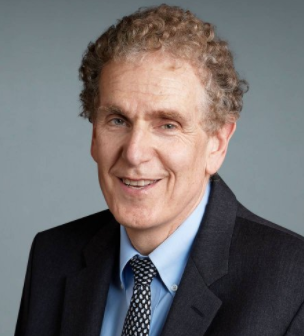 Lenard A. Adler合作论文数Department of Child and Adolescent Psychiatry, School of Medicine, NYU Grossman;Department of Psychiatry, School of Medicine, NYU Grossman4
 Kate M. Scott合作论文数Department of Psychological Medicine, Dunedin School of Medicine, University of Otago;Department of Psychological Medicine, Division of Health Sciences, University of Otago;Department of Psychological Medicine, Otago Medical School, University of Otago4
 Norito Kawakami (川上憲人)合作论文数Graduate School of Medicine, The University of Tokyo4
 Philip Wang合作论文数4Yueqin Huang (黄悦勤)合作论文数Institute of Mental Health,Peking University,Beijing ,China4
 Hristo Hinkov合作论文数4
 Laura Helena Silveira Guerra De Andrade合作论文数Instituto/Departamento de Psiquiatria, Faculdade de Medicina, Universidade de São Paulo4
 Brendan Bunting合作论文数School of Psychology, Faculty of Life & Health Sciences, Ulster University4Miguel Xavier合作论文数3
 Rajesh Sagar合作论文数3
 Zahari Zarkov合作论文数Technical University of Sofia3
 Carol S. Fullerton合作论文数3Colpe Lisa J合作论文数3Shahly Victoria合作论文数3




