Results of NASA's Dawn mission indicate that Ceres, the biggest object in the main asteroid belt, may be geologically active because it shows changes in its morphology that might have happened in geologically recent times. Juling is a-2.5 Ma old, 20-km diameter impact crater on this dwarf planet, which has an extensive ejecta blanket of spectrally bright bluish material and water ice exposures on its steep northern inner wall. The crater floor is dominated by a spectrally reddish material, which is distinct from other surface types in this region. No other crater of Juling's size on Ceres, shows such a reddish floor. In addition, the floor has a complex morphology characterized by lobate flows and indications of a north-south directed mass wasting possibly leading to the elongated,-16 km long and several hundred-meter-high central structure. Here we describe the characteristics of the material that constitutes the floor, and we present a geological map of the crater, using the Framing Camera (FC) imagery. From the analysis of data acquired by the Visible and Infrared Spectrometer (VIR), we did not find evidence for the presence of organic rich materials in Juling at the available data resolution. The spectrum of the floor material seems to be a combination of mineralogy and physical properties of the regolith. Our findings suggest that the processes leading to the reddish material and the peculiar morphology of the crater floor, must have occurred after the formation of Juling crater.
Ceres is a partially differentiated dwarf planet, as confirmed by NASA’s Dawn mission. The Urvara basin (diameter ~170 km) is its third-largest impact feature, enabling insights into the cerean crust. Urvara’s geology and mineralogy suggest a potential brine layer at the crust-mantle transition. Here we report new findings that help in understanding the structure and composition of the cerean crust. These results were derived by using the highest-resolution Framing Camera images acquired by Dawn at Ceres. Unexpectedly, we found meter-scale concentrated exposures of bright material (salts) along the crater’s upper central ridge, which originate from an enormous depth, possibly from a deep-seated brine or salt reservoir. An extended resurfacing modified the southern floor ~100 Myr after crater formation (~250 Myr), long after the dissipation of the impact-generated heat. In this resurfaced area, one floor scarp shows a granular flow pattern of bright material, showing spectra consistent with the presence of organic material, the first such finding on Ceres beyond the vast Ernutet area. Our results strengthen the hypothesis that Ceres is and has been a geologically active world even in recent epochs, with salts and organic-rich material playing a major role in its evolution.
Kupalo is a-4 Ma old, 26-km diameter impact crater on dwarf planet Ceres, which exhibits extensive areas of bright bluish material. Here we describe, for the first time, the geology of Kupalo on a regional and local scale in detail, based on Dawn Framing Camera (FC) imagery. We find the crater has a complex geology consistent with a brittle and heterogeneous crust in this area. Through analyses of the FC colour data, we identify a correlation between the geologic units and the spectral variations, which can be explained by a mixture of subsurface ma-terials in response to the impact. The brightest sites of Kupalo, located at the upper west wall and the central ridge, show similar FC colour and spectral IR data, which suggest that the bright material in these locations likely has the same origin. To explain the distribution of the bright bluish material in the crater and its vicinity, we propose two scenarios for the structure of the upper Cerean crust. Both require deep-seated brine or salt reser-voirs, possibly connected to a brine ocean at the crust-mantle transition.
NASA’s Dawn mission revealed a partially differentiated Ceres that has experienced cryovolcanic activity throughout its history up to the recent past. The Occator impact crater, which formed ~22 Myr ago, displays bright deposits (faculae) across its floor whose origins are still under debate: two competing hypotheses involve eruption of brines from the crust–mantle transition boundary (remnants of an ancient ocean) or alternatively from a shallow impact melt chamber. Here we report new constraints on the history of Occator that help in testing the hypotheses of its formation. We used high-resolution images of the Dawn Framing Camera obtained close to the end of the mission. We found a long-lasting and recent period of cryovolcanic activity, which started ≤9 Myr ago and lasted for several million years. Several resurfacing events, affecting the faculae and some (dark) solidified impact melt units, are shown to have occurred millions of years after crater formation and the dissipation of the impact-generated heat. These findings are indicative of a deep-seated brine source. Extensive volatile-driven emplacement of bright material occurred in the central floor, causing its subsidence due to mass loss at depth. Finally, a thick (extrusive) dome of bright material was raised in the central depression. The derived chronostratigraphy of Occator is consistent with a recently geologically active world, where salts play a major role in preserving liquid in a heat-starved body.
Wednesday, April 29April 14, 2020Free AccessZic4 Antibody Positive Autoimmune Encephalitis Responding to Rituximab After Failing First Line Therapies: A Case Report (2233)Mays Alani, Fabian Rossi, Michael Hoffmann, Lourdes Benes-Cases, Umesh Sharma, and Nina TsakadzeAuthors Info & AffiliationsApril 14, 2020 issue94 (15_supplement)https://doi.org/10.1212/WNL.94.15_supplement.2233 Letters to the Editor
Quadrangle Ac-H-10 'Rongo' (Lat 22 degrees S to 22 degrees N, Lon 288 degrees-360 degrees E) shows a fairly homogeneous topography, with the presence of notable elevations such as Ahuna Mons, Liberalia Mons, and part of Samhain and Uhola Catenae. The deepest areas correspond to the Rongo crater region, the areas between Samhain and Uhola catenae, and the region of the quadrangle south of Ahuna Mons. A substantial variability in the 2.7-mu m band depth distribution is observed across the Rongo quadrangle, indicating an east-west gradient in the abundance of Mg-phyllosilicates. The NH4-phyllosilicates distribution appears quite homogeneous, except some localized regions, such as crater Haulani's ejecta, the flanks of Ahuna Mons, and crater Begbalel. The two band depths at 2.7 and 3.1 mu m display an overall low correlation, suggesting a variable degree of mixing between Mg-phyllosilicates and NH4-phyllosilicates. At the local scale, mineralogical phases other than phyllosilicates are observed. Quadrangle Rongo includes sodium carbonate-rich regions, such as the flanks of Ahuna Mons, the ejecta of Xevioso crater located in the southern edge of Liberalia Mons, and crater Begbalel, which often display a reduction in both the 2.7- and 3.1-mu m band depths, associated with an increased band depth at similar to 4 mu m, related to the presence of Na-rich carbonate phases. This suggests recent hydrothermal activity in this area, due to several episodes of cryovolcanism, or impacts that unveiled a peculiar composition in the shallow subsurface. Alternatively, the crust in this region might show a variable degree of compactness, such that the formation of Na-carbonates is favored only in specific locations (De Sanctis et al., 2016; Ruesch et al., 2016; Zambon et al., 2017). From a geological standpoint, quadrangle Ac-H-10 Rongo shows a correlation between its two main geologic units (Platz et al., 2017) and the distribution of Mg-phyllosilicates, suggesting a link between geology and mineralogy in this area. (C) 2017 Elsevier Inc. All rights reserved.
Background: We aimed to evaluate an impact of thrombocytosis and neutrophil-to-lymphocyte ratio (NLR) before start of multimodal treatment on survival of patients with inoperable locally advanced non-small cell lung cancer (NSCLC). Methods: Retrospective data of 99 patients (ECOG 0-1) with inoperable NSCLC stage III receiving definitive chemoradiotherapy (CRT) between 2010 and 2016 at our institute were analyzed. Complete blood count and neutrophil- to- lymphocyte ratio (NLR) before initiation of multimodal treatment were evaluated and correlated with EFS and OS. Results: The median age was 67 years and 63 % of patients were male. Median follow-up for the entire cohort was 17 months (range: 2 – 92). Patients with initial thrombocytosis (>401 x 109/L) demontrated a significantly shorter median EFS (7 vs. 14.5 months, p < 0.001, log-rank test) and OS (11 vs. 23 months, p = 0.002, log-rank test) vs. patients with normal platelet count. Patients with NLR >3.5 before start of multimodal treatment had a significantly worse prognosis than patients with lower initial NLR (0.78 – 3.5), (17.2 vs 29.3 months, p = 0.041, log-rank test). Conclusions: Initial thrombocytosis and NLR > 3.5 were associated with shorter survival in patients with inoperable stage III NSCLC treated with definitive CRT. Legal entity responsible for the study: The authors. Funding: Has not received any funding. Disclosure: All authors have declared no conflicts of interest.
The inkjet technology due to its gm-scale accuracy, up-scalability, efficient processing and industrial relevance, is widely accepted as a smart digital tool for manufacturing g-electronic devices on rigid and flexible substrates. Within this research, the inkjet technology is implemented to manufacture bio-compatible and bio-degradable conductive electrodes, contacts for electrical signal transmission/stimulation and development of the multilayered devices e.g. capacitors and thin-film-transistors (TFTs) along with suitable barrier layer characteristics, for implants in the medical applications. To accomplish such competitive goals, it is essential to select the most optimal functional materials, which would firstly fulfill the electrical needs of the device and secondly support processibility using the inkjet technology. The functional materials such as poly(3,4-ethylenedioxythiophene)-poly(styrenesulfonate), natural semiconductors and shellac are here utilized in form, of commercially available and self-formulated inks, that are addressed carefully to deposit fundamental layers for printing capacitors and TFTs. The focus of this work is to decide on solution-processable device architectures e.g. BGBC TFTs, followed by the development and optimization of the deposition parameters for the specific materials tuned to defined layer thicknesses and concentrations. This supports in acquiring the desired electrical characteristics of conductivity, capacitance, charge transportation etc, and thus the device performance. The results show that the manufactured devices are achieved successfully on the bio-degradable substrates, processed entirely under 60 °C and ambient conditions. The electrical characteristics of the devices show direct dependency to the physical dimensions of the printed features, by exhibiting certain performance merits i.e. 210 ± 50 pF/mm2 and 10 gA channel current..
We investigate the region of crater Haulani on Ceres with an emphasis on mineralogy as inferred from data obtained by Dawn's Visible InfraRed mapping spectrometer (VIR), combined with multispectral image products from the Dawn Framing Camera (FC) so as to enable a clear correlation with specific geologic features. Haulani, which is one of the youngest craters on Ceres, exhibits a peculiar blue visible to near-infrared spectral slope, and has distinct color properties as seen in multispectral composite images. In this paper, we investigate a number of spectral indices: reflectance; spectral slopes; abundance of Mg-bearing and NH4-bearing phyllosilicates; nature and abundance of carbonates, which are diagnostic of the overall crater mineralogy; plus a temperature map that highlights the major thermal anomaly found on Ceres. In addition, for the first time we quantify the abundances of several spectral endmembers by using VIR data obtained at the highest pixel resolution (similar to 0.1km). The overall picture we get from all these evidences, in particular the abundance of Na- and hydrous Na-carbonates at specific locations, confirms the young age of Haulani from a mineralogical viewpoint, and suggests that the dehydration of Na-carbonates in the anhydrous form Na2CO3 may be still ongoing.
April 26, 2018April 10, 2018Free AccessNeuropsychology, Criminalization in Frontotemporal Syndromes and Impaired Sense of Agency (P5.194)Michael Hoffmann, Fabian Rossi, and Ramon Rodriguez CruzAuthors Info & AffiliationsApril 10, 2018 issue90 (15_supplement) Letters to the Editor
The Dawn Science Team is conducting a geological mapping campaign at Ceres during the nominal mission, including iterative mapping using data obtained during each orbital phase. We are using geological mapping as a method to identify the geologic processes that have modified the surface of dwarf planet Ceres. We here present the geology of the Ac-9 Occator quadrangle, located between 22 degrees S-22 degrees N and 216-288 degrees E. The Ac-9 map area is within the topographically high region named Hanami Planum. Features of note within the profile include impact craters Occator, Azacca, Lociyo, Nepen and Kirnis. Four of these craters have fractured, shallow floors, morphometrically comparable to floor-fractured craters (FFCs) on the Moon. Similar to models for the formation of the lunar FFCs, we suggest that these Ceres FFCs are a result of cryomagmatic uplift under the crater floors. A set of regional linear structures called the Samhain Catenae do not have any obvious relationship to impact craters. Many of the catenae are comprised of smaller structures that have linked together, suggestive of en echelon fractures. It has been suggested that these fractures formed due to the uplift of Hanami Planum due to cryromagmatic plumes. (C) 2017 Published by Elsevier Inc.
Delayed complications of radiation therapy affecting the cranial nerves are quite rare. We report a case of tongue myokymia and neuromyotonia following radiation therapy for tonsillar cancer. Case report: 62-year-old male presented with progressive dysarthria, dysphagia and tongue paralysis and myokymia 10 years after irradiation for tonsillar cancer. Electro diagnostic studies showed myokymic and neuromyotonic discharges, while brain and neck MRI were unremarkable, ruling out tumor recurrence. Conclusion: Delayed neuropathy of CN XII with tongue myokymia is a rarely reported complication of radiation therapy. Clinicians should be aware of this condition to prevent misdiagnosis.
This was a study of a 33-year-old man with bipolar disorder treated with lithium who developed cerebellar atrophy after an event of extreme hyperthermia. Unlike previously reported cases of acute cerebellar atrophy after heat stroke, neuroleptic syndrome or lithium toxicity, this case was characterized by a chronic cerebellar atrophy that developed after sepsis-induced hyperthermia in the setting of non-toxic lithium levels. Unique to this case also was the early finding of cerebellar atrophy on MRI 2 weeks after the episode of hyperthermia, long-term neurotoxicity after the novo lithium therapy, and longest follow-up case of chronic cerebellar syndrome after hyperthermia with non-toxic lithium levels.
The Dantu crater, located in the Vendimia Planitia depression at the northern hemisphere (centered at 24.3° N / 138.2° E) of dwarf planet Ceres, was investigated regarding its geological surface features and spectral appearance. For this purpose data of the Framing Camera (FC) and the Visible and Infrared Spectrometer (VIR) onboard the Dawn spacecraft were utilized and processed. Geological mapping of Dantu crater and its vicinity was conducted and absolute surface model ages were derived by measurements of crater size-frequency distributions. Dantu shows several features that are unevenly distributed in its northern and southern part, like fractures, bright spots and spectral properties. In this research we focus on possible processes that finally led to the observed dichotomies of the Dantu crater.
 A. Nathues合作论文数Max Planck Institute for Solar System Research40
 C.T. Russell合作论文数Institute of Geophysics and Planetary Physics, University of California, Los Angeles;Department of Earth, Planetary, and Space Sciences, College of Physical Sciences, University of California, Los Angeles25
 Carol A. Raymond合作论文数Jet Propulsion Laboratory, National Aeronautics and Space Administration25
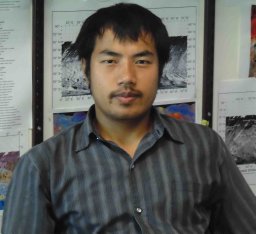 Guneshwar Thangjam合作论文数HBNI, Natl Inst Sci Educ & Res18
 Maria Cristina De Sanctis合作论文数Institute for Space Astrophysics and Planetology, National Institute of Astrophysics16
 Thomas Platz合作论文数Neurorehabilitation Centre and Spinal Cord Injury Unit, Ernst-Moritz-Arndt-Universität15
 Frank Preusker合作论文数15
 Ralf Jaumann合作论文数Institute of Geological Sciences, Department of Earth Sciences, Freie Universität Berlin15
 d l buczkowski合作论文数12
 Vishnu Reddy合作论文数Lunar & Planetary Laboratory, College of Science, University of Arizona12
 Harald Hiesinger合作论文数Institut für Planetologie, Universität Münster11Thomas Roatsch合作论文数11
 Kurt Mengel合作论文数11Stefano Mottola合作论文数DLR Rutherford11
 Jian-Yang Li合作论文数10
 Schaefer Martin H合作论文数Max Delbrück Center for Molecular Medicine10
 David A. Williams合作论文数Department of Physics, University of California, Santa Cruz;Santa Cruz Institute for Particle Physics, University of California, Santa Cruz10
 Carle M Pieters合作论文数Department of Earth, Environmental, and Planetary Sciences, Brown University10Lucille Le Corre合作论文数10Holger Sierks合作论文数9
 Nico Schmedemann合作论文数9P. Gutierrez-Marques合作论文数8
 Thomas Kneissl合作论文数8
 Thomas McCord合作论文数Bear Fight Institute7Horst Uwe Keller合作论文数7
 Jennifer Scully合作论文数Jet Propulsion Laboratory, California Institute of Technology7
 Ulrich R. Christensen合作论文数Max Planck Institute for Solar System Research7
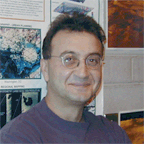 Ed Cloutis合作论文数Department of Geography, The University of Winnipeg7
 F. Tosi合作论文数IFSI-Istituto di Fisica dello Spazio Interplanetario INAF Via fosso del Cavaliere Rome 100-00133 Italy7
 S. Marchi合作论文数Padova University;Padova University7Eleonora Ammannito合作论文数7
 Lucy McFadden合作论文数Planetary Systems Laboratory, Goddard Space Flight Center, NASA7o ruesch合作论文数6
 Paul M. Schenk合作论文数Lunar and Planetary Institute6
 Scott Charles Mest合作论文数6J.-P. Combe合作论文数6T. Maue合作论文数Max-Planck Institut for Solar System Research6
 Stefanus Schröder合作论文数Space Technology Division, Department of Computer Science, Electrical and Space Engineering, Luleå University of Technology6harald klein合作论文数5
 Katrin Krohn合作论文数5
 Andrea Longobardo合作论文数5
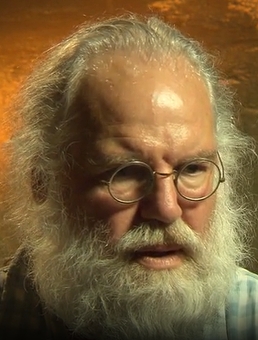 Fabrizio Capaccioni合作论文数Istituto di Astrofisica e Planetologia Spaziali, National Institute for Astrophysics5
 Maria Teresa Capria合作论文数INAF/IASF5
 Julie Castillo-Rogez合作论文数Jet Propulsion Laboratory, California Institute of Technology5
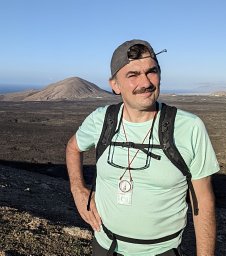 Alessandro Frigeri合作论文数Dipartimento di Scienze della;Geologia Strutturale e Geosica;Dipartimento di Scienze della|Geologia Strutturale e Geosica5thomas kreuzer合作论文数4
 Michael Schäfer合作论文数Max Planck Institute for Solar System Research, Goettingen, Germany4
 J. H. Pasckert合作论文数Univ Munster, Inst Planetol, Munster, Germany4
 Brett Denevi合作论文数Applied Physics Laboratory, The Johns Hopkins University;National Aeronautics and Space Administration;Lunar Reconnaissance Orbiter Camera4




