Accumulation of lipids in the tumor microenvironment (TME) is a feature of several solid tumors and increased palmitate (PA) availability fosters tumor progression and metastases. The intrinsic effects of PA on cancer cells are well understood, but its role in modulating CD8+ T cells (CTL) functional performances remains elusive. Here, we found that PA alters the mitochondrial metabolism of CTL and prevents their effector functions in an irreversible manner, resulting in impaired antitumoral immunity. Mechanistically, PA-induced mitochondrial block demotes histone acetylation and chromatin accessibility and decrease transcription of genes promoting DNA replication and production of effector molecules. We identified the metabolic enzyme Sphingosine Kinase 2 (SPHK2) as a molecular target of PA in establishing CTL dysfunction. Consistently, pharmacological inhibition of SPHK2 restored CTL mitochondrial fitness, effector functions and anti-tumor potential. Thus, we reveal a critical function of PA in tumor progression by undermining CTL antitumor immunity and highlight the therapeutic potential of inhibiting SPHK2 activity to optimize T cell functionality. ### Competing Interest Statement The authors have declared no competing interest.
DNA methylation at gene promoters is generally considered to be associated with transcriptional repression in vertebrates. However, lack of a clear picture of where promoter methylation is most important for transcriptional regulation has hindered our understanding of this relationship and resulted in the use of a wide variety of arbitrary promoter definitions. We demonstrate here that the use of different promoter definitions can lead to contradictory results between studies of promoter methylation. In response, we have developed Methodical, a computational method that combines RNA-seq and whole genome bisulfite sequencing (WGBS) data to identify genomic regions where DNA methylation is highly correlated with transcriptional activity. We refer to these regions as transcript-proximal methylation-associated regulatory sites (TMRs). We applied Methodical to one normal prostate tissue data set, one prostate tumour dataset, and one prostate metastasis dataset and characterized the identified TMRs. We show that the region just downstream of the TSS is the most common location for TMRs and that TMRs are enriched for particular genomic features, chromatin states, and transcription factor binding sites. Finally, we demonstrate that the methylation of TMRs is generally strongly correlated with transcription in diverse cancer types and that TMRs are highly subject to altered DNA methylation in cancer.
Degree distributions in protein-protein interaction (PPI) networks are believed to follow a power law (PL). However, technical and study biases affect the experimental procedures for detecting PPIs. For instance, cancer-associated proteins have received disproportional attention. Moreover, bait proteins in large-scale experiments tend to have many false-positive interaction partners. Studying the degree distributions of thousands of PPI networks of controlled provenance, we address the question if PL distributions in observed PPI networks could be explained by these biases alone. Our findings are supported by mathematical models and extensive simulations, and indicate that study bias and technical bias suffice to produce the observed PL distribution. It is, hence, problematic to derive hypotheses about the topology of the true biological interactome from the PL distributions in observed PPI networks. Our study casts doubt on the use of the PL property of biological networks as a modeling assumption or quality criterion in network biology.
Tumours exhibit significant heterogeneity in their molecular profiles across patients, largely influenced by the tissue of origin, where certain driver gene mutations are predominantly associated with specific cancer types. Here, we unveil an additional layer of complexity: some cancer types display anatomic location-specific mutation profiles akin to tissue-specificity. To better understand this phenomenon, we concentrate on colon cancer. While prior studies have noted changes of the frequency of molecular alterations along the colon, the underlying reasons and whether those changes occur rather gradual or are distinct between the left and right colon, remain unclear. Developing and leveraging stringent statistical models on molecular data from 522 colorectal tumours from The Cancer Genome Atlas, we reveal disparities in molecular properties between the left and right colon affecting many genes. Interestingly, alterations in genes responsive to environmental cues and properties of the tumour ecosystem, including metabolites which we quantify in a cohort of 27 colorectal cancer patients, exhibit continuous trends along the colon. Employing network methodologies, we uncover close interactions between metabolites and genes, including drivers of colon cancer, showing continuous abundance or alteration profiles. This underscores how anatomic biases in the composition and interactions within the tumour ecosystem help explaining gradients of carcinogenesis along the colon.
Transfer RNA (tRNA) utilizes multiple properties of abundance, modification, and aminoacylation in translational regulation. These properties were typically studied one-by-one; however, recent advance in high throughput tRNA sequencing enables their simultaneous assessment in the same sequencing data. How these properties are coordinated at the transcriptome level is an open question. Here, we develop a single-read tRNA analysis pipeline that takes advantage of the pseudo single-molecule nature of tRNA sequencing in NGS libraries. tRNAs are short enough that a single NGS read can represent one tRNA molecule, and can simultaneously report on the status of multiple modifications, aminoacylation, and fragmentation of each molecule. We find correlations among modification-modification, modification-aminoacylation and modification-fragmentation. We identify interdependencies among one of the most common tRNA modifications, m(1)A58, as coordinators of tissue-specific gene expression. Our method, SingLe-read Analysis of Crosstalks (SLAC), reveals tRNAome-wide networks of modifications, aminoacylation, and fragmentation. We observe changes of these networks under different stresses, and assign a function for tRNA modification in translational regulation and fragment biogenesis. SLAC leverages the richness of the tRNA-seq data and provides new insights on the coordination of tRNA properties.
Codon usage influences gene expression distinctly depending on the cell context. Yet, the importance of codon bias in the simultaneous turnover of specific groups of protein-coding genes remains to be investigated. Here, we find that genes enriched in A/T-ending codons are expressed more coordinately in general and across tissues and development than those enriched in G/C-ending codons. tRNA abundance measurements indicate that this coordination is linked to the expression changes of tRNA isoacceptors reading A/T-ending codons. Genes with similar codon composition are more likely to be part of the same protein complex, especially for genes with A/T-ending codons. The codon preferences of genes with A/T-ending codons are conserved among mammals and other vertebrates. We suggest that this orchestration contributes to tissue-specific and ontogenetic-specific expression, which can facilitate, for instance, timely protein complex formation.
Background The association between microbes and cancer has been reported repeatedly; however, it is not clear if molecular tumour properties are connected to specific microbial colonisation patterns. This is due mainly to the current technical and analytical strategy limitations to characterise tumour-associated bacteria. Methods Here, we propose an approach to detect bacterial signals in human RNA sequencing data and associate them with the clinical and molecular properties of the tumours. The method was tested on public datasets from The Cancer Genome Atlas, and its accuracy was assessed on a new cohort of colorectal cancer patients. Results Our analysis shows that intratumoural microbiome composition is correlated with survival, anatomic location, microsatellite instability, consensus molecular subtype and immune cell infiltration in colon tumours. In particular, we find Faecalibacterium prausnitzii , Coprococcus comes , Bacteroides spp., Fusobacterium spp. and Clostridium spp. to be strongly associated with tumour properties. Conclusions We implemented an approach to concurrently analyse clinical and molecular properties of the tumour as well as the composition of the associated microbiome. Our results may improve patient stratification and pave the path for mechanistic studies on microbiota-tumour crosstalk.
Cancers evolve under the accumulation of thousands of somatic mutations and chromosomal aberrations. While most coding mutations are deleterious, almost all protein-coding genes lack detectable signals of negative selection. This raises the question of how tumors tolerate such large amounts of deleterious mutations. Using 8,690 tumor samples from The Cancer Genome Atlas, we demonstrate that copy number amplifications frequently cover haploinsufficient genes in mutation-prone regions. This could increase tolerance towards the deleterious impact of mutations by creating safe copies of wild-type regions and, hence, protecting the genes therein. Our findings demonstrate that these potential buffering events are highly influenced by gene functions, essentiality, and mutation impact and that they occur early during tumor evolution. We show how cancer type-specific mutation landscapes drive copy number alteration patterns across cancer types. Ultimately, our work paves the way for the detection of novel cancer vulnerabilities by revealing genes that fall within amplifications likely selected during evolution to mitigate the effect of mutations.
DNA methylation at gene promoters is considered to be associated with transcriptional repression. However, lack of a clear picture of where promoter methylation is most important has obscured our understanding of this relationship. Promoter definitions being used in different DNA methylation studies vary substantially in both their length and location relative to the transcription start site (TSS) leading to inconsistencies. We have developed Methodical, a computational method that combines RNA-seq and Whole Genome Bisulfite Sequencing (WGBS) data to identify genomic regions where DNA methylation tends to be highly correlated with nearby TSS activity, which we refer to as TSS-proximal methylation-controlled regulatory sites (TMRs). We map TMRs in prostate normal, primary tumor and metastases methylomes. We reveal that, in contrast with the conventional idea that DNA methylation silences transcription, a substantial proportion of regulatory sites display positive methylation-transcription correlations - even upstream of the TSS. We also show that the region just downstream of the TSS is the most common location of TMRs and that negative and positive TMRs are enriched for different transcription factor binding sites, genomic features and chromatin states. Ultimately, we describe how TMRs change through prostate tumor evolution.
Additional file 3: Table S3. IEO cohort clinical metadata summary.
Additional file 10: Table S10. Species associated with COAD properties. Filtered bacteria tested for differential abundances in the sublevels of the relevant tumour COAD properties.
BACKGROUND:Codon usage and nucleotide composition of coding sequences have profound effects on protein expression. However, while it is recognized that different tissues have distinct tRNA profiles and codon usages in their transcriptomes, the effect of tissue-specific codon optimality on protein synthesis remains elusive.RESULTS:We leverage existing state-of-the-art transcriptomics and proteomics datasets from the GTEx project and the Human Protein Atlas to compute the protein-to-mRNA ratios of 36 human tissues. Using this as a proxy of translational efficiency, we build a machine learning model that identifies codons enriched or depleted in specific tissues. We detect two clusters of tissues with an opposite pattern of codon preferences. We then use these identified patterns for the development of CUSTOM, a codon optimizer algorithm which suggests a synonymous codon design in order to optimize protein production in a tissue-specific manner. In human cell-line models, we provide evidence that codon optimization should take into account particularities of the translational machinery of the tissues in which the target proteins are expressed and that our approach can design genes with tissue-optimized expression profiles.CONCLUSIONS:We provide proof-of-concept evidence that codon preferences exist in tissue-specific protein synthesis and demonstrate its application to synthetic gene design. We show that CUSTOM can be of benefit in biological and biotechnological applications, such as in the design of tissue-targeted therapies and vaccines.
Abstract Summary We present ROBUST-Web which implements our recently presented ROBUST disease module mining algorithm in a user-friendly web application. ROBUST-Web features seamless downstream disease module exploration via integrated gene set enrichment analysis, tissue expression annotation, and visualization of drug–protein and disease–gene links. Moreover, ROBUST-Web includes bias-aware edge costs for the underlying Steiner tree model as a new algorithmic feature, which allow to correct for study bias in protein–protein interaction networks and further improves the robustness of the computed modules. Availability and implementation Web application: https://robust-web.net. Source code of web application and Python package with new bias-aware edge costs: https://github.com/bionetslab/robust-web, https://github.com/bionetslab/robust_bias_aware.
CD8+ T cells are a major prognostic determinant in solid tumors, including colorectal cancer (CRC). However, understanding how the interplay between different immune cells impacts on clinical outcome is still in its infancy. Here, we describe that the interaction of tumor infiltrating neutrophils expressing high levels of CD15 with CD8+ T effector memory cells (TEM) correlates with tumor progression. Mechanistically, stromal cell-derived factor-1 (CXCL12/SDF-1) promotes the retention of neutrophils within tumors, increasing the crosstalk with CD8+ T cells. As a consequence of the contact-mediated interaction with neutrophils, CD8+ T cells are skewed to produce high levels of GZMK, which in turn decreases E-cadherin on the intestinal epithelium and favors tumor progression. Overall, our results highlight the emergence of GZMKhigh CD8+ TEM in non-metastatic CRC tumors as a hallmark driven by the interaction with neutrophils, which could implement current patient stratification and be targeted by novel therapeutics.
Aneuploidy, a state of chromosome imbalance, is a hallmark of human tumors, but its role in cancer still remains to be fully elucidated. To understand the consequences of whole-chromosome-level aneuploidies on the proteome, we integrated aneuploidy, transcriptomic, and proteomic data from hundreds of The Cancer Genome Atlas/Clinical Proteomic Tumor Analysis Consortium tumor samples. We found a surprisingly large number of expression changes happened on other, non-aneuploid chromosomes. Moreover, we identified an association between those changes and co-complex members of proteins from aneuploid chromosomes. This co-abundance association is tightly regulated for aggregation-prone aneuploid proteins and those involved in a smaller number of complexes. On the other hand, we observed that complexes of the cellular core machinery are under functional selection to maintain their stoichiometric balance in aneuploid tumors. Ultimately, we provide evidence that those compensatory and functional maintenance mechanisms are established through post-translational control, and that the degree of success of a tumor to deal with aneuploidy-induced stoichiometric imbalance impacts the activation of cellular protein degradation programs and patient survival.
Background In a wide variety of organisms, synonymous codons are used with different frequencies, a phenomenon known as codon bias that plays an important role in determining expression levels. However, the importance of codon bias to facilitate the simultaneous turnover of thousands of protein-coding transcripts to bring about phenotypic changes in cellular programs such as development, has not yet been investigated in detail. Results Here, we discover that genes with A/T-ending codon preferences are expressed coordinately and display a high codon conservation in mammals. This feature is not observed in genes enriched in G/C-ending codons. A paradigmatic case of this phenomenon is KRAS, from the RAS family, an A/T-rich gene with a high codon conservation (95%) in comparison to HRAS (76%). Also, we find that genes with similar codon composition are more likely to be part of the same protein complex, and that genes with A/T-ending codons are more prone to form protein complexes than those rich in G/C. The codon preferences of genes with A/T-ending codons are conserved among vertebrates. We propose that codon conservation, a feature of expression-coordinated transcripts, is linked to the high expression variation and coordination of tRNA isoacceptors reading A/T-ending codons. Conclusions Our data indicate that cells exploit A/T-ending codons to generate coordinated, fine-tuned changes of protein-coding transcripts. We suggest that this orchestration contributes to tissue-specific and ontogenetic-specific expression, which can facilitate, for instance, timely protein complex formation.
While large-scale studies applying various statistical approaches have identified hundreds of mutated driver genes across various cancer types, the contribution of epigenetic changes to cancer remains more enigmatic. This is partly due to the fact that certain regions of the cancer genome, due to their genomic and epigenomic properties, are more prone to dysregulated DNA methylation than others. Thus, it has been difficult to distinguish which promoter methylation changes are really driving carcinogenesis from those that are mostly just a reflection of their genomic location. By developing a novel method that corrects for epigenetic covariates, we reveal a small, concise set of potential epigenetic driver events. Interestingly, those changes suggest different modes of epigenetic carcinogenesis: first, we observe recurrent inactivation of known cancer genes across tumour types suggesting a higher convergence on common tumour suppressor pathways than previously anticipated. Second, in prostate cancer, a cancer type with few recurrently mutated genes, we demonstrate how the epigenome primes tumours towards higher tolerance of other aberrations.
Viruses need to hijack the translational machinery of the host cell for a productive infection to happen. However, given the dynamic landscape of tRNA pools among tissues, it is unclear whether different viruses infecting different tissues have adapted their codon usage toward their tropism. Here, we collect the coding sequences of 502 human-infecting viruses and determine that tropism explains changes in codon usage. Using the tRNA abundances across 23 human tissues from The Cancer Genome Atlas (TCGA), we build an in silico model of translational efficiency that validates the correspondence of the viral codon usage with the translational machinery of their tropism. For instance, we detect that severe acute respiratory syndrome coronavirus 2 (SARS-CoV-2) is specifically adapted to the upper respiratory tract and alveoli. Furthermore, this correspondence is specifically defined in early viral proteins. The observed tissue-specific translational efficiency could be useful for the development of antiviral therapies and vaccines.
RNA splicing is widely dysregulated in cancer, frequently due to altered expression or activity of splicing factors (SFs). Microexons are extremely small exons (3-27 nucleotides long) that are highly evolutionarily conserved and play critical roles in promoting neuronal differentiation and development. Inclusion of microexons in mRNA transcripts is mediated by the SF Serine/Arginine Repetitive Matrix 4 (SRRM4), whose expression is largely restricted to neural tissues. However, microexons have been largely overlooked in prior analyses of splicing in cancer, as their small size necessitates specialized computational approaches for their detection. Here, we demonstrate that despite having low expression in normal nonneural tissues, SRRM4 is further silenced in tumors, resulting in the suppression of normal microexon inclusion. Remarkably, SRRM4 is the most consistently silenced SF across all tumor types analyzed, implying a general advantage of microexon down-regulation in cancer independent of its tissue of origin. We show that this silencing is favorable for tumor growth, as decreased SRRM4 expression in tumors is correlated with an increase in mitotic gene expression, and up-regulation of SRRM4 in cancer cell lines dose-dependently inhibits proliferation in vitro and in a mouse xenograft model. Further, this proliferation inhibition is accompanied by induction of neural-like expression and splicing patterns in cancer cells, suggesting that SRRM4 expression shifts the cell state away from proliferation and toward differentiation. We therefore conclude that SRRM4 acts as a proliferation brake, and tumors gain a selective advantage by cutting off this brake.
 A. Nathues合作论文数Max Planck Institute for Solar System Research23
 Luis Serrano Pubul合作论文数Centre for Genomic Regulation20
 Frank Preusker合作论文数16
 Miguel Andrade合作论文数Faculty of Biology, Johannes Gutenberg University Mainz16
 Carol A. Raymond合作论文数Jet Propulsion Laboratory, National Aeronautics and Space Administration16
 d l buczkowski合作论文数14
 C.T. Russell合作论文数Institute of Geophysics and Planetary Physics, University of California, Los Angeles;Department of Earth, Planetary, and Space Sciences, College of Physical Sciences, University of California, Los Angeles14
 Thomas Platz合作论文数Neurorehabilitation Centre and Spinal Cord Injury Unit, Ernst-Moritz-Arndt-Universität12
 Scott Charles Mest合作论文数12
 David A. Williams合作论文数Department of Physics, University of California, Santa Cruz;Santa Cruz Institute for Particle Physics, University of California, Santa Cruz11
 Ralf Jaumann合作论文数Institute of Geological Sciences, Department of Earth Sciences, Freie Universität Berlin10
 Michael Hoffmann合作论文数KIT Campus Transfer GmbH10
 Thomas Kneissl合作论文数10Thomas Roatsch合作论文数10
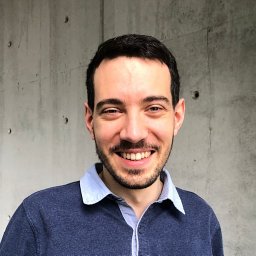 Xavier Hernandez-Alias合作论文数Barcelona Inst Sci & Technol, Ctr Genom Regulat CRG, Barcelona, Spain9
 Jennifer Scully合作论文数Jet Propulsion Laboratory, California Institute of Technology9
 Nico Schmedemann合作论文数9A Neesemann合作论文数8
 J. H. Pasckert合作论文数Univ Munster, Inst Planetol, Munster, Germany7o ruesch合作论文数7
 Hannah Benisty合作论文数Centre de Recherche, Institut Curie;UMR144, CNRS;Institut Curie, CNRS7
 Manzo Teresa合作论文数University College London, University College London7Erich E. Wanker合作论文数7Luigi Nezi合作论文数Dipartimento di Biologia e Patologia;Istituto di Endocrinologia ed Oncologia;Università ' Federico II;Istituto di Endocrinologia ed Oncologia, Università ' Federico II7
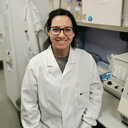 Carlotta Catozzi合作论文数6
 Kynan Hughson合作论文数Univ Alaska Anchorage6
 Paul M. Schenk合作论文数Lunar and Planetary Institute6
 Harald Hiesinger合作论文数Institut für Planetologie, Universität Münster6
 Jean Fred Fontaine合作论文数Central Institute for Decision Support Systems in Crop Protection6
 Nicola Fazio合作论文数Gastrointestinal Medical Oncology and Neuroendocrine Tumors Unit, European Institute of Oncology6
 S. Marchi合作论文数Padova University;Padova University6Simona P. Ravenda合作论文数5Angeli D. Macandog合作论文数5
 Jian-Yang Li合作论文数5Danilo Cagnina合作论文数5
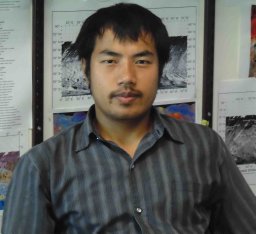 Guneshwar Thangjam合作论文数HBNI, Natl Inst Sci Educ & Res5Petz Wanda合作论文数5Christina Kiel合作论文数Max-Planck-Institut für Molekulare Physiologie, Abteilung Strukturelle Biologie, Otto-Hahn-Strasse 11, 44227 Dortmund, Germany5Andrea Nass合作论文数5
 Vishnu Reddy合作论文数Lunar & Planetary Laboratory, College of Science, University of Arizona5
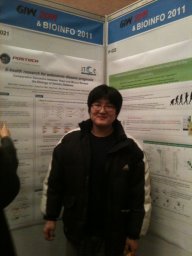 Jae-Seong Yang合作论文数5Britney E. Schmidt合作论文数University of Arizona Lunar and Planetary Laboratory5Lucille Le Corre合作论文数5Gökçe Senger合作论文数4
 A. I. Ermakov合作论文数Univ Calif Berkeley4
 Ulrich R. Christensen合作论文数Max Planck Institute for Solar System Research4Holger Sierks合作论文数4
 Marc Weber合作论文数University of Minnesota4
 Maria Cristina De Sanctis合作论文数Institute for Space Astrophysics and Planetology, National Institute of Astrophysics4




