5-Aza-4'-thio-2'-deoxycytidine (ATC) is an azanucleoside cytidine analog under investigation in preclinical studies for solid tumors as a promising DNA methyltransferase 1 (DNMT1) inhibitor. Repeated treatment with ATC has previously been shown to induce acute lymphoblastic leukemia (ALL) of both B-cell and T-cell origin in mice. Herein, RAG-1 deficient or "knockout" (KO) mice (B6.129S7-RAG-1tm1Mom/J) were treated with ATC to determine if ATC could be oncogenic in nonlymphoid cells. However, ATC treatment targeted early B progenitors and invariably led to B-lineage ALL, with a gene expression signature similar to human B-cell precursor (BCP)-ALL. Whole-exome sequencing revealed numerous single base substitutions of cytosine, primarily C>G transversions at CpG dinucleotides, within genes important for BCP-ALL. Bisulfite sequencing and treatment with a noncovalent DNMT1 inhibitor indicated that methylated cytosines were preferred targets for mutagenesis. This study reveals that ATC exposure leads to both DNMT1-dependent and -independent mutagenesis and provides a direct link between ATC exposure, a complex mutational signature, and malignant transformation.
Abstract DNA methyltransferase inhibitors (DNMTi), most commonly cytidine analogs, are compounds that decrease 5′-cytosine methylation. DNMTi are used clinically based on the hypothesis that cytosine demethylation will lead to re-expression of tumor suppressor genes. 5-Aza-4′-thio-2′-deoxycytidine (Aza-TdCyd or ATC) is a recently described thiol-substituted DNMTi that has been shown to have anti-tumor activity in solid tumor models. In this study, we investigated the therapeutic potential of ATC in a murine transplantation model of myelodysplastic syndrome. ATC treatment led to the transformation of transplanted wild-type bone marrow nucleated cells into lymphoid leukemia, and healthy mice treated with ATC also developed lymphoid leukemia. Whole-exome sequencing revealed 1,000 acquired mutations, almost all of which were C>G transversions in a specific 5′-NCG-3′ context. These mutations involved dozens of genes involved in human lymphoid leukemia, such as Notch1, Pten, Pax5, Trp53, and Nf1. Human cells treated in vitro with ATC showed 1,000 acquired C>G transversions in a similar context. Deletion of Dck, the rate-limiting enzyme for the cytidine salvage pathway, eliminated C>G transversions. Taken together, these findings demonstrate a highly penetrant mutagenic and leukemogenic phenotype associated with ATC. Significance: Treatment with a DNA methyltransferase inhibitor generates a distinct mutation signature and triggers leukemic transformation, which has important implications for the research and clinical applications of these inhibitors.
<p>Supplementary Figure S1 PDF file - 1274K, Schematic presentation of the workflow of experiments and analytical procedures</p>
Supplementary Figure S3 PDF file - 2243K, RNAi analysis and measurement of cell viability of amplified and overexpressed chromosome 13 candidate genes
XLS file, 56K, miRNAs that are differentially expressed between rectal cancer tissue and normal adjacent mucosa.
<p>Supplementary Figure S9 PDF file - 1478K, Expression levels of the LNX2 module</p>
Supplementary Figure 1 from Chromosomal Breakpoints in Primary Colon Cancer Cluster at Sites of Structural Variants in the Genome
Supplementary Table S4 PDF file - 358K, List of filtered genes used in our experimental setup
Supplementary Tables 1-5 from Gene Expression Profiling Reveals a Massive, Aneuploidy-Dependent Transcriptional Deregulation and Distinct Differences between Lymph Node–Negative and Lymph Node–Positive Colon Carcinomas
Supplementary Figure S2 PDF file - 1800K, Corroboration of gene expression levels by qRT-PCR
Supplementary Figure S8 PDF file - 391K, Reduction of CTNNB1 after siRNA against LNX2
Supplementary Figure S4 PDF file - 1138K, Cell viability and corresponding mRNA reduction of eight candidate genes selected for further experimentation
Supplementary Tables 1-9 from Aneuploidy-Dependent Massive Deregulation of the Cellular Transcriptome and Apparent Divergence of the Wnt/β-catenin Signaling Pathway in Human Rectal Carcinomas
 Thomas Ried合作论文数Center for Cancer Research, National Cancer Institute, National Institutes of Health89
 Marian Grade合作论文数56
 Jordi Camps Andreu合作论文数Faculty of Medicine, Universitat Rovira i Virgili;Department of Medicine and SurgeryTarragona, Universitat Rovira i Virgili;Hospital Universitari Sant Joan de Reus47
 Michael Ghadimi合作论文数Klinik für Allgemein-, Viszeral- und Kinderchirurgie, Universitätsmedizin Göttingen47
 Amanda Hummon合作论文数Department of Chemistry and the Beckman Institute, University of Illinois40Tim Beißbarth合作论文数33
 Natasha J. Caplen合作论文数Center for Cancer Research, National Cancer Institute28
 Georg Emons合作论文数27
 Jason Pitt合作论文数Cancer Science Institute of Singapore, National University of Singapore;NUS Artificial Intelligence Institute, National University of Singapore22Tamara L. Jones合作论文数21Chanelle M. Case合作论文数21
 Quang Trong Nguyen合作论文数Laboratoire Polymères, Université de Rouen/CNRS21Heinz Becker合作论文数18Jochen Gaedcke合作论文数University Medicine Göttingen Department of Surgery17Torsten Liersch合作论文数Department of General and Visceral Surgery, Georg-August-Universität Göttingen12Quang Tri Nguyen合作论文数Center for Cancer Research, National Cancer Institute, National Institutes of Health11
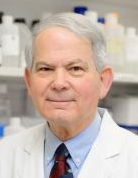 James H. Doroshow合作论文数Center for Cancer Research, National Cancer Institute11Sudhir Varma合作论文数10
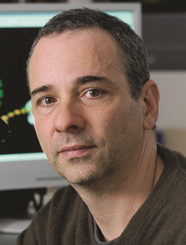 Andre Nussenzweig合作论文数Laboratory of Genome Integrity, National Cancer Institute9Danny Wangsa合作论文数9Patrick Hörmann合作论文数8
 Thomas Litman合作论文数Skin Immunology Research Center, Department of Immunology and Microbiology, Faculty of Health and Medical Sciences, University of Copenhagen;LEO Pharma8
 Kaczkowski Bogumil合作论文数Div Genom Technol, RIKEN Ctr Life Sci Technol8Søkilde Rolf合作论文数Dept Biomarker Discovery, Exiqon AS8
 Richard Simon合作论文数Division of Cancer Treatment & Diagnosis, National Cancer Institute, National Institutes of Health;Computational & Systems Biology Branch, National Institutes of Health8
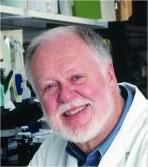 Curtis C. Harris合作论文数Laboratory of Human Carcinogenesis, Center for Cancer Research, National Cancer Institute, National Institutes of Health7Søren Møller合作论文数Department of Clinical Medicine, University of Copenhagen7Sandra Becker合作论文数6
 Nicole McNeil Ford合作论文数6
 Linda Barenboim合作论文数5Melanie Spitzner合作论文数5
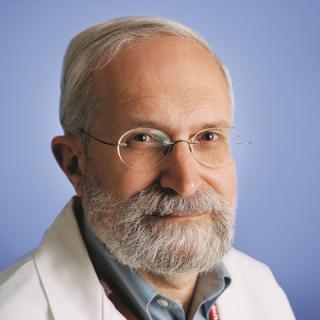 Paul S. Meltzer合作论文数Center for Cancer Research, National Cancer Institute, National Institutes of Health5Robert J. Kinders合作论文数5Anthony Wokasch合作论文数4Dengchao Cao合作论文数State Key Lab Space Med Fundamentals & Applicat, China Astronaut Res & Training Ctr4
 Yuelin Zhu (朱月林)合作论文数College of Horticulture, Nanjing Agricultural University4
 Peter D. Aplan合作论文数Center for Cancer Research, National Cancer Institute, National Cancer Institute4
 Hesed Padilla-Nash合作论文数4
 Angelo Brunelli Albertoni Laranjeira合作论文数4Nguyen Dat合作论文数4Gert Auer合作论文数Department of Oncology-Pathology, Karolinska Institutet;Karolinska Universitetssjukhuset;At Karolinska Biomic Center, Karolinska Institutet;Proteom Center, University of Tokyo4
 William Bonner合作论文数National Cancer Institute, National Institutes of Health4
 David C. Ward合作论文数University of Hawaii at Manoa4
 Michel C. Nussenzweig合作论文数Christopher H. Browne Center for Immunology and Immune Diseases, The Rockefeller University;The Rockefeller University Hospital;Howard Hughes Medical Institute4Hua-Tang Chen合作论文数4
 Robert L. Walker合作论文数Vaca4
 Sherry Yang合作论文数National Institutes of Health4
 Chiara Paola Montagna合作论文数Padua Teaching Hospital4




