Background/Objectives: Glioblastoma isocitrate dehydrogenase (IDH)-wild type (GBM) belongs to a deadly class of cancers with a limited number of effective therapies and a dismal prognosis. Quercetin is a natural flavonoid with proven anti-cancer effects. This study aimed to assess the effect of quercetin on recombinant human tumor necrosis factor-related apoptosis-inducing ligand (rhTRAIL)-mediated apoptosis in various GBM cells and control astrocytes. Methods: Two astrocyte cell lines and three GBM cell lines, M059K, T98G, and A172, were treated with quercetin (±rhTRAIL), and the results were evaluated by Western blotting, confocal microscopy, and flow cytometry analyses. Results: Quercetin alone did not induce apoptosis in normal astrocytes. Surprisingly, quercetin alone induced apoptosis in all GBM cell lines through both the intrinsic and extrinsic pathways of apoptosis in a TRAIL-dependent manner. M059K were the most sensitive to quercetin-induced apoptosis, followed by T98G and A172. We determined that GBM cells possess endogenous membrane-TRAIL, and that quercetin, in a time- and concentration-dependent manner, increased the trafficking of membrane-TRAIL to the cell surface. Conclusions: We demonstrate that quercetin alone induces apoptosis in GBM cell lines by facilitating endogenous membrane-TRAIL trafficking to the cell surface, where it can interact with death receptors already present on the surface of neighboring cancer cells, resulting in cell death. This unexpected finding may prove to be invaluable for potential future treatment of patients with GBM, since administration of quercetin can cause increased trafficking of membrane-TRAIL to the cell surface, inducing cancer cell apoptosis without affecting neighboring normal cells.
The second leading cause of death worldwide is cancer.Cancer is a general term that refers to a highly diverse and complex set of over 200 diseases where abnormal cells grow uncontrollably and avoid death.1 These diseases can start almost anywhere within the body and may develop the ability to invade nearby tissues and spread.
Recombinant human tumor necrosis factor-related apoptosis-inducing ligand (rhTRAIL) possesses the ability to induce apoptosis in cancer cells independent of their p53 status while exhibiting minimal toxicity to normal, non-transformed cells, and thus, it is a promising anti-cancer therapeutic. However, rhTRAIL-induced apoptosis is not as effective in a majority of breast cancers due to the up-regulation of anti-apoptotic proteins, down-regulation of pro-apoptotic proteins, and/or down-regulation of death receptors (DRs) 4 and 5. A combinatorial approach of rhTRAIL with the “mother nature”-derived compound ursolic acid (UA) has been applied to sensitize rhTRAIL-resistant triple negative breast carcinoma. UA is derived from the leaves and berries of various plants and found in the coatings of fruits and does not exhibit toxicity to normal, non-transformed cells. UA has been revealed to possess the ability to up-regulate DR5 and diminish the expression of anti-apoptotic proteins survivin and FLIP in cancer cells and thereby, making UA an encouraging choice to be utilized as a sensitizing agent. The aim of this study was to determine the capacity of UA to sensitize rhTRAIL-resistant triple negative breast cancer (TNBC) BT-20 and HCC1937 cells to rhTRAIL-induced apoptosis and elucidate the underlying mechanisms for UA9s sensitization. The combinatorial treatment of UA and rhTRAIL augmented the induction of apoptosis when compared to single agent UA and rhTRAIL treatments as detected by Annexin V/PI assays and through by the execution of the extrinsic pathway as marked by the activation of caspase 8, activation of the executioner caspases 3 and 7, and eventual PARP cleavage (a hallmark of apoptosis). The underlying mechanisms for UA9s sensitization of rhTRAIL-resistant TNBCs were established to be through the down-regulation of the anti-apoptotic protein FLIP and through the up-regulation of DR4 and DR5. Overall, these findings reveal that UA is an efficacious sensitizing agent for rhTRAIL-resistant TNBCs. Citation Format: Jasmine Manouchehri, Michael Kalafatis. Ursolic acid sensitizes rhTRAIL-resistant triple negative breast carcinoma to rhTRAIL-induced apoptosis [abstract]. In: Proceedings of the American Association for Cancer Research Annual Meeting 2018; 2018 Apr 14-18; Chicago, IL. Philadelphia (PA): AACR; Cancer Res 2018;78(13 Suppl):Abstract nr 1863.
Background/Aim: Triple-negative breast cancer (TNBC) can be characterized as the deadliest breast cancer type considering the lack of efficacious therapeutics. Recombinant human tumor necrosis factor-related apoptosis-inducing ligand (rhTRAIL) is an encouraging anti-cancer therapeutic with the capacity to induce apoptosis in cancer cells but there are TNBCs less susceptible to rhTRAIL. The aim of this study was to assess the potential of the natural product ursolic acid (UA) to sensitize of rhTRAIL-resistant TNBCs. Materials and Methods: In order to evaluate apoptosis induction in rhTRAIL and UA-treated TNBC BT-20 and HCC1937 cells that are resistant to rhTRAIL, western blot analysis and Annexin V/PI assays were executed. Results: UA increased the expression of death receptors 4 and 5 and decreased the expression of c-FLIPL transcriptionally sensitizing rhTRAIL-resistant TNBC cells to apoptosis induced by rhTRAIL. Conclusion: UA is a possible potent sensitizer of rhTRAIL-resistant TNBCs to rhTRAIL-induced apoptosis.
Malignant melanoma is the most commonly diagnosed skin cancer associated with a high rate of metastasis. Low-stage melanoma is easily treated, but metastatic malignant melanoma is an extremely treatment-resistant malignancy with low survival rates. The application of recombinant human tumor necrosis factor-related apoptosis-inducing ligand (rhTRAIL) for the treatment of metastatic malignant melanoma holds considerable promise because of its selective proapoptotic activity towards cancer cells and not nontransformed cells. Unfortunately, the clinical utilization of rhTRAIL has been terminated due to the resistance of many cancer cells to undergo apoptosis in response to rhTRAIL. However, rhTRAIL-resistance can be abrogated through the cotreatment with compounds derived from 'Mother Nature' such as quercetin that can modulate cellular components responsible for rhTRAIL-resistance. Here, we show that rhTRAIL-resistant malignant melanomas are sensitized by quercetin. Quercetin action is manifested by the upregulation of rhTRAIL-binding receptors DR4 and DR5 on the surface of cancer cells and by increased rate of the proteasome-mediated degradation of the antiapoptotic protein FLIP. Our data provide for a new efficient and nontoxic treatment of malignant melanoma.
Breast cancer is the most commonly diagnosed cancer in women. There is a continued interest for the development of more efficacious treatment regimens for breast carcinoma. Recombinant human tumor necrosis factor-related apoptosis-inducing ligand (rhTRAIL) shows potential as a potent anticancer therapeutic for the treatment of breast cancer, whereas displaying minimal toxicity to normal cells. However, the promise of rhTRAIL for the treatment of breast cancer is dismissed by the resistance to rhTRAIL-induced apoptosis exhibited by many breast cancers. Thus, a cotreatment strategy was examined by applying the natural compound quercetin (Q) as a sensitizing agent for rhTRAIL-resistant breast cancer BT-20 and MCF-7 cells. Quercetin was able to sensitize rhTRAIL-resistant breast cancers to rhTRAIL-induced apoptosis as detected by Western blotting through the proteasome-mediated degradation of c-FLIPL and through the upregulation of DR5 expression transcriptionally. Overall, these in vitro findings establish that Q is an effective sensitizing agent for rhTRAIL-resistant breast cancers.
Breast cancer is one of the most overwhelming and deadly forms of cancer affecting women worldwide. The traditional way to treat breast cancer today is “cut, poison, and burn” which relates to surgery, chemotherapy, and radiation respectively [1,2]. While surgery has a direct and obvious effect in removing the majority of the tumor, chemotherapy (with drugs which are mostly alkylating agents deriving from nerve gas) and radiation therapies are based on the principle of damaging the DNA of the cancer cells in order to induce the intrinsic pathway of apoptosis [3]. Thus, chemotherapy with alkylating agents and radiation treatments depend directly on the integrity of p53 which is the inducer of the intrinsic pathway of apoptosis. However, many breast cancers possess a mutated non-functional p53 gene or some breast cancer cell lines proceed with ubiquitination of p53, which in turn is destroyed by the proteasome [3,4]. In both cases, the net result is a defective/absent p53 and chemotherapy and radiation regularly results in necrosis rather than apoptosis of the tumor. The overwhelming amount of cellular debris resulting from necrosis is toxic for the organism. It is also noteworthy that normal non-cancerous cells and tissues surrounding the tumor or tissues that multiply rapidly (i.e. immune tissue, digestive tissue, and epithelial tissue) possess a normal p53 gene and protein and absorb some of the radiation and a substantial amount of the chemotherapy drugs. As a consequence, these normal cells undergo regular apoptosis resulting in the known adverse side effects observed in all patients treated by these methods [5].
Human factor Va (hfVa) is the important regulatory subunit of prothrombinase. Recent modeling data have suggested a critical role for amino acid Arg701 of hfVa for human prothrombin (hPro) activation by prothrombinase. Furthermore, it has also been demonstrated that hfVa has a different effect than that of bovine fVa on prethrombin-1 activation by prothrombinase. The difference between the two cofactor molecules was also found within the Asn700-Arg701 dipeptide in the human factor V (hfV) molecule, which is replaced by the Asp-Glu sequence in bfV. As a consequence, we produced a recombinant hfV (rhfV) molecule with the substitution 700NR701→DE. rhfVNR→DE together with the wild-type molecule (rhfVWT) were expressed in COS7 cells, purified, and tested for their capability to function within prothrombinase. Kinetic studies showed that the Kd of rhfVaNR→DE for human fXa as well as the kcat and Km of prothrombinase made with rhfVaNR→DE for hPro activation were similar to the values obtained following hPro activation by prothrombinase made with rhfVaWT. Remarkably, sodium dodecyl sulfate polyacrylamide gel electrophoresis analyses of hPro activation time courses demonstrated that the rate of cleavage of hPro by prothrombinase reconstituted with rhfVaNR→DE was significantly delayed with substantial accumulation of meizothrombin, and delayed thrombin generation, when compared to activation of hPro by prothrombinase made with rhfVaWT. These unanticipated results provide significant insights on the role of the carboxyl-terminal end of the heavy chain of hfVa for hPro cleavage and activation by prothrombinase and show that residues 700NR701 regulate at least in part the enzyme-substrate/product interaction during fibrin clot formation.
Abstract Recombinant human tumor necrosis factor-related apoptosis-inducing ligand (rhTRAIL), the optimized form of the endogenous death ligand TRAIL, shows therapeutic potential for cancer due to its ability to induce apoptosis in cancer cells independent of p53, while exhibiting minimal toxicity to normal cells. Despite this, a majority of breast cancers display resistance to rhTRAIL treatment due to up-regulation of pro-apoptotic proteins, down-regulation of anti-apoptotic proteins, and/or up-regulation of death receptors (DR) 4 and 5. To overcome rhTRAIL resistance, natural compounds have been investigated as sensitizing agents. This study considered the application of the naturally occurring flavonol Quercetin (Q). Q has been shown to have the ability to up-regulate DR5 and down-regulate anti-apoptotic proteins in cancer cells, and thereby, making Q a favorable choice to be employed as a sensitizing agent. The intention of this study was to ascertain the capacity of Q to sensitize rhTRAIL-resistant triple negative breast cancer BT-20 cells and hormone-dependent breast cancer MCF-7 cells to rhTRAIL-induced apoptosis and elucidate the underlying mechanism for Q’s sensitization. Q demonstrated the ability to intensify rhTRAIL’s pro-apoptotic effects in the breast cancer BT-20 and MCF-7 cell lines as detected through Annexin V/PI assays followed by FACS analysis. In comparison to single agent treatments, the cotreatment of Q and rhTRAIL enhanced the induction of the extrinsic pathway of apoptosis as marked by PARP cleavage (a hallmark of apoptosis), activation of caspase 8, and activation of the executioner caspases 3 and 7. The mechanism for Q’s augmentation in breast cancer was determined to be through the down-regulation of c-FLIPL (caspase 8 inhibitor) in a dose-dependent manner. Furthermore, Q promoted the ubiquitination of c-FLIPL facilitating the proteasome-mediated degradation of c-FLIPL in breast cancer. An additional mechanism for Q’s sensitization was displayed in breast cancer BT-20 cells. Q up-regulated DR5 membrane and protein expression in breast cancer BT-20 cells in a dose-dependent manner. RT-PCR analysis revealed that Q’s influence on DR5 expression occurred at the transcriptional level in those breast cancer cells. Thus, these data suggest that the cotreatment of Q and rhTRAIL possesses the therapeutic potential to be an effective anti-breast carcinoma regimen. Citation Format: Jasmine M. Manouchehri, Michael Kalafatis. TRAIL-induced apoptosis in TRAIL-resistant breast carcinoma [abstract]. In: Proceedings of the American Association for Cancer Research Annual Meeting 2017; 2017 Apr 1-5; Washington, DC. Philadelphia (PA): AACR; Cancer Res 2017;77(13 Suppl):Abstract nr 2117. doi:10.1158/1538-7445.AM2017-2117
BACKGROUNDPersonalized cancer treatments can be applied to the clinical use of recombinant human tumor necrosis factor-related apoptosis-inducing ligand (rhTRAIL). rhTRAIL holds great promise because of its selectivity for cancer cells. However, rhTRAIL clinical trials were conducted without the screening of patients' tumors for rhTRAIL-binding death receptor (DR)4 and DR5, and the unselected treatment resulted in a lack of clinical benefit. Here we propose an in vitro test to analyze tumor cells isolated from patients for the membrane expression of DRs to determine patient suitability for rhTRAIL treatment.METHODSUsing a panel of malignant melanoma cell lines, the correlation between DR membrane expression and rhTRAIL sensitivity was evaluated. The membrane expression of DR4 and DR5 was examined through staining with anti-DR4 and -DR5 antibodies followed by fluorescence-activated cell sorting. rhTRAIL sensitivity was determined through Annexin-V and propidium iodide staining and Western blotting after rhTRAIL treatment.RESULTSHere we show a direct correlation between the membrane expression of DRs and rhTRAIL sensitivity. rhTRAIL-sensitive melanoma lines, on average, had nearly 4-fold more DR4 and >2-fold more DR5 than rhTRAIL-resistant lines. For a cancer cell to display rhTRAIL sensitivity, the optimum expression of DRs is essential. To overcome the apoptotic threshold, cancer cells must express DRs >2-fold higher compared with their benign counterpart.CONCLUSIONThese data show the potential of this flow cytometry-based assay for the analysis of isolated tumor cells for DR membrane expression. By first determining a patient's susceptibility to rhTRAIL-based treatments, they can be more appropriately placed in rhTRAIL clinical trials and improve rhTRAIL as an anticancer therapeutic.
Skin cancer is among the most commonly-diagnosed cancers with malignant melanoma being associated with the highest rate of metastasis and death. In its early stage, melanoma is easily cured, but the prognosis associated with metastatic malignant melanoma remains very poor and is one of the most treatment-refractory malignancies. This work was undertaken to assess the effectiveness and safety of recombinant human Tumor Necrosis Factor-Related Apoptosis-Inducing Ligand (rhTRAIL) as a potential therapeutic for malignant melanoma. rhTRAIL is the optimized version of the naturally-occurring death-ligand TRAIL. TRAIL shows cancer cell specificity through its innate ability to induce apoptosis in a broad range of transformed human cells while showing no toxicity toward normal healthy cells. Utilizing malignant melanoma A375 cells and normal human melanocytes, the efficacy and safety of rhTRAIL was determined in vitro and in vivo through nude mice A375 xenografts. rhTRAIL induced significant levels of apoptosis in malignant melanoma cells in vitro and at the same time did not induce apoptosis in non-transformed melanocytes. rhTRAIL showed remarkable in vivo potency and was able to inhibit the growth of established melanoma tumors while showing no toxicity towards the mice model. These data suggest that rhTRAIL is a valid candidate for the treatment of malignant melanoma, displaying significant anti-tumor activity with sustainably less negative side effects than traditional therapies.
BACKGROUND/AIM:Triple-negative breast cancer (TNBC) is the most fatal form of breast cancer due to the shortcomings of therapies. However, recombinant human tumor necrosis factor-related apoptosis-inducing ligand (rhTRAIL) is a promising anticancer therapeutic that possesses the capability to promote the induction of apoptosis in cancer cells, but some TNBCs are resistant to rhTRAIL's pro-apoptotic effects. Therefore, a combinatorial treatment approach with silibinin and rhTRAIL was considered in order to sensitize rhTRAIL-resistant TNBCs.MATERIALS AND METHODS:The co-treatment of rhTRAIL and silibinin's impact on apoptosis induction in rhTRAIL-resistant TNBC BT-20 and HCC1937 cells was inspected via application of Annexin V/PI assays and western blot analysis.RESULTS:Silibinin possessed the ability to sensitize the examined rhTRAIL-resistant TNBC cells to rhTRAIL-induced apoptosis through the up-regulation of death receptors 4 and 5 and the down-regulation of survivin transcriptionally.CONCLUSION:Silibinin is a good sensitizing agent for rhTRAIL-resistant TNBCs.
Skin cancer is among the most commonly-diagnosed cancers with malignant melanoma being associated with the highest rate of metastasis and mortality. In its early stage, melanoma is easily cured, but the prognosis associated with metastatic malignant melanoma remains very poor and is one of the most treatment-refractory malignancies. We propose the application of Tumor necrosis factor-Related Apoptosis-Inducing Ligand (TRAIL) as a potential therapeutic for malignant melanoma. TRAIL induces apoptosis in a broad range of transformed human cells while showing minimal toxicity towards non-malignant cells. However, some cancers are resistant to TRAIL, specifically certain melanomas, caused by lack of TRAIL receptors or upregulation of antiapoptotic proteins. Here we analyze the naturally-occurring flavonoid quercetin as a potential cotreatment with TRAIL to overcome the intrinsic resistance of melanoma. Found in a wide variety of sources from onions and apples to red wine, quercetin is a good candidate for TRAIL cotreatment due to its ability to upregulate TRAIL receptors and downregulate antiapoptotic proteins. We have evaluated our cotreatment of TRAIL plus quercetin on four malignant melanoma cells lines which harbor mutations in the MAPK pathway, namely A375 and WM164 (BRAF mutant), SK-Mel-2 (NRAS mutant) and MeWo (BRAF WT, NRAS WT). Numerous cell-based assays were utilized including antiproliferative SRB assay, apoptotic AnnexinV/PI assay and western blot analysis probing for key proteins of the apoptotic cascade. Out of the four melanoma cell lines evaluated, A375 and SK-Mel-2 were sensitive to TRAIL dose-dependently; whereas, MeWo and WM164 were resistant to TRAIL-induced apoptosis, even at the highest tested treatment concentration of 1μg/ml. Quercetin, as a single agent, was able to induce apoptosis in a dose-dependent manner in all four melanoma cell lines. To determine if the cotreatment, TRAIL plus quercetin, is able to sensitize melanoma cells to TRAIL-induced apoptosis, we treated resistant cell lines, MeWo and WM164 with 250 ng/ml TRAIL plus sub-cytotoxic concentrations of quercetin, 25 and 50 μM. Quercetin was able to sensitize both MeWo and WM164 to TRAIL-induced apoptosis marked by the fragmentation of PARP, a hallmark of apoptosis, and the activation of executioner caspases 3, 6 and 7. Specifically, quercetin was able to sensitize resistant melanomas to undergo TRAIL-induced apoptosis as evidenced by the cleavage of procaspase 8 to caspase 8, a marker for the initiation of TRAIL-induced apoptosis. Quercetin also promoted the TRAIL-mediated activation of the intrinsic pathway of apoptosis marked by the release of cytochrome C from the mitochondria. These preliminary data demonstrate that quercetin is a good potential cotreatment for TRAIL; however, further research is needed to reveal the mechanism of quercetin sensitization of TRAIL-resistant melanomas and its role in TRAIL receptor and antiapoptotic protein expression. Citation Format: Katherine Turner, Daniel Lindner, Michael Kalafatis. Sensitization of malignant melanomas to TRAIL-induced apoptosis by quercetin. [abstract]. In: Proceedings of the 107th Annual Meeting of the American Association for Cancer Research; 2016 Apr 16-20; New Orleans, LA. Philadelphia (PA): AACR; Cancer Res 2016;76(14 Suppl):Abstract nr 1294.
Abstract Breast cancer is the most commonly diagnosed cancer in women in the United States. There is a continued need for the development of selective and specific treatment options for all types of breast cancer, including hormone-dependent and triple-negative subtypes. Recombinant human Tumor Necrosis Factor-Related Apoptosis-Inducing Ligand (rhTRAIL), the optimized form of the endogenous death ligand, shows potential as an effective anti-cancer therapeutic due to its ability to induce apoptosis in cancer independent of wild-type p53 function, while displaying minimal toxicity to normal cells. However, a majority of breast cancer cell lines exhibit resistance to TRAIL treatment due to up-regulation of pro-apoptotic proteins, down-regulation of anti-apoptotic proteins, and/or up-regulation of death receptors 4 and 5. To overcome TRAIL resistance, a cotreatment option has been explored utilizing the natural compound Quercetin (Q). Q is a flavonol found in certain fruits, vegetables, and teas. As a single agent, Q has been shown to have antiproliferative and pro-apoptotic effects on a variety of cancer cell lines. The aim of this study is to examine the capacity of Q to enhance TRAIL's pro-apoptotic and antiproliferative effects on breast cancer cells. Sulphorhodamine B (SRB) assays were performed on hormone dependent (MCF-7) and triple negative (BT-20) breast cancer cell lines to determine if the cotreatment of Q and TRAIL hinders cell growth. Growth for both MCF-7 and BT-20 cells was substantially inhibited by single agent Q treatments (12.5 μM; ∼20%, 25 μM; ∼40%, 50 μM; ∼60%) but not by single agent TRAIL treatment (100 ng/mL; <20%). Moreover, BT-20 and MCF-7 cell growth was further inhibited by cotreatment with both agents; for example, the cotreatment of 50 μM Q and 100 ng/mL TRAIL inhibited BT-20 and MCF-7 cell growth by 80% and 90%, respectively. As a single agent, Q was able to induce apoptosis in a dose-dependent manner in both breast cancer cells; thereafter, Q's ability to sensitize breast cancer cells to TRAIL-induced apoptosis was examined by western blot analysis. Compared to single agent treatments, the combination of Q and TRAIL enhanced the induction of apoptosis as indicated by increased PARP cleavage (a hallmark of apoptosis) and the activation of the executioner caspases 3 and 7. Furthermore, the cotreatment of breast cancer cells with Q and TRAIL enhanced the activation of the extrinsic and intrinsic apoptotic pathways, as assessed by the activation of caspase 8 and the release of cytochrome c from the mitochondria, respectively. Overall, these findings suggest that the cotreatment of Q and rhTRAIL possesses the potential to be an anti-breast cancer therapeutic by enhancing pro-apoptotic and anti-proliferative effects in hormone dependent and triple-negative breast cancer cells. Citation Format: Jasmine M. Manouchehri, Michael Kalafatis, Daniel Lindner. Evaluation of the efficacy of TRAIL plus quercetin as a potential breast carcinoma therapeutic. [abstract]. In: Proceedings of the 107th Annual Meeting of the American Association for Cancer Research; 2016 Apr 16-20; New Orleans, LA. Philadelphia (PA): AACR; Cancer Res 2016;76(14 Suppl):Abstract nr 1295.
Prothrombin (FII) is activated to alpha-thrombin (IIa) by prothrombinase. Prothrombinase is composed of a catalytic subunit, factor Xa (fXa), and a regulatory subunit, factor Va (fVa), assembled on a membrane surface in the presence of divalent metal ions. We constructed, expressed, and purified several mutated recombinant FII (rFII) molecules within the previously determined fVa-dependent binding site for fXa (amino acid region 473-487 of FII). rFII molecules bearing overlapping deletions within this significant region first established the minimal stretch of amino acids required for the fVa-dependent recognition exosite for fXa in prothrombinase within the amino acid sequence Ser(478)-Val(479)-Leu(480)-Gln(481)-Val(482). Single, double, and triple point mutations within this stretch of rFII allowed for the identification of Leu(480) and Gln(481) as the two essential amino acids responsible for the enhanced activation of FII by prothrombinase. Unanticipated results demonstrated that although recombinant wild type alpha-thrombin and rIIa(S478A) were able to induce clotting and activate factor V and factor VIII with rates similar to the plasma-derived molecule, rIIa(SLQ -> 3AAA) with mutations S478A/L480A/Q481A was deficient in clotting activity and unable to efficiently activate the pro-cofactors. This molecule was also impaired in protein C activation. Similar results were obtained with rIIa(Delta SLQ) (where rIIa(Delta SLQ) is recombinant human alpha-thrombin with amino acids Ser(478)/Leu(480)/Gln(481) deleted). These data provide new evidence demonstrating that amino acid sequence Leu(480)-Gln(481): 1) is crucial for proper recognition of the fVa-dependent site(s) for fXa within prothrombinase on FII, required for efficient initial cleavage of FII at Arg(320); and 2) is compulsory for appropriate tethering of fV, fVIII, and protein C required for their timely activation by IIa.
Prothrombin (FII) is activated to α-thrombin (IIa) by prothrombinase. Prothrombinase is composed of a catalytic subunit, factor Xa (fXa), and a regulatory subunit, factor Va (fVa), assembled on a membrane surface in the presence of divalent metal ions. We constructed, expressed, and purified several mutated recombinant FII (rFII) molecules within the previously determined fVa-dependent binding site for fXa (amino acid region 473-487 of FII). rFII molecules bearing overlapping deletions within this significant region first established the minimal stretch of amino acids required for the fVa-dependent recognition exosite for fXa in prothrombinase within the amino acid sequence Ser(478)-Val(479)-Leu(480)-Gln(481)-Val(482). Single, double, and triple point mutations within this stretch of rFII allowed for the identification of Leu(480) and Gln(481) as the two essential amino acids responsible for the enhanced activation of FII by prothrombinase. Unanticipated results demonstrated that although recombinant wild type α-thrombin and rIIa(S478A) were able to induce clotting and activate factor V and factor VIII with rates similar to the plasma-derived molecule, rIIa(SLQ→AAA) with mutations S478A/L480A/Q481A was deficient in clotting activity and unable to efficiently activate the pro-cofactors. This molecule was also impaired in protein C activation. Similar results were obtained with rIIa(ΔSLQ) (where rIIa(ΔSLQ) is recombinant human α-thrombin with amino acids Ser(478)/Leu(480)/Gln(481) deleted). These data provide new evidence demonstrating that amino acid sequence Leu(480)-Gln(481): 1) is crucial for proper recognition of the fVa-dependent site(s) for fXa within prothrombinase on FII, required for efficient initial cleavage of FII at Arg(320); and 2) is compulsory for appropriate tethering of fV, fVIII, and protein C required for their timely activation by IIa.
Abstract The incidence of malignant melanoma has been on the rise for the past 30 years with a lifetime risk of 1 in 75. In its early stage, melanoma is easily cured, but the prognosis associated with metastatic malignant melanoma remains very poor and is one of the most treatment-refractory malignancies. FDA-approved melanoma therapeutics, Dacarbazine (DTIC) and Interleukin-2 (IL-2) are associated with response rates of only 10-20% and do not yield long-lasting remissions. A direct and selective p53-independent cancer therapy is the application of Tumor necrosis factor-Related Apoptosis-Inducing Ligand (TRAIL). TRAIL can induce apoptosis in a broad range of transformed human cells while showing minimal toxicity towards non-malignant cells. However, some cancers are resistant to rhTRAIL-induced apoptosis as a direct result of overexpressed antiapoptotic proteins. One key driver mediating the expression of such antiapoptotic proteins is Casein Kinase 2 (CK2). Upregulated in the nucleus of all cancer cells, CK2 serves as an oncoprotein, promoting the expression of inhibitors of apoptosis resulting in resistance to cell death. By inhibiting CK2 and, therefore, downregulating its antiapoptotic products, TRAIL-resistant cells may become more sensitive to TRAIL-induced apoptosis. To date, Ellagic Acid (EA) is the most potent, naturally-occurring CK2 inhibitor, possessing a Ki of 20 nM. To test whether the addition of EA could sensitize cancer cells to the effects of TRAIL, we utilized cotreatment with TRAIL and EA against the V600E BRAF-mutated melanoma cell lines A375 and WM164, which have previously been reported as TRAIL-resistant. Our in vitro analyses showed that the cotreatment of TRAIL plus EA does not augment the ability of TRAIL to induce apoptosis in A375 as determined by Annexin-V Apoptosis assays and Western Blot analysis. TRAIL-alone was able to induce apoptosis in A375 characterized by the formation of Annexin-V positive cells, PARP fragmentation and the activation of caspase 3. TRAIL initiated both the extrinsic and intrinsic pathways of apoptosis marked by caspase 8-activation and the mitochondrial release of cytochrome c, respectively. However, EA treatment alone did not induce apoptosis marked by the absence of Annexin-V positive cells and PARP fragmentation. Additionally, both TRAIL and EA, as single-agents, inhibited the growth of A375 in a dose-dependent manner, and the combination treatment of TRAIL plus EA enhanced the cytostatic effects of the single-agent treatments as determined by Sulforhodamine-B (SRB) colorimetric assays. Cell cycle analysis through Propidium Iodide (PI) staining and FACS analysis revealed that EA impeded cell growth through an EA-mediated S-phase arrest in A375. Microarray analysis showed that EA downregulates antiapoptotic proteins survivin, XIAP, cIAP-2 and cIAP-1 and upregulates the death receptor DR5. In vivo, we showed that the combination treatment of TRAIL plus EA did not potentiate the ability of TRAIL to inhibit the growth of established A375 tumors. TRAIL alone inhibited tumor growth by ∼80% and H&E staining of TRAIL-treated tumors presented evidence of apoptotic cells. EA was not able to stop the growth of established A375 tumors and did not augment the in vivo antiproliferative effects of TRAIL. Lastly, we showed that TRAIL is cytotoxic towards WM164 cells and can reduce the viability of A375 as determined by Trypan Blue exclusion assays. Whereas EA, although it can inhibit the growth of WM164, does not reduce the viability of the cells. Additional analysis of the potential of EA to sensitize WM164 to the effects of TRAIL is ongoing. These data demonstrate that EA can enhance the cytostatic but not the cytotoxic or proapoptotic effects of TRAIL in vitro. In vivo, TRAIL can inhibit the growth of established tumors as a single-agent but is not augmented by cotreatment with EA. Citation Format: Katherine A. Turner, Daniel Lindner, Michael Kalafatis. Sensitization of TRAIL-resistant malignant melanomas by ellagic acid. [abstract]. In: Proceedings of the AACR Special Conference on Advances in Melanoma: From Biology to Therapy; Sep 20-23, 2014; Philadelphia, PA. Philadelphia (PA): AACR; Cancer Res 2015;75(14 Suppl):Abstract nr B34.
Abstract Cancer is a widespread disease characterized by unregulated cell growth and evasion of apoptotic stimuli. Most conventional therapies lack cancer cell specificity and induce cell death indirectly through cellular damage in a p53-dependent manner. A direct and selective p53-independent cancer therapy is the application of Tumor necrosis factor-Related Apoptosis-Inducing Ligand (TRAIL). Recombinant human TRAIL (rhTRAIL) can induce apoptosis in a broad range of transformed human cells while showing minimal toxicity towards non-malignant cells. However, some cancers are resistant to rhTRAIL-induced apoptosis as a direct result of overexpressed antiapoptotic proteins. One key driver mediating the expression of such antiapoptotic proteins is Casein Kinase 2 (CK2). CK2 is upregulated in the nucleus of all cancer cells and promotes the expression of inhibitors of apoptosis resulting in resistance to cell death. Therefore, by inhibiting CK2, TRAIL-resistant cells may become more sensitive to TRAIL-induced apoptosis. We utilized cotreatment with Ellagic Acid (EA), a natural CK2 inhibitor, and TRAIL against the malignant melanoma cell line A375, which is resistant to TRAIL. Our in vitro analysis showed that TRAIL and EA, as single-agents, can inhibit cell growth in a dose-dependent manner, and the combination treatment of TRAIL plus EA synergistically enhanced the cytostatic effects of the single-agent treatments. We show that TRAIL reduces the viability of A375 cells; whereas, EA although it can inhibit growth, cannot reduce the viability of A375 as determined by Trypan Blue exclusion assays. In combination treatments, the cytotoxic effects of TRAIL were not enhanced. Annexin-V Apoptosis assays and Western Blot analysis show that TRAIL can induce apoptosis in A375 cells characterized by the formation of Annexin-V positive cells, PARP fragmentation and the activation of caspase 3. Additionally, TRAIL initiated both the extrinsic and intrinsic pathways of apoptosis marked by caspase 8 activation and the mitochondrial release of cytochrome c, respectively. EA treatment alone did not induce apoptosis and did not induce formation of Annexin-V positive cells or PARP fragmentation. Combination treatments show that EA does not potentiate TRAIL-induced apoptosis. In vivo, TRAIL-treated nude mice bearing A375 xenografts exhibited ∼80% tumor growth inhibition and a prolonged survival rate compared to the untreated control group. EA was not able to inhibit the growth of established A375 tumors and did not augment the in vivo antiproliferative effects of TRAIL. These data demonstrate that EA can enhance the cytostatic but not the cytotoxic or proapoptotic effects of TRAIL in vitro. In vivo, TRAIL can inhibit the growth of established tumors as a single-agent but is not augmented by cotreatment with EA. Citation Format: Katherine Turner, Daniel Lindner, Michael Kalafatis. Effects of TRAIL and ellagic acid on malignant melanoma A375 in vitro and in vivo. [abstract]. In: Proceedings of the 105th Annual Meeting of the American Association for Cancer Research; 2014 Apr 5-9; San Diego, CA. Philadelphia (PA): AACR; Cancer Res 2014;74(19 Suppl):Abstract nr 2289. doi:10.1158/1538-7445.AM2014-2289
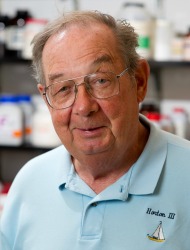 Kenneth Mann合作论文数Department of Biochemistry, Larner College of Medicine, University of Vermont;Haematologic Technologies, Inc.68
 Paolo Simioni合作论文数25
 Paula Babiarz Tracy合作论文数18
 Michael A. Bukys合作论文数18
 Jamila Hirbawi合作论文数16A Girolami合作论文数11Camire Rodney M合作论文数11T Orban合作论文数10Paul Kim合作论文数10DO Beck合作论文数9G. L. Long合作论文数9Jasmine Manouchehri合作论文数8Ds Lu合作论文数8Daniela Tormene合作论文数8RM Bertina合作论文数7J. Hirbawi合作论文数7Daniel J. Lindner合作论文数7C Vantveer合作论文数7
 Melissa Barhoover合作论文数7Evrim Erdogan合作论文数7Katherine A. Turner合作论文数6Md Rand合作论文数6Ma Bukys合作论文数6MF Hockin合作论文数6Michael E. Nesheim合作论文数6Tivadar Orban合作论文数6Joesph R. Wiencek合作论文数5V Gogonea合作论文数5S Luni合作论文数5J O Egan合作论文数5Lisam Shanjukumar Singh合作论文数5Francesco Bernardi合作论文数Department of Biochemistry and Molecular Biology (P.F., E.C., F.B.),, University of Ferrara5J. R. Wiencek合作论文数4Jc Xue合作论文数4
 Jay R Silveira合作论文数4
 Barbara Lunghi合作论文数4
 Saulius Butenas合作论文数Department of Biochemistry, University of Vermont4Rj Jenny合作论文数3NJ Golden合作论文数3Km Cawthern合作论文数3M. Na合作论文数3G. Palu合作论文数3
 Luisa Barzon合作论文数Dipartimento di Medicina Molecolare, University of Padova;Molecular Diagnostics, Microbiology and Virology Unit, Padova University Hospital3Na Mahesheema合作论文数3
 Antonio Girolami合作论文数Institute of “Semeiotica Medica” University of Padua Medical School Via Ospedale Civile 105 Padua Italy3
 Jeffrey Lawson合作论文数School of Medicine, Duke University3
 David M Rand合作论文数Department of Ecology and Evolutionary Biology, Brown University3
 Tatiana V. Byzova合作论文数Joseph J. Jacobs Center for Thrombosis and Vascular Biology, The Cleveland Clinic3




