We recently established a large animal model that recapitulates key clinical features of heart failure with preserved ejection fraction (HFpEF) and tested the effects of the pan-HDAC inhibitor suberoylanilide hydroxamic acid (SAHA). SAHA reversed and prevented the development of cardiopulmonary impairment. This study evaluated the effects of SAHA at the level of cardiomyocyte and contractile protein function to understand how it modulates cardiac function. Both isolated adult feline ventricular cardiomyocytes (AFVM) and left ventricle (LV) trabeculae isolated from non-failing donors were treated with SAHA or vehicle before recording functional data. Skinned myocytes were isolated from AFVM and human trabeculae to assess myofilament function. SAHA-treated AFVM had increased contractility and improved relaxation kinetics but no difference in peak calcium transients, with increased calcium sensitivity and decreased passive stiffness of myofilaments. Mass spectrometry analysis revealed increased acetylation of the myosin regulatory light chain with SAHA treatment. SAHA-treated human trabeculae had decreased diastolic tension and increased developed force. Myofilaments isolated from human trabeculae had increased calcium sensitivity and decreased passive stiffness. These findings suggest that SAHA has an important role in the direct control of cardiac function at the level of the cardiomyocyte and myofilament by increasing myofilament calcium sensitivity and reducing diastolic tension.
Heart failure with preserved ejection fraction (HFpEF) is a highly prevalent and intractable form of cardiac decompensation commonly associated with diastolic dysfunction. Here, we show that diastolic dysfunction in patients with HFpEF is associated with a cardiac deficit in nicotinamide adenine dinucleotide (NAD(+)). Elevating NAD(+) by oral supplementation of its precursor, nicotinamide, improved diastolic dysfunction induced by aging (in 2-year-old C57BL/6J mice), hypertension (in Dahl salt-sensitive rats), or cardiometabolic syndrome (in ZSF1 obese rats). This effect was mediated partly through alleviated systemic comorbidities and enhanced myocardial bioenergetics. Simultaneously, nicotinamide directly improved cardiomyocyte passive stiffness and calcium-dependent active relaxation through increased deacetylation of titin and the sarcoplasmic reticulum calcium adenosine triphosphatase 2a, respectively. In a long-term human cohort study, high dietary intake of naturally occurring NAD(+) precursors was associated with lower blood pressure and reduced risk of cardiac mortality. Collectively, these results suggest NAD(+) precursors, and especially nicotinamide, as potential therapeutic agents to treat diastolic dysfunction and HFpEF in humans.
Introduction: Heart failure (HF) is a global issue and approximately 50% of patients are classified as having HF with preserved Ejection Fraction (HFpEF), with no FDA approved therapies available. We previously characterized a large animal model that recapitulates key features of HFpEF and tested the effects of suberanilohydroxamic acid (SAHA, pan-HDAC inhibitor), which reversed and prevented the development of cardiopulmonary dysfunction. Parallel studies in cardiac tissue from humans and large mammals were designed to evaluate the effects of SAHA at the cellular level. Hypothesis: SAHA treatment will improve cardiomyocyte function. Methods: Adult feline ventricular cardiomyocytes (AFVM) were isolated from male domestic short hair cats and treated with 2.5μM SAHA or vehicle (DMSO) for 90 minutes, then incubated with a calcium (Ca 2+ ) indicator (Fluo-4AM) and electrically stimulated (0.5Hz) to record Ca 2+ transients and contractions. Human left ventricle (LV) trabeculae isolated from non-failing donor hearts were treated with 10μM SAHA or vehicle for 120 minutes while being electrically stimulated (1Hz) to record developed force and relaxation parameters. Skinned myocytes were isolated from treated AFVM and human trabeculae to assess myofilament Ca 2+ sensitivity and passive stiffness. Mass spectrometry (MS) was performed on AFVM skinned myocytes to identify novel acetylation sites. Results: There was no difference in AFVM peak Ca 2+ transients with SAHA treatment, but calcium removal was increased (tau, time to 30% baseline). There was a significant increase in contractility (fractional shortening) and relaxation kinetics (time to 50% baseline, return velocity). Trabeculae treated with SAHA had decreased diastolic tension and an increase in developed force. Skinned myocytes were isolated from treated AFVMs and trabeculae and both had a significant improvement in myofilament Ca 2+ sensitivity and significant decrease in passive stiffness with SAHA. MS of AFVM skinned myocytes revealed increased acetylation of the myosin regulatory light chain, driven by lysine 115. Conclusions: These findings suggest that SAHA may have an important role in regulating cardiac function via the cardiomyocyte and myofilament in feline and human myocardium.
 Senka Ljubojevic-Holzer合作论文数Gottfried Schatz Research Center, Medical University of Graz4
 Peter P. Rainer合作论文数Department of Medicine, Johns Hopkins Medical Institutions;Department of Medicine, Medical University of Graz;Johns Hopkins Medical Institutions, Medical University of Graz4
 Dirk von Lewinski合作论文数4
 Andreas Zirlik合作论文数University of Freiburg4
 Maria Poettler合作论文数3Natasa Djalinac合作论文数3Deborah M. Eaton合作论文数Cardiovascular Research Center, Lewis Katz School of Medicine,Temple University,Philadelphia,USA3Mächler Heinrich合作论文数3
 Markus Wallner合作论文数3
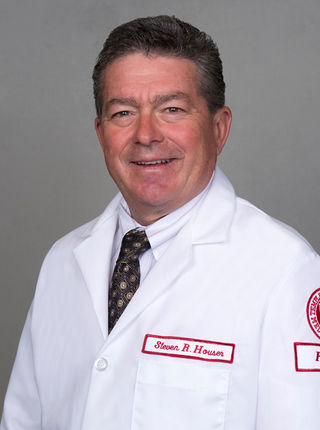 Steven R. Houser合作论文数Cardiovascular Research Center, Lewis Katz School of Medicine, Temple University3
 Tim McKinsey合作论文数Department of Medicine-Cardiology, School of Medicine, University of Colorado Anschutz Medical Campus;University of Colorado Hospital3
 Jonathan Kirk合作论文数Department of Cell and Molecular Physiology, Stritch School of Medicine, Loyola University Chicago3
 Thomas G. Martin合作论文数2Jaslyn Johnson合作论文数2Theerachat Kampaengsri合作论文数2
 Ewald Kolesnik合作论文数2Johanna K Freundt合作论文数1
 Rui Adao合作论文数1Katharina Scharer合作论文数1Andreas Krumphuber合作论文数1Viktoria Trummer-Herbst合作论文数1
 Tobias Eisenberg合作论文数1
 Sebastian J. Hofer合作论文数1
 Julia Voglhuber合作论文数1
 Clara Turk合作论文数1Fanny Aprahamian合作论文数Université Paris Descartes, Sorbonne Paris Cité, Paris, France1
 Thomas Martin合作论文数Department of Cellular and Molecular Physiology, Loyola University Chicago1
 Lavinia Rech合作论文数1Albrecht Schmidt合作论文数1
 Francisco Vasques-Novoa合作论文数Department of Internal Medicine, Centro Hospitalar Universitário de São João1
 Andre Lourenco合作论文数Hospital Senhora da Oliveira—Guimarães1von Maltzahn Julia合作论文数1
 Pricolo Maria Rosaria合作论文数1
 Marcus Kruger合作论文数1
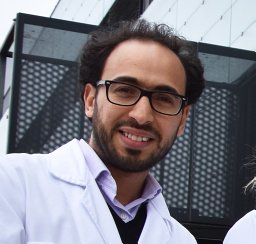 Mahmoud Abdellatif合作论文数Faculty of Medicine, University of Porto;Faculty of Medicine, University of Porto1
 Tobias Pendl合作论文数Institute of Molecular Biosciences, University of Graz1
 Chintan Koyani合作论文数1
 Nathaly Anto Michel合作论文数1Durand Sylvere合作论文数1
 Stefan Kiechl合作论文数Department of Neurology, Medical University of Innsbruck1Schipke Julia合作论文数1Franziska Koser合作论文数1Herrero-Galán Elías合作论文数1
 Guido Kroemer (吉多·科罗默)合作论文数Faculty of Medicine, University of Paris Cité1
 Frank Madeo合作论文数Institut für Molekulare Biowissenschaften, Universität Graz1
 Wolfgang Linke合作论文数Institut für Physiologie II, Westfälische Wilhelms-Universität Münster;Faculty of Medicine, Westfälische Wilhelms-Universität Münster1
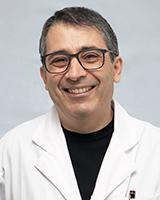 Adelino Leite Moreira合作论文数Department of Physiology and Cardiothoracic Surgery, Faculty of Medicine, University of Porto1
 Andreas Prokesch合作论文数Institute for Genomics and Bioinformatics and Christian Doppler Laboratory for Genomics and Bioinformatics, Graz University of Technology1Sasa Frank合作论文数1




