Objectives Diagnostic management teams (DMT) are groups of experts with specialized knowledge to guide test selection and interpretation of results. They have been active in institutions over the past 20 years. To date, there are limited data on whether the presence of experts to advise healthcare providers on appropriate laboratory test selection and interpretation of complex test results positively impacts patient care. Methods A retrospective study at a regional healthcare system with 257,000 patient encounters between 2011 and 2022 reviewing test interpretations provided by clinical laboratory experts on a diagnostic management team. Results Cases reviewed by the coagulation DMT were 6 times more likely to have an established, scientifically based diagnosis compared to those without a DMT. Patients who have a coagulation DMT review were twice as likely to receive a diagnosis vs. having no diagnosis. Conclusions This study demonstrates that for several objective clinical outcomes, specifically diagnostic conclusions and length of stay, a DMT of coagulation experts assessing patients' test results has had a major impact on outcomes and delivery of care.
B Introduction: b Severe COVID-19 has been associated with aberrant coagulation factor activities, particularly in patients with a thrombotic event (TE). This study evaluates a point-of-care (POC), functional, clot-time-based coagulation test to detect the anticoagulant effect of therapeutic unfractionated heparin (UFH) in hospitalized SARS-CoV-2-positive patients who developed a TE. [Extracted from the article] Copyright of Critical Care Medicine is the property of Lippincott Williams & Wilkins and its content may not be copied or emailed to multiple sites or posted to a listserv without the copyright holder's express written permission. However, users may print, download, or email articles for individual use. This may be abridged. No warranty is given about the accuracy of the copy. Users should refer to the original published version of the material for the full . (Copyright applies to all s.)
This review article summarizes the conclusions of the National Academy of Medicine committee on diagnostic error. The committee deliberated during five in-person meetings and during numerous conference calls between April 2014 and April 2015. At three of the meetings, the committee invited multiple speakers to inform its deliberations. The 21 members of the committee represented a broad range of expertise related in some way to diagnostic errors, their potential causes, or their consequences. The members' specialized knowledge included patient safety, health care quality and measurement, patient engagement, health policy, health care professional education, cognitive psychology, health disparities, human factors and ergonomics, health information technology, decision analysis, nursing, radiology, anatomic pathology, laboratory medicine (clinical pathology), law, and health economics.
Elizabeth M. Van Cott, MD, FCAP, a world-renowned coagulation expert and colleague to many, died on April 13, 2021. At the time of her passing, Betsy, as she was universally known, was Professor of Pathology at Harvard Medical School and Director of the Coagulation Laboratory at Massachusetts General Hospital (MGH). Following her graduation from Smith College, Betsy briefly worked at New England BioLabs in Beverly, MA. There, she developed her skills in the cloning of restriction-modification enzyme systems, for which she was awarded patents. While at New England BioLabs, she met Neil Storey, DVM, her devoted husband of 30 years. Through his dedicated support, Neil helped make it possible for thousands of patients to benefit from Betsy’s diagnostic conclusions and test recommendations as she managed progressive physical weakness caused by muscular dystrophy. The straight Clinical Pathology (CP) Residency Program began at MGH in the early 1990s, and Betsy was one...
Coagulopathy is associated with both inflammation and infection, including infections with novel severe acute respiratory syndrome coronavirus-2, the causative agent Coagulopathy is associated with both inflammation and infection, including infection with novel severe acute respiratory syndrome coronavirus-2, the causative agent of COVID-19. Clot formation is promoted via cAMP-mediated secretion of von Willebrand factor (vWF), which fine-tunes the process of hemostasis. The exchange protein directly activated by cAMP (EPAC) is a ubiquitously expressed intracellular cAMP receptor that plays a regulatory role in suppressing inflammation. To assess whether EPAC could regulate vWF release during inflammation, we utilized our EPAC1-null mouse model and revealed increased secretion of vWF in endotoxemic mice in the absence of the EPAC1 gene. Pharmacological inhibition of EPAC1 in vitro mimicked the EPAC1-/- phenotype. In addition, EPAC1 regulated tumor necrosis factor-alpha-triggered vWF secretion from human umbilical vein endothelial cells in a manner dependent upon inflammatory effector molecules PI3K and endothelial nitric oxide synthase. Furthermore, EPAC1 activation reduced inflammation-triggered vWF release, both in vivo and in vitro. Our data delineate a novel regulatory role for EPAC1 in vWF secretion and shed light on the potential development of new strategies to control thrombosis during inflammation.
Objectives: Diagnostic Management Teams (DMTs) are one strategy for reducing diagnostic errors. This study examined errors in serology test selection after a positive antinuclear antibody (ANA) test in patients with suspected systemic autoimmune rheumatic disorder (SARD). Methods: This retrospective study included 246 patient cases reviewed by our ANA DMT from March to August 2019. The DMT evaluated the appropriateness of tests beyond ANA screening tests (overutilization, underutilization, or both) based on American College of Rheumatology recommendations and classified cases into diagnostic error or no error groups. Errors were quantified, and patient and provider characteristics associated with diagnostic errors were assessed. Results: Among 246 cases, 60.6% had at least one diagnostic error in test selection. The number of sub-serology tests ordered was 2.4 times higher in the diagnostic error group than in the no error group. The likelihood of at least one diagnostic error was higher in males and African American/Black patients, although the differences were not statistically significant. Providers from general internal medicine, primary care, and non-rheumatology specialties were approximately two times more likely to make diagnostic errors than rheumatology specialists. Conclusions: Diagnostic errors in test selection after a positive ANA for patients with suspected SARD were common, although there were fewer errors when ordered by rheumatology specialists. These findings support the need to develop strategies to reduce diagnostic errors in test selection for autoimmunity evaluation and suggest that implementation of a DMT can be useful for providing guidance to clinicians to reduce overutilization and underutilization of laboratory tests.
Introduction: Severe COVID-19 has been associated with aberrant coagulation factor activities, particularly in patients with a thrombotic event (TE). Management of anticoagulant is critical in the care of hospitalized patients with COVID-19. Hypothesis: Evaluation of a point-of-care (POC), functional, clot-time-based coagulation test to detect the anticoagulant effect of therapeutic unfractionated heparin (UFH) in hospitalized SARS-CoV-2-positive patients who developed a TE. Methods: An IRB-approved analysis of 36 citrated plasma specimens from 26 SARS-CoV-2-positive patients and 10 matched negative controls was performed. A Clotting Time Score (CTS), a measure of factor-specific inhibition (i.e. anticoagulant activity), was derived for each patient. CTS results were compared with traditional coagulation tests. Five UFH COVID-19 samples with low CTS scores (<10) were spiked with uniform dosing of UFH, low molecular weight heparin (LMWH), apixaban, or argatroban and retested to assess anticoagulation response. Results: The CTS detected sub-therapeutic UFH anticoagulation levels more frequently in COVID-19 cases compared with controls (76% vs. 17%). Prothrombin Times, activated Partial Thromboplastin Times, anti-Xa levels, and antithrombin activity did not correlate with each other or with the CTS in the COVID-19 samples. CTS correlated with both FV and Factor X activity (R 2 =0.49, Spearman R=-0.68), which form the prothrombinase complex. The CTS was 94% sensitive and 67% specific for the occurrence of TEs in patients on UFH. CTS demonstrated a consistent anticoagulant response only to argatroban (100%) compared with other anticoagulants (60%). Conclusions: The CTS, generated using a novel, low-volume, rapid POC coagulation test is a strong indicator of the therapeutic effect of UFH anticoagulation in COVID-19 patients and may provide a predictive measure of TEs potentially occurring from anticoagulation resistance.
This report discusses the need for a Doctorate in Clinical Laboratory Sciences program and describes a curriculum to train Doctorate in Clinical Laboratory Sciences students. The Doctorate in Clinical Laboratory Sciences program was developed to help reduce diagnostic errors in patient care by enhancing connections between the clinical laboratory and health care providers. Data are presented from program implementation in 2016 to 2017 academic year to 2019 to 2020 regarding the faculty and student demographics, program statistics (eg, admissions and attrition rates), and effectiveness. Perceptions of program effectiveness were obtained via surveys from 28 faculty physicians who supervised Doctorate in Clinical Laboratory Sciences students during clinical service rotations. Another survey assessed the preferred type of practice after graduation of 33 students. Over the 4-year period, the program had a 50% rate of admission and a 21.8% attrition rate. As of December 2020, 15 students graduated from the program. The majority (69%-82%) of physician faculty who completed the survey agreed that Doctorate in Clinical Laboratory Sciences students contributed positively at clinical rounds. Approximately two-thirds of students reported a preference to lead a Diagnostic Management Team or serve as an advanced practice provider in a Diagnostic Management Team with leadership provided by an MD/DO or PhD. This report provides useful information for other institutions that may want to establish similar Doctorate in Clinical Laboratory Sciences programs. Early data suggest that our program effectively trains doctoral-level advanced practice medical laboratory scientists, who may play an important role in improving patient safety by reducing diagnostic errors and providing value-based, optimal patient care.
The transition to a value-based payment system offers pathologists the opportunity to play an increased role in population health by improving outcomes and safety as well as reducing costs. Although laboratory testing itself accounts for a small portion of health-care spending, laboratory data have significant downstream effects in patient management as well as diagnosis. Pathologists currently are heavily engaged in precision medicine, use of laboratory and pathology test results (including autopsy data) to reduce diagnostic errors, and play leading roles in diagnostic management teams. Additionally, pathologists can use aggregate laboratory data to monitor the health of populations and improve health-care outcomes for both individual patients and populations. For the profession to thrive, pathologists will need to focus on extending their roles outside the laboratory beyond the traditional role in the analytic phase of testing. This should include leadership in ensuring correct ordering and interpretation of laboratory testing and leadership in population health programs. Pathologists in training will need to learn key concepts in informatics and data analytics, health-care economics, public health, implementation science, and health systems science. While these changes may reduce reimbursement for the traditional activities of pathologists, new opportunities arise for value creation and new compensation models. This report reviews these opportunities for pathologist leadership in utilization management, precision medicine, reducing diagnostic errors, and improving health-care outcomes.
A major challenge facing most countries is the growing cost of healthcare. Laboratory testing costs constitute approximately 3% of all clinical costs, while waste of funds due to inappropriate admissions to clinical departments is reported to be as high as 15%. A frequently used approach to save money in healthcare is random reduction of laboratory budgets, focusing on decreasing the number of unnecessary laboratory tests. The World Health Assembly has approached this problem by publishing a list of essential in vitro diagnostic tests, to achieve a global rationalization of the problem. A much more thoughtful strategy to reducing healthcare expenditure is to improve the efficiency of the diagnostic process. Decreasing the time to a correct diagnosis provides considerable financial and clinical benefits. Additionally, reducing both overutilization and underutilization of laboratory tests while achieving the correct diagnosis is of great benefit to challenged healthcare budgets. Examining the situation in the United States and Italy, this review presents an opportunity for reducing diagnostic error and increasing the efficiency of diagnostic testing worldwide. One approach taken to achieve major savings in healthcare in the United States, which can be applied in Italy and other countries, is the creation of "diagnostic management teams," comprising experts in specialty areas of medicine, primarily based in the clinical laboratory, who can advise physicians on the selection of necessary tests and the interpretation of complex test results.
The role of laboratory medicine is essential in healthcare, since in vitro diagnostic testing represents now an unavoidable part of reasoning and clinical decision making. Laboratory tests are an essential part of most care pathways, aimed at optimizing resource utilization and improving patient outcome. The activity of laboratory professionals is interconnected with all medical disciplines, and provides a crucial support for ordering the right test, for the right patient and at the right time, but also helps interpreting and using laboratory data. Although recent advancement in laboratory medicine, catalyzed by technical innovations and development of innovative tests, have promoted a substantial revolution in the organization of clinical laboratories, the future of this profession seems still ambiguous. We have hence developed a “manifesto” of laboratory medicine, meant to promote an innovative prospect of our discipline and encouraging the establishment of a new generation of laboratory professionals and managers.
Background The quality of healthcare in the US has been progressively addressed by 3 reports from the National Academy of Medicine, the latest of which, entitled “Improving Diagnosis in Health Care,” was issued in 2015 from a 21-member panel (the author of this report was a member). The report is a review of the longstanding problem of diagnostic error. The infrastructure of healthcare delivery in the US has inadvertently made diagnostic error a major contributor to the high cost of care and preventable poor patient outcomes. Content This review describes the failures in US healthcare delivery that have led to the overwhelming number of deaths attributable to diagnostic error. Each failure is associated with recommendations to eliminate it. The review begins with a description of the scope of the diagnostic error problem and then discusses each of the issues that need to be addressed to reduce the number of misdiagnoses. Summary The problem of diagnostic error in the US is a large one. Some the contributing factors to this large problem can be resolved at a small expense and with modest change; others require a major overhaul of aspects of medical practice. For the first time, Americans have a “to-do list” to reduce our diagnostic error problem and be on par with other developed countries that are recognized as providing less costly care with better patient outcomes.
The first automobile accident in the US occurred in 1891, only 6 years after Karl Benz developed the first gasoline-powered production automobile. Less poorly documented is the interval of time that elapsed between Yalow's invention of the immunoassay, Mullis' development of the polymerase chain reaction, or Fenn's demonstration of electrospray mass spectrometry and the first orders for clinical laboratory tests based on these technologies that were placed on the wrong patients, for the wrong reasons, at the wrong times. Our lack of documentary evidence of the timeline of laboratory test malutilization notwithstanding, we in the laboratory industry know full well that each step of progress we make towards technical and biomedical innovation in clinical laboratory testing is accompanied by small but significant steps backwards, as medical practitioners misorder the tests we provide owing to confusion, poorly implemented electronic ordering, a culture of medical practice that encourages daily testing, and a panoply of other reasons. The available data converge on an estimate that on average 30% of laboratory tests are ordered inappropriately or are unneeded, and, equally as worrisome, an unknown but sizeable fraction of laboratory tests are underutilized, meaning that they should be ordered but are not. Enter the concept of laboratory test utilization management, or “stewardship,” or “demand management,” or any one of a host of names that describe the role laboratorians can and should play in addressing the problems in our medical systems that conspire to prevent the performance of laboratory tests on the right patients, at the right times, for the right reasons. Although interventions that work (and don't work) to optimize laboratory test utilization have been reported and reviewed extensively in the literature, this Q&A focuses on current topics in the field, with some as-yet unanswered questions posed to leaders in this field. Laboratory test utilization …
Laboratory medicine plays an increasingly essential role in modern healthcare systems, since it is integral to most care pathways and plays an essential role for optimizing patient flow, harmonizing procedures before and after analysis, improving harmonization and containing unnecessary testing. Nevertheless, recent changes in the nature of laboratory services, promoted by innovation and introduction of more complex tests in emerging diagnostic fields, more advanced diagnostics along with other “internal” and “external” drivers, will promote a paradigmatic transformation of current scenarios. The future of laboratory professionals remains hence uncertain, and is seems obvious that the role and figure of laboratory scientists and professionals shall evolve. We are hence proposing this 10-point “manifesto”, which is aimed to encourage a new vision of the future of this discipline and should help supporting the development of a new generation of laboratory professionals and leaders, who shall be able to integrate specific technical and administrative skills with a broader vision of health care and patients needs.
Background: Diagnostic error is extremely common in the USA and likely around the world. A major reason for the diagnostic error is both the overutilization and the underutilization of laboratory tests. Using a panel of two to four experts in coagulation, test selection was reviewed in clinical context and in real time, and consensus determinations were made to derive conclusions about the extent of overutilization and underutilization.Methods: Two hundred cases of patients being evaluated for bleeding or thrombotic issues were presented at each daily meeting of the diagnostic management team, and a review of each case for appropriate utilization of tests was completed.Results: Two hundred randomly selected cases revealed 77.5% diagnostic errors (155 cases). Sixteen percent were associated with overutilization of laboratory tests, 44% were associated with underutilization, and 17.5% were associated with both. The annual cost burden estimated for overutilization alone in one institution of 450 beds was on the order of $20,000. The cost burden for the delay in diagnosis or the misdiagnosis in cases with underutilization is orders of magnitude greater ($200,000 or more), but it is impossible to determine the cost of a misdiagnosis in an individual case because it can produce many different clinical outcomes.Conclusions: This was a rare opportunity for experts in a given field to review cases in real time and in clinical context and provide immediately a consensus answer about test utilization. The results of this study show errors in test selection in nearly 75% of the cases evaluated.
The National Academy of Medicine (NAM) in the recently issued report Improving Diagnosis in Health Care outlined eight major recommendations to improve the quality and safety of diagnosis. The #1 recommendation was to improve teamwork in the diagnostic process. This is a major departure from the classical approach, where the physician is solely responsible for diagnosis. In the new, patient-centric vision, the core team encompasses the patient, the physician and the associated nursing staff, with each playing an active role in the process. The expanded diagnostic team includes pathologists, radiologists, allied health professionals, medical librarians, and others. We review the roles that each of these team members will need to assume, and suggest "first steps" that each new team member can take to achieve this new dynamic.
 Mark L Graber合作论文数Michael Laposata's Lab, RTI International;Stony Brook University;Society to Improve Diagnosis in Medicine13
 Michael Cohen合作论文数Wake Forest University13
 Elizabeth M. Van Cott合作论文数12Elisabeth Belmont合作论文数11
 Michelle Rogers合作论文数National Science Foundation, Washington, DC, USA11
 Kathryn McDonald合作论文数Carey Business School, Johns Hopkins University11
 Hedvig (Hedi) Hricak合作论文数Department of Radiology, Memorial Sloan-Kettering Cancer;Weill Cornell Medicine College, Cornell University11
 Goeschel Christine A合作论文数Sch Med, Johns Hopkins Univ11Sarkar Urmimala合作论文数11
 Pascale Carayon合作论文数Department of Industrial & Systems Engineering, College of Engineering, University of Wisconsin-Madison;Center for Quality and Productivity Improvement, University of Wisconsin-Madison11
 Robert A. Berenson合作论文数Urban Institute11
 John B. Wong合作论文数11
 Elizabeth A. Mcglynn合作论文数Kaiser Permanente Research11
 Ashish K. Jha合作论文数School of Public Health, Brown University11
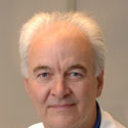 Patrick Croskerry合作论文数Division of Medical Education, Dalhousie University11Joanne E. Cluette-Brown合作论文数11
 Thomas H. Gallagher合作论文数Department of Bioethics and Humanities, University of Washington11
 Carolyn Clancy合作论文数Veterans Health Administration11
 Catherine Alicia Best-Popescu合作论文数Department of Bioengineering, The Grainger College of Engineering, University of Illinois at Urbana-Champaign10Jena Anupam B合作论文数10Cassel Christine K合作论文数10
 Steven David Freedman合作论文数Gastroenterology, Beth Israel Deaconess Medical Center;Department Medicine, Harvard Medical School9
 Adam C. Seegmiller合作论文数Dept Pathol Microbiol & Immunol, Vanderbilt Univ8
 Waddah Katrangi合作论文数7Cluette-Brown J E合作论文数7Em Van Cott合作论文数6Soderberg B L合作论文数5
 Mario Plebani合作论文数School of Medicine, University of Padova;Department of Laboratory Medicine, University-Hospital of Padova5Raneem O. Salem合作论文数5Ali Hasaba合作论文数5Sarah W. Njoroge合作论文数4
 Munir M. Zaman合作论文数4
 Charlotte Andersson合作论文数Department of Cardiology, Copenhagen University Hospital Gentofte4J M Pulley合作论文数3M. Rabie Al-Turkmani合作论文数3Ryan Mize合作论文数3
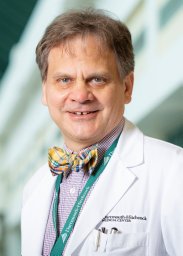 Szczepiorkowski Zbigniew M合作论文数Dept Pathol, Dartmouth Hitchcock Med Ctr3
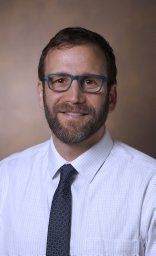 Jonathan S Schildcrout合作论文数Dept Biostat, Vanderbilt Univ3
 Ik-Kyung Jang合作论文数Cardiology Division, Heart Center, Massachusetts General Hospital;Harvard Medical School, Harvard University3
 George E. Thibault合作论文数Josiah Macy, Jr. Foundation3
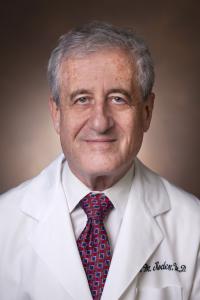 Dan Mark Rode合作论文数Division of Clinical Pharmacology, Department of Medicin, Vanderbilt University Medical Center3
 Brendan M. Everett合作论文数Division of Preventive Medicine, Brigham and Women's Hospital;Harvard Medical School3
 Robert W. Yeh合作论文数Beth Israel Deaconess Medical Center;Medicine Department, Harvard Medical School;Baim Institute for Clinical Research3
 Josh F. Peterson合作论文数Department of Biomedical Informatics, Vanderbilt University Medical Center;Center for Precision Medicine, Vanderbilt University Medical Center3Joe C. Rutledge合作论文数Department of Laboratory Medicine, University of Washington3
 Mario Ollero合作论文数3
 Joshua Denny合作论文数National Human Genome Research Institute, National Institutes of Health3MA Refaai合作论文数2




