Mitochondria are hubs of metabolism and signaling. We previously demonstrated the importance of mitochondrial structure and function in chemotherapy-refractory triple-negative breast cancer (TNBC). Herein, we present the first 3D analysis of mitochondrial networks in human tumor tissues. Using serial block face scanning electron microscopy, we reconstructed 3,750 mitochondria and 800 lipid droplets (LDs) in naive and residual tumors persisting after conventional chemotherapies in two orthotopic patient-derived xenografts (PDX). Chemotherapies administered as monotherapy or in combination produced residual tumors that harbored mitochondria with significantly increased areas, volumes, and perimeters. We observed substantial reduction of mitochondrial intratumor heterogeneity following all treatments. Further, mitochondrial complexity was significantly elevated after single-agent treatments in one model, but was reduced in the other PDX model. Mitochondria-LD significantly increased contacts in residual tumors, congruent with our previous studies providing evidence for rewiring of lipid metabolism in residual TNBC. These results highlight the potential for structure-based monitoring of chemotherapy-induced metabolic rewiring in TNBC.
Abstract Triple negative breast cancer (TNBC) is an aggressive breast cancer subtype in which neoadjuvant chemotherapy (NACT) is the backbone of standard of care. Unfortunately, ∼45% of patients have residual tumor burden following NACT, which is strongly associated with poor prognoses. Our group previously demonstrated that mitochondrial oxidative phosphorylation is upregulated and is a therapeutic vulnerability of chemo-refractory TNBC. We used metabolomic flux tracing to show a heightened contribution of glucose oxidation to the tricarboxylic acid (TCA) cycle in residual human TNBC cells surviving several conventional chemotherapies. We found significantly elevated abundance of citrate and acetyl-coA (AcCoA) in residual cells. Further, glucose, but not palmitate, glutamine, or acetate, derived heavy carbon was more strongly incorporated into citrate and AcCoA in residual relative to naïve cells. Concomitantly, we observed drastic lipidomic remodeling, largely characterized by elevation of triglycerides, long chain fatty acids, and poly unsaturated fatty acids (PUFAs) in cultured TNBC cells and orthotopic patient-derived xenograft (PDX) tumors following chemotherapy relative to their treatment naïve counterparts. This was accompanied by a significant increase in the number of lipid droplets (LDs) in residual cells. Together, these data suggest glucose oxidation supports fatty acid synthesis (FAS) and storage in chemoresistant TNBC. Our analyses of human TNBC proteomic and transcriptomic data affirmed the significant association of fatty acid metabolism with TNBC chemoresistance, as well as its upregulation in chemotherapy-treated tumors relative to their pre-treated counterparts. Mining those data led us to ATP citrate lyase (ACLY), the rate limiting enzyme for cytosolic AcCoA production from citrate. We hypothesized that ACLY converts excess citrate, generated by heightened TCA cycling, to AcCoA to promote FAS and storage in chemoresistant TNBC. We found elevated protein levels of ACLY and an activating phosphorylation mark in TNBC cells surviving treatment with conventional chemotherapies doxorubicin and carboplatin. ACLY knockdown or inhibition potently reduced chemotherapy-induced accumulation of AcCoA and LDs and elicited lipidomic rewiring largely characterized by increased PUFAs. Notably, combining ACLY inhibition or KD with conventional chemotherapy treatments provided significant improvement of tumor cell growth inhibition. These data indicate that NACT can cause accumulation of citrate, AcCoA, LDs, and overall lipidomic rewiring through ACLY. ACLY is a novel functional dependency of chemo-refractory TNBC and should be further explored as a potential therapeutic target. We posit that TNBC cells adapt to the stress of NACT by upregulating lipid synthesis and storage in conjunction with glucose catabolism, enhancing metabolic flexibility and cell survival. Citation Format: Katherine E. Pendelton, Mokryun L. Baek, Mariah J. Berner-Wu, Steven W. Wall, Audra Lane, Jonathan T. Lei, Iqbal Mahmud, Lin Tan, Lacey E. Dobrolecki, Philip L. Lorenzi, Michael T. Lewis, Blake R. Rushing, Gloria V. Echeverria. ATP citrate lyase fuels lipid storage to support triple negative breast cancer chemoresistance [abstract]. In: Proceedings of the American Association for Cancer Research Annual Meeting 2026; Part 1 (Regular Abstracts); 2026 Apr 17-22; San Diego, CA. Philadelphia (PA): AACR; Cancer Res 2026;86(7 Suppl):Abstract nr 2027.
Abstract Nearly 45% of patients with triple negative breast cancer (TNBC) treated with chemo-immunotherapy have residual cancer burden, which is associated with relapse and mortality. Previously, our group reported that TNBCs rely heavily on mitochondrial structural and functional adaptations to survive treatment (PMIDs 30996079, 36813854). Additionally, mitochondrial translation-related proteomic profiles of TNBC patients (n=55, PMID 36001024) and orthotopic PDX tumors (n=42, PMID 39713418) reveal a significant association with resistance to carboplatin (CRB), docetaxel (DTX), or their combination. Furthermore, on-treatment biopsies were collected from a subset of patients, and mitochondrial translation proteomic signatures were significantly elevated relative to their matched pre-treatment counterparts. Leading-edge proteins in those pathways included 30 mitoribosome proteins and the accessory protein Oxidase (Cytochrome C) Assembly 1-Like (OXA1L). OXA1L plays two crucial roles in the mitochondria: 1) it promotes translation termination for the 13 mtDNA-encoded mitochondrial respiratory chain (MRC) proteins, and 2) it aids in inner mitochondrial membrane insertion of mtDNA- and nDNA-encoded MRC proteins. Therefore, we hypothesized that mitochondrial translation, supported by OXA1L, is critical for maintaining mitochondrial function and chemoresistance in TNBC. Knock-down (KD) of OXA1L in TNBC cells significantly reduced MRC protein levels, mitochondrial ‘respirasome’ supercomplex formation, and oxidative phosphorylation (oxphos). Notably, the characteristic elevation of oxphos in ‘residual’ cells surviving CRB treatment was abolished by the KD. Concomitantly, OXA1L KD cells exhibited significantly improved CRB sensitivity relative to control cells. These results underscore the significance of OXA1L in MRC assembly and function in TNBC, as well as its role in supporting chemoresistance. Though there are no existing inhibitors of OXA1L, we tested the translational potential of our findings by leveraging the mitochondria’s bacterial ancestry through repurposing FDA-approved antibiotics to inhibit mitochondrial translation (PMID 25625193). We demonstrated inhibition of mitochondrial translation, MRC protein production, respirasome formation, and oxphos with low-dose tigecycline (TIG) treatment in TNBC cells. While we observed minimal toxicity to TNBC cells from TIG as a single agent, we found a significant enhancement of sensitivity to conventional chemotherapies, both in vitro and in vivo, in a PDX. In summary, our data reveal the vital role of mitochondrial translation for the metabolic adaptation and survival of chemo-refractory TNBC. Moreover, these data provide evidence that disrupting MRC assembly by inhibiting mitochondrial translation may be a promising approach to overcome mitochondrial vulnerabilities in chemo-refractory TNBC. Citation Format: Mariah Joy Berner, Steven W. Wall, Mokryun L. Baek, Audra Lane, Allison S. Greer, Karen Wang, Lacey E. Dobrolecki, Bing Zhang, Jonathan T. Lei, Michael T. Lewis, Gloria Vittone Echeverria. Mitochondrial protein translation supports metabolic rewiring of chemo-refractory triple negative breast cancer [abstract]. In: Proceedings of the American Association for Cancer Research Annual Meeting 2026; Part 1 (Regular Abstracts); 2026 Apr 17-22; San Diego, CA. Philadelphia (PA): AACR; Cancer Res 2026;86(7 Suppl):Abstract nr 2013.
Triple negative breast cancer (TNBC) patients harboring residual cancer burden following completion of conventional neoadjuvant chemo-immunotherapy regimens have poor relapse-free and overall survival rates and limited therapeutic options. We and others have demonstrated that mitochondrial function is required for the survival of chemo-refractory TNBC. Here, we define the mitochondrial translation machinery as a critical and targetable dependency underlying chemo-refractory TNBC. Analyses of human and orthotopic patient-derived xenograft (PDX) mass spectrometry proteomics datasets revealed that mitochondrial protein translation-related signatures were among the top associated with chemoresistance. These signatures included core mitoribosome components and the mitoribosome-associated factor Oxidase (Cytochrome C) Assembly 1-Like (OXA1L), which was consistently enriched in chemoresistant versus chemosensitive TNBC across datasets. OXA1L, a key mediator of mitochondrial translation and electron transport chain (ETC) assembly, has not been functionally characterized in cancer. We therefore tested whether OXA1L-dependent mitochondrial translation sustains mitochondrial function and chemoresistance in TNBC. Knockdown (KD) of OXA1L in human TNBC cells reduced ETC protein levels, mitochondrial respirasome supercomplex levels, ATP production, and oxidative phosphorylation (oxphos), establishing a requirement for OXA1L in maintaining mitochondrial bioenergetics in TNBC. OXA1L was required for the characteristic oxphos elevation induced by carboplatin (CRB), and KD significantly enhanced CRB sensitivity, demonstrating that mitochondrial translation supports adaptive metabolic responses to chemotherapy. To explore the translational potential of targeting the mitoribosome in TNBC, we leveraged the bacterial ancestry of mitochondria to repurpose the FDA-approved antibiotic tigecycline (TIG) as a mitochondrial translation inhibitor. Direct measurement of mitochondrial nascent peptide levels revealed that, while CRB elevated mitochondrial translation, TIG potently suppressed mitochondrial translation as monotherapy and in combination with CRB or docetaxel (DTX). TIG abolished CRB-induced oxphos, decreased oxphos in combination with DTX, and significantly improved chemotherapy sensitivity in human TNBC cell lines, PDX-derived spheroids, and in vivo. TIG sensitivity associated with mitochondrial translation-related proteomic signatures, concordant with PDX and patient-derived signatures associated with chemoresistance. Together, these data identify OXA1L-dependent mitochondrial translation as a targetable dependency that sustains mitochondrial function and chemoresistance in TNBC, demonstrate that its inhibition enhances chemotherapeutic response, and nominate a mitochondrial translation-related protein signature as a candidate predictive biomarker of TIG sensitivity and chemoresistance. These findings support mitochondrial translation inhibition as a potential therapeutic strategy in chemo-refractory disease.
Supplementary Figure 1 shows (A) spider plots of Log 2 of individual tumor volumes, (B) growth curves representing average Log 2 tumor volumes, (C) spider plots of Log 2 of proportional changes in tumor volume, and (D) growth curves showing Log2 proportional changes in tumor volume of the data shown in Figures 1 and 2.
Metastatic triple-negative breast cancer (TNBC) is highly aggressive and lacks targeted therapies. Circulating tumor cells (CTC) are invaluable for monitoring metastatic tumor progression and treatment response but are difficult to capture because of their rarity and heterogeneity. Surface-based staining for live CTCs is essential to preserve RNA quality in single cells, but current markers tend to perform poorly on more mesenchymal tumor cells such as TNBCs. To enhance live TNBC CTC detection, we developed a workflow for live CTC capture and single-cell RNA sequencing (scRNA-seq). Using a mouse model of metastatic TNBC, we identified four new CTC surface markers, AHNAK2, CAVIN1, ODR4, and TRIML2, which specifically stain tumor cells. Combining antibodies against these markers improved CTC detection rates in multiple TNBC mouse models and patient samples. Also, combining these new markers with traditional CTC surface markers enhanced detection sensitivity, achieving the highest CTC coverage. This approach identifies diverse CTC populations, while preserving RNA quality for scRNA-seq, which is essential for understanding and therapeutically targeting metastatic breast cancer. The use of these newly identified CTC markers significantly enhances both detection and live capture of CTCs, paving the way for more effective use of liquid biopsy to monitor patient prognosis and treatment response in clinical settings.Significance: CTCs are a powerful indicator of cancer metastasis; however, their scarcity makes them difficult to isolate. Current markers favor epithelial CTCs over mesenchymal populations. Our workflow for live CTC capture and sequencing enables discovery of new markers for both epithelial and mesenchymal CTCs. When combined with existing markers, we improve live CTC capture for more holistic studies of the metastatic process and offer a scalable method for discovering CTC markers.
Advancements in transmission electron microscopy (TEM) have enabled in-depth studies of biological specimens, offering new avenues to large-scale imaging experiments with subcellular resolution. Mitochondrial morphology is of growing interest in cancer biology due to its crucial role in regulating the multi-faceted functions of mitochondria. We and others have established the crucial role of mitochondria in triple-negative breast cancer (TNBC), an aggressive subtype of breast cancer with limited therapeutic options. Building upon our previous work demonstrating the functional role of mitochondrial morphology dynamics in the metabolic adaptations and survival of chemotherapy-refractory TNBC cells, we sought to extend those findings to analysis of transmission electron micrographs. Here, we present a novel U-Net artificial intelligence (AI) model for automatic annotation and assessment of mitochondrial morphology and feature quantification. Our model was trained on 11,039 manually annotated mitochondria across 125 micrographs derived from a variety of orthotopic patient-derived xenograft (PDX) mouse model tumors and adherent cell cultures. The model achieves an F1 score of 0.85 on test micrographs at the pixel level. To validate the ability of our model to detect expected mitochondrial morphology changes, we utilized micrographs from mouse primary skeletal muscle cells genetically modified to lack Dynamin-related protein 1 (Drp1), a key mitochondrial fission protein. We subjected in vitro and in vivo TNBC models to conventional chemotherapy treatments commonly used for clinical management of TNBC, including doxorubicin, carboplatin, paclitaxel, and docetaxel. We found substantial within-sample heterogeneity of mitochondrial morphology in both in vitro and in vivo. In four of five PDX models, in vivo treatment with DTX elicited significant alteration in mitochondrial elongation and/or area. We went on to compare mammary tumors and matched lung metastases in a highly metastatic PDX model of TNBC, revealing altered mitochondrial elongation in metastatic lesions compared to their matched primary mammary tumor. The successful application of our AI model provides a framework for high-throughput quantitative analysis of mitochondrial morphology and enables future studies investigating how mitochondrial structural changes relate to chemotherapy response and mechanism of action. Our publicly available manually curated electron micrograph dataset serves as a unique resource for developing, benchmarking, and applying computational models, while further advancing investigations into mitochondrial morphology in breast cancer. This study provides proof of concept that mitochondrial structural remodeling is an additional layer of cellular reprogramming accompanying therapeutic resistance in TNBC that merits further investigation.
Abstract Background Although the addition of neoadjuvant immune checkpoint blockade to chemotherapy has improved patient outcome in early triple‑negative breast cancer (TNBC), some patients continue to have poor disease outcomes. Methods To characterise neoadjuvant chemotherapy (NAC) resistant cell populations that persist post-NAC, we created a high-resolution single-cell atlas of 129,433 cells from fourteen TNBC patient-derived xenograft (PDX) models with residual disease post-NAC. We identified transcriptionally distinct cancer subpopulations or cell states using unsupervised clustering and characterised‑ their regulatory network as well as clinical associations with treatment response, metastatic progression and survival. Findings were validated using multiple independent TNBC cohorts. Results Four major transcriptionally distinct cancer cell states were identified that were shared across the PDX models. These cell states were characterised by enrichment of developmental, hypoxia, interferon signalling, chromosomal instability, and DNA-damage pathways. Hypoxia and interferon signalling cell states shared transcriptional features of drug-tolerant persister cells. Hypoxia cell states contained both cycling and non-cycling cells and were not associated with mutation status. Extensive validation in TNBC patient cohorts confirmed that dysregulated pathways enriched in residual disease were pre-existing in chemotherapy-naïve patients, maintained in distant metastases and were both prognostic and predictive of treatment response. In vitro functional validation highlighted that inhibition of the lysine demethylase KDM5B suppressed the emergence of drug‑tolerant persister cells. Conclusions Neoadjuvant therapy selects for epigenetically regulated, hypoxia-related cycling and non-cycling drug‑tolerant persister cells in TNBC. These cell states are maintained in metastatic disease and are prognostic/predictive of therapy response.
Proteogenomic analyses have identified an association between LIG1 (DNA Ligase I) loss and chemotherapy resistance in a subset of triple negative breast cancer (TNBC) enriched for TP53 mutations. Here, we demonstrate that co-occurrence of TP53 mutations and LIG1 loss is associated with upregulated DDR activity, including homologous recombination, likely contributing to reduced platinum sensitivity. Unbiased genetic and monotherapy drug screens identified PARP inhibitors (PARPi) as a potential treatment for LIG1-depleted tumors; however, the increase in sensitivity was modest and lower than that observed in TNBC models with homologous recombination deficiency. Subsequently, a screen of PARP inhibition in combination with each of 120 clinically relevant DDR inhibitors revealed that PARPi sensitivity in LIG1-loss cells was significantly enhanced by the addition of an ATR inhibitor (ATRi). Olaparib and ceralasertib demonstrated synergistic cytotoxicity in LIG1-loss cell line models; the combination significantly reduced tumor volume in a LIG1-low PDX model compared to either monotherapy, and showed greater ex vivo cytotoxicity in a LIG1-low PDXO model versus a LIG1-high control. Hence, this study highlights LIG1 status as a stratification factor for ongoing and future clinical trials of DDR-targeted combinations in TNBCs.
 Lacey E Dobrolecki合作论文数149
 Susan Galloway Hilsenbeck合作论文数Smith Breast Center, Baylor College of Medicine;Dan L Duncan Comprehensive Cancer Center, Baylor College of Medicine52
 Matthew Ellis合作论文数Department of Psychiatry, Washington University School of Medicine In St. Louis47Ck Osborne合作论文数36
 Mothaffar F. Rimawi合作论文数Dan L Duncan Comprehensive Cancer Center, Baylor College of Medicine34
 Chad Creighton合作论文数Dan L Duncan Comprehensive Cancer Center, Baylor College of Medicine;Human Genome Sequencing Center, Baylor College of Medicine33
 Chen Huang合作论文数Baylor Coll Med, Lester & Sue Smith Breast Ctr, Houston, TX 77030 USA32
 Suhas Vasaikar合作论文数Pfizer31Landua John D合作论文数31
 Jenny Chang合作论文数Houston Methodist;Department of Medicine, Houston Methodist Hospital;Weill Cornell Medical College30
 Alana L Welm合作论文数Huntsman Canc Inst, Univ Utah29Shunqiang Li合作论文数26
 Eva Gonzalez-Suarez合作论文数25Christina Sallas合作论文数24
 Meenakshi Anurag合作论文数Baylor College of Medicine24
 Jorge Gomez合作论文数Oncobell, Bellvitge Biomedical Research Institute (IDIBELL),24
 Violeta Serra合作论文数Vall d'Hebron Institute of Oncology24
 Jonathan Thomas Lei合作论文数Lester and Sue Smith Breast Center, Baylor College of Medicine24
 Echeverria Gloria V合作论文数Baylor College of Medicine, Baylor College of Medicine23Anna Malovannaya合作论文数23
 Alejandro Collado合作论文数22
 Gerburg M. Wulf合作论文数Beth Israel Deaconess Medical Center;Medicine Department, Harvard Medical School;Dana-Farber Harvard Cancer Center22Beom-Jun Kim合作论文数Baylor Coll Med, Houston, TX 77030 USA21
 Jeffrey M. Rosen合作论文数Dan L Duncan Comprehensive Cancer Center, Baylor College of Medicine;Department of Molecular and Cellular Biology, Baylor College of Medicine21Helen Wong合作论文数21
 Bryan E Welm合作论文数19
 Alejandra Bruna合作论文数Cancer Research UK Cambridge Institute, University of Cambridge17Aleix Prat合作论文数16
 Carlos Caldas合作论文数Weizmann Institute of Science;Department of Oncology, University of Cambridge;Cambridge University Hospitals16
 Rachel Schiff合作论文数Breast Center, Baylor College of Medicine and The Methodist Hospital16
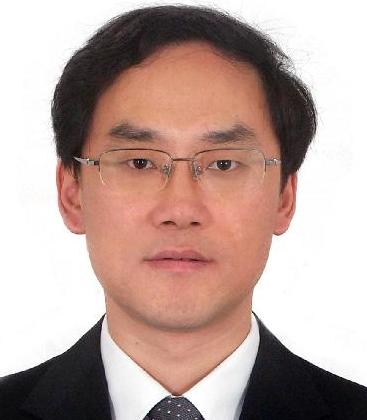 Bing Zhang (张兵)合作论文数Institute of Remote Sensing and Digital Earth, Chinese Academy of Sciences;Aerospace Information Research Institute, Chinese Academy of Sciences;University of Chinese Academy of Sciences16
 Melissa D Landis合作论文数15
 Funda Meric-Bernstam合作论文数Division of Cancer Medicine, Department of Investigational Cancer Therapeutics, University of Texas MD Anderson Cancer Center15Anna Tsimelzon合作论文数15
 Eva M Trinidad合作论文数Facultad de Medicina, Universidad Complutense de Madrid;Tel: +34 91 3941380;Fax: +34 91 3941374;Facultad de Medicina, Universidad Complutense de Madrid15Sufeng Mao合作论文数15
 James H. Doroshow合作论文数Center for Cancer Research, National Cancer Institute15
 Yvonne A Evrard合作论文数Leidos Biomed Res Inc, Frederick Natl Lab Canc Res, Appl Dev Res Directorate, Lab Human Toxicol & Pharmacol, Frederick, MD USA14Chuang Jeffrey合作论文数14
 Li Ding合作论文数Ding Lab, Division of Oncology, John T. Milliken Department of Medicine, School of Medicine, Washington University in St. Louis14María Teresa Soler-Monso合作论文数13
 Laia Pare Brunet合作论文数13Varduhi Petrosyan合作论文数13
 Luis Palomero合作论文数Bellvitge Inst Biomed Res IDIBELL, Catalan Inst Oncol, ProCURE, Barcelona, Spain13
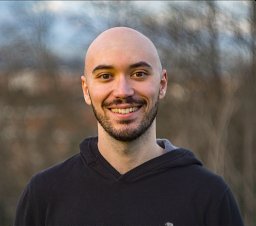 Ander Diaz-Navarro合作论文数Univ Oviedo, Inst Univ Oncol IUOPA, Dept Bioquim & Biol Mol, Oviedo, Spain13Raul Tonda合作论文数Barcelona Inst Sci & Technol BIST, Univ Pompeu Fabra13
 Cruz Cristina合作论文数Medical Oncology Department, Institut Català d'Oncologia13
 Jack A. Roth合作论文数Department of Thoracic and Cardiovascular Surgery, Division of Surgery, The University of Texas MD Anderson Cancer Center13Palafox Marta合作论文数13




