Top 5 gene ontology pathways enriched in each cell type upon chemoradiation related to Figure 3D
Breast and prostate cancers are both hormone-driven adenocarcinomas that undergo analogous invasion programs. Using lightsheet microscopy on intact tumors, we identified transitional junctions between precancerous and invasive regions. We then developed a multimodal serial-section workflow integrating volumetric reconstruction with spatial transcriptomics. Analysis of 319 spatial assays from 51 cases revealed gene expression features and novel structural insights defining the shift from precancer to invasive disease. In breast cancer, loss of MGP and PLAT was associated with invasive transition and promoted tumorigenesis in functional assays. In prostate cancer, GDF15, ALDH1A3, ANPEP, and FASN were upregulated along invasive progression, and their knockdown in PC-3 cells suppressed proliferation and migration. Enrichment of tumor-associated macrophages (SPP1+ and MS4A6A+) along non-triple-negative breast cancer breast cancer transitions highlights immune involvement as a potential driver of invasiveness. SIGNIFICANCE:Our method of defining precise spatial locations of invasive transition allows for the direct interrogation of transition drivers, presenting new therapeutic targets for the two most prevalent cancers and providing a framework for studying spatially defined mechanisms of tumor progression. See related commentary by Jing and Li, p. 1720.
Pancreatic ductal adenocarcinoma (PDAC) is unresponsive to standard immunotherapies despite harboring cancer neoantigens capable of eliciting T cell responses. We completed two phase 1 clinical trials (NCT03956056 and NCT03122106) evaluating safety and immunogenicity of synthetic long peptide (SLP) and DNA personalized cancer vaccines (PCVs). PCVs were administered after resection and adjuvant chemotherapy. Tumor/normal whole-exome sequencing, RNA sequencing, and pVACtools were used to identify and prioritize candidate PCV neoantigens. PCVs were well tolerated without any grade ≥3 adverse events. Neoantigen-specific responses were demonstrated by interferon-γ enzyme-linked immunospot and intracellular cytokine staining. Expanded T cell receptor clonotypes were sequenced and transduced into autologous peripheral blood mononuclear cells to confirm neoantigen specificity. When compared with a contemporaneous institutional propensity-matched cohort, PCV patients demonstrated a trend toward prolonged median overall survival (4.4 versus 3.5 years, log-rank P = 0.23). Overall, PDAC PCVs are safe and feasible and elicit polyclonal T cell responses, linking prioritized cancer neoantigens to functional antitumor immunity.
Cellular senescence, a stress-induced program causing stable cell-cycle arrest, is a hallmark of liver aging, fibrosis, and cancer. However, the cell-type-specific mechanisms, spatial organization, and cancer-associated alterations in the liver remain unclear. We profiled 43 normal human livers spanning ages and fibrosis stages using a single-cell multiome, Xenium spatial transcriptomics, and CODEX, complemented by fibrotic mouse models and 24 colorectal cancer liver metastases. We found CDKN1A+ senescent hepatocytes, fibroblasts, cholangiocytes, and endothelial cells associated with age, liver disease, or cancer. Senescence differed between aged and fibrotic livers, with similar patterns in mice. Spatially, CDKN1A+ hepatocytes localized periportally, while SERPINE1+ aging-associated hepatocytes formed spatial clusters, potentially mediated by Claudins and THBS1. Fibrotic regions contained CXCL12+ senescent fibroblasts interacting with CXCR4+ immune cells. Chemotherapy intensified senescence in hepatocytes by 5-fold relative to aging and led to unique CDKN2A+ populations. Across conditions, senescent cells shared AP-1 activation, pro-inflammatory cytokines, and apoptosis resistance, suggesting therapeutic opportunities.
Advancements in immunogenomics and immuno-oncology have enabled the development of personalized cancer vaccines (PCVs) that target cancer cell-specific somatic variants. A subset of these variants produce neoantigens that, when presented on tumor cells by MHC molecules, have the potential to elicit a robust and specific immune response. To date, there are over one hundred interventional studies listed on clinicaltrials.gov that explore the use of PCVs. We have supported a number of these trials through the creation of bioinformatic pipelines, tools, and procedures for the identification of patient-specific neoantigen candidates. While many of these steps have been automated, the final selection of neoantigen candidates often relies on expert manual review, creating a bottleneck that limits scalability and full automation of PCV workflows. Addressing this challenge, we introduce NEAT (Neoantigen Evaluation & Automated Triage), a machine learning-based approach that enables automated neoantigen candidate prioritization and supports the transition toward more scalable and reproducible PCV design. We implemented a prediction model trained and tested on existing vaccine design results from 33 patients and 1,943 peptides, across 3 clinical trials, including 439 peptides prioritized for PCV inclusion. This model uses features such as tumor variant allele frequency, RNA expression, driver gene status, binding/presentation scores, and transcript support level to automatically predict whether a peptide will be accepted, rejected, or require further human review before inclusion in a vaccine. The model achieved a sensitivity of 0.847 and specificity of 0.924, with an area under the curve of 0.955. The model predictions have been incorporated in pVACtools v7.0.0. By integrating this model into the vaccine development pipeline, we foresee a significant reduction in the time required to transition from patient sample collection to vaccine manufacturing, thereby enhancing the efficiency and scalability of PCV production.
 Li Ding合作论文数Ding Lab, Division of Oncology, John T. Milliken Department of Medicine, School of Medicine, Washington University in St. Louis74
 Matthew Ellis合作论文数Department of Psychiatry, Washington University School of Medicine In St. Louis66
 Shunqiang Li合作论文数64Jeremy Hoog合作论文数45
 Cynthia Ma合作论文数33
 Ramaswamy Govindan合作论文数Divisions of Hematology & Oncology, Department of Medicine, School of Medicine, Washington University32
 Charles M. Perou合作论文数Department of Genetics, School of Medicine, University of North Carolina at Chapel Hill;Reveal Genomics, S.L.;GeneCentric Therapeutics, Inc.31
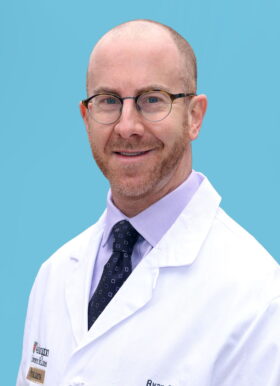 Ryan C. Fields合作论文数Division of General Surgery, Department of Surgery, School of Medicine, Washington University;Barnes-Jewish Hospital;Siteman Cancer Center, Barnes-Jewish West County Hospital29R. Reid Townsend合作论文数28
 Jingqin Luo合作论文数Institute for Public Health, School of Medicine, Washington University in St. Louis;Division of Public Health Sciences, Department of Surgery, WashU Medicine28
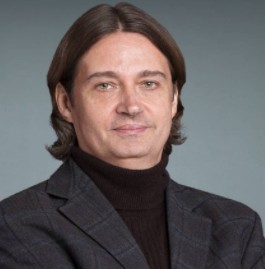 David Fenyo合作论文数Department of Biochemistry and Molecular Pharmacology, Grossman School of Medicine, New York University24R. Jay Mashl合作论文数Washington Univ, St Louis, MO 63110 USA23
 Yvonne A Evrard合作论文数Leidos Biomed Res Inc, Frederick Natl Lab Canc Res, Appl Dev Res Directorate, Lab Human Toxicol & Pharmacol, Frederick, MD USA22
 Alana L Welm合作论文数Huntsman Canc Inst, Univ Utah22Chuang Jeffrey合作论文数22
 Jeffrey A. Moscow合作论文数Department of Pediatrics, University of Kentucky22
 Bryan E Welm合作论文数21
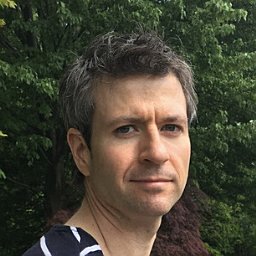 Jason M. Held合作论文数Buck Institute for Age Research21
 Kelly V. Ruggles合作论文数Department of Medicine, Grossman School of Medicine, New York University20
 Steven A. Carr合作论文数Broad Institute of MIT and Harvard20Jacqueline Snider合作论文数20
 Reyka G Jayasinghe合作论文数Department of Medicine, Washington University School of Medicine19D. R. Mani合作论文数18
 Henry Rodriguez Granobles合作论文数NCI, NIH, Bethesda, MD 20892 USA18
 Torsten Nielsen合作论文数Department of Pathology and Laboratory Medicine, Faculty of Medicine, The University of British Columbia18
 Hui Zhang合作论文数Department of Otolaryngology-Head and Neck Surgery, School of Medicine, Johns Hopkins University18
 Karl Clauser合作论文数Broad Institute of MIT and Harvard18Guo Zhanfang合作论文数18Tammi L. Vickery合作论文数17
 Philipp Mertins合作论文数Department of Proteomics, Max Delbrück Center for Molecular Medicine17Michael A Gillette合作论文数17
 Elaine R. Mardis合作论文数Departments of Pediatrics, College of Medicine, The Ohio State University;Institute for Genomic Medicine, Nationwide Children's Hospital17
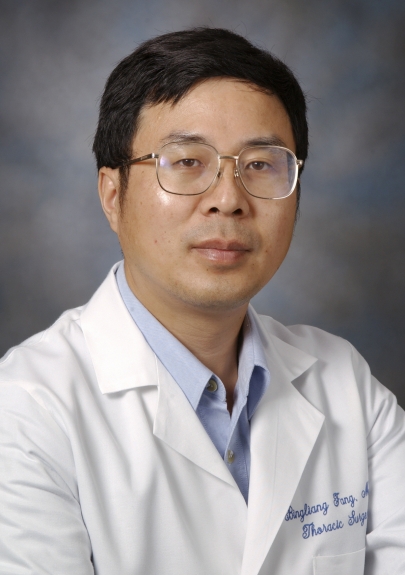 Bingliang Fang合作论文数Thoracic and Cardiovascular Surgery, MD Anderson Cancer Center17
 Michael T. Lewis合作论文数The Lester and Sue Smith Breast Center and Department of Molecular and Cellular Biology, Baylor College of Medicine;Room17
 Meenhard Herlyn合作论文数Ellen and Ronald Caplan Cancer Center, The Wistar Institute of Anatomy and Biology;The Wistar Institute Melanoma Research Center, The Wistar Institute of Anatomy and Biology17
 Michael C. Wendl合作论文数Division of Oncology, John T. Milliken Department of Medicine, Washington University School of Medicine, St. Louis;Department of Mechanical Engineering and Materials Science, Washington University, St. Louis17
 Michael A. Davies合作论文数Department of Melanoma Medical Oncology, Division of Cancer Medicine, University of Texas MD Anderson Cancer Center16
 Jack A. Roth合作论文数Department of Thoracic and Cardiovascular Surgery, Division of Surgery, The University of Texas MD Anderson Cancer Center16
 Matthew H. Bailey合作论文数Biol & Biomed Sci, Washington Univ16
 Mark A. Watson合作论文数Department of Pathology, Washington University School of Medicine16Rebecca L. Aft合作论文数16
 James H. Doroshow合作论文数Center for Cancer Research, National Cancer Institute16
 Jin Zhang合作论文数University of Toronto15
 Xing Yi Woo合作论文数15Steven B. Neuhauser合作论文数14N. Mitsiades合作论文数14Salma Kaochar合作论文数14Primeau Tina M合作论文数14Evans Kurt W合作论文数14




