Supplementary Figure 1 shows (A) spider plots of Log 2 of individual tumor volumes, (B) growth curves representing average Log 2 tumor volumes, (C) spider plots of Log 2 of proportional changes in tumor volume, and (D) growth curves showing Log2 proportional changes in tumor volume of the data shown in Figures 1 and 2.
Functional precision oncology aims to guide therapy selection by directly measuring drug sensitivity in patient-derived cancer samples. However, most existing functional assays require prolonged cell expansion limiting their feasibility for time-sensitive clinical decision-making. We evaluated whether multiparametric quantitative phase imaging (mQPI), a label-free single-cell imaging approach, could enable rapid assessment of therapeutic response in patient-derived breast cancer models. We applied mQPI to cells derived from patient-derived xenograft organoid (PDXO) models and viably cryopreserved primary breast cancer samples. Quantitative phase imaging was used to extract multiple orthogonal biophysical parameters describing cellular growth and response dynamics following drug exposure. Drug sensitivity, intrapatient heterogeneity, and resistance-associated phenotypes were quantified and compared across models. mQPI resolved distinct drug response profiles among cells derived from different anatomical sites within the same patient and revealed heterogeneous response dynamics in models of acquired therapeutic resistance. Importantly, drug responses were detected in a high-purity cryopreserved patient sample immediately after thawing, whereas a more heterogeneous sample required a short-term (2-week) expansion to enrich the viable tumor population before a response could be resolved, indicating that sample composition determines whether a direct-from-thaw or short-term expansion workflow is required. Across sample types, mQPI enabled robust single-cell measurements without the need for labeling or extensive culture. These findings establish mQPI as a rapid, label-free functional assay capable of quantifying therapeutic response and heterogeneity in patient-derived breast cancer samples. By reducing assay time and material requirements while preserving single-cell resolution, mQPI has the potential to complement genomic profiling and advance the clinical translation of functional precision oncology.
Functional precision oncology seeks to match patients with effective therapies by empirically testing patient-derived samples for drug sensitivity in the laboratory. However, existing approaches require significant sample expansion time and expense prior to analysis, rendering them impractical for routine clinical testing. Quantitative phase imaging (QPI) provides a potential path forward by directly measuring responses at single cell resolution without the need for extensive sample expansion. In previous work, we demonstrated that multiple, independent parameters of cellular response to therapeutic agents can be derived from QPI data, an approach we call multiparametric QPI (mQPI). Here, we demonstrate application of mQPI using cells from patient derived xenograft organoid (PDxO) models, as well as cells viably frozen direct from patients. Using mQPI with breast cancer PDxO models, we uncover distinct drug responses for cells originating from different anatomic sites in the same patient and resolve cellular heterogeneity of response in a model of acquired therapeutic resistance. We also show that mQPI can detect drug responses in viably frozen primary patient samples, either direct from thaw or after a short term expansion of only 2 weeks. Overall, these data provide proof-of-principle for application of mQPI to a range of sample types, including cryopreserved material direct from patients. This underscores the clinical potential of mQPI as a time- and materials-efficient alternative to current methods in functional precision oncology.
Combination chemotherapy remains essential for clinical management of triple-negative breast cancer (TNBC), making it impossible to assess responses to multiple agents in a single patient. Herein, we conduct multi-omic analyses of TNBC patient-derived xenografts (PDXs) treated with single agent carboplatin and docetaxel, or the combination, to identify candidate mechanisms of resistance, as well as predictive biomarkers to individual treatments, and to develop therapeutic strategies to overcome resistance. Genomic, transcriptomic, and proteomic profiles of baseline tumors from 50 TNBC PDXs were associated with responses to human equivalent doses of either single agent carboplatin, docetaxel, and the combination. Integration of external TNBC PDX and clinical datasets was performed using ComBat. Protein Marker Selection (ProMS) tool was used to integrate both RNA and protein data to select 5-10 RNA feature combinations for optimized prediction of chemotherapy response in a logistic regression model. Combination responses were generally no better than the best single agent, with enhanced response in only ∼13% of PDX, and apparent antagonism in a comparable percentage. Single ome comparisons showed largely non-overlapping results between genes associated with single agent and combination treatment that validated in independent patient cohorts. Multi-omic analyses of PDXs identified agent-specific treatment-associated biomarkers and predictive biomarker combinations. Notably, integrating proteomic with mRNA data improved machine learning models that achieved AUROC performance of 0.85 to predict pathologic complete response to combination chemotherapy. These models await further evaluation in datasets that may become available, including data from the BEAUTY (NCT02022202), TBCRC 030 (NCT01982448), and RESPONSE (NCT05020860) clinical trials, or in future experimental settings using PDX/PDX organoids. In PDXs responsive to any treatment, several basal cytokeratins were among the top upregulated proteins compared to PDXs resistant to all treatments. KRT5 was validated by IHC in PDX tumors, achieving an AUROC of 0.83 for predicting responsiveness, indicating its potential as a future chemoresponse marker in TNBC. PDXs refractory to all treatments showed dysregulated mitochondrial function. Treatment with romidepsin, an HDAC inhibitor that targets this process indirectly, increased DNA damage, and enhanced carboplatin response, in a chemoresistant PDX model with high abundance of HDAC proteins. Multi-omic characterization identifies molecular mechanisms and predictive biomarkers for stratifying TNBC tumors for single or combination chemotherapy treatments, suggests targeted therapies to augment chemotherapy response, and provides a valuable resource for researchers and clinicians. Jonathan T. Lei, Lacey E. Dobrolecki, Chen Huang, Ramakrishnan R. Srinivasan, Suhas V. Vasaikar, Alaina N. Lewis, Christina Sallas, Na Zhao, Jin Cao, John D. Landua, Chang I. Moon, Yuxing Liao, Susan G. Hilsenbeck, C K. Osborne, Mothaffar F. Rimawi, Matthew J. Ellis, Varduhi Petrosyan, Bo Wen, Kai Li, Alexander B. Saltzman, Antrix Jain, Anna Malovannaya, Gerburg M. Wulf, Elisabetta Marangoni, Shunqiang Li, Daniel C. Kraushaar, Tao Wang, Senthil Damodaran, Xiaofeng Zheng, Funda Meric-Bernstam, Gloria V. Echeverria, Meenakshi Anurag, Xi Chen, Bryan E. Welm, Alana L. Welm, Bing Zhang, Michael T. Lewis. Patient-derived xenografts allow deconvolution and prediction of chemotherapy responses [abstract]. In: Proceedings of the American Association for Cancer Research Annual Meeting 2025; Part 1 (Regular Abstracts); 2025 Apr 25-30; Chicago, IL. Philadelphia (PA): AACR; Cancer Res 2025;85(8_Suppl_1):Abstract nr 739.
Combination chemotherapy remains essential for clinical management of triple-negative breast cancer (TNBC). Consequently, responses to multiple single agents cannot be delineated at the single patient level, even though some patients might not require all drugs in the combination. Herein, we conduct multi-omic analyses of orthotopic TNBC patient-derived xenografts (PDXs) treated with single agent carboplatin, docetaxel, or the combination. Combination responses were usually no better than the best single agent, with enhanced response in only ~13% of PDX, and apparent antagonism in a comparable percentage. Single-omic comparisons showed largely non-overlapping results between genes associated with single agent and combination treatments that could be validated in independent patient cohorts. Multi-omic analyses of PDXs identified agent-specific biomarkers/biomarker combinations, nominating high Cytokeratin-5 (KRT5) as a general marker of responsiveness. Notably, integrating proteomic with transcriptomic data improved predictive modeling of pathologic complete response to combination chemotherapy. PDXs refractory to all treatments were enriched for signatures of dysregulated mitochondrial function. Targeting this process indirectly in a PDX with HDAC inhibition plus chemotherapy in vivo overcomes chemoresistance. These results suggest possible resistance mechanisms and therapeutic strategies in TNBC to overcome chemoresistance, and potentially allow optimization of chemotherapeutic regimens.
Introduction: Triple-negative breast cancer (TNBC) patients frequently receive combination chemotherapy treatment, including most recently taxane/platinum combinations. However, treatment is not biomarker-guided. As such, it is not known which patient will respond to one or the other agent, or indeed which patients actually require the combination for the most effective treatment. We hypothesized that optimization of chemotherapy may be possible if molecular mechanisms and biomarkers underlying response to individual treatments can be identified. We evaluated this hypothesis in a preclinical trial using a cohort of 50 patient-derived xenograft (PDX) models of TNBC treated with either single-agent docetaxel or carboplatin, or their combination. Methods: 50 TNBC PDXs were evaluated for response to four weekly treatments with either single agent docetaxel (20 mg/kg), or carboplatin (50 mg/kg); 42 of these were also treated with their combination. Multi-omics profiling (genomics, transcriptomics, proteomics) was conducted before treatment. Gene level associations by treatment type were used to construct consensus gene sets by integrating our data with external TNBC PDX and patient cohorts which were then used to build XGBoost models to predict treatment-specific responses. Pathway analysis was performed using signed -log10 p-values from gene level results as input for Gene Set Enrichment Analysis. Results: Direct comparison of responses to carboplatin, docetaxel, and their combination showed that combination treatment was largely ineffective at generating enhanced responses over the best single agent. Only 13% of the 42 PDX showed enhanced responses in combination, with a comparable percentage (12%) showing antagonism between docetaxel and carboplatin, a phenomenon observed previously in vitro. Proteogenomic profiles revealed distinct genes associated with responses to each agent and their combination, suggesting different molecular mechanisms underlying each treatment response. A substantial number of genes linked to single-agent and combination treatments were validated in multiple independent PDX and patient cohorts receiving platinum and taxane-containing neoadjuvant therapy, confirming the clinical relevance of our PDX panel. Chemotherapy-specific predictors for pathological complete response (pCR)/CR achieved AUROCs of 0.79, 0.67, and 0.70 for platinum, taxane, and combination treatments, respectively. The single-agent platinum model was the most effective in predicting platinum response, with a similar trend for taxane and platinum+taxane predictors. These findings reinforce the observation that distinct gene sets are linked to responses to different chemotherapy treatments. Since the predictors used treatment-associated genes found in both PDX and clinical samples, these results suggest biomarker combinations for translation and clinical development to select TNBC tumors that may respond to specific regimens. In PDXs responsive to any treatment, several basal cytokeratins were among the top upregulated proteins compared to PDXs resistant to all treatments. KRT5 was validated by IHC in PDX tumors, achieving an AUROC of 0.83 for predicting responsiveness, indicating its potential as a future chemoresponse marker in TNBC. PDXs refractory to all treatment arms had higher levels of mitochondrial and cancer stem-cell-related pathways. Treatment with romidepsin, an HDAC inhibitor that targets these pathways and increases DNA damage, enhanced carboplatin response in a chemoresistant PDX model with high abundance of HDAC proteins. Conclusion: Proteogenomic characterization identifies molecular mechanisms and putative biomarkers for stratifying TNBC tumors for single or combination chemotherapy treatments, suggests targeted therapies to augment chemotherapy response, and provides a valuable resource for researchers and clinicians. Citation Format: Jonathan Lei, Lacey E. Dobrolecki, Chen Huang, Ramakrishnan R. Srinivasan, Suhas Vasaikar, Alaina N. Lewis, Christina Sallas, John D. Landua, Chang In Moon, Yuxing Liao, Na Zhao, Jin Cao, Susan G. Hilsenbeck, C. Kent Osborne, Mothaffar F. Rimawi, Matthew J. Ellis, Varduhi Petrosyan, Bo Wen, Kai Li, Alexander B. Saltzman, Antrix Jain, Anna Malovannaya, Gerburg Wulf, Shunqiang Li, Daniel C. Kraushaar, Elisabetta Marangoni, Tao Wang, Senthil Damodaran, Xiaofeng Zheng, Funda Meric-Bernstam, Bryan E. Welm, Alana L. Welm, Xi Chen, Gloria V. Echeverria, Meenakshi Anurag, Bing Zhang, Michael T. Lewis. Patient-derived Xenografts (PDX) Allow Deconvolution of Combination Chemotherapy Response [abstract]. In: Proceedings of the San Antonio Breast Cancer Symposium 2024; 2024 Dec 10-13; San Antonio, TX. Philadelphia (PA): AACR; Clin Cancer Res 2025;31(12 Suppl):Abstract nr PS4-02.
Precision oncology centers on the selection of targeted anticancer agents in tumors harboring actionable molecular alterations. However, most tumors lack actionable alterations, and individual biomarkers are often poor predictors of response. These challenges are particularly acute in metastatic tumors with their vast inter-tumoral heterogeneity and diverse resistance mechanisms. As a result, cytotoxic chemotherapy remains a mainstay of treatment, yet few data-driven tools exist to inform chemotherapy selection. These limitations inform the need for rational treatment selection strategies for drugs lacking validated predictive biomarkers in tumors with or without actionable molecular alterations. To this end, we report a unified computational/experimental approach, combining tumor omic and functional profiling with ScreenDL, a deep learning (DL)-based cancer drug response prediction framework capable of integrating these complementary data modalities to provide treatment recommendations for high-risk/metastatic breast tumors. ScreenDL leverages a phased training schema, incorporating: (1) general-purpose pretraining on large-scale cell line pharmaco-omic screens; and (2) follow-up fine-tuning on a newly generated pharmaco-omic dataset spanning >100 patient-derived xenograft (PDX)-derived organoid (PDxO) models primarily from high-risk, endocrine resistant, treatment-refractory, and/or metastatic breast tumors representing the greatest unmet clinical need. As new patients enter our precision oncology pipeline, tumor omic profiling and functional drug screening in patient-derived organoids (PDOs) enables patient-specific fine-tuning with our ScreenAhead module, integrating a tumor’s transcriptomic and functional characteristics with prior knowledge learned from training samples to generate personalized response predictions. At baseline, ScreenDL outperforms existing DL models in never-before-seen PDxOs, achieving a median Pearson correlation (PCC) between observed and predicted response across drugs of 0.32 compared to 0.20 for the next-best tested model. After incorporating each PDxO’s response to just 12 drugs through PDxO-specific fine-tuning with ScreenAhead, ScreenDL provides high-confidence predictions (PCC > 0.5) for 49 out of 95 drugs (52%), with a median PCC across all 95 drugs of 0.59. These high-confidence drugs included both chemotherapies and targeted agents with diverse biological mechanisms, showcasing the power of personalization with a small pre-screening panel to improve predictions for the broader space of therapies. ScreenDL also outperformed biomarker-only predictors of response to talazoparib and capivasertib, two targeted agents approved for breast tumors harboring mutations in BRCA1/2 or PI3KCA/AKT/PTEN, respectively. In a retrospective preclinical pilot of 11 PDX models, our end-to-end treatment selection strategy achieved a 100% clinical benefit rate and a 65% objective response rate, highlighting the vast clinical potential of our unified computational/experimental treatment selection strategy. Citation Format: Casey Sederman, Chieh-Hsiang Yang, Emilio Cortes-Sanchez, Tony DiSera, Xiaomeng Huang, Yi Qiao, Sandra Scherer, Bryan Welm, Alana Welm, Gabor Marth. Deep learning-based integration of tumor omics and functional drug screening for precision treatment selection in high-risk and metastatic breast tumors [abstract]. In: Proceedings of the AACR Special Conference in Cancer Research: Functional and Genomic Precision Medicine in Cancer: Different Perspectives, Common Goals; 2025 Mar 11-13; Boston, MA. Philadelphia (PA): AACR; Cancer Res 2025;85(5 Suppl):Abstract nr B044.
In the United States, more than 280,000 women are diagnosed with breast cancer every year, with more than 90% of breast cancer deaths caused by metastatic disease. 20-30% of breast cancer patients will develop metastasis, despite receiving state-of-the-art therapies. Once metastases are detected, the disease becomes incurable. Developing therapeutic interventions that eliminate metastasis represents a significant challenge in the field, as breast tumors evolve and develop resistance, ultimately undermining a tumor’s response to therapy. Underlying this resistance is the complex heterogeneity of tumors, which includes different disease subtypes, diverse patient biology, and unpredictable therapeutic responses. To date, there is very limited use of models for breast cancer research that accurately reflect the dynamic way tumors evolve in patients and how heterogeneity contributes to this process. Though cell lines have been useful to elucidate several mechanisms of drug resistance and response, their findings have failed to translate to accurate predictions of efficacy in clinical settings. The development of patient-derived models of cancer (PDMC), including patient-derived xenografts (PDX) have advanced the field by providing model systems with high fidelity to the tumor of origin, thereby providing opportunities to identify fundamental characteristics that underlie tumor evolution, patient drug response and resistance. This study hypothesizes that PDXs can model lethal disease and recapitulate tumor evolution in response to therapy, allowing us to leverage this data to predict patient responses, and improve patient outcomes. Longitudinal samples from metastatic breast cancer patients, representing various disease stages and subtypes will be used to uncover mutational, transcriptomic and epigenetic alterations that may contribute to metastatic disease progression. This study will also lead to a better understanding of mechanisms that contribute to resistance, such as cellular plasticity, by examining the evolutionary trajectories of cell populations during tumor evolution. These pioneering studies aim to establish PDMCs as more accurate representations of metastatic breast cancer evolution, while unravelling links between heterogeneity and therapy response in metastatic disease, with the hope of ultimately improving breast cancer patient outcomes. Citation Format: Zannel Blanchard, Sandra D Scherer, Zhengtao Chu, Chieh-Hsiang Yang, Emilio Cortes-Sanchez, Bryan E Welm, Alana L Welm. Harnessing patient derived models to understand tumor evolution in metastatic breast cancer [abstract]. In: Proceedings of the AACR Special Conference in Cancer Research: Functional and Genomic Precision Medicine in Cancer: Different Perspectives, Common Goals; 2025 Mar 11-13; Boston, MA. Philadelphia (PA): AACR; Cancer Res 2025;85(5 Suppl):Abstract nr A028.
 Alana L Welm合作论文数Huntsman Canc Inst, Univ Utah58
 Shunqiang Li合作论文数29
 Michael T. Lewis合作论文数The Lester and Sue Smith Breast Center and Department of Molecular and Cellular Biology, Baylor College of Medicine;Room29Chuang Jeffrey合作论文数28
 Li Ding合作论文数Ding Lab, Division of Oncology, John T. Milliken Department of Medicine, School of Medicine, Washington University in St. Louis27
 Jeffrey A. Moscow合作论文数Department of Pediatrics, University of Kentucky27
 Yvonne A Evrard合作论文数Leidos Biomed Res Inc, Frederick Natl Lab Canc Res, Appl Dev Res Directorate, Lab Human Toxicol & Pharmacol, Frederick, MD USA25
 Ramaswamy Govindan合作论文数Divisions of Hematology & Oncology, Department of Medicine, School of Medicine, Washington University25
 Ryan C. Fields合作论文数Division of General Surgery, Department of Surgery, School of Medicine, Washington University;Barnes-Jewish Hospital;Siteman Cancer Center, Barnes-Jewish West County Hospital23Sherri R Davies合作论文数Washington Univ, Sch Med, Dept Med, St Louis, MO 63110 USA21Lacey E Dobrolecki合作论文数21
 Jack A. Roth合作论文数Department of Thoracic and Cardiovascular Surgery, Division of Surgery, The University of Texas MD Anderson Cancer Center20
 James H. Doroshow合作论文数Center for Cancer Research, National Cancer Institute20
 Michael A. Davies合作论文数Department of Melanoma Medical Oncology, Division of Cancer Medicine, University of Texas MD Anderson Cancer Center19
 Funda Meric-Bernstam合作论文数Division of Cancer Medicine, Department of Investigational Cancer Therapeutics, University of Texas MD Anderson Cancer Center19
 Meenhard Herlyn合作论文数Ellen and Ronald Caplan Cancer Center, The Wistar Institute of Anatomy and Biology;The Wistar Institute Melanoma Research Center, The Wistar Institute of Anatomy and Biology19Salma Kaochar合作论文数18
 Matthew H. Bailey合作论文数Biol & Biomed Sci, Washington Univ18
 Xing Yi Woo合作论文数18Dennis A. Dean合作论文数17N. Mitsiades合作论文数16
 Katrin P. Guillen合作论文数Department of Oncological Sciences, University of Utah16
 Sandra D Scherer合作论文数Univ Utah, Huntsman Canc Inst, Dept Oncol Sci, Salt Lake City, UT 84112 USA16
 Bingliang Fang合作论文数Thoracic and Cardiovascular Surgery, MD Anderson Cancer Center16
 Michael W. Lloyd合作论文数16
 Luis G. Carvajal-Carmona合作论文数Department of Biochemistry and Molecular Medicine, School of Medicine, University of California, Davis;Clinical and Translational Science Center, School of Medicine, University of California, Davis16Maihi Fujita合作论文数15Steven B. Neuhauser合作论文数15Evans Kurt W合作论文数15
 Chong-Xian Pan合作论文数Department of Medicine, Harvard Medical School15
 Carol J. Bult合作论文数The JAX Cancer Center, The Jackson Laboratory;School of Graduate Biomedical Sciences, Tufts University;Graduate School of Biomedical Sciences and Engineering, University of Maine14Brian S. White合作论文数14
 Jiwani Shahanawaz合作论文数Burnett School of Biomedical Sciences, University of Central Florida13
 Yang Xie合作论文数Harold C. Simmons Comprehensive Cancer Center, University of Texas, Southwestern Medical Center;Quantitative Biomedical Research Center, University of Texas, Southwestern Medical Center;Division of Biostatistics, Department of Clinical Sciences, University of Texas, Southwestern Medical Center13Li Chen合作论文数13
 Xiaowei (George) Xu合作论文数Department of Pathology and Laboratory Medicine, School of Medicine, University of Pennsylvania Perelman13Melinda G. Hollingshead合作论文数Healthy Pet Mobile Vet13
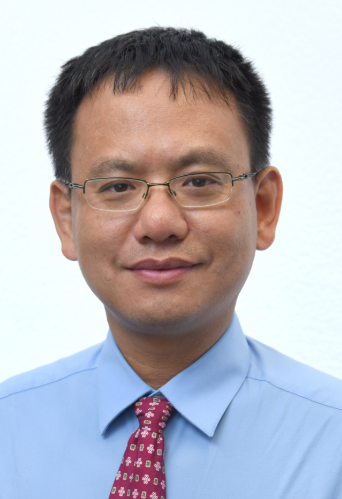 Guanghua Xiao合作论文数Department of Population and Data Sciences, Peter O'Donnell Jr. School of Public Health, The University of Texas Southwestern Medical Center;Quantitative Biomedical Research Center, Peter O'Donnell Jr. School of Public Health, The University of Texas Southwestern Medical Center;Department of Biomedical Engineering, The University of Texas Southwestern Medical Center13
 Zena Werb合作论文数Department of Anatomy, University of California, San Francisco13Sasi Arunachalam合作论文数Program in Bioinformatics and Proteomics/Genomics, University of Toledo Health Science Campus;Dept. of Neuroscience, University of Toledo Health Science Campus13
 Junya Fujimoto合作论文数The University of Tokyo13David H. Lum合作论文数12
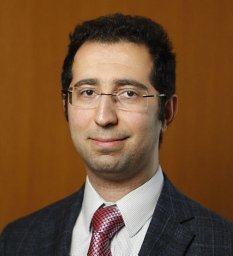 Ali Foroughi Pour合作论文数12
 Peter Robinson合作论文数The Jackson Laboratory for Genomic Medicine;Institute for Human and Medical Genetics, Charité - Universitätsmedizin Berlin;Berlin Institute of Health12Yang Chieh-Hsiang合作论文数12
 Sanderson Brian J合作论文数Department of Molecular Biosciences, University of Kansas12
 Jill C Rubinstein合作论文数School of Medicine, Yale University12Jacqueline Mudd合作论文数Washington Univ, Sch Med, St Louis, MO USA11




