In the past 20 years the purview of strategic management scholars has been primarily to seek to understand which decisions and actions are needed to achieve competitive advantage. And entrepreneurship scholars have been greatly focused trying to understand how opportunities to bring into existence future goods and services are discovered and exploited to create and grow new ventures. Strategic management researchers have been interested mostly in relatively large corporations. And entrepreneurship researchers have and continue to study mostly small and medium-sized enterprises. There is a seemingly increasing intersection of these fields of study. Whether this is an "integration" or more of an "interface" will be addressed in this chapter.
INTRODUCTION In 2004, Proctor u0026 Gambleu0027s chairman and CEO, A.G. Lafley, sat with Peter Drucker and several other CEOs and management scholars who had come together to ask, is the work of the CEO?... Do we really understand the role and the unique work of the chief executive? Drucker believed the answer was no. --Lafley, 2009: 2-3 Organizational survival depends on satisfactorily executing a plan and achieving a set of conscious or subconscious, predetermined objectives (Drucker, 1954) amidst calculated chaos and controlled disorder (Mintzberg, 1973). It is the responsibility of the firmu0027s Chief Executive Officer (CEO) to serve as the organizationu0027s helmsperson, navigating the enterprise through the changing winds and waters of an oftentimes turbulent marketplace, and to pilot the firm successfully to its destination objectives (Ansoff, 1965; Peters u0026 Waterman, 1982; Gulick, 1935, 1937a). piloting decisions and choices made by the CEO can have far reaching consequences. The fact is inescapable: These choices of single human beings exert enormous influence over entire enterprises. In the aggregate, they determine the prosperity of the nation, (Charan u0026 Colvin, 2000, p. 266). Scholars have long been fascinated with the organizational life and duties of the CEO. Luther Gulick, while serving as president of the Institute of Public Administration, in his opening essay to the classic collection of papers on the science of administration (Gulick u0026 Urwick, 1937) introduced his POSDCORB framework (Gulick, 1937a, p.13) after asking the questions, What is the work of the chief executive? does he do? Even before Gulick, Henri Fayol (1916) defined the roles of the chief executive as planning, organizing, commanding, coordinating, and controlling. Henry Barnard (1938) was the first to characterize the primary role of the chief executive as the shaper and manager of shared values in an organization. Barnard (1938: 235) while emphasizing the infusion of shared values, rational stewardship, professionalism, and moral integrity, further argued, [The executive process] is a matter of art and it is aesthetic rather than logical, suggesting the fundamental functions of the executive focus on communication, employee effort, and purpose. In support of Barnard, Philip Selznick (1957) introduced the concept of organization character, suggesting, [organizations become institutions as they are infused with values... [t]he institutional leader, then, is primarily an expert in the promotion and protection of values. Mintzberg (1973) was the first to scientifically study the roles and behaviors of executives, finding that their daily work lives were anything but routine and logically planned as posited by the theories of Fayol (1916) and Gulick (1937a). Instead, their lives are dominated with sporadic, unplanned, short-term copings, and crises management. Mintzberg (1973) identified three role categories for executives: interpersonal, informational, and decisional. Drucker (1967) argued that effective executives differ widely in their personalities, strengths, weaknesses, values and beliefs. All they have in common is they get the right things done. While the CEOu0027s chief objective remains to acquire and maintain a sustainable competitive advantage, a fundamental and primary goal of any organization, some argue that any sustainable advantage is unattainable in our current hyper competitive marketplace (Du0027Aveni, 1994). As environmental change accelerates, the role of the CEO becomes increasingly important. This study examines the nature of executive work, what it is these individuals actually do, and how they perform their various duties and responsibilities. LITERATURE AND THEORETICAL REVIEW Roles of the Executive early work of Henri Fayol (1916) during the period surrounding 1900 argued that the work of the executive included planning, organizing, commanding (leading), coordination, and control. …
INSTRUCTOR'S NOTES The following teaching notes structure and analyses were adapted from Analyzing family business cases: Tools and techniques (Sharma, Blunden, Labaki, Michael-Tsabari, & Algarin, 2013). RECOMMENDATIONS FOR TEACHING APPROACHES This versatile case has been taught successfully to undergraduate, MBA, and executive business students using a three-phase approach that sequentially delves deeper into issues facing W2 and its CEO, Kirk Howard. Phase I serves as an ice breaker to engage the class and focus attention on making sense of the W2 situation. Phase II introduces thought-provoking macro questions to build context and identify in which direction the discussion will begin. Phase III is used to delve into specific issues and constructs that are listed in the sections below, and should be selected based either on questions raised by students or topics covered in the assigned course materials. The W2 Systems case has a difficulty level ranging from three to six, depending on how the instructor intends to use the case. As such, it is appropriate for undergraduate juniors and seniors, MBA students, as well as executives enrolled in family business, entrepreneurship, family systems, and strategic management courses. The case can be taught in a two hour class period, and it requires approximately three hours of student preparation time. The case is well suited for peer or student group analysis followed by instructor-led course discussions that address career management, work-life balance, entrepreneurship, career planning and management, and quotidian life disruption. LEARNING OBJECTIVES The primary learning objectives of the W2 Systems case are for students to: * understand real family business situations faced by small family enterprises, * apply key family business and entrepreneurship concepts, and * learn how to ask the right questions when faced with a difficult family business situation. AN OVERVIEW: OPENING THE CLASSROOM DISCUSSION It is recommended to cold call on a student to briefly provide an overview of the case, acknowledge key facts, and identify the most critical issues facing W2 and Kirk Howard. Immediately thereafter, the class should be asked to verify the accuracy of the overview, and provide further clarification. The purpose of this first of three phases is to engage the entire class and develop a common knowledge base from which to begin a thoughtful conversation. It has been found that during this first phase of the classroom exercise, the instructor has considerable leverage to guide the ensuing case analysis and discussion to match learning objectives for the course, or highlight specific topics or theoretical constructs. BROAD DISCUSSION QUESTIONS: LAUNCHING THE CLASSROOM DISCUSSION The second phase of the classroom exercise includes presenting Socratic questions to further engage students and to develop a platform from which to launch the third phase, a much more detailed discussion and analysis. The following discussion questions attempt to quickly address broad sweeping issues and concerns, and have proven fruitful in fully engaging students and beginning the analysis. It is in this second phase that the specific direction of the case analysis is determined. Should Kirk Howard enter the family business and help his father through his illness? This question targets a central issue of succession from the next generation perspective, a viewpoint shared by most students. It does, however, also bring into play the issues surrounding catastrophic illness within the family, family member duty and responsibility, and career planning. Students are typically split into three camps with respect to answering this question: (1) those who believe strongly that Kirk should stay out of the business and pursue his own interests, (2) those who believe it is Kirk's duty to take care of his parents, see his father through the illness, and save the company, and (3) those who take an analytical approach and base their answer on W2's market value and potential for future earnings. …
While an extensive body of research exists regarding the delivery of course knowledge and material, much less attention has been paid to the performance effect of seating position within a classroom. Research findings are mixed as to whether students in the front row of a classroom outperform students in the back row. Another issue that has not been fully examined in higher education is the effect of environmental factors, specifically seating type, on student performance. This study examines the impact of both factors—seating location and seating type—on overall performance. Data were collected over a 10-year period from 1,138 undergraduate senior business students during their capstone course. The findings suggest that student performance is not significantly altered by seating location or seating type.
PurposeBuilding a bioeconomy requires efficient technology transfer and global linkages to exploit finite intellectual property exclusivity periods. The purpose of this paper, using a resource‐based view lens, is to assess the priorities, capabilities, and competitiveness of the emerging New Zealand (NZ) bioeconomy.Design/methodology/approachA triangulated design was used that involved four focus groups, 27 interviews, five case studies, and survey of 176 NZ biotechnology industry participants from a broad range of backgrounds such as scientists, managers, and investors.FindingsTwo high‐priority capabilities were identified as being critical to fostering a competitive bioeconomy – access to talent and access to funding. Participants also identified the critical role of government in building and coordinating infrastructure, enabling critical capabilities, and accelerating bi‐directional technology and capital flows.Originality/valueMost biotechnology research and data has focused on the USA and European Union. This is one of the first studies of NZ biotechnology participants, and insights gained within this context are potentially applicable for increasing our understanding of building biotechnology industries outside established clusters.
This study investigates the entrepreneurial decision to start a new independent business venture. Specifically, this study empirically tests and compares three prominent models of entrepreneurial intention: (1) Ajzen's Theory of Planned Behavior, (2) Shapero's Model of the Entrepreneurial Event, and (3) Davidsson's Determinants of Entrepreneurial Intentions. An extensive search and synthesis of literature germane to the entrepreneurial decision was undertaken to identify factors relevant to the decision to become an entrepreneur, resulting in the selection of three intentions-based models particularly worthy of further investigation and empirical testing. A representative entrepreneurship database (PSED) of 669 nascent US entrepreneurs was used to create individual comprehensive venture profiles, which were then used to code constructs identified in the three models under investigation. Structural equation modeling was used to analyze the predictive capability of the three intentions-based models.
Leading biopharmaceutical firms need to dynamically optimize pipeline portfolios of internally and externally generated product candidates to ensure sustainable growth. This paper provides an empirical analysis of leading global biotechnology firms with respect to technology agglomeration patterns, proximity to alliance partners, and firm performance for the period 1996-2006. Findings suggest that the absolute number of technology and product alliances were approximately twice as important as proximity to partners in terms of firm performance. These results indicate that a strategy of relentless pipeline building, without regard to geographic proximity of alliance partners, may enhance relative and absolute performance of biopharmaceutical industry leaders.
PurposeThis paper aims to investigate how generational differences moderate the relationship between workplace fun and individual workplace outcomes.Design/methodology/approachThe authors review and integrate the literatures on workplace fun and generational theory and empirically test the interaction effects of generation membership and workplace fun with job satisfaction, task performance, and OCB using a sample of 701 workers.FindingsThe findings suggest that not only do members of different generational cohorts respond differently to workplace fun, but cohort membership moderates the relationship between workplace fun and some individual workplace outcomes.Research limitations/implicationsSnowball sampling and cross‐sectional data limit the generalisability of the study's findings.Practical implicationsThe authors provide managerial implications for promoting workplace fun.Originality/valueThe paper contributes to the workplace fun conversation by addressing the overlooked question of “fun for whom?”.
CASE DESCRIPTION In this case the authors tell the story of a small business startup and the difficulties faced when environment is not considered. This case would be most suitable for undergraduate courses in Entrepreneurship and Strategic Management. The case is designed to be taught in one fifty to seventy-five minute class period, with about thirty minutes of reading and preparation time on the students part, prior to class. CASE SYNOPSIS This case is based upon an actual experience. The names of the participants and the company have been changed to maintain confidentiality. This case demonstrates problems that can arise from poor investigation of a location prior to going into business. NTA has discovered that they face significant external environmental risks of which they had previously been unaware. NTA EXECUTIVE RETREATS, INC. On the morning of June 3rd, Daniel Lee rose at 4am to lead his campers on a pre-dawn jog and sunrise meditation at the NTA Executive Retreats, Inc. facility 21/2 hours north of San Francisco. After completing the morning exercise, and while leading an invigorated group of 42 corporate executives all dressed in traditional white karate uniforms down a footpath from the mountaintop, Lee heard the sound of vehicles. Looking to his left, he saw what looked to be a battalion of law-enforcement vehicles racing toward NTA's base camp, a half-mile below. With the arrival of the DEA, FBI, and state and local law enforcement agencies, the tranquil 1000-acre wooded setting was turned into an armed military-style camp. Lee's ideal setting for contemplation and personal reflection had suddenly become the command center for a drug raid on an adjoining property. The special agent in charge explained to Lee that marijuana cultivation was prevalent in remote parts of Northern California, and that should marijuana plants be found on NTA's property, it too would be subject to seizure. Lee was also told that marijuana growers were remarkably well armed, highly sophisticated, and extremely dangerous. As Lee looked around at the armored vehicles and Kevlar-vested troops, he wondered if the business he had started six months earlier would ever be the same. Daniel Lee Since graduating with a double degree in computer science and atomic physics from a prestigious West-Coast university six years earlier, Lee had founded and managed three software companies, a small import-export business, and a property management firm that managed his real estate holdings. Typically working over 80 hours a week, he was a self-made multi-millionaire with an outstanding credit rating. Lee began his martial art training 16 years earlier at the age of 13, earning the rank of 5th degree black belt in Tae Kwon Do. Focusing on the tradition and beauty of martial arts, Lee stressed to his students the intimate interrelationship of mind, body, and spirit. Four years before opening NTA Executive Retreats, he opened the NTA Martial Art Academy in his hometown of Menlo Park, California and in two years had over 800 students. INDUSTRY AND COMPETITION The fitness and wellness industry had grown steadily over the past several decades and with growing attention being focused on the problems of stress and obesity, the prospects for continued growth seemed strong. Consumers had a variety of fitness options such as health clubs, wellness centers, aerobics classes, and martial art studios. Hollywood stars such as Steven Segal, Jackie Chan, and Jean-Claude Van Dam drastically increased the popularity of martial arts during that same period. Consequently, and due to low entry barriers, an unprecedented number of schools opened, many operated by unqualified teachers. The martial arts industry became highly fragmented and fiercely competitive. Breakeven for fitness clubs, charging $35-$55 per month was typically reached at about 2,000 members. …
CASE DESCRIPTION In this case the authors tell the story of a small business startup and the difficulties faced when environment is not considered. This case would be most suitable for undergraduate courses in Entrepreneurship and Strategic Management. The case is designed to be taught in one fifty to seventy-five minute class period, with about thirty minutes of reading and preparation time on the students part, prior to class. CASE SYNOPSIS This case is based upon an actual experience. The names of the participants and the company have been changed to maintain confidentiality. This case demonstrates problems that can arise from poor investigation of a location prior to going into business. NTA has discovered that they face significant external environmental risks of which they had previously been unaware. INSTRUCTORS' NOTES Discussion Questions 1. Why did David Lee open NTA Executive Retreats? The NTA Martial Art Academy had grown into a successful business, but its profit potential was limited. When Lee first opened the martial art studio, he faced limited competition in the immediate area. Currently, competitors are expanding directly into his territory and competition is becoming fierce. The increase in competition is making his product more commoditized and threatens his margins. Students in part select a martial art studio based upon the quality of the instruction. David Lee is the source of advantage for this business, but he has limited time to devote to the business given his other interests. Further, having classes in a fixed facility limits class size and therefore limits profit potential. David Lee needed to find a business that was seen as offering a unique product where he could increase the amount he could charge for his services. The executive retreat business was a natural extension of his current business. His existing students were an initial customer source for the new venture as well as a source of employees. The established reputation of the NTA Martial Art Academy could be used to provide immediate legitimacy and trust for the new product. David Lee's contacts in the business community, as a result of the other businesses he owned and operated, were a source of referrals for his new venture. Further, the high capital requirements for owning and operating a retreat facility were a significant barrier to entry for other martial art academies. Consequently, the limited competition would allow Lee to charge higher prices and thereby achieve higher margins. 2. Why did David Lee select a location two hours from Silicon Valley for his new venture? The remote location was necessary for several reasons. First, it would not have been economically feasible to purchase such a large tract of land so close to Silicon Valley. Second, the concept of a retreat is to remove the client from their normal surroundings. Third, a location two hours from Silicon Valley reinforced the concept of separation from the normal routine of the customer yet was close enough that the trip would not seem difficult. Finally, a primitive setting would not have felt genuine inside the boundaries of a major metropolitan area. 3. Describe the nature of NTA's industry using a Porter's Five Forces framework. NTA's buyers had considerable power due to low switching costs. It was an industry practice to raise switching costs by requiring Academy members to enroll for twelve months at a time. However, this policy used by both martial art academies and health clubs frequently resulted in conflicts with customers. Suppliers to the business had limited power. While national chains could negotiate better prices due to larger purchase commitments, the cost of supplies was not material to NTA's operations and multiple suppliers were available to the company. …
ABSTRACT Vibrio cholerae is a gram-negative bacterium that has been associated with cholera pandemics since the early 1800s. Whole-cell, killed, and live-attenuated oral cholera vaccines are in use. We and others have focused on the development of a subunit cholera vaccine that features standardized epitopes from various V. cholerae macromolecules that are known to induce protective antibody responses. TcpA protein is assembled into toxin-coregulated pilus (TCP), a type IVb pilus required for V. cholerae colonization, and thus is a strong candidate for a cholera subunit vaccine. Polypeptides (24 to 26 amino acids) in TcpA that can induce protective antibody responses have been reported, but further characterization of their amino acid targets relative to tertiary or quaternary TCP structures has not been done. We report a refinement of the TcpA sequences that can induce protective antibody. One sequence, TcpA 15 (residues 170 to 183), induces antibodies that bind linear TcpA in a Western blot as well as weakly bind soluble TcpA in solution. These antibodies bind assembled pili at high density and provide 80 to 100% protection in the infant mouse protection assay. This is in sharp contrast to other anti-TcpA peptide sera (TcpA 11, TcpA 13, and TcpA 17) that bind very strongly in Western blot and solution assays yet do not provide protection or effectively bind TCP, as evidenced by immunoelectron microscopy. The sequences of TcpA 15 that induce protective antibody were localized on a model of assembled TCP. These sequences are centered on a site that is predicted to be important for TCP structure.
ABSTRACTDevelopment ofVibrio choleraelipopolysaccharide (LPS) as a cholera vaccine immunogen is justified by the correlation of vibriocidal anti-LPS response with immunity. TwoV. choleraeO1 LPS serotypes, Inaba and Ogawa, are associated with endemic and pandemic cholera. Both serotypes induce protective antibody following infection or vaccination. Structurally, the LPSs that define the serotypes are identical except for the terminal perosamine moiety, which has a methoxyl group at position 2 in Ogawa but a hydroxyl group in Inaba. The terminal sugar of the Ogawa LPS is a protective B-cell epitope. We chemically synthesized the terminal hexasaccharides ofV. choleraeserotype Ogawa, which comprises in part the O-specific polysaccharide component of the native LPS, and coupled the oligosaccharide at different molar ratios to bovine serum albumin (BSA). Our initial studies with Ogawa immunogens showed that the conjugates induced protective antibody. We hypothesized that antibodies specific for the terminal sugar of Inaba LPS would also be protective. Neoglycoconjugates were prepared from synthetic Inaba oligosaccharides (disaccharide, tetrasaccharide, and hexasaccharide) and BSA at different levels of substitution. BALB/c mice responded to the Inaba carbohydrate (CHO)-BSA conjugates with levels of serum antibodies of comparable magnitude to those of mice immunized with Ogawa CHO-BSA conjugates, but the Inaba-specific antibodies (immunoglobulin M [IgM] and IgG1) were neither vibriocidal nor protective in the infant mouse cholera model. We hypothesize that the anti-Inaba antibodies induced by the Inaba CHO-BSA conjugates have enough affinity to be screened via enzyme-linked immunosorbent assay but not enough to be protective in vivo.
Synthetic antigens that mimic the terminal hexasaccharide epitope of the O-specific polysaccharide of Vibrio cholerae O1, serotype Ogawa, were conjugated to bovine serum albumin (BSA). Conjugates with carbohydrate-to-carrier molar ratios of 15.5:1, 9.2:1, and 4.6 :1 were tested for immunogenicity and efficacy inmice. The role of preimmunity to BSA and the use of adjuvant in the generation of the serologic response to the O-specific polysaccharide and protection against virulent V. cholerae was examined. Preimmunity to BSA did not affect the anti-Ogawa titers but seemed to enhance the protective capacity of antiserum. All 3 conjugates were immunogenic, but adjuvant was effective at inducing higher and earlier antibody responses. In tertiary serum samples, a correlation was found between vibriocidal activity and protection. The protective capacity of antiserum was evident in serum from mice immunized with all conjugates, but it was highest in the groups that received the conjugate with the lowest level of substitution. Further studies are required to increase understanding of the reason for differential protection.
Synthetic antigens that mimic the terminal hexasaccharide epitope of the O-specific polysaccharide of Vibrio cholerae O1, serotype Ogawa, were conjugated to bovine serum albumin (BSA). Conjugates with carbohydrate-to-carrier molar ratios of 15.5:1, 9.2:1, and 4.6:1 were tested for immunogenicity and efficacy in mice. The role of preimmunity to BSA and the use of adjuvant in the generation of the serologic response to the O-specific polysaccharide and protection against virulent V. cholerae was examined. Preimmunity to BSA did not affect the anti-Ogawa titers but seemed to enhance the protective capacity of antiserum. All 3 conjugates were immunogenic, but adjuvant was effective at inducing higher and earlier antibody responses. In tertiary serum samples, a correlation was found between vibriocidal activity and protection. The protective capacity of antiserum was evident in serum from mice immunized with all conjugates, but it was highest in the groups that received the conjugate with the lowest level of substitution. Further studies are required to increase understanding of the reason for differential protection.
 Ronald P. Taylor合作论文数School of Medicine, University of Virginia5
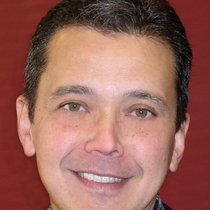 Mark J. Ahn合作论文数Language Technologies Institute,Carnegie Mellon University|Pukana Partners, Ltd5
 Rebecca Bednarek合作论文数Faculty of Commerce and Administration, Victoria University of Wellington4
 Wf Wade合作论文数3
 Pavol Kovac合作论文数3Tami L. Knotts合作论文数3Robert B. Carton合作论文数Terry College of Business, University of Georgia3Anatoly Chernyak合作论文数2sophie dalziel合作论文数2
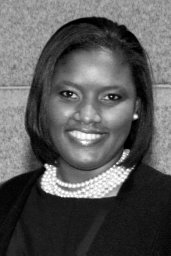 felice williams合作论文数Management & Mkt Dept, Louisiana State Univ Shreveport2christine ross合作论文数2
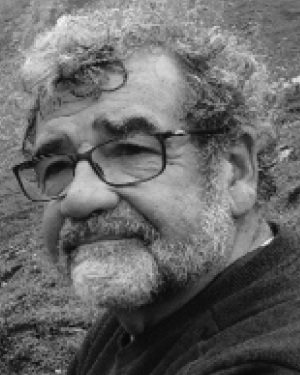 Jeanmichel Fournier合作论文数2
 Pedro Alzari合作论文数Institut Pasteur2Terri K. Wade合作论文数2
 Sally Davenport合作论文数Victoria Management School;Victoria University of Wellington;Victoria Management School, Victoria University of Wellington2
 Gary Dale Meyer合作论文数2Charles W. Hofer合作论文数2
 Heidi M. Neck合作论文数Babson College2Seiichi Kondo合作论文数2
 D.D. Warrick合作论文数1Xingquan Ma合作论文数1
 William Wade合作论文数Centre for Host Microbiome Interactions, King's College London1Kenneth C. Robinson合作论文数1
 Archie B. Carroll合作论文数Department of Management, Terry College of Business, The University of Georgia1Rina Saksena合作论文数1
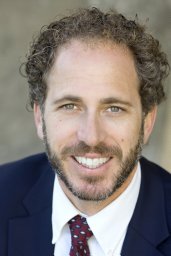 Eric Lamm合作论文数1Thomas J. Kirn合作论文数1
 Sharon Alvarez合作论文数College of Business, Fisher1Amy Oakes Wren合作论文数1




