We examine the complex relationship between genomic copy number variation (CNV) and gene expression, highlighting the relevance to cancer biology and other biological contexts. By tracing the history of genometranscriptome correlations, we emphasize the complexity and challenges in understanding these interactions, particularly within the heterogeneous landscape of human cancers. Recent advances in computational algorithms and high-throughput single-cell multi-omic sequencing technologies are discussed, demonstrating their potential to refine our understanding of cancer biology and their limitations. The integration of genomic and transcriptomic analyses, which offers novel insights into tumor evolution and heterogeneity as well as therapeutic strategies, is presented as a crucial approach for advancing cancer research.
We introduce hybrid BAG-seq: a high-throughput, multi-omic method that simultaneously captures DNA and RNA from single nuclei. We apply this protocol to 65,499 single nuclei from samples of five uterine cancer patients and validate the clustering using RNA-only and DNA-only protocols from the same tissues. Multiple tumor genome or expression clusters are often present within a patient, with different tumor clones projecting into distinct or shared expression states, demonstrating nearly all possible genome-transcriptome correlations. We also identify mutant stroma with significant X chromosome loss in various cell types and patient-specific stromal subtypes exhibiting aberrant expression patterns.
Single-cell genomic analyses can provide information on cellular mutation and tumor heterogeneity, whereas single-cell transcriptomic analyses can distinguish cell types and states. However, the disconnect between genomic and transcriptomic spaces limits our understanding of cancer development. To address this, we developed a novel high-throughput method that simultaneously captures both DNA and RNA from single nuclei and new algorithms for the quantitative clustering and filtering of single-cell data. We applied this hybrid protocol to 65,499 single nuclei extracted from frozen biopsies of five different endometrial cancer patients and separately clustered the genome and expression data. We also analyzed 34,651 and 21,432 nuclei using RNA-only and DNA-only protocols, respectively, from the same samples to verify the clustering. Multiple tumor genome and/or expression clusters were often present within an individual patient, and different tumor clones could project into distinct or shared expression states. Almost all possible genome-transcriptome correlations were observed in the cohort. Stromal clusters were largely shared between patients, but some patients possessed unique stromal components, or mutant stroma with a significant loss of the X chromosome. This study reveals the complex landscape involving genome and transcriptome interactions at single-cell level, and provides new insights into mutant stroma as a potential clinical biomarker.
Studying thousands of families, we find siblings concordant for autism share more of their parental genomes than expected by chance, and discordant siblings share less, consistent with a role of transmission in autism incidence. The excess sharing of the father is highly significant (p value of 0.0014), with less significance for the mother (p value of 0.31). To compare parental sharing, we adjust for differences in meiotic recombination to obtain a p value of 0.15 that they are shared equally. These observations are contrary to certain models in which the mother carries a greater load than the father. Nevertheless, we present models in which greater sharing of the father is observed even though the mother carries a greater load. More generally, our observations of sharing establish quantitative constraints that any complete genetic model of autism must satisfy, and our methods may be applicable to other complex disorders.
Autism arises in high and low-risk families. De novo mutation contributes to autism incidence in low-risk families as there is a higher incidence in the affected of the simplex families than in their unaffected siblings. But the extent of contribution in low-risk families cannot be determined solely from simplex families as they are a mixture of low and high-risk. The rate of de novo mutation in nearly pure populations of high-risk families, the multiplex families, has not previously been rigorously determined. Moreover, rates of de novo mutation have been underestimated from studies based on low resolution microarrays and whole exome sequencing. Here we report on findings from whole genome sequence (WGS) of both simplex families from the Simons Simplex Collection (SSC) and multiplex families from the Autism Genetic Resource Exchange (AGRE). After removing the multiplex samples with excessive cell-line genetic drift, we find that the contribution of de novo mutation in multiplex is significantly smaller than the contribution in simplex. We use WGS to provide high resolution CNV profiles and to analyze more than coding regions, and revise upward the rate in simplex autism due to an excess of de novo events targeting introns. Based on this study, we now estimate that de novo events contribute to 52-67% of cases of autism arising from low risk families, and 30-39% of cases of all autism.
Chromosomal microarray testing is indicated for patients with diagnoses including unexplained developmental delay or intellectual disability, autism spectrum disorders, and multiple congenital anomalies. The short multiply aggregated sequence homologies (SMASH) genomic assay is a novel next-generation sequencing technology that performs copy number analysis at resolution similar to high-coverage whole genome sequencing but requires far less capacity. We benchmarked the performance of SMASH on a panel of genomic DNAs containing known copy number variants (CNVs). SMASH was able to detect pathogenic copy number variants of ≥10 kb in 77 of 77 samples. No pathogenic events were seen in 32 of 32 controls, indicating 100% sensitivity and specificity for detecting pathogenic CNVs >10 kb. Repeatability (interassay precision) and reproducibility (intra-assay precision) were assessed with 13 samples and showed perfect concordance. We also established that SMASH had a limit of detection of 20% for detection of large mosaic CNVs. Finally, we analyzed seven blinded specimens by SMASH analysis and successfully identified all pathogenic events. These results establish the efficacy of the SMASH genomic assay as a clinical test for the detection of pathogenic copy number variants at a resolution comparable to chromosomal microarray analysis.
We introduce a new protocol, mutational sequencing or muSeq, which uses sodium bisulfite to randomly deaminate unmethylated cytosines at a fixed and tunable rate. The muSeq protocol marks each initial template molecule with a unique mutation signature that is present in every copy of the template, and in every fragmented copy of a copy. In the sequenced read data, this signature is observed as a unique pattern of C-to-T or G-to-A nucleotide conversions. Clustering reads with the same conversion pattern enables accurate count and long-range assembly of initial template molecules from short-read sequence data. We explore count and low-error sequencing by profiling 135 000 restriction fragments in a PstI representation, demonstrating that muSeq improves copy number inference and significantly reduces sporadic sequencer error. We explore long-range assembly in the context of cDNA, generating contiguous transcript clusters greater than 3,000 bp in length. The muSeq assemblies reveal transcriptional diversity not observable from short-read data alone.
ABSTRACTWe introduce a new protocol, mutational sequencing or muSeq, which randomly deaminates unmethylated cytosines at a fixed and tunable rate. The muSeq protocol marks each initial template molecule with a unique mutation signature that is present in every copy of the template, and in every fragmented copy of a copy. In the sequenced read data, this signature is observed as a unique pattern of C-to-T or G-to-A nucleotide conversions. Clustering reads with the same conversion pattern enables accurate count and long-range assembly of initial template molecules from short-read sequence data. We explore count and low-error sequencing by profiling a 135,000 fragment PstI representation, demonstrating that muSeq improves copy number inference and significantly reduces sporadic sequencer error. We explore long-range assembly in the context of cDNA, generating contiguous transcript clusters greater than 3,000 bp in length. The muSeq assemblies reveal transcriptional diversity not observable from short-read data alone.
Copy number variants (CNVs) underlie a significant amount of genetic diversity and disease. CNVs can be detected by a number of means, including chromosomal microarray analysis (CMA) and whole-genome sequencing (WGS), but these approaches suffer from either limited resolution (CMA) or are highly expensive for routine screening (both CMA and WGS). As an alternative, we have developed a next-generation sequencing-based method for CNV analysis termed SMASH, for short multiply aggregated sequence homologies. SMASH utilizes random fragmentation of input genomic DNA to create chimeric sequence reads, from which multiple mappable tags can be parsed using maximal almost-unique matches (MAMs). The SMASH tags are then binned and segmented, generating a profile of genomic copy number at the desired resolution. Because fewer reads are necessary relative to WGS to give accurate CNV data, SMASH libraries can be highly multiplexed, allowing large numbers of individuals to be analyzed at low cost. Increased genomic resolution can be achieved by sequencing to higher depth.
As the second most common type of variation in the human genome, insertions and deletions (indels) have been linked to many diseases, but the discovery of indels of more than a few bases in size from short-read sequencing data remains challenging. Scalpel (http://scalpel.sourceforge.net) is an open-source software for reliable indel detection based on the microassembly technique. It has been successfully used to discover mutations in novel candidate genes for autism, and it is extensively used in other large-scale studies of human diseases. This protocol gives an overview of the algorithm and describes how to use Scalpel to perform highly accurate indel calling from whole-genome and whole-exome sequencing data. We provide detailed instructions for an exemplary family-based de novo study, but we also characterize the other two supported modes of operation: single-sample and somatic analysis. Indel normalization, visualization and annotation of the mutations are also illustrated. Using a standard server, indel discovery and characterization in the exonic regions of the example sequencing data can be completed in ∼5 h after read mapping.
We previously computed that genes with de novo (DN) likely gene-disruptive (LGD) mutations in children with autism spectrum disorders (ASD) have high vulnerability: disruptive mutations in many of these genes, the vulnerable autism genes, will have a high likelihood of resulting in ASD. Because individuals with ASD have lower fecundity, such mutations in autism genes would be under strong negative selection pressure. An immediate prediction is that these genes will have a lower LGD load than typical genes in the human gene pool. We confirm this hypothesis in an explicit test by measuring the load of disruptive mutations in whole-exome sequence databases from two cohorts. We use information about mutational load to show that lower and higher intelligence quotients (IQ) affected individuals can be distinguished by the mutational load in their respective gene targets, as well as to help prioritize gene targets by their likelihood of being autism genes. Moreover, we demonstrate that transmission of rare disruptions in genes with a lower LGD load occurs more often to affected offspring; we show transmission originates most often from the mother, and transmission of such variants is seen more often in offspring with lower IQ. A surprising proportion of transmission of these rare events comes from genes expressed in the embryonic brain that show sharply reduced expression shortly after birth.
Congenital heart disease (CHD) patients have an increased prevalence of extracardiac congenital anomalies (CAs) and risk of neurodevelopmental disabilities (NDDs). Exome sequencing of 1213 CHD parent-offspring trios identified an excess of protein-damaging de novo mutations, especially in genes highly expressed in the developing heart and brain. These mutations accounted for 20% of patients with CHD, NDD, and CA but only 2% of patients with isolated CHD. Mutations altered genes involved in morphogenesis, chromatin modification, and transcriptional regulation, including multiple mutations in RBFOX2 , a regulator of mRNA splicing. Genes mutated in other cohorts examined for NDD were enriched in CHD cases, particularly those with coexisting NDD. These findings reveal shared genetic contributions to CHD, NDD, and CA and provide opportunities for improved prognostic assessment and early therapeutic intervention in CHD patients.
Congenital heart disease (CHD) is the most common congenital malformation, with evidence of a strong genetic component. We analyzed data from 223 consecutively ascertained families, each consisting of at least one child affected by a conotruncal defect (CNT) or hypoplastic left heart disease (HLHS) and both parents. The NimbleGen HD2-2.1 comparative genomic hybridization platform was used to identify de novo and rare inherited copy number variants (CNVs). Excluding 10 cases with 22q11.2 DiGeorge deletions, we validated de novo CNVs in 8 % of 148 probands with CNTs, 12.7 % of 71 probands with HLHS and none in 4 probands with both. Only 2 % of control families showed a de novo CNV. We also identified a group of ultra-rare inherited CNVs that occurred de novo in our sample, contained a candidate gene for CHD, recurred in our sample or were present in an affected sibling. We confirmed the contribution to CHD of copy number changes in genes such as GATA4 and NODAL and identified several genes in novel recurrent CNVs that may point to novel CHD candidate loci. We also found CNVs previously associated with highly variable phenotypes and reduced penetrance, such as dup 1q21.1, dup 16p13.11, dup 15q11.2-13, dup 22q11.2, and del 2q23.1. We found that the presence of extra-cardiac anomalies was not related to the frequency of CNVs, and that there was no significant difference in CNV frequency or specificity between the probands with CNT and HLHS. In agreement with other series, we identified likely causal CNVs in 5.6 % of our total sample, half of which were de novo.
BackgroundINDELs, especially those disrupting protein-coding regions of the genome, have been strongly associated with human diseases. However, there are still many errors with INDEL variant calling, driven by library preparation, sequencing biases, and algorithm artifacts.MethodsWe characterized whole genome sequencing (WGS), whole exome sequencing (WES), and PCR-free sequencing data from the same samples to investigate the sources of INDEL errors. We also developed a classification scheme based on the coverage and composition to rank high and low quality INDEL calls. We performed a large-scale validation experiment on 600 loci, and find high-quality INDELs to have a substantially lower error rate than low quality INDELs (7% vs. 51%).ResultsSimulation and experimental data show that assembly based callers are significantly more sensitive and robust for detecting large INDELs (>5bp) than alignment based callers, consistent with published data. The concordance of INDEL detection between WGS and WES is low (52%), and WGS data uniquely identifies 10.8-fold more high-quality INDELs. The validation rate for WGS-specific INDELs is also much higher than that for WES-specific INDELs (85% vs. 54%), and WES misses many large INDELs. In addition, the concordance for INDEL detection between standard WGS and PCR-free sequencing is 71%, and standard WGS data uniquely identifies 6.3-fold more low-quality INDELs. Furthermore, accurate detection with Scalpel of heterozygous INDELs requires 1.2-fold higher coverage than that for homozygous INDELs. Lastly, homopolymer A/T INDELs are a major source of low-quality INDEL calls, and they are highly enriched in the WES data.ConclusionsOverall, we show that accuracy of INDEL detection with WGS is much greater than WES even in the targeted region. We calculated that 60X WGS depth of coverage from the HiSeq platform is needed to recover 95% of INDELs detected by Scalpel. While this is higher than current sequencing practice, the deeper coverage may save total project costs because of the greater accuracy and sensitivity. Finally, we investigate sources of INDEL errors (e.g. capture deficiency, PCR amplification, homopolymers) with various data that will serve as a guideline to effectively reduce INDEL errors in genome sequencing.
Rationale : Congenital heart disease (CHD) is among the most common birth defects. Most cases are of unknown pathogenesis. Objective : To determine the contribution of de novo copy number variants (CNVs) in the pathogenesis of sporadic CHD. Methods and Results : We studied 538 CHD trios using genome-wide dense single nucleotide polymorphism arrays and whole exome sequencing. Results were experimentally validated using digital droplet polymerase chain reaction. We compared validated CNVs in CHD cases with CNVs in 1301 healthy control trios. The 2 complementary high-resolution technologies identified 63 validated de novo CNVs in 51 CHD cases. A significant increase in CNV burden was observed when comparing CHD trios with healthy trios, using either single nucleotide polymorphism array ( P =7×10 −5 ; odds ratio, 4.6) or whole exome sequencing data ( P =6×10 −4 ; odds ratio, 3.5) and remained after removing 16% of de novo CNV loci previously reported as pathogenic ( P =0.02; odds ratio, 2.7). We observed recurrent de novo CNVs on 15q11.2 encompassing CYFIP1, NIPA1 , and NIPA2 and single de novo CNVs encompassing DUSP1, JUN, JUP, MED15, MED9, PTPRE SREBF1, TOP2A , and ZEB2 , genes that interact with established CHD proteins NKX2-5 and GATA4 . Integrating de novo variants in whole exome sequencing and CNV data suggests that ETS1 is the pathogenic gene altered by 11q24.2-q25 deletions in Jacobsen syndrome and that CTBP2 is the pathogenic gene in 10q subtelomeric deletions. Conclusions : We demonstrate a significantly increased frequency of rare de novo CNVs in CHD patients compared with healthy controls and suggest several novel genetic loci for CHD.
Whole exome sequencing has proven to be a powerful tool for understanding the genetic architecture of human disease. Here we apply it to more than 2,500 simplex families, each having a child with an autistic spectrum disorder. By comparing affected to unaffected siblings, we show that 13% of de novo missense mutations and 43% of de novo likely gene-disrupting (LGD) mutations contribute to 12% and 9% of diagnoses, respectively. Including copy number variants, coding de novo mutations contribute to about 30% of all simplex and 45% of female diagnoses. Almost all LGD mutations occur opposite wild-type alleles. LGD targets in affected females significantly overlap the targets in males of lower intelligence quotient (IQ), but neither overlaps significantly with targets in males of higher IQ. We estimate that LGD mutation in about 400 genes can contribute to the joint class of affected females and males of lower IQ, with an overlapping and similar number of genes vulnerable to contributory missense mutation. LGD targets in the joint class overlap with published targets for intellectual disability and schizophrenia, and are enriched for chromatin modifiers, FMRP-associated genes and embryonically expressed genes. Most of the significance for the latter comes from affected females.
The identification of the genetic components of autism spectrum disorders (ASDs) has advanced rapidly in recent years, particularly with the demonstration of de novo mutations as an important source of causality. We review these developments in light of genetic models for ASDs. We consider the number of genetic loci that underlie ASDs and the relative contributions from different mutational classes, and we discuss possible mechanisms by which these mutations might lead to dysfunction. We update the two-class risk genetic model for autism, especially in regard to children with high intelligence quotients.
Although heritable factors are an important determinant of risk of early-onset cancer, the majority of these malignancies appear to occur sporadically without identifiable risk factors. Germ line de novo copy-number variations (CNVs) have been observed in sporadic neuro-cognitive and cardiovascular disorders. We explored this mechanism in 382 genomes of 116 early-onset cancer case-parent trios and unaffected siblings. Unique de novo germline CNVs were not observed in 107 breast or colon cancer trios or controls but were indeed found in 7% of 43 testicular germ cell tumor trios; this percentage exceeds background CNV rates and suggests a rare de novo genetic paradigm for susceptibility to some human malignancies.
Exome sequencing of 343 families, each with a single child on the autism spectrum and at least one unaffected sibling, reveal de novo small indels and point substitutions, which come mostly from the paternal line in an age-dependent manner. We do not see significantly greater numbers of de novo missense mutations in affected versus unaffected children, but gene-disrupting mutations (nonsense, splice site, and frame shifts) are twice as frequent, 59 to 28. Based on this differential and the number of recurrent and total targets of gene disruption found in our and similar studies, we estimate between 350 and 400 autism susceptibility genes. Many of the disrupted genes in these studies are associated with the fragile X protein, FMRP, reinforcing links between autism and synaptic plasticity. We find FMRP-associated genes are under greater purifying selection than the remainder of genes and suggest they are especially dosage-sensitive targets of cognitive disorders.
Genomic copy number variation underlies genetic disorders such as autism, schizophrenia, and congenital heart disease. Copy number variations are commonly detected by array based comparative genomic hybridization of sample to reference DNAs, but probe and operational variables combine to create correlated system noise that degrades detection of genetic events. To correct for this we have explored hybridizations in which no genetic signal is expected, namely "self-self" hybridizations (SSH) comparing DNAs from the same genome. We show that SSH trap a variety of correlated system noise present also in sample-reference (test) data. Through singular value decomposition of SSH, we are able to determine the principal components (PCs) of this noise. The PCs themselves offer deep insights into the sources of noise, and facilitate detection of artifacts. We present evidence that linear and piecewise linear correction of test data with the PCs does not introduce detectable spurious signal, yet improves signal-to-noise metrics, reduces false positives, and facilitates copy number determination.
 Michael Wigler合作论文数Cold Spring Harbor Laboratory18
 Dan Levy合作论文数Harvard Medical School;Beth Israel Deaconess Medical Center15
 Ivan Iossifov合作论文数Cold Spring Harbor Laboratory;New York Genome Center12
 boris yamrom合作论文数10Jude Kendall合作论文数10Yoon-ha Lee合作论文数10
 Zihua Wang (王子华)合作论文数7Peter Andrews合作论文数School of Biosciences, University of Sheffield7Anthony Leotta合作论文数7Julie Rosenbaum合作论文数6
 Qian K. Ye合作论文数Department of Epidemiology & Population Health, Albert Einstein College of Medicine6
 Rob Martienssen合作论文数Martienssen Laboratory, Cold Spring Harbor Laboratory5Hakker Inessa合作论文数4
 Michael Schatz合作论文数Department of Computer Science, Whiting School of Engineering, Johns Hopkins University;Cold Spring Harbor Laboratory4
 Giuseppe Narzisi合作论文数New York Genome Center4Steven Marks合作论文数3Diane Esposito合作论文数3Linda Rodgers合作论文数3Yoon Seungtai合作论文数3
 Matthew W. Vaughn合作论文数Cold Spring Harbor Laboratory3
 Wendy Chung合作论文数Department of Pediatrics, Columbia University;Division of Genetics and Genomics, Boston Children’s Hospital;Harvard Medical School3Beicong Ma合作论文数3Vaidehi Jobanputra合作论文数3
 Stephan Sanders合作论文数Department of Psychiatry and Behavioral Sciences, Weill Institute for Neurosciences, University of California San Francisco;School of Medicine, University of California San Francisco;University of Oxford3Nissim Ranade合作论文数2Joan Alexander合作论文数2Ewa Grabowska合作论文数2Kith Pradhan合作论文数2Siran Li合作论文数2
 Han Fang合作论文数Cold Spring Harbor Lab, Simons Ctr Quantitat Biol, POB 100, Cold Spring Harbor, NY 11724 USA2Rong Ma合作论文数2Jonathan R Kaltman合作论文数2
 Martina Brueckner合作论文数Molecular Cell Biology, Genetics, and Development, Biological & Biomedical Sciences, Yale University2
 Andreas Buja合作论文数Statistics Department, The Wharton School, University of Pennsylvania2
 Abba M. Krieger合作论文数Department of Statistics and Data Science, The Wharton School, University of Pennsylvania2
 Badri N. Vardarajan合作论文数Vagelos College of Physicians & Surgeons, Columbia University Irving Medical Center2
 Zachary Lippman合作论文数Cold Spring Harbor Laboratory;Howard Hughes Medical Institute2Jason O'Rawe合作论文数2
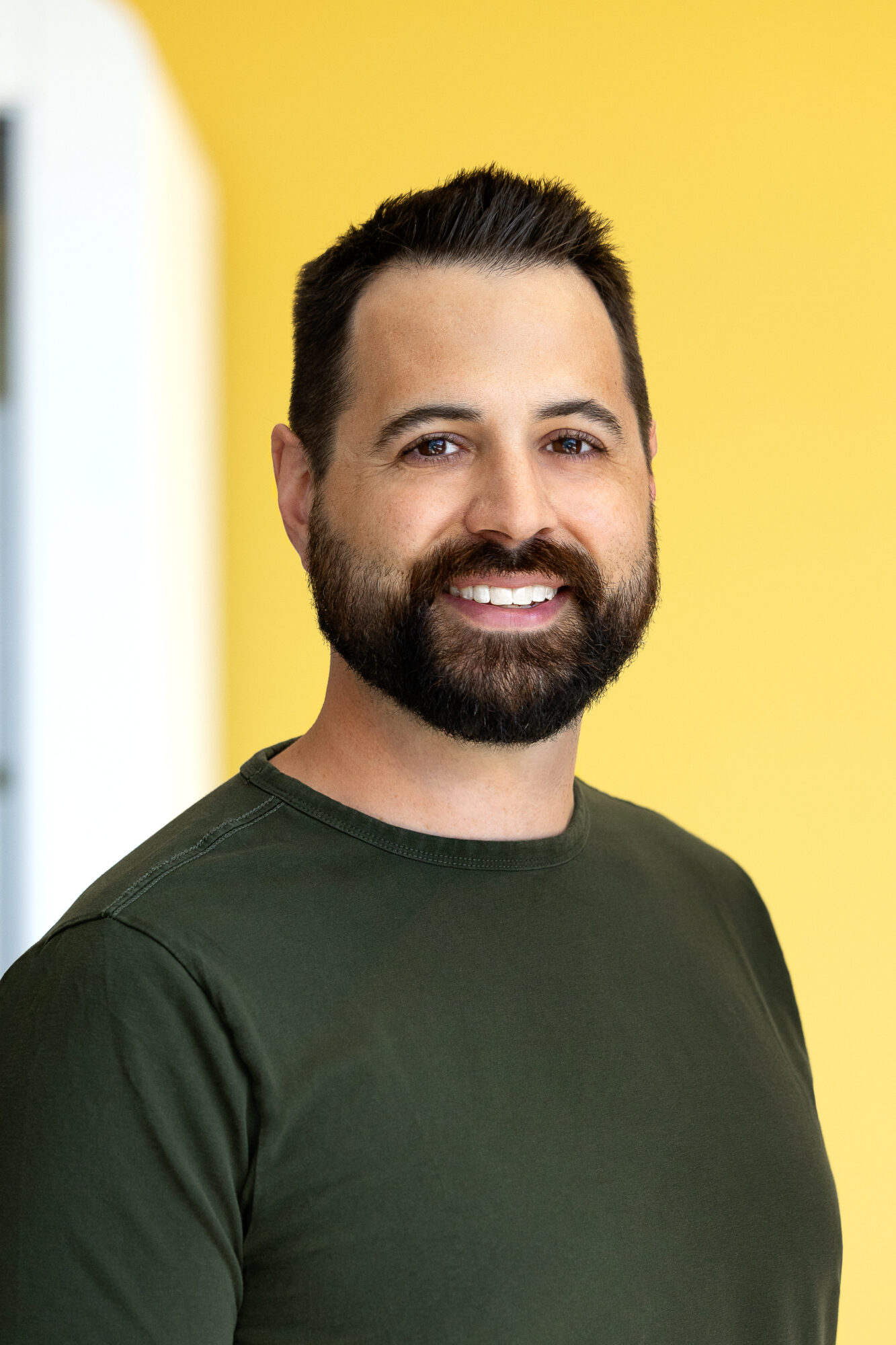 Jeremy Willsey合作论文数Calico Life Sciences;University of California, San Francisco2
 Barrón Laura T Jimenez合作论文数Cold Spring Harbor Laboratory, Stanley Institute for Cognitive Genomics;Centro de Ciencias Genomicas, Universidad Nacional Autonoma de Mexico;Stanley Institute for Cognitive Genomics, Universidad Nacional Autonoma de Mexico2Homsy Jason G合作论文数From the Center for Applied Genomics (J.T.G., R.G., H.H.),, Children's Hospital of Philadelphia;Department of Pediatrics, University of Pennsylvania Perelman School of Medicine;Department of Genetics, Harvard Medical School;Cardiovascular Research Center, Massachusetts General Hospital;Mindich Child Health and Development Institute, Icahn School of Medicine at Mount Sinai;and Department of Pediatrics and Medicine (W.K.C.),, Columbia University Medical Center;Department of Pediatrics (M.B.), and Department of Medicine (R.L.),, Yale University;Department of Psychiatry, University of California, San;Cold Spring Harbor Laboratory;and Department of Cardiovascular Sciences, National Heart, Lung, and Blood Institute (NHLBI),2
 Kumar Vijay合作论文数Department of Neurology, Sanjay Gandhi Post Graduate Medical Sciences, Raebareily Road, Lucknow 226014, India.2
 Elizabeth Goldmuntz合作论文数Pediatrics, Children's Hospital of Philadelphia;Abramson Research Center, Division of Cardiology, The Children's Hospital of Philadelphia;Department of Pediatrics, Perelman School of Medicine, University of Pennsylvania2Forcier Talitha合作论文数2
 Yufeng Shen合作论文数Columbia University2
 Bruce D. Gelb合作论文数Departments of Pediatrics and Human Genetics,Mount Sinai School of Medicine2Bruce May合作论文数2
 Lakshmi Balasubramanian合作论文数Department of Physics;Northeastern University;Department of Physics, Northeastern University2
 Matthew W. State合作论文数Weill Institute for Neurosciences, University of California, San Francisco;Langley Porter Psychiatric Institute, Department of Psychiatry and Behavioral Sciences, University of California, San Francisco2




