Background: Post-cardiopulmonary bypass (CPB) blood processing is an important component of blood management during cardiac surgery. Purpose: The purpose of this study is to evaluate several methods of processing post-CPB residual blood. Research Design: Using a multi-institutional national database (SpecialtyCare Operative Procedural rEgistry [SCOPE]), 77,591 cardiac surgical operations performed in adults (>18 years) between January 2017 and September 2022 were reviewed. Study Sample: Blood processing methods included: Cell washing (CW, n = 63,592), Ultrafiltration (UF, n = 6286), Whole blood (WB, n = 3749), Hemobag (HB, n = 2480), and No processing (NO, n = 1484). The primary outcome was intraoperative post-CPB allogenic red blood cell (RBC) transfusion. Data Analysis: Group differences in RBC transfusion were assessed using a Bayesian mixed-effects logistic regression model controlling for multiple operative variables. Results: Across blood processing groups, patients had similar ages, body mass index and surgical procedures performed as well as preoperative hematocrit and nadir operative hematocrit. Median hematocrit change from last-in-operating room to first-in-ICU were highest in UF and HB groups (3.0 [IQR = 2.0-4.8] and 2.5 [IQR = 0.4-5.0]), respectively. The model-predicted probability of intraoperative post-CPB RBC transfusion was lowest in the HB group (0.79% [95% CrI = 0.37%-1.26%]), and highest in NO group (2.12% [95% CrI = 1.47%-2.82%]). Relative to CW, the odds of RBC transfusion for HB cases were reduced by half (OR = 0.5 [95% CrI = 0.28-0.89], statistical reliability = 99.1%), while odds for NO were 1.41 greater (OR = 1.41 [95% CrI = 1.03-1.93], statistical reliability = 98.2%). Conclusions: Post-CPB blood processing affects the likelihood for both receiving an intraoperative post-CPB RBC transfusion and for hematocrit change, with HB use resulting in the lowest predicted risk for transfusion, and NO the highest.
Background Ultrafiltration (UF) is a common practice during cardiopulmonary bypass (CPB) where it is used as a blood management strategy to reduce red blood cell (RBC) transfusion, minimize adverse effects of hemodilution, and reduce proinflammatory mediators. However, its clinical utilization has been shown to vary throughout the continents. Purpose The purpose of this investigation was to assess the distribution of UF use across the United States. Data Collection Data on UF use during cardiac surgery was obtained from a national (United States) perfusion database for adult cardiac procedures performed from January 2016 through December 2018. Study Sample Four geographical regions were established: Northeast (NE), South (SO), Midwest (MW) and West (WE). The primary endpoint was the use of UF with secondary endpoints UF volume, CPB and anesthesia asanguineous volumes, intraoperative allogeneic RBC transfusion, nadir hematocrit and urine output (UO). 92,859 adult cardiac cases from 191 hospitals were reviewed. Results The NE and the WE had similar usages of UF (59.9% and 59.7% respectively), which were higher than the MW and the SO (38.6% and 34.9%, p < .001). When UF was utilized, the median [IQR] volume removed was highest in the NE (1900 [1200-2800]mL), and similar in all other regions (WE 1500 [850-2400 mL, MW 1500 [900-2300]mL and SO 1500 [950-2200]mL, p < .001. Median total UO was lowest in the NE 400 [210,650]mL vs all other regions ( p < .001), and remained so when indexed by patient weight and operative time (NE-0.8 [0.5, 1.3]mL/kg/hour, MW-1.1 [0.7, 1.8] mL/kg/hour, SO-1.3 [0.8, 2.0]mL/kg/hour, WE-1.1 [0.7, 1.3]mL/kg/hour, p < .001. Intraoperative RBC transfusion rate was highest in the SO (21.3%) and WE (20.5%), while similar rates seen in the NE (16.2%) and MW (17.6%), p < .001. Conclusions Across the United States there is geographic variation on the use of UF. Further research is warranted to investigate why these practice variations exist and to better understand and determine their reasons for use.
Staphylococcus aureus nasal carriers were randomized (1:1) to XF-73 or placebo nasal gel, administered 5x over ∼24hrs pre-cardiac surgery. S. aureus burden rapidly decreased after 2 doses (-2.2log10 CFU/mL; placebo -0.01log10 CFU/mL) and was maintained to 6 days post-surgery. Among XF-73 patients, 46.5% received post-operative anti-staphylococcal antibiotics versus 70% in placebo (P = 0.045).
ECMO is an established therapy to support the acutely failing lungs and/or heart. It provides physiologic stabilization, oxygenation, and ventilatory support of the patient while definitive therapies allow for recovery. ECMO is a resource-intensive therapy that requires close collaboration of an extensive multidisciplinary team of providers. Despite growing experiences, better tools for patient selection and protocols for management, and advances in technologies to overcome some of the challenges of supporting a patient on an extracorporeal circuit, outcomes are still less than ideal. Without a doubt, early initiation of therapy can reduce the risk of irreversible end-organ damage while promoting recovery, but patient selection remains a challenge. Many of the complexities, controversies, and management difficulties associated with ECMO still need to be addressed before there is a broader adoption of this therapy as a first-line tool in the management of critically ill patients.
State-of-the-art large-bore vascular access for percutaneous mechanical circulatory sup-port: planning and preparation, vascular access and closure, device insertion and removal, and future outlook. (c) 2023 Elsevier Inc. All rights reserved. (Am J Cardiol 2023;206:262-276)
We studied 83 cardiac-surgery patients with nasal S. aureus carriage who received 4 intranasal administrations of XF-73 nasal gel or placebo <24 hours before surgery. One hour before surgery, patients exhibited a S. aureus nasal carriage reduction of 2.5 log(10) with XF-73 compared to 0.4 log(10) CFU/mL for those who received placebo (95% CI, -2.7 to -1.5; P < .0001).
•Bleeding and vascular access complications are associated with increased patient morbidity and mortality. •Procedural and device-related factors may optimize large-bore vascular access, management, removal, and closure. •Randomized controlled trials evaluating mechanical circulatory support device safety and efficacy in cardiogenic shock and high-risk percutaneous coronary intervention are needed. The number of large-bore femoral arterial procedures has increased significantly over the past decade, in part, because of the increasing use of mechanical circulatory support for cardiogenic shock and high-risk, complex, percutaneous coronary interventions. Access-related bleeding and vascular complications remain frequent and are associated with morbidity and mortality. The risk for bleeding and vascular complications increases with larger devices and delivery sheath sizes. Contemporary vascular access and closure techniques and indwelling device management strategies, when used in a systematic and standardized approach, may reduce these complications. In this article, we discussed the optimal planning, preparation, and procedural techniques for large-bore femoral vascular access, indwelling device management, safe device removal and percutaneous arteriotomy closure, complication prevention and management, and future clinical and research directions. In conclusion, this review represents a collaborative step-by-step approach of the investigators’ recommended contemporary practices, including practical “tips and tricks” for operators using percutaneous mechanical circulatory support devices. State-of-the-art large-bore vascular access for percutaneous mechanical circulatory support: planning and preparation, vascular access and closure, device insertion and removal, and future outlook. State-of-the-art large-bore vascular access for percutaneous mechanical circulatory support: planning and preparation, vascular access and closure, device insertion and removal, and future outlook.
Targeted oxygen delivery during cardiopulmonary bypass (CPB) has received significant attention due to its influence on patient outcomes, especially in mitigating acute kidney injury. While it has gained popularity in select institutions, there remains a gap in establishing it globally across multiple centers. The purpose of this investigation was to describe the development of a quality improvement process of targeted oxygen delivery during CPB across hospitals throughout the United States. A systematic approach to utilize oxygen delivery index (DO2i) as a key performance indicator within hospitals serviced by a national provider of perfusion services. The process included a review of the current literature on DO2i, which yielded a target nadir value (272 mL/min/m2) and an area under the curve (DO2i272AUC) cut off of 632. All data is displayed on a dashboard with results categorized across multiple levels from system-wide to individual clinician performance. From January 2020 through December 2022, DO2i data from 91 hospitals and 11,165 coronary artery bypass graft procedures were collected. During this period the monthly proportion of DO2i measurements above the target nadir DO2i272 ranged from 60.5% to 78.4% with a mean+/-SD of 70.8 +/- 4.2%. Binary logistic regression for the first 7 months following monthly DO2i performance reporting has shown a statistically significant positive linear trend in the probability of achieving the target DO2i272 (p < .001), with a crude increase of approximately 7.8% for DO2i272AUC, and a 73.8% success rate (p < .001). A survey was sent to all individuals measuring oxygen delivery during CPB to assess why a target DO2i272 could not be reached. The two most common responses were an 'inability to improve CPB flow rates' and 'restrictive allogeneic red blood cell transfusion policies'. This study demonstrates that targeting a minimum level of oxygen delivery can serve as a key performance indicator during CPB using a structured quality improvement process.
The securitySecurity, anonymity, speed, and accessibility of blockchainChain technologyTechnology has the potential to help the medical scientific community create a dynamic consensus protocolProtocol that can rapidly adapt to today’s changing social, scientific, and political landscape. Unchecked medical misinformationMisinformation has been a serious problem during the coronavirus disease 2019 (COVID-19)COVID-19 pandemicPandemic and has hindered the implementation of effective medical and public healthPublic health measures. BlockchainChain technologyTechnology will facilitate a scientific consensus among members of the scientific community regarding which scientific claims constitute a scientific fact, and lead to publicPublic transparencyTransparency of such discourses now and in future exigencies. Therein mitigating the spreadSpread of unchecked medical misinformationMisinformation that can result in both serious and unpredictable consequences to a societySociety.
Extracorporeal membrane oxygenation (ECMO) is used in critically ill patients with coronavirus disease 2019 (COVID-19) with acute respiratory distress syndrome unresponsive to other interventions. However, a COVID-19 infection may result in a differential tolerance to both medical treatment and ECMO management. The aim of this study was to compare outcomes (mortality, organ failure, circuit complications) in patients on ECMO with and without COVID-19 infection, either by venovenous (VV) or venoarterial (VA) cannulation. This is a multicenter, retrospective analysis of a national database of patients placed on ECMO between May 2020 and January 2022 within the United States. Nine-hundred thirty patients were classified as either Pulmonary (PULM, n = 206), Cardiac (CARD, n = 279) or COVID-19 (COVID, n = 445). Patients were younger in COVID groups: PULM = 48.4 ± 15.8 years versus COVID = 44.9 ± 12.3 years, p = 0.006, and CARD = 57.9 ± 15.4 versus COVID = 46.5 ± 11.8 years, p < 0.001. Total hours on ECMO were greatest for COVID patients with a median support time two-times higher for VV support (365 [101, 657] hours vs 183 [63, 361], p < 0.001), and three times longer for VA support (212 [99, 566] hours vs 70 [17, 159], p < 0.001). Mortality was highest for COVID patients for both cannulation types (VA-70% vs 51% in CARD, p = 0.041, and VV-59% vs PULM-42%, p < 0.001). For VA supported patients hepatic failure was more often seen with COVID patients, while for VV support renal failure was higher. Circuit complications were more frequent in the COVID group as compared to both CARD and PULM with significantly higher circuit change-outs, circuit thromboses and oxygenator failures. Anticoagulation with direct thrombin inhibitors was used more often in COVID compared to both CARD (31% vs 10%, p = 0.002) and PULM (43% vs 15%, p < 0.001) groups. This multicenter observational study has shown that COVID patients on ECMO had higher support times, greater hospital mortality and higher circuit complications, when compared to patients managed for either cardiac or pulmonary lesions.
As the world continues to adapter to the complexComplex challengesChallenge that have evolved as a consequence of the COVID-19COVID-19 pandemicPandemic—and the efforts used to minimize viral spreadSpread, the idea of an immunity passportImmunity passport has evolved to allowAllow for those to can demonstrate they present minimal riskRisk of transmissionTransmission (or acquiring) of disease while allowing for resumption of social interactions and activities. CoronavirusCoronavirus immunity passportsImmunity passport, much like conventional visasVisa and passportsPassport, and existing vaccinationVaccination recordsRecord that are often requiredRequired for social interactions (travelTravel, attending schoolSchool, healthcareHealthcare employment, etc.), are currently being developed. However, as we hope to address in this chapterChapter, there are extensive challengesChallenge to successful globalGlobal implementation. In addition to socio-economic challengesChallenge, there are substantial concerns of individualIndividual privacyPrivacy, integrityIntegrity and accuracy of the dataData especially in the context of known biology of infectionInfection, viral mutation, and humanHuman immune systemImmune system functionFunctions, costsCosts, and overall practical feasibility. The use of blockchainBlockchain technologiesTechnology, as we discuss, might help address some of these challengesChallenge and allowAllow for successful widespread acceptance and use. Systemic and processesProcess that combine the technologiesTechnology and benefitsBenefit of a blockchainBlockchain with the scientific principlesPrinciple vaccinationVaccination and immune biology might reflect the ideal approach to this globalGlobal problem.
The coronavirus disease 2019 (COVID-19) pandemic continues to disrupt the provision of cardiac procedural services due to overwhelming interval surges in COVID-19 cases and the associated crisis of cardiac intervention deferment. Despite the availability of widespread testing, highly efficacious vaccines, and intensive public health efforts, the pandemic is entering its third year, where new severe acute respiratory syndrome-coronavirus-2 variants have increased the likelihood that patients scheduled for a cardiac intervention will contract COVID-19 in the perioperative period. The Society of Thoracic Surgeons (STS) Workforce on Critical Care, the STS Workforce on Adult Cardiac and Vascular Sur-gery, and the Canadian Society of Cardiac Surgeons have developed this document, endorsed by the STS and affirmed by the Society of Cardiovascular Angiography and Interventions and the Canadian Association of Interventional Cardi-ology, to provide guidance for cardiac procedure deferment and intervention timing for preoperative patients diagnosed with COVID-19. This document is intended for the perioperative cardiac surgical team and outlines the present state of the pandemic, the impact of COVID-19 on intervention outcome, and offers a recommended algorithm for individualized cardiac procedure triage and timing. (Ann Thorac Surg 2022;114:387-93) (c) 2022 by The Society of Thoracic Surgeons
BACKGROUND:We reviewed our experience with 505 patients with confirmed coronavirus disease-2019 (COVID-19) supported with extracorporeal membrane oxygenation (ECMO) at 45 hospitals and estimated risk factors for mortality. METHODS:A multi-institutional database was created and used to assess all patients with COVID-19 who were supported with ECMO. A Bayesian mixed-effects logistic regression model was estimated to assess the effect on survival of multiple potential risk factors for mortality, including age at cannulation for ECMO as well as days between diagnosis of COVID-19 and intubation and days between intubation and cannulation for ECMO. RESULTS:Median time on ECMO was 18 days (interquartile range, 10-29 days). All 505 patients separated from ECMO: 194 patients (38.4%) survived and 311 patients (61.6%) died. Survival with venovenous ECMO was 184 of 466 patients (39.5%), and survival with venoarterial ECMO was 8 of 30 patients (26.7%). Survivors had lower median age (44 vs 51 years, P < .001) and shorter median time interval from diagnosis to intubation (7 vs 11 days, P = .001). Adjusting for several confounding factors, we estimated that an ECMO patient intubated on day 14 after the diagnosis of COVID-19 vs day 4 had a relative odds of survival of 0.65 (95% credible interval, 0.44-0.96; posterior probability of negative effect, 98.5%). Age was also negatively associated with survival: relative to a 38-year-old patient, we estimated that a 57-year-old patient had a relative odds of survival of 0.43 (95% credible interval, 0.30-0.61; posterior probability of negative effect, >99.99%). CONCLUSIONS:ECMO facilitates salvage and survival of select critically ill patients with COVID-19. Survivors tend to be younger and have shorter time from diagnosis to intubation. Survival of patients supported with only venovenous ECMO was 39.5%.
The treatment of left main (LM) coronary artery disease (CAD) requires complex decision-making. Recent clinical practice guidelines provide clinicians with guidance; however, decisions regarding treatment for individual patients can still be difficult. The American College of Cardiology's Cardiac Surgery Team and Interventional Council joined together to develop a practical approach to the treatment of LM CAD, taking into account randomized clinical trial, meta-analyses, and clinical practice guidelines. The various presentations of LM CAD based on anatomy and physiology are presented. Recognizing the complexity of LM CAD, which rarely presents isolated and is often in combination with multivessel disease, a treatment algorithm with medical therapy alone or in conjunction with percutaneous coronary intervention or coronary artery bypass grafting is proposed. A heart team approach is recommended that accounts for clinical, procedural, operator, and institutional factors, and features shared decision-making that meets the needs and preferences of each patient and their specific clinical situation.
As the COVID-19 pandemic continued to fade, first glimpses of “post-pandemic normal” began to emerge in the late 2021 and early 2022. This new hope came with a positive new momentum – an opportunity to transform and reinvent. Yet given a high degree of uncertainty extending well into 2022, the American College of Academic International Medicine made a strategic decision in the late 2021 to move forward with Virtual 7th Annual Congress and Scientific Forum (AIM 2022). The theme of this year's meeting was “Building a Stronger Future” and reflected the early post-pandemic optimism. Primary organization of the meeting was facilitated by the Sarasota Memorial Health Care System, Sarasota, Florida, with substantial contributions provided by Northwell Health, Long Island, New York. The Scientific Forum once again took place virtually, enabling participants from around the globe to present their research. A summary of these efforts and outcomes is provided in this article. The following core competencies are addressed in this article: Interpersonal and communication skills, Professionalism, Practice-based learning and improvement, Systems based practice.
 Stanislaw P. Stawicki合作论文数Department of Research and Innovation, St. Luke's University Health Network52
 Thomas Papadimos合作论文数Department of Anesthesiology, College of Medicine and Life Sciences, University of Toledo42
 Chittoor B Sai-Sudhakar合作论文数29
 Sagar Galwankar合作论文数24
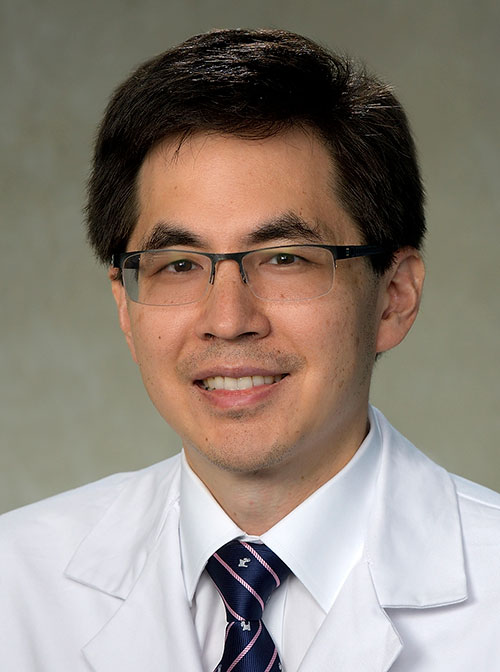 Benjamin C. Sun合作论文数Department of Emergency Medicine, Perelman School of Medicine, University of Pennsylvania23
 Juan A. Crestanello合作论文数Division of Cardiothoracic Surgery, Allegheny University Hospitals21Blais Danielle M合作论文数19
 Manish Garg合作论文数18
 Erik Abel合作论文数18John Sirak合作论文数15Donald Jeanmonod合作论文数12Lorenzo Paladino合作论文数12
 Tesdahl Eric合作论文数11
 Rebecca Jeanmonod合作论文数10Stammers Alfred H合作论文数10
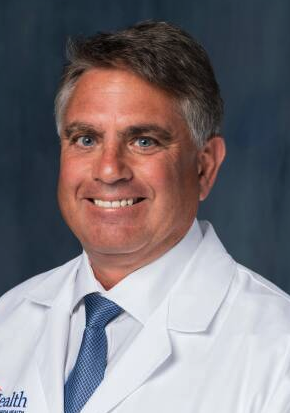 Jeffrey P Jacobs合作论文数Department of Surgery, College of Medicine, University of Florida Health;Congenital Heart Center, College of Medicine, University of Florida Health;Shands Children's Hospital, University of Florida Health10Julie E. Mangino合作论文数10
 Bonnie Arquilla合作论文数Downstate Medical Center, State University of New York10Louis B Louis合作论文数9Kirti Patel合作论文数9Harry L. Anderson合作论文数9
 Mamta Swaroop合作论文数9
 Bhakti Hansoti合作论文数Department of Otolaryngology-Head and Neck Surgery, School of Medicine, Johns Hopkins University8
 Ricardo Izurieta合作论文数Department of Global Health, College of Public Health, University of South Florida;Biomedicine Center, Central University of Ecuador8
 Richard P Sharpe合作论文数8
 Linda B Mongero合作论文数8Robert Higgins合作论文数7
 Gregory Peck合作论文数Department of Surgery, Rutgers Robert Wood Johnson Medical School;Department of Health Behavior, Society, and Policy, Rutgers School of Public Health;New Jersey Alliance for Clinical and Translational Science;Rutgers School of Public Health, Rutgers Robert Wood Johnson Medical School7
 Sudip Nanda合作论文数7Sarah Eapen合作论文数6Jennifer Hanna合作论文数6
 James Orlando合作论文数6
 Dianne McCallister合作论文数6Ijeoma Nnodim Opara合作论文数6Raman S V合作论文数6De Wulf Annelies合作论文数Department of Emergency Medicine, SUNY Downstate Medical Center6Bloem Christina M合作论文数6GARY PHILLIPS合作论文数6
 Susan Moffatt-Bruce合作论文数Royal College of Physicians and Surgeons of Canada;Ohio State University College of Medicine;Center for Lean Healthcare Research, Ohio State University Fisher College of Business;Division of Thoracic Surgery, Department of Surgery, Ohio State University Wexner Medical Center6
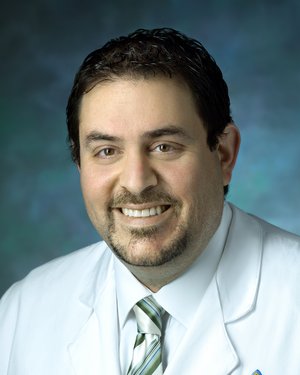 Joseph Victor Sakran合作论文数Department of Surgery, School of Medicine, Johns Hopkins University5Gracias Vicente H合作论文数5Tripathi Ravi S合作论文数5
 Jeremiah A Hayanga合作论文数1 Spectrum Health;Lung Transplantation Program, Grand Rapids, MI, USA;2 Department of Cardiothoracic Surgery, University of Pittsburgh Medical Center;2 Department of Cardiothoracic Surgery, University of Pittsburgh Medical Center5
 Richard G. Trohman合作论文数Division of Cardiology, Rush University Medical Center5Anthony K. Sestokas合作论文数5Ziad C. Sifri合作论文数University of Medicine and Dentistry of New Jersey–New Jersey Medical School, University Hospital M-2435
 James D St Louis合作论文数5Bethany Malone合作论文数4Tom Coley合作论文数4




