Pathogenic DEGS1 variants have been reported in individuals with autosomal recessive hypomyelinating leukodystrophy 18 (HLD18; MIM# 618404). Here we describe three participants with HLD features and a previously unreported homozygous DEGS1 5′ splice site variant, c.825+4_825 + 5delAGinsTT (NM_003676.4). We used next-generation DNA and transcriptome sequencing, cell-based splicing assays, and tandem mass spectrometry to detect and characterize the variant’s impact on DEGS1 expression. We then performed RNA structure probing and conventional antisense oligonucleotide screening to investigate molecular mechanisms for potential therapeutic intervention. We show that the splice site variant: (1) was sufficient to induce exon two skipping in most detected transcripts; (2) resulted in structural changes to the 5′ and 3′ splice site regions using RNA structure probing; and (3) corresponds to plasma sphingolipid profiles consistent with loss of sphingolipid delta(4)-desaturase activity. Our RNA and lipidomic evidence proved that the DEGS1 variant c.825+4_825 + 5delAGinsTT is pathogenic and suggested a mechanistic model that explains how exon two skipping is induced.
Most cancers upregulate the telomere lengthening enzyme telomerase to achieve unlimited cell division. How chemotherapeutic nucleoside 6-thio-2'-deoxyguanosine (6-thio-dG) targets telomerase to inhibit telomere maintenance in cancer cells and tumors was unclear. Here, we demonstrate that telomerase insertion of 6-thio-dGTP prevents synthesis of additional telomeric repeats but does not disrupt telomerase binding to telomeres. Specifically, 6-thio-dG inhibits telomere extension after telomerase translocates along its product DNA to reposition the template, inducing a non-productive complex rather than enzyme dissociation. Furthermore, we provide direct evidence that 6-thio-dG treatment inhibits telomere synthesis by telomerase in cancer cells. In agreement, telomerase-expressing cancer cells harboring critically short telomeres are more sensitive to 6-thio-dG and show a greater induction of telomere losses compared to cancer cells with long telomere reserves. Our studies reveal that telomere length and telomerase status determine 6-thio-dG sensitivity and uncover the molecular mechanism by which 6-thio-dG selectively inhibits telomerase synthesis of telomeric DNA.
Biogenesis of human telomerase requires its RNA subunit (hTR) to fold into a multi-domain architecture that includes the template-pseudoknot (t/PK) and the three-way junction (CR4/5). These hTR domains bind the telomerase reverse transcriptase (hTERT) protein and are essential for telomerase activity. Here, we probe hTR structure in living cells using dimethyl sulfate mutational profiling with sequencing (DMS-MaPseq) and ensemble deconvolution analysis. Approximately 15% of the steady state population of hTR has a CR4/5 conformation lacking features required for hTERT binding. The proportion of hTR CR4/5 folded into the primary functional conformation is independent of hTERT expression levels. Mutations that stabilize the alternative CR4/5 conformation are detrimental to telomerase assembly and activity. Moreover, the alternative CR4/5 conformation is not found in purified telomerase RNP complexes, supporting the hypothesis that only the primary CR4/5 conformer is active. We propose that this misfolded portion of the cellular hTR pool is either slowly refolded or degraded, suggesting that kinetic RNA folding traps studied in vitro may also hinder ribonucleoprotein assembly in vivo.
Splice-modulating antisense oligonucleotides (ASOs) are precision RNA-based drugs that are becoming an established modality to treat human disease. Previously, we reported the discovery of ASOs that target a novel, putative intronic RNA structure to rescue splicing of multiple pathogenic variants of F8 exon 16 that cause hemophilia A. However, the conventional approach to discovering splice-modulating ASOs is both laborious and expensive. Here, we describe a novel approach that integrates data-driven RNA structure prediction and community science to discover splice-modulating ASOs. Using a splicing-deficient pathogenic variant of F8 exon 16 as a model, we show that 25% of the top-scoring molecules designed in the Eterna OpenASO challenge have a statistically significant impact on enhancing exon 16 splicing. Additionally, we show that a distinct combination of ASOs designed by Eterna players can additively enhance the inclusion of the splicing-deficient exon 16 variant. Together, our data suggest that crowdsourcing designs from a community of citizen scientists may accelerate and complement traditional avenues for the discovery of splice-modulating ASOs with potential to treat human disease.
Most cancers upregulate the telomere lengthening enzyme telomerase to achieve unlimited cell division. How chemotherapeutic nucleoside 6-thio-2'-deoxyguanosine (6-thio-dG) targets telomerase to inhibit telomere maintenance in cancer cells and tumors was unclear. Here, we demonstrate that telomerase insertion of 6-thio-dGTP prevents synthesis of additional telomeric repeats but does not disrupt telomerase binding to telomeres. Specifically, 6-thio-dG inhibits telomere extension after telomerase translocates along its product DNA to reposition the template, inducing a non-productive complex rather than enzyme dissociation. Furthermore, we provide direct evidence that 6-thio-dG treatment inhibits telomere synthesis by telomerase in cancer cells. In agreement, telomerase-expressing cancer cells harboring critically short telomeres are more sensitive to 6-thio-dG and show a greater induction of telomere losses compared to cancer cells with long telomere reserves. Our studies reveal that telomere length and telomerase status determine 6-thio-dG sensitivity and uncover the molecular mechanism by which 6-thio-dG selectively inhibits telomerase synthesis of telomeric DNA.
RNA chemical probing, coupled with mutational profiling read out by sequencing (MaPseq), is a powerful approach for investigating the folding properties of complex RNA molecules. For over half a century, structure probing methods have advanced our understanding of the diverse functions of cellular RNAs. Depending on the analytical goal, these methods can generate models that reflect either the ensemble average or, more recently, deconvoluted structures within heterogeneous folding populations. The integration of chemical probing with next-generation sequencing has transformed the field by greatly accelerating experimental workflows and enabling analysis of complex mixtures of RNA conformations. The latter capability is particularly important, as RNA structural heterogeneity is central to biological function. Here, we present detailed protocols for RNA chemical probing, library preparation, sequencing, and bioinformatic analysis. Using factor VIII pre-mRNA and human telomerase RNA as case studies, we illustrate and compare different experimental strategies. We hope this protocol will provide a flexible framework for researchers seeking to investigate the structural properties of any RNA.
Telomerase is a specialized reverse transcriptase that uses an intrinsic RNA subunit as the template for telomeric DNA synthesis. Biogenesis of human telomerase requires its RNA subunit (hTR) to fold into a multi-domain architecture that includes the template-containing pseudoknot (t/PK) and the three-way junction (CR4/5). These two hTR domains bind the telomerase reverse transcriptase (hTERT) protein and are thus essential for telomerase catalytic activity. Here, we probe the structure of hTR in living cells using dimethyl sulfate mutational profiling with sequencing (DMS-MaPseq) and ensemble deconvolution analysis. Unexpectedly, approximately 15% of the steady state population of hTR has a CR4/5 conformation lacking features thought to be required for hTERT binding. The proportion of hTR CR4/5 that is folded into the primary functional conformation does not require hTERT expression and the fraction of hTR that assumes a misfolded CR4/5 domain is not refolded by overexpression of its hTERT binding partner. This result suggests a functional role for an RNA folding cofactor other than hTERT during telomerase biogenesis. Mutagenesis demonstrates that stabilization of the alternative CR4/5 conformation is detrimental to telomerase assembly and activity. Moreover, the alternative CR4/5 conformation is not found in telomerase RNP complexes purified from cells via an epitope tag on hTERT, supporting the hypothesis that only the major CR4/5 conformer is active. We propose that this misfolded portion of the cellular hTR pool is either slowly refolded or degraded. Thus, kinetic traps for RNA folding that have been so well-studied in vitro may also present barriers for assembly of ribonucleoprotein complexes in vivo.
Pathogenic variants in the human Factor VIII (F8) gene cause Hemophilia A (HA). Here, we investigated the impact of 97 HA-causing single-nucleotide variants on the splicing of 11 exons from F8. For the majority of F8 exons, splicing was insensitive to the presence of HA-causing variants. However, splicing of several exons, including exon-16, was impacted by variants predicted to alter exonic splicing regulatory sequences. Using exon-16 as a model, we investigated the structure-function relationship of HA-causing variants on splicing. Intriguingly, RNA chemical probing analyses revealed a three-way junction structure at the 3'-end of intron-15 (TWJ-3-15) capable of sequestering the polypyrimidine tract. We discovered antisense oligonucleotides (ASOs) targeting TWJ-3-15 partially rescue splicing-deficient exon-16 variants by increasing accessibility of the polypyrimidine tract. The apical stem loop region of TWJ-3-15 also contains two hnRNPA1-dependent intronic splicing silencers (ISSs). ASOs blocking these ISSs also partially rescued splicing. When used in combination, ASOs targeting both the ISSs and the region sequestering the polypyrimidine tract, fully rescue pre-mRNA splicing of multiple HA-linked variants of exon-16. Together, our data reveal a putative RNA structure that sensitizes F8 exon-16 to aberrant splicing.
Genomic stability in proliferating cells critically depends on telomere maintenance by telomerase reverse transcriptase. Here we report the development and proof-of-concept results of a single-molecule approach to monitor the catalytic activity of human telomerase in real time and with single-nucleotide resolution. Using zero-mode waveguides and multicolor FRET, we recorded the processive addition of multiple telomeric repeats to individual DNA primers. Unlike existing biophysical and biochemical tools, the novel approach enables the quantification of nucleotide-binding kinetics before nucleotide incorporation. Moreover, it provides a means to dissect the unique translocation dynamics that telomerase must undergo after synthesis of each hexameric DNA repeat. We observed an unexpectedly prolonged binding dwell time of dGTP in the enzyme active site at the start of each repeat synthesis cycle, suggesting that telomerase translocation is composed of multiple rate-contributing sub-steps that evade classical biochemical analysis.
The human Factor VIII ( F8 ) protein is essential for the blood coagulation cascade and specific F8 mutations cause the rare bleeding disorder Hemophilia A (HA). Here, we investigated the impact of HA-causing single-nucleotide mutations on F8 pre-mRNA splicing. We found that 14/97 (∼14.4%) coding sequence mutations tested in our study induced exon skipping. Splicing patterns of 4/11 (∼36.4%) F8 exons tested were especially sensitive to the presence of common disease-causing mutations. RNA-chemical probing analyses revealed a three-way junction structure at the 3' end of intron 15 (TWJ-3-15). TWJ-3-15 sequesters the polypyrimidine tract, a key determinant of 3' splice site strength. Using exon-16 of the F8 gene as a model, we designed specific antisense oligonucleotides (ASOs) that target TWJ-3-15 and identified three that promote the splicing of F8 exon-16. Interaction of TWJ-3-15 with ASOs increases accessibility of the polypyrimidine tract and inhibits the binding of hnRNPA1-dependent splicing silencing factors. Moreover, ASOs targeting TWJ-3-15 rescue diverse splicing-sensitive HA-causing mutations, most of which are distal to the 3' splice site being impacted. The TWJ-3-15 structure and its effect on mRNA splicing provide a model for HA etiology in patients harboring specific F8 mutations and provide a framework for precision RNA-based HA therapies.
Anabolic treatment options for osteoporosis remain limited. One approach to discovering novel anabolic drug targets is to identify genetic causes of extreme high bone mass (HBM). We investigated a pedigree with unexplained HBM within the UK HBM study, a national cohort of probands with HBM and their relatives. Whole exome sequencing (WES) in a family with HBM identified a rare heterozygous missense variant (NM_004482.4:c.1657C > T, p.Arg553Trp) in GALNT3, segregating appropriately. Interrogation of data from the UK HBM study and the Anglo‐Australasian Osteoporosis Genetics Consortium (AOGC) revealed an unrelated individual with HBM with another rare heterozygous variant (NM_004482.4:c.831 T > A, p.Asp277Glu) within the same gene. In silico protein modeling predicted that p.Arg553Trp would disrupt salt‐bridge interactions, causing instability of GALNT3, and that p.Asp277Glu would disrupt manganese binding and consequently GALNT3 catalytic function. Bi‐allelic loss‐of‐function GALNT3 mutations alter FGF23 metabolism, resulting in hyperphosphatemia and causing familial tumoral calcinosis (FTC). However, bone mineral density (BMD) in FTC cases, when reported, has been either normal or low. Common variants in the GALNT3 locus show genome‐wide significant associations with lumbar, femoral neck, and total body BMD. However, no significant associations with BMD are observed at loci coding for FGF23, its receptor FGFR1, or coreceptor klotho. Mendelian randomization analysis, using expression quantitative trait loci (eQTL) data from primary human osteoblasts and genome‐wide association studies data from UK Biobank, suggested increased expression of GALNT3 reduces total body, lumbar spine, and femoral neck BMD but has no effect on phosphate concentrations. In conclusion, rare heterozygous loss‐of‐function variants in GALNT3 may cause HBM without altering phosphate concentration. These findings suggest that GALNT3 may affect BMD through pathways other than FGF23 regulation, the identification of which may yield novel anabolic drug targets for osteoporosis. © 2023 The Authors. Journal of Bone and Mineral Research published by Wiley Periodicals LLC on behalf of American Society for Bone and Mineral Research (ASBMR).
RNA regulation can be performed by a second targeting RNA molecule, such as in the microRNA regulation mechanism. Selective 2'-hydroxyl acylation analyzed by primer extension (SHAPE) probes the structure of RNA molecules and can resolve RNA:protein interactions, but RNA:RNA interactions have not yet been addressed with this technique. Here, we apply SHAPE to investigate RNA-mediated binding processes in RNA:RNA and RNA:RNA-RBP complexes. We use RNA:RNAbinding by SHAPE (RABS) to investigate microRNA-34a (miR-34a) binding its mRNA target, the silent information regulator 1 (mSIRT1), both with and without the Argonaute protein, constituting the RNA-induced silencing complex (RISC). We show that the seed of the mRNA target must be bound to the microRNA loaded into RISC to enable further binding of the compensatory region by RISC, while the naked miR-34a is able to bind the compensatory region without seed interaction. The method presented here provides complementary structural evidence for the commonly performed luciferase-assay-based evaluation of microRNA binding-site efficiency and specificity on the mRNA target site and could therefore be used in conjunction with it. The method can be applied to any nucleic acid-mediated RNA- or RBP-binding process, such as splicing, antisense RNA binding, or regulation by RISC, providing important insight into the targeted RNA structure.
Telomeres are essential chromosome end capping structures that safeguard the genome from dangerous DNA processing events. DNA strand invasion occurs during vital transactions at telomeres, including telomere length maintenance by the alternative lengthening of telomeres (ALT) pathway. During telomeric strand invasion, a single-stranded guanine-rich (G-rich) DNA invades at a complementary duplex telomere repeat sequence, forming a displacement loop (D-loop) in which the displaced DNA consists of the same G-rich sequence as the invading single-stranded DNA. Single-stranded G-rich telomeric DNA readily folds into stable, compact, structures called G-quadruplexes (GQs) in vitro and is anticipated to form within the context of a D-loop; however, evidence supporting this hypothesis is lacking. Here, we report a magnetic tweezers assay that permits the controlled formation of telomeric D-loops (TDLs) within uninterrupted duplex human telomere DNA molecules of physiologically relevant lengths. Our results are consistent with a model wherein the displaced single-stranded DNA of a TDL fold into a GQ. This study provides new insight into telomere structure and establishes a framework for the development of novel therapeutics designed to target GQs at telomeres in cancer cells.
Telomeres safeguard the genome by suppressing illicit DNA damage responses at chromosome termini. To compensate for incomplete DNA replication at telomeres, most continually dividing cells express the telomerase ribonucleoprotein (RNP) complex. Telomerase maintains telomere length by synthesizing short DNA repeats using an internal telomerase RNA (TR) template. The catalytic activity of telomerase is a key stimulator of human cancers, while conversely, telomerase deficiency is a root cause of ‘telomeropathies', a spectrum of genetic diseases arising from extreme telomere shortening.
Genomic stability in proliferating cells critically depends on telomere maintenance by telomerase reverse transcriptase. Here we developed a real-time single-molecule RNA sequencing approach that visualizes telomerase catalysis and structural dynamics at single-nucleotide resolution using FRET and zero-mode waveguides. The method permits direct detection of dynamic steps and structural states throughout the telomerase catalytic cycle and can be generalized to other nucleic acid polymerase systems.
New atomic-resolution structures provide detailed insights into the molecular mechanism of telomerase, ushering in a new era of rational drug design to target telomerase in human genetic disorders and cancer.
The systematic screening of asymptomatic and pre-symptomatic individuals is a powerful tool for controlling community transmission of infectious disease on college campuses. Faced with a paucity of testing in the beginning of the COVID-19 pandemic, many universities developed molecular diagnostic laboratories focused on SARS-CoV-2 diagnostic testing on campus and in their broader communities. We established the UC Santa Cruz Molecular Diagnostic Lab in early April 2020 and began testing clinical samples just five weeks later. Using a clinically-validated laboratory developed test (LDT) that avoided supply chain constraints, an automated sample pooling and processing workflow, and a custom laboratory information management system (LIMS), we expanded testing from a handful of clinical samples per day to thousands per day with the testing capacity to screen our entire campus population twice per week. In this report we describe the technical, logistical, and regulatory processes that enabled our pop-up lab to scale testing and reporting capacity to thousands of tests per day.
Telomerases are moderately processive reverse transcriptases that use an integral RNA template to extend the 3′ end of linear chromosomes. Processivity values, defined as the probability of extension rather than dissociation, range from about 0.7 to 0.99 at each step. Consequently, an average of tens to hundreds of nucleotides are incorporated before the single-stranded sDNA product dissociates. The RNA template includes a six nucleotide repeat, which must be reset in the active site via a series of translocation steps. Nucleotide addition associated with a translocation event shows a lower processivity (repeat addition processivity, RAP) than that at other positions (nucleotide addition processivity, NAP), giving rise to a characteristic strong band every 6th position when the product DNA is analyzed by gel electrophoresis. Here, we simulate basic reaction mechanisms and analyze the product concentrations using several standard procedures to show how the latter can give rise to systematic errors in the processivity estimate. Complete kinetic analysis of the time course of DNA product concentrations following a chase with excess unlabeled DNA primer (i.e., a pulse-chase experiment) provides the most rigorous approach. This analysis reveals that the higher product concentrations associated with RAP arise from a stalling of nucleotide incorporation reaction during translocation rather than an increased rate constant for the dissociation of DNA from the telomerase.
 david q hunsucker合作论文数9Akiyama Benjamin M合作论文数Department of Molecular, Cell, and Developmental Biology, University of California9Parks Joseph W合作论文数8
 Xiaowei Zhuang (庄小威)合作论文数Howard Hughes Medical Institute;Center for Advanced Imaging, Harvard University8Nicholas Forino合作论文数7
 Nicholas R. Cozzarelli合作论文数Department of Molecular Biology, University of California, Berkeley7
 Jeremy R Sanford合作论文数Department of Molecular, Cellular and Developmental Biology, University of California Santa Cruz7Linnea I Jansson合作论文数6Jane Mendez合作论文数6
 Carlos J. Bustamante合作论文数Department of Chemistry, College of Chemistry, University of California, Berkeley;Department of Molecular and Cell Biology, University of California, Berkeley6Long Xi合作论文数6Albert Bothe合作论文数5Jendrik Hentschel合作论文数5Collins Fraser L合作论文数5Clive Bagshaw合作论文数5
 Glenn Steele合作论文数xG Health Solutions5
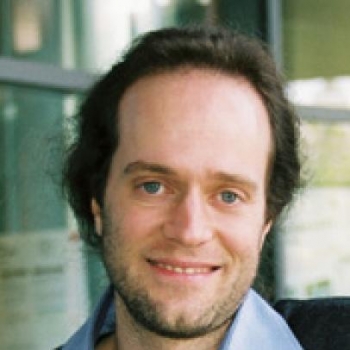 Zev Bryant合作论文数Bioengineering Department, Stanford University5Mariana Mihalusova合作论文数5Anwen S. Williams合作论文数The Welsh School of Pharmacy, University of Wales College of Cardiff5William D. Fraser合作论文数5Christina Palka合作论文数4Jane Turton合作论文数4Jennifer Doyle合作论文数NEW ENGLAND DEACONESS HOSP4
 Stuart Ralston合作论文数Centre for Genomic and Experimental Medicine, Institute of Genetics and Cancer, University of Edinburgh;MRC Institute of Genetics and Molecular Medicine, University of Edinburgh4John Y. Wu合作论文数4
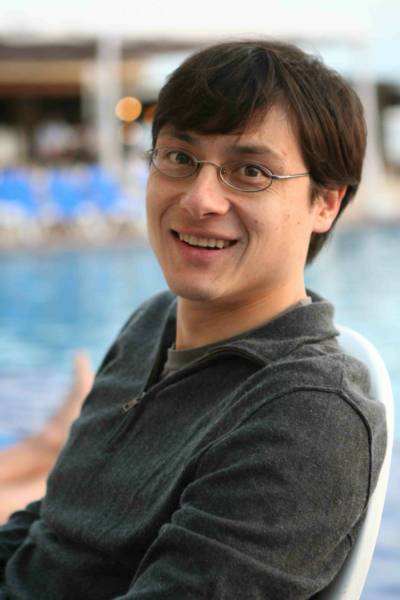 Jeff Gore合作论文数Physics of Living Systems Group, Department of Physics, Massachusetts Institute of Technology4Terren R Chang合作论文数3Victor Tse合作论文数3Mareike Badstübner合作论文数3B Cady合作论文数3
 Eddie C Y Wang合作论文数3
 Kassim Javaid合作论文数Nuffield Department of Orthopaedics, Rheumatology and Musculoskeletal Sciences, Medical Sciences Division, University of Oxford3
 Rhiju Das合作论文数Biochemistry Department, Stanford University3
 Kathleen Collins合作论文数Department of Molecular and Cell Biology, College of Letters & Science, University of California, Berkeley3
 Ernest Choy合作论文数School of Medicine, Cardiff University3Bloom Anja C合作论文数3William V. Mcdermott合作论文数3
 Thomas R. Cech合作论文数Department of Chemistry and Biochemistry, University of Colorado Boulder3
 Shankar Shastry合作论文数Department of Bioengineering, The Pennsylvania State University3
 Antonio de Las Morenas合作论文数3Nancy J. Crisona合作论文数3Maureen Kavanah合作论文数3Steven B. Smith合作论文数2Isabel Quesada合作论文数2Roger L Jenkins合作论文数2Catherine Oh合作论文数2Ruth Wills合作论文数2Diana Wilkinson合作论文数2Keith Simpson合作论文数2




