ABSTRACT:Lis, R, Long, A, Goode, N, McDowell, K, Nelson, D, Mizuguchi, S, Duca, M, Baur, M, Wagle, JP, Fry, AC, and Stone, MH. Chronic comparison of upper- and lower-body muscle soreness in trained individuals completing traditional or accentuated eccentric loading. J Strength Cond Res 40(7): 739-746, 2026-The purpose of this study was to compare the effects of accentuated eccentric loading (AEL) and traditional resistance training (TRAD) in terms of muscular soreness in the barbell bench press (BP; anterior deltoid, triceps brachii, and pectoralis major) and back squat (BS; vastus lateralis and gluteus maximus). Eighteen recreationally active subjects (males: n = 12, age: 22.75 ± 4 years, BW: 89.42 ± 21.09 kg, BP one rep max [1RM]: 104.67 ± 23.58 kg, relative BP 1RM: 1.19 ± 0.22, BS 1RM: 140.75 ± 39.17 kg, relative BS 1RM: 1.59 ± 0.34, females: n = 6, age: 23.6 ± 4.5 years, BW: 64.3 ± 10.8 kg, BP 1RM: 51.7 ± 13.4 kg, relative BP 1RM: 0.80 ± 0.13, BS 1RM: 93.7 ± 18 kg, relative BS 1RM: 1.47 ± 0.30) completed 4 weeks of strength endurance training. Resistance training occurred 3 times a week (M, W, F), whereas speed and agility happened twice weekly (T and R). Subjects completed the 10-cm palpation and movement visual analog scale (PVAS and MVAS, respectively) immediately before (PRE) and after (POST) every training session. The lower-body (LB) musculature soreness statistically decreased over time for the AEL group only for the MVAS ( p < 0.05). The PVAS and MVAS showed statistically significant lower LB scores in AEL compared with TRAD. We conclude that AEL training appears to create less soreness, specifically within the LB when compared with TRAD. Practitioners should not be concerned about excessive soreness when completing AEL training.
ABSTRACT Sport science has enjoyed an emergence at the higher levels of sport in the last 15–20 years particularly at larger organizations such as professional sports teams and some Division 1 universities. These applied programs can be established in a top-down fashion with leadership providing institutional will, organization, and possibly funding. However, most universities, applied sport science program startups usually necessitate a grassroots, bottom-up approach initiated by academic and/or athletics personnel. To this end, we advocate a 5-step approach: (a) build relationships within and between academics and athletics; (b) identify needs and opportunities, including which sports would like to be involved; (c) identify resources of equipment, personnel, and funding; (d) set realistic, attainable goals based on the needs, opportunities, and resources identified and acquired in steps 2–3; (e) finally, approach the administration to gain institutional support; use data to demonstrate how the sport science program can support student-athletes, provide a positive return on investment, and contribute to the fulfillment of the university's mission. Applied sport science programs can be started using a bottom-up approach comprised of developing intra- and interathletics and academics relationships, identifying needs, opportunities, and available resources, setting attainable goals, and approaching the administration for full institutional support.
The purpose of this study was to investigate voluntary force modulation accuracy during the isometric mid-thigh pull (IMTP) and to investigate biological sex and relative strength as factors relating to error. Strength-trained males (n = 18) and females (n = 18) completed ascending (ASC) (25%, 50%, 75%) or descending (DESC) (75%, 50%, 25%) submaximal testing followed by maximal testing. Subjects rested before completing the opposite submaximal testing sequence. External feedback was not provided during testing. Measured and intended (INT) forces were analyzed with two-way repeated-measures ANOVAs with within- (ASC, DESC, and INT) and between-subject factors (male or female). Independent-samples t-tests analyzed differences in error between males and females. Pearson correlations were calculated to investigate associations between relative strength and error. Statistically significant differences were observed between INT and measured force at every intensity (p < 0.05); however, differences in error were not significant between males and females (p > 0.05). Statistically non-significant small relationships were observed between relative strength and error (p > 0.05). Subjects demonstrate error in force modulation during the IMTP, with the greatest error occurring at lower relative intensity. However, these results indicate that biological sex and relative strength may not influence force modulation accuracy.
ABSTRACT:Lis, R, Long, A, Goode, N, McDowell, K, Nelson, D, Mizuguchi, S, Duca, M, Baur, M, Wagle, JP, Fry, AC, and Stone, MH. Chronic comparison of short recovery stress scale in trained individuals completing traditional or accentuated eccentric loading. J Strength Cond Res XX(X): 000-000, 2026-The purpose of this study was to compare and monitor psychological stress induced by accentuated eccentric training (AEL) compared with traditional resistance training (TRAD). The only difference between groups was AEL used weight releasers for the bench press (BP) and back squat (BS) every 2 repetitions with 15 seconds of rest. Recreationally trained subjects (males: n = 12, age: 22.75 ± 4 years, BW: 89.42 ± 21.09 kgs, BP 1RM: 104.67 ± 23.58 kgs, relative BP 1RM: 1.19 ± 0.22, BS 1RM: 140.75 ± 39.17 kgs, relative BS 1RM: 1.59 ± 0.34, females: n = 6, age: 23.6 ± 4.5 years, BW: 64.3 ± 10.8 kgs, BP 1RM: 51.7 ± 13.4 kgs, relative BP 1RM: 0.80 ± 0.13, BS 1RM: 93.7 ± 18 kgs, relative BS 1RM: 1.47 ± 0.30) completed 4 weeks of strength endurance training. Resistance training occurred 3 times per week (M, W, F), and speed and agility were trained twice per week (T & R). Subjects completed the short recovery stress scale (SRSS) before their warm-ups every single day of training. Results showed a statistical significance for an interaction of muscular stress between groups over days (p < 0.05). Physical performance capability and overall recovery increasing over days, whereas overall stress decreasing in both groups. We conclude that AEL does not create any major differences compared with TRAD when assessed via the SRSS. Practitioners may use AEL to obtain certain qualities without the expense of greater stress and somewhat lower recovery rates compared with TRAD.
BACKGROUND:The aim of the investigators was to conduct a kinematic analysis of the crossover block stepping technique in elite female volleyball players based on acceleration and time data from each phase, and to compare the performances of players in different positions. The secondary aim of this study was to conduct a correlation analysis between the anthropometric and explosive strength characteristics of the participants and their crossover block stepping performance. METHODS:Twenty-nine elite female volleyball players (20±4.4 years; 1.80±0.07 m; 68.7±7.84 kg) participated in this study. Athletes were divided into two groups according to their playing positions as middle blockers (MB; N.=8) and wing players (WP; N.=21). WPs included setters, opposite and outside hitters. In addition, each playing position was analyzed separately. RESULTS:Players were significantly faster toward the left direction compared to the right during the total movement. The highest rate of force development was observed during Phase 3 in both directions. MBs exhibited higher mean acceleration in both directions during all phases compared to WPs. Both countermovement jump (CMJ) and squat jump (SJ) had weak-to-moderate correlations with Phase 1 acceleration toward the left (r: 0.30-0.32). Height (r: 0.36-0.46) and leg length (r: 0.38-0.55) were moderately correlated with mean acceleration during the overall movement in each direction. CONCLUSIONS:Strength and conditioning coaches may utilize exercises aimed at improving triple extension performance to enhance push-off during the initiation of the crossover step. Taller players with longer legs have an advantage in crossover block stepping.
This study examined isometric force–time characteristics of weightlifters at three key positions of the clean and their ability to predict competition performances. The three key positions were the isometric mid-thigh pull (IMTP), the isometric pull at the start of the transition (IPST), and the isometric pull at the start position (IPSP). Seventeen collegiate-level competitive weightlifters (10 males and 7 females) with varying weightlifting achievements (10 of the 17 have medaled at sanctioned USAW national meets) performed isometric strength tests that measured peak force (IPF), rate of force development (RFD), Impulse (IMP), and allometrically scaled variables. The reliability for all measures was high (ICC ≥ 0.86). The IMTP produced the largest absolute forces; however, the IPSP and IPST showed the largest correlations with snatch, clean and jerk, and total, with multiple near-perfect correlations (r ≥ 0.90). RFD and Impulse demonstrated more significant correlations at later time bands (≥200 ms). These findings suggest that measuring multiple isometric positions may provide valuable insight into a weightlifter’s positional strength. Including IPSP and IPST testing protocols with RFD and IMP measurements can augment athlete monitoring and inform training strategies.
The impact of localized muscle mass on sprint mechanics during the swing and stance phases of Division I collegiate American football players. J Strength Cond Res 39(9): 959-963, 2025-This study evaluates the impact of localized muscle volume on sprint mechanics among Division-I collegiate American football players across 3 position groups: Skills (Defensive Backs, Wide Receivers), Mids (Linebackers, Running Backs, Tight Ends), and Bigs (Offensive, Defensive Linemen). A total of 108 male athletes (age: 21.4 +/- 1.9 years, BMI: 29.6 +/- 4.3) were assessed. Lower extremity muscle volumes were measured using magnetic resonance imaging, and sprint kinematics were captured using an inertial measurement unit system during maximal effort sprints. Stepwise multiple linear regressions were conducted to evaluate the relationship between muscle volumes, stance, and swing times for each position group. In the Skills group, increased volumes in the vastus intermedius (beta = -0.15, p < 0.01) and sartorius (beta = -0.17, p = 0.01) were associated with reduced swing time, while those in the vastus medialis (beta = 0.18, p < 0.01) increased swing time. For stance time, the gluteus maximus (beta = -0.02, p = 0.03) was associated with reduced stance time, and the tibialis posterior (beta = 0.28, p < 0.01) increased it. In the Mids group, the biceps femoris long head (beta = -0.15, p < 0.01) was associated with reduced stance time, while the vastus medialis (beta = 0.09, p < 0.01) increased it. In the Bigs group, the rectus femoris and sartorius were associated with reduced stance time, while the tensor fasciae latae and tibialis anterior increased stance time. These findings highlight the role of localized muscle volume in influencing sprint mechanics and emphasize the potential need for position-specific physical development programs tailored to the biomechanical demands of running mechanics in American football players.
This study investigated the chronic effects of accentuated eccentric loading (AEL) paired with cluster sets (CS) on strength. Seventeen (11 men and 6 women) recreationally active subjects (23.18 +/- 4.15 years, 1.72 +/- 0.1 m, 81.29 +/- 22.18 kg) were randomly assigned to AEL (n = 9) and traditional (TRAD) (n = 8) groups. During 4 weeks of training, AEL group performed 3 sets of (5 x 2) repetitions of back squat and bench press using weight releasers and CS, whereas TRAD group performed the same total sets and reps and exercises using traditional loading and set structures. Dynamic (back squat and bench press 1 repetition maximum [1RM]) and isometric (midthigh pull peak force and rate of force development) strength were tested before and after training and analyzed using a 2-way analysis of variance. There was a main effect of time for back squat 1RM (p = 0.008; 125.0 +/- 42.4-131.0 +/- 42.2 kg) and back squat + bench press 1RM (p = 0.02; 213.0 +/- 74.6-220.0 +/- 75.3 kg). No significant interaction effects were observed in any variables posttraining (p > 0.05). Although the isometric rate of force development decreased in both groups, TRAD showed a shaper decline than AEL after training (-20.57% [g = -0.33] vs. -0.93% [g = -0.01]). The benefit of AEL paired with CS in maximum dynamic strength may not outweigh its logistical burden. However, practitioners may consider this method in maintaining the isometric rate of force development during high-volume training.
To study the effects of long-term (>35 years) competitive weightlifting on acute endocrine activity, a 51-year-old male two-time Olympian in weightlifting (Subject A) was compared with highly trained young male weightlifters (controls, n = 23; age = 17.7 +/- 0.3 years). Between 1400 and 1700 hours, subjects performed 15 maximum effort vertical jumps, a series of single repetitions of the snatch progressing to a maximal effort, and 3 x 10 snatch pulls at 60% 1 repetition maximum. Blood sampling occurred at 0700 hours, pre-exercise, and +5 and +15 minutes postexercise. Exercise performances were comparable between Subject A and controls and elicited similar lactate responses at +5 minutes (mmolL-1; A = 9.2; controls = 8.1 +/- 0.4). Resting testosterone at 0700 hours was lower for Subject A than for the controls (nmolL-1; A = 13.9; controls = 25.4 +/- 2.0), although acute responses at +5 minutes were comparable (A = 21.6; controls 18.3 +/- 1.5). Cortisol responses (nmolL-1; A = 468.4, controls = 540.6 +/- 32.3) and testosterone:cortisol ratio (A = 0.0461; controls = 0.0376 +/- 0.004) were similar at +5 minutes. Subject A showed no 22 kDa growth hormone response at +5 minutes, while controls exhibited a substantial increase (mu gL-1; A = 0.4; controls = 16.7 +/- 2.6). beta-endorphin responses were no different at +15 minutes for Subject A relative to controls (pmolL-1; A = 30.1; controls = 33.8 +/- 3.7). Resting and exercise-induced endocrine physiology is partially modified with aging despite long-term participation in competitive weightlifting. Importantly, Subject A's testosterone response was largely preserved.
The purpose of this study was to characterize the unusual take-off techniques demonstrated during tumbling take-offs on a spring tumbling strip (STS) and to assess the potential causes of these techniques and their possible contributions to Achilles tendon ruptures. A survey study of women’s collegiate gymnasts showed an alarmingly high 17.2% prevalence of ruptured Achilles tendons (Bonanno, Cheng, Tilley, Abutalib, & Casey). Twelve highly trained female gymnasts from USA Gymnastics voluntarily participated. The take-off was captured (2D) via high-speed video (500 fps). An accelerometer (1D) was placed under the STS take-off position (1000 Hz). Reflective markers were placed on the toes, heels, ankles, knees, hips, torso center, shoulders, elbows, wrists, hands, and the apices of the head. Lower extremity angles were of primary interest. Two take-off trials were cross-correlated and analyzed. Results indicated an unusual and unexpected “secondary knee flexion” during take-off. Knee angle changes indicated that take-off actions were not simple eccentric knee flexion followed by concentric knee extension. The observed motions are heretofore undocumented. During the period from heel contact to heel departure, the gymnasts’ ankles reach extremes of dorsiflexion at approximately the same time that their knees are extending, and the STS reaches its lowest position of descent. We speculate that the gymnasts may be readjusting muscle stiffness, reacting to a sudden intermediate vibration of the STS, or showing an artefact of the rearward rotation of the entire body about the feet. The observed actions may contribute to Achilles tendon injury.
ABSTRACT In the last several decades in the United States, university athletic departments and professional sport teams began hiring sport scientists to support team operations. Many variations in sport science–related job titles and a variety of duties are apparent across the industry internationally. Therefore, the aims of this article were to (a) define sport scientist roles because they may be positioned in U.S. sport organizations, (b) demonstrate potential levels of application, (c) demonstrate how a sport science program helps establish a standard of care for the athlete, and (d) highlight overseas practices that establish professional competency for those in sport scientist roles. This discussion may be used to optimize organizational structures, enhance organizational dynamics within sport organizations, leagues, and systems, and used to develop, refine, or support certification and training programs in the United States. In addition to the discussion in this article, several job descriptions are provided as Supplemental Digital Content, http://links.lww.com/SCJ/A347. These resources may help decision makers construct job descriptions for their organizations.
It has become quite popular to question accepted scientific evidence, particularly as it pertains to the validity of various aspects of sport science. Recently, the concept of periodization has been questioned as to its usefulness and even its existence being described as “Myth.” It is the intent of the authors in this informed perspective to combat this idea through both a philosophical discussion on scientific theory as well as pointing out problems with their claim.
Recent trends suggest growing application of sports science programs within United States-based sport organizations. Discussion is necessary to illuminate several ways sports scientist (SS) roles may be leveraged to enhance athlete and coach performance and enable support of knowledge-related tasks within and across organizations and throughout sports systems. Here we provide an overview of a variety of organizational arrangements for full-time through part-time SS roles, and some available best practices that support them-including the high-performance manager role. In addition, we discuss the misapplication of SS roles and highlight US-centric challenges in establishing sports science research programs.
Yoshida, N, Hornsby, WG, Sole, CJ, Sato, K, and Stone, MH. Effect of neuromuscular fatigue on the countermovement jump characteristics: basketball related high-intensity exercises. J Strength Cond Res 38(1): 164-173, 2024-The purpose of this study was to investigate basketball specific neuromuscular (NM) fatigue effect on countermovement jump (CMJ) force-time (F-T) curve characteristics. Eleven male college-level basketball athletes performed 6 CMJ trials at 3 baseline (pre) and 6 postexercise time points. The fatiguing protocol consisted of high-intensity basketball related exercises commensurate with basketball game or practice. Typical CMJ (CMJ-TYP) and phase-specific CMJ variables were derived from the F-T curve. Meaningful differences in CMJ performance were examined using effect size (ES) compared with baseline and previous postexercise time point. Baseline with 3 separated measurements demonstrated suitable CMJ variables reproducibility (CV, coefficient of variation). Most CMJ-TYP output and performance variables displayed substantial alterations immediately postexercise (0 hour) and returned to baseline at 24 hours postexercise, whereas the time and rate-related CMJ-TYP and CMJ-phase variables tended to display delayed decline peaked at 2 hours and delayed recovery to baseline at 48 hours postexercise. In conjunction with the return of the time and rate-related variables, CMJ performance displayed supercompensation at 72 hours postexercise. The results indicate altered NM functions with desired CMJ performance, such as jump height, which imply an altered movement strategy at early stage of recovery process. Full recovery may take 48-72 hours. Practitioners are, therefore, advised to monitor variables reflecting NM functions for precise manipulation of the intensity and volume of exercise to avoid prolonging the recovery from NM fatigue.
ABSTRACT:Stone, MH, Hornsby, G, Mizuguchi, S, Sato, K, Gahreman, D, Duca, M, Carroll, K, Ramsey, MW, Stone, ME, and Haff, GG. The use of free weight squats in sports: a narrative review-squatting movements, adaptation, and sports performance: physiological. J Strength Cond Res 38(8): 1494-1508, 2024-The squat and its variants can provide numerous benefits including positively affecting sports performance and injury prevention, injury severity reduction, and rehabilitation. The positive benefits of squat are likely the result of training-induced neural alterations and mechanical and morphological adaptations in tendons, skeletal muscles, and bones, resulting in increased tissue stiffness and cross-sectional area (CSA). Although direct evidence is lacking, structural adaptations can also be expected to occur in ligaments. These adaptations are thought to beneficially increase force transmission and mechanical resistance (e.g., resistance to mechanical strain) and reduce the likelihood and severity of injuries. Adaptations such as these, also likely play an important role in rehabilitation, particularly for injuries that require restricted use or immobilization of body parts and thus lead to a consequential reduction in the CSA and alterations in the mechanical properties of tendons, skeletal muscles, and ligaments. Both volume and particularly intensity (e.g., levels of loading used) of training seem to be important for the mechanical and morphological adaptations for at least skeletal muscles, tendons, and bones. Therefore, the training intensity and volume used for the squat and its variations should progressively become greater while adhering to the concept of periodization and recognized training principles.
ABSTRACT Sport scientist roles are becoming more common in U.S. professional and collegiate sport. Despite the recent growth in opportunities, discussion is necessary to elucidate differences between sport scientist specialties and other roles common within the integrated support team and across the sport industry. In addition, guidance is necessary to show how sport scientists serving in academic appointments may be involved in sport organizations and influence sport systems. This information may be used: (a) to help employers to conceptualize roles and design job descriptions and (b) to help governing organizations and universities establish training programs for sport scientists.
There is substantial evidence indicating that increased maximum strength as a result of training with squats, particularly full and parallel squats, is associated with superior athletic capabilities, such as sprinting, jumping and agility. Although full and parallel squats have been strongly associated with sport performance, there is also some evidence that the use of partial squats may provide angle specific adaptations that are likely advantageous for specific sporting activities. Partial squats may be particularly advantageous when trained in conjunction with full or parallel squats, as this practice results in a greater training effect. There is a paucity of evidence that squatting is associated with excessive injuries to the knees, lower back, or other structures. Evidence does indicate that squatting, including full squats, can be undertaken safely, provided an appropriate training methodology is applied. Indeed, based on scientific data, the cost/benefit ratio indicates that squats should be recommended and should be a central strength training exercise for the preparation of athletes in most sports, particularly those requiring strong and powerful whole body and lower body movements.
The purpose of this study was to examine acute stimulus and fatigue responses to combined accentuated eccentric loading and rest redistribution (AEL + RR). Resistance-trained men (n = 12, 25.6 +/- 4.4 years, 1.77 +/- 0.06 m, and 81.7 +/- 11.4 kg) completed a back squat (BS) 1 repetition maximum (1RM) and weight releaser familiarization session. Three BS exercise conditions (sets x repetitions x eccentric-concentric loading) consisted of (a) 3 x (5 x 2) x 110/60% (AEL + RR 5), (b) 3 x (2 x 5) x 110/60% (AEL + RR 2), and (c) 3 x 10 x 60/60% 1RM (traditional sets [TS]). Weight releasers (50% 1RM) were attached to every first repetition of each cluster set (every first, third, fifth, seventh, and ninth repetition in AEL + RR 5 and every first and sixth repetition in AEL + RR 2). The AEL + RR 5 resulted in greater total volume load (sets x repetitions x eccentric + concentric loading) (6,630 +/- 1,210 kg) when compared with AEL + RR 2 (5,944 +/- 1,085 kg) and TS (5,487 +/- 1,002 kg). In addition, AEL + RR 5 led to significantly (p < 0.05) greater rating of perceived exertion (RPE) after set 2 and set 3 and lower blood lactate (BL) after set 3 and 5, 15, and 25 minutes postexercise than AEL + RR 2 and TS. There was a main effect of condition for BL between AEL + RR 5 (5.11 +/- 2.90 mmolL-1), AEL + RR 2 (6.23 +/- 3.22 mmolL-1), and TS (6.15 +/- 3.17 mmolL-1). In summary, AEL + RR 5 results in unique stimulus and fatigue responses. Although it may increase perceived exertion, coaches could use AEL + RR 5 to achieve greater back squat total volume load while reducing BL accumulation.
This study investigated the endocrine responses to accentuated eccentric loading (AEL) paired with cluster sets (CSs) versus traditional training (TRAD). Seventeen recreationally active subjects (male = 11, females = 6, age = 23.18 ± 4.15 yrs, height = 1.72 ± 0.1 m, body mass = 81.29 ± 22.18 kg, back squat-to-body mass ratio = 1.55 ± 0.33, and bench press-to-body mass ratio = 1.06 ± 0.28) were randomly allocated into AEL and TRAD groups and trained for 4 weeks. The training was performed during a strength–endurance block with the target load consisting of three sets of 10 repetitions. The AEL group performed three sets of 10 for the squat and bench press using AEL every other repetition (5 AEL repetitions per set). In this protocol, CSs were also performed as one AEL repetition plus one traditional repetition followed by 15 s rest. Resistance training was performed three days a week, whilst sprint and agility training were performed two days a week. Testosterone (T), cortisol (C), creatinine (CREA), fat mass (FM), and fat-free mass (FFM) were assessed pre- and post-test. With a series of 2 × 2 repeated-measure ANOVA, the differences in the means between the two training methods and across time were compared. No statistically significant differences in resting blood variables or body composition were observed between the AEL and TRAD protocols after 4 weeks of training. Whilst the results marginally favored the use of AEL, these results did not support significant improvements in body composition or hormonal responses.
The isometric mid-thigh pull (IMTP) is commonly used to measure isometric strength of characteristics of weightlifters. The isometric pull from the start position (IPSP) has not been studied as much as the IMTP but may potentially be a viable option for a weightlifting monitoring program. This study aims to compare isometric force-time characteristics from both the IMTP and IPSP to weightlifting competition performance. Collegiate weightlifters’ performances were compared to isometric peak force (IPF), rate of force development (RFD), and allometrically scaled peak force (IPFa) of both isometric testing protocols by a Pearson’s Correlation Coefficient. Strong correlations between weightlifting performance and force-time characteristics for both protocols were found with IPSP having slightly higher correlations. This suggests that both isometric testing protocols are viable tools for predicting weightlifting performance. It may be useful to include both protocols in a weightlifting monitoring program.
 William A Sands合作论文数75
 Guy Hornsby合作论文数72
 G. Gregory Haff合作论文数Department of Human Performance and Applied Exercise Physiology, West Virginia School of Medicine68
 Kimitake Sato合作论文数60
 Satoshi Mizuguchi合作论文数60
 Michael W. Ramsey合作论文数East Tennessee State University60
 Kyle Pierce合作论文数48
 Caleb D. Bazyler合作论文数45
 Suchomel Timothy J合作论文数Dept Human Movement Sci, Carroll Univ43
 John P Wagle合作论文数Kansas City Royals39Margaret E Stone合作论文数38
 Brad H. DeWeese合作论文数Ctr Excellence Sport Sci & Coach Educ, East Tennessee State Univ33
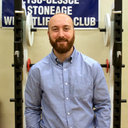 Kevin M. Carroll合作论文数31
 Charles Stuart合作论文数31Jeni R. Mcneal合作论文数Department of Exercise and Sport Science;University of Utah;Department of Exercise and Sport Science, University of Utah31Ashley A Kavanaugh合作论文数26Aaron J Cunanan合作论文数25Jeremy A Gentles合作论文数Exercise & Sport Sci Lab, East Tennessee State Univ23
 Hugh S Lamont合作论文数Neuromuscular Research Laboratory;Department of Health and Sport Sciences;University of Oklahoma;Neuromuscular Research Laboratory, University of Oklahoma21
 Mark South合作论文数20
 Sole Christopher J合作论文数20
 N. Travis Triplett合作论文数Center for Sports Medicine, The Pennsylvania State University20Andrew C. Fry合作论文数19Mary E A Howell合作论文数19
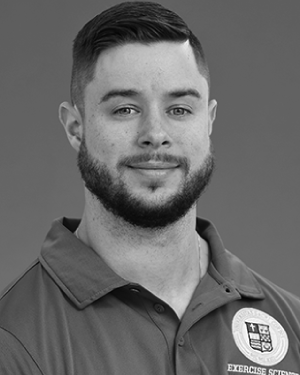 Christopher Taber合作论文数Department of Physical Therapy and Human Movement Science, Sacred Heart University;and.;Department of Physical Therapy and Human Movement Science, Sacred Heart University18
 William Kraemer合作论文数Department of Human Sciences, College of Education and Human Ecology, The Ohio State University18HS O'Bryant合作论文数16
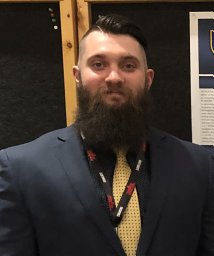 Kyle Travis合作论文数College of Public Health & Health Professions, University of Florida16
 Dylan G. Suarez合作论文数Ctr Excellence Sport Sci & Coach Educ, East Tennessee State Univ14
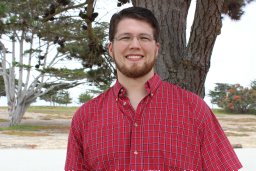 George Beckham合作论文数14Harold S. O'Bryant合作论文数13
 Ai Ishida合作论文数12
 Bailey Christopher A合作论文数Dept of Exercise Science, LaGrange College12Ann M. Kinser合作论文数12Keith Painter合作论文数KLSS/Center of Excellence for Sport Science and Coach Education, East Tennessee State University11R. L. Johnson合作论文数11
 Gavin L Moir合作论文数11
 Monem Jemni合作论文数11
 Steven R. Murray合作论文数Department of Social and Behavioral Sciences;Department of Human Performance and Wellness;Mesa State College;Department of Human Performance and Wellness, Mesa State College11Wa Sands合作论文数10
 Christopher J. MacDonald合作论文数10Layne Andrew S合作论文数10Brewer Clive合作论文数10
 Mark Glaister合作论文数10Jenna M. Kraska合作论文数9Ms Conley合作论文数9
 Benjamin Gleason合作论文数9
 Matt Sams合作论文数LaGrange Coll, Dept Exercise Sci & Hlth Educ, La Grange, GA USA9
 Brian K. Schilling合作论文数Department of Health and Sport Sciences, University of Memphis9




