Lentivirus vectors are effective for treatment of genetic disease. However, safety associated with vector related genotoxicity is of concern and currently available models are not reliably predictive of safety in humans. We have developed hInGeTox as the first human in vitro platform that uses induced pluripotent stem cells and their hepatocyte like cell derivatives to better understand vector-host interactions that relate vectors to their potential genotoxicity. Using lentiviral vectors carrying the eGFP expression cassette under SFFV promoter activity, that only differ by their LTR and SIN configuration, we characterised vector host interactions potentially implicated in genotoxicity. To do this, lentiviral infected cells were subjected to an array of assays and data from these was used for multi-omics analyses of vector effects on cells at early and late harvest time points. Data on the integration sites of lentiviral vectors in cancer genes and differential expression levels of these genes, showed that both vector configurations are capable of activating cancer genes. Through IS tracking in bulk infected cell populations, we also saw an increase in the viral sequence count in cancer genes present over time which were differentially regulated. RNASeq also showed each vector had potential to generate fusion transcripts with the human genome suggestive of gene splicing or vector mediated readthrough from the internal SFFV promoter. Initially, after infection, both vector configurations were associated with differential expression of genes associated cytokine production, however, after culturing over time there were differences in differential expression in cells infected by each LV. This was marked in particular by the expression of genes involved in the response to DNA damage in cells transduced by the SIN vector, suggesting effects likely to prevent tumour development, in contrast to the expression of genes involved in methylation, characteristic of tumour development, in cells transduced by the LTR vector. Both sets of lentiviral infected cells were also found associated with differential expression of MECOM and LMO2 genes known to be associated with clonal dominance, supporting their potential genotoxicity. Alignment of transcriptomic signatures from iPSC and HLC infected cultures with known cancer gene signatures showed the LTR vector with a higher cancer score than the SIN vector over time in iPSC and also in HLC, which further suggests higher genotoxic potential by the LTR configuration lentivirus. By application of hInGeTox to cells infected with LV at the pre-clinical stage of development, we hope that hInGeTox can act as a useful pre-clinical tool to identify lentivirus-host interactions that may be considered contributory to genotoxicity to improve safer lentiviral vector design for gene therapy.
Adenoviruses (AdVs) are used as gene therapy vectors to treat human diseases and as vaccines against COVID-19. AdVs are produced by transfecting human embryonic kidney 239 (HEK293) or PER.C6 virus producer cells with AdV plasmid vectors or infecting these cells withcell lysates containing replication-defective AdV. Cell lysates can be purified further by caesium chloride or chromatographic protocols to research virus seed stocks (RVSS) for characterisation to high quality master virus seed stocks (MVSS) and working virus seed stocks (WVSS) before downstream production of pure, high titre AdV. Lysates are poorly infectious, block filtration columns and have limited storage capability. Aqueous two-phase systems (ATPS) are an alternative method for AdV purification that rapidly generates cleaner RVSS for characterisation to MVSS. After testing multiple ATPS formulations, an aqueous mixture of 20 % PEG 600 and 20 % (NH4)2SO4 (w/w) was found most effective for AdV partitioning, producing up to 97+3% yield of high-titre virus that was devoid of aggregates both effective in vitro and in vivo with no observable cytotoxicity. Importantly, AdV preparations stored at -20 °C or 4 °C show negligible loss of titre and are suitable for downstream processing to clinical grade to support the need for AdV vaccines.
Human-induced pluripotent stem cell (iPSC)-derived hepatocyte-like cells (HLCs) have been shown to be useful for the development of cell-based regenerative strategies and for modelling drug discovery. However, stem cell-derived HLCs are not identical in nature to primary human hepatocytes (PHHs), which could affect the cell phenotype and, potentially, model reliability. Therefore, we employed the in-depth gene expression profiling of HLCs and other important and relevant cell types, which led to the identification of clear similarities and differences between them at the transcriptional level. Through gene set enrichment analysis, we identified that genes that are critical for immune signalling pathways become downregulated upon HLC differentiation. Our analysis also found that TAV.HLCs exhibit a mild gene signature characteristic of acute lymphoblastic leukaemia, but not other selected cancers. Importantly, HLCs present significant similarity to PHHs, making them genuinely valuable for modelling human liver biology in vitro and for the development of prototype cell-based therapies for pre-clinical testing.
Lentivirus (LV) vectors offer permanent delivery of therapeutic genes to the host through an RNA intermediate genome. They are one of the most commonly used vectors for clinical gene therapy of inherited disorders such as immune deficiencies and cancer immunotherapy. One of the most difficult challenges facing their widespread application to patients is the large-scale production of highly pure vector stocks. To improve vector production and downstream purification, there has been a recent investment in the United Kingdom to establish good manufacturing process (GMP)-licensed centers for manufacture and quality control. Other requirements for these vectors include their target cell specificity and tropism, how to regulate gene expression of the therapeutic payload and their potential side effects. Comprehensive detail on the full nucleic acid content of LV is unknown, even though they have entered clinical trials. With potential adverse effects in mind, it is important to identify these contents to assess their safety and purity. In this study, we used highly sensitive PacBio long-distance, next-generation sequencing of reverse-transcribed vector component RNA to investigate the nucleic acid composition of recombinant HIV-1 particles generated by human 293T packaging cells. In this article, we describe our findings of nucleic acids other than the recombinant vector genome that exist, which could potentially be delivered during gene transfer, and suggest that removal of these unwanted components be considered before clinical LV application.
Regulators and industry are actively seeking improvements and alternatives to current models and approaches to evaluate potential carcinogenicity of gene therapies (GTs). A meeting of invited experts was organized by NC3Rs/UKEMS (London, March 2023) to discuss this topic. This article describes the consensus reached among delegates on the definition of vector genotoxicity, sources of uncertainty, suitable toxicological endpoints for genotoxic assessment of GTs, and future research needs. The collected recommendations should inform the further development of regulatory guidelines for the nonclinical toxicological assessment of GT products.
HIV-1 based lentiviral viruses are considered powerful and versatile gene therapy vectors to deliver therapeutic genes to patients with hereditary or acquired diseases. These vectors can efficiently transduce a variety of cell types when dividing or non-dividing to provide permanent delivery and long-term gene expression. Demand for scalable manufacturing protocols able to generate enough high titre vector for widespread use of this technology is increasing and considerable efforts to improve vector production cost-effectively, is ongoing. Current methods for LV production mainly use transient transfection of producer cell lines. Cells can be grown at scale, either in 2D relying on culturing producer cells in multi-tray flask cell culture factories or in roller bottles or can be adapted to grow in 3D suspensions in large batch fermenters. This suits rapid production and testing of new vector constructs pre-clinically for their efficacy, particle titre and safety. In this study, we sought to improve lentiviral titre over time by testing two alternative commercially available transfection reagents Fugene® 6 and Genejuice® with the commonly used polycation, polyethyleneimine. Our aim was to identify less cytotoxic transfection reagents that could be used to generate LV particles at high titre past the often used 72 h period when vector is usually collected before producer cell death is caused due to post transfection cytotoxicity. We show that LV could be produced in extended culture using Genejuice® and even by transfected cells in glass flasks in suspension. Because this delivery agent is less toxic to 293 T producer cells, following optimisation of transfection we found that LV can be harvested for more than 10 days at high titre. Using our protocol, titres of 109 TU/ml and 108 TU/ml were routinely reached via traditional monolayer conditions or suspension cultures, respectively. We propose, this simple change in vector production enables large volumes of high titre vector to be produced, cost effectively for non-clinical in vivo and in vitro applications or for more stringent downstream clinical grade vector purification.
Lentiviral vectors (LV) are attractive for permanent and effective gene therapy. However, integration into the host genome can cause insertional mutagenesis highlighting the importance of understanding of LV integration. Insertion site (IS) tethering is believed to involve cellular proteins such as PSIP1/LEDGF/p75, which binds to the virus pre-integration complexes (PICs) helping to target the virus genome. Transcription factors (TF) that bind both the vector LTR and host genome are also suspected influential to this. To determine the role of TF in the tethering process, we mapped predicted transcription factor binding sites (pTFBS) near to IS chosen by HIV-1 LV using a narrow 20 bp window in infected human induced pluripotent stem cells (iPSCs) and their hepatocyte-like cell (HLC) derivatives. We then aligned the pTFBS with these sequences found in the LTRs of native and self-inactivated LTRs. We found significant enrichment of these sequences for pTFBS essential to HIV-1 life cycle and virus survival. These same sites also appear in HIV-1 patient IS and in mice infected with HIV-1 based LV. This in silco data analysis suggests pTFBS present in the virus LTR and IS sites selected by HIV-1 LV are important to virus survival and propagation.
The development of renewable sources of liver tissue is required to improve cell-based modelling, and develop human tissue for transplantation. Human embryonic stem cells (hESCs) and human induced pluripotent stem cells (hiPSCs) represent promising sources of human liver spheres. We have developed a serum free and defined method of cellular differentiation to generate three-dimensional human liver spheres formed from human pluripotent stem cells. A potential limitation of the technology is the production of dense spheres with dead material inside. In order to circumvent this, we have employed agarose microwell technology at defined cell densities to control the size of the 3D spheres, preventing the generation of apoptotic and/or necrotic cores. Notably, the spheres generated by our approach display liver function and stable phenotype, representing a valuable resource for basic and applied scientific research. We believe that our approach could be used as a platform technology to develop further tissues to model and treat human disease and in the future may permit the generation of human tissue with complex tissue architecture.
Recent advances in the isolation of tissue-resident adult stem cells and the identification of inductive factors that efficiently direct differentiation of human pluripotent stem cells along specific lineages have facilitated the development of high-fidelity modelling of several tissues in vitro. Many of the novel approaches have employed self-organizing three-dimensional (3D) culturing of organoids, which offer several advantages over conventional two-dimensional platforms. Organoid technologies hold great promise for modelling diseases and predicting the outcome of drug responses in vitro. Here, we outline the historical background and some of the recent advances in the field of three-dimensional organoids. We also highlight some of the current limitations of these systems and discuss potential avenues to further benefit biological research using three-dimensional modelling technologies. This article is part of the theme issue ‘Designer human tissue: coming to a lab near you’.
Retroviral and lentiviral vectors often use the envelope G protein from the vesicular stomatitis virus Indiana strain (VSVind.G). However, lentivector producer cell lines that stably express VSVind.G have not been reported, presumably because of its cytotoxicity, preventing simple scale-up of vector production. Interestingly, we showed that VSVind.G and other vesiculovirus G from the VSV New Jersey strain (VSVnj), Cocal virus (COCV), and Piry virus (PIRYV) could be constitutively expressed and supported lentivector production for up to 10 weeks. All G-enveloped particles were robust, allowing concentration and freeze-thawing. COCV.G and PIRYV.G were resistant to complement inactivation, and, using chimeras between VSVind.G and COCV.G, the determinant for complement inactivation of VSVind.G was mapped to amino acid residues 136-370. Clonal packaging cell lines using COCV.G could be generated; however, during attempts to establish LV producer cells, vector superinfection was observed following the introduction of a lentivector genome. This could be prevented by culturing the cells with the antiviral drug nevirapine. As an alternative countermeasure, we demonstrated that functional lentivectors could be reconstituted by admixing supernatant from stable cells producing unenveloped virus with supernatant containing envelopes harvested from cells stably expressing VSVind.G, COCV.G, or PIRYV.G.
Internal ribosome entry site (IRES) sequences have become a valuable tool in the construction of gene transfer and therapeutic vectors for multi-cistronic gene expression from a single mRNA transcript. The optimal conditions for effective use of this sequence to construct a functional expression vector are not precisely defined but it is generally assumed that the internal ribosome entry site dependent expression of the second gene in such as cassette is less efficient than the cap-dependent expression of the first gene. Mainly tailoring inter-cistronic sequence significantly enhances IRES dependent second gene expression in bicistronic vector further in construction of optimised cassette for gene therapy of familial hypercholesterolemia. We tailored the size of the inter-cistronic spacer sequence at the 5' region of the internal ribosome entry site sequence using sequential deletions and demonstrated that the expression of the 3' gene can be significantly increased to similar levels as the cap-dependent expression of the 5' gene. Maximum expression efficiency of the downstream gene was obtained when the spacer is composed of 18-141 base pairs. In this case a single mRNA transcriptional unit containing both the first and the second Cistron was detected. Whilst constructs with spacer sequences of 216 bp or longer generate a single transcriptional unit containing only the first Cistron. This suggests that long spacers may affect transcription termination. When the spacer is 188 bp, both transcripts were produced simultaneously in most transfected cells, while a fraction of them expressed only the first but not the second gene. Expression analyses of vectors containing optimised cassettes clearly confirm that efficiency of gene transfer and biological activity of the expressed transgenic proteins in the transduced cells can be achieved. Furthermore, Computational analysis was carried out by molecular dynamics (MD) simulation to determine the most emerges as viable containing specific binding site and bridging of 5' and 3' ends involving direct RNA-RNA contacts and RNA-protein interactions. These results provide a mechanistic basis for translation stimulation and RNA resembling for the synergistic stimulation of cap-dependent translation.
 Charles C. Coutelle合作论文数71
 Simon Waddington合作论文数Institute for Women's Health, University College London52Lisa G. Gregory合作论文数School of Biological Sciences, University of East Anglia26
 Brian Bigger合作论文数Division of Cell Matrix Biology and Regenerative Medicine, School of Biological Sciences, Faculty of Biology, Medicine and Health, The University of Manchester20T. Cook合作论文数19
 Anna David合作论文数Elizabeth Garrett Anderson Institute for Women's Health, Population Health Sciences, University College London18
 Donald Peebles合作论文数Department of Maternal Fetal Medicine, University College London16
 Faisal A Al-Allaf合作论文数Faculty of Medicine, Umm Al-Qura University;Faculty of Medicine, Imperial College London;Imperial College London, Umm Al-Qura University12Manfred Schmidt合作论文数12
 Boaz Weisz合作论文数Obstetrics and Gynaecology, University College London11M Nivsarkar合作论文数10SMK Buckley合作论文数10Charles H. Rodeck合作论文数10L Lawrence合作论文数9
 Adrian Thrasher合作论文数Great Ormond Street Institute of Child Health, University College London9
 Stuart J. Forbes合作论文数MRC Centre for Regenerative Medicine, University of Edinburgh, Chancellor's Building, Edinburgh, EH16 4SB, UK9Serena Fawaz合作论文数7MV Holder合作论文数7
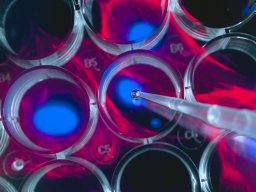 Sharmin Alhaque合作论文数Dept Life Sci, Brunel Univ London7Robert F. Newbold合作论文数Institute of Cancer Genetics and Pharmacogenomics, Brunel University7Sarah Jezzard合作论文数7Clare Selden合作论文数7Annette Deichmann合作论文数7Marco Zahn合作论文数6
 Suzy Buckley合作论文数University College London6Charles Rodeck合作论文数6Susan M. Kingsman合作论文数6
 Wei Wang合作论文数6Maxine Holder合作论文数6Kyriacos Mitrophanous合作论文数6d perocheau合作论文数5A Pavirani合作论文数5Saqlain Suleman合作论文数5MS Nivsarkar合作论文数5
 Mohammad Salem Khalifa合作论文数College of Health, Medicine and Life Sciences, Brunel University5
 David Hay合作论文数Centre for Regenerative Medicine, Institute for Regeneration and Repair, The University of Edinburgh5Hjf Hodgson合作论文数5
 Irene Gil-Farina合作论文数5Fronza Raffaele合作论文数Department of Translational Oncology, National Center for Tumor Diseases (NCT) and German Cancer Research Center (DKFZ), Heidelberg, Germany.5
 Malcolm R Alison合作论文数5
 Oleg Tolmachov合作论文数Cystic Fibrosis Gene Therapy Research Group, Imperial College School of Medicine5Reba Condiotti合作论文数5
 Alina Simerzin合作论文数5Yasu Takeuchi合作论文数4S. Suleman合作论文数4Yasuhiro Takeuchi合作论文数4A M Douar合作论文数4S Adebakin合作论文数4n mellor合作论文数4




