To analyse risk factors for impaired wound healing after kidney transplantation to guide clinical decision-making. A retrospective analysis was performed on patients who received kidney transplantation from January 1, 2019, to May 1, 2021, at Kidney Transplantation Center in Renji Hospital Affiliated to Shanghai Jiaotong University School of Medicine. A case-control study was used to identify a cohort of patients with similar baseline characteristics according to 1:4 ratio. Patients were divided into two groups according to whether there was impaired wound healing after surgery. The basic data and clinical examinations between the two groups were compared, and the risk factors for impaired wound healing after kidney transplantation were analysed using univariate and multivariate analyses. According to the data type, independent samples t-test or Chi-squared test was used for comparison between groups. Furthermore, multivariate logistic regression analysis was used to analyse different risk factors and calculate the odds ratio (OR) and 95% confidence interval (CI) of each factor. A total of 18 patients showed impaired wound healing after kidney transplantation. And we conducted 72 statically matched controls. Age, diabetes, transplant types, body mass index (BMI), albumin, haemoglobin, and wound infection were statistically different between the two groups. The factors with statistically significant differences in univariate analysis were included in multivariate logistic regression analysis. The results showed that BMI > 25, fasting blood glucose level, albumin level, and prealbumin level were independent risk factors for impaired wound healing after kidney transplantation. Risk factors for impaired wound healing after kidney transplantation can be detected after surgery. Strengthening postoperative monitoring and early intervention of recipients with such factors may effectively prevent impaired wound healing after kidney transplantation.
目的 探讨行永久性肠造口患者家属心理韧性、照顾负担的现状及两者间的相关性.方法 采用方便抽样法选取上海交通大学医学院附属仁济医院胃肠外科于2019 年10 月至 2021 年 10 月收治的 140 例行永久性肠造口患者的家属作为研究对象,应用一般资料调查问卷、心理韧性量表(CD-RISC)和Zarit照顾负担量表(ZBI)对行永久性肠造口患者家属的心理韧性及照顾负担进行调查.结果 行永久性肠造口患者家属的 CD-RISC 总分为(59.05±15.91)分,行永久性肠造口患者家属的ZBI总分为(35.34±10.42)分.行永久性肠造口患者的家属心理韧性与照顾负担呈负相关(r =-0.266,P =0.017).结论 行永久性肠造口患者的家属心理韧性负向影响其照顾负担,医务人员应早期关注,有效干预.
Introduction Omicron is more contagious and stealthier than the previous strains.The basic reproduction number of Omicron is around 8-12,whereas that of the previous mainstream strain Delta is only 5-8[1].Omicron's symptoms are relatively mild[2]compared with Delta's symptoms;however,Omicron's transmission ability is very strong,and its risk to children and the elderly remains high[3].In addition,the vaccine's preventive effect on Omicron has weakened.Therefore,Omicron can easily cause a rapid outbreak in a city.The population density of megacities and the limited public health resources fuirther exacerbate the difficulty of Omicron prevention and control.
Background. Systemic inflammatory response and vascular endothelial cell injury during sepsis lead to coagulopathy. Fibrinogen has been reported as a biomarker of coagulopathy; however, the prognostic value of fibrinogen remains undefined in pediatric patients with sepsis. The aim of this study was to assess fibrinogen level on pediatric intensive care unit (PICU) admission and to elucidate the relationship between fibrinogen levels and in-hospital mortality in children with sepsis. Methods. We conducted a database study. The sepsis database was divided into a training set (between July 2014 and June 2018) and a validation set (from July 2018 to June 2019). The clinical and laboratory parameters on PICU admission and in-hospital mortality in sepsis database were collected and analyzed. Results. A total of 819 pediatric patients were included from database as a training set. The overall hospital mortality was 12.1% (99/819). The fibrinogen levels were significantly lower in nonsurvivors than survivors. Multivariate logistic regression analysis showed significant associations between fibrinogen, lactate level, and hospital mortality (fibrinogen: odds ratio (OR), 0.767 (95% CI: 0.628-0.937), P=0.009; lactate: OR, 1.346 (95% CI: 1.217-1.489), P<0.001, respectively), which was confirmed in a validation set (0.616 [95% CI: 0.457-0.829], P=0.001; 1.397 [95% CI: 1.245-1.569], P<0.001, respectively). The hospital mortality of patients with fibrinogen<1 g/L, 1-2 g/L, 2-3 g/L, or over 3 g/L displayed an obvious difference (62.5% vs. 27.66% vs. 18.1% vs. 4.2%, respectively). Furthermore, the area under the receiver operating characteristic curve (ROC) for fibrinogen in predicting hospital mortality was 0.780 (95% CI: 0.711-0.850) in pediatric patients with sepsis. Conclusions. Fibrinogen is a valuable prognostic biomarker for pediatric sepsis. The level of fibrinogen lower than 2 g/L on PICU admission is closely related to the greater risk of hospital death in pediatric sepsis.
Background Allergic diseases have become a worldwide public health concern. A defining feature of allergic diseases is they often coexist in children from birth to adolescence. Objective To investigate the prevalence of comorbid allergic diseases in allergic children in Shanghai, China. Methods A retrospective study of 333 029 children diagnosed with allergic diseases aged 0 to 12 years (mean age: 3.04 years, 59.3% boys) was conducted using the electronic medical records of Shanghai Children's Hospital from January 2013 to July 2018. Comorbidity of allergic diseases is defined as the coexistence of 2 or 3 following diseases in the same child such as asthma (AS)/wheezing, allergic rhinitis (AR), or eczema (EC). Results The proportion of children with comorbid allergic diseases was 6.7% (22 351/333 029). Among them, EC + AS/wheezing was the most common (61.3%, 13 711/22 351). Children with a comorbidity had significantly earlier disease onset age than subjects with only 1 disease (2.72 vs 3.06, P < .05). The serum total immunoglobulin E (tIgE) levels of children with comorbid allergic diseases were higher than those with only 1 disease. In children with a disease onset age of 0 to 9 years, the levels of tIgE for children with AS/wheezing + EC were higher than children with AS/wheezing only or EC only; in children with disease onset age of 2 to 5 and 10 to 12 years, the levels of tIgE for children with AS/wheezing + AR were higher than children with AS/wheezing only or AR only; in children with a disease onset age of 2 to 5 years, the levels of tIgE for children with AR + EC were higher than children with AR only or EC only. Conclusion Comorbidity of allergic diseases is common in children in Shanghai, China. The onset age of comorbidity is earlier than that of only 1 disease, and the levels of serum tIgE are higher in patients with an allergic comorbidity.
Objective To determine whether the coexistence of carotid atherosclerosis plaque affects the neurological function of cerebral infarction. Methods A total of 1078 patients with acute cerebral infarction were enrolled, all patients were divided into carotid plaque group (n = 702) and non-carotid plaque group (n = 376). Meanwhile, all patients were divided into mild group (n = 624) and moderate to severe group (n = 454). The difference of the incidence of carotid plaque between the mild and moderate to severe group was analyzed. Results In the 1078 patients with cerebral infarction, the NIHSS score in the carotid plaque group was significantly higher than that in the non-carotid plaque group (P<0.05). The number of mild cases without carotid artery plaque group was larger than that of plaque group (P<0.05), and the number of moderate to severe cases in carotid plaque group was larger than that in non-plaque group (P<0.05). In patients with carotid atherosclerotic plaque, the risk of moderate to severe cerebral infarction was 2.11 times higher than that without carotid artery plaque. Lastly, patients with single plaques were 1.82 times more likely to develop moderate to severe cerebral infarction than those without carotid plaque, while patients with multiple carotid plaques were 2.41 times higher to get moderate or severe cerebral infarction than those without carotid plaque. Conclusions The incidence of carotid atherosclerotic plaques may be related to neurological deficits in patients with acute cerebral infarction.
Abstract The benefit gained by replacing physicians in the prehospital service is still controversial. The present study compared the difference of achievements of pre-hospital emergency between the physicians from public hospitals and those from the Emergency Medical Center. We included prehospital emergency patients who were sent to the hospital by ambulance after emergency calls from February 1 to May 31, 2016, in Shanghai (24,250,000 inhabitants). Cohort characteristics and diagnoses were described, and the data were analyzed using the Shanghai Emergency Medical Center's database software. We determined whether the physicians from public hospitals were associated with greater success rate of cardiopulmonary resuscitation (CPR) and examined the diseases category and the number of patients with cardiac arrest in prehospital emergency patients. During February 1, 2016, to May 31, 2016, the total turnout of ambulances in the urban area of Shanghai was 107,341 times, among which, first aid was 55,053 times. The number of patients with cardiac arrest was 3012, the 3 principal causes for cardiac arrest were Unknown diagnosis (45.19%), Cardiovascular disease (28.02%) and Respiratory diseases (11.09%), and the successful rate of CPR was 1.56%. The number of critically ill patients, encountered by the physicians from public hospitals, was 10.33% as compared to those from the Emergency Medical Center, which was 11.77% (P < .001). Although the success rate of CPR of the physicians from public hospitals was lower than that of the physicians from the Emergency Medical Center (1.22–1.58%), it did not achieve statistical significance (P > .05). Transferring the physicians from public hospitals to work in Emergency Medical Center showed no improvement in the success rates of resuscitation.
 Tongtian Ni合作论文数2Weijun Zhou合作论文数2
 Erzhen Chen (陈尔真)合作论文数Ruijin Hospital, Shanghai Jiao Tong University School of Medicine2Yun Xian合作论文数1Hui Hui Lu合作论文数1Tao Han合作论文数1Chaoying Wang合作论文数1Zheng YU合作论文数1Jun Qin合作论文数1Feng YU (于峰)合作论文数1Shun Wei合作论文数1Qingrong Xu合作论文数1Jiaying Dou合作论文数1Lujing Shao合作论文数1Xiaomeng Tang合作论文数1Heyu JI (纪和雨)合作论文数1Ruoyang Chen合作论文数1Minjie Chen合作论文数1Shijian Li合作论文数1Xinyi Zheng合作论文数1Yi Hu合作论文数1
 Hao Yu Chen合作论文数1Mingyue WEI (魏明月)合作论文数1Xu Zhuang (庄旭)合作论文数1JianWei Shao (邵建伟)合作论文数1
 Yizhong Wang (王怡仲)合作论文数Shanghai Children's Hospital, School of Medicine, Shanghai Jiao Tong University1Shen Li合作论文数1
 Ting Zhang (张婷)合作论文数Shanghai Children's Hospital, School of Medicine, Shanghai Jiao Tong University1
 Chunxia Wang (王春霞)合作论文数Shanghai Children's Hospital;School of Medicine, Shanghai Jiao Tong University1
 Guangjun Yu (于广军)合作论文数National Health Data Institute, Shenzhen;The Second Affiliated Hospital, School of Medicine, The Chinese University of Hong Kong, Shenzhen;Medical Information Institute, China Hospital Development Institute, Shanghai Jiao Tong University1
 Yi Fu (傅毅)合作论文数Ruijin Hospital, School of Medicine, Shanghai Jiao Tong University1
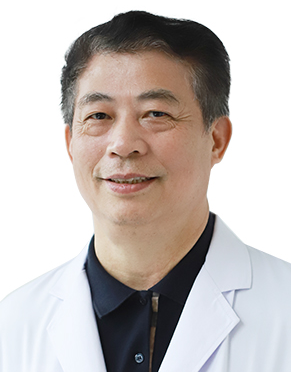 Yucai Zhang (张育才)合作论文数American-Sino Women's and Children's Hospital1Yun Cui (崔云)合作论文数1Yiling Fan (樊翊凌)合作论文数1Dan Jia (贾丹)合作论文数1
 Shu Wang (王曙)合作论文数Ruijin Hospital, Shanghai Jiaotong University School of Medicine1
 Junhua Zheng (郑军华)合作论文数Renji Hospital, School of Medicine, Shanghai Jiao Tong University1
 Zhiruo Zhang (张智若)合作论文数School of Public Health, Shanghai Jiao Tong University1Yiping Zhou (周毅萍)合作论文数Shanghai University of Traditional Chinese Medicine1
 Enqiang Mao (毛恩强)合作论文数Ruijin Hospital, School of Medicine, Shanghai Jiao Tong University1




