Metastatic prostate cancer is highly heterogeneous, posing challenges for the precise use of platinum-based chemotherapy. This narrative review proposes a dual “genotype–phenotype” stratification framework to support structured clinical decision-making. On the genotype arm, we review the “response gradient” within homologous recombination repair (HRR) gene aberrations, with strong evidence that BRCA2 mutations (especially biallelic loss) are the most robust predictors of platinum sensitivity, whereas the benefit in other genes (e.g., ATM, CDK12) is uncertain. On the phenotype arm, we focus on aggressive-variant/neuroendocrine prostate cancer (AVPC/NEPC), showing that platinum-containing regimens can induce high initial response rates but require optimization to prolong response duration. In addition, we critically synthesize evidence on sequential and combination strategies of platinum with poly(ADP-ribose) polymerase (PARP) inhibitors and taxanes, and discuss toxicity management in older and comorbid patients. Future progress will likely require integration of functional HRD assays, dynamic liquid-biopsy monitoring, and individualized supportive care to determine how short-term platinum responses can be translated into more durable clinical benefit.
Abnormal glycosylation is a hallmark of cancer cells and plays a crucial role in tumor invasion and metastasis. However, the relationship between glycogenes and prostate cancer (PCa) remains poorly understood. This study aims to identify glycogenes involved in the onset and progression of PCa and to investigate the molecular mechanisms underlying their role. By integrating RNA-seq data from multiple clinical cohorts (TCGA and CPGEA) and performing biochemical validation, we identified beta-1,4-N-acetylgalactosaminyltransferase 4 (B4GALNT4) as a glycogene significantly associated with advanced pathological stages, higher Gleason scores, and poor prognosis in PCa patients. Furthermore, multivariate Cox regression analysis confirmed B4GALNT4 as an independent prognostic factor for survival. Mechanistically, we discovered that B4GALNT4 interacts with PDK1 and glycosylates it at residue N531. This N-glycosylation stabilizes PDK1 by blocking its degradation, thereby activating the PI3K-AKT signaling pathway. This signaling axis promotes PCa cell proliferation, migration, and invasion in vitro. Moreover, B4GALNT4 knockdown suppresses tumor growth in xenograft models and correlates with decreased PDK1 and p-AKT levels in vivo. Our findings establish B4GALNT4 as a critical regulator of PCa progression through PDK1 glycosylation and PI3K-AKT activation, suggesting that B4GALNT4 serves as both a prognostic biomarker and a potential therapeutic target for PCa.
Penile metastasis from prostate cancer is rare and is associated with a poor prognosis; however, there is currently a lack of high-level evidence to guide the management of this condition. This case report describes a 68-year-old male with prostate cancer who developed a penile metastasis during follow-up. This occurred despite stable prostate-specific antigen (PSA) levels after treatment with androgen deprivation therapy, combined with endocrine therapy and radiotherapy. Imaging studies and intraoperative frozen section pathology suggested a penile tumor. The patient subsequently underwent total penectomy combined with urinary diversion surgery. Postoperative histopathology confirmed poorly differentiated adenocarcinoma consistent with metastatic prostatic adenocarcinoma exhibiting morphological changes related to prior therapy. This case highlights the importance of maintaining clinical suspicion for penile metastasis in prostate cancer patients with stable PSA levels, especially in the context of tumor dedifferentiation, to facilitate early diagnosis and appropriate intervention.
Contemporary guidelines recommend docetaxel as first-line chemotherapy for chemotherapy-naïve men with metastatic castration-resistant prostate cancer (mCRPC) who progress on an androgen receptor signaling inhibitor (ARSI). Cabazitaxel is preferred after prior docetaxel and one ARSI. However, real-world constraints—such as patient preference, access, or comorbidity—often preclude chemotherapy, and cross-resistance among ARSIs is common, making robust responses to same-agent rechallenge uncommon. We report a 74-year-old man diagnosed in 2015 with de novo metastatic hormone-sensitive prostate cancer (Gleason 4 + 4; cT4N1M1b). Under continuous medical castration, he received sequential first- and next-generation ARSIs but consistently declined chemotherapy and radiotherapy. Following biochemical progression on enzalutamide in early 2025, which was accompanied by imaging findings suggestive of a new T12 lesion, and after a brief bicalutamide interval, enzalutamide was rechallenged under a time-limited, PCWG3-aligned protocol with predefined stop rules. Over five months, prostate-specific antigen (PSA) levels declined from 17.73 ng/mL to 2.62 ng/mL (~85% reduction); this PSA response was maintained for ≥5 months through the last follow-up while the patient remained on enzalutamide, without new adverse events or increased analgesic use. This case suggests that in a preference-constrained, chemotherapy-naïve patient, same-agent enzalutamide rechallenge can yield a clinically meaningful PSA response. The observation raises the hypothesis that ARSI resistance may be reversible in a subset of patients, warranting prospective evaluation of biomarker-guided rechallenge strategies to optimize patient selection and minimize opportunity cost.
Standard hematoxylin and eosin (H&E) staining for prostate cancer diagnosis is time-consuming, delaying clinical workflows and intraoperative decisions. We evaluated EndoSCell (ES), a handheld real-time fluorescence microscope, as an efficient solution. In this single-center study, tissues from 115 patients undergoing transperineal biopsy and 10 undergoing radical prostatectomy (RP) were dual-stained with fluorescein sodium and methylene blue, then scanned with ES. Real-time images interpreted by urologists were compared with standard histopathology. Analyzing 209 biopsy samples, ES demonstrated high diagnostic accuracy with a sensitivity of 0.86 (95% CI, 0.75–0.93) and specificity of 0.97 (95% CI, 0.92–0.99). Receiver operating characteristic (ROC) curve analysis showed an area under the curve (AUC) of 0.912, while Cohen's Kappa indicated substantial agreement (0.839, p < 0.001). The mean scanning time was rapid at 82.71s. Favorable consistency was also observed in RP specimens. Consequently, ES achieves high concordance with conventional histopathology. Its dual-staining mechanism streamlines clinical workflows, bridging the gap between diagnosis and treatment to enable one-stop management, while showing significant potential for the intraoperative assessment of surgical margins.
Background:Poly(A) binding protein cytoplasmic 4 (PABPC4) has been regarded as a prognostic marker in many malignancies. In this study, we evaluated PABPC4 expression at both messenger ribonucleic acid (mRNA) and protein levels. The prognostic value of PABPC4 in patients with prostate cancer (PCa) was also investigated. Methods:The Cancer Genome Atlas (TCGA) database, Gene Expression Omnibus (GEO) database, our analysis of Chinese Prostate Cancer Genome and Epigenome Atlas (CPGEA), and 65 pairs of ribonucleic acid (RNA) sequencing data from our center were employed to detect the expression of PABPC4 in PCa tissues. Tissue microarrays (TMAs) were utilized to detect the expression of the PABPC4 protein, and survival analysis as well as risk factor analysis were conducted. Results:In the 65 pairs of sequencing data, the expression of PABPC4 in tumor tissues was significantly higher than that in paired adjacent tissues (P<0.001), and its expression also presented significant differences among different Gleason groups (P=0.041). In the CPGEA data, the expression of PABPC4 in tumor tissues was significantly higher than that in control tissues (P<0.001), and the expression of PABPC4 in M1 patients was higher than that in M0 patients, although no significant statistical difference was shown (P=0.051). In the TCGA data, the expression of PABPC4 in tumor tissues was significantly higher than that in control tissues (P<0.001). The expression of pT3/4 (pathological tumor stage 3 and pathological tumor stage 4) in high-stage tumor tissues was significantly higher than that in low-stage tumor tissues (pT2) (P=0.02), the expression of pT3/4 in GSE21034 and GSE32571 tumor tissues was significantly higher than that in control tissues (P<0.001), and the expression of pT3/4 in primary tumor tissues was higher than that in metastatic tissues in GSE6752 (P<0.001). The TCGA data revealed that patients with high PABPC4 expression had poorer overall survival (OS) than those with low PABPC4 expression (P=0.04), and the TMA data indicated that patients with high PABPC4 expression had a poor prognosis (P=0.004). Conclusions:Our study demonstrated that PABPC4 was overexpressed at mRNA and protein levels in PCa. We found that patients with high PABPC4 expression had a shorter biochemical recurrence (BCR)-free survival and OS, showing its value as a prognostic biomarker in patients with PCa.
Abstract In the quest for efficient tumor diagnosis via liquid biopsy, extracellular vesicles (EVs) have shown promise as a source of potential biomarkers. This study addresses the gap in biomarker efficacy for predicting clinically significant prostate cancer (csPCa) between the Western and Chinese populations. We developed a urinary extracellular vesicles‐based prostate score (EPS) model, utilizing the EXODUS technique for EV isolation from 598 patients and incorporating gene expressions of FOXA1, PCA3, and KLK3. Our findings reveal that the EPS model surpasses prostate‐specific antigen (PSA) testing in diagnostic accuracy within a training cohort of 234 patients, achieving an area under the curve (AUC) of 0.730 compared to 0.659 for PSA (p = 0.018). Similarly, in a validation cohort of 101 men, the EPS model achieved an AUC of 0.749, which was significantly better than PSA's 0.577 (p < 0.001). Our model has demonstrated a potential reduction in unnecessary prostate biopsies by 26%, with only a 3% miss rate for csPCa cases, indicating its effectiveness in the Chinese population.
Prostate cancer (PCa) is the most common malignant tumor in men. Currently, there are few prognosis indicators for predicting PCa outcomes and guiding treatments. Here, we perform comprehensive proteomic profiling of 918 tissue specimens from 306 Chinese patients with PCa using data-independent acquisition mass spectrometry (DIA-MS). We identify over 10,000 proteins and define three molecular subtypes of PCa with significant clinical and proteomic differences. We develop a 16-protein panel that effectively predicts biochemical recurrence (BCR) for patients with PCa, which is validated in six published datasets and one additional 99-biopsy-sample cohort by targeted proteomics. Interestingly, this 16-protein panel effectively predicts BCR across different International Society of Urological Pathology (ISUP) grades and pathological stages and outperforms the D'Amico risk classification system in BCR prediction. Furthermore, double knockout of NUDT5 and SEPTIN8, two components from the 16-protein panel, significantly suppresses the PCa cells to proliferate, invade, and migrate, suggesting the combination of NUDT5 and SEPTIN8 may provide new approaches for PCa treatment.
Background:Pelvic lymph node dissection (PLND) is regarded as a crucial component of radical prostatectomy (RP); however, it also increases the probability of postoperative complications. This study aimed to investigate the significance of PLND in the treatment of prostate cancer. Methods:A total of 1,474 patients with complete clinical data were retrospectively analyzed. Multivariable logistic regression analysis was used to identify the factors of PLND and lymph node metastasis (LNM). Propensity score matching (PSM) was performed to balance baseline characteristics between patients in different groups, along with Kaplan-Meier survival analysis to explore the impact of PLND on oncological outcomes. Results:Of the 1,474 patients, 956 (64.9%) underwent PLND, and 159 (16.6%) had LNM. The positive rate of lymph nodes in the extended PLND (ePLND) group was higher than that in the obturator resection group (20.58% vs. 10.05%, P<0.001). Multivariable Logistic regression showed that age, serum prostate-specific antigen (PSA), International Society of Urological Pathology (ISUP) grade, clinical T stage and risk stratification were correlated with PLND during RP (P<0.05); ISUP grade, clinical T staging and risk stratification increased the risk of LNM (P<0.05). After PSM, patients in RP group had similar survival compared to the PLND group (P=0.80); the ePLND group and obturator resection group also achieved equivalent survival (P=0.16). Among lymph node-positive patients, the disease progression-free survival in the adjuvant therapy group seemed superior to the non-adjuvant therapy group (P<0.001); and the adjuvant therapy group had better survival than those without PLND (P=0.02). Conclusions:ePLND is recommended for patients with indications of lymphadenectomy, which can significantly optimize the detection rate of positive lymph nodes and provide guidance for subsequent adjuvant therapy.
Introduction The existing large prospective study demonstrates the benefits of primary radiotherapy in patients with low-volume oligometastatic prostate cancer (OMPC), and there is additional evidence of the benefits of local metastasis-directed therapy (MDT) for metastatic lesions. However, there are no results from a prospective study to demonstrate the efficacy of radiotherapy for prostate and oligometastases. Therefore, the aim of the protocol is to illustrate the efficacy of radiotherapy for prostate and oligometastatic lesions in patients with low-volume de novo hormone-sensitive OMPC. Methods and analysis This study involves a prospective, single-center, limited-sample, single-arm exploration of radiotherapy for prostate and oligometastatic lesions in patients diagnosed with low-volume hormone-sensitive OMPC. Eligible participants undergo thorough assessments and treatment involving endocrine therapy alongside radiation targeting metastatic lesions and the pelvic region. The primary site is treated with volumetric modulated arc therapy (VMAT), while metastatic sites are treated with either VMAT or stereotactic body radiation therapy (SBRT) depending on their location. All patients received radiation therapy for both the primary and metastatic lesions combined with endocrine therapy. Endocrine therapy with an antiandrogen (bicalutamide, for 4 weeks) androgen deprivation therapy combined with novel hormonal agents (acetate abiraterone) will be continued for 2 years. The primary objective is to evaluate progression-free survival-2 (PFS-2), while secondary endpoints include androgen deprivation therapy (ADT)-free survival, quality of life (QoL), overall survival, time to castration-resistant prostate cancer (CRPC), radiation-related complications, and endocrine therapy-related adverse events. Ethics and dissemination Approval was obtained from the ethics committee of the First Affiliated Hospital of Naval Medical University (CHEC2023-220). This is a single-arm exploration pilot trial evaluating radiotherapy for prostate and oligometastatic lesions in patients with OMPC. It aims to disseminate its findings through peer-reviewed journals and relevant medical conferences, with the intention of publication and presentation at these events. Trial registration numbers Clinicaltrials.gov identifier NCT06198387.
Background:Incidences of rectal infiltration by prostate cancer (PCa) are reported to affect up to 12% of patients studied. PCa invading the rectum is prone to cause difficulty in defecation, bloody stool and pain, leading to a decline in patients' quality of life. Unfortunately, the prognosis for these patients is poor and the survival period is short. Total pelvic exenteration (TPE) has been demonstrated to mitigate pain and improve symptoms such as defecation difficulty, dysuria, and hematuria. However, most patients still harbor residual tumor and fail to exhibit any improvement in long-term survival. Case Description:Here, we present a case of PCa invading the rectum with focal neuroendocrine differentiation, characterized by clinical presentations of defecation difficulties and rectal bleeding. A TPE procedure was performed, with a whole exome sequencing (WES) assay indicating that the patient exhibited a high tumor mutation burden (TMB) and high microsatellite instability (MSI-H). Subsequently, the patient received androgen deprivation therapy (ADT) combined with adjuvant immunotherapy following the procedure. At the subsequent six-year follow-up, no local or systemic recurrence was observed, and the prostate-specific antigen (PSA) level remained undetectable. Conclusions:This disease entity remains relatively rare in the literature. Accurate differential diagnosis is important. TPE combined with immunotherapy may improve the prognosis. It is of utmost importance to achieve an accurate differential diagnosis, which necessitates the collaboration of multiple disciplines and the performance of requisite tests, including immunohistochemistry and genetic testing.
Background:The adenylyl cyclase (ADCY) gene family encodes enzymes responsible for the synthesis of cyclic adenosine monophosphate (cAMP) from adenosine triphosphate (ATP), which comprises nine transmembrane isoforms (ADCYs 1-9). Although ADCYs correlate with intracellular signalling and tumorigenesis in different malignancies, their roles in bladder cancer remain unclear.Methods:Utilizing the bladder urothelial carcinoma (BLCA) dataset from The Cancer Genome Atlas (TCGA), we employed the R package 'limma' to identify differential genes. Subsequent correlation analysis with corresponding clinical data was conducted. Prognostic significance of ADCY family genes was assessed through survival analysis. Univariate and multivariate Cox regression determined ADCY2 as a potential independent risk factor for BLCA. Validation was performed using immunohistochemistry results from independent cohorts. Additionally, we delved into the mechanism of genetic variations, methylation modifications, and signalling pathways of ADCY family genes. Evaluation of their role in the immune microenvironment was achieved through R packages single-sample gene set enrichment analysis (ssGSEA), CIBERPORT, and ESTIMATE.Results:Cases of bladder cancer were retrieved from TCGA, and the transcriptionally differentially expressed members of ADCY were identified (members 2, 4, and 5). Genomic alteration, epigenomic modification, clinicopathological characteristics and clinical survival were systematically investigated. A co-expression network was established based on the intersection of correlated genes, which was centred around ADCY2, ADCY4, and ADCY5. Enrichment analysis revealed that correlated genes were involved in epithelial-mesenchymal transition (EMT). The ADCY2 was selected as the most representative biomarker for prognosis in bladder cancer. Bladder tumour with higher ADCY2 expression had higher prognostic risk and worse survival outcomes. Moreover, ADCY2 was correlated with classic immune checkpoints, and a better responsiveness to immunotherapy was exhibited in high-expression subsets. To ameliorate universality of the conclusion, our study also included several real-world cohorts into the preliminary validation, using datasets from the Gene Expression Omnibus (GEO; GSE13507), tissue microarray (TMA) with 80 bladder cancer inclusion and clinical trial IMvigor210, which were associated with immunotherapy sensitivity, prognosis, and common biomarker presentation.Conclusions:Our study reveals that ADCY family has prognostic value in patients with bladder cancer; the ADCY2 is a prominent prognostic biomarker. The bioinformatics analyses and validation provide direction for further functional and mechanistic studies on the screened members of ADCY family.
Building upon our previous investigation of genomic, epigenomic, and transcriptomic profiles of prostate cancer in China, we conducted a comprehensive analysis of proteomic and phosphoproteomic profiles of 82 tumor tissues and matched adjacent normal tissues from 41 Chinese patients with localized prostate cancer. We identified three distinct proteomic subtypes with significant difference in both molecular features and clinical prognosis. Notably, these proteomic subtypes exhibited a parallel degree of heterogeneity in the phosphoproteome, featuring unique metabolism, proliferation, and immune infiltration characteristics. We further demonstrated that a combination of proteins and phosphosites serves as the most effective biomarkers in prostate cancer to predict biochemical recurrence. Through an integrated multiomics analysis, we revealed mechanistic differences underlying different proteomic subtypes and highlighted the potential significance of Serine/arginine-rich splicing factor 1 (SRSF1) phosphorylation in promoting the malignant characteristics of prostate cancer cells. Our multiomics data provide valuable resources for understanding the molecular mechanisms of prostate cancer within the Chinese population, which have the potential to inform the development of personalized treatment strategies and enhance prognostic analyses for prostate cancer patients.
BackgroundProstate cancer (PCa) is the most common malignant tumor of the male urinary system. Cuproptosis, as a novel regulated cell death, remains unclear in PCa. This study aimed to investigate the role of cuproptosis-related genes (CRGs) in molecular stratification, prognostic prediction, and clinical decision-making in PCa. MethodsCuproptosis-related molecular subtypes were identified by consensus clustering analysis. A prognostic signature was constructed with LASSO cox regression analyses with 10-fold cross-validation. It was further validated in the internal validation cohort and eight external validation cohorts. The tumor microenvironment between the two risk groups was compared using the ssGSEA and ESTIMATE algorithms. Finally, qRT-PCR was used to explore the expression and regulation of these model genes at the cellular level. Furthermore, 4D Label-Free LC-MS/MS and RNAseq were used to investigate the changes in CRGs at protein and RNA levels after the knockdown of the key model gene B4GALNT4. ResultsTwo cuproptosis-related molecular subtypes with significant differences in prognoses, clinical features, and the immune microenvironment were identified. Immunosuppressive microenvironments were associated with poor prognosis. A prognostic signature comprised of five genes (B4GALNT4, FAM83D, COL1A, CHRM3, and MYBPC1) was constructed. The performance and generalizability of the signature were validated in eight completely independent datasets from multiple centers. Patients in the high-risk group had a poorer prognosis, more immune cell infiltration, more active immune-related functions, higher expression of human leukocyte antigen and immune checkpoint molecules, and higher immune scores. In addition, anti-PDL-1 immunotherapy prediction, somatic mutation, chemotherapy response prediction, and potential drug prediction were also analyzed based on the risk signature. The validation of five model genes' expression and regulation in qPCR was consistent with the results of bioinformatics analysis. Transcriptomics and proteomics analyses revealed that the key model gene B4GALNT4 might regulate CRGs through protein modification after transcription. ConclusionThe cuproptosis-related molecular subtypes and the prognostic signature identified in this study could be used to predict the prognosis and contribute to the clinical decision-making of PCa. Furthermore, we identified a potential cuproptosis-related oncogene B4GALNT4 in PCa, which could be used as a target to treat PCa in combination with cuproptosis.
The development and expansion of warm autopsy program have important implications in dissecting the heterogeneity during cancer dissemination and resistance. However, in China, the practice of warm autopsy has not yet been officially launched and documented.To explore and establish the procedures and standards for warm autopsy in China, we followed the disease course of a male patient with terminal metastatic prostate cancer. We assembled a multidisciplinary team to perform warm autopsy immediately after death. Through longitudinal sampling from biopsy and autopsy, we performed integrative and comprehensive genomic and epigenomic analysis using multi-omics approaches.We traced the dynamic evolution and heterogeneity of this prostate tumor, and identified many critical driver events in both the original tumor and its disseminations. Truncated CDKN1B may result in downregulation of expression, which represent a key driver event in the metastatic progression of prostate cancer. We also delineated the congruence of genetic and epigenetic clonal evolution during tumor metastasis.Our data and analysis elucidated the mechanisms and drivers during metastasis, which represent a valuable resource for the study and treatment of prostate cancer. We also call on more investigators to improve warm autopsy of prostate cancer for clinical and experimental investigations.
Increasing evidence reveals that the interaction between tumor cells and tumor-associated macrophages (TAMs) facilitates the progression of prostate cancer, but the related mechanisms remained unclear. This study determined how gankyrin, a component of the 19S regulatory complex of the 26S proteasome, regulates the progression and androgen deprivation therapy (ADT) resistance of prostate cancer through tumor cell-TAM interactions. In vitro functional experiments and in vivo subcutaneous tumor models were used to explore the biological role and molecular mechanisms of gankyrin in prostate cancer cell-TAM interactions. 234 prostate cancer patients were randomly divided into training and validation cohorts to examine the prognostic value of gankyrin through immunohistochemistry (IHC) and statistical analyses, and high gankyrin expression was correlated with poor prognosis. In addition, gankyrin facilitated the progression and ADT resistance of prostate cancer. Mechanistically, gankyrin recruited and upregulated non-POU-domain-containing octamer-binding protein (NONO) expression, resulting in increased androgen receptor (AR) expression. AR then bound to the high-mobility group box 1 (HMGB1) promoter to trigger HMGB1 transcription, expression, and secretion. Moreover, HMGB1 was found to promote the recruitment and activation of TAMs, which secrete IL-6 to reciprocally promote prostate cancer progression, ADT resistance and gankyrin expression via STAT3, resulting in formation of a gankyrin/NONO/AR/HMGB1/IL-6/STAT3 positive feedback loop. Furthermore, targeting the interaction between tumor cells and TAMs by blocking this loop inhibited ADT resistance in a tumor xenograft model. Taken together, the data show that gankyrin serves as a reliable prognostic indicator and therapeutic target for prostate cancer patients.
Objective:To report the treatment of a peculiar morphology of prostatic hyperplasia nodule-the extra-vesicle median lobe during robot-assisted radical prostatectomy.Method:Among the 339 cases of RARP performed by a single operator between July 2022 and June 2023, 238 cases with preserved surgical videos were reviewed, focusing on the bladder neck dissection and its subsequent dorsal prostate detachment procedures, and a total of 8 patients with typical extravesical median lobes were screened out for reviewing in combination with the patient's preoperative multiparametric magnetic resonance imaging data. In this article, we would focus on the analysis of one of the cases.Results:The extra-vesicle median lobe was usually located behind the urethra, and its anatomical location and texture were close to the contralateral vas deferens and seminal vesicles. During robot-assisted radical prostatectomy (RARP), it potentially misled the surgeon into the wrong anatomical plane. Due to the modification of the surgical plane, the operation time would probably be prolonged, which might impact the surgical determination of the surgeon.Conclusions:How to predict the existence of "the extra-vesicle median lobe" before and during operation and make timely adjustment of surgical strategies is a problem worth exploring by surgeons.
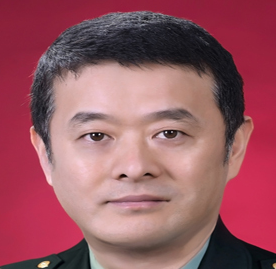 Yinghao Sun (孙颖浩)合作论文数Naval Medical University26
 Xu Gao (高旭)合作论文数Harbin Medical University22
 Huan Chen合作论文数16Wenhui Zhang合作论文数15
 Chuanliang Xu (许传亮)合作论文数Changhai Hospital14
 Dong Zhenyang合作论文数12Xianqi Shen合作论文数11Bijun Lian合作论文数11Shaoqin Jiang合作论文数10
 Mohammad Mehrmohammadi合作论文数10
 Jing Li合作论文数10Zepeng Jia合作论文数9
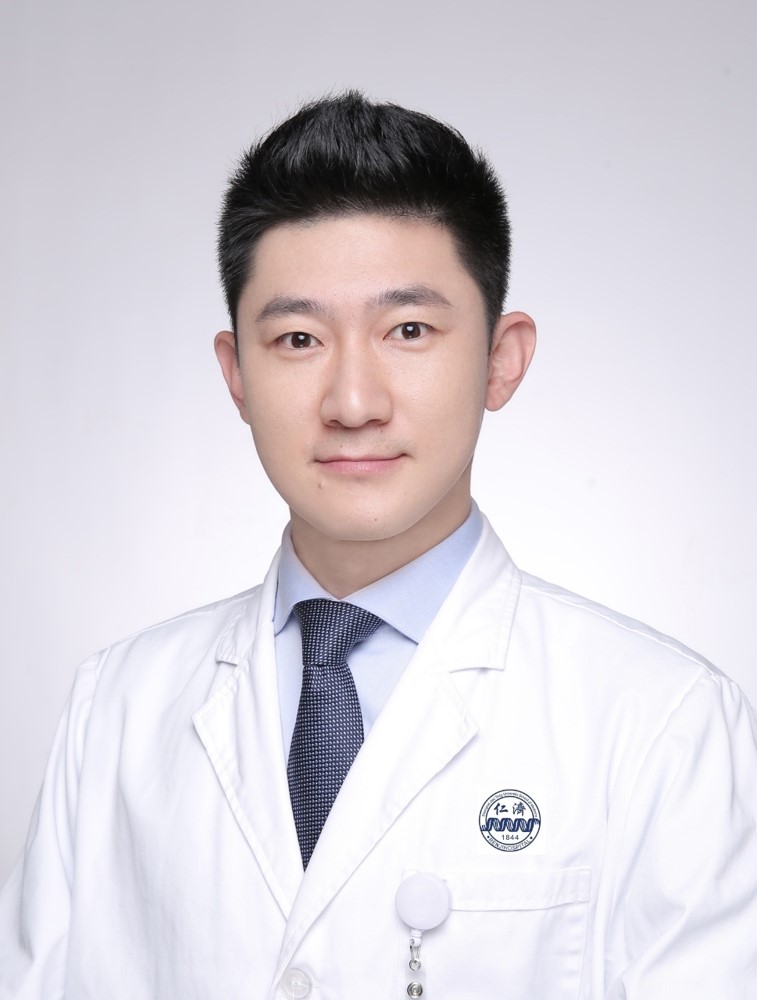 Rui Chen (陈锐)合作论文数Renji Hospital, Shanghai Jiao Tong University School of Medicine9Jili Zhang合作论文数8
 Shancheng Ren (任善成)合作论文数Department of Urology, Shanghai Changzheng Hospital8Xinwen Nian合作论文数7Jin Ji合作论文数7
 Stanislav Emelianov合作论文数School of Electrical & Computer Engineering, Georgia Institute of Technology;Wallace H. Coulter Department of Biomedical Engineering, Georgia Institute of Technology;Winship Cancer Institute, Emory University7Ke-Qin Dong合作论文数6
 Depei Kong合作论文数6Hongru Wang合作论文数6
 Chenghua Yang (杨成华)合作论文数Shanghai Institutes for Biological Sciences, Chinese Academy of Sciences;University of Chinese Academy of Sciences;Changhai Hospital6
 Linhui Wang (王林辉)合作论文数School of Health Science and Engineering, University of Shanghai for Science and Technology;Changhai Hospital of Shanghai6
 Jianguo Hou (侯建国)合作论文数Department of Urology,Changhai Hospital,Second Military Medical University,Shanghai ,China6Li-He Dai合作论文数5Zeyu Chen合作论文数5Fei Liu合作论文数5
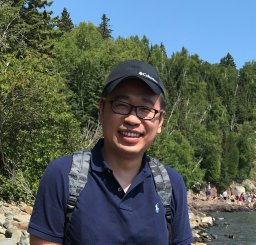 Yan Wang合作论文数Shanxi Province Cancer Hospital, Chinese Academy of Medical Sciences5Qin-Qin Tian合作论文数5Guang Peng合作论文数5Zhe Zhou合作论文数5Kai-Jian Wang合作论文数5LiQiang Meng (孟立强)合作论文数5
 Danfeng Xu (徐丹枫)合作论文数Ruijin Hospital, Shanghai Jiao Tong University School of Medicine5
 Xingang Cui (崔心刚)合作论文数Shanghai Changzheng Hospital5
 Chao Wang合作论文数Department of Immunology, Temerty Faculty of Medicine, University of Toronto;Sunnybrook5Huang Hai合作论文数5Cheng Yan-Qiong合作论文数5
 Jun Yang (杨军)合作论文数Department of Stomatology,Southwest Hospital,Third Military Medical University5Yifan Chang合作论文数4Haoqing Shi合作论文数4Ziwei Wang合作论文数4Zhenkai Shi合作论文数4
 Jiahuang Li (李家璜)合作论文数School of Biopharmacy, China Pharmaceutical University4
 Kimberly Homan合作论文数Dept Biomed Engn, Univ Texas Austin4




