Photodynamic therapy (PDT) is a non-invasive, effective treatment for superficial skin conditions, offering superior cosmetic outcomes compared with traditional therapies. Bowen's disease (BD) of the nipple-areola complex (NAC) is rare and thus, lacks a standardized treatment approach. This report details the case of a 48-year-old woman who was successfully treated for BD of the NAC using PDT. Over a follow-up period of 30 months, there was no evidence of disease recurrence, underscoring the potential of PDT as a viable treatment option for this rare manifestation of BD.
PurposeLymphoepithelioma-like hepatic carcinoma (LELC) is a rare malignant liver tumor and its preoperative diagnosis is challenging. The aim of this study was to optimize the diagnosis and treatment of LELC in a single large center.MethodsWe conducted this retrospective analysis of 16 patients diagnosed with LELC in the First Affiliated Hospital of Zhejiang University between 2010 and 2022. Thirty-two cases of cholangiocarcinoma (ICC) and 48 cases of hepatocellular carcinoma (HCC) served as controls.ResultsMost of the 16 patients with LELC included in this study had no specific symptoms. Histologically, 9 patients had lymphoepithelioma-like hepatocellular carcinoma (LEL-HCC), 5 had lymphoepithelioma-like cholangiocarcinoma (LEL-ICC) and 2 had LEL-HCC-ICC. LEL-HCC was usually accompanied by hepatitis B virus infection, while LEL-ICC was often accompanied by Epstein Barr virus (EBV) infection. During the follow-up period, no complication and deaths were observed and only one patient experienced recurrence. These results were obviously better than those in patients with HCC and ICC.ConclusionLELC is a rare malignant hepatic tumor. There are no specific symptoms or imaging modalities for accurate preoperative diagnosis of LELC. The diagnosis can be confirmed by pathology; however, the prognosis of LELC after resection is promising.
Background: There are few studies on the relationship between metastatic sites and prognosis of gallbladder cancer (GBC) patients with distant metastasis. In this study, we aimed to analyze the association between metastatic sites and survival of GBC patients with distant metastasis and developed a nomogram to predict the overall survival (OS). Methods: The information of 1174 GBC patients with distant metastasis was collected from the Surveillance, Epidemiology, and End Results (SEER) database between 2010 and 2015, which was based on the 8th edition of TNM staging system. Then patients were divided into a training set and validation set with ratio 7:3. The Cox proportional hazards analysis was performed to find independent prognostic factors and created a nomogram. Concordance index (C-index) and calibration plots were used to validate the predictive accuracy and discriminatory ability of the nomogram, and risk stratification was established based on the nomogram. Results: The Cox proportional hazards analysis showed that the T classification, tumor grade, histology, bone metastasis, liver metastasis, brain metastasis, surgery, and chemotherapy were the independent prognostic factors. The C-index of nomogram in training set and validation set were 0.706 (95%CI [0.686-0.726]) and 0.698 (95%CI [0.665-0.731]), respectively. The calibration plots showed satisfactory accuracy of the nomogram, and patients were divided into three groups base on the nomogram. There were significant differences in survival time between groups. Conclusions: Patients with brain metastasis, liver metastasis, bone metastasis have a poor prognosis, and chemotherapy and surgery may improve the patient's prognosis.
BACKGROUND:Treatment of tuberculosis (TB) during pregnancy can reduce maternal and foetal complications. However, it may also induce fatal liver injury.CASE PRESENTATION:We present a case of a 26-year-old pregnant woman who underwent orthotopic liver transplantation for anti-TB drug-induced fulminant hepatic failure (FHF). Her tuberculous pleurisy was treated with rifampin, isoniazid and pyrazinamide. An artificial liver support system (ALSS) was unable to reverse the liver injury while serving as a bridge to liver transplantation. She had a successful liver transplantation operation at 17 3/7 weeks of gestation. The foetal ultrasound scan showed mild foetal bilateral ventriculomegaly at 21 5/7 weeks of gestation, and labour was induced via double-balloon catheter as soon as the allograft function was stable. Despite immunosuppression, the TB was well controlled with linezolid, levofloxacin and pyridoxine at the 8 months follow-up.CONCLUSIONS:Anti-TB drug-induced liver failure during pregnancy is rare. We present a case of successful treatment of FHF in which an artificial liver support system combined with liver transplantation. The FHF was caused by anti-TB drugs with difficulties due to pregnancy status and post-transplant anti-TB treatment. Mild foetal ventriculomegaly was found in our case. Further research is still needed to identify the risks of TB treatment and liver transplantation in pregnant women. A multidisciplinary team coordinated properly to optimize patient outcomes.
Objective To explore the cause,treatment and prognosis of delayed massive haemorrhage (DMH) after pancreatic resection.Method Clinical data of 1554 patients undergoing pancreatectomy in our hospital from Aug 2003 to Aug 2013 were retrospectively analyzed.Results 16 patients suffered from DMH,including 13 patients who had undergone pancreaticoduodenectomy,and 3 patients who had had resection of pancreatic body and tail.Gastrointestinal haemorrhage occurred in 6 patients,intra-abdominal haemorrhage occurred in 10 patients,respectively.Reoperations were performed in 11 patients,transcatheter arterial embolization (TAE) undertaken in 2 patients,and endoscopic treatment in 3 patients.10 patients recovered after treatment,6 patients (6/16) died.Conclusions The mortality of DMH after pancreatic surgery is high.Postoperative pancreatic leak and gastrointestinal stress ulcer are the most possible risk factors,intra-abdominal arterial haemorrhage is the main cause of death.
OBJECTIVE To analyze the risk factors for biliary complications of liver transplantation from donation after cardiac death (DCD). METHODS Clinical data of 109 patients undergoing liver transplantation from DCD in First Affiliated Hospital of Zhejiang University School of Medicine from October 2010 to October 2013 were studied retrospectively. The risk factors of biliary complications following DCD liver transplantation were analyzed. RESULTS Twenty-four (22%) patients developed biliary complications after DCD liver transplantation. Univariate analysis showed that biliary complications were associated with warm ischemia time (P<0.001) and length of ICU stay (P=0.013), but not associated with ABO blood types match (P>0.05). Administration of inotropic agents and fatty liver increased the trend of biliary complications. Multivariate analysis demonstrated that warm ischemia time and length of ICU stay were independent risk factors for predicting biliary complications. CONCLUSION Warm ischemia time and days of ICU stay are independent risk factors for predicting biliary complications after DCD liver transplantation.
Background: Gastrointestinal stromal tumors (GISTs) are the most common mesenchymal neoplasms. However, duodenal GISTs compromise a small and rare subset and few studies have focused on them. We evaluated the surgical management of patients with duodenal GISTs treated by pancreaticoduodenectomy (PD) versus local resection (LR) in our institution and analyzed the postoperative outcomes.Methods: This was a retrospective review of patients with duodenal GISTs managed in our institution from January 2006 to January 2012. Clinicopathologic findings and disease-free survival (DFS) of duodenal GIST patients were analyzed.Results: A total of 48 patients were selected. The most common presentation was bleeding (60.4%), and the second portion of the duodenum (35.4%) was the most common dominant site. Of the patients, 34 (70.8%) underwent LR while 14 (29.2%) underwent PD. The surgical margins for all studied patients were free. Patients who ultimately underwent PD were more likely to present with a larger tumor (median size: PD, 6.3 cm vs LR, 4.0 cm; P = 0.02) and more commonly presented with a tumor in the second portion of the duodenum (second portion: PD, 64.3% vs LR, 23.5%; P = 0.007). The tumors treated by PD had a higher grade of risk compared with LR as defined by National Institutes of Health (NIH) criteria (P = 0.019). PD was significantly associated with a longer operation time and a longer hospital stay compared to LR (P < 0.001 and P = 0.001, respectively). In our study, the median follow-up period was 36 months (range: 0 to 81 months). The 1- and 3-year DFS was 100% and 88%, respectively. From multivariable analysis, the only significant factor associated with a worse DFS was an NIH high risk classification (hazard ratio = 4.24).Conclusions: The recurrence of duodenal GIST was correlated to tumor biology rather than type of operation. PD was associated with a longer hospital stay and longer operation time. Therefore, LR with clear surgical margins should be considered a reliable and curative option for duodenal GIST and PD should be reserved for lesions not amenable to LR.
Objective To demonstrate the efficacy and safety of Hangzhou tacrolimus capsule (Saishi Tac capsule,Hangzhou Zbongmei Huadong Pharmaceutical Co.Ltd,China) in Chinese liver transplant recipients.Methods Multicenter,randomized open-labeled,prospective controlled clinical trial was performed in de novo Chinese liver transplant recipients.According to inclusive and exclusive criterion,83 liver recipients from 11transplant centers were enrolled.The recipients accepted Saishi Tac capsule,mycopheolate and steroid 48 h post-operation.The initial dose of Tac was 0.1-0.15 mg kg-1day-1and C0 was 8-12 ng/ml in the first 60 days,followed by 5-10 ng/ml until the terminal observation time poiut (12 weeks after transplantation).The efficacy and safety were estimated during the period.The primary efficacy endpoint of the study was the incidence of biopsy-confirmed acute rejection.Graft survival was the secondary endpoint.Safety was assessed by monitoring laboratory parameters and adverse events reported over the course of the study,such as infection,renal damage,hypertension,hyperlipema and diabetes mellitus and other adverse affairs.Results The dose of Tac at 1st,2nd,4th and 8th week post-operation was (4.1±1.9),(4.5±2.1),(4.5±2.1),(4.4±1.8) and (4.1±2.1) mg,and correspondjng values to the C0 were (8.1±4.5),(8.9±4.5),(8.8±4.3),(8.8±4.1) and (8.0±2.8) ng/ml.During 12 weeks of follow-up,the incidence of biopsy-confirmed acute rejection was 4.8% (4/83),and all of cases were reversed by implosive therapy.The survival rate of graft hver was 100%.The incidence of lung infection and diabetes mellitus was both 6.02%.Conclusion Saishi Tac capsule was safe and effective to Chinese liver transplant recipients.
 Shusen Zheng (郑树森)合作论文数The First Affiliated Hospital, Zhejiang University School of Medicine5
 Weiliang Xia合作论文数2Yang Li合作论文数1Mingqi Shuai合作论文数1Shangfen Xie合作论文数1Longyu Cheng合作论文数1Mingjie Wu合作论文数1Yu Jun合作论文数1Wu Jian合作论文数1Feng Gao合作论文数1Junjun Jia合作论文数1Zhoufeng Zhu (朱周凤)合作论文数1Zhou Shao合作论文数1Yifeng Jin合作论文数1DeBiao Pan (潘德标)合作论文数1Feng Huo (霍枫)合作论文数1周杰合作论文数浙江大学生命科学学院1
 Zhiren Fu (傅志仁)合作论文数Shanghai Changzheng Hospital1
 Jian Wu (吴健)合作论文数School of Basic Medical Sciences, Fudan University1
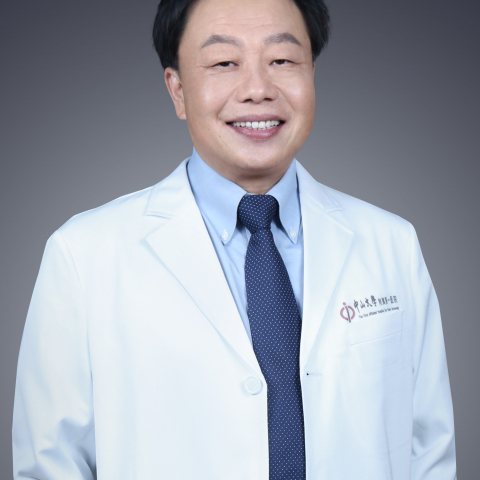 Xiaoshun He (何晓顺)合作论文数The First Affiliated Hospital, Sun Yat-sen University1Na Zhang合作论文数1Cao G-Q合作论文数1
 Qiang Xia (夏强)合作论文数Renji Hospital, Shanghai Jiao Tong University School of Medicine;Shanghai Cancer Institute1
 Bo Zhou (周波)合作论文数College of Computer Science and Technology, Zhejiang University1
 Jia Fan (樊嘉)合作论文数Zhongshan Hospital, Fudan University;Liver Cancer Institute, Fudan University;Shanghai Medical College, Fudan University1Wu Zhang合作论文数1Songfeng Yu (余松峰)合作论文数1
 Weilin Wang (王伟林)合作论文数The Second Affiliated Hospital, Zhejiang University School of Medicine1
) Sheng Yan (严盛)合作论文数The Second Affiliated Hospital, School of Medicine, Zhejiang University;Zhejiang University Cancer Center1
Sheng Yan (严盛)合作论文数The Second Affiliated Hospital, School of Medicine, Zhejiang University;Zhejiang University Cancer Center1 Zhenwen Liu (刘振文)合作论文数Chinese People's Liberation Army General Hospital1
 Zhijun Zhu (朱志军)合作论文数Beijing Friendship Hospital, Capital Medical University;Graduate School, Capital Medical University1
 Liping Cao (曹利平)合作论文数Surgery Institute, Zhejiang University;Hepatobiliary and Pancreatic Surgery Department, Sir Run Run Shaw Hospital, School of Medicine, Zhejiang University1
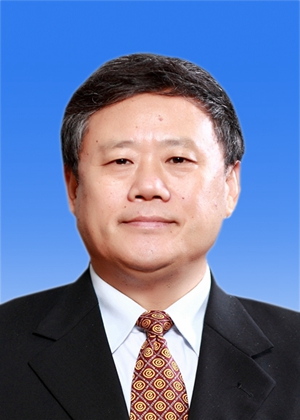 Zhihai Peng (彭志海)合作论文数Xiang'an Hospital of Xiamen University1
 Chenghong Peng (彭承宏)合作论文数Zhoushan Branch, Shanghai Ruijin Hospital1
 Yan Shen (沈岩)合作论文数The First Affiliated Hospital, School of Medicine, Zhejiang University1
 Jiahong Dong (董家鸿)合作论文数Beijing Tsinghua Changgung Hospital1




