Out-of-domain(OOD) generalization remains a major challenge for Multiple Instance Learning (MIL) models in computational pathology, due to spurious correlations introduced by domain-specific confounders such as staining variations and domain-specific imaging artifacts. To address this, we propose Morphological Prior-Guided Multiple Instance Learning (MoPGMIL), a novel framework designed to mitigate spurious correlations by leveraging morphological tumor-associated prototypes as semantically meaningful guidance. MoPGMIL introduces two key modules: (1) a morphological prototype-guidance module that identifies discriminative tumor-associated prototypes, thereby directing the model’s attention toward causally relevant regions; and (2) a hard negative debiasing module that explicitly treats falsely attended patches as negative samples, reducing reliance on domain-specific confounders. Experiments on three datasets demonstrate that MoPGMIL significantly outperforms state-of-the-art MIL baselines in OOD settings.
This paper presents a novel approach to reinforcement learning (RL) for control systems that provides probabilistic stability guarantees using finite data. Leveraging Lyapunov's method, we propose a probabilistic stability theorem that ensures mean square stability using only a finite number of sampled trajectories. The probability of stability increases with the number and length of trajectories, converging to certainty as data size grows. Additionally, we derive a policy gradient theorem for stabilizing policy learning and develop an RL algorithm, L-REINFORCE, that extends the classical REINFORCE algorithm to stabilization problems. The effectiveness of L-REINFORCE is demonstrated through simulations on a Cartpole task, where it outperforms the baseline in ensuring stability. This work bridges a critical gap between RL and control theory, enabling stability analysis and controller design in a model-free framework with finite data.
In this work, we propose a meta-learning-based Koopman modeling and predictive control approach for nonlinear systems with parametric uncertainties. An adaptive deep meta-learning-based modeling approach, called Meta Adaptive Koopman Operator (MAKO), is proposed. Without knowledge of the parametric uncertainty, the proposed MAKO approach can learn a meta-model from a multi-modal dataset and efficiently adapt to new systems with previously unseen parameter settings by using online data. Based on the learned meta Koopman model, a predictive control scheme is developed, and the stability of the closed-loop system is ensured even in the presence of previously unseen parameter settings. Through extensive simulations, our proposed approach demonstrates superior performance in both modeling accuracy and control efficacy as compared to competitive baselines.
Recent advancements in multimodal pre-training have advanced computational pathology, but current visual-language approaches lack molecular perspective and face performance bottlenecks in clinical settings. Here, we introduce a Unified Molecule-enhanced Pathology Image REpresentation Learning framework (UMPIRE) that enhances the robustness and generalization capabilities of pathology image analysis across diverse tissue types and sequencing platforms. UMPIRE leverages complementary information from gene expression profiles to guide multimodal pre-training, addressing the challenge of distribution shifts between research and clinical environments. To overcome the scarcity of paired data, we collected more than 4 million entries of spatial transcriptomics gene expression to train the gene encoder. UMPIRE aligns modalities across 697K pathology image-gene expression pairs, creating a foundation model that demonstrates superior generalization across multiple sequencing platforms and downstream tasks without additional fine-tuning. Comprehensive evaluation shows UMPIRE's effectiveness in gene expression prediction, spot classification, and mutation state prediction in whole slide images, with significant improvements over state-of-the-art methods. Our findings demonstrate how molecular data integration enhances visual pattern recognition in computational pathology, providing a resilient approach for bench-to-bedside translation. The code and pre-trained weights are available at https://github.com/Hanminghao/Umpire.
The autonomous evolution of networked AI systems relies heavily on robust environmental perception. However, physical understanding remains brittle in current models because key physical signals are visually ambiguous and sparsely represented in web-scale data. To bridge the gap between data-centric learning and knowledge-based physical rules, we present OmniFysics, a compact omni-modal network that unifies signal processing and understanding across images, audio, video, and text. To enable autonomous optimization and inject explicit physical knowledge, we construct a dynamic physical data engine. Within this engine, FysicsAny acts as an adaptive mechanism that produces physics-grounded supervision by mapping salient objects to verified physical attributes via hierarchical retrieval and physics-law-constrained signal verification. Concurrently, FysicsOmniCap distills web videos utilizing advanced audio-visual cross-modal signal processing, generating high-fidelity data pairs that emphasize dynamic physical cues. We optimize the OmniFysics network through staged multimodal alignment and evolutive instruction tuning, integrating latent-space flow matching for generation and an adaptive intent router for efficient execution. Experiments demonstrate that this evolutive optimization paradigm not only achieves competitive performance on standard multimodal benchmarks but also significantly advances physics-oriented evaluations.
This paper proposes a data-driven robust moving horizon state estimation approach for a class of nonlinear systems using a learning-based deep probabilistic stable Koopman model. Different from conventional nonlinear estimation approaches that require the structure or parameter values of a mechanistic model of the underlying nonlinear system, a deep probabilistic stable Koopman operator is learned from noisy data to model the dynamic behavior of the nonlinear system. With the learned Koopman model, a linear robust moving horizon estimation method is proposed for the constrained state estimation of the considered nonlinear system. This method circumvents the challenges associated with non-convex optimization in nonlinear moving horizon estimation and offers an efficient data-based online estimation solution. We provide sufficient conditions that ensure the stability of the developed state estimation scheme in the presence of modeling errors. Finally, the proposed scheme is evaluated using a numerical example and a benchmark simulated chemical process example. The effectiveness and superiority of the proposed scheme are demonstrated.
Intermittent state measurements pose fundamental challenges to model predictive control of constrained nonlinear systems because prediction uncertainty grows during feedback outages and measurement-triggered resets disrupt nominal state propagation, potentially compromising closed-loop stability and recursive feasibility. This paper develops a Koopman-based stochastic MPC framework with probabilistically truncated soft constraints. Specifically, a Lipschitz-constrained deep Koopman model provides a linear latent predictor, enabling computationally efficient online optimization. The intermittent measurement process is modeled as a two-mode discrete-time Markov chain, yielding a unified Markov jump error model for open-loop propagation and measurement-triggered resets. Under numerically verifiable sufficient conditions, the prediction error is shown to be mean-square ultimately bounded, and an explicit uniform second-moment bound is obtained. A distribution-free probabilistic error radius is then constructed for a prescribed confidence level and used to truncate dropout-dependent constraint tightening. An exact-penalty soft-constraint mechanism accommodates reset-induced jumps and prolonged dropouts. Under the stated terminal compatibility and bounded-disturbance conditions, recursive feasibility and mean-square ultimate boundedness of the closed-loop regulation error are established. Numerical simulations on a visual-servoing tracking task corroborate these theoretical results and demonstrate effective tracking under stochastic measurement unavailability.
Implementing carbon capture technology on-board ships holds promise as a solution to facilitate the reduction of carbon intensity in international shipping, as mandated by the International Maritime Organization. In this work, we address the energy-efficient operation of shipboard carbon capture processes by proposing a hybrid modeling-based economic predictive control scheme. Specifically, we consider a comprehensive shipboard carbon capture process that encompasses the ship engine system and the shipboard post-combustion carbon capture plant. To accurately and robustly characterize the dynamic behaviors of this shipboard plant, we develop a hybrid dynamic process model that integrates available imperfect physical knowledge with neural networks trained using process operation data. An economic model predictive control approach is proposed based on the hybrid model to ensure carbon capture efficiency while minimizing energy consumption required for the carbon capture process operation. The cross-entropy method is employed to efficiently solve the complex non-convex optimization problem associated with the proposed hybrid model-based economic model predictive control method. Extensive simulations, analyses, and comparisons are conducted to verify the effectiveness and illustrate the superiority of the proposed framework. The proposed hybrid model-based economic model predictive control reduced the overall economic cost by 8.07% compared to conventional optimal set-point tracking nonlinear model predictive control and achieved a 4.20% lower economic cost with a 9.10% higher carbon capture rate than the imperfect first-principles model-based economic model predictive control.
Multimodal biomedical Vision-Language Models (VLMs) exhibit immense potential in the field of Continual Learning (CL). However, they confront a core dilemma: how to preserve fine-grained intra-modality features while bridging the significant domain gap across different modalities. To address this challenge, we propose a comprehensive framework. Leveraging our 18-million multimodal and comprehensive medical retrieval database derived from PubMed scientific papers, we pioneer the integration of Retrieval-Augmented Generation (RAG) into CL. Specifically, we employ a multi-modal, multi-layer RAG system that provides real-time guidance for model fine-tuning through dynamic, on-demand knowledge retrieval. Building upon this, we introduce a dynamic knowledge distillation framework. This framework precisely resolves the aforementioned core dilemma by dynamically modulating the importance of the parameter space, the granularity of the distilled knowledge, and the data distribution of the reference dataset in accordance with the required level of detail. To thoroughly validate the clinical value of our strategy, we have designed a more rigorous Medical Generalist Task Incremental Learning (MGTIL) benchmark. This benchmark is engineered to simultaneously evaluate the model's capacity for adaptation to significant domain shifts, retention of subtle intra-domain features, and real-time learning of novel and complex medical tasks. Extensive experimental results demonstrate that our proposed method achieves state-of-the-art (SOTA) performance across all metrics. The code is provided in the supplementary materials.
The anatomical landmarks on the liver (mesh) surface, including the falciform ligament and liver ridge, are composed of triangular meshes of varying shapes, sizes, and positions, making them highly complex. Extracting and segmenting these landmarks is critical for augmented reality-based intraoperative navigation and monitoring. The key to this task lies in comprehensively understanding the overall geometric shape and local topological information of the liver mesh. However, due to the liver's variations in shape and appearance, coupled with limited data, deep learning methods often struggle with automatic liver landmark segmentation. To address this, we propose a two-stage automatic framework combining mesh-CNN and graph-CNN. In the first stage, dynamic graph convolution (DGCNN) is employed on low-resolution meshes to achieve rapid global understanding, generating initial landmark proposals at two levels, "dilation" and "erosion", and mapping them onto the original high-resolution surface. Subsequently, a refinement network based on mesh convolution fuses these landmark proposals from edge features along the local topology of the high-resolution mesh surface, producing refined segmentation results. Additionally, we incorporate an anatomy-aware Dice loss to address resolution imbalance and better handle sparse anatomical regions. Extensive experiments on two liver datasets, both in-distribution and out-of-distribution, demonstrate that our method accurately processes liver meshes of different resolutions, outperforming state-of-the-art methods. The reconstructed liver mesh dataset and the source code are available at https://github.com/xukun-zhang/MeshGraphCNN.
The Koopman theory, which enables the transformation of nonlinear systems into linear representations, is a powerful and efficient tool to model and control nonlinear systems. However, the ability of the Koopman operator to model complex systems, particularly time-varying systems, is limited by the fixed linear state-space representation. To address the limitation, the large language model, Mamba, is considered a promising strategy for enhancing modeling capabilities while preserving the linear state-space structure.In this paper, we propose a new framework, the Mamba-based Koopman operator (MamKO), which provides enhanced model prediction capability and adaptability, as compared to Koopman models with constant Koopman operators. Inspired by the Mamba structure, MamKO generates Koopman operators from online data; this enables the model to effectively capture the dynamic behaviors of the nonlinear system over time. A model predictive control system is then developed based on the proposed MamKO model. The modeling and control performance of the proposed method is evaluated through experiments on benchmark time-invariant and time-varying systems. The experimental results demonstrate the superiority of the proposed approach. Additionally, we perform ablation experiments to test the effectiveness of individual components of MamKO. This approach unlocks new possibilities for integrating large language models with control frameworks, and it achieves a good balance between advanced modeling capabilities and real-time control implementation efficiency.
Time-varying systems commonly exist in modern industrial processes. This paper addresses the problem of learning-based modeling and economic control of time-varying nonlinear systems. By developing a deep time-varying Koopman operator model, the future information of the system related to economic costs and critical outputs is learned directly from data. Transformer architecture is employed to learn the observable functions and to generate time-varying Koopman operators. An efficient economic model predictive control (EMPC) problem is formulated based on the learned transformer-based Koopman model to achieve the economic operations of the system. The proposed method is applied to a membrane-based wastewater treatment process. The performance of the proposed method is compared to the baseline.
In this paper, we propose a Lyapunov-based reinforcement learning method for distributed control of nonlinear systems comprising interacting subsystems with guaranteed closed-loop stability. Specifically, we conduct a detailed stability analysis and derive sufficient conditions that ensure closed-loop stability under a model-free distributed control scheme based on the Lyapunov theorem. The Lyapunov-based conditions are leveraged to guide the design of local reinforcement learning control policies for each subsystem. The local controllers only exchange scalar-valued information during the training phase, yet they do not need to communicate once the training is completed and the controllers are implemented online. The effectiveness and performance of the proposed method are evaluated using a benchmark chemical process that contains two reactors and one separator.
Despite rapid progress in multimodal large language models (MLLMs) and emerging omni-modal architectures, current benchmarks remain limited in scope and integration, suffering from incomplete modality coverage, restricted interaction to text-centric outputs, and weak interdependence and complementarity among modalities. To bridge these gaps, we introduce FysicsWorld, the first unified full-modality benchmark that supports bidirectional input-output across image, video, audio, and text, enabling comprehensive any-to-any evaluation across understanding, generation, and reasoning. FysicsWorld encompasses 16 primary tasks and 3,268 curated samples, aggregated from over 40 high-quality sources and covering a rich set of open-domain categories with diverse question types. We also propose the Cross-Modal Complementarity Screening (CMCS) strategy integrated in a systematic data construction framework that produces omni-modal data for spoken interaction and fusion-dependent cross-modal reasoning. Through a comprehensive evaluation of over 30 state-of-the-art baselines, spanning MLLMs, modality-specific models, unified understanding-generation models, and omni-modal language models, FysicsWorld exposes the performance disparities and limitations across models in understanding, generation, and reasoning. Our benchmark establishes a unified foundation and strong baselines for evaluating and advancing next-generation full-modality architectures.
Multimodal learning combining pathology images and genomic sequences enhances cancer survival analysis but faces clinical implementation barriers due to limited access to genomic sequencing in under-resourced regions. To enable survival prediction using only whole-slide images (WSI), we propose the Visual-Genomic Answering-Guided Transformer (VGAT), a framework integrating Visual Question Answering (VQA) techniques for genomic modality reconstruction. By adapting VQA's text feature extraction approach, we derive stable genomic representations that circumvent dimensionality challenges in raw genomic data. Simultaneously, a cluster-based visual prompt module selectively enhances discriminative WSI patches, addressing noise from unfiltered image regions. Evaluated across five TCGA datasets, VGAT outperforms existing WSI-only methods, demonstrating the viability of genomic-informed inference without sequencing. This approach bridges multimodal research and clinical feasibility in resource-constrained settings. The code link is https://github.com/CZZZZZZZZZZZZZZZZZ/VGAT.
In histopathology, tissue sections are typically stained using common H&E staining or special stains (MAS, PAS, PASM, etc.) to clearly visualize specific tissue structures. The rapid advancement of deep learning offers an effective solution for generating virtually stained images, significantly reducing the time and labor costs associated with traditional histochemical staining. However, a new challenge arises in separating the fundamental visual characteristics of tissue sections from the visual differences induced by staining agents. Additionally, virtual staining often overlooks essential pathological knowledge and the physical properties of staining, resulting in only style-level transfer. To address these issues, we introduce, for the first time in virtual staining tasks, a pathological vision-language large model (VLM) as an auxiliary tool. We integrate contrastive learnable prompts, foundational concept anchors for tissue sections, and staining-specific concept anchors to leverage the extensive knowledge of the pathological VLM. This approach is designed to describe, frame, and enhance the direction of virtual staining. Furthermore, we have developed a data augmentation method based on the constraints of the VLM. This method utilizes the VLM's powerful image interpretation capabilities to further integrate image style and structural information, proving beneficial in high-precision pathological diagnostics. Extensive evaluations on publicly available multi-domain unpaired staining datasets demonstrate that our method can generate highly realistic images and enhance the accuracy of downstream tasks, such as glomerular detection and segmentation. Our code(1) is available.
Existing modeling and control methods for real-world systems typically deal with uncertainty and nonlinearity on a case-by-case basis. We present a universal and robust control framework for the general class of uncertain nonlinear systems. Our data-driven deep stochastic Koopman operator (DeSKO) model and robust learning control framework guarantee robust stability. DeSKO learns the uncertainty of dynamical systems by inferring a distribution of observables. The inferred distribution is used in our robust and stabilizing closed-loop controller for dynamical systems. We also develop a model predictive control framework with integral action to compensate for run-time parametric uncertainty, such as manipulating unknown objects. Modeling and control experiments in simulation show that our presented framework is more robust and scalable for robotic systems than state-of-the-art controllers using deep Koopman operators and reinforcement learning (RL) methods. We demonstrate that our method resists previously unseen uncertainties, such as external disturbances, at a magnitude of up to five times the maximum control input. Furthermore, we test our DeSKO-based control framework on a real-world soft robotic arm. It shows that our framework outperforms model-based controllers that have full knowledge of the model parameters, and the controller can conduct object pick-and-place tasks without further training. Our approach opens up new possibilities in robustly managing internal or external uncertainty while controlling high-dimensional nonlinear systems in a learning framework. This approach serves as a foundation to greatly simplify high-level control and decision-making for robots.
Objective To assess the associations of Gd-EOB-DTPA-enhanced MRI features with hepatic perfusion and clearance in hepatocellular carcinoma (HCC) patients. Methods A total of 79 patients diagnosed with HCC, waiting for transcatheter arterial chemoembolization (TACE), were retrospectively enrolled in this study. They all received Gd-EOB-DTPA-enhanced MRI, ICG-R15, and other necessary tests. Liver images were obtained at 20 min after Gd-EOB-DTPA enhancement and radiomic features were extracted from these images using gray-level matrix. Relative liver enhancement (RLE), liver-to-spleen ratio (LSR), liver-to-muscle ratio (LMR) and reduction rate of T1 relaxation time of the liver (rrT1) were quantified and were estimated in left lobe and right lobe separately. Results Correlation analysis suggested that there were significant correlations between ICG-related traits and MRI features except the LSR of left lobe. Intriguingly, the LMR of left lobe displayed the largest correlation coefficient with ICG-K (R = 0.49, 95 % CI [0.30, 0.64]) while the rrT1rt displayed the largest coefficient with other ICG-related traits. The univariable and multivariable analyses implicated that rrT1rt should be the independent predictor of liver function compared with other parameters. Conclusion Gd-EOB-DTPA enhancement MRI can well reflect the liver function and the rrT1rt parameter displays the independent correlation and the best predictive performance.
 Lihua Zhang (张立华)合作论文数19
 Xunyuan Yin合作论文数18
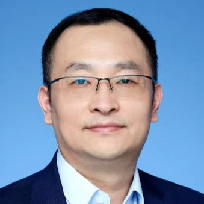 Lixian Zhang (张立宪)合作论文数School of Astronautics, Harbin Institute of Technology;Harbin Institute of Technology Artifcial Intelligence Laboratory14
 Dingkang Yang (杨鼎康)合作论文数Multimedia Laboratory, The Chinese University of Hong Kong;Fysics AI10
 Wei Pan合作论文数Department of Computer Science, The University of Manchester;Centre for AI Fundamentals, The University of Manchester8Xiaoying Wang (王晓颖)合作论文数7Xukun Zhang合作论文数Acad Engn & Technol, Fudan Univ6
 Jun Wang (汪军)合作论文数Department of Computer Science, University College London;MediaGamma Limited6
 Yuan Tian合作论文数ETH Zurich5
 Adrian Wing-Keung Law合作论文数Department of Civil and Environmental Engineering, Nanyang Technological University;School of Civil and Environmental Engineering, Nanyang Technological University5
 Sharib Ali合作论文数Dept Engn Sci, Univ Oxford5Le Wang合作论文数4
 Yan-lan KANG (康砚澜)合作论文数上海中医药大学4
 Robert Katzschmann合作论文数Soft Robotics Lab, Institute of Robotics and Intelligent Systems, Department of Mechanical and Process Engineering, ETH Zurich4
 Peng Zhai (翟鹏)合作论文数Robotics-Z Lab, College of Intelligent Robotics and Advanced Manufacturing, Fudan University;Institute of Intelligent Robotics and Advanced Manufacturing, College for Elite Engineers, Fudan University3Shuangpeng Zheng合作论文数3
 Mingcheng Li合作论文数Academy for Engineering and Technology, Fudan University3Jingshi Yao合作论文数3
 Haopeng Kuang合作论文数Acad Engn & Technol, Fudan Univ3
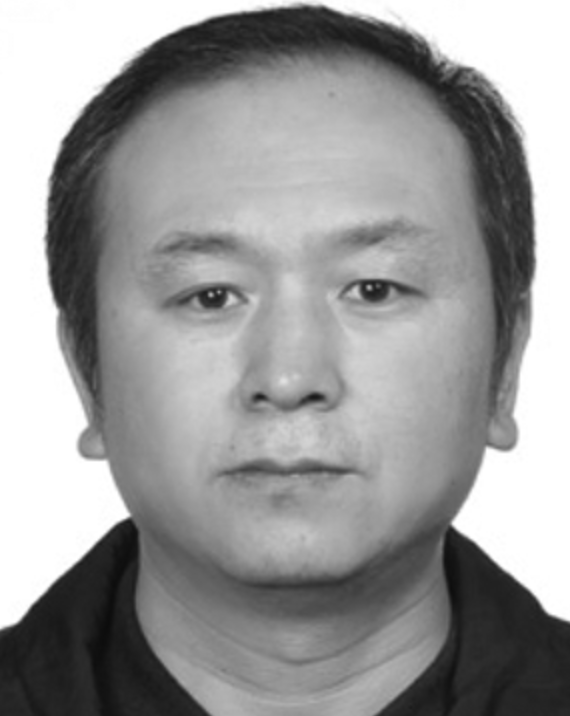 Weishan Chen (陈维山)合作论文数School of Mechatronics Engineering, Harbin Institute of Technology3Xuewen Zhang合作论文数2Shengao Lu合作论文数2
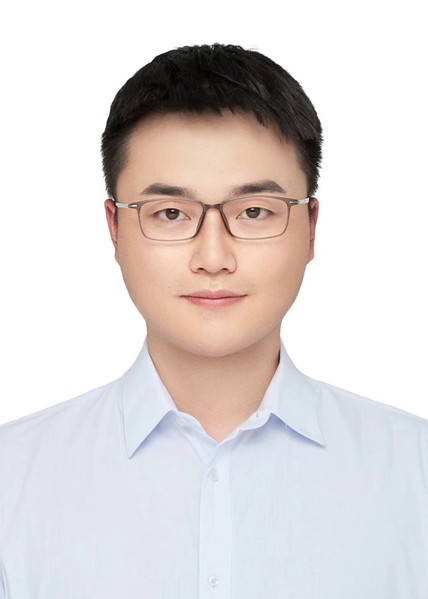 Zhiming Cui (崔智铭)合作论文数School of Biomedical Engineering, ShanghaiTech University2
 Qiyue Wang合作论文数2Xiao Zhao合作论文数2Kaixin Xu (徐恺鑫)合作论文数2Nguyen Dat Vo合作论文数2Jacob Euler-Rolle合作论文数2
 Jianan Yang (杨嘉楠)合作论文数School of Astronautics, Harbin Institute of Technology2
 Ruixian Zhang合作论文数Harbin Inst Technol, Sch Astronaut, Harbin 150001, Peoples R China2
 Xin Huo (霍鑫)合作论文数2
 Jingwei Wei合作论文数2
 Zhaojian Li合作论文数Department of Mechanical Engineering, Michigan State University;Department of Electrical and Computer Engineering, Michigan State University;College of Engineering, Michigan State University;Robotics and Intelligent Vehicle Automation Lab, Michigan State University2
 Ye Zhao (赵烨)合作论文数George W. Woodruff School of Mechanical Engineering, Georgia Institute of Technology2
 Zhipeng Zhou合作论文数Southeast University, Southeast Univ2Zizhi Chen (陈滋知)合作论文数College of Intelligent Robotics and Advanced Manufacturing, Fudan University1Weifeng Zhang合作论文数1Ziyun Qian合作论文数1Yizhou Liu合作论文数1Xinyu Zhang合作论文数1
 Zhaoyang Li合作论文数School of Chemistry, Chemical Engineering and Biotechnology, Nanyang Technological University1Mingyang Sun合作论文数1HaoWei Li合作论文数1
 Qingkai Sui合作论文数1Peixuan Zhang合作论文数1Róbert Szász合作论文数1
 Shuai Yuan (袁帅)合作论文数School of Astronautics, Harbin Institute of Technology1




