The Nobel Prize in Chemistry for 2022 was awarded to the pioneers of Lego-like 'click chemistry': combinatorial chemistry with remarkable modularity and diversity. It has been applied to a wide variety of biological systems, from microorganisms to plants and animals, including humans. Although click chemistry is a powerful chemical biology tool, comparatively few studies have examined its potential in plant science. Here, we review click chemistry reactions and their applications in plant systems, highlighting the activity-based probes and metabolic labeling strategies combined with bioorthogonal click chemistry to visualize plant biological processes. These applications offer new opportunities to explore and understand the underlying molecular mechanisms regulating plant composition, growth, metabolism, defense, and immune responses.
Nanoplastics (NPs), identified as emerging pollutants, pose a great risk to environment and global public health, exerting profound influences on the prevalence and dissemination of antibiotic resistance genes (ARGs). Despite evidence suggesting that nano-sized plastic particles can facilitate the horizontal gene transfer (HGT) of ARGs, it is imperative to explore strategies for inhibiting the transfer of ARGs. Currently, limited information exists regarding the characteristics of environmentally aged NPs and their impact on ARGs propagation. Herein, we investigated the impact of photo-aged NPs on the transfer of ARG-carrying plasmids into Escherichia coli (E. coli) cells. Following simulated sunlight irradiation, photo-aged nano-sized polystyrene plastics (PS NPs) exhibited multiple enzyme-like activities, including peroxidase (POD) and oxidase (OXD), leading to a burst of reactive oxygen species (ROS). At relatively low concentrations (0.1, 1 μg/mL), both pristine and aged PS NPs facilitated the transfer of pUC19 and pHSG396 plasmids within E. coli due to moderate ROS production and enhanced cell membrane permeability. Intriguingly, at relatively high concentrations (5, 10 μg/mL), aged PS NPs significantly suppressed plasmids transformation. The non-unidirectional impact of aged PS NPs involved the overproduction of ROS (•OH and •O2-) via nanozyme activity, directly degrading ARGs and damaging plasmid structure. Additionally, oxidative damage to bacteria resulted from the presence of much toxic free radicals, causing physical damage to cell membranes, reduction of the SOS response and restriction of adenosine-triphosphate (ATP) supply, ultimately leading to inactivation of recipient cells. This study unveils the intrinsic multienzyme-like activity of environmentally aged NPs, highlighting their potential to impede the transfer and dissemination of ARGs.
Lead (Pb) is a toxic heavy metal and its long-term accumulation in human bodies can lead to serious diseases. Investigation on Pb exposure provides an effective intervention opportunity to reduce the blood lead levels (BLLs) of the populations. Although the phase-out of the gasoline has been conducted in many developing countries (e.g., China), the BLLs of these populations are still higher than the alert BLL (5.0 μg/dL) set by World Health Organization (WHO) and Centers for Disease Control and Prevention of USA (CDC). Here, we reviewed the BLLs of the populations in different countries and summarized the sources and intake pathways of blood Pb which were associated with dietary Pb intake and non-dietary Pb intake. Extensive progress has been made in the studies of soil biogeochemistry and the plant biological processes, including the effects of soil pH, redox potential, Fe/Mn oxides, and organic matter on the availability of soil Pb, as well as the mechanisms regulating the Pb absorption by plant root and transport from root to shoot. The oral-nasal respiration and skin infiltration pathways have been specifically identified as the main causes of the increased BLLs of the populations exposed to different Pb sources. In the developing countries, complex dietary and non-dietary Pb intakes increase the BLLs, making intervention strategies to reduce BLLs difficult. This review provides a systematic understanding in the processes and mechanisms of Pb intake from environment to human blood and helps to guide safe strategies to reduce the BLLs and enhance human health.
Preharvest sprouting (PHS) is an undesirable trait that decreases yield and quality in rice production. Understanding the genes and regulatory mechanisms underlying PHS is of great significance for breeding PHS-resistant rice. In this study, we identified a mutant, preharvest sprouting 39 (phs39), that exhibited an obvious PHS phenotype in the field. MutMap+ analysis and transgenic experiments demonstrated that OsAAH, which encodes allantoate amidohydrolase, is the causal gene of phs39 and is essential for PHS resistance. OsAAH was highly expressed in roots and leaves at the heading stage and gradually increased and then weakly declined in the seed developmental stage. OsAAH protein was localized to the endoplasmic reticulum, with a function of hydrolyzing allantoate in vitro. Disruption of OsAAH increased the levels of ureides (allantoate and allantoin) and activated the tricarboxylic acid (TCA) cycle, and thus increased energy levels in developing seeds. Additionally, the disruption of OsAAH significantly increased asparagine, arginine, and lysine levels, decreased tryptophan levels, and decreased levels of indole-3-acetic acid (IAA) and abscisic acid (ABA). Our findings revealed that the OsAAH of ureide catabolism is involved in the regulation of rice PHS via energy and hormone metabolisms, which will help to facilitate the breeding of rice PHS-resistant varieties.
Soil salinity has a major impact on rice seed germination, severely limiting rice production. Herein, a rice germination defective mutant under salt stress (gdss) was identified by using chemical mutagenesis. The GDSS gene was detected via MutMap and shown to encode potassium transporter OsHAK9. Phenotypic analysis of complementation and mutant lines demonstrated that OsHAK9 was an essential regulator responsible for seed germination under salt stress. OsHAK9 is highly expressed in germinating seed embryos. Ion contents and non-invasive micro-test technology results showed that OsHAK9 restricted K+ efflux in salt-exposed germinating seeds for the balance of K+/Na+. Disruption of OsHAK9 significantly reduced gibberellin 4 (GA4) levels, and the germination defective phenotype of oshak9a was partly rescued by exogenous GA3 treatment under salt stress. RNA sequencing (RNA-seq) and real-time quantitative polymerase chain reaction analysis demonstrated that the disruption of OsHAK9 improved the GA-deactivated gene OsGA2ox7 expression in germinating seeds under salt stress, and the expression of OsGA2ox7 was significantly inhibited by salt stress. Null mutants of OsGA2ox7 created using clustered, regularly interspaced, short palindromic repeat (CRISPR)/CRISPR-associated nuclease 9 approach displayed a dramatically increased seed germination ability under salt stress. Overall, our results highlight that OsHAK9 regulates seed germination performance under salt stress involving preventing GA degradation by mediating OsGA2ox7, which provides a novel clue about the relationship between GA and OsHAKs in rice.
Arsenic (As) constitutes a substantial threat to global ecosystems and public health. An accurate quantification of inorganic arsenite (As(III)) in rice grains is crucial for ensuring food safety and human well-being. Herein, we constructed an electrochemiluminescence (ECL) biosensor utilizing aggregation-induced emission (AIE) active Pdots for the sensitive detection of As(III) in rice. We synthesized tetraphenylethylene-based AIE-active Pdots, exhibiting stable and highly efficient ECL emission in their aggregated states. Owing to the overlap of spectra, we employed an electrochemiluminescence resonance energy transfer (ECL-RET) system, with the Pdots as the donor and black hole quencher (BHQ) as the acceptor. Upon the introduction of As(III), the conformational changes of As(III)-specific aptamer could trigger the detachment of BHQ-labeled DNA aptamer from the electrode surface, leading to the recovery of the ECL signal. The target-induced "signal-on" bioassay enabled the sensitive and specific detection of As(III) with a linear range of 10 pM to 500 nM, with an ultralow limit of detection (LOD) of 5.8 pM/0.4 ppt. These values significantly surpass those of existing sensors designed for As(III) quantification in rice. Furthermore, by employing amylase hydrolysis for efficient extraction, we successfully applied our sensor to measure As(III) in actual rice samples sourced from diverse regions of China. The results obtained using our sensor were in close agreement with those derived from the reference method of HPLC-ICP-MS. This study not only presents a sensitive and reliable method for detecting arsenite but also underscores its potential applications in enhancing food safety, agriculture practices, and environmental monitoring.
Rice is a major dietary source of inorganic arsenic (iAs), a highly toxic arsenical that accumulates in rice and poses health risks to rice-based populations. However, the availability of detection methods for iAs in rice grains is limited. In this study, we developed a novel approach utilizing a natural bacterial biosensor, Escherichia coli AW3110 (pBB-ArarsR-mCherry), in conjunction with amylase hydrolysis for efficient extraction, enabling high-throughput and quantitative detection of iAs in rice grains. The biosensor exhibits high specificity for arsenic and distinguishes between arsenite [As(III)] and arsenate [As(V)] by modulating the concentration of PO43- in the detection system. We determined the iAs concentrations in 19 rice grain samples with varying total As concentrations and compared our method with the standard technique of microwave digestion coupled with HPLC-ICP-MS. Both methods exhibited comparable results, without no significant bias in the concentrations of As(III) and As(V). The whole-cell biosensor demonstrated excellent reproducibility and a high signal-to-noise ratio, achieving a limit of detection of 16 μg kg-1 [As(III)] and 29 μg kg-1 [As(V)]. These values are considerably lower than the maximum allowable level (100 μg kg-1) for infant rice supplements established by the European Union. Our straightforward sensing strategy presents a promising tool for detecting iAs in other food samples.
We report a photodynamic therapy driven by electrochemiluminescence (ECL). The luminescence generated by Ru(bpy)32+ and co-reactant tripropylamine (TPA) pair acts as both optical readout for ECL imaging, and light source for the excitation of photosensitizer to produce reactive oxygen species (ROS) in photodynamic therapy (PDT) system. The ECL-driven PDT (ECL-PDT) relies on the effective energy transfer from ECL emission to photosensitizer chlorin e6 (Ce6), which sensitizes the surrounding O2 into ROS. The dynamic process of gradual morphological changes, the variation of cell-matrix adhesions, as well as the increase of cell membrane permeability in the process of ECL-PDT were monitored under ECL microscopy (ECLM) with good spatiotemporal resolution. Combining real-time imaging with ECL-PDT, this new strategy provides not only new insights into dynamic cellular processes, but also promising potential of ECL in clinical applications.
Seed germination plays a pivotal role in the plant life cycle, and its precise regulatory mechanisms are not clear. In this study, 19 quantitative trait loci (QTLs) associated with rice seed germination were identified through genome-wide association studies (GWAS) of the following traits in 2016 and 2017: germination rate (GR) at 3, 5, and 7 days after imbibition (DAI) and germination index (GI). Two major stable QTLs, qSG4 and qSG11.1, were found to be associated with GR and GI over 2 continuous years. Furthermore, OsPK5, encoding a pyruvate kinase, was shown to be a crucial regulator of seed germination in rice, and might be a causal gene of the key QTL qSG11.1, on chromosome 11. Natural variation in OsPK5 function altered the activity of pyruvate kinase. The disruption of OsPK5 function resulted in slow germination and seedling growth during seed germination, blocked glycolytic metabolism, caused glucose accumulation, decreased energy levels, and affected the GA/ABA balance. Taken together, our results provide novel insights into the roles of OsPK5 in seed germination, and facilitate its application in rice breeding to improve seed vigour.
Electrogenerated chemiluminescence microscopy (ECLM) provides a real-time imaging approach to visualize the surface-dependent catalytic activity of nanocatalysts, which helps to rationalize the design of catalysts. In this study, we first propose super-resolution ECLM that could measure the facet- and site-specific activities of a single nanoparticle with nanometer resolution. The stochastic nature of the ECL emission makes the generation of photons obey Poisson statistics, which fits the requirement of super-resolution radial fluctuation (SRRF). By processing an SRRF algorithm, the spatial resolution of ECL images achieved ca. 100 nm, providing more abundant details on electrocatalytic reactivities at the subparticle level. Beyond conventional wide-field ECL imaging, super-resolution ECLM provided the spatial distribution of catalytic activities at a Au nanorod and nanoplate with scales of a few hundred nanometers. It helped uncover the facet- and defect-dependent surface activity, as well as the dynamic fluctuation of reactivity patterns on single nanoparticles. The super-resolution ECLM provides high spatiotemporal resolution, which shows great potential in the field of catalysis, biological imaging, and single-entity analysis.
Development of simple and effective synergistic therapy by combination of different therapeutic modalities within one single nanostructure is of great importance for cancer treatment. In this study, by integrating the anticancer drug DOX and plasmonic bimetal heterostructures into zeolitic imidazolate framework-8 (ZIF-8), a stimuli-responsive multifunctional nanoplatform, DOX-Pt-tipped Au@ZIF-8, has been successfully fabricated. Pt nanocrystals with catalase-like activity were selectively grown on the ends of the Au nanorods to form Pt-tipped Au NR heterostructures. Under single 1064 nm laser irradiation, compared with Au NRs and Pt-covered Au NRs, the Pt-tipped Au nanorods exhibit outstanding photothermal and photodynamic properties owing to more efficient plasmon-induced electron-hole separation. The heat generated by laser irradiation can enhance the catalytic activity of Pt and improve the O2 level to relieve tumor hypoxia. Meanwhile, the strong absorption in the NIR-II region and high-Z elements (Au, Pt) of the DOX-Pt-tipped Au@ZIF-8 provide the possibility for photothermal (PT) and computed tomography (CT) imaging. Both in vitro and in vivo experimental results illustrated that the DOX-Pt-tipped Au@ZIF-8 exhibits remarkably synergistic plasmon-enhanced chemo-phototherapy (PTT/PDT) and successfully inhibited tumor growth. Taken together, this work contributes to designing a rational theranostic nanoplatform for PT/CT imaging-guided synergistic chemo-phototherapy under single laser activation.
We developed an electrochemiluminescence (ECL) microscopy technique to image the structure-dependent electrocatalytic reactivity of bimetallic Pd-Au nanorods (NRs) at the single-particle level.
Uncovering the relationship between the structure, surface properties and electrochemical activity of nanoparticles is of great importance for constructing novel nanocatalysts and highly efficient electrocatalytic devices. Here we report a study of the heterogeneously distributed electrocatalytic activity on individual 2D gold nanoplates. On the basis of electrogenerated chemiluminescence (ECL) microscopy, the size, shape, and site-specific catalytic activity of 2D nanocrystals could be directly imaged at the single particle level with submicron resolution. Since the microelectrode effect with higher fluxes at the perimeter was offset by diffusion of excited species of Ru(bpy)32+, calculated by finite element simulation, the ECL distribution was supposed to be uniform on the micro-sized plates. Therefore, it is highly possible that the observed nonuniform ECL distribution at single nanoplates reflected distinct surface electrocatalytic activities at different sites. Furthermore, ECL microscopy allows continuous in situ imaging, which elucidates the time-varying changes in the spatial distribution of electrocatalytic activity on individual nanoplates, indicating that the corners and edges with more defect sites exhibit higher reactivity, but lower stability than the flat facet. We believe that real-time and high-throughput ECL microscopy may lead to more comprehensive understanding of reactivity patterns of single nanocatalysts.
Enhancement of salinity tolerance during seed germination is very important for direct seeding in rice. In this study, the salt-tolerant japonica landrace Jiucaiqing was used to determine the regulators that are involved in seed imbibition under salt stress. Briefly, the comparative proteomic analysis was conducted between dry (0 h) and imbibed (24 h) seeds with 150 mM NaCl. Under salt stress, the uptake of water increased rapidly before 24 h imbibition (Phase I), followed by a plateau of seed imbibition from 24 to 96 h imbibition (Phase II). We identified 14 proteins involved in seed imbibition, in which the majority of these proteins were involved in energy supply and storage protein. The early imbibition process was mediated by protein catabolism; the most of proteins were down-regulated after 24 h imbibition. Eleven genes in salt stress treated seeds were expressed early during the seed imbibition in comparison to control seeds. By comparison, 2,3-bisphosphoglycerate-independent phosphoglycerate mutase (BPM), glutelin (GLU2.2 and GLU2.3), glucose-1-phosphate adenylyltransferase large subunit (GAS8), and cupin domain containing protein (CDP3.1 and CDP3.2) were near the regions of quantitative trait loci (QTLs) for seed dormancy, seed reserve utilization, and seed germination in Jiucaiqing. In particular, CDP3.1 was co-located in the region of qIR-3 for imbibition rate, and qGP-3 for germination percentage. The role of CDP3.1 was verified in enhancing seed germination under salt stress using T-DNA mutant. The identified proteins might be applicable for the improvement of seed germination under salt stress in rice.
 Jingjuan Xu (徐静娟)合作论文数School of Chemistry and Chemical Engineering, Nanjing University6
 Wei Zhao合作论文数5
 Fangjie Zhao (赵方杰)合作论文数College of Resources and Environmental Sciences, Nanjing Agricultural University5
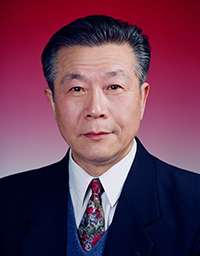 Hongyuan Chen (陈洪渊)合作论文数School of Chemistry, Nanjing University5
 Peng Wang (汪鹏)合作论文数College of Sciences, Nanjing Agricultural University;College of Resources and Environmental Sciences, Nanjing Agricultural University5
 Cong-Hui Xu合作论文数4
 Hongsheng Zhang (张红生)合作论文数College of Agriculture, Nanjing Agricultural University4Ting Xie合作论文数3
 Sunlu Chen (陈孙禄)合作论文数College of Agriculture, Nanjing Agricultural University3Chengfang Zhan合作论文数2Peiwen Zhu合作论文数2Yanhao Cheng合作论文数College of Agriculture, Nanjing Agricultural University2Zhanbiao GE (葛占标)合作论文数2
 Peng Zeng合作论文数2HaiJuan Tang (汤海娟)合作论文数2
 Jinping Cheng (程金平)合作论文数College of Agriculture, Nanjing Agricultural University2
 Ying He (何莹)合作论文数Department of Plant Physiology and Biochemistry, College of Plant Science & Technology, Huazhong Agricultural University2
 Kexin Liu合作论文数Department of Clinical Pharmacology, Dalian Medical University2Zhuoqi Tian合作论文数1Kunkun Tian合作论文数1Enshun Xu合作论文数1Xinyi Chen合作论文数1Bin Yang合作论文数1
 Mengjiao Zhu合作论文数Collaborat Innovat C, Nanjing Univ1
 Yan-Qing Zhang合作论文数1
 Hui Huang合作论文数College of Resources and Environmental Sciences and Jiangsu Collaborative Innovation Center for Solid Organic Waste Resource Utilization, Nanjing Agricultural University1
 Zhoufei Wang (王州飞)合作论文数College of Agriculture, South China Agricultural University1
 Xueli Zhao (赵雪利)合作论文数College of Chemistry, Zhengzhou University1
 Wanying Xie (谢婉滢)合作论文数College of Resources and Environmental Sciences, Nanjing Agricultural University1
 Ke Huang (黄科)合作论文数College of Resources and Environmental Sciences, Nanjing Agricultural University1
 Hang Gao合作论文数School of Chemistry and Chemical Engineering, Yangzhou University1
 Peter Kopittke合作论文数School of Agriculture and Food Sciences, Faculty of Science, The University of Queensland1li Xiangling合作论文数1Hui He合作论文数1
 Daisuke Tsugama合作论文数Asian Natural Environmental Science Center (ANESC),, The University of Tokyo;Graduate School of Agricultural and Life Sciences, The University of Tokyo;The University of Tokyo, The University of Tokyo1
 Sergey Shabala合作论文数Tasmanian Institute of Agriculture, University of Tasmania;School of Biological Sciences, University of Western Australia1




