The nucleus accumbens (NAc) and the anterior limb of internal capsule (ALIC) are effective targets for treating addiction using deep brain stimulation (DBS). However, there have been no reports on the electrophysiological characteristics of addiction nuclei at the single-cell level in humans. This study aimed to investigate the electrical activity characteristics of neurons in the NAc and ALIC using microelectrode recording (MER) during DBS surgery in patients with addiction, and six patients with addiction were included (five with heroin addiction and one with alcohol addiction). The microelectrode recording trajectories were reconstructed and recording sites at different depths were determined by merging the pre- and post-operative images in the FrameLink system. The results showed that among the 256 neurons, 204 (80 %) were burst neurons. NAc neurons accounted for the majority (57 %), and the mean firing rate (MFR) was the highest (1.94 Hz). ALIC neurons accounted for the least (14 %), and MFR was the lowest (0.44 Hz). MFR increased after entering the NAc and decreased after entering the ALIC. In the patients with addiction treated using DBS, the single-cell level electrophysiological characteristics of the different nuclei were found to be distinct along the surgical trajectory.
Astrocytes are implicated in stress-induced neuroinflammatory responses in depression. This paper was to explore the molecular mechanism of the E3 ubiquitin ligase NEDD4L (NEDD4 like E3 ubiquitin protein ligase) in depressed mice by regulating astrocyte activation, and to find a new target for depression. A mouse model of depression was established by CUMS (chronic mild unpredictable stress) in 48 6-week male C57BL/6 mice and injected with sh-NEDD4L vector for testing behavioral and cognitive abilities, histopathological changes, and the number of GFAP-positive cells. The mRNA and protein levels of NEDD4L, PAX6 (paired box 6) and P2X7R (purinergic ligand-gated ion channel 7 receptor) were measured. Inflammation model was established by lipopolysaccharide treatment of mouse astrocyte line C8-D1A and infected with sh-NEDD4L. After CUMS induction, mice showed depression-like symptoms, increased inflammatory infiltration, decreased glial fibrillary acidic protein (GFAP)-positive cells in brain tissue, and increased NEDD4L protein levels. NEDD4L inhibition increased GFAP-positive cells, increased PAX6 protein levels and decreased P2X7R mRNA and protein levels, and decreased inflammatory factor secretion in brain tissue and in vitro cells. PAX6 knockdown or P2X7R overexpression partially reversed the effects of NEDD4L inhibition on astrocyte activation and neuroinflammation. To conclude, highly-expressed NEDD4L in depression-like mouse brain inhibits astrocyte activation and exacerbates neuroinflammation by ubiquitinating PAX6 and promoting P2X7R level.
Parkinson's Disease (PD) is characterized by the progressive loss of dopaminergic neurons in the substantia nigra (SN), leading to motor and non-motor symptoms. While the exact mechanisms remain complex and multifaceted, several molecular pathways have been implicated in PD pathology, including accumulation of misfolded proteins, impaired mitochondrial function, oxidative stress, inflammation, elevated iron levels, etc. Overall, PD's molecular mechanisms involve a complex interplay between genetic, environmental, and cellular factors that disrupt cellular homeostasis, and ultimately lead to the degeneration of dopaminergic neurons. Recently, emerging evidence highlights ferroptosis, an iron-dependent non-apoptotic cell death process, as a pivotal player in the advancement of PD. Notably, oligomeric α-synuclein (α-syn) generates reactive oxygen species (ROS) and lipid peroxides within cellular membranes, potentially triggering ferroptosis. The loss of dopamine, a hallmark of PD, could predispose neurons to ferroptotic vulnerability. This unique form of cell demise unveils fresh insights into PD pathogenesis, necessitating an exploration of the molecular intricacies connecting ferroptosis and PD progression. In this review, the molecular and regulatory mechanisms of ferroptosis and their connection with the pathological processes of PD have been systematically summarized. Furthermore, the features of ferroptosis in PD animal models and clinical trials targeting ferroptosis as a therapeutic approach in PD patients' management are scrutinized.
ObjectivesTraumatic intracerebellar hematoma (TICH) is a very rare entity with a high morbidity and mortality rate, and there is no consensus on its optimal surgical management. In particular, whether and when to place external ventricle drainage in TICH patients without acute hydrocephalus pre-operation is still controversial.MethodsA single-institutional, retrospective analysis of total of 47 TICH patients with craniectomy hematoma evacuation in a tertiary medical center from January 2009 to October 2020 was performed. Primary outcomes were mortality in hospital and neurological function evaluated by GOS at discharge and 6 months after the ictus. Special attention was paid to the significance of external ventricular drainage (EVD) in TICH patients without acute hydrocephalus on admission.ResultsAnalysis of the clinical characteristics of the TICH patients revealed that the odds of use of EVD were seen in patients with IVH, fourth ventricle compression, and acute hydrocephalus. Placement of EVD at the bedside can significantly improve the GCS score before craniotomy, as well as the neurological score at discharge and 6 months. Compared with the only hematoma evacuation (HE) group, there is a trend that EVD can reduce hospital mortality and decrease the occurrence of delayed hydrocephalus, although the difference is not statistically significant. In addition, EVD can reduce the average NICU stay time, but has no effect on the total length of stay. Moreover, our data showed that EVD did not increase the risk of associated bleeding and intracranial infection. Interestingly, in terms of neurological function at discharge and 6 month after the ictus, even though without acute hydrocephalus on admission, the TICH patients can still benefit from EVD insertion.ConclusionFor TICH patients, perioperative EVD is safe and can significantly improve neurological prognosis. Especially for patients whose GCS dropped by more than 2 points before the operation, EVD can significantly improve the patient's GCS score, reduce the risk of herniation, and gain more time for surgical preparation. Even for TICH patients without acute hydrocephalus on admission CT scan, EVD placement still has positive clinical significance.
Objective:To investigate the clinical effect of deep brain stimulation (DBS) of the globus pallidus internus (GPi-DBS) for the treatment of primary cervical dystonia.Methods:The clinical data of 14 patients with cervical dystonia treated with GPi-DBS in the Neurosurgery Department of the Second Affiliated Hospital of Air Force Medical University from October 2014 to April 2019 were retrospectively analyzed. The device of DBS was turned on at 1 month after the operation, and all patients were followed up in outpatient clinics at 1, 3, 6 months, 1 year and every year thereafter. Follow-up contents included: observation of hardware-related complications; the Toronto Western Spasmodic Torticollis Rating Scale (TWSTRS) [including: Torticollis Severity Scale (TSS), Disability Scale (DS) and Pain Scale (PS)] score to assess the improvement of the patient′s symptoms. The calculation formula of improvement rate was: (preoperative score-postoperative score)/preoperative score×100%, of which ≤30% was regarded as mild improvement, >30%-60% as moderate improvement, and >60% was significant improvement.Results:All 14 patients underwent successful operations, and there were no postoperative complications such as intracranial hemorrhage and infection. A total of 28 electrodes were implanted (on 28 sides), of which the monopolar stimulation mode was applied in 13 electrodes, and the double-monopolar (two cathodes) stimulation mode in 15 electrodes. The follow-up time of 14 patients was 33.7±12.4 months (12-53 months) after the DBS device was turned on. During the follow-up period, 2 patients developed dyskinesia in the lower extremities, and the symptoms were improved by adjusting the stimulation parameters. With the extension of follow-up time, TSS, DS and PS scores all showed a decreasing trend (all P<0.001); torticollis symptoms, disability and pain symptoms were significantly improved 3 months after the device was turned on. At the last follow-up, there was no statistically significant difference in the TSS, DS or PS scores compared with the patients′ conditions at 1 year after the device was turned on (all P>0.05). At the last follow-up, the TSS scores of 14 patients were as follows: 1 case was mildly improved, 6 cases were moderately improved, and 7 cases were significantly improved. In the DS score results, 2 cases were mildly improved, 2 cases were moderately improved, and 10 cases were significantly improved. In the PS results, 14 cases were significantly improved. Conclusion:GPi-DBS treatment of primary cervical dystonia has fewer complications, significant improvement in torticollis and pain symptoms, and prolonged effect.
To evaluate the potential effect of radiofrequency ablation and deep brain stimulation in patients with treatment-refractory Tourette syndrome (TS), this study enrolled thirteen patients with TS who were admitted to our hospital between August 2002 and September 2018. Four patients received a single- or multi-target radiofrequency ablation after local, potentiated, or general anesthesia; eight patients underwent deep brain stimulation (DBS) surgery; and one patient underwent both ablation and DBS surgery. The severity of tics and obsessive compulsive disorder symptoms and the quality of life were evaluated using the Yale Global Tic Severity Scale (YGTSS), Yale–Brown Obsessive Compulsive Scale (YBOCS), and Gilles de la Tourette Syndrome Quality of Life scale (GTS-QOL), respectively, before surgery, one month after surgery, and at the final follow-up after surgery, which was conducted in December 2018. A paired-sample t test and a multiple linear regression analysis were performed to analyze the data. All patients underwent the operation successfully without any severe complications. Overall, the YGTSS total scores at one month post-surgery (44.1 ± 22.3) and at the final visit (35.1 ± 23.7) were significantly decreased compared with those at baseline (75.1 ± 6.2; both p < 0.05). Additionally, the YBOCS scores at one month post-surgery (16.5 ± 10.1) and at the final visit (12.0 ± 9.5) were significantly decreased compared with those at baseline (22.5 ± 13.1; both p < 0.05). Furthermore, the GTS-QOL scores at one month post-surgery (44.0 ± 12.8) and at the final visit (31.0 ± 17.8) were significantly decreased compared with those at baseline (58.4 ± 14.2; both p < 0.05). Results from a multiple linear regression analysis revealed that the improvement in the YGTSS total score was independently associated with the improvement in the GTS-QOL score at one month post-surgery (standardized β = 0.716, p = 0.023) and at the final visit (standardized β = 1.064, p = 0.000). Conversely, changes in YBOCS scores did not correlate with changes in GTS-QOL scores (p > 0.05). Our results demonstrate that tics, psychiatric symptoms, and the quality of life in patients with intractable TS may be relieved by stereotactic ablation surgery and deep brain stimulation. Furthermore, it appears that the improvement in tics contributes more to the post-operative quality of life of patients than does the improvement in obsessive compulsive symptoms.
目的 分析静脉压迫所导致三叉神经痛(TN)的术前影像学评估和显微血管减压术中责任静脉的处理.方法 回顾分析空军军医大学唐都医院神经外科自2017年12月至2018年12月收治的15例存在静脉压迫的TN患者的临床资料,分析术前影像学评估及术中处理.结果 所有患者均通过术前3D-TOF及3D-FIESTA检查,判断责任血管为单纯静脉型或动脉及静脉共同作用型,其中单纯静脉型11例,动脉及静脉共同作用型4例.通过术中分析,符合术前判断.所有患者静脉均得到有效保留,手术疗效满意.结论 通过术前影像学评估能有效预判TN的责任血管,从而指导术中操作.针对静脉压迫型TN,术中应尽量保护静脉,避免因损伤静脉所导致的术后并发症.
Background Deep brain stimulation (DBS) is currently used to treat addiction, with the nucleus accumbens (NAc) as one promising target. The anterior limb of the internal capsule (ALIC) is also a potential target, as it carries fiber tracts connecting the mesocorticolimbic circuits that are crucially involved in several psychiatric disorders, including addiction. Stimulating the NAc and ALIC simultaneously may have a synergistic effect against addiction. Methods Eight patients with a long history of heroin use and multiple relapses, despite optimal conventional treatments, were enrolled. Customized electrodes were implanted through the ALIC into the NAc, and deep brain stimulation (DBS) treatment began two weeks after surgery. The patients were followed for at least 24 months. The duration of drug-free time, severity of drug cravings, psychometric evaluations, and PET studies of glucose metabolism before and after DBS were conducted. All adverse events were recorded. Results With DBS, five patients were abstinent for more than three years, two relapsed after abstaining for six months, and one was lost of follow-up at three months. The degree of cravings for drug use after DBS was reduced if the patients remained abstinent (p < 0.001). Simultaneous DBS of the NAc and ALIC also improved the quality of life, alleviated psychiatric symptoms, and increased glucose metabolism in addiction-related brain regions. Moreover, stimulation-related adverse events were few and reversible. Conclusions Simultaneous DBS of the NAc and ALIC appears to be safe, with few side effects, and may prevent long-term heroin relapse after detoxification in certain patients. (This trial was registered at ClinicalTrials.gov, NCT01274988).
OBJECTIVE: To evaluate the clinical effect of the position of stimulation contacts relative to the hyperdirect pathway (HDP) on the alleviation of motor symptoms in patients with Parkinson disease (PD). METHODS: A group of 11 patients diagnosed with idiopathic PD were included in this study, and all selected targets were in the subthalamic nucleus (STN). In 1 patient, a single side electrode was implanted because of unilateral symptoms; in all other patients, bilateral electrodes each containing 4 discrete contacts were implanted. Nine contacts were excluded due to adverse reactions caused by stimulation, and thus a total of 75 active contacts were evaluated using the same stimulus parameters. Fiber tractography results were individually processed using StealthViz software before all data were subjected to statistical analysis. RESULTS: Under the same stimulus parameters, the shortest distance of each contact to the HDP was smaller in group I (n = 45; >50% improvement rate) compared with group II (n = 30; <= 50% improvement rate) (mean, 1.18 +/- 0.86 mm vs. 2.14 +/- 1.20 mm; t = 3.78; P < 0.05), and the shortest distance had a negative correlation with the improvement of motor symptoms (r = L0.48; P < 0.05). CONCLUSIONS: Stimulation of the HDP coincided with the improvement of motor symptoms in patients with PD. We propose an improvement of the direct visualization method based on diffusion tensor imaging fiber tractography of the HDP to select the motor part of the STN. Further rigorous clinical trials are needed to verify the value of this method for achieving precise target location and individualized treatment.
Objective To evaluate the long-term efficacy of deep brain stimulation (DBS) in treatment of medically refractory primary generalized dystonia (PGD) and to compare the effect of stimulation of subthalamic nucleus (STN) with that of globus pallidus internus (GPi) in the treatment of dystonia.Methods Twenty-one cases of PGD underwent STN-DBS or GPi-DBS at Department of Neurosurgery,Tangdu Hospital,the Fourth Military Medical University from December 2004 to April 2013 and were enrolled into this study.Among them,11 patients underwent STN stimulation (STN-DBS group) and the other 10 cases received GPi stimulation (GPi-DBS group).Pre-and postoperative severity of dystonia were assessed by using the Burke-Fahn-Marsden Dystonia Rating Scale (BFMDRS).Results The average improvement rates of BFMDRS movement subscale in the 21 cases of PGD were 63.7 ± 14.2 % and 66.5 ± 13.7 % at 1 and 3 years post operation,respectively.Meanwhile,the disability scores were reduced by 43.7 ± 13.8 % and 49.1 ± 12.4 %,respectively.The movement scores in STN-DBS group were 56.9 ± 20.9 prior to surgery and 18.3 ± 6.8 at 3 years post operation,and the average improvement rate was 64.6 ± 15.2 %.Their disability scores were 20.0(11.0) prior to surgery.and 8.0(4.0) points at 3 years post operation,and the average improvement rate was 54.5 % (15.0 %).In the GPi-DBS group,the movement scores were 60.8 ± 19.3 before surgery and 18.3 ±7.9 at 3 years post surgery,and the average improvement rate was 68.6 ± 12.5 %.Their disability scores were 17.5 ±5.4 before surgery and 8.9 ±2.5 post surgery,and the average improvement rate was 47.2 ± 12.8 %.There was no statistically significant difference in the improvement rates of BFMDRS movement and disability scores between 2 targets at 1 year and 3 years after surgery (both P > 0.05).Conclusions The effect of DBS in the treatment of medically refractory seems to be significant and sustained.Our preliminary results suggest that there is no significant difference in the long-term efficacy between stimulation of STN and stimulation of GPi for dystonia.
Abstract Background: Symptomatic intracranial hemorrhage (ICH) may lead to permanent neurological disability of patients and has impeded the extensive clinical application of deep brain stimulation (DBS). The present study was conducted to discuss the incidence, prevention, and treatment of symptomatic ICH after DBS surgery. Methods: From January 2009 to December 2014, 396 patients underwent DBS with a total of 691 implanted leads. In all, 10 patients had symptomatic ICH. We analyzed these cases’ clinical characteristics, including comorbid diagnoses and coagulation profile. We described the onset of ICH, imaging features, clinical manifestations, treatment, neurological impairment, and outcome of DBS. Results: Of the 10 patients with symptomatic ICH, 2 had hypertension. Three cases of ICH occurred within 12 h of the procedure; four cases within 24 h. Five experienced grand mal seizures concurrently with hemorrhage. Unilateral frontal lobe hemorrhage occurred in all cases. In seven cases, hematomas occurred around the electrodes. Some hematomas were not well-circumscribed and had perihematomal edema. Conservative therapy was administered to 8 patients, and 2 patients underwent craniotomy and hematoma evacuation. All electrodes were successfully preserved. Neurological dysfunction in all patients gradually improved. Nine patients ultimately experienced effective symptom relief of Parkinson’s disease with DBS. Conclusions: Symptomatic ICH should be identified as soon as possible after implantation surgery and treated effectively to limit neurological deficit and preserve DBS leads.
 Xuelian Wang (王学廉)合作论文数Air Force Medical University10
 Jiaming Li合作论文数7Xin Wang合作论文数6ShunNan Ge (葛顺楠)合作论文数6Nan Li (李楠)合作论文数6Jiangpeng Jing合作论文数5Zhaohui Zheng合作论文数4Yan Qu (屈延)合作论文数Xijing Hospital of Air Force Military Medical University4Chun Qiu合作论文数3Chaohui Zheng (郑朝辉)合作论文数3Tian Luo合作论文数3
 Guodong Gao (高国栋)合作论文数Xi'an International Medical Center Hospital3
 Bao Wang合作论文数2Qianrong Bai合作论文数1Yixuan Zhou合作论文数1Lesheng Wang合作论文数1Huijuan Kou合作论文数1Zheng Han合作论文数1Gang Zhu合作论文数1Hao Guo合作论文数1Fei Gao合作论文数1Li Yang合作论文数1Yingwu Shi合作论文数1Haikang Zhao合作论文数1Bangkun Yang合作论文数1Lei Chen合作论文数1Chen Yang合作论文数1
 Liang Qu合作论文数1Wenxing Cui合作论文数1Qian Yang合作论文数Harbin Institute of Technology(Harbin Institute of Technology,Harbin Inst. of Technol.),Harbin,China1Yu-kun CHEN (陈宇昆)合作论文数1Da Jing (景达)合作论文数1
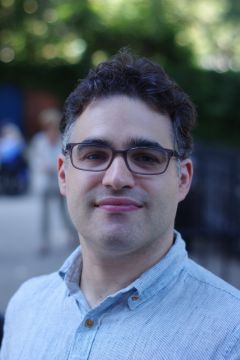 David Simon合作论文数Biochemistry & Structural Bioligy, Weill Cornell Graduate School of Medical Sciences, Cornell University1JiaMing Li (李嘉明)合作论文数1
 Longxiao Wei (魏龙晓)合作论文数空军军医大学第二附属医院唐都医院核医学科1Li Wan合作论文数1
 Zhihong Li (李志红)合作论文数College of Electrical and Electronic Engineering, Wenzhou University1Yu Zhang合作论文数1
 Li Gao (高力)合作论文数Xinqiao Hospital, Army Medical University1
 Wei Shi (施炜)合作论文数Affiliated Hospital, Nantong University1
 Jing Wang (王晶)合作论文数1




