Pyrolysis of biomass feedstocks can produce valuable biofuel, however, the final products may present excessive corrosion and poor stability due to the lack of hydrogen content. Co-pyrolysis with hydrogen-rich substances such as waste plastics may compensate for these shortcomings. In this study, the co-pyrolysis of a common biomass, i.e. distiller's grains (DG), and waste polypropylene plastic (PP) were investigated towards increasing the quantity and quality of the production of biofuel. Results from the thermogravimetric analyses showed that the reaction interval of individual pyrolysis of DG and PP was 124-471 °C and 260-461 °C, respectively. Conversely, an interaction effect between DG and PP was observed during co-pyrolysis, resulting in a slower rate of weight loss, a longer temperature range for the pyrolysis reaction, and an increase in the temperature difference between the evolution of products. Likewise, the Coats-Redfern model showed that the activation energies of DG, PP and an equal mixture of both were 42.90, 130.27 and 47.74 kJ mol-1, respectively. It thus follows that co-pyrolysis of DG and PP can effectively reduce the activation energy of the reaction system and promote the degree of pyrolysis. Synergistic effects essentially promoted the free radical reaction of the PP during co-pyrolysis, thereby reducing the activation energy of the process. Moreover, due to this synergistic effect in the co-pyrolysis of DG and PP, the ratio of elements was effectively optimized, especially the content of oxygen-containing species was reduced, and the hydrocarbon content of products was increased. These results will not only advance our understanding of the characteristics of co-pyrolysis of DG and PP, but will also support further research toward improving an efficient co-pyrolysis reactor system and the pyrolysis process itself.
Even with particular interest in sustainable development, due to the limited types of bioavailable carbon sources that could support heterotrophic/mixotrophic growth, microalgae-derived products still suffer from inconsistent yield and high costs. This study demonstrates a successful cocultivation of the photoautotroph Chlorella vulgaris with a hydrolytic-enzyme-abundant heterotroph, Saccharomycopsis fibuligera, enabling efficient starch upcycling from water/wastewater toward enhancing microalgae-dominant biomass and lipid production. The enzymatic activities of S. fibuligera contributed to the hydrolysis of starch into glucose, generating a 7-fold higher biomass through mixotrophic/heterotrophic growth of C. vulgaris. Further, scanning transmission electron microscopy (STEM) and quantitative analysis suggested a significantly induced accumulation of lipids in C. vulgaris. Results of meta-transcriptomics revealed the critical regulatory role of illumination in interaction shifting. Gene expression for glycolysis and lipid biosynthesis of C. vulgaris were highly activated during dark periods. Meanwhile, during illumination periods, genes coding for glucoamylase and the sulfur-related activities in S. fibuligera were significantly upregulated, leading to induced starch hydrolysis and potential increased competition for sulfur utilization, respectively. This study indicates that hydrolytic organisms could collaborate to make starch bioavailable for nonhydrolytic microalgae, thus broadening the substrate spectrum and making starch a novel biotechnological feedstock for microalgae-derived products, e.g., biofuels or single-cell protein.
Improving the efficiency of using energy and decreasing impacts on the environment will be an inevitable choice for future development. Based on this direction, three kinds of medium (modified anaerobic digestion wastewater, anaerobic digestion wastewater and a standard growth medium BG11) were used to culture microalgae towards achieving high-quality biodiesel products. The results showed that microalgae culturing with anaerobic digestate wastewater could increase lipid content (21.8%); however, the modified anaerobic digestion wastewater can boost the microalgal biomass production to 0.78 ± 0.01 g/L when compared with (0.35–0.54 g/L) the other two groups. Besides the first step lipid extraction, the elemental composition, thermogravimetric and pyrolysis products of the defatted microalgal residues were also analysed to delve into the utilisation potential of microalgae biomass. Defatted microalgae from modified wastewater by pyrolysis at 650 °C resulted in an increase in the total content of valuable products (39.47%) with no significant difference in the content of toxic compounds compared to other groups. Moreover, the results of the life cycle assessment showed that the environmental impact (388.9 mPET2000) was lower than that of raw wastewater (418.1 mPET2000) and standard medium (497.3 mPET2000)-cultivated groups. Consequently, the method of culturing microalgae in modified wastewater and pyrolyzing algal residues has a potential to increase renewable energy production and reduce environmental impact.
The interest in microalgae as a renewable and sustainable feedstock for biofuels production has inspired a new focus in biorefinery. Current innovations in microalgae technology include the use of wastewater as the cultivation medium towards nutrients recovery, renewable energy generation, as well as wastewater treatment. Though recent studies have favoured the competitiveness of such an approach, how to maintain a high-quality microalgae-derived biofuel production in real wastewater with fluctuations in nutrient contents is still a challenge. This study investigated a strategy of adjusting the nutrient composition of the feeding wastewater (i.e. anaerobic digestion effluent) for microalgae cultivation (Desmodesmus sp.) and biofuel production. The addition of an appropriate amount of nutrients, including magnesium, iron and phosphorus, significantly enhanced the microalgal biomass production (0.78 g L-1) compared with the original wastewater (0.35 g L-1) and the standard BG11 microalgae cultivation medium (0.54 g L-1). In terms of the potential biofuel quality, the use of adjusted wastewater led to a higher content of valuable products (aliphatic hydrocarbon and fatty acids were accounted for 23.98% and 42.33% of the whole biomass, respectively) along with a reduction in potentially toxic substances (nitrogen-containing compounds and polycyclic aromatic hydrocarbons were accounted for 7.96% and 7.09% of the whole biomass, respectively) compared with the other cultivation groups. Moreover, the lower optimal temperature of pyrolysis engendered by the adjusted wastewater was significant for reduction of process energy consumption, which in turn led to overall lowered environmental impacts (838.52 mPET2000, applying life cycle assessment) than did the original wastewater (1165.67 mPET2000) and standard cultivation medium (1347.63 mPET2000). This study demonstrated that the adjustment of wastewater can act as a potential approach for the improvement in the quality of microalgal biofuel production, with consequent reduced environmental impacts.
As a promising source of renewable energy, biofuel from microalgae pyrolysis is seen as a competitive alternative to fossil fuels. However, currently, the widely applied pre-treatment process of lipid extraction results in large amounts of microalgae residues, which though with energy potential, being considered as process wastes and ignored of its re-utilization potential. In this study, a new workflow of biofuel generation from microalgae biomass through lipid extraction and pyrolysis of defatted microalgae residues was proposed and assessed. The effects of lipid extraction and pyrolysis temperature (350-750 degrees C) on pyrolysis products were investigated, and pyrolysis pathways were postulated. To address the twin goals of lowering emission of pollutants and elevating energy products, an optimal pyrolysis temperature of 650 degrees C was suggested. After extraction of lipids, the relative contents of valuable products (aromatic, aliphatic hydrocarbons and fatty acids) and some harmful by-products, e.g., PAHs, significantly reduced, while other harmful substrates, e.g., nitrogen-compounds increased. Mechanistic investigations indicated that pyrolysis of proteins without the presence of lipids could promote higher production of nitrogen-containing organics and aromatics. These results reveal the effects of lipid extraction and variation of temperature on microalgal pyrolysis, and also provide a basis for full utilization of microalgae as an aid to alleviate many fossil energy problems.
High-strength organic wastewater, e.g., potato juice wastewater, exerts high stress on the environment. This study proposes an integrated system for simultaneous high-strength organic wastewater treatment and nutrients upcycling for astaxanthin production by the combination of anaerobic processes and microalgae (Haematococcus pluvialis) cultivation. The potato juice wastewater was pretreated by either acidification or methanation. The effluents of both pretreatments achieved higher biomass yields of H. pluvialis compared to cultivation in standard culture media (control). The high acetate and potassium concentrations of the acidification effluents resulted in significantly higher astaxanthin production (24.5-27.9 mg g(-1), 3 days) compared to the control (14.7 mg g(-1), 12 days) in a shorter period. The integrated system contributed to a final removal efficiency of 51.3-75.8%, 86.5-98.3%, and 69.4-83.4% for COD, phosphorus, and ammonia, respectively. This study presents a promising two-stage process for simultaneous efficient methane and astaxanthin production, as well as remediation of high-strength organic wastewater.
Chlorella vulgaris, one of the single cell protein sources, is a promising alternative to address the ever-growing demand for food-quality protein. Efforts have been made to overcome the high production costs by using wastewater for the cultivation of C. vulgaris. However, direct use of wastewater poses threats to the safety of applying the obtained biomass for food and animal feed. This study applied a novel three-chamber microalgalbio-electrochemical systems for simultaneous clean cultivation of C. vulgaris and treatment of industrial organic wastewater. Results demonstrated that the removal of COD (38.7-66.8%) and total Kjeldahl nitrogen (TKN, 49.8-69.0%) improved with the increase of electric current in both anode and cathode chambers. Meanwhile, comparable phosphorus removal rates of 34.2-48.5% were achieved in all operation modes. Through nutrients migration, the middle chamber recovered 34.4-39.4% TKN, 16.8-47.3% phosphorus, and acetate from the wastewater to support a mixotrophic growth of C. vulgaris. Moreover, increasing electric current promoted higher dry algal biomass weight (0.87-1.11 g L-1), higher protein content (320.8-552.1 mg Protein g (-1) Biomass), and larger cell size (enlarged up to 151.2%) than the control. Nevertheless, the ratio of protein content decreased with the increase of cell size due to the prior accumulation of other compounds under mixotrophic growth. This study provides a sustainable approach for the conversion from industrial organic wastewater to clean production of microalgal protein.
In eutrophication management, many phosphorus (P) adsorbents have been developed to capture P at the laboratory scale. Existing P removal practice in freshwaters is limited due to the lack of assessment of the possibility and feasibility of controlling P level towards a very low level (such as 10 μg/L) in order to prevent the harmful algal blooms. In this study, a combined external and internal P control approach was evaluated in a simulated pilot-scale river–lake system. In total, 0.8 m3 of simulated river water was continuously supplied to be initially treated by a P adsorption column filled with a granulated lanthanum/aluminium hydroxide composite (LAH) P adsorbent. At the outlet of the column (i.e., inlet of the receiving tanks), the P concentration decreased from 230 to 20 µg/L at a flow rate of 57 L/day with a hydraulic loading rate of 45 m/day. In the receiving tanks (simulated lake), 90 g of the same adsorbent material was added into 1 m3 water for further in situ treatment, which reduced and maintained the P concentration at 10 µg/L for 5 days. The synergy of external and internal P recapture was demonstrated to be an effective strategy for maintaining the P concentration below 10 µg/L under low levels of P water input. The P removal was not significantly affected by temperature (5–30 °C), and the treatment did not substantially alter the water pH. Along with the superior P adsorption capacity, less usage of LAH could lead to reduced cost for potation eutrophication control compared with other widely used P adsorbents.
The occurrence of pharmaceuticals and personal care products (PPCPs) in wastewater poses huge environmental threats, even at trace concentrations, and novel approaches are urged due to the inefficiencies of conventional wastewater treatment plants, especially when processing contaminants at high concentrations. Meanwhile, another widespread problem in the aquatic domain is the occurrence of harmful algal blooms (HABs) which cause serious damage to the ecosystem, but have rarely been investigated for possible valorization. This study investigated the possibilities, mechanisms, and effects of toxin release of using a harmful cyanobacterial species, Microcystis aeruginosa (M. aeruginosa), in order to remove the widely used drug, tetracycline, at high concentration. The results were compared with the performance obtained by the use of the hitherto generally-selected chlorophyte alga Chlorella pyrenoidosa (C. pyrenoidosa) for tetracycline concentrations of 10-100 mg L-1. M. aeruginosa exhibited a much more effective and rapid tetracycline removal (over 98.0% removal in 2 days) than did C. pyrenoidosa (36.7%-93.9% in 2 days). A comprehensive kinetic investigation into probable removal pathways indicated that, theoretically, bio-remediation dominated the process by M. aeruginosa (71.6%), while only accounting for 20.5% by C. pyrenoidosa. Both microalgae promoted the hydrolysis of tetracycline under conditions of increased pH and inhibited abiotic photolytic reactions by the shading effect to the water column, when compared with control experiments. Although identical degradation by-products were identified from treatments by both microalgal species, distinct by-products were also confirmed, unique to each treatment. Moreover, the growth of M. aeruginosa biomass exhibited strong tolerance to tetracycline exposure and released significantly lower levels of microcystin-LR, compared with the control systems. This study supports the possibility of reusing HABs species for the effective remediation of antibiotics at high concentrations. We have further suggested possible mechanisms for remediation and demonstrated control of toxin release. (c) 2020 Elsevier Ltd. All rights reserved.
A high residual concentration of antibiotics in the environment represents a to the animal and human health, thus, removal of these antibiotics is an urgent problem in need of a solution. In this study, calcium-rich biochar (CRB) pyrolyzed from a natural organic-inorganic-composite (i.e., crab shell) was investigated for its significant efficiency in removing efficiency of chlortetracycline (CTC) from aqueous solution. Batch experiments were conducted to explore the interaction between CRB and CTC to characterize the ability of CRB to remove CTC. Results showed that the equilibrium pH of the system decreased as the initial concentration of CTC increased, resulting in a complicated CTC removal process. Specifically, at a low initial concentration of CTC, the predominantly occurred through adsorption, which is well-described by the Freundlich isotherm model. The adsorption capacity of CRB for CTC reached 1432.3 mg g(-1) at 298 K. Adsorption rates were estimated by kinetic models, and the pseudo-second-order model displays a good fit for the kinetic data at various concentrations. Adsorption and flocculation were responsible for the removal of CTC at a high initial concentration. The maximum removal capacity was 5048 mg g(-1) at 298 K. Microcosmic characterization and macroscopic results demonstrated that cation bridging, p-p interaction, electrostatic interaction and hydrogen bonding could be involved in the removal process, which varied with the initial concentration of CTC. Therefore, based on the high-efficiency and low-cost of CRB, this material promises to be an ideal candidate to remove antibiotics (e.g., CTC) from wastewater and control their transport within the environment.
Harmful algal blooms (HABs), eutrophication, and internal pollutant sources from sediment, represent serious problems for public health, water quality, and ecological restoration worldwide. Previous studies have indicated that Modified Local Soil (MLS) technology is an efficient and cost-effective method to flocculate the HABs from water and settle them onto sediment. Additionally, MLS capping treatment can reduce the resuspension of algae flocs from the sediment, and convert the algal cells, along with any excessive nutrients in-situ into fertilisers for the restoration of submerged macrophytes in shallow water systems. Furthermore, the capping treatment using oxygen nanobubble-MLS materials can also mitigate sediment anoxia, causing a reduction in the release of internal pollutants, such as nutrients and greenhouse gases. This paper reviews and quantifies the main features of MLS by investigating the effect of MLS treatment in five pilot-scale whole-pond field experiments carried out in Lake Tai, South China, and in Cetian Reservoir in Datong city, North China. Data obtained from field monitoring showed that the algae-dominated waters transform into a macrophyte-dominated state within four months of MLS treatment in shallow water systems. The sediment-water nutrient fluxes were substantially reduced, whilst water quality (TN, TP, and transparency) and biodiversity were significantly improved in the treatment ponds, compared to the control ponds within a duration ranging from one day to three years. The sediment anoxia remediation effect by oxygen nanobubble-MLS treatment may further contribute to deep water hypoxia remediation and eutrophication control. Combined with the integrated management of external loads control, MLS technology can provide an environmentally friendly geo-engineering method to accelerate ecological restoration and control eutrophication.
采用Fenton试剂对污泥进行预处理,将制成的污泥基活性炭(SBAC)作为环保材料应用于吸附治理环境水体中腐殖酸,研究了吸附过程中的理论问题.实验结果表明,Fenton试剂对污泥进行预处理可有效改善吸附材料的化学活性并提高污泥基活性炭(SBAC)的孔隙率(比表面积由原来的92.65 m2/g增加至172.8 m2/g),增大了材料的吸附容量;近中性水液中吸附容量较大,升高温度有利于吸附;298 K,pH值=8时,污泥基活性炭对腐殖酸的最大吸附容量为89.63 mg/g,大于市售颗粒活性炭和凹凸棒/活性炭;吸附过程符合Freundlich等温模型,对吸附动力学的拟合结果表明,该过程更符合Lagergren二级动力学方程;吸附过程吸热、熵值增加,常温下可自发进行.污泥基活性炭可用于吸附去除水体中腐殖酸.
以异丙醇为分散剂,3-氯-2-羟丙基三甲基氯化铵(CHPTAC)与碱纤维反应,经醚化接枝后得季铵型阳离子纤维素(QACC).研究了QACC对镉和铬的吸附性能:在318 K、pH为5时,QACC对铬酸盐(以Cr6+计)的吸附容量为125.3 mg/g;在318 K、pH为3时,QACC对四氯合镉(以Cd2+计)的吸附容量为136.5 mg/g;QACC对铬酸根阴离子和四氯合镉配阴离子吸附过程的表观活化能分别为48.17、69.14 kJ/mol;吸附过程均符合Lagergren二级动力学方程,等温吸附模型均符合Langmuir等温式,实质是季铵盐阳离子与金属配阴离子之间通过缔合作用的化学吸附过程.QACC经8次解吸再生后,吸附容量仍保持在98%以上,说明QACC具有较好的再生性能,可循环多次利用.
Using chitosan as raw material, liquid paraffin as dispersant, formaldehyde as pre-crosslinking agent and epichlorohydrin as crosslinking agent, crosslinked chitosan microspheres were prepared by reversed-phase suspension method. The adsorption properties of crosslinked chitosan microspheres on aromatics carboxy compounds in water were studied. The results showed that it had fast adsorption rate and large adsorption capacity, the saturated adsorption capacity of crosslinked chitosan microspheres for 2-hydroxy-3-naphthoic acid, α-naphthoic acid and benzoic acid were 702. 0 mg·g-1, 320. 1 mg·g-1, 176. 3 mg·g-1at the p H value of 3. 5and 288 K, respectively. The adsorption process conformed to the Lagergren-second-order kinetic equation, and the adsorption isotherm model conformed to the Langmuir isotherm adsorption equation, which was mainly monolayer adsorption. The adsorption process was a spontaneous, exothermic and entropic reduction process with physical adsorption and chemical action. The crosslinked chitosan microspheres had good recycling ability. After 8 cycles of regeneration, the adsorption capacity could still be stabilized above 97%.
Desulfurization of high-sulfur coal prior to use by dry chlorination under various conditions was investigated. The contents of total carbon, total sulfur, pyritic sulfur, sulfate and organic sulfur of the coal were 72.48, 5.95, 1.08, 0.66 and 4.22 wt.%, respectively. It was found that the chlorination temperature and particle size had a great influence on sulfur removal. The optimal chlorination temperature and particle size for sulfur removal was 350 degrees C and 48-75 mu m, respectively. Under optimal conditions, sulfur content in the chlorinated coal was 1.12 wt.%. The removal percentages of total sulfur, pyritic sulfur, sulfate and organic sulfur were 67.7, 93.0, 65.6 and 61.6, respectively, indicating that a high proportion of organic sulfur, pyritic sulfur and inorganic sulfur were removed by dry chlorination. Meanwhile, the fixed carbon did not lose appreciably. It was speculated that the removal of organic sulfur by dry chlorination at 350 degrees C proceeded mainly based on the equation 2R-S + Cl-2 = 2R-Cl + S2Cl2. The chlorinated coal thus obtained could be used in production of various carbon-containing materials such as metallurgical coke after a complete dechlorination pretreatment at 500-600 degrees C. (C) 2012 Elsevier B.V. All rights reserved.
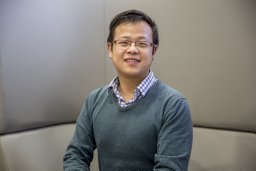 Tao Lyu合作论文数School of Water, Energy and Environment, Cranfield University7
 Gang Pan合作论文数School of Humanities, York St John University5
 Irini Angelidaki合作论文数Department of Chemical and Biochemical Engineering, Technical University of Denmark4
 Wenbo Xiao合作论文数3Tenglun Yang (杨腾伦)合作论文数3Pu HUANG (黄浦)合作论文数3Zhu Xinyu合作论文数Department of Environmental Engineering, Technical University of Denmark3Wenjian Shi (施文健)合作论文数3Ruichen Hu合作论文数2Gang Li合作论文数2Yuhang Hao合作论文数2Jafar Ali合作论文数United Arab Emirates University2Haifeng Wen合作论文数2Yang PENG (彭阳)合作论文数2
 Gang Li (李刚)合作论文数Institute of Applied Ecology, Chinese Academy of Sciences;University of Chinese Academy of Sciences2
 lei wang合作论文数2Lei Bi合作论文数2
 Jun Chen (陈隽)合作论文数University of Chinese Academy of Sciences;Institute of Hydrobiology, Chinese Academy of Sciences2
 Zhigang Huang (黄志刚)合作论文数School of Materials Sciences And Mechanical Engineering, Beijing Technology and Business University2
 Honggang Zhang合作论文数Nottingham University Hospitals, University of Nottingham2Marie Karen Tracy Hong Lin合作论文数1Qi Xu合作论文数1HE Jun-zhang (何俊璋)合作论文数1
 Xiaolong Yao合作论文数1Fuzhuo Xu合作论文数1Yiru A. Wang合作论文数1Chongchao Yao合作论文数1Jiahui Wu合作论文数1Fangyuan JIANG (蒋方圆)合作论文数1Mick Cooper合作论文数1ZHAN Lu-meng (詹露梦)合作论文数1Nan Wang合作论文数1
 Shuhao Huo (霍书豪)合作论文数1Bin Yue (岳斌)合作论文数1
 Yifeng Zhang (张翼凤)合作论文数中国科学院上海生命科学研究院1
 Jing Zhang (张静)合作论文数Research Center for Environmental Material and Pollution Control Technology, University of Chinese Academy of Sciences1Jiang Zhang合作论文数1
 Lichun Dai合作论文数1
 Chao Feng合作论文数University of the Pacific, University of the Pacific1
 Xiaojun Miao (苗肖君)合作论文数Separation Material and Technology Group, Xinjiang Techinical Institute of Physics & Chemistry, Chinese Academy of Sciences1
 Xi-Qing Wang (王喜庆)合作论文数College of Biological Sciences, China Agricultural University1Guishen Liang合作论文数1Zhongzhi Zhou合作论文数1
 Shaobo Shen (沈少波)合作论文数University of Science and Technology Beijing1
 Meiyi Zhang (张美一)合作论文数Research Center for Eco-Environmental Sciences, Chinese Academy of Sciences;University of Chinese Academy of Sciences1
 Qin Zhou (周琴)合作论文数Research Center for Eco-Environmental Sciences, Chinese Academy of Sciences;University of Chinese Academy of Sciences1Zhibin Wang合作论文数State Key Joint Lab Environm Simulat & Pollut Con, Peking Univ1
 Lijing Wang (王丽静)合作论文数College of resource and Environment, University of Chinese Academy of Sciences;University of Chinese Academy of Sciences1
 Yanyan Su合作论文数1




