The existing physical layer security schemes, which are based on the key generation model and the wire-tap channel model, achieve security by utilizing channel reciprocity entropy and noise entropy, respectively. In contrast, we propose a novel secure transmission framework that combines noise entropy with reciprocity entropy, achieved by inserting reciprocity entropy into the frozen bits of polar codes. Note that in real-world scenarios, when eavesdroppers employ polynomial-time attacks, the bit error rate (BER) increases due to the introduction of computational entropy. To achieve indistinguishability security, we convert the practical physical layer security metric, BER, into the average min-entropy, a widely accepted concept in cryptography. The simulation results demonstrate that the eavesdropper’s BER can be significantly increased without compromising the communication performance of the legitimate receiver. Under concrete parameters we selected, when compared to the joint scheme of physical layer key generation and one time pad, the modular semantically-secure scheme based on the wire-tap channel model, and the simple channel entropy combination scheme, our scheme achieves a message rate approximately 1.2 times, 3.8 times, and 1.4 times better, respectively. Experimental testing validates the feasibility of our scheme.
Recently intensified oil exploitation has resulted in the discharge of large amounts of wastewater containing high concentrations of organic matter and nutrients into the receiving aquatic and soil environments; however, the effects of oilfield-produced water on the soil microbiota are poorly understood. In this study, we conducted a comprehensive analysis to reveal the composition and diversity of the microbial community at horizontal and vertical scales in a typical arid soil receiving oilfield-produced water in Northwest China. Oilfield-produced water caused an increase in microbial diversity at the horizontal scale, and the communities in the topsoil were more variable than those in the subsoil. Additionally, the microbial taxonomic composition differed significantly between the near- and far-producing water soils, with Proteobacteria and Halobacterota dominating the water-affected and reference soil communities, respectively. Soil property analysis revealed that pH, salt, and total organic content influenced the bacterial communities. Furthermore, the oil-produced water promoted the complexity and modularity of distance-associated microbial networks, indicating positive interactions for soil ecosystem function, but not for irrigation or livestock watering. This is the first detailed examination of the microbial communities in soil receiving oilfield-produced water, providing new insights for understanding the microbial spatial distributions in receiving arid soils.
Hyperuricemia is characterized by elevated blood uric acid (UA) levels, which can lead to certain diseases. Epidemiological studies have explored the association between environmental contaminant exposure and hyperuricemia. However, few studies have investigated the role of chemical exposure in the development of hyperuricemia. Here, we sought to investigate the effects of bisphenol exposure on the occurrence of hyperuricemia. Fifteen bisphenol chemicals (BPs) were detected in human serum and urine samples collected from an area with a high incidence of hyperuricemia in China. Serum UA levels positively correlated with urinary bisphenol S (BPS), urinary bisphenol P (BPP), and serum bisphenol F (BPF). The effects of these three chemicals on UA levels in mice were explored at various exposure concentrations. An increase in serum UA levels was observed in BPS- and BPP-exposed mice. The results showed that BPS exposure increased serum UA levels by damaging the structure of the kidneys, whereas BPP exposure increased serum UA levels by disturbing purine metabolism in the liver. Moreover, BPF did not induce an increase in serum UA levels owing to the inhibition of guanine conversion to UA. In summary, we provide evidence of the mechanisms whereby exposure to three BPs disturbs UA homeostasis. These findings provide new insights into the risks of exposure to bisphenol chemicals.
Due to the relentless exploitation of nonrenewable resources, humanity is faced with a resource depletion crisis in the coming decades and serious environmental issues. Achieving efficient removal and upcycling of pollutants (ERUP) may become a potential strategy to address these issues. Wastewater, characterized by its large production volume and fluidity, can easily cause widespread environmental pollution through natural water networks. Due to solubility constraints, pollutants in wastewater typically exhibit low concentrations and complex compositions, thereby impeding effective recovery. Therefore, achieving ERUP in wastewater is both highly significant and extremely challenging. Unlike conventional wastewater treatment strategies that are focused on removing pollutants, ERUP strategies can not only realize the efficient removal of pollutants from water but also convert pollutants into valuable and functional products. Herein, we enumerated the latest research progress on ERUP in wastewater and highlighted studies that demonstrate the simultaneous achievement of pollutant removal and the direct conversion of these contaminants into high-efficiency catalysts, hydrogen energy, electrical energy, and other high-value chemicals. Finally, we identified the problems and challenges in the development of ERUP in wastewater and outlined potential research directions for future studies.
西北地区干旱缺水,但油气田外排水产量却呈逐年增加的趋势,外排水生态利用是解决西北地区水资源短缺和外排水处置矛盾的有效策略之一.为此,探究了在湿地和灌溉生态利用模式下水中典型耗氧有机物(以COD计)和石油烃(petroleum hydrocarbon)在荒漠土壤中的迁移和转化规律.原位土壤分层土柱实验结果表明,2种利用模式均会导致土壤中总有机碳(TOC)的含量有不同程度的下降,外排水COD的升高会减缓土壤TOC的流失,但会改变土壤TOC的组成.土壤微生物可有效消减外排水中COD,降低其向土壤深层迁移的风险.TPH易在土壤表层发生累积,但低浓度TPH排放的灌溉模式有利于减少土层中TPH的累积.湿地模式下由于水流量大,增加了 TPH向地下水迁移的风险.土壤微生物对TPH的降解率可达15%,并导致C25以下的TPH相对含量显著降低,但C26以上组分的TPH相对含量则有所提升,原因在于短链TPH易被微生物降解,长链TPH不易降解并形成累积.以上研究结果可为油气田外排水生态利用可行性提供数据参考.
Metal sulfides are regarded as efficient scavengers for heavy metals. However, the heavy metal adsorption capacity of metal sulfides is far from its theoretical values due to the insufficient exposure of adsorption sites. Surface modification of metal sulfides is considered one of the most effective strategies for improving heavy metal removal performance. Here, microalgae-derived carbon quantum dots (CQDs) were used as a green modifier for mediating nano-MnS/FeS formation to enhance Cd2+ removal. With the addition of 1 wt% CQDs, the Cd2+ adsorption capacity of 1 %CQDs-MnS reached 481 mg/g at 25 °C and 648.6 mg/g at 45 °C, which surpassed most of the previously reported metal sulfides. Furthermore, the CQDs-modified MnS displayed a better Cd2+ removal capacity than the commercial modifier sodium alginate. The mechanism analysis suggested that decreasing the particle size to expose more adsorption sites and providing additional chelating sites derived from the CQDs are two main reasons why CQDs enhance the Cd2+ adsorption capacity of metal sulfides. This study presents an exceptional cadmium nano-adsorbent of 1 %CQDs-MnS and provides a new perspective on the enhancement of heavy metal removal by using CQDs as a promising and universal green modifier that mediates the formation of metal sulfides.
Bisphenol A (BPA) and its analogs are endocrine-disrupting chemicals that are frequently detected in environmental and human samples. However, the effective removal of BPA and its analogs has not yet been extensively studied. Herein, we introduce a novel enzyme reactor for the degradation of BPA and its analogs in water. The influence of pore size on the degradation efficiency of immobilized laccase in the spatial nanopores of hydrogel was investigated using BPA as a representative compound. This showed that nanopores enhance the activity of immobilized laccases in a pore size-dependent manner and increase their stability. Compared with the same amount of free laccase, the 50 mg/L BPA degradation performance of laccase immobilized in 76 nm nanopores increased to 300 %. Taking advantage of magnetic separation, this immobilized laccase can be reused, and its degradation capacity was maintained at over 73.7 % after ten reactions. Moreover, the degradation of seven BPA analogs was 1.03-5.88 times higher using laccase immobilized in nanopores compared with free laccase. Also, the biocatalyst could efficiently degrade BPA analogs in real water matrix. This study opens up a new avenue for the removal of BPA and its analogs by immobilizing laccase in nanopores, overcoming the key limitations introduced by the short enzyme life span and non-reusability.
Bacterial infections have become a great threat to public health in recent years. A primary lysozyme is a natural antimicrobial protein; however, its widespread application is limited by its instability. Here, we present a poly (N-isopropylacrylamide) hydrogel inverse opal particle (PHIOP) as a microcarrier of lysozyme to prolong and enhance the efficiency against bacteria. This PHIOP-based lysozyme (PHIOP-Lys) formulation is temperature-responsive and exhibits long-term sustained release of lysozyme for up to 16 days. It shows a potent antibacterial effect toward both Escherichia coli and Staphylococcus aureus, which is even higher than that of free lysozyme in solution at the same concentration. PHIOPs-Lys were demonstrated to effectively inhibit bacterial infections and enhance wound healing in a full-thickness skin wound rat model. This study provides a novel pathway for prolonging the enzymatic activity and antibacterial effects of lysozyme.
Endocrine disruptors such as bisphenol A(BPA)adversely affect the environment and hu-man health.Laccases are used for the efficient biodegradation of various persistent or-ganic pollutants in an environmentally safe manner.However,the direct application of free laccases is generally hindered by short enzyme lifetimes,non-reusability,and the high cost of a single use.In this study,laccases were immobilized on a novel magnetic three-dimensional poly(ethylene glycol)diacrylate(PEGDA)-chitosan(CS)inverse opal hydrogel(LAC@MPEGDA@CS@IOH).The immobilized laccase showed significant improvement in the BPA degradation performance and superior storage stability compared with the free lac-case.91.1%of 100 mg/L BPA was removed by the LAC@MPEGDA@CS@IOH in 3 hr,whereas only 50.6%of BPA was removed by the same amount of the free laccase.Compared with the laccase,the outstanding BPA degradation efficiency of the LAC@MPEGDA@CS@IOH was maintained over a wider range of pH values and temperatures.Moreover,its relative activity of was maintained at 70.4%after 10 cycles,and the system performed well in actual water matrices.This efficient method for preparing immobilized laccases is simple and green,and it can be used to further develop ecofriendly biocatalysts to remove organic pollutants from wastewater.
The Blum–Kalai–Wasserman (BKW) algorithm is an important combinatorial algorithm for solving the Learning With Errors (LWE) problem. In this paper, we focus on the LWE problem with small secrets and present an improved BKW algorithm. BKW algorithm has two phases, the reduction phase and the solving phase and our new algorithm uses new techniques to optimize both of them. For the first phase, we combine the modulus switching technique with coding theory and for the second one, we use a new pruning guessing strategy for the small secrets. To the best of our knowledge, our algorithm is currently the fastest BKW-style algorithm for solving LWE with small secrets. The bit-security of our new algorithm reduces by 6–19 bits compared with the most efficient and commonly used BKW algorithm introduced in [CRYPTO’15].
The Learning With Errors (LWE) problem is widely used in lattice-based cryptography, which is the most promising post-quantum cryptography direction. There are a variety of LWE-solving methods, which can be classified into four groups: lattice methods, algebraic methods, combinatorial methods, and exhaustive searching. The Blum–Kalai–Wasserman (BKW) algorithm is an important variety of combinatorial algorithms, which was first presented for solving the Learning Parity With Noise (LPN) problem and then extended to solve LWE. In this paper, we give an overview of BKW algorithms for solving LWE. We introduce the framework and key techniques of BKW algorithms and make comparisons between different BKW algorithms and also with lattice methods by estimating concrete security of specific LWE instances. We also briefly discuss the current problems and potential future directions of BKW algorithms.
Microplastics (MPs) are ubiquitous in environmental compartments and consumer products. Although liver is frequently reported to be a target organ of MP accumulation in mammals, few studies have focused on MP hepatoxicity in humans. In this study, we used normal human liver cells, THLE-2, to assess the acute and chronic toxicity of polystyrene (PS) MPs with sizes of 0.1 and 1 μm. The results showed that after 48 h of exposure, both kinds of PS MPs could enter THLE-2 cells and cause no obviously acute cytotoxicity at <20 μg/mL. In contrast, metabolomic analysis revealed that 90 days of PS MPs exposure at environmentally relevant dose (0.2 μg/mL) could significantly alter the metabolic profiles of the cells, especially the nanosized MPs. KEGG pathway analysis showed that the ATP-binding cassette (ABC) transporter pathway was the most significantly changed pathway. Cell functional tests confirmed that chronic PS MP treatment could inhibit the activity of the ABC efflux transporter and further increase the cytotoxicity of arsenic, indicating that the PS MPs had a chemosensitizing effect. These findings underline the chronic risk of MPs to human liver.
The practical application of microbial fuel cell (MFC) is severely impeded by its low output power density stemming from the low bacterial loadings and the sluggish extracellular electron transfer (EET) kinetics. Thus, the current collector designed to greatly enhance the electrocatalytic performance of microbial electrodes ought to possess both high hydrophilicity and high conductivity, which are, however, often mutually incompatible. Herein, to resolve this dilemma, a composite bioelectrode consisting of the poly(ionic liquid) functionalized single-walled carbon nanotube bundles (SWCNT-PIL) layer at the biotic-electrode interface and its subjacent hydrophilic graphene oxides (GO) layer is prepared. Bacterial adhesion is significantly enhanced, resulting from the positive charges of SWCNT-PIL and the hydrophilic GO. After self-reduction of GO by attached electricigens, the as-prepared mrGSP bioelectrode exhibits a maximum output power density of 4.808 W m- 2, which is more than one order of magnitude larger than that of conventional carbon-based electrode (0.319 W m-2), because the SWCNT-PIL layer is capable of not only accelerating the flavin-based mediated electron transfer (MET), but also upregulating the membrane protein expression from 14.64% to 18.01% induced by the enhanced electric field, promoting the outer membrane c-type cytochromes-based direct electron transfer (DET). This work provides a new concept of synergistic engineering the interfacial and its subjacent layers to solve the dilemma between high hydrophilicity and high conductivity of the current collector surface for microbial electrocatalysis.
In this paper, we study the hybrid dual attack over learning with errors (LWE) problems for any secret distribution. Prior to our work, hybrid attacks are only considered for sparse and/or small secrets. A new and interesting result from our analysis shows that for most cryptographic use cases a hybrid dual attack outperforms a standalone dual attack, regardless of the secret distribution. We formulate our results into a framework of predicting the performance of the hybrid dual attacks. We also present a few tricks that further improve our attack. To illustrate the effectiveness of our result, we re-evaluate the security of all LWE related proposals in round 3 of NIST’s post-quantum cryptography process, and improve the state-of-the-art cryptanalysis results by 2-15 bits, under the BKZ-core-SVP model.
The Learning with Errors (LWE) problem is one of the most prominent problems in lattice-based cryptography. Many practical LWE-based schemes, including Fully Homomorphic encryption (FHE), use sparse ternary secret for the sake of efficiency. Several (hybrid) attacks have been proposed that benefit from such sparseness, thus researchers believe the security of the schemes with sparse ternary secrets is not well-understood yet. Recently, May [Crypto 2021] proposed an efficient meet-in-the-middle attack named Meet-LWE for LWE with ternary secret, which significantly improves Odlyzko’s algorithm. In this work, we generalize May’s Meet-LWE and then introduce a new hybrid attack which combines Meet-LWE with lattice dual attack. We implement our algorithm to FHE-type parameters of LWE problem and compare it with the previous hybrid dual attacks. The result shows that our attack outperforms other attacks in a large range of parameters. We note that our attack has no impact on the LWE-based schemes in the PQC Standardization held by NIST as their secrets are not sparse and/or ternary.
Bisphenols, parabens, and their metabolites are a group of chemical compounds with a wide range of polarities but similar chemical structures, which presents a challenge for the simultaneous determination of these compounds in complex biological samples. In this study, a rapid and sensitive method for simultaneous quantification of free bisphenol A (BPA), conjugated BPA, bisphenols, and parabens analogs was developed using solid-phase extraction (SPE) tandem liquid-liquid extraction (LLE). We compared the effects of different types of SPE cartridges, diluents, and LLE solvents on the analyte recovery. Utilizing the direct and indirect determination methods (enzyme hydrolysis), we confirmed the accuracy of the direct method for measuring BPA glucuronide and BPA disulfate. The method enabled the analysis of 24 endocrine-disrupting chemicals (EDCs) in one injection through UHPLC-MSMS measurements, with satisfactory recovery (mean: 91.8-98.6% for urine, 80.2%-96.8% for serum) and precision (RSD <15%). The LOD and LOQ values were 0.003 and 0.01 ng/mL for serum, and 0.002 and 0.006 ng/mL for urine samples, respectively. For real sample analysis, the median concentration of analytes in serum and urine samples ranged from 0.04 ng/mL (BPS) to 56.4 ng/mL (4-HB) and 0.11 ng/mL (BPA) to 136 ng/mL (4-HB), respectively. This method provides a new strategy to simultaneously identify compounds with a wide range of polarities from complicated biological matrices.
The dual attack is widely used in the concrete security estimation of the learning with errors (LWE) problem. Predicting the concrete security of LWE against the dual attack, i.e., the minimal cost of the dual attack, is a constrained optimization problem. However, there is no complete theoretical analysis. We fill in this gap by proving that, for almost all LWE instances used in the design of public-key cryptographic schemes, the cost of the dual attack can be considered as a U-shape function. Therefore, we can predict the minimal cost with binary search. We use the binary search to predict the concrete security of all LWE-based algorithms in NIST-PQC and the experimental results demonstrate the accuracy of the binary search.
最短向量问题(shortest vector problem,SVP)是格上的基础困难问题之一,是格密码方案安全性的基础假设,SVP求解算法是评估格密码算法具体安全性的关键技术.实用的SVP精确求解算法主要包括筛法和枚举两种类型,其中筛法的时间复杂性更低,是目前实用化格密码算法安全性评估主要使用的算法.筛法由Ajtai-Kumar-Sivakumar于2001年首次提出,其主要思想是将指数多个格向量通过一系列的筛取过程,互相约化,以得到一定数量的长度为O(λ1)的格向量,然后将这些向量两两相减以得到最短非零格向量,其中λ1表示格中最短非零向量长度.二十年来,研究者们不仅在理论上对筛法进行研究和改进,同时也给出了一系列在实际应用中更为高效的启发式算法.针对筛法中复杂度最高的部分,即约化时遍历指数多个格向量的过程,研究者们使用了多种技术对其进行改进,包括生日悖论、局部敏感技术、层次化、元组化、线性化等.本文按照技术发展及时间顺序介绍了格上筛法的发展历史、研究现状和将来的发展趋势.
The primary advantage of a hollow structure is the likelihood of introducing diverse components in a single particle to achieve multiple missions. Herein, hollow microspheres with multicomponent nanocores (HMMNs) have been prepared based on a template-free strategy via a microwave-assisted hydrothermal treatment of Chlorella. The resulting HMMNs retain the near-spherical hollow morphology and functional groups of the cell wall of Chlorella, obviating the need for templates and chemical modification. The elements (iron, cobalt, calcium, magnesium, chlorine, and phosphorus) naturally present within the Chlorella cells react to form hydroxyapatite/chlorapatite and magnetic nanocores without the need for exogenous chemical reagents. The performances of HMMNs for cadmium ion (Cd2+) removal and antibiotic detection are explored. HMMNs exhibit relatively high adsorbance of Cd2+ (1035.8 mmol/kg) and can be easily recovered by application of an external magnetic field. Ion exchange with Ca2+ and Mg2+ is shown to be the main mechanism of Cd2+ elimination. In addition, HMMNs are a suitable carrier for the construction of a magnetic immunosensor, as demonstrated by the successful development of such an immunosensor with acceptable analytical performance for the detection of neomycin in milk samples. The versatile applications of HMMNs result from their multicomponent nanocores, hollow structure, and the functional groups on their shell. This work not only offers a simple and eco-friendly strategy for the fabrication of novel HMMNs but also provides a valuable advanced material for contaminant detection and heavy-metal removal.
The versatility of rattle-type microspheres is tightly correlated with the composition and morphology. Exploring advanced rattle-type microspheres with simultaneous controllable composition and micro/nanostructures via novel designed and regulated strategies may have great advantages for performing complex tasks. Herein, cellulose/inorganic hybrid rattle-type microspheres, produced using microalgae as natural chemical reservoirs, microreactors and matrix, is reported. By adjusting only pH and temperature, rattle-type microspheres with simultaneously controllable mesoporous outer shells (19.4-46.3 nm) and multicomponent nano-cores (i.e., Ca-5(PO4)(3)OH and Fe3O4/MgFe2O4) are obtained using microalgae as single-source precursors. Especially, the rattle-type microspheres-mediated immunosensor shows ultrahigh sensitivity for the detection of trace micro-cystin-LR in complex real water samples with a limit of quantitation of 0.05 ng/mL, which is a 10-fold improvement compared with conventional enzyme linked immunosorbent assays. Enhancement of the sensitivity is due to the tailorability and functionality in both the hollow shells and the cores of the rattle-type microspheres. The finely controlled pore-size, void space and natural carboxyl groups of the shell are beneficial for enzymes loading and for bio-conjugation. The cores contain magnetite and hydroxyapatite nano-particles, which can be utilised for magnetic separation and for anchoring more enzymes, resulting in considerable signal amplification. This work opens up a new and green route for the construction of rattle-type microspheres with tunable compositions and porosities, which makes it a flexible platform for various applications in immunoassay, biosensors, enrichment and separation of target substances, drug-delivery, and environmental remediation.
 Gang Pan合作论文数School of Humanities, York St John University20
 Maoyong Song (宋茂勇)合作论文数Research Center for Eco-Environmental Sciences, Chinese Academy of Sciences/Institute of Environment and Health, Jianghan University11
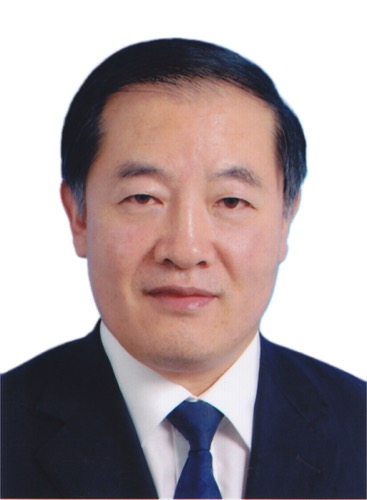 Guibin Jiang (江桂斌)合作论文数State Key Laboratory of Environmental Chemistry and Ecotoxicology, Research Center for Eco-Environmental Sciences, Chinese Academy of Sciences;University of Chinese Academy of Sciences8
 Fengbang Wang合作论文数7
 Tao Lyu合作论文数School of Water, Energy and Environment, Cranfield University7
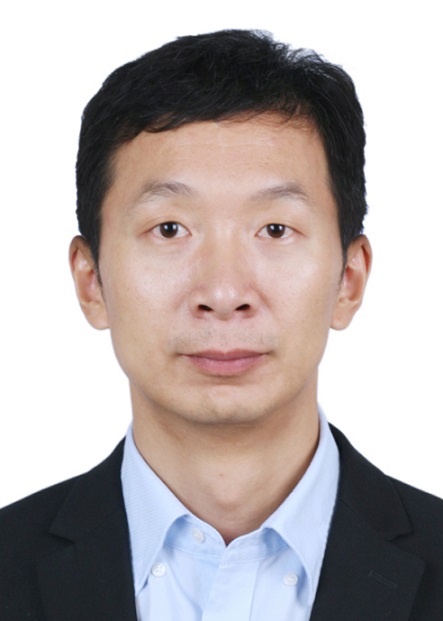 Jingzhang Liu (刘敬樟)合作论文数Institute of Engineering Thermophysics, Chinese Academy of Sciences;University of Chinese Academy of Sciences6
 Chunyan Ma (麻春艳)合作论文数Research Center for Eco-Environmental Sciences, Chinese Academy of Sciences;University of Chinese Academy of Sciences6
 Honggang Zhang合作论文数Nottingham University Hospitals, University of Nottingham6
 Mei Du合作论文数5
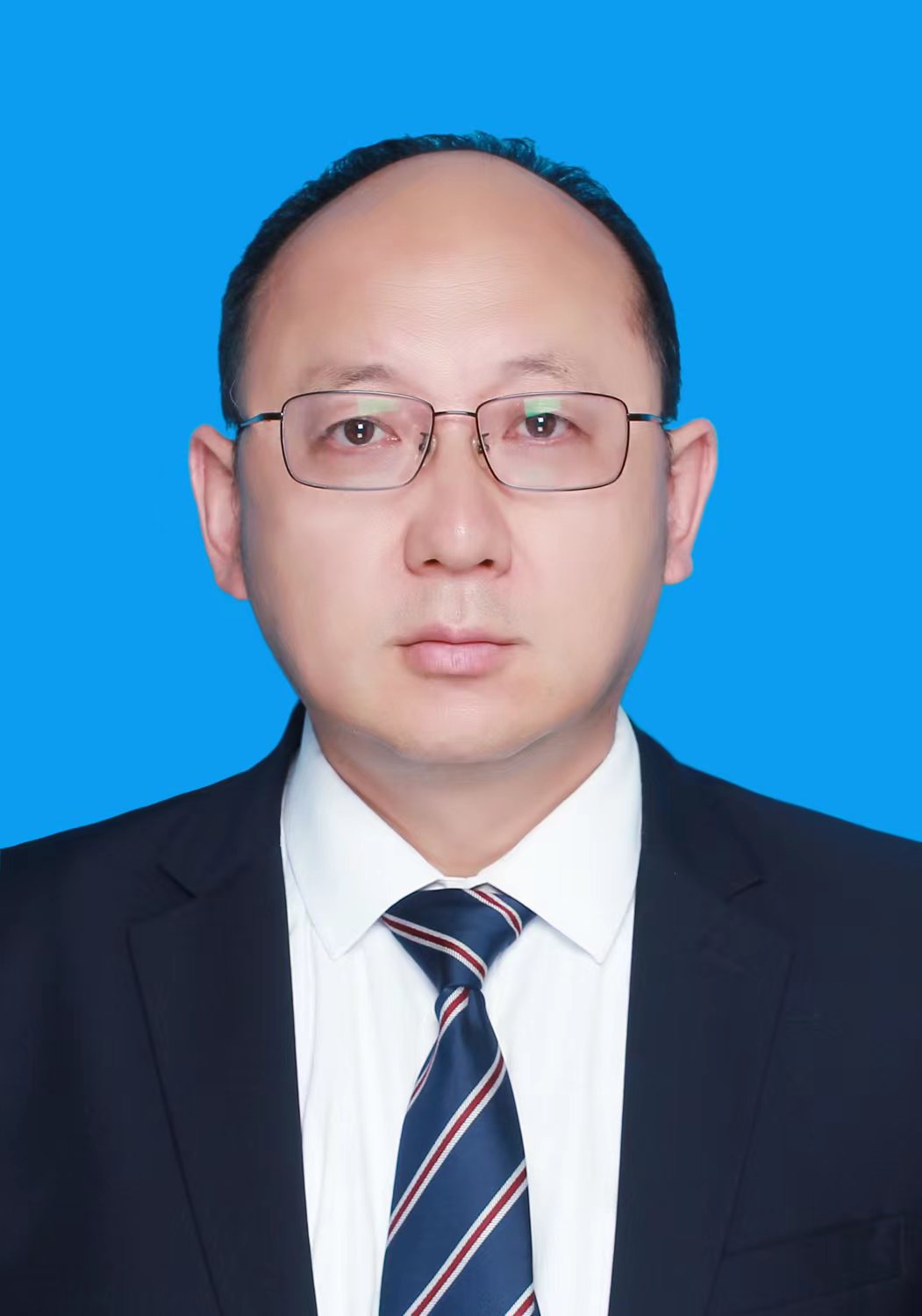 Kunpeng Wang (王鲲鹏)合作论文数Institute of Information Engineering, Chinese Academy of Sciences;University of Chinese Academy of Sciences5
 Chen Wang (王琛)合作论文数National Center For Nanoscience and Technology, Chinese Academy of Sciences;University of Chinese Academy of Sciences4
 Lichun Dai合作论文数4
 Meiyi Zhang (张美一)合作论文数Research Center for Eco-Environmental Sciences, Chinese Academy of Sciences;University of Chinese Academy of Sciences4Liang Li (李梁)合作论文数4
 Hong Li (李宏)合作论文数College of Environment and Ecology, Chongqing University4
 Lijing Wang (王丽静)合作论文数College of resource and Environment, University of Chinese Academy of Sciences;University of Chinese Academy of Sciences4
 Xianhui Lu (路献辉)合作论文数School of Cyber Security, University of Chinese Academy of Sciences;Institute of Information Engineering, Chinese Academy of Sciences4Bang Huang合作论文数3SHANG Yuanyuan (尚媛媛)合作论文数3
 lei wang合作论文数3
 Linchen He (何林宸)合作论文数College of Environmental Sciences and Engineering, Peking University3
 Dan Wang (王丹)合作论文数School of Chemistry and Chemical Engineering, Chongqing University3
 Jun Chen (陈隽)合作论文数University of Chinese Academy of Sciences;Institute of Hydrobiology, Chinese Academy of Sciences3
 Jing Su (苏静)合作论文数Institute for Personalized Medicine, School of Biomedical Engineering, Shanghai Jiao Tong University3
 Wei Yu合作论文数2Chongchao Yao合作论文数2Minmin Pan合作论文数UFZ Helmholtz Ctr Environm Res2Aijing Li合作论文数2LUAN Xuan (栾萱)合作论文数2
 Le Tao合作论文数2Jafar Ali合作论文数United Arab Emirates University2LI Qiaoxia (李巧霞)合作论文数2
 Xiaojun Miao (苗肖君)合作论文数Separation Material and Technology Group, Xinjiang Techinical Institute of Physics & Chemistry, Chinese Academy of Sciences2
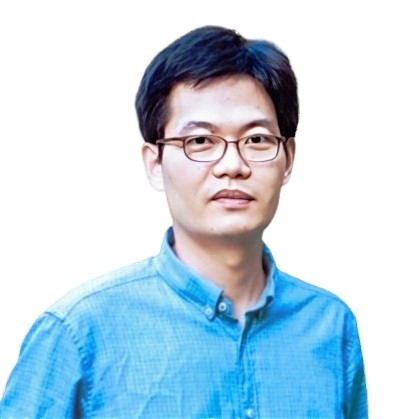 Yiping Chen (陈翊平)合作论文数School of Food Science and Technology, Dalian Polytechnic University2
 Junjie Luo (罗俊杰)合作论文数School of Mathematics and Statistics, Beijing Jiaotong University2
 Qin Zhou (周琴)合作论文数Research Center for Eco-Environmental Sciences, Chinese Academy of Sciences;University of Chinese Academy of Sciences2Shuaigang Li合作论文数1Shaochen Pang合作论文数1Weijie Li合作论文数1Qiong Wang合作论文数1
 Yuanyuan Wang合作论文数1Hao Yi合作论文数1LIU Yanwei (刘艳伟)合作论文数1
 Ying Tang (唐颖)合作论文数College of Resources and Environment, Southwest University1Mick Cooper合作论文数1Zihan Chen合作论文数1Yue Gao合作论文数1
 Jin Xiaoguang合作论文数1Bin Yue (岳斌)合作论文数1




