Objective. Although a number of reports have documented a significantly increased incidence of HLA-DR15 in aplastic anemia (AA), the exact role of HLA-DR15 in the immune mechanisms of AA remains unclear. We herein clarify the difference between DRB1*1501 and DRB1*1502, the 2 DRB1 alleles which determine the presentation of HLA-DR15, in the pathophysiology of AA. Materials and Methods. We investigated the relationships of the patients’ HLA-DRB1 allele with both the presence of a small population of CD55CD59 (PNH-type) blood cells and the response to antithymocyte globulin (ATG) plus cyclosporine (CsA) therapy in 140 Japanese AA patients. Results. Of the 30 different DRB1 alleles, only DRB1*1501 (33.6% vs. 12.8%, Pc<0.01) and DRB1*1502 (43.6% vs. 24.4%, Pc<0.01) displayed significantly higher frequencies among the AA patients than among a control. AA patients possessing HLA-DR15 tended to be old, and especially, the frequency of DRB1*1502 in patients ≥40 years old (52.4%) was markedly higher than that in those <40 years old (16.2%, Pc<0.01). Only DRB1*1501 was significantly associated with the presence of a small population of PNH-type cells and it also showed a good response to ATG plus CsA therapy in a univariate analysis. A multivariate analysis showed only the presence of a small population of PNH-type cells to be a significant factor associated with a good response to the immunosuppressive therapy (P<0.01). Conclusion. Although both DRB1*1501 and DRB1*1502 contribute to the development of AA, the methods of contribution differ between the two alleles.
Pure red cell aplasia (PRCA) is characterized by normocytic normochromic anemia associated with reticulocytopenia and erythroid hypoplasia in otherwise normal bone marrow. The acquired chronic PRCA may present as a primary hematological disorder in the absence of any other diseases or develop associated with certain conditions such as thymoma, lymphoproliferative disorders, infections, collagen vascular diseases, or after exposure to a wide variety of drugs. Idiopathic PRCA and secondary PRCA not responding to the treatment of the underlying diseases are generally treated by immunosuppressive therapy and the most patients require long-term treatment. Glucocorticoids, cyclosporine and cyclophosphamide are commonly used for initial treatment as monotherapy or combination therapy and majority of the patients respond to immunosuppression. However, most patients treated with these medications relapse during tapering of the treatment. Because of the extreme rarity of this disease, the long-term outcome of chronic PRCA following immunosuppression remains unclear and the adverse risk factors for survival have to be elucidated.
Data characterizing the safety and effectiveness of eculizumab in patients with paroxysmal nocturnal hemoglobinuria (PNH) are limited. We describe the safety and effectiveness of eculizumab in PNH patients enrolled in a post-marketing surveillance study. Types and frequencies of observed adverse events were similar to those reported in previous clinical trials and no meningococcal infection was reported. Effectiveness outcomes included the reduction of intravascular hemolysis, the change in hemoglobin (Hb) level, the withdrawal of transfusion and corticosteroids, the change of renal function, and overall survival. The effect of eculizumab on intravascular hemolysis was demonstrated by a reduction in lactate dehydrogenase levels at all measurements after baseline. Significant increases in Hb levels from baseline were also observed after 1 month’s treatment with eculizumab (p < 0.01). Of those who were transfusion-dependent at baseline, the median number of transfusions decreased significantly from 18 to 0 unit/year after 1 year of treatment with eculizumab (p < 0.001). An increase in Hb and a high rate of transfusion independence were observed, especially in patients with platelet count ≥150 × 109/L. Approximately 97 % of patients showed maintenance or improvement of renal function. Overall survival rate was about 90 % (median follow-up 1.9 years). These results suggest an acceptable safety profile and favorable prognosis after eculizumab intervention.
In order to prevent hydrofoil colliding with cetaceans, the underwater speaker (UWS) has been installed to repel cetaceans. Yamada et al. (2012) analyzed and devised the UWS sound as it fits the cetaceans' acoustic properties to prevent the collision furthermore. The new UWS sound was devised and synthesized by Yamada et al. (2015) with expectation of avoiding collision with large cetaceans (Patent applied for, JP2014-171411). In this research project, the new UWS sound was investigated by the playback experiment on humpback whale (Megaptera novaeangliae) and by sighting survey in the actual hydrofoil shipping service route. As a result, a physiological and behavioral change of the humpback whale was observed in the playback experiment of the new UWS sound, and the chance of hydrofoil encountering cetaceans of the new UWS sound was smaller than that of the previous UWS sound. Therefore, the improvement of the new UWS sound was confirmed. Lastly, the authors wish this research project would contribute toward the safer cruise of hydrofoil in the future.
Immunosuppressive therapy has been employed as the initial treatment for acquired chronic pure red cell aplasia (PRCA), such as idiopathic, thymoma-associated, or large granular lymphocyte (LGL) leukaemia-associated PRCA, which is thought to be immune-mediated. To explore the overall long-term outcome following immunosuppression and to identify the risk factors for death in these disorders, we conducted nationwide surveys in Japan 2004 and 2006, and identified a total of 185 patients with acquired chronic PRCA, including 72 idiopathic, 41 thymoma-associated and 14 LGL leukaemia-associated cases of PRCA for whom data was available. The present study evaluated 127 patients with these three subsets of PRCA. The median overall survival has not yet been reached in idiopathic PRCA. The estimated median overall survival times in patients with thymoma-associated and LGL leukaemia-associated PRCA were 142·1 and 147·8 months, respectively. Twenty-two deaths were reported, and the response to induction therapy and relapse of anaemia were found to be associated with death. The major causes of death were infection in seven patients and organ failure in another seven patients. The results suggest that maintenance therapy and the management of infectious complications are crucial for improving the prognosis of chronic PRCA.
Introduction: Paroxysmal nocturnal hemoglobinuria (PNH) is a disease characterized by chronic complement-mediated hemolysis, leading to life-threatening events, such as thromboembolism (TE) and chronic kidney disease (CKD), and devastated quality of life (QOL). The terminal complement inhibitor eculizumab (ECU) was approved in Japan in 2010 under the indication to suppress hemolysis in PNH. We comprehensively report as post marketing surveillance (PMS) on the efficacy and safety of ECU administered from June 2010 to March 2013 in Japanese patients with PNH. In spite of complete blocking hemolysis, the degree of improvement of anemia by ECU treatment varies patient by patient. Analyzing the data of PMS, we investigated if patient characteristics, such as LDH, bone marrow function and renal function, can affect anemia in PNH patients treated with ECU.
Paroxysmal nocturnal hemoglobinuria (PNH) is a rare, progressive hematopoietic stem cell disorder characterized by chronic complement-mediated hemolysis leading to life-threatening complications and early mortality. Eculizumab, a humanized anti-C5 monoclonal antibody, inhibits terminal complement activation, reduces hemolysis, decreases the risk of thrombosis, and improves renal function and quality of life in PNH patients. The long-term efficacy and safety of eculizumab in Japanese patients were assessed in a 2-year extension to a 12-week, open-label study (AEGIS). Eculizumab treatment led to an immediate and sustained reduction in intravascular hemolysis (P < 0.001) and red blood cell transfusions (P = 0.0016) compared with baseline levels. There were no reports of thromboembolism during eculizumab treatment. The majority of patients had stable (56 %) or improved (41 %) renal function and an improved quality of life (P = 0.015), with sustained reductions in fatigue and dyspnea. Eculizumab was well tolerated; no deaths or serious hemolytic events were reported, and the rate of infections declined over time. There were no significant differences in the response to eculizumab in patients with or without bone marrow dysfunction. These results demonstrate that eculizumab is an effective, well-tolerated long-term treatment for Japanese PNH patients and leads to continued amelioration of some hemolytic complications.
Using a registration sheet of a prospective registration system for aplastic anemia (AA)/myelodysplastic syndromes (MDS), by the National Research Group on Idiopathic Bone Marrow Failure Syndromes, Japan, we carried out a survey on examinations for diagnosis of bone marrow failure. Bone marrow trephine biopsy was performed in 66 of 105 cases (63%) [Original diagnosis: AA 51 cases (80%), MDS 12 (32%), undiagnosable 3 (75%)]. Bone marrow aspiration was performed in all cases, and aspiration was performed at least twice in 36 cases (34%). The first-line anatomic site for bone marrow aspiration was the posterior iliac crest (62%). Cytogenetic examination was performed in 93%. The concordance rate between the original and the central review diagnosis was 93% among the studied cases: AA, Idiopathic cytopenia of undetermined significance (ICUS) and MDS in total. Flow cytometry analysis to detect paroxysmal nocturnal hemoglobinuria (PNH)-type blood cells was performed in 32%.
)–Mean SE FACIT-Fatigue scores increased from 39.0 1.86 and 32.5 13.50 at baseline to 42.3 1.54 and 46.5 4.50 at 12 weeks for non-transfused patients and transfused patients, respectively •Eculizumab treatment resulted in changes of 5 and 23 points (> 3-point improvement is considered clinically meaningful) over 12 weeks in the FACIT-Fatigue scores for the 2 non-transfused patients, respectively• Treatment with eculizumab resulted in improvements in QoL, as measured by EORTC QLQ-C30, in patients with and without a transfusion history (
In patients with paroxysmal nocturnal hemoglobinuria (PNH), lack of the GPI-anchored terminal complement inhibitor CD59 on hematopoietic stem cells and subsequently matured blood cells results in chronic intravascular hemolysis and thrombosis. The patients also show kidney disease and pulmonary hypertension in addition to disabling fatigue, abdominal pain and impaired quality of life. Eculizumab is a humanized MoAb against a terminal complement molecule C5, and has been evaluated in 2 phase III studies in North America, Western Europe and Australia. Eculizumab significantly reduced hemolysis, anemia, transfusion requirements, and thrombotic events, and improved fatigue, renal impairment and quality of life. We conducted an open-label single-arm phase II study (AEGIS) to evaluate the safety and efficacy of eculizumab in Japanese patients with PNH relative to the two phase III eculizumab studies previously reported. The AEGIS study criteria included patients with significant thrombocytopenia (platelet counts ≥ 30x109/L) and/or minimal transfusion requirements (1 or more transfusion episodes in the preceding 2 years). Eculizumab was dosed as follows: 600mg weekly for 4 weeks; 900mg one week later; and then 900mg every other week for a total of 12 weeks of therapy. Patients received meningococcal vaccine 2 weeks prior to treatment. Eculizumab was administered to 29 Japanese patients at 9 institutions. The median patient age was 47 years (range 26–70 years), median platelet count was 150x109/L (range 28–291x109/L), 45% had a history of aplastic anemia or MDS, and 48% were taking corticosteroids. Eculizumab serum levels were sufficient to completely block complement. Twenty seven out of 29 patients completed the study. Intravascular hemolysis, the primary efficacy endpoint of the trial, was rapidly and significantly reduced with eculizumab treatment. Lactate dehydrogenase (LDH) decreased 86% from a median of 1,814 U/L at baseline to a median of 244 U/L at 12 weeks of treatment ( P <0.001; normal range 103–223 U/L). Control of hemolysis resulted in improvement in anemia; hemoglobin levels increased from baseline (p=0.002 respectively). Transfusion requirements decreased 71% from a mean (SE) of 5.2 (±1.04) PRBC units/patient during the 12-week pre-treatment period to 1.5 (±0.67) units/patient during 12 weeks of eculizumab treatment ( P <0.001 for the prespecified median change). Transfusion independence was achieved in 67% (14/21) of patients who were transfusion-dependent prior to treatment ( P <0.001). Fatigue levels, as measured by the FACIT-Fatigue instrument, significantly improved within one week of eculizumab treatment, with a median increase of 5.0 points at 12 weeks ( P <0.001). A change of 3 or more points is considered clinically meaningful. A post hoc analysis was performed to evaluate the effect of eculizumab on chronic kidney disease (CKD), measured as an improvement or worsening in CKD stage during treatment according to the KDOQI CKD published guidelines. Eculizumab improved CKD in 41% (12/29) of patients, while 55% (16/29) maintained stable kidney function, and only 3.4% (1/29) showed worsening (P<0.001). There were five reported thrombotic events in patients prior to eculizumab and no reported events in treated patients to-date. The drug was safe and well tolerated in all patients. The most frequent adverse events (AEs) were headache (52%), nasopharyngitis (41%), and nausea (21%). Most AEs were mild to moderate in severity and not considered related to eculizumab. No serious AEs were reported as probably related to drug. In summary, this trial demonstrates that eculizumab is safe and well tolerated in Japanese patients with PNH and provides beneficial effects in PNH similar to those observed in previous phase III trials. Table 1: Efficacy of Eculizumab | | Baseline | 12 weeks Treatment | Change From Baseline | P-Valuea | |:------------------------------------------------------------------------------------------------------------------------------------------------------------------:| ------------------ | ------------------ | -------------------- | --------- | | aOverall mixed model analysis | | bBaseline represents the number of units transfused during the 12 week period prior to treatment. One PRBC unit is prepared from 200 ml of donor peripheral blood. | | cA change of ≥ 3 is considered clinically meaningful | | LDH, U, L Median (mean ± SE) | 1,814 (1,845 ±115) | 244 (399 ± 99) | | P < 0.001 | | Transfusions (PRBC Units/Patient)bmedian (mean ± SE) | 2.0 (5.2 ±1.04) | 0.0 (1.5 ± 0.67) | | P < 0.001 | | Hemoglobin (g/dL) Median (mean ± SE) | 7.5 (7.3±0.3) | 9.0 (8.9 ± 0.4) | | P =0.002 | | FACIT-fatigue scorec Median (mean ± SE) | 41.0 (38.5 ±1.9) | 43.0 (42.6± 1.5) | +5.0 (4.1 ±2.3) | P < 0.001 |
In the above mentioned article, several errors occurred and are corrected below. In the labeling of Figure 1, page 555. The term “Eculizumab Treatment” should not appear at the top of the figure. The corrected figure is shown. On page 553 in the Abstract line 6, “Renal dysfunction or damage was observed in 65% of the study population…” should read “Renal dysfunction or damage was observed in 64% of the study population….” On page 555 line 2, “Renal dysfunction or damage was a common finding in patients with PNH as 65% of the study population … .” Should read “Renal dysfunction or damage was a common finding in patients with PNH as 64% of the study population … .” On page 557 line 5, “Because of the recognized high incidence (65%) of renal dysfunction… .” Should read “Because of the recognized high incidence (64%) of renal dysfunction… .” We apologize for any confusion these errors might have caused.
We performed an open-labeled single-arm prospective phase II clinical trial of vitamin K2 (menatetrenone: VK2) monotherapy and VK2 plus 1α-hydroxyvitamin D3 (alfacalcidol: VD3) combination therapy for myelodysplastic syndromes (MDS) with refractory anemia and refractory cytopenia with multilineage dysplasia, having either low or intermediate-1 risks of the IPSS. The overall response rate to VK2 monotherapy (45mg/day) after 16 weeks was 13% (5/38) including 4 cases with improvement of both anemia and thrombocytopenia and 1 case with thrombocytopenia. We then enrolled and evaluated 20 out of 33 VK2-monotherapy non-responders for VK2 plus VD3 (0.75μg/day) combination therapy. The overall response rate at 16 weeks after initiation of VK2 plus VD3 was 30% (6/20). HI for hemoglobin (Hb) was observed in 6 out of 11 patients (55%) and for thrombocytopenia in 3 out of 11 patients (27%), respectively. No HI was observed for neutropenia in VK2 monotherapy and VK2 plus VD3 combination therapy. It was suggested that IPSS scores and absolute neutrophil counts positively correlated, and Hb levels inversely correlated with the response to VK2 plus VD3 combination therapy. Our study demonstrated that VK2 plus VD3 combination therapy appears to be promising for improvement of anemia and thrombocytopenia with low/intermediate-1 MDS.
Methods PNH is a progressively debilitating and life-threatening blood disease, characterized by chronic complement-mediated hemolysis.1,2 Historically, physicians have viewed and treated PNH as a disease of anemia. In particular, patients with PNH often suffer from severe fatigue, dyspnea (shown to be a measure of pulmonary hypertension) and impaired or poor quality of life. Clinically, these measures of disease burden have historically been assessed by both the level of anemia and transfusion history. 1,2 Recent studies have demonstrated that primary patient symptoms, lifethreatening complications and significantly shortened lifespan are significantly associated with the degree of chronic hemolysis. 1-4
Paroxysmal nocturnal hemoglobinuria (PNH) is a debilitating and life‐threatening disease in which lysis of PNH red blood cells frequently manifests with chronic hemolysis, anemia, and thrombosis. Renal damage in PNH is associated with chronic hemosiderosis and/or microvascular thrombosis. We determined the incidence of renal dysfunction or damage, defined by stages of chronic kidney disease (CKD), in a large cohort of PNH patients and evaluated the safety and efficacy of the complement inhibitor eculizumab in altering its progression. Renal dysfunction or damage was observed in 65% of the study population at baseline with 21% of patients with later stage CKD or kidney failure (glomerular filtration rate [GFR] ≤60 ml/min/1.73 m 2 ; Stage 3, 4, or 5). Eculizumab treatment was safe and well‐tolerated in patients with renal dysfunction or damage and resulted in the likelihood of improvement as defined as categorical reduction in CKD stage ( P < 0.001) compared with baseline and to placebo ( P = 0.04). Improvement in renal function was more commonly seen in patients with baseline CKD Stages 1–2 (67.1% improvement, P < 0.001) although improvement was also observed in patients with CKD Stages 3–4 ( P = 0.05). Improvements occurred quickly and were sustained for at least 18 months of treatment. Patients categorized at CKD Stages 3–5 did not worsen during treatment with eculizumab. Overall, 40 (21%) of 195 patients who demonstrated renal dysfunction or damage at baseline were no longer classified as such after 18 months of treatment. Administration of eculizumab to patients with renal dysfunction or damage was well tolerated and was usually associated with clinical improvement. Am. J. Hematol. 85:553–559, 2010. © 2010 Wiley‐Liss, Inc.
Abstract Abstract 2970 Poster Board II-946 Acquired uniparental disomy (aUPD) is a common feature of myeloid neoplasms, especially myelodysplastic syndromes (MDS) / myeloploriferative neoplasms (MPN). aUPDs preferentially affected several chromosomal arms in distinct subsets of patients, and frequently associated with mutated oncogenes and tumour suppressor genes. Among these, the most common aUPDs are those involving 11q, which defined a unique subset of myeloid neoplasms that were clinically characterized by frequent diagnosis of chronic myelomonocytic leukaemia (CMML) with normal karyotypes. Recently, we and other groups reported that 11qUPD are genetically defined by the presence of homozygous mutations of C-CBL. C-CBL proto-oncogene is the cellular homolog of the v-Cbl transforming gene of the Cas NS-1 murine leukemia virus. C-CBL is thought to be involved in the negative modulation of tyrosine kinase signalling, primarily through their E3 ubiquitin ligase activity that is responsible for the down-regulation of activated tyrosine kinases. As expected from the latter function, we demonstrated that wild-type C-CBL has tumour suppressor functions; c-Cbl null mice showed expanded hematopoietic progenitor pools, promoted blastic crisis induced by a bcr/abl transgene, and spontaneous development of late-onset invasive cancers in complete penetrance. On the other hand, mutated C-CBL showed clear oncogenic potential; all tested mutants strongly transformed NIH3T3 fibroblasts, and prolonged replating capacity of hematopoietic progenitors. All reported C-CBL mutations involved the linker-RING finger domains that are central to the E3 ubiquitin ligase activity. We demonstrated that mutated C-CBL not only lost their E3 ubiquitin ligase activity, but also inhibited that of wild-type C-CBL, leading to prolonged activation of a broad spectrum of tyrosine kinases after ligand stimulations in fibroblasts and hematopoietic cells. In accordance with this, c-Cbl−/− hematopoietic stem/progenitor cells (HSPCs) showed enhanced sensitivity to a variety of cytokines, but unexpectedly, transduction of C-CBL mutants into c-Cbl−/− HSPCs further augmented the sensitivity to a broader spectrum of cytokines, indicating the presence of gain-of-function in mutated C-CBL that is not simply mediated by inhibition of wild-type C-CBL functions. The gain-of-function effects of C-CBL mutants on cytokine sensitivity of HSPCs largely disappeared in the c-Cbl+/+ background or by co-transduction of wild-type C-CBL, which may suggest the pathogenic importance of loss of wild-type c-Cbl alleles found in most cases of C-CBL-mutated myeloid neoplasms. Our findings provide a novel insight into a role of gain-of-function mutations of a tumour suppressor associated with aUPD in the pathogenesis of some of myeloid cancer subsets. Currently, further functional studies regarding the molecular mechanism of the gain-of-function are ongoing. Disclosures: Omine: Alexion: Consultancy, Research Funding.
In this study, we report the molecular structure of the breakpoint region in a new chromosomal translocation, t(2;7)(p24.3;p14.2), in a case of acute myeloid leukemia transformed from myelodysplastic syndrome (MDS). An extensive fluorescence in situ hybridization (FISH) analysis showed that NAG (2p24.3) and ELMO1 (7p14.2) were involved at the breakpoints of t(2;7)(p24.3;p14.2). Furthermore, we detected a novel chimeric transcript consisting of NAG and ELMO1. Interestingly, this transcript encoded a truncated molecular form of 3′ELMO1 as the result of a frameshift caused by the chromosomal translocation. Although this study does not provide direct evidence that a defect in NAG-ELMO1 plays a role in the pathogenesis or the leukemic change in MDS, it does suggest that defects in NAG-ELMO1 potentially contributed to the leukemic progression in this case.
Pure red cell aplasia (PRCA) has been reported in association with lymphoma as one of the autoimmune diseases seen during the course of lymphoid malignancies. However, the relation of PRCA with the underlying lymphomas remains unclear. The aim of this study was to clarify the histologic subtypes of lymphomas, the chronological sequence of anemia and lymphoma, and the response to treatment. We conducted a nationwide survey in Japan. From a cohort of 185 PRCA patients, 8 patients with lymphoma were evaluated. Histologic subtypes varied and the lymphoma was of the B-cell type in four cases and of the T-cell type in four. Four patients simultaneously developed PRCA and lymphoma. Three patients developed PRCA following lymphoma, two of whom developed anemia during remission of lymphoma. PRCA preceded lymphoma in one patient. Effective chemotherapy was associated with remission of anemia in concurrent lymphoma and PRCA. Overall, anemia responded to chemotherapy and/or immunosuppressive therapy in seven patients. In four responding patients, PRCA remained in durable remission without maintenance immunosuppressive therapy, which is different from a recurrent feature of idiopathic PRCA. We suggest that the mechanism of lymphoma-associated PRCA is heterogeneous and that durable maintenance-free remission of anemia can be obtained in some patients.
Abstract Abstract 1980 Poster Board I-1002 PNH is a progressively debilitating and life-threatening disease characterized by chronic complement-mediated hemolysis. The clinical complications associated with chronic hemolysis include life-threatening thrombosis, chronic kidney disease (CKD), pulmonary hypertension, organ damage, ischemic bowel disease, and hepatic failure - all of which contribute to shortened survival of patients with PNH. CKD, a consequence of hemolysis, has significant impact on survival in Japanese patients with PNH, accounting for 18% of deaths. We previously reported results from the Japanese AEGIS study, a 12-week open-label single-arm phase II study, which demonstrated that eculizumab (ecu), a humanized monoclonal antibody against the terminal complement molecule C5, significantly reduced complement-mediated intravascular hemolysis. Ecu treatment subsequently improved anemia, fatigue and renal function in 11 Japanese patients with PNH. Given the important impact on survival of renal disease, the effects of ecu on renal function were further evaluated among 27 Japanese patients with PNH enrolled in a 26-week extension of the AEGIS study. Ecu was dosed as follows: 600mg weekly for 4 weeks; 900mg one week later; and then 900mg every other week for a total of 38 weeks of therapy. Patients received meningococcal vaccine 2 weeks prior to treatment. Consistent with the previous 12 week study report, there was a sustained reduction in intravascular hemolysis, as measured by lactate dehydrogenase (LDH), through the 38 weeks of ecu treatment. LDH decreased 87% from a median of 1,814 U/L at baseline to a median of 232 U/L at 38 weeks of treatment (P<0.001; see table). Control of hemolysis resulted in continued improvement in anemia; hemoglobin continued to increase from 7.5 g/dL at baseline to 9.75 g/dL at 38 weeks (P<0.001) despite the reduction in transfusion requirements (P=0.004). Fatigue levels, as measured by the FACIT-Fatigue instrument, continued to significantly improve with ecu treatment (P<0.001; see table). Renal function was defined by KDOQI CKD stage, recognized as objective evidence of abnormal glomerular function, determined by glomerular filtration rate (GFR), along with persistent proteinuria, from Stage 0 (normal) to Stage 5 (Kidney failure). An improvement in renal function was defined as a categorical reduction (improvement) in CKD stage. Worsening in renal function was defined as a categorical increase (decline) in CKD stage. At study entry, 65% of the Japanese group demonstrated evidence of CKD. During the 38-week treatment period, 33.3% (9/27) of all patients who entered the trial showed improvement while 66.7% (18/27) showed no change or progression from baseline and no patients worsened. Further, 52.9% (9/17) of patients with CKD at baseline demonstrated improvement. Among the 9 patients who showed improvement, 8 had stage 1-2 CKD at baseline and one had stage 3-5, underscoring the importance of early intervention with ecu in patients with mild kidney disease. The CKD results of the Japanese study were compared to the 26-week placebo-controlled TRIUMPH trial and the combined data from the multinational clinical trials (see table). In the overseas multinational trials, 64% (121/189) of patients had evidence of CKD at study entry, similar to the 65% in the Japanese cohort. The results from the 26-week placebo group in the TRIUMPH trial suggest that there is no significant change in CKD over the course of 6 months. In contrast, treatment with ecu significantly improved CKD in patients in the TRIUMPH and overseas multinational studies (P<0.001) and in the Japanese study (0% worsened, 33% improved, P<0.05). The results from both studies also demonstrate that the benefit from ecu treatment was most evident in patients with early CKD stage 1-2. In conclusion, kidney disease is an important cause of premature mortality in Japanese PNH patients. The current study suggests that evidence of CKD is common in Japanese PNH patients. Further, this study demonstrates that ecu is safe and well tolerated in Japanese patients with PNH. We see continued improvement in PNH symptoms from 12 to 38 weeks with ecu treatment. Similar to the beneficial effects of ecu in patients with PNH in overseas multinational phase III trials, reduction of hemolysis with ecu treatment was associated with clinical improvement in kidney function in Japanese patients with PNH. Disclosures: Kanakura: Alexion Pharmaceuticals: Research Funding. Ohyashiki:Alexion Pharmaceuticals: Research Funding. Shichishima:Alexion Pharmaceuticals: Research Funding. Okamoto:Alexion: Research Funding. Ando:Alexion: Research Funding. Ninomiya:Alexion: Research Funding. Kawaguchi:Alexion: Research Funding. Nakao:Alexion: Research Funding. Nakakuma:Alexion: Research Funding. Nishimura:Alexion: Honoraria, Research Funding. Kinoshita:Alexion: Consultancy, Honoraria, Membership on an entity's Board of Directors or advisory committees. Bedrosian:Alexion Pharmaceuticals: Employment, Equity Ownership. Valentine:Alexion: Employment, Equity Ownership. Ozawa:Alexion: Research Funding. Omine:Alexion: Consultancy, Research Funding.
 Masamitsu Karasawa合作论文数36Jun Tsuchiya合作论文数34Keiya Ozawa (小澤敬也)合作论文数Department of Molecular Biology, Jichi Medical University22H Niikura合作论文数21T Naruse合作论文数20Akio Urabe合作论文数19
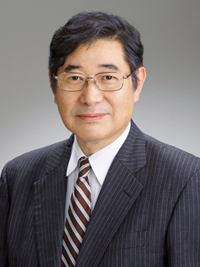 Kazuma Ohyashiki (大屋敷一馬)合作论文数Faculty of Medicine Course of Medicine, Tokyo Medical University;Division of Hematology, Tokyo Medical University18N Iwata合作论文数17
 Hirotaka Yamauchi合作论文数17
 Naoki Tsukamoto合作论文数Department of Obstetrics and Gynecology, Kyushu University Faculty of Medicine17
 Taroh Kinoshita合作论文数Osaka University16Hirokazu Murakami合作论文数16T Maekawa合作论文数14
 Shinji Nakao合作论文数Department of Hematology, Faculty of Medicine, Institute of Medical Pharmaceutical and Health Sciences, Kanazawa University14Hideaki Mizoguchi合作论文数14Takakazu Higuchi合作论文数14Hiraku Mori合作论文数14E Nogiwa合作论文数12
 Seishi Ogawa合作论文数Institute for the Advanced Study of Human Biology, Faculty of Medicine, Kyoto University12Tadashi Maekawa合作论文数12H Mizoguchi合作论文数11H Mori合作论文数11
 Yuzuru Kanakura合作论文数Department of Hematology and Oncology, Osaka University Graduate School of Medicine11Teramura Masanao合作论文数10Kunitake Hirashima合作论文数10S Miyawaki合作论文数9Kazuo Nemoto合作论文数9Hiroshi Yatabe合作论文数9Hideki Nakakuma合作论文数9
 Mineo Kurokawa (黒川峰夫)合作论文数Department of Hematology and Oncology, The University of Tokyo Hospital;Department of Cell Therapy and Transplantation Medicine, The University of Tokyo Hospital9Masami Bessho合作论文数9S Shinonome合作论文数8H Harada合作论文数8
 Masao Tomonaga合作论文数Japanese Red Cross Nagasaki Atomic Bomb Hospital8Masashi Sanada合作论文数Kyoto University8Tsutomu Shichishima合作论文数8Haruhiko Ninomiya合作论文数8H Katahira合作论文数7
 Shigeru Chiba (千葉滋)合作论文数Department of Research Promotion, Faculty of Medicine, University of Tsukuba7
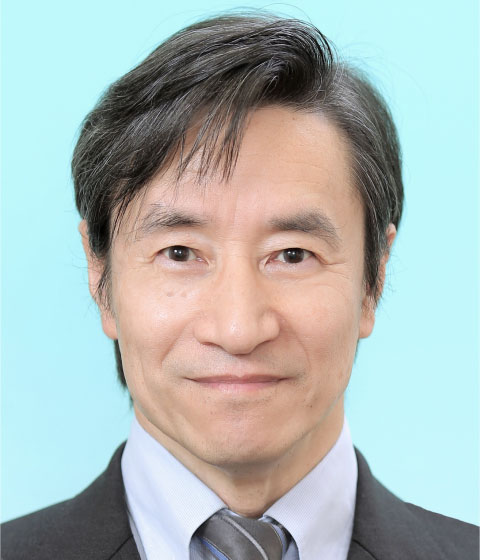 Kaoru Tohyama (通山薫)合作论文数Department of Medical Technology, Faculty of Health Science and Technology, Kawasaki University of Medical Welfare7
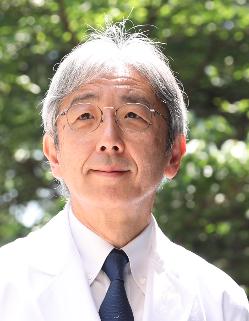 Shinichiro Okamoto合作论文数Division of Hematology, Department of Medicine, School of Medicine, Keio University7Makoto Hirokawa合作论文数7
 Ken-Ichi Sawada (澤田賢一)合作论文数Department of Hematology, Nephrology and Rheumatology, Faculty of Medicine, Graduate School of Medicine, Akita University;Gunma University7
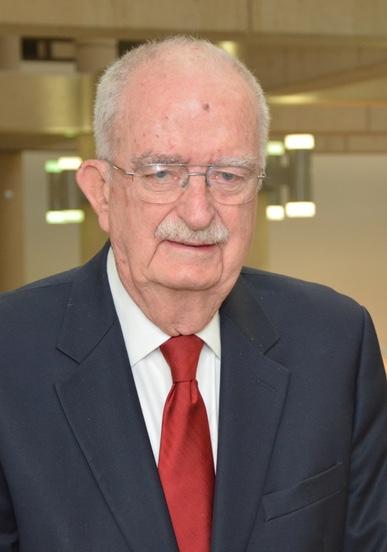 Wendell Franklyn Rosse合作论文数Department of Medicine, School of Medicine, Duke University7Tadashi Maehara合作论文数7
 Marcio Sawamura合作论文数Instituto de Radiologia, Hospital das Clínicas, Universidade de São Paulo7Jun-ichi Nishimura合作论文数6N Takahashi合作论文数6




