Purpose:Pathogenic or likely pathogenic (P/LP) variants are increasingly identified in genes more commonly associated with adult-onset cancer predisposition, but their prevalence and relevance to a child's presenting cancer remain unclear. Methods:We retrospectively analyzed 1,280 consecutive pediatric patients with cancer who underwent clinical germline sequencing, using a virtual panel, from 2021 to 2024. Genes with P/LP variants were categorized as aoCPG or pediatric-onset cancer predisposition genes (poCPG) according to cancer risk before age 18 years and pediatric surveillance recommendations. Variant relevance was adjudicated using tumor diagnosis/histopathology, immunohistochemistry, and tumor molecular features and classified as primary, secondary, or indeterminate. Results:Among 1,280 patients, 197 (15.4%) harbored 211 P/LP variants across 54 genes. Sixty-six variants (31.3%) occurred in aoCPG, 87 (41.2%) in poCPG, and 58 (27.5%) were heterozygous variants in autosomal recessive genes. Among adult-onset variants, 7 (10.6%) were primary, 54 (81.8%) secondary, and 5 (7.6%) indeterminate. Among pediatric-onset variants, 77 (88.5%) were primary and 10 (11.5%) secondary. Six patients (3 adult-onset variants; 3 pediatric-onset variants) received targeted therapy informed by germline/somatic sequencing results. Conclusion:In pediatric oncology, most variants in aoCPG are secondary rather than tumor-related findings. Tumor-informed interpretation, beyond variant classification, may improve reporting, counseling, and therapeutic decision-making.
Joubert syndrome (JS), a well-established ciliopathy, is characterized by the distinctive molar tooth sign on brain MRI, ataxia, and neurodevelopmental features. Other manifestations can include polydactyly, accessory frenula, renal, or liver disease. Here, we report individuals meeting criteria for JS with de novo heterozygous variants in SLC30A7 (Chr1p21.2). The first individual is a female with history of unilateral postaxial polydactyly, classic molar tooth sign on MRI, macrocephaly, ataxia, ocular motor apraxia, neurodevelopmental delay, and precocious puberty. Exome sequencing detected a de novo heterozygous missense variant in SLC30A7: NM_133496.5: c.407 T > C, (p.Val136Ala). The second individual had bilateral postaxial polydactyly, molar tooth sign, macrocephaly, developmental delay, and an extra oral frenulum. A de novo deletion-insertion variant in SLC30A7, c.490_491delinsAG (p.His164Ser) was found. Both de novo variants affect highly conserved residues. Variants were not identified in known Joubert genes for either case. SLC30A7 has not yet been associated with a human phenotype. The SLC30 family of zinc transporters, like SLC30A7, permit cellular efflux of zinc, and although it is expressed in the brain its functions remain unknown. Published data from proteomic studies support SLC30A7 interaction with TCTN3, another protein associated with JS. The potential involvement of such genes in primary cilia suggest a role in Sonic Hedgehog signaling. SLC30A7 is a candidate JS-associated gene. Future work could be directed toward further characterization of SLC30A7 variants and understanding its function.
Background The association of childhood cancer with Lynch syndrome is not established compared with the significant pediatric cancer risk in recessive constitutional mismatch repair deficiency syndrome (CMMRD). Procedure We describe the clinical features, germline analysis, and tumor genomic profiling of patients with Lynch syndrome among patients enrolled in pediatric cancer genomic studies. Results There were six of 773 (0.8%) pediatric patients with solid tumors identified with Lynch syndrome, defined as a germline heterozygous pathogenic variant in one of the mismatch repair (MMR) genes (three with MSH6, two with MLH1, and one with MSH2). Tumor analysis demonstrated evidence for somatic second hits and/or increased tumor mutation burden in three of four patients with available tumor with potential implications for therapy and identification of at-risk family members. Only one patient met current guidelines for pediatric cancer genetics evaluation at the time of tumor diagnosis. Conclusion Approximately 1% of children with cancer have Lynch syndrome, which is missed with current referral guidelines, suggesting the importance of adding MMR genes to tumor and hereditary pediatric cancer panels. Tumor analysis may provide the first suggestion of an underlying cancer predisposition syndrome and is useful in distinguishing between Lynch syndrome and CMMRD.
American Journal of Medical Genetics Part AVolume 188, Issue 8 p. 2267-2271 ISSUE INFORMATIONFree Access Table of Contents, Volume 188A, Number 8 August 2022 First published: 13 July 2022 https://doi.org/10.1002/ajmg.a.62307AboutPDF ToolsRequest permissionExport citationAdd to favoritesTrack citation ShareShare Give accessShare full text accessShare full-text accessPlease review our Terms and Conditions of Use and check box below to share full-text version of article.I have read and accept the Wiley Online Library Terms and Conditions of UseShareable LinkUse the link below to share a full-text version of this article with your friends and colleagues. Learn more.Copy URL Share a linkShare onFacebookTwitterLinked InRedditWechat Volume188, Issue8August 2022Pages 2267-2271 RelatedInformation
Background: Patients with cytopenias and clinical suspicion of myelodysplastic syndrome frequently have additional comorbidities associated with bone marrow dysplasia.In these patients, diagnosis of MDS may be challenging, particularly when bone marrow shows no increase in blasts or defining abnormal karyotype.Somatic mutations can occur in healthy individuals, therefore, a contribution of NGS to a diagnosis of MDS remains to be determined.To better define diagnostic utility of NGS, we studied patients with documented nonneoplastic cytopenias (NNC) and compared findings to a low-and high-risk (LR-and H Design:The study included 94 cytopenic patients with complete clinical and bone marrow evaluation.58 patients had NNC, and 21 and 15 were diagnosed with LR-and HR-MDS, respectively.The median age of all patients was 69 years (range 25-91).NGS was performed on bone marrow samples using the FOUNDATIONONE®HEME panel including testing of entire coding regions of 406 genes and select introns of 31 genes.Results: 47% NNC patients, 86% LR-MDS and 80% HR-MDS patients showed at least one pathogenic mutation.The average number of pathogenic mutations was 0.67, 1.38 and 1.93 for NNC, LR-and HR-MDS, respectively.The most frequently mutated genes were TP53 (19 cases) and SF3B1 (13 cases).TP53 mutations were seen in 4 NNC cases (median VAF 3.68%), 2 LR-MDS (median VAF 5.92%), and 12 HR-MDS (median VAF 27.09%).The difference among TP53 VAF in 3 patient groups was statistically significant (p<0.05).Additional NNC patient showed TP53 mutation at VAF 47.62%, this mutation was questioned to represent variant of unknown significance.SF3B1 mutations were seen in 2 NNC (median VAF 2.84%, range 1. ).AXL1 VAF were lower in NNC patients than in MDS, however there were only 2 mutations in MDS group.VAF for other frequently mutated genes, SRSF2, DNMT3A and TET2 showed a significant overlap between NNC and MDS patients.All but 11 mutations seen in NCC patients were reported in myeloid neoplasms. Row Labels ICOS PD1 CXCL-13Conclusions: Patients with NNC have lower number of mutations than seen in LR-and HR-MDS, however specific mutations are similar in both groups.Therefore, review of VAF may be more useful when considering a diagnosis of MDS.Diagnostic VAF threshold may differ for individual genes as shown for TP53 and SF3B1.Select genes (DNMT3A, TET2 and SRSF2) showed highly variable VAF in NNC group and therefore are less likely to be diagnostically useful.1317 Patterns of Expression of PD-1, CXCL13, ICOS, CD10, and BCL-6 in Angioimmunoblastic T-cell Lymphoma (AITL), Peripheral T-Cell Lymphoma (PTCL), T-Cell/Histiocyte-Rich B-Cell Lymphoma (TCHRBCL),
Neonatal germ cell tumors are rare and comprise both benign and malignant neoplasms. Teratoma with nephroblastoma is a malignant subset defined pathologically by the presence of nephroblastoma and teratoma elements. Although teratoma with nephroblastoma is most often found in the kidney, 24 of 59 reported cases are associated with extrarenal locations, such as the mediastinum or retroperitoneum. To our knowledge, this is the first patient in the literature with intracranial/pineal teratoma with nephroblastoma, which was managed with staged transcranial approaches resulting in gross total resection and no adjuvant therapy (surveillance observation imaging). We further augmented the patient's management by comprehensive genomic profiling of the tumor to better understand the molecular biology and explore options for targeted therapy.
We recently proposed that an epithelial renal tumor “papillary renal neoplasm with reverse polarity” represents a distinct entity. It constituted 4% of previously diagnosed papillary renal cell carcinoma at the participating institutions. Histologically, it is characterized by papillary or tubulopapillary architecture covered by a single layer of eosinophilic cells with finely granular cytoplasm and apically located nuclei. It is characteristically positive for GATA3 and L1CAM and lack vimentin and, to a lesser extent, α-methylacyl-CoA-racemase (AMACR/p504s) immunostaining. To investigate the molecular pathogenesis of these tumors, we performed targeted next-generation sequencing on ten previously reported papillary renal neoplasms with reverse polarity, followed by a targeted polymerase chain reaction analysis for KRAS mutations in a control series of 30 type 1 and 2 papillary renal cell carcinomas. KRAS missense mutations were identified in eight of ten papillary renal neoplasms with reverse polarity. These mutations were clustered in exon 2—codon 12: c.35 G > T (n = 6) or c.34 G > C (n = 2) resulting in p.Gly12Val and p.Gly12Arg alterations, respectively. One of the wild-type tumors had BRAF c.1798_1799delGTinsAG (p.Val600Arg) mutation. No KRAS mutations were identified in any of the 30 control tumors. In summary, this study supports our proposal that papillary renal neoplasm with reverse polarity is an entity distinct from papillary renal cell carcinoma and the only renal cell neoplasm to consistently harbor KRAS mutations.
De novo variants in DDX3X account for 1-3% of unexplained intellectual disability (ID), one of the most common causes of ID, in females. Forty-seven patients (44 females, 3 males) have been described. We identified 29 additional individuals carrying 27 unique DDX3X variants in the setting of complex clinical presentations including developmental delay or ID. In addition to previously reported manifestations, rare or novel phenotypes were identified including respiratory problems, congenital heart disease, skeletal muscle mitochondrial DNA depletion, and late-onset neurologic decline. Our findings expand the spectrum of DNA variants and phenotypes associated with DDX3X disorders.
From a GeneMatcher-enabled international collaboration, we identified ten individuals with intellectual disability, speech delay, ataxia and facial dysmorphism and a mutation in EBF3 , encoding a transcription factor required for neuronal differentiation. Structural assessments, transactivation assays, in situ fractionation, RNA-seq and ChlP-seq experiments collectively show that the mutations are deleterious and impair EBF3 transcriptional regulation. These findings demonstrate that EBF3-mediated dysregulation of gene expression has profound effects on neuronal development in humans.
N-alpha-acetylation is a common co-translational protein modification that is essential for normal cell function in humans. We previously identified the genetic basis of an X-linked infantile lethal Mendelian disorder involving a c.109T>C (p.Ser37Pro) missense variant in NAA10, which encodes the catalytic subunit of the N-terminal acetyltransferase A (NatA) complex. The auxiliary subunit of the NatA complex, NAA15, is the dimeric binding partner for NAA10. Through a genotype-first approach with whole-exome or genome sequencing (WES/WGS) and targeted sequencing analysis, we identified and phenotypically characterized 38 individuals from 33 unrelated families with 25 different de novo or inherited, dominantly acting likely gene disrupting (LGD) variants in NAA15. Clinical features of affected individuals with LGD variants in NAA15 include variable levels of intellectual disability, delayed speech and motor milestones, and autism spectrum disorder. Additionally, mild craniofacial dysmorphology, congenital cardiac anomalies, and seizures are present in some subjects. RNA analysis in cell lines from two individuals showed degradation of the transcripts with LGD variants, probably as a result of nonsense-mediated decay. Functional assays in yeast confirmed a deleterious effect for two of the LGD variants in NAA15. Further supporting a mechanism of haploinsufficiency, individuals with copy-number variant (CNV) deletions involving NAA15 and surrounding genes can present with mild intellectual disability, mild dysmorphic features, motor delays, and decreased growth. We propose that defects in NatA-mediated N-terminal acetylation (NTA) lead to variable levels of neurodevelopmental disorders in humans, supporting the importance of the NatA complex in normal human development.
Dominant mutations in CACNA1A, encoding the α-1A subunit of the neuronal P/Q type voltage-dependent Ca2+ channel, can cause diverse neurological phenotypes. Rare cases of markedly severe early onset developmental delay and congenital ataxia can be due to de novo CACNA1A missense alleles, with variants affecting the S4 transmembrane segments of the channel, some of which are reported to be loss-of-function. Exome sequencing in five individuals with severe early onset ataxia identified one novel variant (p.R1673P), in a girl with global developmental delay and progressive cerebellar atrophy, and a recurrent, de novo p.R1664Q variant, in four individuals with global developmental delay, hypotonia, and ophthalmologic abnormalities. Given the severity of these phenotypes we explored their functional impact in Drosophila. We previously generated null and partial loss-of-function alleles of cac, the homolog of CACNA1A in Drosophila. Here, we created transgenic wild type and mutant genomic rescue constructs with the two noted conserved point mutations. The p.R1673P mutant failed to rescue cac lethality, displayed a gain-of-function phenotype in electroretinograms (ERG) recorded from mutant clones, and evolved a neurodegenerative phenotype in aging flies, based on ERGs and transmission electron microscopy. In contrast, the p.R1664Q variant exhibited loss of function and failed to develop a neurodegenerative phenotype. Hence, the novel R1673P allele produces neurodegenerative phenotypes in flies and human, likely due to a toxic gain of function.
DHX30 is a member of the family of DExH-box helicases, which use ATP hydrolysis to unwind RNA secondary structures. Here we identified six different de novo missense mutations in DHX30 in twelve unrelated individuals affected by global developmental delay (GDD), intellectual disability (ID), severe speech impairment and gait abnormalities. While four mutations are recurrent, two are unique with one affecting the codon of one recurrent mutation. All amino acid changes are located within highly conserved helicase motifs and were found to either impair ATPase activity or RNA recognition in different in vitro assays. Moreover, protein variants exhibit an increased propensity to trigger stress granule (SG) formation resulting in global translation inhibition. Thus, our findings highlight the prominent role of translation control in development and function of the central nervous system and also provide molecular insight into how DHX30 dysfunction might cause a neurodevelopmental disorder.
Given the rarity of most single-gene Mendelian disorders, concerted efforts of data exchange between clinical and scientific communities are critical to optimize molecular diagnosis and novel disease gene discovery. We designed and implemented protocols for the study of cases for which a plausible molecular diagnosis was not achieved in a clinical genomics diagnostic laboratory (i.e. unsolved clinical exomes). Such cases were recruited to a research laboratory for further analyses, in order to potentially: (1) accelerate novel disease gene discovery; (2) increase the molecular diagnostic yield of whole exome sequencing (WES); and (3) gain insight into the genetic mechanisms of disease. Pilot project data included 74 families, consisting mostly of parent–offspring trios. Analyses performed on a research basis employed both WES from additional family members and complementary bioinformatics approaches and protocols. Analysis of all possible modes of Mendelian inheritance, focusing on both single nucleotide variants (SNV) and copy number variant (CNV) alleles, yielded a likely contributory variant in 36% (27/74) of cases. If one includes candidate genes with variants identified within a single family, a potential contributory variant was identified in a total of ~51% (38/74) of cases enrolled in this pilot study. The molecular diagnosis was achieved in 30/63 trios (47.6%). Besides this, the analysis workflow yielded evidence for pathogenic variants in disease-associated genes in 4/6 singleton cases (66.6%), 1/1 multiplex family involving three affected siblings, and 3/4 (75%) quartet families. Both the analytical pipeline and the collaborative efforts between the diagnostic and research laboratories provided insights that allowed recent disease gene discoveries (PURA, TANGO2, EMC1, GNB5, ATAD3A, and MIPEP) and increased the number of novel genes, defined in this study as genes identified in more than one family (DHX30 and EBF3). An efficient genomics pipeline in which clinical sequencing in a diagnostic laboratory is followed by the detailed reanalysis of unsolved cases in a research environment, supplemented with WES data from additional family members, and subject to adjuvant bioinformatics analyses including relaxed variant filtering parameters in informatics pipelines, can enhance the molecular diagnostic yield and provide mechanistic insights into Mendelian disorders. Implementing these approaches requires collaborative clinical molecular diagnostic and research efforts.
Diagnostic rate differs among groups of patients with different phenotypic features. (XLSX 8 kb)
We developed an algorithm, HMZDelFinder, that uses whole exome sequencing (WES) data to identify rare and intragenic homozygous and hemizygous (HMZ) deletions that may represent complete loss-of-function of the indicated gene. HMZDelFinder was applied to 4866 samples in the Baylor-Hopkins Center for Mendelian Genomics (BHCMG) cohort and detected 773 HMZ deletion calls (567 homozygous or 206 hemizygous) with an estimated sensitivity of 86.5% (82% for single-exonic and 88% for multi-exonic calls) and precision of 78% (53% single-exonic and 96% for multi-exonic calls). Out of 773 HMZDelFinder-detected deletion calls, 82 were subjected to array comparative genomic hybridization (aCGH) and/or breakpoint PCR and 64 were confirmed. These include 18 single-exon deletions out of which 8 were exclusively detected by HMZDelFinder and not by any of seven other CNV detection tools examined. Further investigation of the 64 validated deletion calls revealed at least 15 pathogenic HMZ deletions. Of those, 7 accounted for 17-50% of pathogenic CNVs in different disease cohorts where 7.1-11% of the molecular diagnosis solved rate was attributed to CNVs. In summary, we present an algorithm to detect rare, intragenic, single-exon deletion CNVs using WES data; this tool can be useful for disease gene discovery efforts and clinical WES analyses.
Disruption of the establishment of left-right (L-R) asymmetry leads to situs anomalies ranging from situs inversus totalis (SIT) to situs ambiguus (heterotaxy). The genetic causes of laterality defects in humans are highly heterogeneous. Via whole-exome sequencing (WES), we identified homozygous mutations in PKD1L1 from three affected individuals in two unrelated families. PKD1L1 encodes a polycystin-1-like protein and its loss of function is known to cause laterality defects in mouse and medaka fish models. Family 1 had one fetus and one deceased child with heterotaxy and complex congenital heart malformations. WES identified a homozygous splicing mutation, c.6473+2_6473+3delTG, which disrupts the invariant splice donor site in intron 42, in both affected individuals. In the second family, a homozygous c.5072G>C (p.Cys1691Ser) missense mutation was detected in an individual with SIT and congenital heart disease. The p.Cys1691Ser substitution affects a highly conserved cysteine residue and is predicted by molecular modeling to disrupt a disulfide bridge essential for the proper folding of the G protein-coupled receptor proteolytic site (GPS) motif. Damaging effects associated with substitutions of this conserved cysteine residue in the GPS motif have also been reported in other genes, namely GPR56, BAI3, and PKD1 in human and lat-1 in C. elegans, further supporting the likely pathogenicity of p.Cys1691Ser in PKD1L1. The identification of bi-allelic PKD1L1 mutations recapitulates previous findings regarding phenotypic consequences of loss of function of the orthologous genes in mice and medaka fish and further expands our understanding of genetic contributions to laterality defects in humans.
ATPase family AAA-domain containing protein 3A (ATAD3A) is a nuclear-encoded mitochondrial membrane protein implicated in mitochondrial dynamics, nucleoid organization, protein translation, cell growth, and cholesterol metabolism. We identified a recurrent de novo ATAD3A c.1582C>T (p.Arg528Trp) variant by whole-exome sequencing (WES) in five unrelated individuals with a core phenotype of global developmental delay, hypotonia, optic atrophy, axonal neuropathy, and hypertrophic cardiomyopathy. We also describe two families with biallelic variants in ATAD3A, including a homozygous variant in two siblings, and biallelic ATAD3A deletions mediated by nonallelic homologous recombination (NAHR) between ATAD3A and gene family members ATAD3B and ATAD3C. Tissue-specific over expression of bor(R534W), the Drosophila mutation homologous to the human c.1582C>T (p.Arg528Trp) variant, resulted in a dramatic decrease in mitochondrial content, aberrant mitochondrial morphology, and increased autophagy. Homozygous null bor larvae showed a significant decrease of mitochondria, while overexpression of bor(WT) resulted in larger, elongated mitochondria. Finally, fibroblasts of an affected individual exhibited increased mitophagy. We conclude that the p.Arg528Trp variant functions through a dominant-negative mechanism that results in small mitochondria that trigger mitophagy, resulting in a reduction in mitochondrial content. ATAD3A variation represents an additional link between mitochondrial dynamics and recognizable neurological syndromes, as seen with MFN2, OPA1, DNM1L, and STAT2 mutations.
O1 The metabolomics approach to autism: identification of biomarkers for early detection of autism spectrum disorder
 James R Lupski合作论文数Department of Molecular and Human Genetics, Baylor College of Medicine21
 Zeynep Coban Akdemir合作论文数Department of Epidemiology, Human Genetics and Environmental Sciences, School of Public Health, The University of Texas Health Science Center at Houston;Graduate School of Biomedical Sciences, The University of Texas Health Science Center at Houston19
 Richard A Gibbs合作论文数Human Genome Sequencing Center, Baylor College of Medicine;Dan L Duncan Comprehensive Cancer Center, Baylor College of Medicine14
 Donna Marie Muzny合作论文数Human Genome Sequencing Center, Baylor College of Medicine14
 Yang Yaping合作论文数13
 Shalini N Jhangiani合作论文数Baylor College of Medicine12
 Jill Anne Mokry合作论文数Department of Molecular and Human Genetics, Baylor College of Medicine12
 Christine M. Eng合作论文数Department of Molecular and Human Genetics, Baylor College of Medicine;Baylor Genetics;Texas Children's Hospital11
 Jennifer E Posey合作论文数Department of Molecular and Human Genetics, Baylor College of Medicine10
 Fan Xia合作论文数Baylor College of Medicine;Baylor Genetics9Harel Tamar合作论文数9
 Eric Boerwinkle合作论文数Department of Epidemiology, Human Genetics and Environmental Sciences, School of Public Health, The University of Texas Health Science Center at Houston;Baylor College of Medicine Human Genome Sequencing Center9V. Reid Sutton合作论文数8
 Tomasz Gambin合作论文数Warsaw University of Technology8
 John W Belmont合作论文数Dan L Duncan Comprehensive Cancer Center, Baylor College of Medicine7Charng Wu-Lin合作论文数Program Dev Biol, Baylor Coll Med7Lalani Seema R合作论文数6
 Asbjorg Stray-Pedersen合作论文数5
 Carlos A Bacino合作论文数Department of Molecular and Human Genetics, Baylor College of Medicine5
 Arthur L Beaudet合作论文数Department of Molecular and Human Genetics, Baylor College of Medicine5
 Theodore Chiang合作论文数5Wojciech Wiszniewski合作论文数5Lorraine Potocki合作论文数5Brett Graham合作论文数4Jianhong Hu合作论文数4
 Pengfei Liu合作论文数Department of Molecular and Human Genetics, Baylor College of Medicine, Houston, TX 77030, USA4
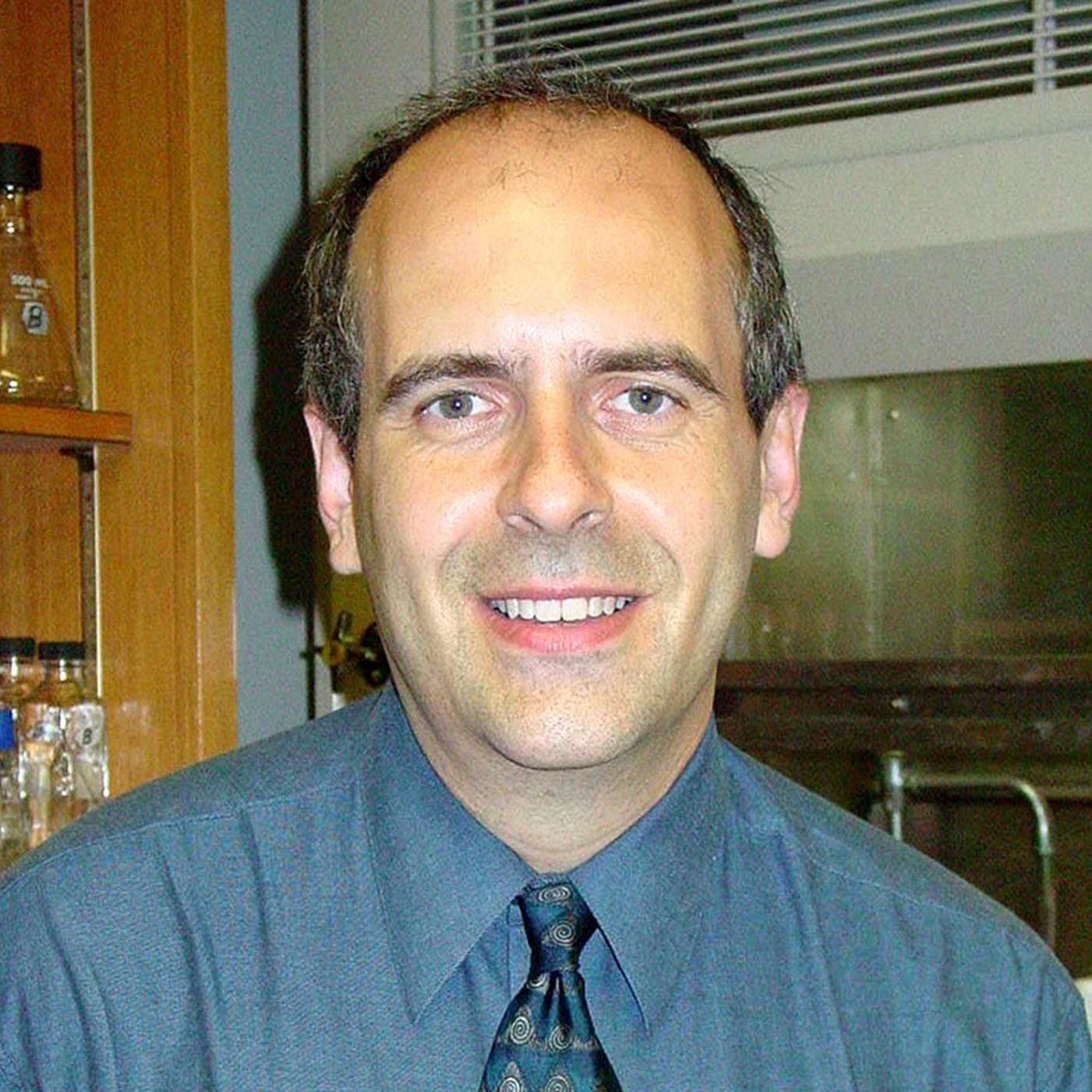 Fernando Scaglia合作论文数Department of Genetics, The Texas Children’s Hospital;Department of Molecular and Human Genetics, Baylor College of Medicine;Metabolic Genetics Clinic, The Texas Children’s Hospital4Gu Shen合作论文数4Walkiewicz Magdalena合作论文数4
 Sharon E Plon合作论文数School of Medicine, Baylor College of Medicine;Dan L Duncan Comprehensive Cancer Center, Baylor College of Medicine;Texas Children's Hospital4
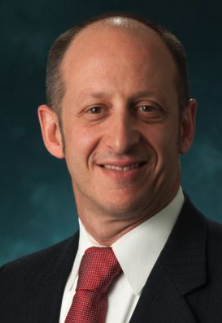 Jordan S. Orange合作论文数Vagelos College of Physicians & Surgeons, Columbia University Irving Medical Center;NewYork-Presbyterian;Morgan Stanley Children’s Hospital4
 Wendy Chung合作论文数Department of Pediatrics, Columbia University;Division of Genetics and Genomics, Boston Children’s Hospital;Harvard Medical School4Samantha Penney合作论文数3Sebastien Kury合作论文数Service de Génétique Médicale, Centre Hospitalier Universitaire (CHU) Nantes3
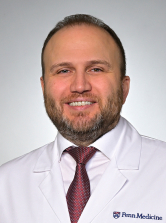 Yavuz Bayram合作论文数Department of Pathology and Laboratory Medicine, Perelman School of Medicine, University of Pennsylvania3
 Vetrini Francesco合作论文数Department of Molecular and Human Genetics, Baylor College of Medicine3
 Jonas Denecke合作论文数3
 Davor Lessel合作论文数Institute of Human Genetics, University of Ulm3
 Bo Yuan合作论文数3Magalie S. Leduc合作论文数3
 Azamian Mahshid S合作论文数3
 Magdalena B. Czader合作论文数IU Health Pathology Laboratory, School of Medicine, Indiana University3Weimin Bi合作论文数3Matthew N. Bainbridge合作论文数3
 Michael Wangler合作论文数Department of Molecular and Human Genetics, Baylor College of Medicine3Sandra Mercier合作论文数3Neil A. Hanchard合作论文数3
 Ender Karaca合作论文数Cerrahpasa Medical School, Istanbul University3
 Timothy Edward Lotze合作论文数Baylor College of Medicine;Clinical Care Center, Texas Children's Hospital3




