Spliceosomopathies are syndromes caused by pathogenic variants in genes involved in splicing and mRNA metabolism. Here, we report a novel spliceosomopathy caused by de novo variants in SF3B3, encoding a subunit of the spliceosomal SF3b complex. We performed genomic, clinical, computer-aided gestalt analysis, molecular dynamics simulations, and functional studies using patient-derived fibroblasts. Through international data sharing, we collected clinical and molecular data from 24 unrelated individuals with heterozygous SF3B3 variants, mostly missense, consistent with autosomal dominant inheritance. Individuals exhibited a congruent phenotype including autism spectrum disorder (ASD), developmental delay (DD), intellectual disability (ID), language and motor delay, multiple congenital anomalies, and distinctive craniofacial features, confirmed by GestaltMatcher analysis. In patient fibroblasts, SF3B3 mRNA was within the normal range, whereas protein levels were reduced by approximately 15–30
BACKGROUND AND AIMS:Patients with LMNA gene variants are at high risk for dilated cardiomyopathy and heart failure (HF), but no prediction model for severe HF events exists. This study aimed to describe the incidence of severe HF events and develop a prediction model in a large cohort of patients with adult-onset laminopathies. METHODS:From a population of 660 patients enrolled in the French LMNA nationwide registry, 470 adults were included in the derivation cohort. An independent international validation cohort included 245 additional patients. Baseline characteristics at genetic testing were assessed and the cumulative incidence of the primary endpoint HF-major adverse cardiac events (HF-MACE) was calculated, defined as HF hospitalization, HF-related death, mechanical circulatory support, or heart transplantation. Predictors of HF-MACE were studied after excluding patients with left ventricular ejection fraction (LVEF) <30% at baseline using a Fine-Gray competing risk model, adjusted hazard ratio (aHR) with 95% confidence interval (CI), and Harrell's concordance (C-) index. A secondary composite endpoint, without hospitalization, was also studied. RESULTS:Among 470 patients of the derivation cohort, HF-MACE occurred in 65 over a median follow-up of 7.1 years (interquartile range: 3.4-12.1). Four independent predictors of HF-MACE were identified: male sex (aHR 1.86; 95% CI 1.060-3.290), LVEF <50% (aHR 2.18; 95% CI 1.080-4.400), missense variants in head and rod domains (aHR 2.91; 95% CI 1.110-7.630), and complete left bundle branch block (aHR 2.99; 95% CI 1.400-6.400). The C-index of the model was 0.750 (95% CI 0.720-0.780) in the derivation cohort and 0.758 (95% CI 0.720-0.800) in the validation cohort. The 5-year cumulative incidence of HF-MACE was 1.5% (95% CI 0.6-3.6), 5.0% (95% CI 1.8-8.2), and 22.0% (95% CI 15.6-28.4) among patients with 0, 1, and ≥2 risk factors, respectively. In patients with LVEF <30% at baseline, the 1-year incidence of HF-MACE was 50%, and those patients were excluded from the risk score. CONCLUSIONS:The first prediction model for severe HF events in adult laminopathies was developed, which may facilitate early and optimal preventive management. CLINICAL TRIAL REGISTRATION:URL: https://www.clinicaltrials.gov Unique identifier: NCT03058185.
BACKGROUND:Potocki-Lupski syndrome (PTLS) is a rare genetic disorder, with an estimated prevalence of 1:25 000. Detection of a duplication at position 17p11.2 comprising the RAI1 gene establishes the diagnosis. Deletion of this same region is responsible for Smith-Magenis syndrome (SMS). Hitherto, the non-specific clinical features included psychomotor and growth retardation and multiple congenital anomalies. Our aim was to further delineate the clinical spectrum of PLTS. METHODS:We gathered a series of 56 individuals carrying a 17p11.2 duplication, one of the largest reported to date. We collected detailed phenotypic data and established a phenotypic comparison with individuals already described in the literature. RESULTS:We corroborated the main clinical signs associated with PTLS and highlighted additional features present in a significant proportion in our series, such as intrauterine growth retardation or low birth weight, musculoskeletal and ophthalmological anomalies, and abnormalities of the skin appendages. In line with previous reports, behavioural disorders were frequently identified (23%). Yet unexpectedly, self-aggressive and hetero-aggressive behaviours, characteristic features of SMS, were found in a small number of individuals. Forty-six individuals harboured the recurrent duplication (85%), five had larger duplications (9%) and three had smaller duplications (6%). We did not identify inherited duplications when parental information was available (n=43). CONCLUSION:Our study refined the clinical features of PTLS and their relative frequencies. Our findings therefore contribute to improving management of people with PTLS. These open up new pathophysiological hypotheses involving RAI1 gene dosage of the genesis and control of behaviour, as well as new, more complex regulatory pathways.
Small nuclear RNAs (snRNAs) are essential components of the spliceosome. De novo variants in snRNA genes RNU4-2 (ReNU syndrome), RNU5B-1 and RNU2-2 have been linked to dominant neurodevelopmental disorders (NDDs), revealing a large unexpected contribution of noncoding RNA genes to genetic diseases. Here, through international collaborations, we analyze systematically 200 potentially functional snRNA genes in a French cohort of 34,329 people with rare disorders. We report RNU2-2 variants in 141 individuals, including 35 with recurrent dominant pathogenic variants and 91 affected members from 73 families with biallelic variants. Recessive RNU2-2 NDD is at least twice as frequent as the dominant form and often involves a de novo variant in trans with an inherited allele, consistent with the high mutability of snRNA genes. Dominant and recessive RNU2-2 NDDs share overlapping clinical features, with frequent epilepsy. Blood transcriptomics and DNA methylation analyses revealed subtle, variant-specific effects on splicing and episignatures. Our results support a gradient-of-impact model bridging dominant and recessive inheritance, and establish RNU2-2 variants as a principal contributor to NDDs, nearly as prevalent as ReNU syndrome.
Dystonia-deafness syndrome 1 (DDS1) is a rare disorder caused by the p.(Arg183Trp) heterozygous variant in ACTB. Patients present with congenital/early-onset sensorineural deafness, then childhood/adult-onset generalized dystonia. We describe a 38 y.o patient with additional features, including brain malformations: corpus callosum and vermis hypodysplasia. These novel features expand the clinical spectrum of DDS1, and suggests an overlap with ACTB-related Baraitser-Winter syndrome. Furthermore, we report a limited improvement after Globus Pallidus internus Deep Brain Stimulation (GPi-DBS) contrary to previous publications, bringing a novel message in terms of prognosis.
The molecular mechanisms regulating the phospholipid (PL) metabolism in the nucleus remain to be elucidated. Here, we describe the role of Dop1a in controlling PL abundance in nuclear membranes (NMs) under the control of mTOR signaling. A shortage of lysophosphatidic acid (LPA) triggers the rapid localization of Dop1a to the nuclear pore complexes (NPCs), where Dop1a suppresses PL synthesis by binding to AGPAT2 (1-acylglycerol-3-phosphate O-acyltransferase 2), which is also localized at the NPCs. Loss of Dop1a results in elevated PL production, which leads to the formation of nuclear lipid droplets (nLDs). The titration of PL abundance is coordinated with proper cell cycle entry by Dop1a that restricts nuclear accumulation of CDK2. Thus, Dop1a safeguards cell division via surveilling the PL supply. Dop1a is highly expressed in neurons and is essential for neurobehavioral development in mice. DOP1A mutations have been identified in patients with neurodevelopmental disorders (NDDs). Thus, the proper function of Dop1a is crucial for the proper development of the nervous system.
Females heterozygous for a variant in the DMD gene may develop dilated cardiomyopathy; however, progression to severe heart failure is uncommon, and heart transplantation in this population has rarely been reported. We describe nine females with dystrophinopathy and severe cardiac involvement: five underwent heart transplantation, one received a left ventricular assist device, one died from end-stage heart failure, and two remain on medical therapy. Overall, heart transplantation was well tolerated and effective, with 8-11 years of follow-up available for four patients. Immunostaining of explanted hearts from two patients showed mosaic dystrophin expression without evidence of skewed X-chromosome inactivation, suggesting additional genetic or environmental modifiers. These findings highlight the importance of regular cardiac surveillance in all females heterozygous for a DMD variant-particularly during pregnancy and the postpartum period and in families with severe cardiac involvement-and support heart transplantation as a viable option in end-stage heart failure.
ATOH1 encodes a basic helix-loop-helix transcription factor critical for hindbrain development and mechanosensory system formation. While animal models have provided extensive functional insights, few human disease-causing variants in ATOH1 have been reported and with no clear functional validation. Here, we report three heterozygous frameshift variants identified in five unrelated families, leading to C-ter truncations of ATOH1 and consistently associated with hearing loss, subtle motor impairments, and a highly recognizable pattern of brainstem malformations. Diffusion tensor imaging in two individuals further revealed reproducible anomalies in specific fiber tracts, supporting a convergent neuroanatomical signature. We also report an early-truncating variant, which, in contrast, is recessive and causes a distinct neurodevelopmental syndrome with highly severe cerebellar and pontine hypoplasia. Functional assays demonstrate that, unlike recessive variants, C-terminal truncating variants retain transcriptional activity but display increased protein stability. In vivo modeling using zebrafish showed that C-terminal truncations of atoh1a are sufficient to disrupt hindbrain neurogenesis and lateral-line hair cell specification. Furthermore, comparisons with loss-of-function phenotypes support a gain-of-function mechanism. Altogether, our findings establish that dominant and recessive ATOH1 variants give rise to different neurodevelopmental syndromes through distinct pathological mechanisms. Our work also underscores the importance of tight temporal control of transcription factor activity during hindbrain development and demonstrates how even subtle neurological phenotypes can arise from early disruption of core developmental programs.
Background:Heterozygous variants in CTNND2, encoding the brain-specific protein δ-catenin, are associated with a broad spectrum of neurodevelopmental disorders, including dyslexia, attention deficit hyperactivity disorder, intellectual disability, and autism. Despite its clinical significance, the full phenotypic spectrum of CTNND2-associated disorders and the neurodevelopmental role of δ-catenin, a key component of the cadherin-catenin cell adhesion complex, remain poorly defined. Methods:Through international collaboration, we assembled the phenotypic and molecular information for 57 individuals, 42 previously unpublished, carrying heterozygous CTNND2 variants. All individuals were evaluated by local clinicians, and the variants were identified through exome or genome sequencing, clinical microarray, or karyotyping. To investigate the effects of δ-catenin loss on early neurogenesis, we performed neural differentiation and transcriptomic profiling in three patient-derived neural stem cell lines and three CRISPR-Cas9-generated CTNND2 knockout lines. In one patient-derived line, we further analyzed cerebral organoid development and performed pathway modulation to assess phenotypic rescue. Results:The 41 CTNND2 variants included 12 previously reported loss-of-function- and one missense variant, and 28 novel variants comprising 10 missense and 18 predicted loss-of-function changes. Eight of the novel variants occurred de novo, and 12 were inherited from a parent with a neurodevelopmental phenotype. The most common clinical features were developmental delay (90%), intellectual disability (74%), and behavioral abnormalities (79%). Functional studies revealed impaired early neurogenesis in one patient-derived line, characterized by aberrant neural rosette formation. Transcriptome analysis showed dysregulated WNT signaling, and partial rescue of these defects was achieved by modulating the WNT pathway, highlighting δ-catenin's role in early neural development. Conclusions:This study defines the clinical symptoms of CTNND2-related neurodevelopmental disorders, outlining a recognizable yet variable phenotype that overlaps with other forms of intellectual disability and autism. Our findings provide preliminary evidence of genotype-phenotype correlations and highlight δ-catenin's critical role in modulating WNT signaling during early neural development. These insights advance our understanding of CTNND2-associated disorders and support the importance of mechanistic studies to inform personalized diagnostics and therapies.
Mendelian histonopathies are rare neurodevelopmental disorders (NDDs) caused by germline variants in histone-encoding genes. Here, we perform a more expansive pan-histonopathy interrogation than previously possible. We analyze data from 192 individuals affected by histonopathies. This analysis includes representation of the 185 published individuals with HIST1H1E syndrome, Bryant-Li-Bhoj syndrome, and Tessadori-Bicknell-van Haaften NDD; as well as from seven unpublished individuals, five of whom harbor variants in genes not previously associated with disease (HIST1H2AL/H2AC16, H2AFZ/H2AZ1, HIST1H3D/H3C4, and HIST3H3/H3-4). By intersecting clinician-reported phenotypic data with next-generation phenotyping of published 2D facial photographs (n = 98), we sought to address the lack of established craniofacial gestalts or characteristic phenotypic patterns for this community. While these analyses may suggest a histone core versus linker protein basis of delineation, they more strikingly highlight data gaps that confound the identification of phenotypic patterns at this time. Based on this, we developed an updated standardized clinical survey, which allowed us to identify the second known individual with a germline histonopathy and a cancer diagnosis. Notably, the community-wide cancer incidence is currently 1%, which falls below the recommended 5% cut off for routine surveillance. Ultimately, this work highlights the ways in which histonopathy-associated phenotypes change throughout the lifespan, necessitating longitudinal re-evaluation; that every identified individual shapes our understanding of these syndromes in a way that improves care for this community; and the value of ongoing translational work to address the outstanding question of cancer predisposition for individuals living with germline histonopathies.
Variable expressivity of disease-associated variants implies a role for secondary variants that modify clinical features. We assessed the effects of modifier variants on the clinical outcomes of 2,455 individuals with primary variants. Among 124 families with the 16p12.1 deletion, distinct rare and common variant classes conferred risks for specific developmental features, including short tandem repeats for neurological defects. Network analysis suggested distinct mechanisms involving 16p12.1 genes and secondary variants specific to each proband. Within disease and population cohorts of 976 individuals with the 16p12.1 deletion, we found opposing effects of secondary variants on clinical features across ascertainments. Additional analysis of 1,479 probands with other primary variants, such as the 16p11.2 deletion and CHD8 variants, and 1,528 probands without primary variants showed that phenotypic associations differed by primary variant context and were influenced by synergistic interactions between primary and secondary variants. Our study provides a paradigm to dissect the personalized genomic architecture of complex disorders.
The calcium/calmodulin-dependent protein kinase type 2 (CAMK2) family consists of four different isozymes, encoded by four different genes-CAMK2A, CAMK2B, CAMK2G, and CAMK2D-of which the first three have been associated recently with neurodevelopmental disorders. CAMK2D is one of the major CAMK2 proteins expressed in the heart and has been associated with cardiac anomalies. Although this CAMK2 isoform is also known to be one of the major CAMK2 subtypes expressed during early brain development, it has never been linked with neurodevelopmental disorders until now. Here we show that CAMK2D plays an important role in neurodevelopment not only in mice but also in humans. We identified eight individuals harboring heterozygous variants in CAMK2D who display symptoms of intellectual disability, delayed speech, behavioral problems, and dilated cardiomyopathy. The majority of the variants tested lead to a gain of function (GoF), which appears to cause both neurological problems and dilated cardiomyopathy. In contrast, loss-of-function (LoF) variants appear to induce only neurological symptoms. Together, we describe a cohort of individuals with neurodevelopmental disorders and cardiac anomalies, harboring pathogenic variants in CAMK2D, confirming an important role for the CAMK2D isozyme in both heart and brain function.
INTRODUCTION:International pilot projects focusing on next-generation sequencing in newborn screening (NBS), that is, genomic NBS (gNBS), have been established thanks to continuous therapeutic progress and the massive development of new genetic technologies with rapidly decreasing costs. Given the highly encouraging results of the French SeDeN project regarding anticipated acceptability among professionals and parents, it is now appropriate to launch a similar pilot project in France, in collaboration with other international initiatives under the International Consortium on Newborn Sequencing framework. METHODS AND ANALYSIS:PERIGENOMED is a large-scale project designed to provide the first concrete evidence on the relevance of gNBS in France. It includes two clinical trials. We present here the design chosen for the first clinical trial (PERIGENOMED-CLINICS 1). PERIGENOMED-CLINICS 1 aims to assess the feasibility, real-world acceptability, psychosocial impact and organisational pathways of panel-based genomic newborn screening in France, involving 2500 participants. Solo-GS targeting two lists of gene-disease dyads responsible for treatable (list 1; 400 genes, 171 diseases/group of diseases) or actionable (list 2 optional; 407 genes, 218 diseases/group of diseases) rare and severe early-onset diseases will be proposed in five health institutions. Ancillary social and impact studies will also be included. ETHICS AND DISSEMINATION:All study procedures have been reviewed and approved by relevant French ethics committees and regulatory authorities (CPP Est II-2024-A02224-43, 1 January 2025). Results of the project will be disseminated through peer-reviewed publications, national and international conferences, and public engagement initiatives, in coordination with stakeholders. TRIAL REGISTRATION NUMBER:NCT06875089.
BACKGROUND:Poikiloderma, hereditary fibrosing, with tendon contractures, myopathy, and pulmonary fibrosis (POIKTMP) is a rare genetic multisystemic fibrosing disorder caused by FAM111B gene mutations. Given its rarity, the molecular underpinnings of POIKTMP remain elusive. FAM111B, a trypsin-like serine protease, initially studied in cancer, exhibits germline variants not consistently linked to tumours, suggesting broader functions beyond cell proliferation. METHODS:In this study, we compiled and compared the clinical features of 41 POIKTMP patients, which included the description of 4 newly identified cases. Functional studies involved the exploration of patient-derived cells carrying FAM111B missense variants using omics technologies. FINDINGS:Our results show that the phenotypic spectrum of POIKTMP encompassed renal failure, dental anomalies, hypoparathyroidism, and potentially neuropathy. Notably, variants clustering within the D-box domain of FAM111B protein tend to present a more severe phenotype. Most importantly, loss of FAM111B expression perturbed ubiquitin-proteasome system (UPS) function, leading to increased content of ubiquitin-protein conjugates and a sterile type I interferon signature. INTERPRETATION:These findings highlight a dysfunctional UPS as a potential central driver of POIKTMP's molecular pathogenesis, presenting promising therapeutic avenues. FUNDING:Association Française contre les Myopathies (AFM - 20760), Fondation Génavie (657298), Fondation Thellie, I-SITE NExT Junior Talent, Biogenouest, Infrastructures en Biologie Santé et Agronomie (IBiSA) and Conseil Régional de Bretagne.
BACKGROUND:This study aimed to investigate the prevalence, characteristics, and determinants of peripheral neuropathy in a large cohort of patients affected by spinocerebellar ataxia type 27B (SCA27B), a late-onset cerebellar ataxia caused by heterozygous GAA repeat expansions in the first intron of the FGF14 gene. METHODS:A retrospective, multicenter study in which medical records of SCA27B patients diagnosed between January 2023 and July 2024 in 21 French ataxia/neurogenetic centers were reviewed. Those who had undergone electrodiagnostic study were included. RESULTS:Among 332 SCA27B patients, 170 had undergone an electrodiagnostic study and were included. Forty-two (25%) were diagnosed with neuropathy: 16 with length-dependent axonal sensorimotor neuropathy, 24 with length-dependent axonal sensory neuropathy, one with sensory, and one with motor neuronopathy. Neuropathy was associated with male sex, older age at electrodiagnostic study, and risk factors for neuropathy but not with GAA expansion sizes. Patients with neuropathy had more severe disability at the last visit (median SARA score 12 vs. 8, p = 0.0024). CONCLUSIONS:The prevalence of neuropathy in SCA27B patients was similar to that reported in the elderly general population. Neuropathies were predominantly non-specific length-dependent axonal neuropathies, primarily driven by aging and known risk factors rather than the underlying genetic abnormality.
The Integrator complex plays essential roles in RNA polymerase II (RNAPII) transcription termination and RNA processing. Here, we identify INTS6, a subunit of the Integrator complex, as a novel gene associated with neurodevelopmental disorders (NDDs). Through analysis of large NDD cohorts and international collaborations, we identified 23 families harboring monoallelic likely gene-disruptive or de novo missense variants in INTS6. Phenotypic characterization revealed shared features, including language and motor delays, autism, intellectual disability, and sleep disturbances. Using a nervous-system conditional KO (cKO) mouse model, we show that Ints6 deficiency disrupts early neurogenesis, cortical lamination, and synaptic development. Ints6 cKO mice had a thickened ventricular zone/subventricular zone, thinning of the cortical plate, reduced neuronal differentiation, and increased apoptosis in cortical layer 6. Behavioral assessments of heterozygous mice revealed deficits in social novelty preference, spatial memory, and hyperactivity, mirroring phenotypes observed in individuals with INTS6 variants. Molecular analyses further revealed that INTS6 deficiency alters RNAPII dynamics, disrupts transcriptional regulation, and impairs synaptic gene expression. Treatment with a CDK9 inhibitor (CDK9i) reduced RNAPII phosphorylation, thereby limiting its binding to target genes. Notably, CDK9i reversed neurosphere overproliferation and rescued the abnormal dendritic spine phenotype caused by Ints6 deficiency. This work advances understanding of INTS-related NDD pathogenesis and highlights potential therapeutic targets for intervention.
BACKGROUND:Autosomal recessive mutations in the SH3TC2 gene cause Charcot-Marie-Tooth type 4C (CMT4C) demyelinating peripheral neuropathy. METHODS:In this nationwide observational retrospective study involving 27 French University Hospitals, we analyzed the clinical, electrophysiological, and genetic features of 103 patients from 89 families with homozygous and compound heterozygous SH3TC2 gene mutations identified between 2003 and 2023. RESULTS:Mean age was 42 years (2-80), and 49% of patients were female. Mean age at disease onset was 14 years (0-52), 60% of patients started the disease before age 10 years, and 24% after age 20 years. Patients presented with distal motor weakness (93% of cases), sensory loss (86%), foot deformities (83%), scoliosis (73%), proximal limb weakness (40%), cranial nerve involvement (48%), hearing loss (37%), scoliosis-related respiratory insufficiency (14%), and genitourinary disorders (6%). Half the patients (48%) walked independently before age 50 years, in contrast with only 13% after age 50 years. After age 50 years, 23% of patients were wheelchair-bound. Nerve conduction studies showed sensorimotor abnormalities within the demyelinating range in all cases. We identified 56 different pathogenic variants in the SH3TC2 gene, including 22 previously undescribed. Patients with two SH3TC2 gene truncating variants had more severe symptoms than patients with one or zero truncating variants. INTERPRETATION:This study shows CMT4C is a severe childhood- and adult-onset demyelinating peripheral neuropathy often associated with scoliosis, hearing loss, and ambulation loss in a significant proportion of patients after age 50 years. Genotype-phenotype correlations suggest two truncating SH3TC2 gene variants cause a more severe phenotype.
 Bertrand Isidor合作论文数Unité de Génétique clinique, Service de génétique médicale, Centre Hospitalier Universitaire de Nantes46Magot Armelle合作论文数36
 Stéphane Bézieau合作论文数Service de Génétique Médicale, Centre Hospitalier Universitaire de Nantes36Annick Toutain合作论文数Université de Tours33
 Yann Pereon合作论文数Faculté de Médecine, University of Nante;DPHU2 Institut du Thorax et Système Nerveux, University of Nante;Department of Physiology, Medical School, University of Nantes33Sylvie Odent合作论文数29Nizon Mathilde合作论文数29Sebastien Kury合作论文数Service de Génétique Médicale, Centre Hospitalier Universitaire (CHU) Nantes26Marie Vincent合作论文数26
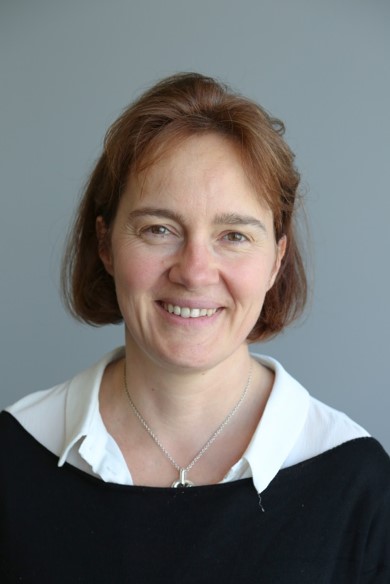 Faivre Laurence合作论文数Faculty of Medicine, University of Bourgogne;Medical Genetics Department, Hopital d'Enfants;Genetics Centre, Children's Hospital, Dijon University Hospital26
 Jamel Chelly合作论文数Institute of Genetics and Molecular and Cellular Biology, University of Strasbourg;Centre National de la Recherche Scientifique25Albert David合作论文数24Eric Bieth合作论文数Service de Génétique Médicale, Hôpital Purpan24
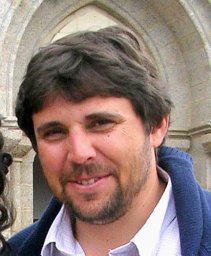 Damien Sanlaville合作论文数From Assistance Publique-Hôpitaux de Paris, Hôpital Européen Georges Pompidou;Assistance Publique des Hôpitaux de Paris, Hôpital Necker Enfants Malades;CHRU, Hôpital de Hautepierre;CHRU, Hôpital de Hautepierre24
 Vincent des Portes合作论文数INSERM U129-ICGM, Faculté de Médecine Cochin, Paris, France.23
 Renaud Touraine合作论文数23fabienne prieur合作论文数22Marignier Stéphanie合作论文数21Isabelle Mortemousque合作论文数21Merle Lydie合作论文数20Ott Daniel合作论文数20Benedicte De Freminville合作论文数20Till Michel合作论文数20
 Gerald Bussy合作论文数20Amandine Brun合作论文数20Thomas Besnard合作论文数20Hadjikhani Nouchine合作论文数20
 Randy L. Hirschtick (Gollub)合作论文数Athinoula A. Martinos Center for Biomedical Imaging, Massachusetts General Hospital;Harvard Medical School20Tatjana A. Nazir合作论文数Institute des Sciences Cognitives, CNRS20Aurore Curie合作论文数Centre de Référence « X fragile et déficiences mentales liées au chromosome X ». Neuro-pédiatrie, HCL;Université;Institut des Sciences Cognitives, CNRS;Institut des Sciences Cognitives, Université Lyon-120
 Yves Paulignan合作论文数20
 Anne Cheylus合作论文数19Karine Delange合作论文数19
 Anne Reboul合作论文数19
 Behrouz Kassai Koupai合作论文数Claude Bernard University Lyon 1;Hospices Civils de Lyon19Laurent Pasquier合作论文数17Benjamin Cogné合作论文数16Le Caignec Cédric合作论文数15Christèle Dubourg合作论文数15
 Jill Anne Mokry合作论文数Department of Molecular and Human Genetics, Baylor College of Medicine14Kong Jian合作论文数13Mélanie Fradin合作论文数13Alice Goldenberg合作论文数12
 Sebastien Barbarot合作论文数CHU de Nantes;Faculté de Médecine, Nantes Université;Atopy School, Nantes University Hospital11Véronique David合作论文数11
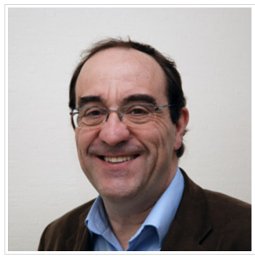 Dominique Bonneau合作论文数From the Departments of Endocrine Surgery, Endocrinology, Medical Genetics, and Nuclear Medicine, Jean Bernard Hospital11Boris Keren合作论文数11
 Susana Quijano-Roy合作论文数10Richard Redon合作论文数10




