Background: Kelussia odoratissima (KO) and Angelica sinensis (AS) have been used in their indigenous traditional medicine, for various diseases. This study was conducted to evaluate the volatile oil composition of KO leaves (KVL) and AS root (AVR) and biological activity of essential oils (EOs) and hydroalcoholic extracts of both plants using two different transgenic zebrafish (Danio rerio) models.Materials and Methods: Both EOs were isolated by hydrodistillation and analysed by GC and GC/MS. For viability tests, larvae were treated with different concentrations of extracts to determine an appropriate starting concentration. Hydroalcoholic extracts and EOs have been tested in a dose-dependent manner for their biological activity using tissue-specific transgenic zebrafish Tg(fli-1: EGFP) and Tg (ins: GFP-NTR) embryos and larvae. One-way ANOVA was used to compare the mean of pBC area and intersegmental vessels (ISVs) outgrowth between the treatment groups.Results: Eleven compounds were in common to both oils, comprising 51.3% of KVL and 61.7% of AVR, of which 39.3% in KVL and 37.6% in AVR were phthalide structures. Results revealed that both EOs blocked ISVs formation in the Tg (fli-1: EGFP) embryos increased to 10% of the control value, while both hydroalcoholic extracts did not show any anti-angiogenesis effects in these embryos. In addition, AVR has been shown to significantly induce PBC regeneration following ablation in the Tg (ins: GFP-NTR), but its regenerative activity was lower than that of 5′-N-ethylcarboxamidoadenosine (NECA) as a positive control. Taken together, the anti-angiogenesis activity of both EOs could be attributed to the phthalide structures while for the PBC regenerative activity, other compounds including β-Thujaplicinol, exclusively existing in AVR, might be effective.Conclusion: Although the genera, organs, and origin of these plants are different, their similar chemical composition and biological activities make them valuable resources for further investigation in basic medical and pharmaceutical science.
Generating animal models can explore the role of new candidate genes in causing diseases and the pathogenicity of a specific mutation in the underlying genes. These animals can be used to identify new pharmaceutical or genetic therapeutic methods. In the present experiment, we developed a rpe65a knock out (KO) zebrafish as a retinitis pigmentosa (RP) disease model. Using the CRISPR/Cas9 system, the rpe65a gene was KO in zebrafish. Two specific single-guide RNAs (sgRNAs) were designed for the zebrafish rpe65a gene. SgRNAs were cloned into the DR274 plasmid and synthesized using in vitro transcription method. The efficiency of Ribonucleoprotein (synthesized sgRNA and recombinant Cas9) was evaluated by in vitro digestion experiment. Ribonucleoprotein complexes were microinjected into one to four-celled eggs of the TU zebrafish strain. The effectiveness of sgRNAs in KO the target gene was determined using the Heteroduplex mobility assay (HMA) and Sanger sequencing. Online software was used to determine the percent of mosaicism in the sequenced samples. By examining the sequences of the larvae that showed a mobility shift in the HMA method, the presence of indels in the binding region of sgRNAs was confirmed, so the zebrafish model for RP disease established. Zebrafish is an ideal animal model for the functional study of various diseases involving different genes and mutations and used for evaluating different therapeutic approaches in human diseases. This study presents the production of rpe65a gene KO zebrafish models using CRISPR/Cas9 technology. This model can be used in RP pathophysiology studies and preclinical gene therapy experiments.
The dopaminergic system, a spinal cord (SC) motor circuit regulator, is administrated by sexual hormones and evolutionary conserved in all vertebrates. Accordingly, we hypothesized that the dopamine receptor (DAR) expression pattern may be dissimilar in female and male zebrafish SC auto repair. We implemented an uncomplicated method to induce spinal cord injury (SCI) on fully reproductive adult zebrafish, in both genders. SCI was induced using a 28-gauge needle at 9th-10th vertebra without skin incision. Thereupon, lesioned SC was harvested for DAR gene expression analysis; zebrafish were tracked routinely for any improvement in swim distance, speed, and their roaming capabilities/preference. Our findings revealed discrepancies between drd2a, drd2b, drd3, drd4a, and drd4b expression patterns at 1, 7, and 14 days postinjury (DPI) between female and male zebrafish. The receptors were mostly upregulated at 7 DPI in both genders, whereas drd2a and drd2b were mostly maximized in females. Surprisingly, drd3 was measured greater even in intact SC in males. In addition, female zebrafish were able to swim farther distances more accelerated, in multiple directions, by engaging more caudal muscles compared with males, of course with no statistical significance. Indeed, females were able to generate whole-body rotation and move forward using the muscles downstream to the lesion site, whereas the coordinated movement in males was accomplished by rostral muscles. In conclusion, there are differences in DAR gene expression pattern throughout SC autonomous recovery between adult female and male zebrafish, and also, female locomotion seems to ameliorate more rapidly.
Digestive system cancer tumors are one of the major causes of cancer-related fatalities; the vast majority of them are colorectal or gastric malignancies. Epidemiological evidence confirmed that allium-containing food, such as garlic, reduces the risk of developing malignancies. Among all compounds in garlic, allicin has been most researched, as it contains sulfur and produces many second degradation compounds, such as sulfur dioxide, diallyl sulfide (DAS), diallyl trisulfide (DATS), and diallyl disulfide (DADS) in the presence of enzymatic reactions in gastric juice. These substances have shown anti-inflammatory, antidiabetic, antihypertensive, antifungal, antiviral, antibacterial, and anticancer efficacy, including gastrointestinal (GI) cancers, leukemia, and skin cancers. Herein, we summarize the therapeutic potential of allicin in the treatment of GI cancers.
Despite extensive studies on type 2 diabetes mellitus (T2DM), there is no definitive cure, drug, or prevention. Therefore, for developing new therapeutics, proper study models of T2DM is necessary to conduct further preclinical researches. Diabetes has been induced in animals using chemical, genetic, hormonal, antibody, viral, and surgical methods or a combination of them. Beside different approaches of diabetes induction, different animal species have been suggested. Although more than 85% of articles have proposed rat (genus Rattus) as the proper model for diabetes induction, zebrafish (Danio rerio) models of diabetes are being used more frequently in diabetes related studies. In this systematic review, we compare different aspects of available methods of inducing hyperglycemia referred as T2DM in zebrafish by utilizing a scoring system. Evaluating 26 approved models of T2DM in zebrafish, this scoring system may help researchers to compare different T2DM zebrafish models and select the best one regarding their own research theme. Eventually, glyoxalase1 (glo1−/−) knockout model of hyperglycemia achieved the highest score. In addition to assessment of hyperglycemic induction methods in zebrafish, eight most commonly proposed diabetic induction approval methods are suggested to help researchers confirm their subsequent proposed models.
Background: Diabetes is a major worldwide health problem. It is widely accepted that the beta cell mass decreases in type I diabetes (T1D). Accordingly, beta cell regeneration is a promising approach to increase the beta cell mass in T1D patients. However, the underlying mechanisms of beta cell regeneration have yet to be elucidated. One promising avenue is to create a relevant animal model to explore the underlying molecular and cellular mechanisms of beta cell regeneration. The zebrafish can be considered a model in beta cell regeneration studies because the pancreas structure and gene expression pattern are highly conserved between human and zebrafish. Materials and Methods: In this study, the Tol2 transposase was exploited to generate a Tg(Ins:egfp-nfsB) zebrafish model that expressed a fusion protein composed of enhanced green fluorescent protein (EGFP) and nitroreductase (NTR) under control of the Ins promoter. Results: Metronidazole (MTZ) treatment of Tg(ins:egfp-nfsB) zebrafish larvae led to selective ablation of beta cells. Proof-of-concept evidence for beta cell regeneration in the transgenic larvae was observed two days after withdrawal of MTZ. Conclusion: This study suggests that the Tg(ins:egfp-nfsB) zebrafish can be used as a disease model to study beta cell regeneration and elucidate underlying mechanisms during the regeneration process. [GMJ.2019;8:e1056]
Background: Transgenic animals have a critical role in the advancement of our knowledge in different fields of life sciences. Along with recent advances in genome engineering technologies, a wide spectrum of techniques have been applied to produce transgenic animals. Tol2 transposase method is one of the most popular approaches that were used to generate transgenic animals. The current study was set out to produce an ornamental fish, which express enhanced green fluorescent protein (EGFP) under control of mylpfa promoter by using Tol2 transposase method. Materials and Methods: Polymerase chain reaction (PCR) cloning method was performed to insert zebrafish myosin promoter (mylpfa) into Tol2-EGFP plasmid at the upstream of EGFP. In vitro transcription method was used to prepare the transposase mRNA. The Tol2-EGFP plasmid and transposase mRNA were then co-injected into the one-cell stage of zebrafish zygotes. After two days, the fluorescent microscopic analysis was used to select transgenic zebrafishes. Result: Our data showed that the optimum concentration for recombinant Tol2 vector and transposase mRNA were 50 ng/ul and 100 ng/ul, respectively. The results also revealed that the quality of embryos and quantity of injected construct had the important effects on Tol2 transposase method efficiency. Conclusion: Data showed that Tol2 transposase is an appropriate method to generate zebrafish transgene. Our finding also showed that mylpfa promoter is a strong promoter that can be used as a selected promoter in the ornamental fish industry. [GMJ. 2019;8:e1068]
Skeletal muscle injuries are one of the most common problems in the worldwide which impose a substantial financial burden to the health care system. Accordingly, it widely accepted that muscle regeneration is a promising approach that can be used to treat muscle injury patients. However, the underlying mechanisms of muscle regeneration have yet to be elucidated. The muscle structure and muscle-related gene expression are highly conserved between human and zebrafish. Therefore, the zebrafish can be considered as an ideal animal model in muscle regeneration studies. In this study, Tol2 transposase was applied to produce Tg(mylpfa: cfp-nfsB) zebrafish model that express a fusion protein composed of cyan fluorescent protein (CFP) and nitrorudactase (NTR) under control of mylpfa promoter. The results showed that MTZ (Metronidazole) treatment of Tg(mylpfa:cfp-nfsB) zebrafish larvae can lead to muscle injury by selective ablation of muscle cells. And also, results confirmed the muscle regeneration ability of the transgenic larvae after withdrawal of Mtz for three days. Overall, The results of this study suggest that the Tg(mylpfa:cfp-nfsB) zebrafish model can be used in muscle regeneration study in order to elucidate the mechanisms of this process.
Genetic structure of an endemic tooth-carp fish, Aphanius farsicus from four different water bodies in the Maharlu Lake basin was investigated by applying five microsatellite markers. All of the five examined microsatellite loci showed polymor-phism pattern. A total of four alleles were detected at five microsatellite loci, with an average of 2.8 to 3.5 alleles per locus. Average values of observed and expected heterozygosity were 0.95±0.09 and 0.64±0.02 respectively. None of the tests of linkage disequilibrium were significant between each pair of loci and no deviation from Hardy-Weinberg equilibrium were detected to test for heterozygote deficiency within populations. The Nei's genetic distance values ranged between 0.03 - 0.13. Analysis of pairwise genetic differentiation between each pair of the populations revealed that fixation index (FST) values ranged from 0.013 to 0.039 and RST ranged from 0.005 to 0.065. High genetic diversity observed within the populations (99%) and low diversity (1%) among them indicating probably high level of gene flow among the studied populations of Fars tooth-carp at the present time or in the past. Regarding low genetic differentiation among the studied populations and results of population assignment test, two hypotheses are suggested and supporting evidence for each hypothesis are provided.
Intracerebral hemorrhage (ICH) is the most severe subtype of stroke. Treatment options are scarce and given the high morbidity and mortality, relatively ineffective. Since patients with ICH may have an unknown heritable component, the need to identify potential risk factors necessitates the use of animal models to elucidate the genetic underpinnings of neurovascular development and, thereby, identify candidate regulatory pathways that are likely to be disrupted in patients with ICH. Zebrafish (Danio rerio) exhibits the anatomical and physiological complexity of a closed circulatory system observed in all vertebrates (with arteries, veins and capillaries). Moreover, studies over the last decade, aided by the application of chemical mutagenesis screens, morpholino mediated knockdown approaches and tissue-specific transgenic markers, have paved the way for the identification of several genes and signaling pathways that regulate developmental neurovascular stabilization. We hypothesize that mutations in these genes or pharmacological perturbations of these gene-products may account, at least in part, for the etiology of some forms of spontaneous ICH in humans.
Rutilus frisii kutum (Kamenskii, 1901) is one of the most important bony fish inhabiting the Caspian Sea. The Iranian Fisheries Organization produced up to 200 million fry to restock the Caspian Sea population annually. Loss of genetic stocks and gradual depletion of the gene pool are parameters of great concern for the future of the species. In the present study, we used ten microsatellite markers to estimate the level of genetic diversity and compare the degree of genetic differentiation among kutum populations collected from Gharesou, Tajan and Goharbaran rivers in the south of Caspian Sea. The average number of alleles per locus ranged from 4 to 12.33, while the average observed and expected heterozygosity ranged from 0.22 to 1.00 and from 0.69 to 0.88, respectively. Through AMOVA, a low level of variation between regions as well as a large percentage of total variation within population was observed. Current knowledge about artificial breeding suggests that offspring transfer between rivers has probably reduced the natural divergence naturally exists between these pools. These results could be useful for the genetic management of kutum populations. (C) Koninklijke Brill NV, Leiden, 2011.
 Yaser Tahamtani合作论文数Department of Stem Cells and Developmental Biology at the Cell Science Research Center, Royan Institute for Stem Cell Biology and Technology6
 kashiri hadis合作论文数3
 Mohsen Basiri合作论文数3
 Eisa-Beygi Shahram合作论文数Program in Development and Stem Cell Biology, The Hospital for Sick Children3
 Ali Shabani合作论文数3
 Hossein Pourghadamyari合作论文数Faculty of Medicine, MUMS3
 Hossein Baharvand合作论文数Department of Stem Cells and Developmental Biology, Royan Institute for Stem Cell Biology and Technology3Behrouz Asgari Abibeiglou合作论文数2
 Bahareh Shabanpour合作论文数Department of Fisheries, Gorgan University of Agricultural Sciences and Natural Resources2
 Sareh Karimi合作论文数1
 Saeid Rahmani合作论文数1Zari Naderi Ghale-Noie合作论文数1Parastoo Hosseini合作论文数1Amin Izadi合作论文数1Farzaneh Alizadeh合作论文数1Hamed Mirzaei合作论文数Research Center for Biochemistry and Nutrition in Metabolic Diseases, Institute for Basic Sciences, Kashan University of Medical Sciences1Atiyeh Eslahi合作论文数1
 Mohamad Norani合作论文数Department of Horticultural Science, Tarbiat Modares University1
 Aria Salehpour合作论文数Persian Gulf Biomed Sci Res Inst, Bushehr Univ Med Sci1
 Sareh Yaripour合作论文数Corresponding author.1
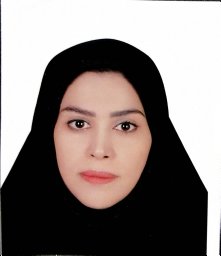 Farzane Mirzaei合作论文数School of Medicine, Shahid Sadoughi University of Medical Sciences;mirzaei.farzaneh2015@yahoo.com;School of Medicine, Shahid Sadoughi University of Medical Sciences1Tayebeh Hamzehloei合作论文数1
 Layla Shojaie合作论文数Dept Med, Univ Southern Calif1
 Sara Mirsadeghi合作论文数ACECR, ROYAN Inst Stem Cell Biol & Technol1
 Samaneh Mollazadeh合作论文数Nat Prod & Med Plants Res Ctr, North Khorasan Univ Med Sci1
 Ali Gholamhosseini合作论文数Ichthyol & Mol Systemat Res Lab, Shiraz Univ1Golmohammadi Taghi合作论文数1Crawford Alexander D合作论文数1
 Arezoo Khoradmehr合作论文数Research and Clinical Center for Infertility, Shahid Sadoughi University of Medical Sciences1
 Haroon Khan合作论文数Department of Pharmacy, Abdul Wali Khan University Mardan1
 Arash Salmaninejad合作论文数1
 Sadeghi Saber合作论文数Faculty of Science, Shiraz University;Email: sabersadeghi@yahoo.com.;Faculty of Science, Shiraz University1Pasdar Alireza合作论文数1
 Nima Rezaei合作论文数Universal Scientific Education and Research Network;Karolinska Institutet;Department of Immunology, School of Medicine, Tehran University of Medical Sciences1
 Mahdi Ayyari合作论文数Medicinal Plants and Drugs Research Institute, Shahid Beheshti University1
 Mojarrad Majid合作论文数1Hassani Seyedeh-Nafiseh合作论文数1
 Michael Aschner合作论文数Department of Molecular Pharmacology, Albert Einstein College of Medicine;Dominick P. Purpura Department of Neuroscience, Albert Einstein College of Medicine;Department of Pediatrics, Albert Einstein College of Medicine;Einstein Center of Toxicology, Albert Einstein College of Medicine1
 Zahra Ghodsi合作论文数Shariati Hospital, University of Tehran Behcet’s Disease Unit1
 Vafa Rahimi-Movaghar合作论文数Sina Trauma and Surgery Research Center, Tehran University of Medical Sciences1
 Amin Tamadon合作论文数School of Veterinary Medicine, Shiraz University1
 Reza Meshkani合作论文数Faculty of Medicine, Tehran University of Medical Sciences1
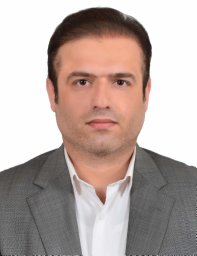 Hamid Reza Esmaeili合作论文数Department of Biology;College of Sciences;Shiraz University;College of Sciences, Shiraz University1
 Sahar Kiani合作论文数Department of Stem Cells and Developmental Biology, Royan Institute for Stem Cell Biology and Technology1




