Livestock manure is a concentrated waste stream that poses significant threats to environmental health. One of the major concerns is the large concentration of nutrients. For example, nitrogen discharged by livestock in feces and urine ranges from 80 to 131 Tg N yr-1 globally. If harnessed entirely, this nitrogen resource could replace a significant portion of the global demand for fertilizer nitrogen applied to crop fields. However, current manure management practices are inefficient and subject to major losses. In this study, we articulate critical challenges in manure nitrogen management and processing, as well as present an overview of recent advancements in technologies aimed at nitrogen reclamation from livestock manure, including membrane-based technologies and electrochemical techniques. The former achieves excellent total ammoniacal nitrogen recoveries of up to 95%, and the latter can be integrated with membranes or used independently to further enhance nitrogen recovery. We analyze the principles of these novel technologies, present a comprehensive understanding of how they work, and provide a critical evaluation of their strengths and weaknesses. This review provides vital insights on nitrogen recovery from livestock manure, paving the way for a more sustainable future for manure management to achieve a circular economy in agriculture.
Land application of dairy manure returns nitrogen (N) to the soil for crop production. However, direct land application of manure faces challenges such as nitrogen volatilization and imprecise manure nitrogen applications, which significantly contribute to losses to the environment while also reducing the nitrogen value of manure. Manure processing methods that can recover nitrogen, particularly organic nitrogen (orgN) in a mineralized form, in a concentrated product can increase the nutrient use efficiency, reducing the demand for manufactured nitrogen fertilizers. In this study, we investigate two operation configurations of bioelectrochemical systems (BES) for ammonia (NH3) recovery from orgN in synthetic dairy manure. Glutamic acid, an amino acid found in high concentrations in dairy manure, was used as the N source in the synthetic feed, and the BES was operated in both microbial electrolysis cell (MEC, E appl. = 0.8 V) and microbial fuel cell (MFC) operation modes. Samples from four time series experiments, two in each operation mode, were analyzed for chemical oxygen demand (COD), total nitrogen (TN), total ammoniacal nitrogen (TAN), and acetate concentrations. Raman spectroscopy was applied to track the orgN content in the time series samples throughout the experiments. Results indicated superior N removal from the anolyte in MEC mode, with an average TN removal above 95% and first-order degradation kinetics with rate coefficients between 0.05 and 0.06 h-1. Kinetic analysis of the Raman data revealed that glutamic acid degradation to be complex and not singularly ordered in either operation mode, requiring further quantitative study. This work provides vital insight into the kinetics of degradation within BES toward a more complete understanding of anode-chamber processes. Such insight can be useful in guiding further research into BES as resource recovery mechanisms and supporting BES adaptation as manure treatment processes focused on the recovery of nutrient-rich, value-added fertilizer products.
Reverse osmosis (RO) is increasingly applied for the reclamation of ammonia-rich wastewater. However, the mechanisms governing NH3/NH4+ transport across RO membranes remain unclear. In this study, we develop an ammonia partitioning and transport (APT) model to quantitatively describe NH3/NH4+ retention and transport, incorporating pH-dependent NH3/NH4+ partitioning and membrane charge variation. The theoretical model is validated through laboratory-scale RO experiments under varying pressures, feed concentrations, and pH conditions. In contrast to stable water permeability, the permeability coefficient of total ammonia nitrogen (TAN) is sensitive to pH value. TAN retention is optimal (89.1 ± 3.2%) near neutral pH, decreasing at higher pH due to increased NH3 fraction and at lower pH due to reduced membrane charge. By decoupling diffusion, advection, and electromigration, the APT model shows distinct NH4⁺ and NH3 flux contributions, revealing pH-dependent transport mechanisms governed by speciation and membrane charge. Molecular dynamics simulations further differentiate the transport pathways of NH3 and NH4⁺, showing that NH4+ experiences a significantly higher energy barrier. Validations with both synthetic and real manure streams demonstrate good predictive accuracy for advancing RO applications in ammonia-rich streams.
Donnan dialysis (DD) is a promising approach for selectively recovering ammonium ions from wastewater, owing to its simplicity and low energy consumption. However, the role of ion sorption and desorption in cation exchange membranes (CEMs), particularly interactions between ammonium ions (NH4 +) and competing ions (e.g., sodium Na+), has often been overlooked. Our experimental results revealed a shift in the Donnan equilibrium caused by the preoccupied counterions in the CEM. For example, when the feed and draw solutions were in a 1:1 concentration ratio, the expected ammonium recovery efficiency was 50%. However, the NH4Cl-presoaked membrane resulted in an increase of 19.1 ± 0.5% in the solution NH4 + concentration and a decrease of 18.8 ± 0.6% in the Na+ concentration. Conversely, the NaCl-soaked membrane showed an 18.9 ± 1.6% reduction in NH4 + and a 23.0 ± 1.3% increase in Na+. The difference indicated that the ion exchange capacity of the membrane and counterion uptake could shift the equilibrium of the DD process. We further analyzed the process kinetics and developed a nonsteady-state model incorporating ion sorption capacity to describe the behavior. Our results confirmed that presoaked ions shifted the final DD equilibrium, potentially due to differences in their affinity and geometry. To summarize, this study provides new insights into the mechanisms of Donnan dialysis by accounting for ion sorption and offers insights for the design of more efficient and effective separation processes for ammonium recovery.
This work presents a cradle-to-gate life cycle assessment of ammonia (NH₃) recovery, quantified as ammonium nitrogen (NH₄-N, as N), from wastewater using membrane electrochemical systems (MES). Five lab-scale configurations, including three single-membrane configurations (2V-1 N, 5V-1 N, and 10V-1 N) along with two multi-stack configurations (5V-11 N and 10V-20 N), were evaluated for environmental impact, energy intensity, and recovery performance per functional unit of 1 kg NH₄-N recovered. The different configurations presented in this work use a variation of energy and material inputs per functional unit to illustrate the trade-offs among the different scenarios and to explore a sustainable balance between recovery rate, energy intensity, and environmental performance. The multi-stack membrane configuration (10V-20 N) not only demonstrated technical feasibility, but also competitive environmental performance, with a lowest GWP of 1.756 CO₂-eq per kg NH₄-N, lowest energy requirement (0.3 kWh per kg NH₄-N), and a net eutrophication potential of -0.767 kg N-eq per kg NH₄-N. Additionally, this work presents a comparative analysis encompassing (1) conventional NH₃ synthetic production, (2) established nitrogen (N)-removal processes such as air stripping and nitrification-denitrification, and (3) NH₄-N recovery using the configurations developed in this study. The findings aim to provide a foundation for scaling these systems to pilot and eventually commercial applications, while guiding decision-makers to recognize the environmental and economic opportunity of N recovery and the typically overlooked trade-offs that conventional synthetic production requires, such as additional energy and cost required to remove nutrients from wastewater.
High-throughput detection of environmental contaminants in natural and engineered aquatic systems is crucial to safeguard public health, yet the quantitative analysis of complex contaminant mixtures remains a significant challenge. Organic contaminants like polycyclic aromatic hydrocarbons (PAHs), known to pose health risks to humans upon ingestion, often coexist as complex mixtures in the environment. Here, we develop an artificial intelligence (AI)-empowered framework coupled with surface-enhanced Raman spectroscopy (SERS) to quantitatively detect PAHs in mixtures. A spectral preprocessing algorithm, PreDe, is developed to compress SERS spectra by 99.7% while retaining key Raman features. A subsequent two-stage AI framework deploys a discriminator to prescreen PAH spectra and a classifier to demix PAHs quantitatively. The discriminator achieves 100% accuracy in rejecting non-PAH spectra (i.e., representative pesticides), even without prior exposure to these spectra during training. The quantitative performance of the classifier is associated with the compositional balance of the PAH mixtures. Among the four models tested in the classifier, the convolutional neural network (CNN) and random forest (RF) consistently deliver the highest prediction accuracy and lowest error. This SERS-AI pipeline enables the rapid prescreening and quantitative demixing of target contaminants, offering a powerful new strategy for high-throughput monitoring of contaminants in complex matrices.
Recovering ammonia from wastewater by membrane distillation (MD) is a sustainable approach to remediating environmental issues while simultaneously conserving energy both in wastewater treatment and in the Haber-Bosch process. MD leverages the volatility of ammonia to enhance ammonia transport, and hence its performance is impacted by the pH of the solution. We comprehensively investigated the effect of pH on ammonia transport and recovery efficiency using both experimental and simulation approaches. Our analyses provide new insights into how solution pH significantly impacts ammonia recovery through two primary mechanisms: it both governs the ammonia-ammonium equilibrium and influences the ammonia mass transfer coefficient. When changing MD feed solution pH from 9 to 10, ammonia flux is enhanced by 177% and ammonia mass transfer coefficient increases from 2.64 × 10⁻⁶ m·s-1 to 6.14 × 10⁻⁶ m·s-1. Notably, solution pH adjustment has a more significant effect than increasing solution temperature on enhancing the ammonia mass transfer coefficient and improving recovery efficiency, making it a more feasible and effective approach for improving ammonia transport and recovery. Additionally, our explicit simulations of ammonia recovery efficiency provide valuable insights for optimizing MD performance by adjusting solution pH values and operation time, and enable a maximum profit estimation of $598,000 for operating MD to recover ammonia in a dairy farm with 2000 cows.
The detection of nanoplastics (NPs) in complex natural water systems is hindered by matrix interferences and limitations in current analytical techniques. This study presents Pre_seg, a Raman spectral processing algorithm integrated with regenerable anodic aluminum oxide (AAO) membrane sensors, for ultrasensitive, rapid, and quantitative NP detection at the single-particle level. The AAO membranes function as both filtration substrates and Raman sensors, reducing sample loss and contamination. Pre_seg incorporates statistically determined thresholds for signal-to-noise ratios (SNRs) and full width at half maximums (fwhms) across segmented spectral ranges, effectively minimizing noise and enhancing accuracy and sensitivity of NP detection. Pre_seg achieved 93.5% prediction accuracy of NPs and ≥90.4% rejection accuracy for non-NP entries. Mixed NPs were quantified at the lowest concentration of 0.5 μg L-1. The robustness of Pre_seg was validated in eutrophic and oligotrophic lake matrices following oxidation digestion pretreatment to mitigate organic interferences. Furthermore, the AAO membrane sensors demonstrated stability through multiple regeneration and reuse cycles. This innovative approach advances NP detection by enabling scalable, customizable, and environmentally relevant monitoring.
The potential for extracellular electron transfer (EET) is a prevailing genomic feature of humic lake bacterioplankton. However, there has been little evidence for the substantial ecological contribution predicted by genetics. We hypothesized that anoxygenic phototrophic electrotrophs and accompanying heterotrophic electrogens cycle dissolved organic matter (DOM) between oxidized and reduced states. We predicted that such bacterioplankton would exhibit diel-scale oscillations due to the light dependency of photosynthesis. Using Trout Bog Lake in Wisconsin, USA, as our model ecosystem, we profiled the water column with depth-discrete metagenomic, physiochemical, and electrochemical analyses. We observed variation in oxidation reduction potential (ORP) in response to sunlight, initiating at depths populated by anoxygenic phototrophs with EET genes. We developed an automated buoy to measure electric current flow between many pairs of electrodes simultaneously, observing correlation in electron consumption to sunlight. Our results, combined with published metatranscriptomic analysis, indicate the occurrence of electron cycling between phototrophic oxidation (electrotrophic metabolism) by Chlorobium and anaerobic respiration (electrogenic metabolism) by Geothrix, involving DOM. We also repeatedly observed gradual seasonal increases in hypolimnion ORP throughout summer. These diel and seasonal patterns imply that electroactive DOM mediates the ecology of electroactive bacteria in lakes, controlling humic lake methane emissions.IMPORTANCEWe investigated the physical, chemical, and redox characteristics of a bog lake and electrodes hung therein to test the hypothesis that dissolved organic matter is being cycled between oxidized and reduced states by electroactive bacterioplankton powered by phototrophy. To do so, we performed field-based analyses on multiple timescales using both established and novel instrumentation. We paired these analyses with recently developed bioinformatics pipelines for metagenomics data to investigate genes that enable electroactive metabolism and accompanying metabolisms. Our results are consistent with our hypothesis and yet upend some of our other expectations. Our findings have implications for understanding greenhouse gas emissions from lakes, including electroactivity as an integral part of lake metabolism throughout more of the anoxic parts of lakes and for a longer portion of the summer than expected. Our results also give a sense of what electroactivity occurs at given depths and provide a strong basis for future studies.
Livestock systems face a challenging future with increasing conflict between food production and the environment. Many of the environmental issues stem from livestock manure as it can lose manure constituents, including nutrients, pathogens, and organic matter, to the environment, degrading both surface and ground water quality, contributing to climate change, causing nuisance odors, and creating human health issues. Processing manure to recover embedded nutrients such as ammonium nitrogen and phosphorus can mitigate these impacts by increasing nutrient density, making a more manageable fertilizer that has a greater economically feasible transport distance. Membrane electrochemical system (MES), which uses electrochemical reactions to transport ions through ion exchange membranes, has been considered as an effective technology for separating ammonium ions from ammonia-rich wastewater towards recovery. This study investigates the system performance of MES for ammonia recovery from various streams of livestock manure. We elucidate the pathways of organic nitrogen mineralization and how they can be improved to enhance ammonia recovery in MES. Additionally, we develop a mathematical model to systematically investigate the ion transport behaviors in MES. Our analysis shows that current density, membrane properties, and initial competing ion concentrations can intensively affect the selectivity of ammonium ion transport over other ions. The findings of this study advance our understanding of the key metrics affecting ammonia recovery from livestock manure using MES and can guide the development of more efficient and effective systems.
The impact of ion competition on nitrate removal from contaminated groundwater using membrane-based bioelectrochemical systems is investigated.
Livestock manure wastewater, containing high level of ammonia, is a major source of water contamination, posing serious threats to aquatic ecosystems. Because ammonia is an important nitrogen fertilizer, efficiently recovering ammonia from manure wastewater would have multiple sustainability gains from both the pollution control and the resource recovery perspectives. Here we develop an electrochemical strategy to achieve this goal by using an ion-selective potassium nickel hexacyanoferrate (KNiHCF) electrode as a mediator. The KNiHCF electrode spontaneously oxidizes organic matter and uptakes ammonium ions (NH 4 + ) and potassium ions (K + ) in manure wastewater with a nutrient selectivity of ∼100%. Subsequently, nitrogen- and potassium-rich fertilizers are produced alongside the electrosynthesis of H 2 (green fuel) or H 2 O 2 (disinfectant) while regenerating the KNiHCF electrode. The preliminary techno-economic analysis indicates that the proposed strategy has notable economic potential and environmental benefits. This work provides a powerful strategy for efficient nutrient (NH 4 + and K + ) recovery and decentralized fertilizer and chemical production from manure wastewater, paving the way to sustainable agriculture.
Recovering ammonia from wastewater by membrane distillation (MD) is a sustainable approach to alleviate environmental stress, as well as reduce energy consumption from the Haber-Bosch process. MD utilizes the low-grade heat and leverages the volatility of ammonia for ammonia transport; however, the concurrent transport of water and ammonia molecules and their mutual influence, remains unclear. In this study, we combine experiments and a mathematical modeling approach to investigate both individual and combined water transport and ammonia transport from ammonia-rich wastewater in MD. The water flux exhibits minimal variation in response to changes in feed solution composition and pH value, while the ammonia flux demonstrates significant sensitivity to the pH variation of the feed solution. Although both water transport and ammonia transport increase with the increasing feed solution temperature, our simulation reveals that the water mass transfer coefficient remains unchanged, while the ammonia mass transfer coefficient varies in tandem with temperature changes. We analyze the ammonia-to-water transport selectivity (rho), noting that a lower temperature yields a higher ammonia-to-water selectivity (rho = 25.9 at 30 degree celsius to rho = 6.8 at 60 degree celsius), and the selectivity is more sensitive at lower temperatures. The selectivity decay analysis indicates that the ammonia-to-water mass transfer ratio is a key factor that tunes the selectivity with respect to feed temperature variation. This integrated experimental and simulation study provides valuable insights into ammonia and water transport toward selective ammonia recovery in MD.
Recovering ammonia nitrogen from wastewater is a sustainable strategy that simultaneously addresses both nitrogen removal and fertilizer production. Membrane electrochemical system (MES), which utilizes electrochemical redox reactions to transport ammonium ions through cation exchange membranes, has been considered as an effective technology for ammonia recovery from wastewater. In this study, we develop a mathematical model to systematically investigate the impact of co-existing ions on the transport of ammonium (NH4+) ions in MES. Our analysis elucidates the importance of pH values on both the NH4+ transport and inert ion (Na+) transport. We further comprehensively assess the system performance by varying the concentration of Na+ in the system. We find that while the inert cation in the initial anode compartment competes with NH4+ transport, NH4+ dominates the cation transport in most cases. The transport number of Na+ surpasses NH4+ only if the fraction of Na+ to total cation is extremely high (>88.5%). Importantly, introducing Na+ ions into the cathode compartment significantly enhances the ammonia transport due to the Donnan dialysis. The analysis of selective ion transport provides valuable insights into optimizing both selectivity and efficiency in ammonia recovery from wastewater.
The sustainability of direct land application of dairy manure is challenged by significant nutrient losses. Bioelectrochemical systems for ammonia recovery offer a manure management strategy that can recover both ammoniacal and organic nitrogen as a stable ammonia fertilizer. In this research, a microbial fuel cell (MFC) was used to treat two types of dairy manure under a variety of imposed anode compartment conditions. The system achieved a maximum coulombic efficiency of 20 ± 18 % and exhibited both COD and total nitrogen removals of approximately 60 %. Furthermore, the MFC showed a maximum organic nitrogen removal of 73.8 ± 12.1 %, and no differences in organic nitrogen (orgN) removal were detected among different conditions tested. Decreasing concentrations of anolyte ammonia nitrogen coupled with the observed orgN removal from the anolyte indicate that the MFC is effective at recovering orgN in dairy manure as ammoniacal nitrogen in the catholyte. Additionally, ion competition between NH4+ and other relevant cations (Na+, K+, and Mg2+) for transport across the CEM was investigated, with only K+ showing minor competitive effects. Based on the results of this research, we propose three key processes and two sub-processes that contribute to the successful operation of the MFC for nitrogen recovery from dairy manure. Bioelectrochemical systems for nitrogen recovery from dairy manure offer a novel, robust technology for producing a valuable ammonia nitrogen fertilizer, a thus far untapped resource in dairy manure streams.
The genetic potential for extracellular electron transfer (EET)-based metabolism has been shown to be a prevailing feature of humic lakes where bacterioplankton may be able to use EET to cycle dissolved organic matter (DOM) extracellularly between oxidized and reduced states, but measurable abiotic features resulting from this phenomenon have yet to be demonstrated. We observed an anoxygenic photosynthetic Chlorobium sp. bloom each summer in Trout Bog Lake in northern WI, USA. Given this bloom’s characteristics, we hypothesized that EET-based metabolisms of Chlorobium sp. and accompanying bacteria cycle DOM between oxidized and reduced states with seasonal or diel-timescale oscillations; therefore, we anticipated this could be measured by weekly and subdaily sampling. We collected vertical profiles on these timescales using a multiparameter sonde, including oxidation-reduction potential measurement, and we assayed for inorganic electron donors. We also developed and deployed a buoy to measure electric current flow between many pairs of electrodes simultaneously. Using metagenomics analyses, we examined the EET genes and other oxidoreductases of bacteria from water column samples at select depths and from biofilms that developed on electrodes at similar depths. Our results indicate the occurrence of diel electron cycling between phototrophic oxidation (electrotrophic metabolism) and anaerobic respiration (electrogenic metabolism), likely involving DOM. We also observed a gradual seasonal increase in hypolimnion oxidation-reduction potential. These diel and seasonal patterns have implications for carbon emissions and the ecology of electroactive bacteria in lakes. IMPORTANCE We investigated the physical, chemical, and redox characteristics of a bog lake and electrodes hung therein to test the hypothesis that dissolved organic matter is being cycled between oxidized and reduced states by electroactive bacterioplankton powered by phototrophy. To do so we performed field-based analyses on multiple timescales using both established and novel instrumentation. We paired these analyses with recently developed bioinformatics pipelines for metagenomics data to investigate genes that enable electroactive metabolism and accompanying metabolisms. Our results are consistent with our hypothesis and yet upend some of our other expectations. Our findings have implications for understanding greenhouse gas emissions from lakes, including electroactivity as an integral part of lake metabolism throughout more of the anoxic parts of lakes and for a longer portion of the summer than expected. Our results also give a sense of what electroactivity occurs at given depths and provide a strong basis for future studies.
In freshwater environments, low-micrometer microplastics (LMMPs) have captured significant attention due to their prevalence and toxicity. Yet, rapid detection of LMMPs (1-10 mu m) at the single-particle level within complex freshwater matrices remains a hurdle. We developed an adaptable plasmonic membrane sensor for fast detection of individual LMMPs in eutrophic lake waters. The plasmonic membrane sensor functions both as a membrane filter and as a sensor for LMMP collection and analysis. Among the four types of membrane sensors, polycarbonate track-etch (PCTE) membrane sensors exhibit superior imaging quality for LMMPs due to their flat and homogeneous surfaces. Besides the significantly improved imaging contrast and reduced background interferences, the Raman intensity of LMMPs is enhanced by 48% +/- 25% on PCTE membrane sensors compared to unmodified membranes. The increased Raman intensities of a chemical probe with an increasing gold layer thickness and a decreasing membrane pore size suggest a surface-enhanced Raman scattering effect from the membrane sensors. The membrane sensors achieve a detection limit of 1 mu g/L and an ultrafast scanning time of 0.01 s for individual LMMPs across natural eutrophic lake water. The developed membrane sensors offer an adaptable tool for the swift and reliable detection of individual LMMPs in complex environmental matrices.
Spontaneous NH4+ uptake using solid-state redox-active materials, driven by the oxidation of organic matter in manure wastewater, provides a sustainable and energy-friendly method for nutrient recovery. However, the mechanisms of electron transfer and accompanying ion transport are poorly understood. Here, we investigated the electron transfer pathway and NH4+ uptake mechanism by analyzing the composition changes in manure wastewater via NMR and the corresponding electrochemical results. We found that the spontaneous NH4+ uptake involves a direct electron transfer process without redox mediators, with the co-occurrence of ion intercalation and adsorption. Based on the elucidated mechanisms, a core-shell Prussian blue analogue redox material with improved stability in manure wastewater and enhanced NH4+ recovery compared to previously reported electrode materials was developed. Such a fundamental understanding of the oxidation of organic compounds and spontaneous NH4+ uptake by redox-active materials can guide the design of redox materials for effective resource recovery and environmental applications.
Directly recovering ammonia from waste streams is a sustainable approach for ammonia management since it saves energy from both the Haber-Bosch process, the major industrial method for ammonia synthesis, and wastewater treatment. Membrane distillation (MD), an evaporation-based membrane separation process, has been employed to recover ammonia from ammonia-rich wastewater due to the high volatility of ammonia. In this study, the photothermal effect is incorporated into MD to enhance the ammonia recovery from ammonia -rich wastewater. Carbon black particles are coated on the membrane surface to increase its absorption of solar irradiation at the solution-membrane interface and facilitate the ammonia transport across the membrane. We demonstrate that the system can recover ammonia at a maximum ammonia flux of 4.52 g-N & BULL;m- 2 & BULL;h -1 with a solar intensity of 1.7 kW & BULL;m- 2 . The estimated mass transfer coefficient of carbon black coated membrane is 2.67 x 10 -2 m & BULL;h -1 with solar irradiation, enhanced by 30.8% when compared to that in a pristine membrane. We also confirm that the improvement of ammonia flux by photothermal effect is equivalent to heating the feed solution by 20- 30 & DEG;C. Our study demonstrates a promising pathway for utilizing solar energy by photothermal effects to enhance MD for ammonia recovery from ammonia-rich wastewater.
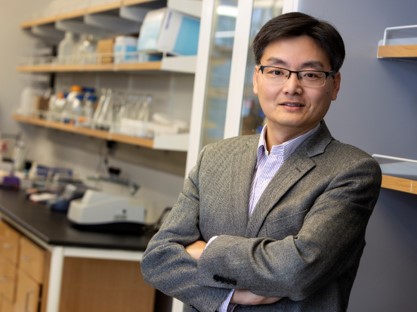 Zhen (Jason) He合作论文数Department of Energy, Environmental and Chemical Engineering, University of Wisconsin-Milwaukee19
 Menachem Elimelech (梅纳赫姆·埃利梅莱赫)合作论文数Department of Civil and Environmental Engineering, Rice University;Department of Chemical and Biomolecular Engineering, Rice University7
 Kai Yang合作论文数5Ziyan Wu合作论文数5
 Razi Epsztein合作论文数Department of Civil and Environmental Engineering, Technion - Israel Institute of Technology5McKenzie Burns合作论文数4Haoran Wei合作论文数4
 Sohum K. Patel合作论文数Dept Chem & Environm Engn, Yale Univ4
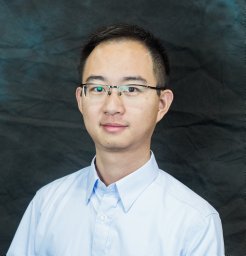 Shiqiang Zou合作论文数The Key Laboratory of Water and Sediment Sciences, Ministry of Education, Peking University;Shenzhen Graduate School, Peking University;Peking University, Peking University4Ibrahim M. Abu-Reesh合作论文数3
 Rui Wang合作论文数Dept Chem, Univ Wisconsin Madison3
 Akshay Deshmukh合作论文数Dept Mech Engn, MIT3
 Song Jin合作论文数Department of Chemistry, College of Letters & Science, University of Wisconsin–Madison3
 Xiaoli Yang (杨小丽)合作论文数School of Civil Engineering, Southeast University3
 Shane Walker合作论文数Department of Civil, Architectural and Environmental Engineering, The University of Texas at Austin3
 Charles Olmsted合作论文数2
 Rebecca Larson合作论文数Department of Biological Systems Engineering, College of Agricultural and Life Sciences, University of Wisconsin-Madison2
 Katherine D. McMahon合作论文数Department of Bacteriology, University of Wisconsin-Madison2
 Oluwaseye M. Owoseni合作论文数Nanosystems Engineering Research Center for Nanotechnology-Enabled Water Treatment (NEWT),, Yale University2
 Shuai Luo合作论文数Nanjing Hosp 1, Nanjing Med Univ2Danielle Goudeau合作论文数Joint Genome Inst, Dept Energy, Walnut Creek, CA 94598 USA2Liu Ying合作论文数Department of Mechanical Engineering, Virginia Tech2
 Rui Qiao (乔锐)合作论文数Laboratory of Transport Phenomena for Advanced Technologies, Department of Mechanical Engineering, College of Engineering, Virginia Tech2
 Shaulsky Evyatar合作论文数†Department of Chemical and Environmental Engineering, Yale University2Berg Maureen合作论文数Department of Integrative Biology, University of California2
 Yuli Yang (杨玉立)合作论文数School of Environment, Nanjing Normal University2Michael T. Tate合作论文数2
 Meng 'Chris' Sun (孙猛)合作论文数Center for Water and Ecology, School of Environment, Tsinghua University2
 Donald A. Bryant合作论文数Department of Biochemistry and Molecular Biology, Eberly College of Science, The Pennsylvania State University2
 Eric E. Roden (Eric Roden)合作论文数Department of Geoscience, University of Wisconsin-Madison2Rex R. Malmstrom合作论文数US DOE, Joint Genome Inst2Ben Lindley合作论文数1Mark R. Gahler合作论文数1Bethany M. Stratakes合作论文数1Brian Brazil合作论文数1Hongang Du合作论文数1Mark Anderson合作论文数1James Lazarcik合作论文数1
 Chi Wang (王驰)合作论文数School of Environment, Northeast Normal University1Michael J. Wagner合作论文数1
 Patricia Q Tran合作论文数Dept Bacteriol, Univ Wisconsin Madison1
 Cody L Ritt合作论文数Yale Univ, Dept Chem & Environm Engn, New Haven, CT 06520 USA1
 Lea Winter合作论文数Department of Chemical and Environmental Engineering, Yale University1
 Zhangxin Wang合作论文数Department of Civil and Environmental Engineering, Vanderbilt University, Nashville, TN 37235-1831, United States1
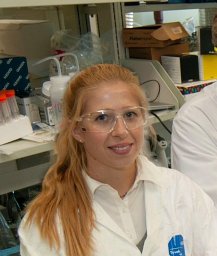 Hannah R Molitor合作论文数Dept Civil & Environm Engn, Univ Iowa1Ying Li (李颖)合作论文数1
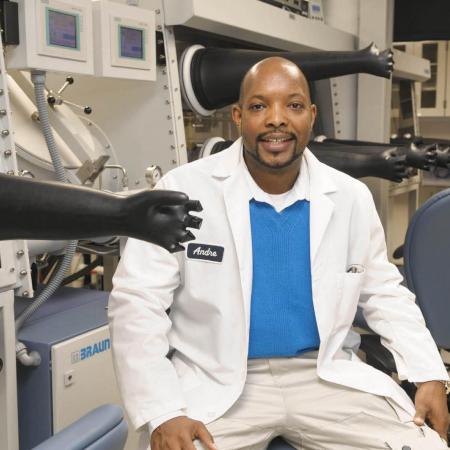 André Taylor合作论文数Department of Chemical and Biomolecular Engineering, Tandon School of Engineering, New York University1
 Jinming Luo (罗金明)合作论文数School of Environmental Science and Engineering, Shanghai Jiao Tong University1
 Guoming Weng (翁国明)合作论文数School of Materials Science and Engineering, Shanghai Jiao Tong University1




