Ultrasonic synthesis of 26 amantadine derivatives, ( 3-28 ) including seven new compounds, are reported with significantly reduced synthesis time and increased percentage yield relative to literature data. Evaluation of the urease, and alpha-glucosidase enzyme inhibitory activities of all amantadine derivatives are being reported here for the first time. Three compounds were found to be potent urease inhibitors (IC50 = 9.32 +/- 1.01 mu M, to IC50 = 11.32 +/- 1.05 mu M) as compared to the standard drug acetohydroxamic acid (IC50 = 20.3 +/- 0.4 mu M). Five compounds were found to be potent inhibitors of alpha-glucosidase (IC50 = 40.63 +/- 1.70, to 50.07 +/- 1.73) as compared to standard drug acarbose (IC50 = 875.75 +/- 2.08 mu M). Kinetic studies were performed to investigate competitive and non-competitive inhibition of alpha- glucosidase enzymes and mixed type inhibition of urease enzyme. All compounds along with parent drug was checked for their cytotoxicity against human fibroblast (B.J.) cell line. Four compounds were found to be toxic, while the rest were nontoxic. Furthermore, in silico studies were performed to predict the binding interactions of the compounds at the active site of the enzymes. The two most active adamantane analogs against urease are those with m-and o-fluoro substitution due to specific interactions with CME592, HOH1918 and GLN635 (3.04, 2.74, and 3.21 A). Ortho analogs interact with GLN635 (3.04, 3.10 A). The two analogs having diflouro and tri flouro methyl group, showed a slight lower activity as compared to the first two compounds. This analysis clearly indicates the importance of position of fluoro group in urease inhibition activity. Similarly, in alpha- glucosidase inhibitors, three compounds with p-OCH3, ethyl groups, and di-fluoro were found to be the most active inhibitors in excellent agreement with experimental data. This study identifies new analogs with potent alpha-glucosidase and urease inhibitory activities. and, thus, may be of therapeutic importance.(c) 2022 Elsevier B.V. All rights reserved.
Our knowledge about encoding and maintenance of spatial memory emphasizes the integrated functional role of the grid cells and the place cells of the hippocampus in the generation of theta rhythm in spatial memory formation. However, the role of astrocytes in these processes is often underestimated in their contribution to the required structural and functional characteristics of hippocampal neural network operative in spatial memory. We show that hippocampal astrocytes, by the secretion of gliotransmitters, such as glutamate, d ‐serine, and ATP and growth factors such as BDNF and by the expression of receptors and channels such as those of TNFα and aquaporin, have several diverse fuctions in spatial memory. We specifically focus on the role of astrocytes on five phases of spatial memory: (1) theta rhythm generation, (2) theta phase precession, (3) formation of spatial memory by mapping data of entorhinal grid cells into the place cells, (4) storage of spatial information, and (5) maintenance of spatial memory. Finally, by reviewing the literature, we propose specific mechanisms mentioned in the form of a hypothesis suggesting that astrocytes are important in spatial memory formation.
Antitussive effects of ethyl acetate fraction of Terminalia chebula on sulphur dioxide (SO2) gas induced cough have been examined in mice. Safety profile of Terminalia chebula was established by determining LD50 and acute neurotoxicity. The result showed that extract of Terminalia chebula dose dependently suppressed SO2 gas induced cough in mice. Terminalia chebula, after i.p. administration at dose level 500 mg/kg, offered maximum cough suppressive effects; that is, number of coughs at 60 min was 12 ± 1.52 (mean ± SEM) as compared to codeine 10 mg/kg; i.p., dextromethorphan 10 mg/kg; i.p., and saline, having frequency of cough 10.375 ± 0.866, 12.428 ± 0.81, and 46 ± 2.61, respectively. LD50 value of Terminalia chebula was approximately 1265 mg/kg, respectively. No sign of neural impairment was observed at antitussive doses of extract. Antitussive effect of Terminalia chebula was partly reversed with treatment by naloxone (3 mg/kg; s.c.) while rimcazole (3 mg/kg; s.c.) did not antagonize its cough suppression activity. This may suggest that opioid receptors partially contribute in antitussive action of Terminalia chebula. Along with this, the possibility of presence of single or multiple mechanisms activated by several different pharmacological actions (mainly anti-inflammatory, antioxidant, spasmolytic, antibacterial, and antiphlegmatic) could not be eliminated.
Astrocytes have been recently implicated in modulation of neuronal synapses leading to Long Term Potentiation, the cellular basis of learning. Astrocytes also secrete neurotrophins such as BDNF, which regulate synaptogenesis, lead to the formation of new network connections between neurons and alter synaptic plasticity underlying learning and memory. In this study, we modeled effects of BDNF secretion on the formation of new connections in hippocampus neural network. A biophysical neural network model consisting of two pyramidal neurons, two interneurons, and the astrocytes were studied. The corresponding dynamical properties were investigated by using numerical simulations. The proposed model was capable to show the function of secretion BDNF by astrocyte. Finally we showed that astrocytes by changing the structure of neural network through BDNF secretion via creation of new connections and increasing synaptic junctions elicited generation of different patterns in the output of neural network. These new output patterns were considered as results of effect of astrocyte on learning caused by BDNF secretion.
Back to table of contents Previous article Next article LettersFull AccessApplication of the Fuzzy Logic Concept in the Multiple Sclerosis Functional Composite for Scoring the Progress of Multiple SclerosisMohsin Raza, M.D., Ph.D., Javad Razjouyan, M.D., Shahriar Gharibzadeh, M.D., Ph.D., Ali Fallah, M.D., and Amirreza Mohammadreza, M.D.Mohsin RazaSearch for more papers by this author, M.D., Ph.D., Javad RazjouyanSearch for more papers by this author, M.D., Shahriar GharibzadehSearch for more papers by this author, M.D., Ph.D., Ali FallahSearch for more papers by this author, M.D., and Amirreza MohammadrezaSearch for more papers by this author, M.D.Published Online:1 Apr 2013https://doi.org/10.1176/appi.neuropsych.12040096AboutSectionsPDF/EPUB ToolsAdd to favoritesDownload CitationsTrack Citations ShareShare onFacebookTwitterLinked InEmail To the Editor: Multiple sclerosis (MS) is one of the central nervous system (CNS) diseases resulting from a demyelination process.1 To assess its progression, the Disability Status Score (DSS) was proposed in 1965, and the expanded version of this test (EDSS), was introduced in 1985.2 However, this scoring system, although used worldwide by neurologists, has subjective components leading to variation in clinical judgments among clinicians.2,3 Also, it does not consider the areas of cognition and upper extremity in assessment of status of the MS patient. Realizing the need for better assessment tool, in 1994, a new scoring system known as Multiple Sclerosis Functional Composite (MSFC) was introduced.4 The MSFC is relatively more objective than the EDSS and considers three areas of assessment: 1) lower extremity; 2) upper extremity; and 3) cognition.The MSFC calculates the z-score for each area of assessment, and then the average of the three scores is reported as progression outcome. However, this approach gives the same weight to each area of assessment that is different from each other.4 The scores coming from each area of assessment have their own interpretation for a neurologist, as well as physiotherapist, and, finally, the MS patient. Therefore, mere summation and averaging of the scores from the three areas of assessment under question results in a final MFSC score that largely ignores their individual importance.Considering this fundamental problem in MFSC scoring system, we suggest that assessing MS progression by using a fuzzy-inference system can be a more reasonable and practically applicable option than the simple average of the three areas of assessment currently employed.5 The fuzzy-inference system is similar to human reasoning and is basically developed to model complex and nonlinear systems as a set of rules with a simple conceptual structure. In fuzzy logic, which is the basis of fuzzy-inference systems, the intrinsic value to the fuzzy sets is an indication of the status of each item relative to its normal value. Each value resulting from the three areas of assessment has its own fuzzy set, and its parameters are obtained from the existing statistical norms. Thus, each broad area of assessment (Lower Extremity, Upper Extremity, and Cognition) will have three intrinsic values related to the three corresponding fuzzy sets. These values and their combinations will lead to better scores, reflecting MS progression better than the current MSFC, which only considers the average. In a fuzzy-inference system, the fuzzy output value is calculated through the T-norm operation, which can be of maximum value, for product, average, and so forth, and this gives the capability of assigning different weights to each input value. What follows is the degree of MS progression according to the three weighted criteria, converted to the three separate intrinsic values. A simple average value cannot give a specific assessment of MS progression. Also, the same two conventionally-obtained output values mean the same results; however, in the fuzzy concept, the output fuzzy value is specifically related to the output fuzzy set, which is also deterministically constructed by the application of a T-norm operation on inputted fuzzy sets and group values.In the future, we intend to construct fuzzy sets for normal subjects of different age and gender. Then the same approach will be applied to the MS patients, and different aspects can be assessed for the possible advantages and interpretations by neurologists. For further study, we will assess the correlation of such indexing method only with lower extremity and EDSS and for all the dimensions considered together.Section of Neurosciences and Ethics Baqiyatallah University of Medical Sciences Dept. of Bioelectrics Amirkabir University of Technology Tehran University of Medical Sciences Tehran, IranReferences1 Ramagopalan SV, Dobson R, Meier UC, et al.: Multiple sclerosis: risk factors, prodromes, and potential causal pathways. Lancet Neurol 2010; 9:727–739Crossref, Medline, Google Scholar2 Kurtzke JF: Rating neurologic impairment in multiple sclerosis: an expanded disability status scale (EDSS). Neurology 1983; 33:1444–1452Crossref, Medline, Google Scholar3 Gray O, Butzkueven H: Measurement of disability in multiple sclerosis. Neurology Asia 2008; 13:153–156Google Scholar4 Polman CH, Rudick RA: The Multiple Sclerosis Functional Composite: a clinically meaningful measure of disability. Neurology 2010; 74(Suppl 3):S8–S15Crossref, Medline, Google Scholar5 Zadeh LA: Fuzzy Sets, Fuzzy Logic, Fuzzy Systems. River Edge, NJ, USA World Scientific Press, 1996Crossref, Google Scholar FiguresReferencesCited byDetailsCited byNone Volume 25Issue 2 Spring 2013Pages E45-E45 Metrics PDF download History Published online 1 April 2013 Published in print 1 April 2013
Muscle memory can be described as gradual adaptation of muscles over a period of time to perform a new movement or action. Its precise mechanism is unknown; however, it is now known that when a motor skill is learned it leads to significant brain activity. Astrocytes are the most abundant glial cell types in the CNS that play an associative active role with neurons in learning and memory. They are interconnected to neurons via gap junctions forming astroglial network for fast communication and synchronization. We hypothesize that astroglial cells play main role in the formation of muscle memory and evaluate it by the experimental evidence published so far that indicates role of astroglia on various cellular and molecular aspects of muscle memory. The basis of our hypothesis is the fact that during training or motor learning period, neuronal output data related to learning lead to certain specific pattern for stimulating target muscles over a period of time and partly these data are stored in astroglial network. This stored data fine tune glial parameters that affect synaptic space and neuronal output used to perform rapid motor actions. For the validation of our hypothesis, we have generated a computational model for a section of neural pathway with astroglial network and have shown that the astroglial network by using inhibitory and stimulatory neurotransmitters can generate certain patterns, modulate and balance synaptic space across the neural pathway during acquisition of muscle memory.
Unlike past, scientific researches in recent years have shown that glial cells actively play various important roles in the nervous system. Because of difficulty in experimental study of glia a suitable method to investigate various aspects of its function is mathematical modeling. In this paper we attempt to illustrate inhibitory and excitatory aspects of astrocyte cells in producing Central Pattern Generators (CPG) and predict their role in some diseases by using modeling approach. We extracted CPG model from biological based data and then modeled sensitivity of glia cell to changes of the potassium equilibrium (a parameter), effect of synaptic activation on the secondary messenger production (inositol 1, 4, 5-trisphosphate (IP3)) (β parameter), Increasing [Ca2+] in the glial cytoplasm triggers the production of a mediator (glutamate) and its release into the intercellular space (d parameter) and effect of glial mediator (glutamate and adenosine 5'-triphosphate (ATP)) on postsynaptic neuron (γ and η respectively). To evaluate the model, first a simple 2 layer neural astrocyte network was simulated. Then results were compared with experimental evidence. Analysis of the waveforms showed the effect of astrocyte cell in modulating the synaptic transmission especially generation of patterns of rhythmic signals that can be used as CPG, changing neural network structure, acquisition of memory via impulse repetition which may be considered as long-term potentiation (LTP). We propose that glia have important effect on optimal intrinsic subthreshold oscillations (ISO) functionality. Finally, the model predicted the effects of astrocyte in some neurological disorders.
In this paper, the Poincaré map function as a one-dimensional first-return map is obtained by approximating the scatter plots of inter-peak interval (IPI) during preictal and postictal periods from invasive EEG recordings of nine patients suffering from medically intractable focal epilepsy. Evolutionary Algorithm (EA) is utilized for parameter estimation of the Poincaré map. Bifurcation analyses of the iterated map reveal that as the neuronal activity progresses from preictal state toward the ictal event, the parameter values of the Poincaré map move toward the bifurcation points. However, following the seizure occurrence and in the postictal period, these parameter values move away from the bifurcation points. Both flip and fold bifurcations are analyzed and it is demonstrated that in some cases the flip bifurcation and in other cases the fold bifurcation are the dynamical regime underlying epileptiform events. This information can offer insights into the dynamical nature and variability of the brain signals and consequently could help to predict and control seizure events.
Context: Ballota limbata Benth. (Lamiaceae) (syn, Otostegia limbata Hook.f.) is a species grown in the North West Frontier Province and the lower hills of West Punjab, Pakistan. Ballota species are renowned for their antispasmodic, antiulcer, diuretic, vermifuge, and especially sedative effects. However, little is known about the biological activity of B. limbata. Objective: Evaluation of antitussive activity and safety profile of dried B. limbata extract. Materials and methods: Whole air-dried plants were partitioned with various solvents and the butanol fraction was subjected to antitussive evaluation using a sulfur dioxide (SO2)-induced cough model in mice. Codeine and dextromethorphan were used as positive control. Safety profile of the testing material was established using standard toxicity tests. Results: B. limbata extract inhibited cough provoked by SO2 gas in mice in a dose-dependent manner. The extract exhibited maximum protection against SO2-induced cough after 60 min of administration. B. limbata offered maximum cough suppressive effects, that is, number of coughs during 60 min was 11.66 ± 1.2 (mean ± SEM), after s.c. administration of 800 mg/kg, as compared with codeine 10 mg/kg, s.c., dextromethorphan 10 mg/kg, s.c., and saline showing a frequency of cough of 11.75 ± 1.18, 12.25 ± 0.83, and 46.25 ± 1.52, respectively. LD50 value of B. limbata was greater than 5000 mg/kg. No sign of neural impairment was observed at antitussive doses and the extract has been well-tolerated at higher doses. Discussion and conclusion: This study demonstrates that the extract of B. limbata has shown strong cough suppressive effect in mice without yielding any notable toxicity.
Background: In the diagnostic reasoning process medical students and novice physicians need to be made aware of the diagnostic values of the clinical findings (including history, signs, and symptoms) to make an appropriate diagnostic decision. Diagnostic reasoning has been understood in light of two paradigms on clinical reasoning: problem solving and decision making. They advocate the reasoning strategies used by expert physicians and the statistical models of reasoning, respectively. Evidence-based medicine (EBM) applies decision theory to the clinical diagnosis, which can be a challenging topic in medical education.This theoretical article tries to compare evidence-based diagnosis with expert-based strategies in clinical diagnosis and also defines a novel concept of category-oriented likelihood ratio (LR) to propose a new model combining both aforementioned methods.Discussion: Evidence-based medicine advocates the use of quantitative evidence to estimate the probability of diseases more accurately and objectively; however, the published evidence for a given diagnosis cannot practically be utilized in primary care, especially if the patient is complaining of a nonspecific problem such as abdominal pain that could have a long list of differential diagnoses. In this case, expert physicians examine the key clinical findings that could differentiate between broader categories of diseases such as organic and non-organic disease categories to shorten the list of differential diagnoses. To approach nonspecific problems, not only do the experts revise the probability estimate of specific diseases, but also they revise the probability estimate of the categories of diseases by using the available clinical findings.Summary: To make this approach analytical and objective, we need to know how much more likely it is for a key clinical finding to be present in patients with one of the diseases of a specific category versus those with a disease not included in that category. In this paper, we call this value category-oriented LR.
Physicians all through the world visit patients under time limitations. The most important troubled clinical skill under "time constraint" is the diagnostic approach. In this situation, clinicians need some diagnostic approaches to reduce both diagnostic time and errors. It seems that highly experienced physicians utilize some special tactics in this regard. Evidence-based medicine (EBM) as a relatively new paradigm for clinical practice stresses on using research evidences in diagnostic evaluations. The authors aimed to evaluate experts' strategies and assess what EBM can add to these tactics. They reviewed diagnostic strategies of some veteran internists in their busy outpatient clinics and proposed an evidence-based diagnostic model engaging clinical experience and research evidence. It appears that every clinician utilizes a set of "key pointer" questions for decision-making. In addition to use of evidence-based resources for making differential diagnosis and estimating utility of various diseases, clinicians should use "key pointers" with significant likelihood ratios and from independent systems to reduce time and errors of history taking. Clinical trainees can improve their practice by constructing their own set of pointers from valid research evidences. Using this diagnostic model, EBM can help physicians to struggle against their "time constraint".
Multiple Sclerosis (MS) is an autoimmune inflammatory, demyelinating disease of human central nervous system. Experimental Autoimmune Encephalomyelitis (EAE) is the commonly used animal model of MS. Calorie restriction has been found to reduce inflammation and autoimmune responses and promote neuroprotection. In this study we evaluated the effects of intermittent feeding protocol of the calorie restriction in a mouse model of EAE. Fifty four female mice (C57BL/6) were used in this study. The animals were divided into two dietary groups: ad libitum (AL) (n = 29) with free access to food and water and intermittent feeding (IF) (n = 25) with access to food on alternate days. After 8 weeks, EAE was induced in animals by immunization with MOG antigen (Hooke labs, Lawrence, MA, USA) subcutaneously. AL and IF groups were then further divided into two groups each: AA (ad libitum until the end of study) (n = 16) and AI (subjected to intermittent feeding regimen after immunization day) (n = 13). The IF group was divided into II (continued intermittent feeding regimen until the end of study) (n = 13) and IA (changed to AL regimen after immunization day) (n = 12). All the animals were behaviorally monitored for 35 days after immunization and observed daily for the signs and severity of disease with EAE scoring scale [0-5] and cumulative disease index (CDI) score. Intermittent feeding significantly reduced the incidence of EAE in IF groups (AI 0%, II 18.5%, IA 22.2%, p < 0.05). In addition, intermittent feeding significantly delayed the onset of EAE in AI group (p < 0.05) and also, intermittent feeding significantly reduced the severity of disease in II and IA groups (AA vs. II, p < 0.05 & AA vs. IA p < 0.05) groups. The CDI was also significantly reduced in intermittent feeding fed groups [AI, II and IA compared to AA group (P < 0.05, <0.01, <0.05 respectively)]. Intermittent feeding regimen protocol of the calorie restriction significantly suppressed EAE incidence, induction, and severity. The results of this study suggest possible role of intermittent feeding in the treatment of Multiple Sclerosis patients.
Multiple sclerosis (MS) is a demyelinating disease of the CNS. Early inflammation leads to later destruction of myelin in MS. Dietary restriction (DR) produces anti-inflammatory and immunomodulatory effects in many species. Based on the reported anti-inflammatory effects of DR, we investigated whether sera collected from rats fed on intermittent feeding (IF, a type of DR) diet could modulate cytokine secretion and matrix metalloproteinase (MMP-2) activity that are involved in MS pathogenesis. Cytokine levels (IL-6 and TGF-β1) were measured in supernatant from C6 glioma cell line cultures treated with IF and AL fed animals' sera by enzyme-linked immunosorbent assay (ELISA) and MMP-2 activity was detected by gelatin zymography. Our results indicated that sera of animals on IF diet significantly reduced IL-6 (p<0.05) and increased TGF-β1 (p<0.05) production by C6 glioma cells. A significant decrease (p<0.05) in MMP-2 activity was also found. These results indicate anti-inflammatory and immunomodulatory activity in the sera of animals on IF regimen on cells involved in multiple sclerosis pathogenesis. Further studies on the detection of factors responsible for such activities and their mechanism of action in MS pathogenesis are recommended.
Citrullus colocynthis (L.) Schrad fruit is an herbal medicine used by traditional herbalists for the treatment of diabetes in Iran. To determine its efficacy and toxicity, a 2 month clinical trial was conducted in 50 type H diabetic patients. Two groups of 25 each under standard antidiabetic therapy, received 100 mg C colocynthis fruit capsules or placebos three times a day, respectively. The patients were visited monthly and glycosylated hemoglobin (HbA1c), fasting blood glucose, total cholesterol, LDL, HDL, triglyceride, aspartate transaminase, alanine transaminase, alkaline phosphatase, urea and creatinine levels were determined at the beginning and after 2 months. The results showed a significant decrease in HbA1c and fasting blood glucose levels in C. colocynthis treated patients. Other serological parameters levels in both the groups did not change significantly. No notable gastrointestinal side effect was observed in either group. In conclusion, C colocynthis fruit treatment had a beneficial effect on improving the glycemic profile without severe adverse effects in type 11 diabetic patients. Further clinical studies are recommended to evaluate the long-term efficacy and toxicity of C colocynthis in diabetic patients. Copyright (C) 2009 John Wiley & Sons, Ltd.
Temporal lobe epilepsy (TLE) is the most resistant type of epilepsy. Currently available drugs for epilepsy are not antiepileptogenic. A novel treatment for epilepsy would be to block or reverse the process of epileptogenesis. We used intermittent feeding (IF) regimen of the dietary restriction (DR) to study its effect on epileptogenesis and neuroprotection in the pilocarpine model of TLE in rats. The effect of IF regimen on the induction of status epilepticus (SE), the duration of latent period, and the frequency, duration, severity and the time of occurrence of Spontaneous Recurrent Seizures (SRS) were investigated. We also studied the effect of IF regimen on hippocampal neurons against the excitotoxic damage of prolonged SE (about 4h) induced by pilocarpine. The animals (Wistar, male, 200–250g) were divided into four main groups: AL–AL (ad libitum diet throughout), AL–IF (PfS) [IF post-first seizure], AL–IF (PSE) [IF post-SE] and IF–IF (IF diet throughout), and two AL and IF control groups. SE was induced by pilocarpine (350mg/kg, i.p.) and with diazepam (6mg/kg, i.p.) injected after 3h, the behavioral signs of SE terminated at about 4h (AL animals, n=29, 260.43±8.74min; IF animals, n=19, 224.32±20.73min). Behavioral monitoring was carried out by 24h video recording for 3 weeks after the first SRS. Rat brains were then prepared for histological study with Nissl stain and cell counting was done in CA1, CA2 and CA3 regions of the hippocampus. The results show that the animals on IF diet had significantly less SE induction and significantly longer duration of latent period (the period of epileptogenesis) was seen in IF–IF group compared to the AL–AL group. The severity of SRS was significantly more in AL–IF (PfS) compared to the AL–IF (PSE) group. These results indicate that IF diet can make rats resistant to the induction of SE and can prolong the process of epileptogenesis. The results of the histological study show that the number of pyramidal neurons was statistically less in CA1, CA2 and CA3 of the hippocampus in the experimental groups compared to the control groups. However, IF regimen could not protect the hippocampal neurons against the excitotoxic injury caused by a prolonged SE. We conclude that IF regimen can significantly influence various behavioral characteristics of pilocarpine model of TLE. Further studies can elaborate the exact mechanisms as well as its possible role in the treatment of human TLE.
The purpose of this study was to investigate the anticonvulsant activity of the volatile oil of nutmeg, the dried seed kernel of Myristica fragrans Houtt, using well‐established animal seizure models and to evaluate its potential for acute toxicity and acute neurotoxicity. The volatile oil of nutmeg (nutmeg oil) was tested for its effects in maximal electroshock, subcutaneous pentylenetetrazole, strychnine and bicuculline seizure tests. All the experiments were performed at the time of peak effect of nutmeg oil. Nutmeg oil showed a rapid onset of action and short duration of anticonvulsant effect. It was found to possess significant anticonvulsant activity against electroshock‐induced hind limb tonic extension. It exhibited dose dependent anticonvulsant activity against pentylenetetrazole‐induced tonic seizures. It delayed the onset of hind limb tonic extensor jerks induced by strychnine. It was anticonvulsant at lower doses, whereas weak proconvulsant at a higher dose against pentylenetetrazole and bicuculline induced clonic seizures. Nutmeg oil was found to possess wide therapeutic margin, as it did not induce motor impairment when tested up to 600 µL/kg in the inverted screen acute neurotoxicity test. Furthermore, the LD 50 (2150 µL/kg) value was much higher than its anticonvulsant doses (50–300 µL/kg). The results indicate that nutmeg oil may be effective against grand mal and partial seizures, as it prevents seizure spread in a set of established animal models. Slight potentiation of clonic seizure activity limits its use for the treatment of myoclonic and absence seizures. Copyright © 2008 John Wiley & Sons, Ltd.
Haloxylon recurvum Bunge ex Boiss (Chenopodiaceae) is distributed chiefly from the Mediterranean region to Central and South Asia and traditionally applied externally for a variety of disorders. We investigated the in vivo toxic potential of crude methanolic extract of the whole plant and its n-hexane, chloroform, butanol, ethylacetate and aqueous soluble fractions by determining their acute toxicity and acute neurotoxicity in mice using Lorke's method and inverted screen test. In vitro studies were also conducted in order to investigate its antilipoxygenase, antibacterial and antifungal activities. All the fractions showed a narrow margin of safety in mice, except the aqueous fraction, which did not produce any mortality even at the highest tested dose (5000 mg kg(-1)). At non-lethal doses, only the aqueous fraction (TD(50) 1264 mg kg(-1)) was found to produce neurotoxicity in mice. In in vitro lipoxygenase inhibition assay, the ethylacetate fraction showed the most significant inhibitory activity. Crude methanolic extract and its butanol soluble fraction showed the most potent antifungal and antibacterial activity for all the materials tested. Thus, this report verifies the traditionally reported toxicity of this plant, as the majority of its components have exhibited a narrow margin of safety, however, they have been found active in in vitro studies, therefore, further studies are required in order to isolate the most active toxic compounds and differentiate them from these fractions.
Several experimental studies have introduced Schwann cell transplantation as a means of recovery in animal models of spinal cord injury (SCI). The reported promising results together with the availability of autologous sources for Schwann cells indicate Schwann cell transplantation as a possible treatment for SCI. To address the safety and feasibility concerns we report 1-year follow-up of four patients aged between 22 and 43 years who had stable chronic (28–80 months) spinal cord injury at mid-thoracic level and treated with autologous Schwann cell transplantation. Purified Schwann cells used for transplantation were acquired from autologous sural nerve and cultured without the use of any specific mitogenic or growth factors. The patients were evaluated by means of American Spinal Injury Association (ASIA) criteria, sphincter, sexual function and Magnetic Resonance Imaging assessments for 1 year after transplantation. None of the patients were found to have any adverse effects indicating transfer of infection, neurological deterioration or other related clinical problems. Of the four patients, only one patient with incomplete SCI showed motor and sensory improvement 1 year after transplantation with extensive and continuous rehabilitation. All the four patients experienced transient paresthesia or increased muscle spasm after transplantation. Magnetic Resonance (MR) images of the patients did not show any visible changes or pathological findings after 1 year. This preliminary report shows that autologous Schwann cell transplantation is generally safe for the selected number of SCI patients but it does not prove beneficial effects. Further safety and outcome studies are recommended.
 Robert J. Delorenzo合作论文数8
 M. Iqbal Choudhary合作论文数International Center for Chemical and Biological Sciences, University of Karachi7Sompong Sombati合作论文数7
 Ali Fallah合作论文数6
 Atta-ur-Rahman (阿塔·拉曼)合作论文数International Center of Chemical and Biological Sciences, University of Karachi6F Shaheen合作论文数5Abdul Wahab合作论文数4
 Hossein Hassanpoor合作论文数Dept. of Biomed. Eng., Amirkabir Univ. of Technol.;c;Dept. of Biomed. Eng., Amirkabir Univ. of Technol.4
 ul Haq Rizwan合作论文数Department of Pharmacy, Hazara University4Rafeeq Alam Khan合作论文数3
 Azhar Rafiq合作论文数Medical College of Virginia, Virginia Commonwealth University3Amin Suria合作论文数3
 Moosapour Hamideh合作论文数2
 Masoumeh Firouzi合作论文数2Neda Parinejad合作论文数2
 Javad Razjouyan合作论文数Garmsar Branch, Islamic Azad University2Dawn S. Carter合作论文数2
 H. Fallah Huseini合作论文数Department of Pharmacology;Institute of Medicinal;Department of Pharmacology, Institute of Medicinal2
 Ramin Heshmat合作论文数2
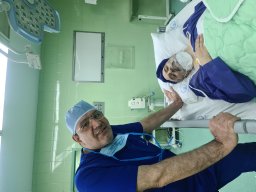 Hooshang Saberi合作论文数Imam Khomeini Hospital, Tehran University of Medical Sciences2
 Laxmikant Deshpande合作论文数Department of Neurology, Virginia Commonwealth University2
 Bagher Larijani合作论文数Tehran University of Medical Science2Akbar Soltani合作论文数Endocrinology and Metabolism Research Center, Tehran University of Medical Sciences2
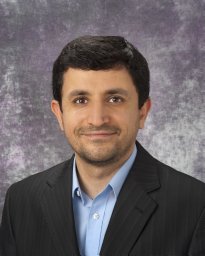 Pouria Moshayedi合作论文数Institute of Biochemistry and Biophysics, University of Tehran2
 Mohammad Reza Khorramizadeh合作论文数2
 Gharibzadeh Shahriar合作论文数Faculty of Biomedical Engineering, Amirkabir University of Technology2Ahsan Sharif合作论文数1mohammad iqbal choudhary合作论文数1MI Choudhary合作论文数1t toliat合作论文数1
 Saeed Ullah合作论文数1
 Majid Khan合作论文数1RE Blair合作论文数1Umar Farooq合作论文数1Aftab Ahmed合作论文数1
 Hina Siddiqui合作论文数1Seyed Hassan Emami Razavi合作论文数1
 Fazila Rizvi合作论文数H.E.J. Research Institute of Chemistry, University of Karachi1
 Zahra Jafariazar合作论文数Faculty of Pharmacy and Pharmaceutical Sciences, Islamic Azad University1M. A. Sahraian合作论文数1
 Khalid Mehmood合作论文数Dept Pharm, Abbottabad Univ Sci & Technol1
 Saeed Hosseini合作论文数Dept Clin Nutr, Univ Tehran Med Sci1
 Mirshafiey Abbas合作论文数Dept Immunol, Univ Tehran Med Sci1
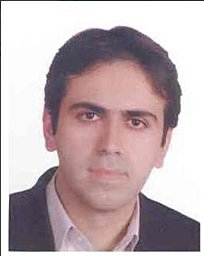 Azimi Amirreza合作论文数Neurosci Inst, Univ Tehran Med Sci1
 Sherkheli Muhammad Azhar合作论文数National Center of Excellence in Molecular Biology, University of The Punjab1
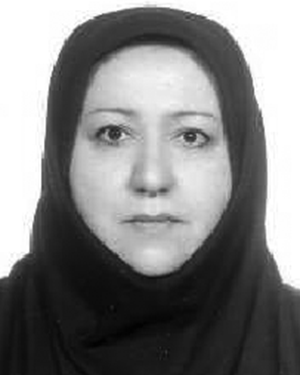 Fariba Bahrami合作论文数1
 Laya Kafami合作论文数School of Public Health, Tehran University of Medical Sciences1Radjabipour B合作论文数1Darvishzadeh F合作论文数1




