Demographic and MRI characteristics of patients involved in stage 1, stage 2, and stage 3.
Introduction AlloNK is a highly scaled, non-genetically modified, allogeneic, off-the-shelf, cryopreserved NK cell therapy in development for the treatment of cancer and autoimmune diseases. AlloNK has been optimized for combination with monoclonal antibodies to enhance antibody-dependent cellular cytotoxicity and anti-tumor responses through selection of cord blood units for the CD16 high-affinity variant (158V/V) and KIR-B haplotype. Methods The objectives of this clinical trial (NCT04673617) were to assess safety and anti-tumor activity of AlloNK alone (monotherapy) and with rituximab in patients with CD20+ relapsed or refractory (R/R) non-Hodgkin Lymphoma (NHL). Patients received standard lymphodepletion (LD) and up to 4 cycles (4 weekly doses/cycle) of AlloNK at 1 × 10⁹ or 4 × 10⁹ cells/dose in an outpatient setting. Efficacy was evaluated using Lugano 2014 response criteria. Results As of September 4, 2025, 45 patients received AlloNK (16 across 3 monotherapy cohorts and 29 with rituximab across 4 combination cohorts). Most patients were White (82%), male (62%), with median age of 68 years, had aggressive NHL subtypes (84%), and had received a median of 4 prior lines of systemic therapy. The most common treatment-emergent adverse events (TEAEs) were hematologic in nature, as expected with the LD regimen. Infusion related-reactions (IRRs) and febrile neutropenia (7% each) were the only treatment related SAEs reported in more than 1 patient. CRS events were reported in 4 patients (9%; 3 Grade 1 cases, 1 Grade 2 case) and were attributed to IRRs (as they occurred within 24 hours of cell infusion, resolved without specialized treatment, and no cytokine elevations were noted). T cell therapy-associated toxicities such as ICANS and GvHD were not observed. There were no deaths related to AlloNK, and no patients discontinued the study from TEAEs related to AlloNK. Peripheral B-cell depletion was observed by day 15 and remained depleted over the first treatment cycle in all combination patients with detectable B cells at baseline. AlloNK was detectable in blood up to a week post-first dose but did not persist long-term. No new AlloNK-specific, anti-HLA antibodies were observed. The objective response rate was 37.5% and 55.2% in the monotherapy and combination treatment groups, respectively. In the 14 patients who were naïve to prior CAR-T therapies, 64.3% had complete responses and the Kaplan-Meier estimate of median duration of response was not reached but was at least 22.7 months. Conclusions The combination of AlloNK and rituximab was well-tolerated with promising efficacy seen in a heavily pretreated R/R NHL patient population, including older patients. No toxicities associated with T cell therapies (e.g., high rates of CRS and ICANS) were observed. These findings support the safe administration of AlloNK with rituximab in outpatient settings for oncology and autoimmune indications.
Evaluating the effect on model performance (AUC) when performing ensemble across an increasingly larger number of models. Five independent sets of 5-fold cross-validation were evaluated. One 5-fold cross-validation set denotes performing ensemble across the resulting k = 5 models. Two 5-fold cross-validation sets denote ensemble across 10 models, three sets denote ensemble across 15 models, four sets denote ensemble across 20 models, and five sets denote ensemble across 25 models.
Model performance on the 256 GBM and 73 CNS-DLBCL independent test cases from stage 3 from the model developed using the ensemble approach (A) overall, (B) stratified by sex, and (C) stratified by age. Results for the model developed using the loss approach (D) overall, (E) stratified by sex, and (F) stratified by age. AUCs (95% CI) are provided.
Treatment strategies for relapsed/refractory large B-cell lymphoma (R/R LBCL) have evolved rapidly, yet relationships between therapy selection and outcomes remain poorly defined. The LEO CReWE study evaluated disease characteristics, patterns of care, and outcomes in 1504 patients with R/R LBCL from 2002 to 2022. Of these, 64% received chemoimmunotherapy at second-line (2L). Autologous stem cell transplant (ASCT) and/or chimeric antigen receptor T-cell therapy (CAR-T) were planned at 2L for 984 patients (65%), with 471 (31%) ultimately receiving ASCT and 94 (6%) receiving CAR-T. Complete response (CR) rates at 2L ranged from 24% for lenalidomide-based regimens to 49% for CAR-T; salvage chemotherapy achieved a 44% CR rate overall and 60% among patients who eventually underwent ASCT. Median event-free and overall survival from 2L were 4.3 months and 18.3 months, respectively; survival improved in eras during which CAR-T was available. Patients intended for but unable to receive ASCT or CAR-T experienced poor outcomes comparable to those never intended for curative therapy at 2L. The LEO CReWE study represents the first large-scale depiction of 2L treatment patterns and outcomes for LBCL in the modern era, inclusive of all treatment approaches, and underscores the ongoing need for more effective therapies despite the advent of CAR-T.
Sensitivity and specificity of the loss model applied to the stage 3 cohort. All possible model score thresholds from the loss model are shown. The yellow highlighted row denotes the score threshold required to obtain 90% sensitivity. The orange highlighted row denotes the score threshold required to obtain 90% specificity.
A fluorene-based fluorescent sensor, FHT, was rationally designed and synthesized, which exhibited prominent solvatochromic behavior and aggregation-induced emission (AIE) effects in aqueous medium. Upon aggregation, the FHT sensor showed an enhancement in emission intensity accompanied by a bathochromic shift, indicating the formation of J-aggregates. Owing to its unique photophysical properties, FHT was developed as a highly selective fluorescent sensor for Cu2+. Selective binding of FHT to Cu2+ resulted in significant fluorescence quenching via a photo-induced electron transfer (PET) process. The binding interactions of FHT with Cu2+ were studied in detail by 1H NMR titration, liquid chromatography-mass spectrometry (LC-MS), dynamic light scattering (DLS), Fourier-transform infrared (FTIR) spectroscopy, and density functional theory (DFT) analysis. Upon interaction with Cu2+, the FHT sensor exhibited strong fluorescence quenching with a low detection limit of 82 nM and quenching efficiency of 97%. In addition to its solution-phase sensing capability, FHT demonstrated effective performance in the solid state and enabled naked-eye colorimetric identification of Cu2+. Furthermore, the FHT sensor was successfully integrated into molecular logic-gate operations, emphasizing its promise for on-site environmental monitoring and the development of molecular electronic devices.
Water contamination by synthetic dyes poses a serious threat to aquatic ecosystems and human health, thus urgently requiring cost-effective and sustainable remediation strategies. In this research work, Cladophora glomerata algae were pyrolyzed at a slow rate (10°C/min) at 350°C for two hours in order to produce high efficiency value-added biochar and were used for the removal of an azo dye called Eriochrome Black T (EBT) from water through adsorption. The adsorbent was characterized by using various physicochemical analyses and experimental techniques. According to proximate and EDS analysis, the chosen biochar is a rich source of nutrients, including Ca, K, Mg, and P as well as carbon (47.67 wt%), oxygen (40.04 wt%), and other elements. A higher yield of 67% means that less weight is lost during pyrolysis, which allows for the production of more amount of biochar. FTIR data show that Peaks at 3853 cm-1 and 2312 cm-1 in the spectra of biochar were linked to the stretching frequency of the OH group. The abundance of OH functional groups imparts a negative charge to the biochar, providing potential active sites for dye biosorption. SEM images identified diatoms on the algal surface, diatoms are a component of ash that are present in the biochar sample. The maximum dye uptake capacity (qm) was 58.55625 mg/g at pH 2, 60 ppm dye concentration, 0.1 g biochar dosage, and 120 min of equilibrium time at room temperature. The adsorption followed the Langmuir isotherm model (R² = 0.9711) and pseudo-second-order kinetics (R² = 0.9992, K₂ = 0.006139 g/mg.min, qt = 58.47953 mg/g). Thermodynamic analysis shows that the adsorption process is endothermic (ΔH° = 6.92621 KJ/mol-1) and spontaneous (ΔG° < 0). These results demonstrate that Cladophora glomerata-derived biochar is a highly efficient and sustainable adsorbent for removing synthetic dyes from water.
Diet Quality Index-International (DQI-I) is a validated tool to assess diet quality and formulate evidence-based strategies to alleviate the risk of nutritional problems. The objective of the current study was to assess the diet quality and its relationship with body mass index in a Pakistani University students. A cross-sectional study was conducted at the National University of Medical Sciences (NUMS), Rawalpindi, by incorporating 221 healthy undergraduate university students of both genders with majority being female aged 19–25 years. Among the study population, a semi-quantitative questionnaire containing modified Diet Quality Questionnaire (DQQ) was administered to record the desired parameters including socio-demographics, anthropometrics, 24-h dietary recall and average number of daily portions consumed. The collected responses were analyzed with SPSS version 27.0 by applying discriminant analysis and one way ANOVA to find out the possible association between desired variables such as DQI, BMI and NCDs risk. Out of the study participants, 32
BACKGROUND A Biodegradable microgel containing starch and sodium alginate was prepared by the free radical precipitation polymerization method, and nanoparticles of silver and nickel were incorporated by the in-situ reduction method.RESULTS Ag-O stretching, the main component of the bimetallic p (NIPAM-AAc-Str-SA), is indicated by the bands at 865 cm-1 in FTIR spectroscopic analysis. A porous structure with cavities that enhance water absorption and bimetallic nanoparticle entrapment was revealed in the hybrid microgel by SEM, with pore size regulated by SA. A high-intensity peak observed at 0.9 KeV and another smaller peak at 2.9 KeV were identified by EDX analysis and the presence of nickel (Ni) and silver (Ag), respectively, in the prepared sample of bimetallic p(NIPAM-AAc-Str-SA) hybrid microgel was indicated.CONCLUSION According to DLS, hybrid microgels had an average size of 80.83 nm and a polydispersity index of 0.653. A lower PDI value suggests that the nanoparticles were evenly distributed throughout the microgel. Reduction of organic dyes is performed by using a hybrid microgel. Different kinetic parameters, including the apparent rate constant (Kapp), reduction time, % reduction, and half-life, were compared for all substrates, and their catalytic activity was checked. Rhodamine B was the best reduced using hybrid microgel as compared to other dyes, about 98% reduction, having an apparent rate constant of 0.1349 min-1, reduction time of 20 min and half-life of 5 min.
Introduction Vispacabtagene regedleucel (vispa-cel, formerly CB-010) is an allogeneic anti-CD19 CAR-T cell therapy manufactured from healthy donor T cells. The Cas9 chRDNA genome-editing technology is used for three genome edits: (1) KO of TRAC to reduce risk of GvHD, (2) insertion of a CD19-specific CAR (FMC63 scFv, 4-1BB), and (3) KO of PD-1 to prevent premature CAR-T cell exhaustion and potentially enhance antitumor activity. Methods ANTLER is a Phase 1 trial (NCT04637763) with 3+3 dose escalation and expansion to evaluate the safety and efficacy of vispa-cel in patients (pts) with r/r B-NHL and determine the RP2D. All pts received lymphodepletion of sequential cyclophosphamide (60 mg/kg/day x 2 days) then fludarabine (25 mg/m2/day x 5 days) followed by a single infusion of vispa-cel. Three vispa-cel doses (40 million [M], 80M, and 120M cells) were evaluated in dose escalation and dose expansion. 80M cells was selected as the RP2D. Subsequently, a 22-pt 2L LBCL confirmatory cohort prospectively evaluated donor-recipient matching ≥4 HLA alleles. A retrospective analysis was performed and identified LBCL pts treated with vispa-cel manufactured from a young donor (<30 yrs) and ≥2 matched HLA alleles, reported as the optimized cohort (N=35). Results As of Sep 2025, 84 pts received vispa-cel including 67 2L LBCL pts. The median age was 66 years (20-86). Of the 2L LBCL pts, 40 pts (60%) had an aaIPI score of ≥2. Vispa-cel was generally well tolerated; no GvHD was observed. The most common grade (Gr) ≥3 TEAEs were thrombocytopenia (60%), anemia (43%), and neutropenia (36%). By day 60, the neutropenia and thrombocytopenia recovery to Gr ≤2 was 95% and 86%, respectively. CRS occurred in 55% of pts (1% Gr ≥3). ICANS occurred in 14% of pts (5% Gr ≥3). In the 2L confirmatory cohort, ORR was 82% and CR rate was 64%. Median PFS and DOR were not reached (NR) with a 12-month PFS of 51%. Donor age (<30 yrs) and ≥2 matched HLA alleles were identified as covariates associated with improved PFS. In this optimized cohort, ORR was 86% and CR rate was 63%. The median PFS and DOR were NR with a 12-month PFS of 53%. Data from pts treated with vispa-cel from older donor (≥30 yrs) T cells and/or with <2 HLA alleles matched will also be reported.Peak expansion occurred days 7-10 with persistence of up to 30 days post-infusion. Endogenous T and NK cells recovered rapidly in peripheral blood (∼4 weeks) post-infusion, with B cell recovery in all pts by ∼300 days. Conclusions Vispa-cel is an allogeneic CAR-T cell therapy that results in deep and durable responses on par with approved autologous CAR-T cell therapies in 2L LBCL pts with a generally well-tolerated safety profile supporting outpatient administration. Improved PFS was observed in pts treated with vispa-cel manufactured from young donors and ≥2 matched HLA alleles. A randomized controlled pivotal trial in 2L LBCL pts who are ineligible for both autologous CAR-T and transplant is being planned.
Epcoritamab, a CD3xCD20 bispecific antibody, resulted in deep, durable responses with a manageable safety profile in patients with relapsed/refractory large B-cell lymphoma (LBCL) in EPCORE® NHL-1 (NCT03625037). We report results from a 3-year follow-up. Adults with relapsed/refractory LBCL received epcoritamab until progressive disease or unacceptable toxicity. The primary endpoint was overall response rate (ORR). Median age was 64.0 years, 39
Introduction Event-free survival (EFS) 24 months after frontline chemoimmunotherapy and progression-free survival (PFS) at 24 months after autologous stem cell transplant are established prognostic markers of overall survival (OS) in diffuse large B-cell lymphoma (DLBCL). A similar benchmark for CAR-T therapy has not been defined. In ZUMA-1, patients achieving 12-month EFS (EFS12) after axi-cel had markedly higher 5-year OS (90.9% vs. 5.3%). This study evaluates whether patients reaching EFS12 post-CAR-T have comparable lymphoma-related and unrelated mortality, supporting EFS12 as a surrogate for OS in this setting. Objectives Recognize the prognostic value of EFS12 as a predictor of long-term survival after CAR-T in DLBCL• Understand that baseline clinical/treatment features did not distinguish EFS12 achievers from non-achievers.• Appreciate that EFS12 patients show durable remissions, with prolonged PFS and high 5-year survival. Methods This retrospective, single-center study evaluated DLBCL patients treated with standard-of-care CAR-T at the University of Iowa. Patients were grouped by achievement of EFS12; none were lost to follow-up at 1 year. Baseline clinical, disease, and treatment characteristics were compared using chi-square or Fisher's exact tests for categorical variables and Kruskal-Wallis tests for continuous variables. After 12 months of follow-up, PFS was estimated with Kaplan-Meier curves. Time-to-event was measured from 12 months post–CAR-T to progression or death, with censoring at last assessment. Results Among 69 patients with DLBCL treated with standard-of-care CAR-T, most had advanced-stage disease (85.5%), an IPI score of 3 (31.9%), and two prior therapy lines (63.8%). R-CHOP was the predominant first-line regimen (62.3%), and 89.9% had not undergone autologous stem cell transplant. Axi-cel was the most frequently used CAR-T product (85.5%).EFS12 was achieved in 23 patients (33.3%). No significant differences in demographic and clinical features were observed between the EFS12 and non-EFS12 groups (p>0.05). The majority of EFS12 patients had advanced-stage disease (82.6%), median IPI of 3, and median two prior therapies. At 31.1-month median follow-up, median PFS was not reached; 68% were progression-free at 5 years with 2 lymphoma- and 2 prior therapy-related deaths (myelodysplastic syndrome). Six patients had ≥2 infections with a mean IgG of 554.7 in the EFS12 population. Conclusion Patients with DLBCL who achieved EFS12 post-CAR-T represented one-third of the cohort and shared similar baseline characteristics with the overall population. Despite the absence of distinguishing clinical or treatment factors, this subgroup demonstrated favorable long-term outcomes, with a median follow-up exceeding 30 months and a 5-year PFS of 68%, underscoring the prognostic significance of reaching the EFS12 milestone after CAR-T therapy.
Alzheimer’s disease (AD) is a progressive neurodegenerative disorder characterized by amyloid-β (Aβ) aggregation, tau hyperphosphorylation, synaptic dysfunction and neuroinflammation. The study investigates bergapten (BGN) as a potential AD treatment. Computational analysis revealed strong binding affinity of BGN with Filamin A (FLNA) and glycogen synthase kinase-3β (GSK3β). In vitro assays demonstrated acetylcholinesterase (AChE) and butyrylcholinesterase (BChE) inhibition suggesting cholinergic modulation. In intracerebroventricular (i.c.v) streptozotocin (STZ) induced AD mice model, BGN (25 mg/kg, 50 mg/kg and 100 mg/kg i.p) was administered daily for 23 days. The blood and brain tissues samples were collected for biochemical and histopathological analysis. BGN showed dose-dependent cognitive improvements, with biochemical tests indicating renal and hepatic safety. Reduced C-reactive protein and lactate dehydrogenase levels suggested minimal systemic toxicity and neuroinflammation. Histology revealed preserved neurons, decreased amyloid deposits, and improved brain structure. Immunohistochemical analyses indicated BGN was associated with lower Tau, NF-κB, TLR4, and Caspase-3 expression and restored redox homeostasis. Critically, ELISA confirmed reduced FLNA along with Aβ and GSK-3β levels and thus highlights BGN novel modulation of this unexplored AD target. RT-PCR analysis showed downregulated expression of amyloid precursor protein, tau, discs large scaffold protein 4 and glial fibrillary acidic protein, while enhanced synaptic plasticity markers. Collectively, these findings suggest BGN as a promising multi-target neuroprotective and safer agent for AD.
 James R. Cerhan合作论文数College of Medicine and Science, Mayo Clinic;Mayo Clinic Comprehensive Cancer Center;Mayo Clinic Center for Individualized Medicine70
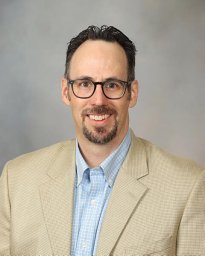 Matthew J. Maurer合作论文数Mayo Clinic69
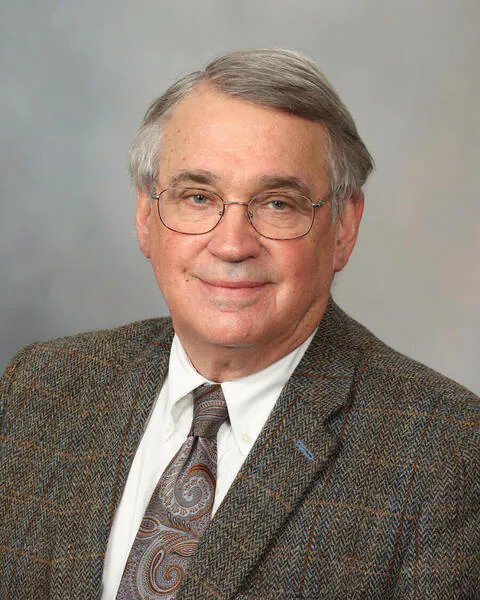 Thomas M. Habermann合作论文数Mayo Clinic Comprehensive Cancer Center;Departments of Hematology, Mayo Clinic63
 Brian K Link合作论文数Univ Iowa, Holden Comprehens Canc Ctr, Iowa City, IA 52242 USA61
 Grzegorz S. Nowakowski合作论文数Division of Hematology, Department of Internal Medicine, Mayo Clinic;Mayo Clinic Comprehensive Cancer Center53
 M. Ajmal Khan合作论文数Institute of Sustainable Halophyte Utilization, University of Karachi52Viqar Uddin Ahmad合作论文数University of Karachi45
 Carrie A. Thompson合作论文数Mayo Clinic42
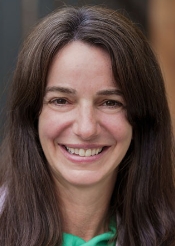 Caron A. Jacobson合作论文数Dana-Farber Cancer Institute;Harvard Medical School40
 Thomas E. Witzig合作论文数Division of Hematology, Mayo Clinic College of Medicine39Sarwar Rizwana合作论文数34
 Ogundeji Oluwole合作论文数34
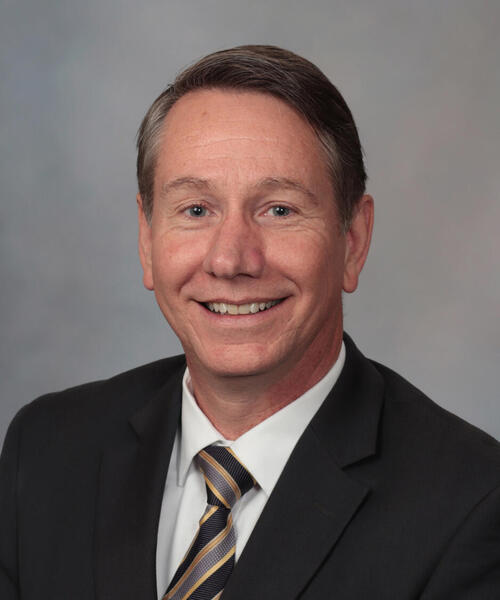 Stephen M. Ansell合作论文数Division of Hematology, Department of Internal Medicine, Mayo Clinic34
 Frederick Locke合作论文数Department of Blood and Marrow Transplant and Cellular Immunotherapy, Moffitt Cancer Center34
 Muhammad Salman合作论文数32Akram Kashif合作论文数32Afsar Khan合作论文数31Afshan Shafi合作论文数30
 David Miklos合作论文数Blood and Marrow Transplantation & Cellular Therapy Division, School of Medicine, Stanford University;Stanford Cancer Institute, School of Medicine, Stanford University30
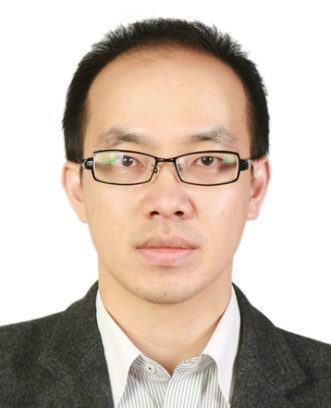 Yucai Wang (王育才)合作论文数School of Life Sciences, University of Science and Technology of China;The CAS Key Laboratory of Innate Immunity and chronic Disease30
 Abdur Rauf合作论文数Department of Chemistry, University of Swabi29Armin Ghobadi合作论文数29Sadia Naz合作论文数28Makshoof Athar合作论文数28
 Syed Majid Bukhari合作论文数Department of Chemistry, COMSATS University Islamabad Abbottabad Campus27
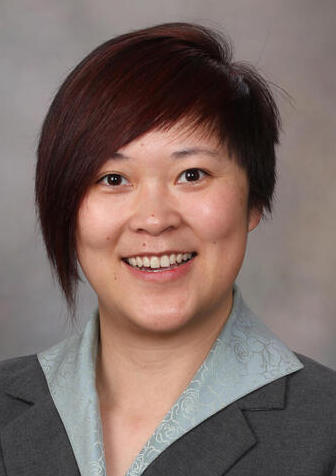 Yi Lin合作论文数Division of Hematology, Department of Internal Medicine, Mayo Clinic;Mayo Clinic Comprehensive Cancer Center26Melissa C. Larson合作论文数25
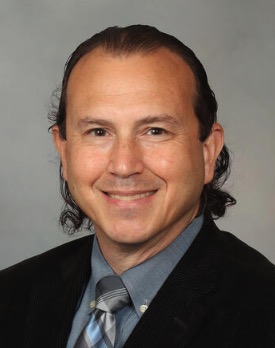 Andrew L. Feldman合作论文数Division of Hematopathology, Department of Laboratory Medicine and Pathology, Mayo Clinic;Division of Experimental Pathology and Laboratory Medicine, Department of Laboratory Medicine and Pathology, Mayo Clinic25
 Sara Khan合作论文数24
 Sergei I Syrbu合作论文数24
 David J. Inwards合作论文数Mayo Clinic23Allmer Cristine合作论文数22
 Peter Martin合作论文数Division of Hematology/Oncology, Weill Cornell Medical College21
 Marie José Kersten合作论文数Cancer Center Amsterdam, Amsterdam University Medical Center;Department of Hematology, Faculty of Medicine, Amsterdam University20
 Patrick M. Reagan合作论文数Department of Medicine, University of Rochester20
 Susan L. Slager合作论文数Department of Quantitative Health Sciences, Mayo Clinic20
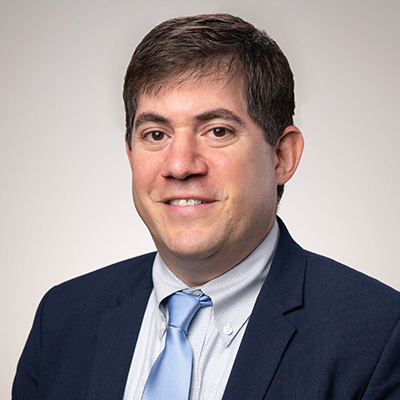 Jonathon B. Cohen合作论文数Winship Cancer Institute, Emory University;Department of Hematology and Medical Oncology, School of Medicine, Emory University19
 Izidore S. Lossos合作论文数Division of Hematology, Department of Medicine, Sylvester Comprehensive Cancer Center, University of Miami19
 Tom Van Meerten合作论文数Department of Hematology, University Medical Center Utrecht19
 Giuseppe Orlando合作论文数18Anna Sureda合作论文数18
 Lazaros Lekakis合作论文数18Munoz Javier合作论文数18
 Mott Sarah L合作论文数18Al-Shraideh Yousef合作论文数18
 Bob Stratta合作论文数Wake Forest University Baptist Medical Center;Wake Forest Institute of Regenerative Medicine, School of Medicine, Wake Forest University18
 Julie M. Vose合作论文数Division of Oncology and Hematology, Department of Internal Medicine, College of Medicine, University of Nebraska Medical Center18
 Sattva Neelapu合作论文数Graduate School of Biomedical Sciences, University of Texas MD Anderson Cancer Center;Department of Lymphoma/Myeloma, Division of Cancer Medicine, The University of Texas MD Anderson Cancer Center18
 Miguel-Angel Perales合作论文数David H. Koch Center for Cancer Care, Memorial Sloan Kettering Cancer Center;Weill Cornell Medical College18




