Following a request from the European Commission, the EFSA Panel on Additives and Products or Substances used in Animal Feed (FEEDAP) was asked to deliver a scientific opinion on the safety and efficacy of Allura Red AC for small non-food-producing mammals and ornamental birds when used as an additive that add or restore colour in feedingstuffs. The use of Allura Red AC up to the proposed conditions of use of 500 mg/kg complete feed is considered safe for guinea pig, chinchilla, degu, hamster, gerbil and chipmunk. The following maximum safe levels (mg/kg complete feed) apply to the following species: ferrets 99, rabbits 123, canaries, budgerigars, mynah and toucans 45, lovebirds 51, cockatiels 79, cockatoos 115, amazons 145, parrots 147, yellow breast macaw 150, blue-throated macaw 173 and hyacinth macaw 214. The maximum safe level of Allura Red AC for other small non-food-producing mammal is 99 mg/kg feed and for other ornamental birds is 45 mg/kg feed. Inhalation exposure of Allura Red is regarded as hazardous. In the absence of data, the Panel cannot conclude on the potential of Allura Red to be a skin/eye irritant or a skin sensitiser. The FEEDAP Panel cannot conclude on the efficacy of the additive.
The feed additive under assessment (trade name: Miya-Gold((R)) S) is based on viable spores of Clostridium butyricumFERM BP-2789. It is authorised for use in minor avian species (excluding laying birds), weaned piglets and minor weaned porcine species, chickens reared for laying, turkeys for fattening and turkeys reared for breeding. This opinion concerns the request for renewal of the authorisation of Miya-Gold((R)) S for the species/categories for which an authorisation exists, the use in chickens for fattening, for which the previous authorisation had expired, and the extension of use to suckling piglets and suckling minor porcine species. The applicant provided evidence that the additive currently in the market complies with the conditions of authorisation. There is no new evidence that would lead the Panel to reconsider previous conclusions that Miya-Gold((R)) S remains safe for the animal species/categories, the consumer and the environment under the current and previously authorised conditions of use. This conclusion applies also to the new target species for which a request of use is made. Regarding the safety for the user, the Panel concluded that the additive is not irritant to skin and eyes and that sensitisation via respiratory route cannot be excluded. There is no need for assessing the efficacy of Miya-Gold((R)) S in the context of the renewal of the authorisation in chickens reared for laying, turkeys for fattening and reared for breeding, minor avian species (excluding laying birds), weaned piglets and weaned minor porcine species. The additive has the potential to be efficacious in chickens for fattening, suckling piglets and suckling minor porcine species at the level of 2.5 x 10(8) CFU/kg complete feedingstuff. Miya-Gold((R)) S is compatible with decoquinate, diclazuril, lasalocid, maduramicin ammonium, narasin, narasin/nicarbazin, monensin sodium, robenidine, salinomycin sodium and semduramicin.
Abstract Following a request from the European Commission, the Panel on Additives and Products or substances used in Animal Feed (FEEDAP) was asked to deliver a scientific opinion on l‐tryptophan produced by fermentation with Escherichia coli CGMCC 11674 when used as a nutritional additive in feed and water for drinking for all animal species and categories. The FEEDAP Panel issued an opinion in 2019 in which they could not conclude on the safety of the additive for the target animals and for the consumer due to tryptophan‐related impurities such as 1,1′‐ethylidene‐bis‐l‐tryptophan (EBT). The applicant submitted additional data and the European Commission (EC) has requested EFSA to deliver a new opinion on the safety of the additive under assessment. The manufacturing process has been adjusted to reduce the amount of tryptophan‐related impurities and the analysis of three new batches of the additive indicated that levels of EBT and 1‐methyl‐1,2,3,4‐tetrahydro‐β‐carboline‐3‐carboxylic acid (MTCA) represent no safety concerns for the target species or for the consumer.
Abstract Following a request from the European Commission, the Panel on Additives and Products or Substances used in Animal Feed (FEEDAP) was asked to deliver a scientific opinion on the safety of ammonium formate for all animal species. In 2015, the FEEDAP Panel delivered an opinion on the safety and efficacy of ammonium formate, calcium formate and sodium formate. In that opinion, the Panel considered the unavoidable presence of formamide, as a contaminant of ammonium formate, of concern for developmental toxicity for reproduction animals and for carcinogenicity for non‐food‐producing animals. Regarding the safety for the consumer, the Panel concluded that: the use of the additive in dairy animals and laying poultry may raise concerns due to the potential exposure of consumers to formamide. In the current submission, the applicant proposed to reduce the maximum content of ammonium formate in feed to 2,000 mg formic acid equivalent/kg feed from the previously proposed 12,000 mg/kg for pigs and 10,000 mg/kg for all other animal species. Based on the calculation of the maximum safe concentration of formamide in feed, the FEEDAP Panel cannot conclude on the safety of ammonium formate in complete feed for laying hens and sows, since the calculate maximum concentration of formamide in feed (11.5 mg formamide/kg) exceed the maximum safe concentration in feed for these species (5.6 mg formamide/kg for laying hens and 9.9 mg formamide/kg for sows). Based on the results of a residue study in eggs, the use of ammonium formate in animal nutrition at a maximum content of 2,000 mg formic acid equivalent/kg complete feed would not result in concerns on the safety for the consumer.
Abstract Following a request from the European Commission, the EFSA Panel on Additives and products or Substances used in Animal Feed (FEEDAP) was asked to deliver a scientific opinion on the safety and efficacy of Lactobacillus rhamnosus CNCM I‐3698 and Lactobacillus farciminis CNCM I‐3699 when used as a silage additive in forage for all animal species. The additive is the result from the fermentation of milk‐based broth with L. rhamnosus CNCM I‐3698 and L. farciminis CNCM I‐3699. It is intended to be used in easy and moderately difficult to ensile materials at a minimum proposed application rate of 2.5 × 10⁷ and maximum 8 × 10⁷ VFU/kg complete feed for all animal species. The data provided do not allow a full characterisation of the additive, and therefore, uncertainty remains on the nature of the product in terms of viability, on the ratio between the active agents and on the shelf‐life of the additive. Both strains fulfil the requirements of the Qualified Presumption of Safety (QPS) approach to the assessment of safety and consequently, are presumed safe for the target animals, consumers of products from animals receiving the additive and the environment. The additive should be considered a respiratory sensitiser. In the absence of data, no conclusions can be drawn on the irritancy of the additive to skin and eyes or on its dermal sensitisation potential. No conclusions can be drawn on the efficacy of the additive to improve the ensiling process of easy and moderately difficult to ensile materials.
Abstract Avizyme® 1505 is based on three enzyme activities produced by three genetically modified microorganisms: xylanase, subtilisin and amylase produced by Trichoderma reesei, Bacillus subtilis and Bacillus amyloliquefaciens, respectively. It is authorised for use in chickens and turkeys for fattening, ducks and laying hens. This scientific opinion concerns the request for the renewal of the authorisation of the additive for the species/categories for which there is an authorisation, a reduction of the minimum recommended level in turkeys for fattening and the extension of use to all avian species for laying, for fattening, reared for breeding and reared for laying (except for ducks). Based on recent data, uncertainty remains in the characterisation of the production strains and the possible presence in the final product of viable production strains and their DNA. Therefore, the EFSA Panel on Additives and products or Substances used in Animal Feed (FEEDAP) could not confirm the conclusions previously drawn regarding the safety of Avizyme® 1505 for the target species, consumers, users and environment. This conclusion applies also to the new target species for which a request for an extension of use is made. There was no need for assessing the efficacy of the additive in the context of the renewal of the authorisation for chickens for fattening, ducks and laying hens. The efficacy data previously evaluated allowed the Panel to conclude that the additive has the potential to be efficacious at 187.5 U xylanase, 2,500 U subtilisin and 250 U amylase/kg complete feed for all avian species for fattening (including turkeys), reared for breeding and reared for laying and 300 U xylanase, 4,000 U subtilisin and 400 U amylase/kg complete feed in all avian species for laying.
Abstract Following a request from the European Commission, the Panel on Additives and Products or Substances used in Animal Feed (FEEDAP) was asked to deliver a scientific opinion on l‐lysine monohydrochloride produced by fermentation with the genetically modified strain of Corynebacterium glutamicum DSM 32932. Neither the production strain nor its recombinant DNA were detected in the final product. The additive does not pose any safety concern associated with the genetic modification of the production strain. l‐Lysine HCl produced by C. glutamicum DSM 32932 is considered safe for the target species, for the consumer and for the environment. l‐Lysine HCl produced by C. glutamicum DSM 32932 is not toxic by inhalation; it is not irritant to skin and not a skin sensitiser. The additive is not corrosive to eyes but it should be considered as an eye irritant. In general, l‐lysine HCl is considered as an efficacious source of the essential amino acid l‐lysine for non‐ruminant animal species. For the supplemental l‐lysine to be as efficacious in ruminants as in non‐ruminant species, it would require protection against degradation in the rumen.
Following a request from the European Commission, the Panel on Additives and Products or Substances used in Animal Feed (FEEDAP) was asked to deliver a scientific opinion on the safety and efficacy Nimicoat (R) (carvacrol), as a zootechnical additive for weaned piglets. The additive is composed by carvacrol (>= 40%) as an active substance encapsulated with high-melting lipids. Nimicoat (R) is intended to be used in feed for weaned piglets at a minimum recommended dose of 250 mg/kg complete feed and at a maximum recommended dose of 1,000 mg/kg complete feed corresponding to a minimum and maximum of 100 and 400 mg carvacrol/kg complete feed, respectively. Based on a tolerance study, the FEEDAP Panel concluded that the use of Nimicoat (R) in feed for weaned piglet at the maximum recommended dose of 1,000 mg/kg feed is safe for the target animal; however, a precise figure for the margin of safety cannot be defined. Nimicoat (R) used in feed for weaned piglets at the maximum recommended concentration does not pose a safety concern for consumers. The additive is corrosive to eyes, skin and the respiratory mucosae. Concerning safety for the environment a Phase II was required; taking into consideration the data provided, the FEEDAP Panel concluded that the additive does not pose any risk to the terrestrial and aquatic compartments and that bioaccumulation potential for carvacrol is low and risk for secondary poisoning for worm/fish eating birds and mammals is not likely to occur. Only one study positively supporting efficacy of the additive was available; therefore, the FEEDAP Panel is not in a position to conclude on the efficacy of Nimicoat (R). (C) 2020 European Food Safety Authority. EFSA Journal published by John Wiley and Sons Ltd on behalf of European Food Safety Authority.
Abstract Following a request from the European Commission, the Panel on Additives and Products or Substances used in Animal Feed (FEEDAP) was asked to deliver a scientific opinion on the safety and efficacy of saponified paprika extract, containing capsanthin as main carotenoid source, for poultry for fattening and laying (except turkeys). The saponified paprika (Capsicum annuum) extract contains various carotenoids at a concentration of 25–90 g/kg of which capsanthin being the major one with quantity specified as > 35% of total carotenoids (TC). The maximum recommended use level of 40 mg TC/kg feed is safe for chickens for fattening and laying hens. The margin of safety is at least 6. This conclusion is extrapolated to minor poultry species for fattening and laying. The saponified paprika extract is not genotoxic. Based on the no observed effect level (NOEL) of the 90‐day study in rat and the exposure estimates, the Panel considered that there would be an adequate margin of exposure (between 700 and 2000) to conclude that the level of exposure to residues of the saponified paprika (C. annuum) extract (capsanthin not less than 35% of TCs) in animal tissues and products does not raise concern for the safety for the consumer. The saponified paprika extract is a viscous paste and as such users will not be exposed by inhalation. The applicant recognises that the extract may be irritant to skin and eyes. The FEEDAP Panel cannot conclude on the potential of any preparation to be toxic by inhalation, skin/eye irritant or skin sensitiser since no data were submitted. The use of saponified paprika extract in poultry feed raised no concern for the environment. Saponified paprika extract has the potential to pigment broiler skin and egg yolk. This conclusion is extrapolated to minor poultry species for fattening and laying.
Abstract Following a request from the European Commission, the Panel on Additives and Products or Substances used in Animal Feed (FEEDAP) was asked to deliver a scientific opinion on the safety and efficacy of l‐valine (≥ 98.0%) produced by fermentation using a genetically modified strain of Escherichia coli (KCCM 80159). It is intended to be used in feed for all animal species and categories. Species identity of the production organism E. coli KCCM 80159 was confirmed; the strain was sensitive to antibiotics at concentrations below or equal to thresholds specified by EFSA; and no viable cells or its recombinant DNA were detected in the final product. Therefore, the final product does not give raise to any safety concern with regard to the genetic modification of the production strain. The FEEDAP Panel concludes that l‐valine produced by E. coli KCCM 80159 is safe for the target species when supplemented in appropriate amounts to the diet according to the nutritional needs of the target species, for the consumer, for the users and for the environment. The product l‐valine produced by fermentation using E. coli KCCM 80159 is regarded as an efficacious source of the essential amino acid l‐valine for non‐ruminant nutrition. For the supplemental l‐valine to be as efficacious in ruminants as in non‐ruminant species, it requires protection against degradation in the rumen.
Abstract Following a request from the European Commission, the Panel on Additives and Products or Substances used in Animal Feed (FEEDAP) was asked to deliver a scientific opinion on the safety and efficacy of Avatec® 150G (lasalocid A sodium) for chickens for fattening and chickens reared for laying. In 2017, the FEEDAP Panel was not able to conclude on a safe dose for chickens for fattening and chickens reared for laying and no conclusion could be drawn on the anticoccidial efficacy of the additive at the lowest proposed used level (75 mg lasalocid A sodium/kg feed) in these species. In the present assessment, the applicant submitted new tolerance and efficacy studies in chickens for fattening to address the concerns identified by the FEEDAP Panel in its former opinion. In addition, the applicant proposed to decrease the maximum of the dose range from 125 to 100 mg lasalocid A sodium/kg complete feed. Based on the additional information, the FEEDAP Panel concludes that no safe level of lasalocid A sodium from Avatec® 150G in feed for chickens for fattening can be identified. The FEEDAP Panel is not in the position to conclude on the coccidiostatic efficacy of Avatec® 150G for chickens for fattening at the lowest proposed dose level of 75 mg lasalocid A sodium/kg complete feed due to the insufficient number of studies with positive results. The conclusions are extended to chickens reared for laying.
Following a request from the European Commission, the Panel on Additives and Products or Substances used in Animal Feed (FEEDAP) was asked to deliver a scientific opinion on the assessment of the application for renewal of authorisation of Pediococcus pentosaceus DSM 16244 as a technological additive for all animal species. The applicant has provided evidence that the additive currently in the market complies with the existing conditions of authorisation. There was no new evidence that would lead the FEEDAP Panel to reconsider its previous conclusions. Thus, the Panel concluded that the additive remains safe for all animal species, consumer and the environment under the authorised conditions of use. The additive was not irritant to skin and eyes but considered a skin and respiratory sensitiser. The present application for renewal of the authorisation did not include a proposal for amending or supplementing the conditions of the original authorisation that would have an impact on the efficacy of the additive. Therefore, there was no need for assessing the efficacy of the additive in the context of the renewal of the authorisation.
Abstract Following a request from the European Commission, the Panel on Additives and Products or Substances used in Animal Feed (FEEDAP) was asked to deliver a scientific opinion on methyl cellulose as a feed additive for all animal species. Methyl cellulose is intended for use as a technological additive (functional groups: emulsifier, stabiliser, thickener, gelling agent and binder) in premixtures and feedingstuffs for all animal species with no minimum and maximum content. A proper identification and characterisation of methyl cellulose as required for a feed additive is not available and the occurrence of potential toxic impurities cannot be assessed. The following conclusions apply only to methyl cellulose meeting the food additive specifications. The FEEDAP Panel concluded that methyl cellulose is considered safe for all animal species. The use of methyl cellulose in animal nutrition is of no concern for consumer safety. In the absence of data, the FEEDAP Panel was not in the position to conclude on the safety of methyl cellulose for the user. The use of methyl cellulose as a feed additive is considered safe for the environment. The additive is considered to be efficacious in feedingstuffs for all animal species.
Following a request from the European Commission, the EFSA Panel on Additives and Products or Substances used in Animal Feed (FEEDAP) was asked to deliver a scientific opinion on the safety and efficacy of 4-phenylbut-3-en-2-one [07.024] and benzophenone [07.032] belonging to chemical group 21, when used as feed flavourings for all animal species. They are currently authorised for use as flavours in food. The use of 4-phenyl-3-butene-2-one [07.024] is safe at the proposed normal use levels of 1 mg/kg complete feed for all animal species. Benzophenone [07.032] is safe at the proposed normal use levels of 1 mg/kg complete feed for all animal species except chicken for fattening, laying hens and piglets, for which the calculated safe concentration in feed is 0.5 mg/kg. No safety concern would arise for the consumer from the use of 4-phenyl-3-butene-2-one [07.024] and benzophenone [07.032] as feed flavourings. In the absence of studies to assess the safety for the user, the FEEDAP Panel cannot conclude on the safety for users when handling the additives. The use of 4-phenyl-3-butene-2-one [07.024] and benzophenone [07.032] in animal feed at the maximum safe use level in feed is also considered safe for the environment. Since the compounds under assessment are used in food as flavourings and their function in feed is essentially the same as that in food, no further demonstration of efficacy is necessary. (C) 2020 European Food Safety Authority. EFSA Journal published by John Wiley and Sons Ltd on behalf of European Food Safety Authority.
Abstract Following a request from the European Commission, the Panel on Additives and Products or Substances used in Animal Feed (FEEDAP) was asked to deliver a scientific opinion on the safety and efficacy of l‐cysteine monohydrochloride monohydrate produced by fermentation using two non‐genetically modified strains of Escherichia coli K12 (E. coli KCCM 80109 and E. coli KCCM 80197) as a flavouring additive for all animal species. No safety concerns are derived from the use of these strains as production strains of the additive. The FEEDAP Panel concludes that the use of l‐cysteine hydrochloride monohydrate produced by E. coli KCCM 80109 and KCCM 80197 at concentrations up to 25 mg/kg complete feed is safe for the target species, for the consumer and for the environment. The product is proposed to be classified as respiratory irritant; however, exposure by inhalation is unlikely. Based on the results of the studies provided, it should be classified as skin irritant and that it causes serious eye damage. l‐Cysteine hydrochloride monohydrate is not a dermal sensitiser. Since l‐cysteine hydrochloride monohydrate is used in food as flavourings, it is to be expected that it can provide a similar function in feed and no further demonstration of efficacy is necessary when used at concentrations up to 25 mg/kg complete feed and the corresponding concentration in water.
Abstract Following a request from the European Commission, the Panel on Additives and Products or Substances used in Animal Feed (FEEDAP) was asked to deliver a scientific opinion on l‐tryptophan produced by fermentation with a non‐genetically modified strain of Escherichia coli KCCM 10534 when used as a nutritional additive in feed and water for drinking for all animal species and categories. The production strain E. coli KCCM 10534 is safe for the production of l‐tryptophan and it was not detected in the final product. The use of l‐tryptophan produced using E. coli KCCM 10534 in supplementing feed to compensate for tryptophan deficiency in feedingstuffs is safe for non‐ruminant target species. There may be a risk for an increased production of toxic metabolites when unprotected tryptophan is used in ruminants. The FEEDAP Panel has concerns on the safety of the simultaneous oral administration of l‐tryptophan via water for drinking and feed due to possible amino acid imbalances. The use of l‐Tryptophan produced by E. coli KCCM 10534 in animal nutrition raises no safety concerns to consumers of animal products and to the environment. The additive under assessment is considered not toxic by inhalation, it is not a skin or eye irritant and is not a skin sensitiser. The endotoxin activity of the additive and its dusting potential indicate a risk by inhalation for the users. The product l‐tryptophan is regarded as an effective source of the amino acid l‐tryptophan for all non‐ruminant species. In order to be as efficacious in ruminants as in non‐ruminants, it should be protected from ruminal degradation.
Following a request from the European Commission, the Panel on Additives and Products or Substances used in Animal Feed (FEEDAP) was asked to deliver a scientific opinion on the safety and efficacy of 3-phytase FLF1000 and FSF10000 as a feed additive for turkeys for fattening or reared for breeding, pigs for fattening and minor porcine species for growing. This additive contains 3-phytase produced by a genetically modified strain of Komagataella phaffii and it is authorised in the EU as a feed additive for feed for chickens for fattening, laying hens, chickens reared for laying and for minor poultry species for fattening or reared for laying/breeding. The applicant requested the extension of use of the additive (both forms) to turkeys for fattening or reared for breeding purposes, and the assessment of the solid formulation to be used in pigs for fattening and minor porcine species for growing. The FEEDAP Panel concluded based on previously evaluated data that the additive, in either form, is safe for turkeys for fattening or reared for breeding at the maximum recommended level of 1,000 FTU/kg feed. However, due to lack of data the Panel could not conclude on the safety for pigs for fattening or minor growing porcine species. The FEEDAP Panel concludes that the use of the additive under the proposed conditions of use is safe for the consumer and the environment. Both forms of the additive are not irritant to eyes and skin but should be considered a potential respiratory sensitiser. The liquid formulation is not a dermal sensitiser but the solid formulation is. The Panel also considered based on previously evaluated data that the additive has a potential to be efficacious as a zootechnical additive in turkeys for fattening and reared for breeding and in pigs for fattening and minor growing porcine species at 500 FTU/kg feed. (C) 2020 European Food Safety Authority. EFSA Journal published by John Wiley and Sons Ltd on behalf of European Food Safety Authority.
Abstract Following a request from the European Commission, the Panel on Additives and Products or Substances used in Animal Feed was asked to deliver a scientific opinion on the safety and efficacy of Lactobacillus parafarraginis DSM 32962 when used as a technological additive intended to improve the production of silage at a proposed application rate of 1 × 10⁸ colony forming units (CFU)/kg fresh material. The bacterial species L. parafarraginis is considered by EFSA to be suitable for the qualified presumption of safety approach to safety assessment. As the identity of the strain has been clearly established and no acquired antimicrobial resistance determinants of concern were detected, the use of the strain as a silage additive is considered safe for livestock species, for consumers of products from animals fed the treated silage and for the environment. The additive is not an eye or dermal irritant but should be considered a potential respiratory sensitiser. No conclusions can be drawn on the skin sensitisation potential of the additive. Three studies with laboratory‐scale silos were made using samples of easy and moderately difficult to ensile forage. In each case, replicate silos containing untreated forage were compared with identical silos containing the same forage to which Lactobacillus parafarraginis DSM 32962 was added to reach an intended concentration of 1 × 10⁸ CFU/kg fresh matter. The results showed that the addition of the additive improves significantly the aerobic stability of the silage tested.
Abstract Following a request from the European Commission, the Panel on Additives and Products or Substances used in Animal Feed (FEEDAP) was asked to deliver a scientific opinion on the safety and efficacy of a dried aqueous ethanol extract of Melissa officinalis L. leaves when used as a sensory feed additive for all animal species. The aqueous ethanol extract is specified to contain ≥ 10% of hydroxycinnamic acid derivatives including ≥ 3% of rosmarinic acid. Considering the contradictory data from the Ames tests and uncertainty about the qualitative and quantitative presence of flavonoids and other compounds in the extract from M. officinalis L. leaves, the FEEDAP Panel could not conclude on the genotoxicity of the additive under assessment. Although the identified components of the extract do not raise concerns for the safety of target species, the analysis of the extract is incomplete. In the absence of adequate analytical and safety data, the FEEDAP Panel is unable to conclude on the safety of the additive for the target species. The use of M. officinalis L. leaf dried extract in animal feed at the proposed use level does not raise significantly the exposure levels of the consumer for compounds derived from this plant. However, in the absence of adequate data on genotoxicity, the Panel cannot conclude on the safety for the consumer. In the absence of specific studies, the FEEDAP Panel cannot conclude on the safety of the additive for the user. M. officinalis L. is a native species to Europe and its use in animal nutrition is not expected to pose a risk for the environment. Since M. officinalis L. and its extracts are recognised to flavour food and its function in feed would be essentially the same as that in food, no further demonstration of efficacy is considered necessary for the extract.
Abstract Following a request from the European Commission, the Panel on Additives and Products or Substances used in Animal Feed (FEEDAP) was asked to deliver a scientific opinion on the safety and efficacy of Natugrain® TS/TS L. The additive is a preparation of endo‐1,4‐beta‐xylanase and endo‐1,4‐beta‐glucanase produced by two genetically modified strains of Aspergillus niger, and it is authorised for use in piglets (weaned) and pigs for fattening, poultry species and ornamental birds. The applicant requested the extension of use of the additive to sows at 560 TXU and 250 TGU/kg feed. The FEEDAP Panel concluded that there are no concerns for consumer safety and no risks for the environment are expected from the use of the additive in sows. The additive should be considered a potential respiratory sensitiser for the users. Considering the results from a subchronic oral toxicity study and the tolerance study in lactating sows, the Panel concluded that the additive is safe for sows at the recommended dose. The data submitted to support the efficacy for sows allowed the Panel to conclude that the additive is efficacious in lactating sows, data on gestating sows were not given, and therefore, the Panel could not conclude on the efficacy of the additive in that physiological stage.
 Birgit Dusemund合作论文数190
 Henrik Christensen合作论文数Department of Veterinary and Animal Sciences, Faculty of Health and Medical Sciences, University of Copenhagen190
 Secundino Lopez Puente合作论文数Departamento de Produccion Animal, Facultad de Veterinaria, Universidad de Leon190
 Francesca Marcon合作论文数188
 Marta Lopez-Alonso合作论文数188Roberto Edoardo Villa合作论文数188
 Fernando Ramos合作论文数Fac Pharm, Univ Coimbra188
 Alena Pechova合作论文数188
 Baltasar Mayo合作论文数Instituto de Productos Lácteos de Asturias (CSIC), Carretera de Infiesto s/n, 33300 Villaviciosa, Asturias, Spain188
 Bampidis Vasileios合作论文数Department of Agriculture, Division of Animal Science, School of Geotechnical Sciences, International Hellenic University188
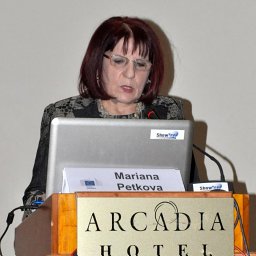 Mariana Petkova合作论文数Dept Microbiol & Environm Biotechnol, Agr Univ187
 Giovanna Azimonti合作论文数186Ruud Woutersen合作论文数178Maryline Kouba合作论文数Departement Productions Animales, Agroalimentaire, Nutrition, Agrocampus Ouest159Yolanda Sanz合作论文数153
 Maria De Lourdes Bastos合作论文数Faculdade de Farmácia, Universidade do Porto;Applied Molecular Biosciences Unit, UCIBIO152Montserrat Anguita合作论文数82Jordi Tarrés-Call合作论文数69Jaume Galobart合作论文数67
 Paola Manini合作论文数Complesso Universitario Monte S. Angelo, University of Naples ‘Federico II’58
 Maria Saarela合作论文数57Boet Glandorf合作论文数55
 Lieve Herman合作论文数Instituut voor Landbouw-, Visserij-en Voedingsonderzoek51Orsolya Holczknecht合作论文数48Elisa Pettenati合作论文数46Fabiola Pizzo合作论文数42
 Pier Sandro Cocconcelli合作论文数Istituto di Microbiologia, Università Cattolica del Sacro Cuore42Rosella Brozzi合作论文数40Noël Dierick合作论文数40
 Gloria Lopez Galvez合作论文数39Jürgen Gropp合作论文数39Lucilla Gregoretti合作论文数35Maria Vittoria Vettori合作论文数34Andrew Chesson合作论文数32
 M. Yolanda Sanz Herranz (Y. Sanz)合作论文数Institute of Agrochemistry and Food Technology, National Research Council32Miguel Prieto合作论文数SERIDA (Servicio Regional de Investigación y Desarrollo Agroalimentario), Laboratorio de Sanidad Animal Jove 33299 Gijón Asturias Spain31Matteo Lorenzo Innocenti合作论文数29Paul Brantom合作论文数29Gabriele Aquilina合作论文数29
 Gerhard Flachowsky合作论文数Institute of Animal Nutrition, Federal Agricultural Research Centre27Guido Rychen合作论文数25
 Robert Wallace合作论文数School of Medicine, Medical Sciences and Nutrition, University of Aberdeen;Microbiology Department, The Rowett Institute, University of Aberdeen25Georges Bories合作论文数25
 Lucio G Costa合作论文数Department of Environmental and Occupational Health Sciences, University of Washington;University of Parma Medical School22Konstantinos Sofianidis合作论文数20Johannes Westendorf合作论文数15
 Carlo Nebbia合作论文数Sezione di Farmacologia e Tossicologia Italy, Università di Torino15
 Alberto Mantovani合作论文数Istituto Clinico Humanitas, Humanitas University;William Harvey Research Institute, Queen Mary University14




