Following a request from the European Commission, EFSA was asked to deliver a scientific opinion on the safety and efficacy of lasalocid A sodium (Avatec® 150G) as a coccidiostat for turkeys, pheasants, guinea fowl, quails and partridges. The additive currently on the market complies with the existing conditions of authorisation. The FEEDAP Panel was not in a position to conclude on the safety of the additive for the target species. The use of lasalocid A sodium at the highest proposed level of 125 mg/kg complete feed for turkeys up to 16 weeks of life and in growing pheasants, partridges, quails and guinea fowl remains safe for the consumer under the current conditions of the authorisation. The proposed reduction of the withdrawal time to 3 days is considered safe for the consumer. The existing maximum residue levels (MRLs) for poultry tissues ensure consumer safety. The additive is irritant to the skin and eye and the respiratory tract, but it is not a dermal sensitiser. Exposure of the users by any route is considered a risk. The use of the additive at the proposed conditions of use does not pose a risk for the terrestrial and aquatic compartments nor to sediment. No concern for groundwater is expected. The additive is unlikely to bioaccumulate and the risk for secondary poisoning is considered low. Lasalocid A sodium from Avatec® 150G has the potential to control coccidiosis in turkeys for fattening, turkeys reared for reproduction and pheasants at the minimum use level of 75 mg/kg complete feed. The data provided do not allow the Panel to conclude on the coccidiostatic effect of the additive in guinea fowl, quails and partridges.
Abstract Following a request from the European Commission, EFSA was asked to deliver a scientific opinion on the safety and efficacy of a feed additive consisting of nicarbazin (NICACOX®) as a coccidiostat for chickens for fattening and chickens reared for laying. The FEEDAP Panel concluded that NICACOX® is safe for chickens for fattening and chickens reared for laying when used at concentrations up to 80 mg nicarbazin/kg complete feed during the first 21 days of life. The use of the additive under the proposed conditions (maximum use level of 80 mg/kg complete feed for 21 days) is considered safe for the consumer, provided that a withdrawal period of 5 days is ensured. Nicarbazin is not a skin nor eye irritant and is not a dermal sensitiser. In the absence of specific data on the final additive, the FEEDAP Panel cannot conclude on the safety of NICACOX® for the users. The use of nicarbazin (DNC and HDP) from NICACOX® in complete feed for chickens for fattening does not pose a risk for the terrestrial and aquatic compartments nor to sediment under the proposed condition of use. No concern for groundwater is expected, and no risk of secondary poisoning is identified. Nicarbazin from NICACOX®, given at a level of 75 mg/kg complete feed for the first 21 days of life is effective in preventing coccidiosis of chickens for fattening and chickens reared for laying in the corresponding time period.
Following a request from the European Commission, EFSA was asked to deliver a scientific opinion on the safety and efficacy of coated granulated calcium iodate anhydrous as nutritional feed additive for all animal species. The additive is already authorised for use with all animal species. The applicant has provided evidence that the additive under assessment complies with the conditions of the authorisation. In addition, a modification in the manufacturing process (i.e. addition of 0.2% sepiolite) is proposed. The Panel on Additives and Products or Substances used in Animal Feed (FEEDAP Panel) confirms that the calcium iodate component of the additive remains safe for the target species under the approved conditions. However, due to the absence of adequate data on some of the coating agents used in the manufacture of the additive, the Panel cannot conclude on the safety of coated granulated calcium iodate anhydrous for the target species and the environment. Due to the lack of adequate iodine deposition data and information on the safety of some of the coating agents listed by the applicant, the FEEDAP Panel cannot conclude on the safety for the consumer. With regard to the safety for the users, the additive is not considered irritant to skin or eyes; however, it should be considered as a skin and respiratory sensitiser. Exposure of users by any route is considered a risk and should be minimised. The FEEDAP Panel concludes that the additive is an efficacious source of iodine in feed for all animal species.
Abstract Following a request from the European Commission, EFSA was asked to deliver a scientific opinion on the safety and efficacy of l‐leucine produced with a genetically modified strain of Corynebacterium glutamicum (KCCM 80421) when used as nutritional (amino acid) and/or sensory (flavouring compound) feed additive in feed and water for drinking for all animal species and categories. The l‐leucine manufactured by fermentation with C. glutamicum KCCM 80421 did not give rise to any safety concern regarding the genetic modifications of the production strain. No viable cells nor DNA of the production strain were detected in the final product. The use of l‐leucine produced with C. glutamicum KCCM 80421 in feed was considered safe for the target species when used as amino acid to supplement in appropriate amounts the diet, according to the nutritional needs of the target species; or when used as a flavouring compound. The FEEDAP Panel had concerns on the use of l‐leucine in water for drinking. The use of l‐leucine produced by fermentation with C. glutamicum KCCM 80421 in animal nutrition as amino acid or a flavouring compound was considered safe for the consumers of products from animals receiving the additive and for the environment. Regarding the user safety, the additive was not considered irritant to skin or eyes and was not considered a potential skin sensitiser. The additive was regarded as an effective source of the amino acid l‐leucine for all non‐ruminant species. To be as efficacious in ruminants as in non‐ruminants, it should be protected from ruminal degradation. l‐Leucine was considered efficacious when used as a flavouring compound in animal nutrition.
Following a request from the European Commission, EFSA was asked to deliver a scientific opinion on the safety and efficacy of coated granulated cobalt(II) carbonate as nutritional feed additive for ruminants with functional rumen, equidae, lagomorphs, rodents, herbivore reptiles and zoo mammals. The additive is already authorised for use for these animal species. The applicant has provided evidence that, in essence, the additives under assessment comply with the conditions of the authorisation. In addition, a modification in the manufacturing process (i.e. addition of 0.2% sepiolite) is proposed. The Panel on Additives and Products or Substances used in Animal Feed (FEEDAP Panel) confirms that the cobalt component from the additive (cobalt(II) carbonate) remains safe for the target species and the environment. However, due to the absence of adequate data on some of the coating agents used in the manufacture of the additive, the Panel cannot conclude on the safety of coated granulated cobalt(II) carbonate for the target species and the environment. Due to the lack of adequate cobalt deposition data and information on the safety of some of the coating agents listed by the applicant, the FEEDAP Panel cannot conclude on the safety for the consumer. With regards to the safety for the users, the additive should be considered as irritant to the skin and eyes and a dermal and respiratory sensitiser. Any exposure is considered a risk and should be minimised. The FEEDAP Panel concludes that the additive is an efficacious source of cobalt in feeds for ruminants with functional rumen, equidae, lagomorphs, rodents, herbivore reptiles and zoo mammals.
Abstract Following a request from the European Commission, EFSA was asked to deliver a scientific opinion on the assessment of the follow‐up application for re‐evaluation of locust bean gum as a technological additive for cats, dogs, pigs and poultry. In the previous opinion, the FEEDAP Panel could not conclude on the safety for the target species, for the user and on its efficacy as an emulsifier. In the current assessment, the FEEDAP Panel concludes that locust bean gum is considered safe for cats at 20,000 mg/kg complete feed, dogs at 1320 mg/kg complete feed, pigs at 500–729 mg/kg complete feed and poultry at 278–415 mg/kg complete feed. Regarding user safety, the additive is considered irritant to skin and eyes and is considered a potential skin and respiratory sensitiser. The Panel concludes that the additive alone or in combination with other hydrocolloids may have the potential to act as a gelling agent, thickener and stabiliser, in matrices with high moisture content. However, it cannot conclude on its efficacy, alone or in combination with other hydrocolloids, in complex feed matrices typical of the pet food industry or in feeds with low moisture content.
Following a request from the European Commission, EFSA was asked to deliver a scientific opinion on the renewal of montmorillonite-illite mixed layer clay mineral as a technological feed additive for all animal species. The applicant has provided evidence that the additive currently on the market complies with the existing conditions of authorisation. The FEEDAP Panel cannot conclude whether the additive montmorillonite-illite mixed layer clay mineral remains safe for the target species under the current conditions of the authorisation. The Panel also concludes that the use of the additive in animal nutrition remains safe for the consumer and for the environment under the current conditions of the authorisation. The additive should be considered as a skin and respiratory sensitiser. In absence of data, the FEEDAP Panel is not in the position to conclude on the eye irritation of the additive. Exposure of users by any route is considered a risk and should be minimised. There is no need for assessing the efficacy of the additive in the context of the renewal of the authorisation.
Following a request from the European Commission, the Panel on Additives and Products or Substances used in Animal Feed (FEEDAP) of EFSA was asked to deliver a scientific opinion on the safety and efficacy of riboflavin 80% (vitamin B2) produced by Saccharomyces cerevisiae ATCC SD-8628 as a nutritional feed additive for all animal species. The additive is produced by a genetically modified production strain. The production strain harbours genes of concern coding for resistance to antimicrobials. However, viable cells and DNA of the production strain were not detected in the final product. Therefore, the use of S. cerevisiae ATCC SD-8628 to produce vitamin B2 does not raise safety concerns. The use of riboflavin 80% produced by S. cerevisiae ATCC SD-8628 in animal nutrition does not represent a safety concern for the target species, consumers and for the environment. Based on the information present in the safety data sheet, the additive should be considered an irritant to skin, eyes and respiratory tract. Exposure by any route is considered a risk. The additive under assessment is effective in covering the animals' requirements of vitamin B2 when administered via feed.
Following a request from the European Commission, EFSA was asked to deliver a scientific opinion on the safety and efficacy of copper lysinate sulfate as nutritional feed additive for all animal species. The additive has not yet been authorised in the EU. The FEEDAP Panel concluded that the additive copper lysinate sulfate is safe for all animal species and categories at the respective maximum authorised total copper levels in feed. In the absence of reliable deposition data, the FEEDAP Panel could not conclude on the safety of the additive for the consumer. In the absence of data, the FEEDAP Panel could not conclude on the eye irritation potential of the additive. The Panel concluded that the additive is not a skin irritant and thus it should be considered a skin and respiratory sensitiser; inhalation and dermal exposure are considered a risk. The FEEDAP Panel concluded that the use of the additive under the proposed conditions of use is safe for the environment. The Panel was not in the position to conclude on the efficacy of the additive at the maximum authorised inclusion level.
Abstract Following a request from the European Commission, EFSA was asked to deliver a scientific opinion on the safety and efficacy of difructose anhydride III as a zootechnical feed additive (functional group: physiological condition stabilisers) for neonatal and female adult bovines, caprines and ovines. Based on tolerance studies in calves and periparturient cows, the Panel on Additives and Products or Substances used in Animal Feed concluded that the additive is considered safe for the target species within the scope of application. The use of difructose anhydride III in animal nutrition is not of concern for consumer or environmental safety under the proposed conditions of use. The additive is not an eye or skin irritant. Due to the lack of data, the Panel could not conclude on the dermal sensitisation of the additive. The Panel concluded that the additive has the potential to act as a zootechnical additive to increase the serum concentration of IgG in calves when supplemented at 54 g/calf (colostrum) on day 1 and 36 g/calf (milk replacer) from days 2 to 7, and in other neonatal bovines, caprines and ovines when used up to 7 days at similar levels. The Panel noted that these levels exceed those specified in the conditions of use and are not supported by the safety data. No conclusion could be reached on the efficacy of the additive on the serum Ca and Mg concentration or milk production when used in feed for adult female bovines, caprines and ovines.
Following a request from the European Commission, EFSA was asked to deliver a scientific opinion on the feed additive consisting of benzoic acid, thymol, eugenol and piperine (CRINA® Poultry Plus) for chickens for fattening, chickens reared for laying and minor poultry species for fattening and reared for laying for the renewal of its authorisation and its extension of use for all poultry species for fattening and reared for reproduction. The additive is already authorised for use in chickens for fattening, chickens reared for laying and minor poultry species for fattening and reared for laying. The FEEDAP Panel concludes that the additive remains safe for the target species, consumers and the environment, and that the changes in the authorising specifications and the extension of use to chickens reared for breeding, minor poultry species reared for breeding, turkeys for fattening and turkeys reared for breeding would not affect these conclusions. Regarding user safety, the additive should be considered irritant to skin, eyes and respiratory tract and a skin and respiratory sensitiser. Exposure by any route is considered a risk. There is no need for assessing the efficacy of the additive in the context of the renewal of the authorisation for chickens for fattening, chickens reared for laying and minor poultry species for fattening and reared for laying. The Panel concludes that the additive is efficacious in all poultry species for fattening or reared for laying/reproduction at 300 mg/kg complete feed.
Following a request from the European Commission, EFSA was asked to deliver a scientific opinion on the assessment of the application for renewal of authorisation of betaine anhydrous (3a920) as a feed additive for all animal species. In the context of the renewal application, the applicant requested a change of the authorised specifications for purity of the liquid form of betaine anhydrous from 47% to 38%. The applicant has provided data demonstrating that the additive currently in the market complies with the conditions of authorisation or with the newly proposed specifications. No new evidence that would lead the EFSA Panel on Additives and Products or Substances used in Animal Feed (FEEDAP) to reconsider its previous conclusions is available. Thus, the FEEDAP Panel concludes that the additive remains safe for the target species, consumers and the environment. Due to the lack of data, the FEEDAP Panel cannot conclude on the safety for the user of the additive. There is no need to assess the efficacy of the additive in the context of the renewal of the authorisation.
Following a request from the European Commission, EFSA was asked to deliver a scientific opinion on the safety and efficacy of phenylcapsaicin (aXiphen®) as a zootechnical additive (functional group: physiological condition stabilisers) in feed for chickens for fattening. The additive under assessment, phenylcapsaicin, is safe for chickens for fattening up to the maximum proposed use level of 15 mg/kg complete feed. A margin of safety could not be established. Phenylcapsaicin is not genotoxic. The reference point for phenylcapsaicin derived from a 90-day repeated dose oral toxicity study in rats is 37.2 mg/kg body weight (bw) per day, the lowest of the model averaged BMDL20 values for alanine aminotransferase increase in plasma. The metabolic similarity in the laboratory animals and the target species was not demonstrated and the identity of the marker residue could not be established. In the absence of such data, the safety for the consumers could not be evaluated. The inhalation exposure of phenylcapsaicin (as liquid) for the user was considered unlikely. The FEEDAP Panel considered the additive irritant to the eyes but not to the skin and it is not a dermal sensitiser. In the absence of appropriate data, the environmental risk assessment for phenylcapsaicin could not be performed. It is unlikely that phenylcapsaicin bioaccumulates in the environment and the risk of secondary poisoning is considered low. The FEEDAP Panel could not conclude on the efficacy of the additive in chickens for fattening at the proposed conditions of use.
Following a request from the European Commission, EFSA was asked to deliver a scientific opinion on the safety and efficacy of molybdenum in form of a chelate with EDTA as a nutritional feed additive for honeybees and bumblebees. The FEEDAP Panel concludes that additive MoNa is safe for honeybees and bumblebees at the maximum recommended use level of 8 mg/hive per feeding, according to the conditions of use. The use of the additive in animal nutrition is safe for the consumer and the environment. The additive should be considered a skin and respiratory sensitiser. Inhalation and dermal exposure are considered a risk and should be minimised. The additive is not irritant to skin nor to eyes. The FEEDAP Panel cannot conclude on the efficacy of the additive MoNa as a nutritional additive in honeybees and bumblebees. However, the Panel concludes that the supplementation of MoNa at 8 mg/hive has the potential to be efficacious as a zootechnical additive for honeybees. No conclusion can be reached on the efficacy of the additive when supplemented to bumblebees.
Following a request from the European Commission, EFSA was asked to deliver a scientific opinion on the safety and efficacy of the coccidiostat consisting of narasin and diclazuril (Interban®) for chickens for fattening and chickens reared for laying. The FEEDAP Panel concludes that the use of Streptomyces sp. NRRL B-67771 in the production of narasin does not raise safety concerns for the target animals, consumer, user and environment. Interban® is safe for chickens for fattening and chickens reared for laying at the proposed level of 50 mg narasin +1 mg diclazuril/kg complete feed. No microbial risk for the target species or induction of cross-resistance to clinically relevant antibiotics is expected when Interban® is used as a feed additive for chickens for fattening or chickens reared for laying. The use of narasin and diclazuril in chickens for fattening and chickens reared for laying at the maximum proposed dose is safe for the consumer. The MRLs currently in force for narasin and diclazuril are protective for the consumer at 0-day withdrawal. Based on the information available, the additive is not irritant to the skin but should be considered a skin and respiratory sensitiser. Inhalation and dermal exposure are considered a risk for the user. The FEEDAP Panel cannot conclude on the eye irritation potential due to the lack of data. The use of Interban® in animal nutrition according to the proposed conditions of use is not expected to pose a risk to the terrestrial and aquatic compartments, including sediment. No risk for groundwater is expected. There is no risk of secondary poisoning through the terrestrial and aquatic food chains for the two active substances of Interban®. The FEEDAP Panel concludes that Interban® is efficacious controlling coccidiosis in chickens for fattening when used at the proposed used level of 50 mg narasin +1 mg diclazuril/kg complete feed. This conclusion is extended to chickens reared for laying.
Following a request from the European Commission, EFSA was asked to deliver a scientific opinion on the assessment of the application for the renewal of the authorisation of astaxanthin as a sensory additive for fish, crustaceans and ornamental fish. The applicants provided evidence that the additive currently on the market complies with the existing conditions of authorisation. There is no new evidence that would lead the EFSA Panel on Additives and Products or Substances used in Animal Feed to reconsider its previous conclusions regarding the safety of the additive. Therefore, astaxanthin remains safe for the target species, consumers and environment under the authorised conditions of use. Regarding safety for the user, astaxanthin is not irritant to skin or eyes and is not a dermal sensitiser. The dispersible powder formulation containing 10% astaxanthin is not irritant to skin and eye but should be considered a dermal and respiratory sensitiser, and exposure of users by respiratory and dermal routes is considered a risk. No conclusions can be drawn on the other preparations containing astaxanthin. There is no need for assessing the efficacy of the additive in the context of the renewal of the authorisation.
Following a request from the European Commission, EFSA was asked to deliver a scientific opinion on the safety and efficacy of vitamin E in the forms of tocopherol extracts from vegetable oils, tocopherol-rich extracts from vegetable oils (delta rich) and alpha-tocopherol, as technological feed additives for all animal species. The additives are already authorised for use in all animal species without a specified minimum or maximum level. The applicant provided evidence that the additives currently on the market comply with the existing conditions of authorisation. The EFSA Panel on Additives and Products or Substances used in Animal Feed (FEEDAP) concluded that the additives remain safe for the target species, the consumer and the environment. Regarding user safety, the additives should be considered skin and respiratory sensitisers. Exposure of users by inhalation and dermal routes is considered a risk. The FEEDAP Panel cannot conclude on the eye irritation potential due to the lack of data. There is no need to assess the efficacy of the additives in the context of the renewal of the authorisation.
Abstract Following a request from the European Commission, the EFSA Panel on Additives and Products or Substances used in Animal Feed (FEEDAP) was asked to deliver a scientific opinion on the assessment of the application for renewal of authorisation of zinc chelate of amino acids hydrate as a feed additive for all animal species. The applicant has provided data demonstrating that the additive currently in the market complies with the conditions of authorisation. There is no new evidence that would lead the FEEDAP Panel to reconsider its previous conclusions. Thus, the FEEDAP Panel concludes that the additive remains safe for the target species and consumers. Regarding user safety, the additive is an eye irritant. It is also considered a skin and respiratory sensitiser. Exposure of users by any route is considered a risk and should be minimised. The FEEDAP Panel is not in a position to conclude on the environmental safety of the additive. The conclusions of the forthcoming opinion on the environmental risk assessment of trace elements are expected to be directly applicable to the present assessment and will inform the final evaluation. There is no need to assess the efficacy of the additive in the context of the renewal of the authorisation.
Abstract Following a request from the European Commission, EFSA was asked to deliver a scientific opinion on the renewal of bentonite as a technological feed additive in the functional groups of anticaking agents for all animal species and of substances for reduction of the contamination of feed by mycotoxins for pigs, poultry and ruminants. The applicant has provided evidence that the additive currently on the market complies with the existing conditions of authorisation. There is no evidence that would lead the FEEDAP Panel to reconsider its previous conclusions. Thus, the Panel concluded that the additive remains safe for the target species, consumers and the environment under the authorised conditions of use. Regarding user safety, the Panel concludes that bentonite is not irritant to skin but mildly irritant to eyes and is a skin and respiratory sensitiser. Exposure of users by any route is considered a risk and should be minimised. There is no need for assessing the efficacy of the additive in the context of the renewal of the authorisation.
Following a request from the European Commission, EFSA was asked to deliver a scientific opinion on the safety and efficacy of 25-hydroxycholecalciferol as a nutritional feed additive for salmonids, other fish species and all other animal species (except poultry, pigs and all ruminants). The additive is currently authorised for use in pigs, poultry and ruminants. The additive is safe for salmonids, other fish species and all other animal species (other than pigs, poultry and ruminants) at the maximum recommended use levels (in mg 25-OH-D3/kg complete feed): 0.8 for salmonids, 0.075 in other fish species and 0.05 for all other animal species (other than poultry, pigs and ruminants). The use of 25-OH-D3 in feed for all animal species under the proposed conditions of use is considered safe for the consumers and the environment. With regard to the safety of users, the additive is not irritant to the skin or eyes. No conclusion on its potential to be a skin sensitiser or on its effects on the respiratory system can be reached due to the absence of data. The FEEDAP Panel concludes that 25-OH-D3, when used as a nutritional additive in feed, is efficacious for all animal species.
 Birgit Dusemund合作论文数246
 Francesca Marcon合作论文数240Roberto Edoardo Villa合作论文数239
 Alena Pechova合作论文数238
 Giovanna Azimonti合作论文数237
 Henrik Christensen合作论文数Department of Veterinary and Animal Sciences, Faculty of Health and Medical Sciences, University of Copenhagen236
 Marta Lopez-Alonso合作论文数236Maryline Kouba合作论文数Departement Productions Animales, Agroalimentaire, Nutrition, Agrocampus Ouest214Mojca Fašmon Durjava合作论文数193
 Fernando Ramos合作论文数Fac Pharm, Univ Coimbra176Ruud Woutersen合作论文数175
 Baltasar Mayo合作论文数Instituto de Productos Lácteos de Asturias (CSIC), Carretera de Infiesto s/n, 33300 Villaviciosa, Asturias, Spain175Jaume Galobart合作论文数173
 Secundino Lopez Puente合作论文数Departamento de Produccion Animal, Facultad de Veterinaria, Universidad de Leon173
 Bampidis Vasileios合作论文数Department of Agriculture, Division of Animal Science, School of Geotechnical Sciences, International Hellenic University173
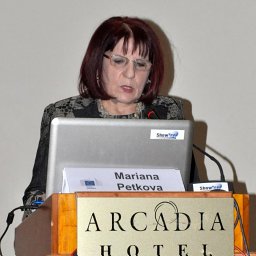 Mariana Petkova合作论文数Dept Microbiol & Environm Biotechnol, Agr Univ171
 Maria De Lourdes Bastos合作论文数Faculdade de Farmácia, Universidade do Porto;Applied Molecular Biosciences Unit, UCIBIO152
 Paola Manini合作论文数Complesso Universitario Monte S. Angelo, University of Naples ‘Federico II’148Yolanda Sanz合作论文数125Montserrat Anguita合作论文数117Boet Glandorf合作论文数102Miguel Prieto合作论文数SERIDA (Servicio Regional de Investigación y Desarrollo Agroalimentario), Laboratorio de Sanidad Animal Jove 33299 Gijón Asturias Spain99Jordi Tarrés-Call合作论文数86Orsolya Holczknecht合作论文数82Elisa Pettenati合作论文数79Paul Brantom合作论文数73
 Carlo Nebbia合作论文数Sezione di Farmacologia e Tossicologia Italy, Università di Torino69Katerina Theodoridou合作论文数INRA Unité de Recherches sur les Herbivores, Centre de Clermont-Ferrand - Theix68
 Eleftherios Bonos合作论文数68Maria Vittoria Vettori合作论文数50Andrew Chesson合作论文数48Johannes Westendorf合作论文数47
 Mojca Durjava合作论文数42
 Lieve Herman合作论文数Instituut voor Landbouw-, Visserij-en Voedingsonderzoek39Rosella Brozzi合作论文数36
 Maria Saarela合作论文数36Jürgen Gropp合作论文数36
 Pier Sandro Cocconcelli合作论文数Istituto di Microbiologia, Università Cattolica del Sacro Cuore32Matteo Lorenzo Innocenti合作论文数28Georges Bories合作论文数23
 Jordi Ortuno合作论文数22Jordi Ortuño合作论文数21
 Giovanna Martelli合作论文数Department of Veterinary Medical Sciences (DIMEVET), University of Bologna21Luca Tosti合作论文数European Commission Joint Research Centre, Institute for Health and Consumer Protection21Kettil Svensson合作论文数19Anita Radovnikovic合作论文数17Angelica Amaduzzi合作论文数16
 Revez Joana合作论文数Faculty of Veterinary Medicine, University of Helsinki16Gabriele Aquilina合作论文数14




