PURPOSE OF REVIEW:The widening gap between the demand for and supply of kidneys for transplantation has intensified the need to expand the living donor pool. At the same time, a growing proportion of individuals aged 65 years and older are being waitlisted for kidney transplantation. Living donor kidney transplantation remains the optimal therapy for end-stage kidney disease, and older living donor candidates represent a promising but underutilized resource. Although older donors typically present with greater medical complexity, their lifetime risk of developing end-stage kidney disease is comparatively low, allowing for more flexible acceptance criteria than those applied to younger donors. Despite a ninefold increase in the number of older living kidney donors over recent decades, they still comprise only 6-7% of all living donor transplants. RECENT FINDINGS:Recent evidence suggests that older donors experience adequate compensatory renal function after nephrectomy, and transplant recipients of kidneys from older donors achieve favorable outcomes. These findings highlight the potential to safely expand the donor pool by more effectively incorporating older adults. SUMMARY:In this review, we summarize age-related macro- and microscopic renal physiological changes relevant to donor evaluation. We then examine the literature on post-donation renal functional adaptation, cardiovascular risk, and all-cause mortality among older donors. Additionally, we compare age-specific glomerular filtration rate (GFR) thresholds used internationally to guide donor selection. Finally, we discuss future directions, including refining donor risk prediction models, standardizing age-adapted GFR criteria, and integrating biological rather than chronological markers of aging to better identify suitable older donor candidates.
Key PointsNonimmunologic AKI-related rehospitalizations post-kidney transplant are associated with poorer long-term allograft and recipient outcomes.These data are not reported to United Network for Organ Sharing, and there are no datasets highlighting this important association; thus, our findings are valuable to clinicians.We hope to help the community create a cohort of higher risk transplant patients who need closer monitoring to potentially increase graft longevityBackgroundAKI is associated with an increased risk of CKD and ESKD. However, only limited studies have investigated the effect of AKI episodes on kidney transplant outcomes. This study evaluated the effect of rehospitalization associated with nonimmunologic AKI on long-term outcomes. Data on rehospitalization with AKI after kidney transplant are not reported to United Network for Organ Sharing, and thus, there are no large datasets available to study this association.MethodsWe completed chart reviews of 989 deceased donor kidney transplant recipients transplanted from 2010 to 2014 at 13 transplant centers in the Deceased Donor Study Consortium. Rehospitalizations up to 5 years post-transplant were included. The cause of rehospitalizations was adjudicated by a transplant nephrologist on the basis of the discharge diagnosis. Primary outcomes were the effect of AKI-related rehospitalization on death-censored graft failure and all-cause mortality. We excluded rehospitalizations because of acute rejection from the primary analysis. The cohort was linked to data from Organ Procurement and Transplantation Network supplied by United Network for Organ Sharing. Time-varying cox-proportional hazard models were used to examine the association between rehospitalization and outcomes.ResultsWe identified 200 (20%) recipients with at least one rehospitalization associated with AKI, 516 (52%) with rehospitalizations without AKI, and 273 (28%) without a rehospitalization post-transplant. Delayed graft function, donor age, and kidney donor profile index score differed between the three groups. We found a higher risk of death censored graft failure adjusted hazard ratio (aHR) 7.5 (95% confidence interval [CI], 4.0 to 13.8), all-cause graft failure aHR 6.7 (95% CI, 4.2 to 10.8), and all-cause mortality aHR 5.7 (95% CI, 2.7 to 11.8) for rehospitalizations associated with AKI compared with no rehospitalization. The non-AKI rehospitalizations also had significantly higher rates of measured outcomes; however, the associations were not as strong.ConclusionsAKI rehospitalizations were associated with a significantly increased risk of poorer graft outcomes, and thus, closer follow-up of this high-risk group is warranted.
Living-donor kidney transplant (LDKT) is the treatment of choice for patients with advanced kidney disease. Kidney paired donation (KPD), originally proposed to overcome immunological barriers, has now evolved to address biological and chronological incompatibilities and reduce financial disincentives. This strategy has allowed the maximization of the number of LDKTs. In 2021, of the 5,971 LDKTs performed, 1,115 (18.6%) were facilitated by KPD. Although KPD programs vary in size and structure, privately owned KPD programs dominate the landscape. Participation in KPD is far from universal: it is not offered in 40% of transplant centers. Across the United States, there are large areas devoid of transplant centers that offer KPD. As a result, some donor and recipient candidates are missing opportunities for a successful LDKT. Some private KPD programs provide financial and legal protections to living donors. Therefore, access to such donor protections is variable and not available to all donors. In this perspective, we review the evolution of KPD programs, explore ways to enhance participation, discuss the need for transparency about living donation options to donor and recipient candidates, and ultimately call for national action for regulatory oversight and to make living kidney donation financially neutral regardless of participation in KPD.
Rationale and ObjectiveImpact of Apolipoprotein L1(APOL1) genotype on future risk of kidney disease among middle-aged individuals with good kidney function is not well established.Study DesignLongitudinal cohort study.Setting & Participants5,886 healthy individuals, 45-64 years old, enrolled in the Atherosclerosis Risk in Communities study with eGFRcr ≥ 80 mL/min who would be suitable kidney donors.ExposuresRace and APOL1 genotypeOutcomesEGFRcr-cys using CKD-EPI 2021 equation, uACR, proportion with CKD 3a or worse, ESKD and death.Analytical ApproachParticipants grouped on race and APOL1 genotype. Compared eGFRcr-cys and uACR across groups. Multinomial logistic regression models were used compare odds of CKD. Kaplan-Meier survival curves were created to compare rates of ESKD and death at last follow-up.ResultsThere were 5,075 whites (86%), 701 Blacks carrying low-risk APOL1 genotype (12%) and 110 Blacks carrying high-risk APOL1 genotype (2%). The mean age at baseline was 53±6 years. At 10 years, white participants had lower eGFRcr-cys than low-risk and high-risk groups (89±16 vs. 91±16 and 92±15 mL/min/1.73m2, respectively; p <0.001). At 25 years, white participants continued to have lower eGFRcr-cys than low-risk group (70±18 vs. 72±19 mL/min/1.73m2; p <0.001) but not compared to high risk APOL1 genotype (67±23 mL/min/1.7m2). There was no difference in uACR among groups at 10 and 25 years (p=0.87 and 0.91 respectively). The odds of developing CKD Stage 3a or worse were not different between low-risk and high-risk APOL1 group in both unadjusted and adjusted models (p=0.26 and p=0.39, respectively). At last follow-up, < 5% developed ESKD and 45% of individuals either died or reached ESKD with no difference in outcomes between the groups.LimitationsLow ascertainment due to death and long follow-upConclusionsAmong middle-aged individuals, APOL1 genotype does not appear to be a major driver of future risk of kidney disease.
Delayed graft function (DGF) is a common complication after kidney transplant. Despite extensive literature on the topic, the extant definition of DGF has not been conducive to advancing the scientific understanding of the influences and mechanisms contributing to its onset, duration, resolution, or long-term prognostic implications. In 2022, the National Kidney Foundation sponsored a multidisciplinary scientific workshop to comprehensively review the current state of knowledge about the diagnosis, therapy, and management of DGF and conducted a survey of relevant stakeholders on topics of clinical and regulatory interest. In this Special Report, we propose and defend a novel taxonomy for the clinical and research definitions of DGF, address key regulatory and clinical practice issues surrounding DGF, review the current state of therapies to reduce and/or attenuate DGF, offer considerations for clinical practice related to the outpatient management of DGF, and outline a prospective research and policy agenda.
In the United States, potential transplant candidates with insulin-dependent diabetes mellitus are inconsistently offered pancreas transplantation (PTx), contributing to a dramatic decline in pancreas allograft utilization over the past 2 decades. The American Society of Transplantation organized a workshop to identify barriers inhibiting PTx and to develop strategies for a national comeback. The 2-day workshop focused on 4 main topics: (1) referral/candidate selection, (2) organ recovery/utilization, (3) program performance/patient outcomes, and (4) enhanced education/research. Topics were explored through expert presentations, patient testimonials, breakout sessions, and strategic planning, including the identification of tasks for immediate focus. Additionally, a modified-Delphi survey was conducted among workshop members to develop and rate the importance of barriers, and the impact and feasibility of workgroup-identified improvement strategies. The panelists identified 16 barriers to progress and 44 strategies for consideration. The steps for a na- tional comeback in PTx involve greater emphasis on efficient referral and candidate se- lection, better donor pancreas utilization practices, eliminating financial barriers to procurement and transplant, improving collaboration between transplant and diabetes so- cieties and professionals, and increasing focus on PTx training, education, and research. Partnership between national societies, patient advocacy groups, and professionals will be essential to realizing this critical agenda.
BACKGROUND AND OBJECTIVES:We conducted a national survey to assess the opinions and experiences of transplant center staff related to processes of care graduation. METHODS:Following IRB approval, medical staff at U.S. adult kidney transplant programs were surveyed using the Qualtrics survey platform (4/5/2022-10/05/2022). Respondents were invited via email and listservs of professional societies. If > 1 survey was submitted for a program, a selection hierarchy was utilized (e.g., prioritizing nephrologists' responses). RESULTS:Respondents provided data from 46.7% of active programs (N = 92), representing 67% of the national kidney transplant volume. Most respondents (70%) were nephrologists. Full graduation to referring nephrologists was reported by 39% of transplant programs, with an additional 48% reporting partial graduation with ongoing co-management. Rationales for graduation were multifactorial, most commonly including patient travel distance (64%), maintenance of referral base (58%), continuity of care (58%), and center and/or patient burden (54%). Common reasons cited by programs for postgraduation return of care to the transplant center included worsening renal function (82%), malignancy (66%), opportunistic infection (63%), limited local nephrologist availability (60%), and pregnancy planning (57%). Additional coordinators and clinic staff were cited as needed to make transplant center perpetual care feasible by 78% of programs, with 71% stating that more clinicians are needed, while half thought more physical space or telemedicine are required. CONCLUSIONS:Graduation of kidney transplant patients is common, with half of programs using a joint-care approach and another third reporting full return of care to the referring nephrologist. Expanded opportunities related to transplant care for the broad nephrology community are essential.
Abstract There is a difference between being alive and living. Wellness in life is derived from positive relationships with family and friends, spiritual health, engagement in meaningful work, participation in hobbies, and ability to travel and engage with the world. Kidney transplant provides independence from dialysis and improved life expectancy with better quality of life, a term that encompasses the interdependent dimensions of physical, mental/emotional, social, spiritual, vocational, financial, and environmental health. This chapter will address some important aspects of long-term wellness after kidney transplantation including immunization, family planning and reproductive health, cancer screening, and return to work after transplantation. The transplant community can help patients to maximize their quality-of-life following transplantation.
Kidney transplant is not only the best treatment for patients with advanced kidney disease but it also reduces health care expenditure. The management of transplant patients is complex as they require special care by transplant nephrologists who have expertise in assessing transplant candidates, understand immunology and organ rejection, have familiarity with perioperative complications, and have the ability to manage the long-term effects of chronic immunosuppression. This skill set at the intersection of multiple disciplines necessitates additional training in Transplant Nephrology. Currently, there are more than 250,000 patients with a functioning kidney allograft and over 100,000 waitlisted patients awaiting kidney transplant, with a burgeoning number added to the kidney transplant wait list every year. In 2022, more than 40,000 patients were added to the kidney wait list and more than 25,000 received a kidney transplant. The Advancing American Kidney Health Initiative, passed in 2019, is aiming to double the number of kidney transplants by 2030 creating a need for additional transplant nephrologists to help care for them. Over the past decade, there has been a decline in the Nephrology-as well Transplant Nephrology-workforce due to a multitude of reasons. The American Society of Transplantation Kidney Pancreas Community of Practice created a workgroup to discuss the Transplant Nephrology workforce shortage. In this article, we discuss the scope of the problem and how the Accreditation Council for Graduate Medical Education recognition of Transplant Nephrology Fellowship could at least partly mitigate the Transplant Nephrology work force crisis.
Importance Recipient outcomes after kidney transplant from deceased donors who received dialysis prior to kidney donation are not well described. Objective To compare outcomes of transplant recipients who received kidneys from deceased donors who underwent dialysis prior to kidney donation vs recipients of kidneys from deceased donors who did not undergo dialysis. Design, Setting, and Participants A retrospective cohort study was conducted including data from 58 US organ procurement organizations on deceased kidney donors and kidney transplant recipients. From 2010 to 2018, 805 donors who underwent dialysis prior to kidney donation were identified. The donors who underwent dialysis prior to kidney donation were matched 1:1 with donors who did not undergo dialysis using a rank-based distance matrix algorithm; 1944 kidney transplant recipients were evaluated. Exposure Kidney transplants from deceased donors who underwent dialysis prior to kidney donation compared with kidney transplants from deceased donors who did not undergo dialysis. Main Outcomes and Measures The 4 study outcomes were delayed graft function (defined as receipt of dialysis by the kidney recipient ≤1 week after transplant), all-cause graft failure, death-censored graft failure, and death. Results From 2010 to 2018, 1.4% of deceased kidney donors (805 of 58 155) underwent dialysis prior to kidney donation. Of these 805 individuals, 523 (65%) donated at least 1 kidney. A total of 969 kidneys (60%) were transplanted and 641 kidneys (40%) were discarded. Among the donors with kidneys transplanted, 514 (mean age, 33 years [SD, 10.8 years]; 98 had hypertension [19.1%] and 36 had diabetes [7%]) underwent dialysis prior to donation and were matched with 514 (mean age, 33 years [SD, 10.9 years]; 98 had hypertension [19.1%] and 36 had diabetes [7%]) who did not undergo dialysis. Kidney transplants from donors who received dialysis prior to donation (n = 954 kidney recipients) were associated with a higher risk of delayed graft function compared with kidney transplants from donors who did not receive dialysis (n = 990 kidney recipients) (59.2% vs 24.6%, respectively; adjusted odds ratio, 4.17 [95% CI, 3.28-5.29]). The incidence rates did not significantly differ at a median follow-up of 34.1 months for all-cause graft failure (43.1 kidney transplants per 1000 person-years from donors who received dialysis prior to donation vs 46.9 kidney transplants per 1000 person-years from donors who did not receive dialysis; adjusted hazard ratio [HR], 0.90 [95% CI, 0.70-1.15]), for death-censored graft failure (22.5 vs 20.6 per 1000 person-years, respectively; adjusted HR, 1.18 [95% CI, 0.83-1.69]), or for death (24.6 vs 30.8 per 1000 person-years; adjusted HR, 0.76 [95% CI, 0.55-1.04]). Conclusions and Relevance Compared with receiving a kidney from a deceased donor who did not undergo dialysis, receiving a kidney from a deceased donor who underwent dialysis prior to kidney donation was associated with a significantly higher incidence of delayed graft function, but no significant difference in graft failure or death at follow-up.
BACKGROUND:Best practices in psychosocial evaluation and care of living donor candidates and donors are not well established. METHODS:We surveyed 195 living kidney donor (LKD) transplant centers in United States from October 2021 to April 2022 querying (1) composition of psychosocial teams, (2) evaluation processes including clinical tools and domains assessed, (3) selection criteria, and (4) psychosocial follow-up post-donation. RESULTS:We received 161 responses from 104 programs, representing 53% of active LKD programs and 67% of LKD transplant volume in 2019. Most respondents (63%) were social workers/independent living donor advocates. Over 90% of respondents indicated donor candidates with known mental health or substance use disorders were initially evaluated by the psychosocial team. Validated psychometric or transplant-specific tools were rarely utilized but domains assessed were consistent. Active suicidality, self-harm, and psychosis were considered absolute contraindications in >90% of programs. Active depression was absolute contraindication in 50% of programs; active anxiety disorder was excluded 27%. Conditions not contraindicated to donation include those in remission: anxiety (56%), depression (53%), and posttraumatic stress disorder (41%). There was acceptance of donor candidates using alcohol, tobacco, or cannabis recreationally, but not if pattern met criteria for active use disorder. Seventy-one percent of programs conducted post-donation psychosocial assessment and use local resources to support donors. CONCLUSIONS:There was variation in acceptance of donor candidates with mental health or substance use disorders. Although most programs conducted psychosocial screening post-donation, support is not standardized and unclear if adequate. Future studies are needed for consensus building among transplant centers to form guidelines for donor evaluation, acceptance, and support.
Kidney transplantation is the most successful kidney replacement therapy available, resulting in improved recipient survival and societal cost savings. Yet, nearly 70 years after the first successful kidney transplant, there are still numerous barriers and untapped opportunities that constrain the access to transplant. The literature describing these barriers is extensive, but the practices and processes to solve them are less clear. Solutions must be multidisciplinary and be the product of strong partnerships among patients, their networks, health care providers, and transplant programs. Transparency in the referral, evaluation, and listing process as well as organ selection are paramount to build such partnerships. Providing early culturally congruent and patient-centered education as well as maximizing the use of local resources to facilitate the transplant work up should be prioritized. Every opportunity to facilitate pre-emptive kidney transplantation and living donation must be taken. Promoting the use of telemedicine and kidney paired donation as standards of care can positively impact the work up completion and maximize the chances of a living donor kidney transplant.
We surveyed living donor liver transplant programs in the United States to describe practices in the psychosocial evaluation of living donors focused on (1) composition of psychosocial team; (2) domains, workflow, and tools of the psychosocial assessment; (3) absolute and relative mental health-related contraindications to donation; and (4) postdonation psychosocial follow-up. We received 52 unique responses, representing 33 of 50 (66%) of active living donor liver transplant programs. Thirty-one (93.9%) provider teams included social workers, 22 (66.7%) psychiatrists, and 14 (42.4%) psychologists. Validated tools were rarely used, but domains assessed were consistent. Respondents rated active alcohol (93.8%), cocaine (96.8%), and opioid (96.8%) use disorder, as absolute contraindications to donation. Active suicidality (97%), self-injurious behavior (90.9%), eating disorders (87.9%), psychosis (84.8%), nonadherence (71.9%), and inability to cooperate with the evaluation team (78.1%) were absolute contraindications to donation. There were no statistically significant differences in absolute psychosocial contraindications to liver donation between geographical areas or between large and small programs. Programs conduct postdonation psychosocial follow-up (57.6%) or screening (39.4%), but routine follow-up of declined donors is rarely conducted (15.8%). Psychosocial evaluation of donor candidates is a multidisciplinary process. The structure of the psychosocial evaluation of donors is not uniform among programs though the domains assessed are consistent. Psychosocial contraindications to living liver donation vary among the transplant programs. Mental health follow-up of donor candidates is not standardized.
Organ procurement organizations (OPOs) play a central role in the recovery, preservation, and distribution of deceased donor kidneys for transplantation in the United States. We conducted a national survey to gather information on OPO practices and perceived barriers to efficient organ placement in the face of the new circle‐based allocation and asked for suggestions to overcome them. Of the 57 OPOs, 44 responded (77%). The majority of OPOs (61%) reported barriers to obtaining a kidney biopsy, including lack of an available pathologist. Most OPOs (55%) indicated barriers to pumping owing to a lack of available staff and transportation. Respondents agreed or strongly agreed that the new allocation system has worsened transportation challenges (85%), increased provisional acceptances of kidneys (66%), increased communication challenges with transplant centers (68%), and worsened the efficiency of organ allocation (83%). OPO‐suggested solutions include making transplant centers more accountable for inefficient selection practices, developing reliable transportation options, and removing the requirement for national sharing. These findings underscore the need to examine closely the trade‐offs of the new allocation system with respect to costs, organ ischemia, and discard. These findings may help inform practice and policy for overcoming transportation barriers and improving the efficiency of organ placement.
RATIONALE & OBJECTIVE Donor acute kidney injury (AKI) activates innate immunity, enhances HLA expression in the kidney allograft, and provokes recipient alloimmune responses. We hypothesized that injury and inflammation manifested in deceased-donor urine biomarkers would be associated with higher rates of biopsy-proven acute rejection (BPAR) and allograft failure after transplantation. STUDY DESIGN Prospective cohort. SETTING & PARTICIPANTS 862 deceased donors for 1137 kidney recipients at 13 centers. EXPOSURES We measured concentrations of IL-18, kidney injury molecule-1 (KIM-1), and neutrophil gelatinase-associated lipocalin (NGAL) in deceased donor urine. We also used the Acute Kidney Injury Network criteria to assess donor clinical AKI. OUTCOMES The primary outcome was a composite of BPAR and graft failure (not from death). A secondary outcome was the composite of BPAR, graft failure, and/or de novo donor specific antibody (DSA). Outcomes were ascertained in the first post-transplant year. ANALYTICAL APPROACH Multivariable Fine-Gray models with death as a competing risk. RESULTS Mean recipient age was 54±13 years and 82% received anti-thymocyte globulin. We found no significant associations between donor urinary IL-18 (subdistribution hazard ratio [sHR] for highest vs. lowest tertile 0.76; 95% CI 0.45, 1.28), KIM-1 (sHR 1.2; 95% CI 0.69, 2.07) or NGAL (sHR 1.14; 95% CI 0.71, 1.84) and the primary outcome. In secondary analyses, we detected no significant associations between a) clinically-defined AKI and the primary outcome, or between b) donor biomarkers and the composite outcome of BPAR, graft failure and/or de novo DSA. LIMITATIONS BPAR ascertained through for-cause biopsies, not surveillance biopsies. CONCLUSIONS In a large cohort of kidney recipients that were almost all induced with thymoglobulin, donor injury biomarkers were neither associated with graft failure and rejection, nor with a secondary outcome that included de novo DSA. These findings provide some reassurance that centers can successfully manage immunological complications using deceased-donor kidneys with AKI.
Although hypothermic machine perfusion (HMP) is associated with improved kidney graft viability and function, the underlying biological mechanisms are unknown. Untargeted metabolomic profiling may identify potential metabolites and pathways that can help assess allograft viability and contribute to organ preservation. Therefore, in this multicenter study, we measured all detectable metabolites in perfusate collected at the beginning and end of deceased-donor kidney perfusion and evaluated their associations with graft failure. In our cohort of 190 kidney transplants, 33 (17%) had death-censored graft failure over a median follow-up of 5.0 years (IQR 3.0-6.1 years). We identified 553 known metabolites in perfusate and characterized their experimental and biological consistency through duplicate samples and unsupervised clustering. After perfusion-time adjustment and false discovery correction, six metabolites in post-HMP perfusate were significantly associated with death-censored graft failure, including alpha-ketoglutarate, 3-carboxy-4-methyl-5-propyl-2-furanpropanoate, 1-carboxyethylphenylalanine, and three glycerol-phosphatidylcholines. All six metabolites were associated with an increased risk of graft failure (Hazard Ratio per median absolute deviation range 1.04-1.45). Four of six metabolites also demonstrated significant interaction with donation after cardiac death with notably greater risk in the donation after cardiac death group (Hazard Ratios up to 1.69). Discarded kidneys did not have significantly different levels of any death-censored graft failure-associated metabolites. On interrogation of pathway analysis, production of reactive oxygen species and increased metabolism of fatty acids were upregulated in kidneys that subsequently developed death-censored graft failure. Thus, further understanding the role of these metabolites may inform the HMP process and help improve the objective evaluation of allograft offers, thereby reducing the discard of potentially viable organs.
 Chirag R. Parikh合作论文数Bloomberg School of Public Health, Johns Hopkins University;Division of Nephrology, Johns Hopkins University School of Medicine38
 Isaac Hall合作论文数CommonSpirit Health Mountain Region33
 Peter Reese合作论文数Department of Biostatistics, Vanderbilt University Medical Center31
 Weng Francis L合作论文数20
 Sumit Mohan合作论文数Department of Medicine and Epidemiology, Mailman School of Public Health, Columbia University19
 Heather Thiessen Philbrook合作论文数Division of Nephrology, School of Medicine, The Johns Hopkins University16
 Yaqi Jia合作论文数Department of Internal Medicine, Johns Hopkins School of Medicine13Bernd Schroeppel合作论文数12
 Sherry G Mansour合作论文数School of Medicine, Yale University11
 Harhay Meera N合作论文数11Atul Singh合作论文数Department of Medicine, Wayne State University School of Medicine11
 Enver Akalin合作论文数Renal Division, Mount Sinai School of Medicine11Heather R. Thiessen-Philbrook合作论文数9
 Pooja Singh合作论文数9
 Jonathan S. Bromberg合作论文数Department of Surgery, University of Maryland School of Medicine9
 Thangamani Muthukumar合作论文数Joan and Sanford I. Weill Department of Medicine, Weill Cornell Medicine, Cornell University9Miguel West合作论文数9
 Amit Garg合作论文数Department of Epidemiology and Biostatistics, Schulich School of Medicine & Dentistry, Western University8Gruber Scott A合作论文数8Elizabeth Cincotta合作论文数8Jose M. El-Amm合作论文数Division of Nephrology, Department of Medicine, Detroit, Mich8
 Neeraj Singh合作论文数John C McDonald Reg Transplant Ctr7
 Darshana M Dadhania合作论文数Joan and Sanford I. Weill Department of Medicine, Weill Cornell Medicine, Cornell University7Julian E. Losanoff合作论文数7
 Krista Lentine合作论文数Division of Nephrology, Department of Internal Medicine, School of Medicine, Saint Louis University;SSM Health Transplant Center, Saint Louis University Hospital7Bernd Schröppel合作论文数7Ronald F Parsons合作论文数6Alexander C. Wiseman合作论文数6Katherina Morawski合作论文数6
 Matthew Cooper合作论文数5
 John J Friedewald合作论文数Nephrology and Hypertension, Department of Medicine, Feinberg School of Medicine, Northwestern University5
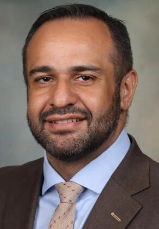 Sami Alasfar合作论文数Transplant Center, Mayo Clinic School of Medicine5Vineeta Kumar合作论文数5
 Kristian L Brown合作论文数5
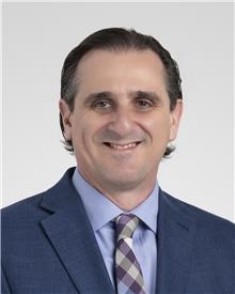 Emilio Poggio合作论文数Department of Nephrology and Hypertension, Glickman Urological and Kidney Institute, Cleveland Clinic5joseph ficek合作论文数Program Appl Translat Res, Yale Univ4
 Anju Yadav合作论文数Thomas Jefferson Univ4Beatrice P. Concepcion合作论文数4
 Zeenat Bhat合作论文数George M. O'Brien Kidney Translational Core Center, Medical School, University of Michigan-Ann Arbor4
 Abhijit Naik合作论文数Division of Nephrology, Department of Internal Medicine, Medical School, University of Michigan-Ann Arbor4
 George Alangaden合作论文数4Scott A. Gruber合作论文数4
 Eric Michael Gibney合作论文数Piedmont Transplant Institute4
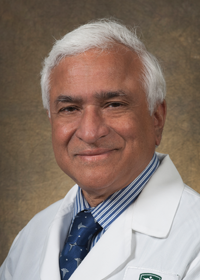 Pranatharthi H. Chandrasekar合作论文数Department of Internal Medicine, Wayne State University School of Medicine;Department of Allied Health Professions and Pharmacy Practice, School of Medicine, Wayne State University;Division of Infectious Diseases, Harper University Hospital4Daniel C. Brennan合作论文数4Richard J. Marcus合作论文数4Stephen D Migdal合作论文数3Rick D. Hasz合作论文数3Mariella Ortigosa-Goggins合作论文数3




