Objective(s) To compare the accuracy and empathy of responses generated by artificial intelligence (AI)-based chatbots to commonly asked temporomandibular dysfunction (TMD)-related questions. Additionally, test the performance of an automated text-based empathy detection model against subject matter experts (SMEs) judgments. Materials and methods TMD-related questions (n = 14) were developed by a multidisciplinary panel of SMEs and categorized into five clinical domains (Diagnosis and testing, Causes and aggravating factors, Symptoms and associated issues, Treatment options, and Management and prognosis). Free-tier implementations of three AI-based chatbots: ChatGPT GPT-3.5 (CG), Claude 3.5 Sonnet (CD), and DeepSeek R1 (DS) were prompted to generate responses to these questions. Responses were rated for accuracy based on the Accuracy of Information (AOI) index, and empathy using a 3-point scale by the SMEs (n = 8). To complement expert assessments, a Bidirectional Encoder Representations from Transformers (BERT)-based empathy detection model was trained on the Empathy in Textual Online Medical Exchanges (EPITOME) dataset and validated against SME ratings. Results DS generated responses with the highest word count (573.6 ± 132.7); significantly more than CG (263.4 ± 63.5) and CD (186.6 ± 25.6). DS also had the highest accuracy across all clinical domains. Overall accuracy of the responses generated by the three chatbots was high. However, variations in accuracy based on clinical domain of the question were observed. Empathy assessments revealed moderate reliability (correlation ∼0.6) among SMEs. The BERT model showed strong concordance with SME judgments for high-empathy responses but demonstrated lower agreement for low-empathy categorizations. Conclusion AI chatbots show promise in providing accurate information regarding TMDs, but their ability to convey empathy remains limited. The observed differences in accuracy and empathy among the three AI chatbots examined are based on a limited dataset and should therefore be interpreted with caution. Current AI chatbots represent an intermediate stage of development, demonstrating adequate technical proficiency while remaining constrained in addressing the humanistic dimensions of patient care. Although empathy detection models may inform future development, significant challenges in empathetic communication persist.
Purpose The aim of this retrospective cohort study was to evaluate the complications and survival of teeth after single-crown restoration following surgical crown lengthening. Materials and Methods Patients who underwent surgical crown lengthening prior to receiving single-crown restorations by postgraduate residents at Dubai Dental Hospital, between January 2011 and January 2021 were contacted to participate in the study. The restored teeth were clinically and radiographically examined. Demographic data, patient- and tooth- related details, prevalence of prosthodontic, periodontal, and endodontic complications, as well as failure rates with underlying reasons, were documented and analysed. Results A total of 179 teeth from 81 patients were included in this study. Statistical analysis revealed a survival rate of 96.8% at 5 years and 95% at 10 years. Among surviving teeth, clinically significant complications of prosthodontic, endodontic and periodontal origin occurred in 8.8%, 11.2%, and 15.9% of cases, respectively. Regular dental attendance emerged as a protective factor against complications in multivariable analysis (OR = 0.38; p = .013). Conclusion Within the limitations of this study, compromised teeth treated with crown restorations following crown lengthening showed a high long-term survival rate. Clinical Relevance The high survival rate of teeth preserved through crown lengthening prior to crown restoration provides valuable evidence to support clinical decision-making regarding the rehabilitation of structurally compromised teeth with unclear prognosis.
Introduction: This study aimed to assess the knowledge of dental practitioners in Dubai regarding concepts in restoring endodontically treated teeth (ETT). Materials and Methods: Registered dentists in the Emirates Medical Association (EMADubai) were sent an online questionnaire of 17 questions about their experience in restoring ETT from January 10 to June 10, 2020. Results: A total of 928 questionnaires were sent. Of these, 468 were completed (50.4% response rate), and 266 were included in the final analysis. Most respondents (77%) placed posts depending on the remaining tooth structure, 14% believed that post placement does not reinforce tooth structure, and 48% replied that reinforcement depends on the remaining structure. The fiber post was preferred both anteriorly (85%) and posteriorly (59%), and composite was the favorite core material both anteriorly (78%) and posteriorly (59%). Resin cement was the most commonly used material for post cementation (49%). Most participants (85%) were familiar with the endocrown and 74% of them used it to restore ETT. Conclusion: Many concepts related to restoring ETT were correctly held by the included sample of dentists. However, the function of the ferrule effect and post placements were often misperceived. This sample of dentists had varying levels of knowledge on the restoration of ETT and this study highlighted the importance of continuing dental education.
Objective:Three-dimensional (3D) tissue-engineered oral mucosa models offer a physiologically relevant platform to study interactions between implant abutment materials and peri-implant soft tissues. While osseointegration is well-characterized, soft tissue sealing, essential for preventing infection and maintaining implant stability, remains thoroughly underexplored. Despite many in vitro studies using these models, a comprehensive evaluation in this field is lacking. This study systematically reviews current evidence to guide future research and improve clinical outcomes. Methods:PubMed, Scopus, and Embase were searched (31 March 2026) following preferred reporting items for systematic reviews and meta-analyses (PRISMA) 2020 guidelines, identifying 1551 records. After removing 623 duplicates, 227 records were screened (204 excluded); 23 full texts were assessed (nine excluded), yielding 14 studies using human 3D oral mucosa models (3D-OMMs) to assess implant abutment interfaces. Results:All 14 studies used epithelial-fibroblast cocultures replicating native mucosal architecture. Histological analyses confirmed stratified squamous epithelium formation, with some studies showing epithelial surface maturation via immunohistochemistry. Epithelial interface-associated biological response to different implant surfaces has been assessed using electron microscopy. Surface modifications like anodization, UV treatment, and increased hydrophilicity improved cell adhesion and interface organization. However, permeability and postpull-out metabolic activity assays suggested that barrier function and residual tissue viability were generally similar across materials, although specific surface treatments improved some outcomes. Molecular studies highlighted that peri-implant mucosa interactions with oral biofilms are crucial for maintaining or disrupting tissue homeostasis by modulating immune responses. Conclusions:3D-OMMs reliably recapitulate peri-implant tissue responses. Overall, the available in vitro evidence suggests that surface modification and host-microbe interactions may influence mucosal homeostasis and barrier integrity, although findings remain heterogeneous and should be interpreted cautiously.
Objectives: This study evaluated the effect of three root canal filling material (RCFM) removal techniques—mechanical, thermo-mechanical, and chemico-mechanical—on the micro push-out bond strength of fiber posts to root dentin in endodontically treated teeth. Materials and Methods: Forty-five single-rooted human premolars were endodontically treated and randomly allocated into three groups (n = 15) according to the RCFM removal technique used during post-space preparation: mechanical, thermo-mechanical, or chemico-mechanical. Fiber posts were luted using a dual-cure resin cement. Roots were embedded in resin and sectioned into coronal, middle, and apical thirds. Micro push-out bond strength was measured using a universal testing machine. Failure modes were examined under a stereomicroscope and validated using scanning electron microscopy. Statistical analysis used two-way ANOVA and Chi-square tests (α = 0.05). Results: Both the thermo-mechanical and mechanical groups showed significantly higher bond strength values than the chemico-mechanical group (p < 0.001). Across all groups, the coronal third recorded the highest bond strength, while the apical third presented the lowest values (p < 0.001). Adhesive failure at the dentin–cement interface was the most frequent failure mode. Conclusions: The gutta-percha removal technique and the root canal region significantly influence fiber-post bond strength. Solvent-based chemico-mechanical methods may adversely affect adhesion quality. Clinical Relevance: Thermo-mechanical and mechanical removal techniques may provide more reliable post retention during retreatment procedures, improving adhesion and reducing the risk of post debonding in daily practice.
Background and aim Recent studies have shown that electronic cigarettes (ECs) use disrupts the oral microbiome composition and diversity, impairing the metabolic pathways of the mucosal cells. However, to date, no reports have evaluated the role of EC exposure in the context of oral metabolome. Hence, the aim of this study was to investigate the role of EC aerosol exposure in the dysregulation of the oral microbiome and metabolome profile using in vitro 3D organotypic models of human oral mucosa. Methods 3D tissue-engineered human oral mucosa models were generated and infected with oral microbes obtained from saliva of a healthy donor. The epithelial surface of the oral mucosal models was exposed directly to the EC aerosol (flavoured; with and without nicotine) as it came out of a simulated activated device that mimicked the clinical situation. A comprehensive assessment of oral microbiome community composition by bacterial 16S rRNA gene sequencing was performed. A gas chromatography-based mass spectrometry analysis was also conducted to identify the effect of vaping on the oral metabolome profile. Results A higher alpha diversity in flavoured EC with nicotine groups was observed compared to controls, with notable differences in bacterial taxa abundance. Metabolomics analysis further demonstrated distinct clustering of control, EC with flavoured nicotine, and flavoured EC groups, confirming 13 metabolites that were statistically higher in levels in flavoured EC with nicotine group, indicating the adverse effects of nicotine on the oral mucosa model. Altered metabolites were mainly enriched in pathways associated with oral cancer progression. Conclusion This study underscores the significant impact of EC use on oral health, highlighting alterations in the oral microbiome, bacterial composition, and metabolite profiles via a clinically relevant in vitro 3D organotypic model of human oral mucosa.
In recent years, artificial intelligence (AI) has emerged as a transformative force in reconstructive implant dentistry [...]
Objectives: The objective of this retrospective clinical study was to investigate the survival rates and complications of implant (I)-retained or tooth-implant (TI)-retained prostheses and abutments (teeth, implants) over a mean observation period of 11.26 years. The study also aimed to analyze the differences and complication rates between implant-retained double crown removable dental prostheses (I-DC-RDPs) versus tooth-implant-retained double crown removable dental prostheses (TI-DC-RDPs). Material and Methods: We reviewed the clinical data of 110 nonsmokers (mean age = 53.9 years) who received DC-RDPs in maxillary or mandibular arches. 153 teeth and 508 implants were used to restore partially edentulous (PE; TI-DC-RDPs; n = 53) and completely edentulous (CE; TI-DC-RDPs; n = 57) arches. Two designs of the distal extension were used: cantilevers (CANs) and saddles (SADs). Restorations were examined for abutment survival, mechanical, or biological complications. Results: The 10-year survival rates were 99.3% (95% CI: 95.4–99.9%) for teeth and 99.3% (95% CI: 97.5–99.7%) for implants. The cumulative rates of TI- and I-RDPs free of technical complications were 77% and 86%, respectively. The risk of complications was not significantly different between the CAN and SAD subgroups of I-RDPs (p > 0.05). However, for TI-RDPs, technical complication risk was significantly higher in SAD type compared with CAN restorations (p = 0.02). Conclusions: I- and TI-DC-RDPs seem to be recommendable for restoration of CE or PE arches. The technical and biological complication rates were lower for I-DC-RDPs in the CE arches than for TI-DC-RDPs in the PE arches. Regarding the RDP design, CAN prostheses produced significantly fewer technical complications than did SAD prostheses.
Background: Recording accurate impressions from maxillary defects is a critical and challenging stage in the prosthetic rehabilitation of patients following maxillectomy surgery. The aim of this study was to develop and optimize conventional and 3D-printed laboratory models of maxillary defects and to compare conventional and digital impression techniques using these models. Methods: Six different types of maxillary defect models were fabricated. A central palatal defect model was used to compare conventional silicon impressions with digital intra-oral scanning in terms of dimensional accuracy and total time taken to record the defect and produce a laboratory analogue. Results: Digital workflow produced different results than the conventional technique in terms of defect size measurements which were statistically significant (p < 0.05). The time taken to record the arch and the defect using an intra-oral scanner was significantly less compared with the traditional impression method. However, there was no statistically significant difference between the two techniques in terms of the total time taken to fabricate a maxillary central defect model (p > 0.05). Conclusions: The laboratory models of different maxillary defects developed in this study have the potential to be used to compare conventional and digital workflow in prosthetic treatment procedures.
Non-resorbable PTFE membranes are frequently used in dental-guided bone regeneration (GBR). However, there is a lack of detailed comparative studies that define variations among commonly used PTFE membranes in daily dental clinical practice. The aim of this study was to examine differences in physicochemical and mechanical properties of several recent commercial PTFE membranes for dental GBR (CytoplastTM TXT-200, permamem®, NeoGen®, Surgitime, OsseoGuard®-TXT, OsseoGuard®-NTXT). Such differences have been rarely recorded so far, which might be a reason for the varied clinical results. For that reason, we analyzed their surface architecture, chemical composition, tensile strength, Young's modulus, wettability, roughness, density, thickness and porosity. SEM revealed different microarchitectures among the non-textured membranes; the textured ones had hexagonal indentations and XPS indicated an identical spectral portfolio in all membranes. NeoGen® was determined to be the strongest and OsseoGuard®-TXT was the most elastic. Wettability and roughness were highest for Surgitime but lowest for OsseoGuard®-NTXT. Furthermore, permamem® was the thinnest and NeoGen® was identified as the thickest investigated GBR membrane. The defect volumes and defect volume ratio (%) varied significantly, indicating that permamem® had the least imperfect structure, followed by NeoGen® and then Cytoplast TM TXT-200. These differences may potentially affect the clinical outcomes of dental GBR procedures.
Electronic cigarette (EC) usage or vaping has seen a significant rise in recent years across various parts of the world. They have been publicized as a safe alternative to smoking; however, this is not supported strongly by robust research evidence. Toxicological analysis of EC liquid and aerosol has revealed presence of several toxicants with known carcinogenicity. Oral cavity is the primary site of exposure of both cigarette smoke and EC aerosol. Role of EC in oral cancer is not as well-researched as that of traditional smoking. However, several recent studies have shown that it can lead to a wide range of potentially carcinogenic molecular events in oral cells. This review delineates the oral carcinogenesis potential of ECs at the molecular level, providing a summary of the effects of EC usage on cancer therapy resistance, cancer stem cells (CSCs), immune evasion, and microbiome dysbiosis, all of which may lead to increased tumor malignancy and poorer patient prognosis. This review of literature indicates that ECs may not be as safe as they are perceived to be, however further research is needed to definitively determine their oncogenic potential.
Objectives: To investigate and quantify forces generated by three-dimensional-printed aligners made of shape memory polymers (four-dimensional [4D] aligner). Methods: Clear X v1.1 material was used in this study. On a custom-made typodont model, correction of maxillary central incisor (tooth 21) malposition by 4D aligners with thicknesses of 0.8 and 1.0 mm was measured by superimposition of subsequent scans. Maximum deflection forces generated by foil sheet specimens were measured at different temperatures in three-point bending (3-PB) tests. In a biomechanical system (orthodontic measurement and simulation system [OMSS]), forces generated on movements of tooth 21 by the 4D aligners were measured at different temperatures. Results: 4D aligners succeeded to achieve a significant tooth movement (2.5 ± 0.5 mm) on the typodont, with insignificant difference between different thicknesses. In the 3-PB test, the maximum deflection forces measured at 20, 30, 37, 45, and 55°C, were 3.8 ± 1.1, 2.5 ± 0.9, 1.7 ± 0.6, 1.0 ± 0.4, and 0.5 ± 0.4 N, respectively. Forces delivered on palatal displacement of tooth 21 at 37, 45, and 55°C by 0.8-mm aligners were 0.3 ± 0.1, 0.2 ± 0.1, and 0.7 ± 0.2 N, respectively, whereas those by 1.0-mm aligners were 0.3 ± 0.1, 0.3 ± 0.1, and 0.6 ± 0.2 N, respectively. A good concordance with movement on the typodont model was shown in OMSS. Conclusion: An initial study of 4D-printed aligner shows its ability to move a tooth by biocompatible orthodontic forces, after a suitable thermal stimulus within the oral temperature range.
Background: This study aimed to develop a tooth wear classification system that combined the extent, severity, and aesthetic impact of tooth wear and correlated them with the most appropriate clinical management strategy. Methods: Three hundred photographs were used to develop a classification tool that contained four levels of severity and aesthetic impact (0, 1, 2, and 3) in three age groups of patients. Ten examiners assessed and classified the cases using validated forms. Additionally, they selected the recommended treatment modality for each level. The analysis was conducted using a coefficient correlation test. Results: The coefficient correlation for the severity was 0.81, 0.82 in the upper anterior and posterior segments, and 0.85 and 0.77 for the lower anterior and posterior segments, respectively. The aesthetic impact correlation coefficient was 0.84. Examiners had agreed that minor cases required monitoring or simple restorative interventions. The moderate-level cases had variety in the recommended management options depending on the aim of treatment. The severe level cases often required rehabilitation at an increased occlusal vertical dimension. Conclusion: Within the limitations of this preliminary study, a good agreement between the examiners was found using the provided tools. More strict criteria in the classification part of the tool can further improve the examiners’ agreement.
To design a finite element (FE) model that might facilitate understanding of the complex mechanical behavior of orthodontic aligners. The designed model was validated by comparing the generated forces — during 0.2-mm facio-lingual translation of upper left central incisor (Tooth 21) — with the values reported by experimental studies in literature. A 3D digital model, obtained from scanning of a typodont of upper jaw, was imported into 3-matic software for designing of aligners with different thicknesses: 0.4, 0.5, 0.6, 0.7 mm. The model was exported to Marc/Mentat FE software. Suitable parameters for FE simulation were selected after a series of sensitivity analyses. Different element classes of the model and different rigidity values of the aligner were also investigated. The resultant maximum forces generated on facio-lingual translation of Tooth 21 were within the range of 1.3–18.3 N. The force was direction-dependent, where lingual translation transmitted higher forces than facial translation. The force increases with increasing the thickness of the aligner, but not linearly. We found that the generated forces were almost directly proportional to the rigidity of the aligner. The contact normal stress map showed an uneven but almost repeatable distribution of stresses all over the facial surface and concentration of stresses at specific points. A validated FE model could reveal a lot about mechanical behavior of orthodontic aligners. Understanding the force systems of clear aligner by means of FE will facilitate better treatment planning and getting optimal outcomes.
BACKGROUND:The fixed tooth-implant connection remains a controversial issue. This private practice-based retrospective study aimed to evaluate the clinical outcomes of a contemporary fixed partial denture (FPD) design for connecting natural teeth and implants (TI-FPD), over an 11.8 years observation period.MATERIAL AND METHODS:The data of 91 partially edentulous patients (44 males and 47 females, mean age of 47.7 years) treated with a newly designed TI-FPD retained on 1 implant and 1 natural tooth were analyzed retrospectively. Teeth were covered with electroformed copings and a CAD/CAM made bridge was fixed over the abutments with provisional cement. Two different implant systems were used: Camlog (N=22; anterior areas) and Straumann tissue level (N=69; posterior areas).RESULTS:The survival rate for both implants and teeth was 100%. 19/21 (90%, 95%CI 82-95%), 16/21 (66%, 95%CI 66-84%), and 16/21 (66%, 95%CI 66-84%) patients were free of biological complications after 5 years, 10 years, and 15 years post-loading, respectively. 23/35 (90%, 95%CI 54-74%), 21/35 (61%, 95%CI 50-70%), and 21/35 (61%, 95%CI 50-70%) were free of technical complications following 5 years, 10 years, and 15 years post loading, respectively.CONCLUSIONS:Despite limitations of the study, the findings demonstrated that the use of a recently designed TI-FPD could be used for the tooth-implant connection in cases of partial edentulism and this may widen the treatment modalities by reducing the cost and need for extensive bone tissue augmentations. Further controlled longitudinal studies with larger patient groups are needed. Key words:Tooth-implant connection, dental implant, fixed partial dentures, complications, implant prosthodontics.
As an innovative approach to overcome the rate-limiting staging of conventional aligners, using shape memory polymers (SMPs) as aligners’ materials was investigated in this in vitro study. The ability of SMPs to shape recover and consequently move tooth, upon appropriate stimuli, was evaluated on a typodont model before clinical application. The study design was to achieve 1.9 mm correction movement of an upper central incisor by one aligner after multiple steps/activation. A custom-made aligned typodont model with a movable upper central incisor was scanned. Using an orthodontic software and a 3D printer, resin-models were generated. Seven aligners of ClearX sheets (SMPs) were fabricated by thermoforming on the resin aligned model. Each aligner was tested for repositioning of the central incisor in the typodont model. The model was scanned after each step and the corrective movement was measured through the superimposition of scans. Results showed that the total correction efficiency of the SMPs’ aligner was ≈93% (1.76 mm). The corrective movement was 0.94 ± 0.04 mm after the reforming step, 0.66 ± 0.07 mm after the first activation step, and 0.15 ± 0.10 mm after the second activation step. It was concluded that aligners made of SMPs could have a promising future-use in orthodontic aesthetic treatment.
Background. With various surgical and prosthetic component designs being introduced in dental implants, decisions have to be made when choosing a system and a certain prosthodontic protocol. A survey of implant prosthodontic specialists has not been previously performed in the Middle East. Aim. This study aimed to determine selection criteria and choice of dental implants and restorations by prosthodontic specialists in the Emirate of Dubai, United Arab Emirates. Materials and Methods. A validated 16-item questionnaire was used in the survey which included demographic information, implant training and experience, implant treatment planning, implant restoration, and implant system preference. The research protocol was approved by the Research and Ethics Committees of Hamdan Bin Mohammed College of Dental Medicine and Dubai Health Authority. Prosthodontists were identified from regulatory authority websites and contacted by e-mail with the questionnaire attached. Results. A total of 84.6% (77) of the registered prosthodontists in Dubai completed the questionnaire with 66.2% reported practicing implant dentistry. Out of which, 54.9% reported surgically placing dental implants and 45.1% restore them only prosthetically. Prefabricated metal abutments were the most commonly selected abutments for single crowns (76.0%) and for fixed dental prostheses (66.7%). Screw retention is preferred mostly for single crowns (68.0%) and fixed dental prostheses (74.0%). Locators were the most commonly selected type of attachment for implant-retained/supported overdentures (49.0%). Conventional loading was the most selected type of loading in all oral conditions. Conclusion. Within the limitations of this study, it can be concluded that most prosthodontists in Dubai practice implant dentistry and more than half surgically place dental implants. Prefabricated metal abutments are the most selected type of abutments. Most prosthodontists use screw-retained implant restorations and prefer locator attachments for implant-retained/supported overdentures. Conventional loading is the most preferred implant loading method in all oral conditions. Implant company/system selections are various and there is no major preference for a certain system. The majority of prosthodontists select implant systems based on implant features, literature review, and simplicity of restorative kit.
Peri-implant keratinized mucosa (PI-KM) may support implant survival. Acellular collagen matrices (aCMs) have been widely used to facilitate soft tissue regeneration. The aim of this study was to investigate clinical outcomes obtained with the use of an aCM (mucoderm®) to enhance PI-KM. In this retrospective non-randomized case series, 27 restored implants in 14 patients (eight males and six females, mean age = 56 years) with a PI-KM width ≤ 1 mm were followed for 6 months. It was demonstrated that aCM grafts augmented PI-KM effectively (mean increase of 5.4 mm; >533%) without a significant change in bleeding on probing (BOP) from baseline. The mean aCM shrinkage was 3.9 mm (42%). Gender, area, arch, and BOP did not influence PI-KM augmentation or aCM shrinkage significantly. The present results demonstrated that the examined aCM was effective and predictable for attaining a band of keratinized tissue, while avoiding graft donor site harversting.
Background and Objectives: Esthetics is characterized primarily by the smile, however, the smile comprises much more than the dental arch.Dental smile design preferences differ from one person to other based on different factors such as: social level, economic level, education level and ethnic origin.There is a lack of similar studies in the UAE.The purpose of this study is to determine which features of a smile are attractive as rated by lay people and dental professionals in the UAE. Material and Methods:A questionnaire survey of standardized images of smiles was distributed to 190 dental professionals including under-graduate students at Sharjah University and 190 lay people (teachers, employers, workers and patients relatives).A sample size calculation determined the sample as 380.The participants were not randomly selected and were not a representative sample of the UAE population but a convenience sample.The participants were all adults above the age of 17 years.The questionnaire had 7 separate aesthetic features with between 3 to 6 different standardized computer generated images for each feature.The different features included amount of tooth exposed, lip line height, buccal corridor and midline position.Results: There were a total of 380 participants with a mean age of 28.6 years (SD 7.9) of which 228 (60%) were female.Significantly more females compared to males preferred a convex smile irrespective of whether or not the upper teeth contacted the lower lip (p<0.01).Females tended to prefer low lip line compared to males but this was at the borderline of significance (p=0.067).Interestingly, more married respondents preferred the low lip line whereas unmarried respondents were evenly distributed between those liking an average and low lip line (p<0.05).The coincidence of dental and facial midlines would be expected as the preferred choice for both dental professionals and lay people but significantly more lay people preferred the smile that deviated to the right whereas dentists preferred midlines to be coincident (p<0.001).Furthermore, residents of Abu Dhabi, Dubai and Sharjah preferred the coincidence of midlines whereas the lay people from Fujairah preferred the right deviation of the dental midline.Over half the unmarried respondents had a significantly greater preference for midline coincidence but married respondents were more evenly split regarding this aspect of smile design (p<0.05).There were no preference differences for most of the smile design features as judged by dentists and lay people. Conclusion:There is general agreement between dentists and lay people regarding the most pleasing features of smile design.Females prefer a convex incisal curve that follows lip curvature and tend to prefer a low lip line.Coincidence of facial and dental midlines was expected to be preferred by both dentists and lay people but surprisingly this was not the case as lay people, married respondents and residents from Fujairah prefer a right deviation.Why should this preference for a smile with a deviated dental midline be regarded as attractive requires further research but may be influenced by tribal or other cultural factors.
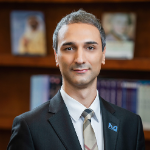 Keyvan Moharamzadeh合作论文数Endodontics Department, Mohammed Bin Rashid University of Medicine and Health Sciences6
 Gregor-Georg Zafiropoulos合作论文数5Colin Alexander Murray合作论文数4
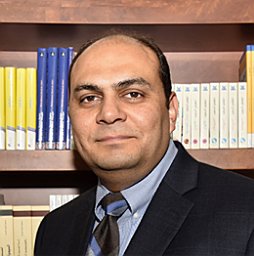 Ghoneima Ahmed合作论文数Faculty of Dental Medicine, Al-Azhar University4
 Tarek Elshazly合作论文数Oral Technol Dept, Univ Hosp Bonn3
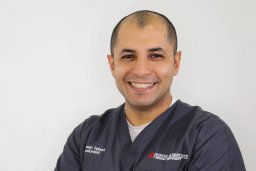 Talaat Sameh合作论文数College of Dentistry, Future University of Egypt3Ludger Keilig合作论文数3
 Adel Al-Asfour合作论文数3
 Christoph Bourauel合作论文数Department of Orthodontics, University of Bonn3
 Amar Khamis合作论文数2Yasmine Alkabani合作论文数2
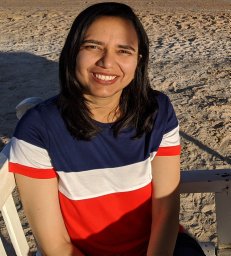 Meenu Maan合作论文数Hamdan Bin Mohammed College of Dental Medicine, Mohammed Bin Rashid University of Medicine and Health Sciences (MBRU),2Fatemeh Amir Rad合作论文数2Talaat Wael合作论文数2
 Qasim Saad Bin合作论文数2
 Dutta Mainak合作论文数School of Medical Science and Technology, Indian Institute of Technology2
 Alex Milosevic合作论文数2B. Trajkovski合作论文数Roumen Tzanev Institute of Molecular Biology, Bulgarian Academy of Sciences2Abdel Rahman Tawfik合作论文数1AlShamsi A合作论文数1Fatma Al Saleh合作论文数1Jahanzeb Chaudhry合作论文数1Tae Ho Yoon合作论文数1May Aljanahi合作论文数1ColinAlexander Murray合作论文数1
 Mostafa Aldesoki合作论文数Oral Technol Dept, Univ Hosp Bonn1
 Zeljka Peric Kacarevic合作论文数Fac Dent Med & Hlth Osijek, JJ Strossmayer Univ Osijek1
 George Pelekos合作论文数Faculty of Dentistry, The University of Hong Kong1
 Baig Mirza Rustum合作论文数Department of Prosthetic Dentistry, University of Malaya1
 Eleftherios G. Kaklamanos合作论文数1
 Maanas Shah合作论文数1
 Afrashtehfar Kelvin I合作论文数Department of Restorative Dentistry, McGill University1
 Atmeh Amre R合作论文数Biomimetics, King's College London Dental Institute;Biophotonics (B(3)),, Guy's Hospital;Guy's Hospital, King's College London Dental Institute1
 Nicolas Martin合作论文数The School of Clinical Dentistry, Faculty of Medicine, Dentistry & Health, The University of Sheffield1
 Mohamed Jamal合作论文数University of Texas MD Anderson Cancer Center, Houston, United States1Sudarat Kiat-Amnuay合作论文数Health Sciences Biostatistics Center.1




