Introduction: Human immunodeficiency virus (HIV)-associated tuberculosis (TB) remains an important health challenge worldwide. Although TB prevalence has decreased in the general population, there is limited information regarding temporal trends in the incidence of HIV-associated TB in Hong Kong. There are also insufficient data regarding changes in clinical manifestation patterns among HIV-associated TB patients over time. This study aimed to describe temporal trends in the epidemiology and clinical manifestations of HIVassociated TB in Hong Kong. Methods: We retrospectively reviewed data regarding HIV-associated TB patients that were reported to the TB-HIV Registry of the Department of Health during the period 2007 to 2020. Trends of TB as a primary acquired immunodeficiency syndrome (AIDS)-defining illness, as well as changes in demographic features and clinical manifestations of HIV-associated TB during this period were examined using Cochran-Armitage trend test. Results: A decreasing trend was observed in the proportion of all reported cases of AIDS in which TB was a primary AIDS-defining illness during the study period. The proportions of female patients and patients with extrapulmonary involvement significantly increased, whereas the proportions of ever-smokers and patients with sputum smear positivity significantly decreased during the same period. A decreasing trend was observed in the proportion of patients with pulmonary TB in which the lower zone was the predominant site of lung parenchymal lesions. Among patients with a diagnosis of HIV infection before TB, an increasing trend was observed in the proportion of patients receiving antiretroviral therapy. Conclusion: Important temporal changes were observed in the epidemiology and clinical manifestations of HIV-associated TB. These results highlight the need for continued surveillance regarding the patterns of demographic features and clinical manifestations to inform policymakers when planning control strategies for HIV-associated TB.
La réponse au traitement de l'hépatite B chez les personnes co-infectées par le VIH-1et le VHB varie en fonction de l'ADN du VHB et du statut de l'Antigène HBe à l'initiation du traitement. Nous présentons ici une sous-analyse des résultats à 48 semaines d'une étude de phase 3 (ALLIANCE) comparant bictegravir/emtricitabine/ténofovir alafenamide (B/F/TAF) vs dolutegravir + emtricitabine/ténofovir disoproxil fumarate (DTG+F/TDF) chez des participants initiant un traitement pour le VIH-1 et le VHB afin d'examiner la suppression de l'ADN du VHB et les prédicteurs de la perte des antigènes HBe et Hbs dans cette population coinfectée. Les adultes co-infectés par le VIH-1 et le VHB ont été randomisés 1:1 pour initier un traitement en aveugle avec B/F/TAF ou DTG+ F/TDF (avec placebo correspondant). Les critères d'évaluation principaux étaient la proportion d'ARN du VIH-1 <50 copies/mL et celle de l'ADN du VHB <29 UI/mL (manquant=échec) à S48: B/F/TAF était non inférieur à DTG+F/TDF pour atteindre un ARN du VIH-1 <50 copies/mL et supérieur pour atteindre un ADN du VHB <29 UI/mL (Avihingsanon et al., AIDS 2022). Des analyses en sous-groupes ont permis d'étudier la proportion de patients avec un ADN du VHB <29 UI/mL à S48, selon l'ADN du VHB à l'initiation < ou ≥ 8 log10 UI/mL et le statut de l'Ag HBe (-/+ à l'initiation). Une analyse multivariée a été réalisée pour évaluer les facteurs prédictifs de l'ADN du VHB <29 UI/mL et de la perte de l'AgHBe. 243 participants ont été randomisés/traités (121 B/F/TAF, 122 DTG+F/TDF) provenant de 46 sites dans le monde. A la semaine 48, l'ADN du VHB <29 UI/mL a été atteint par 53% des participants(63% B/F/TAF, 43% DTG+F/TDF), la perte d'AgHBs par 9% (13% B/F/TAF, 6% DTG+F/TDF) et la perte d'AgHBe par 20% (26% B/F/TAF, 14% DTG+F/TDF). Parmi les participants qui avaient un ADN VHB <8 log10 UI/mL à l'initation (116/241), ceux raités par B/F/TAF ont atteint des taux significativement plus élevés d'ADN VHB <29 UI/mL par rapport à ceux traités par DTG+F/TDF (87% vs 68%, p=0,008); chez les participants avec un ADN VHB ≥8 log10 UI/mL à l'initiation (125/241), B/F/TAF était également associé à un taux d'ADN VHB<29 UI/ml plus élevé (39% vs 23%, p=0,073). Chez les participants avec un Ag HBe+ à l'initiation (187/241), ceux traités par B/F/TAF ont obtenu des taux significativement plus élevés d'ADN du VHB <29 UI/mL par rapport à ceux traités par DTG+F/TDF (51% vs 31%, p=0,0065). Chez les participants qui étaient Ag HBe- (54/241), la réponse était également numériquement plus élevée dans le bras B/F/TAF vs le bras DTG + F/TDF (100% vs 92%, p=0,055). A l'initiation, les facteurs prédictifs de l'ADN du VHB <29 UI/mL à S48 étaient: AgHBe, ADN VHB <8 log10 UI/mL, ALT >ULN et traitement par B/F/TAF. Les ALT >ULN et le taux de CD4 ≥200 cellules/µL, à l'initiation, étaient es facterus prédictifs de la perte des AgHBs et AgBHe. Chez les adultes co-infectés par le VIH-1 et le VHB initiant un traitement, B/F/TAF a entraîné une suppression de l'ADN du VHB supérieure à celle du DTG+F/TDF. En analyse multivariée, le traitement par B/F/TAF était un facteur prédictif de la suppression de l'ADN du VHB. HW, HM, JH, FD, JB are Gilead Sciences employees
Introduction Incident syphilis leads to changes in plasma HIV-1 RNA and CD4 + T-cell level in people with HIV (PWH) with viraemia. Its effect in PWH on suppressive antiretroviral therapy (ART) is less clear. Methods PWH on suppressive ART (plasma HIV-1 RNA < 50copies/mL) followed at the Queen Elizabeth Hospital, Hong Kong, China were regularly screened for syphilis. Their plasma HIV-1 RNA, CD4 + and CD8 + T-cell, and total lymphocyte levels before syphilis, during syphilis, and after successful treatment were compared. Results Between 2005 and 2020, 288 syphilis episodes from 180 individuals were identified; 287 episodes were related to male, with a median age of 41 at diagnosis; 221 (77%) were syphilis re-infection. The rates of plasma HIV-1 suppression were statistically unchanged across the time-points (97% pre-syphilis, 98% during syphilis, and 99% post-treatment). Total lymphocyte, CD4+ and CD8+ T-cell levels decreased during incident syphilis (p<0.01), and rebounded post-treatment (p<0.01). VDRL titre was associated with declines in CD4+ T-cell (p=0.045), CD8+ T-cell (p=0.004), and total lymphocyte levels (p=0.021). Pre-syphilis CD4/CD8 ratio was associated with increases in CD8+ T-cell (p=0.001) and total lymphocyte levels (p=0.046) during syphilis. Syphilis re-infection was associated with an increase in total lymphocyte level (p=0.037). In the multivariable analysis, only pre-syphilis CD4/CD8 ratio was independently associated with increases in CD8+ T-cell (p=0.014) and total lymphocyte levels (p=0.039) during syphilis. Conclusions Among virally-suppressed PWH, total lymphocyte, CD4+, and CD8+ T-cell levels declined during incident syphilis but rebounded post-treatment. The status of plasma HIV suppression was unaffected by syphilis.
BACKGROUND:Although the prevalence and mortality of hepatitis is high in the Asia-Pacific region, few studies are available on the diagnosis, treatment, and cure rates for viral hepatitis among people living with HIV in this area. This study aims to report the cascade of care (CoC) for hepatitis B (HBV) and C (HCV) among people living with HIV receiving combined antiretroviral therapy (ART).METHODS:Patients enrolled in the TREAT Asia HIV Observational Database Low Intensity Transfer (TAHOD-LITE) cohort, on ART, and with follow-up data from 2010 to 2019 were included. Patients were determined as positive for HCV or HBV co-infection if they ever tested positive for HCV antibody (anti-HCV) or HBV surface antigen (HBsAg), respectively.RESULTS:In total, 39% (8612/22 340) of the adult HIV cohort had undergone HBsAg testing, with 8% (672/8612) testing positive. HBV CoC demonstrated that 71% (474/672) of those with HBsAg positive results initiated treatment, 67% (318/474) of those on treatment had HBV DNA testing to evaluate treatment progression, and 18% (58/318) of those tested reached viral suppression. Of the cohort, 37% (8231/22 340) had anti-HCV testing, of whom 10% (779/8231) tested positive. The HCV CoC showed that 68% (526/779) of those with positive anti-HCV tests had HCV RNA tests, of whom 51% (267/526) had detectable HCV RNA. Among those with detectable HCV RNA, 65% (174/267) initiated HCV treatment. Of the 40% (69/174) who initiated HCV treatment, 90% (62/69) reached sustained virological response.CONCLUSION:Our findings identified less frequent testing in the healthcare system and limited access to treatment as gaps in the CoC for viral hepatitis. More routine HCV RNA and HBV DNA testing is required for patients with positive screening tests to identify those in need of treatment.
OBJECTIVES:To assess second-line antiretroviral therapy (ART) virological failure and HIV drug resistance-associated mutations (RAMs), in support of third-line regimen planning in Asia.METHODS:Adults > 18 years of age on second-line ART for ≥ 6 months were eligible. Cross-sectional data on HIV viral load (VL) and genotypic resistance testing were collected or testing was conducted between July 2015 and May 2017 at 12 Asia-Pacific sites. Virological failure (VF) was defined as VL > 1000 copies/mL with a second VL > 1000 copies/mL within 3-6 months. FASTA files were submitted to Stanford University HIV Drug Resistance Database and RAMs were compared against the IAS-USA 2019 mutations list. VF risk factors were analysed using logistic regression.RESULTS:Of 1378 patients, 74% were male and 70% acquired HIV through heterosexual exposure. At second-line switch, median [interquartile range (IQR)] age was 37 (32-42) years and median (IQR) CD4 count was 103 (43.5-229.5) cells/µL; 93% received regimens with boosted protease inhibitors (PIs). Median duration on second line was 3 years. Among 101 patients (7%) with VF, CD4 count > 200 cells/µL at switch [odds ratio (OR) = 0.36, 95% confidence interval (CI): 0.17-0.77 vs. CD4 ≤ 50) and HIV exposure through male-male sex (OR = 0.32, 95% CI: 0.17-0.64 vs. heterosexual) or injecting drug use (OR = 0.24, 95% CI: 0.12-0.49) were associated with reduced VF. Of 41 (41%) patients with resistance data, 80% had at least one RAM to nonnucleoside reverse transcriptase inhibitors (NNRTIs), 63% to NRTIs, and 35% to PIs. Of those with PI RAMs, 71% had two or more.CONCLUSIONS:There were low proportions with VF and significant RAMs in our cohort, reflecting the durability of current second-line regimens.
OBJECTIVES:We conducted a longitudinal cohort analysis to evaluate the association of pre-treatment body mass index (BMI) with CD4 recovery, virological failure (VF) and cardiovascular risk disease (CVD) markers among people living with HIV (PLHIV). METHODS:Participants who were enrolled between January 2003 and March 2019 in a regional Asia HIV cohort with weight and height measurements prior to antiretroviral therapy (ART) initiation were included. Factors associated with mean CD4 increase were analysed using repeated-measures linear regression. Time to first VF after 6 months on ART and time to first development of CVD risk markers were analysed using Cox regression models. Sensitivity analyses were done adjusting for Asian BMI thresholds. RESULTS:Of 4993 PLHIV (66% male), 62% had pre-treatment BMI in the normal range (18.5-25.0 kg/m2 ), while 26%, 10% and 2% were underweight (< 18.5 kg/m2 ), overweight (25-30 kg/m2) and obese (> 30 kg/m2 ), respectively. Both higher baseline and time-updated BMI were associated with larger CD4 gains compared with normal BMI. After adjusting for Asian BMI thresholds, higher baseline BMIs of 23-27.5 and > 27.5 kg/m2 were associated with larger CD4 increases of 15.6 cells/µL [95% confidence interval (CI): 2.9-28.3] and 28.8 cells/µL (95% CI: 6.6-50.9), respectively, compared with normal BMI (18.5-23 kg/m2 ). PLHIV with BMIs of 25-30 and > 30 kg/m2 were 1.27 times (95% CI: 1.10-1.47) and 1.61 times (95% CI: 1.13-2.24) more likely to develop CVD risk factors. No relationship between pre-treatment BMI and VF was observed. CONCLUSIONS:High pre-treatment BMI was associated with better immune reconstitution and CVD risk factor development in an Asian PLHIV cohort.
Background: Virus transmission in the community is analogous to the diffusion of information within social networks. An information diffusion model was adapted to assess the impacts of different HIV prevention strategies targeting men who have sex with men (MSM). Methods and materials: A cohort study was carried out between 2016 and 2018 to recruit newly diagnosed HIV patients in Hong Kong. Phylogenetic data were collected to construct a genetic network based on pairwise distances using a 1.5% threshold. Directed transmission cascades were extracted from each undirected transmission cluster by the order of infection date using Prim's algorithm weighted by genetic distance. Clinical and behavioural data were used to evaluate the blocking effect of different targeted strategies by measuring the average number of onward transmission reductions per targeted node along the cascades. Results: Totally 438 newly diagnosed HIV patients with sequence data were analysed, of whom 384 (88%) were MSM. The genetic network has a size of 185 and a density of 2.88%. After transforming the 47 transmission clusters into directed cascades, it was found that, a random strategy targeting all MSM could reduce 0.49 onward transmission per targeted node. A strategy targeting MSM who engaged in chemsex or diagnosed with a sexually transmitted infection in the year before infection could provide respectively 38% and 17% more reduction in onward transmission when compared with a random strategy. Targeting MSM patronising physical venues for sex networking did not reduce more onward transmission than a random approach; but targeting those who used mobile apps could reduce 10% more onward transmission. Conclusion: To impact HIV prevention, MSM who engaged in chemsex, who had recent STI diagnosis, and who used mobile apps for sex networking should be targeted. Information diffusion model could be used to evaluate different targeted strategies for controlling epidemics.
Objectives: Integration of HIV and non-communicable disease services improves the quality and efficiency of care in low- and middle-income countries (LMIC5). We aimed to describe current practices for the screening and management of atherosclerotic cardiovascular disease (ASCVD) among adult HIV clinics in Asia. Methods: Sixteen LMIC sites included in the International Epidemiology Databases to Evaluate AIDS - Asia-Pacific network were surveyed. Results: Sites were mostly (81%) based in urban public referral hospitals. Half had protocols to assess tobacco and alcohol use. Protocols for assessing physical inactivity and obesity were in place at 31% and 38% of sites, respectively. Most sites provided educational material on ASCVD risk factors (between 56% and 75% depending on risk factors). A total of 94% reported performing routine screening for hypertension, 100% for hyperlipidaemia and 88% for diabetes. Routine ASCVD risk assessment was reported by 94% of sites. Protocols for the management of hypertension, hyperlipidaemia, diabetes, high ASCVD risk and chronic ischaemic stroke were in place at 50%, 69%, 56%, 19% and 38% of sites, respectively. Blood pressure monitoring was free for patients at 69% of sites; however, most required patients to pay some or all the costs for other ASCVD-related procedures. Medications available in the clinic or within the same facility included angiotensin-converting enzyme inhibitors (81%), statins (94%) and sulphonylureas (94%). Conclusion: The consistent availability of clinical screening, diagnostic testing and procedures and the availability of ASCVD medications in the Asian LMIC clinics surveyed are strengths that should be leveraged to improve the implementation of cardiovascular care protocols.
ObjectivesWith earlier antiretroviral therapy (ART) initiation, time spent in HIV care is expected to increase. We aimed to investigate loss to follow‐up (LTFU) in Asian patients who remained in care 5 years after ART initiation.MethodsLong‐term LTFU was defined as LTFU occurring after 5 years on ART. LTFU was defined as (1) patients not seen in the previous 12 months; and (2) patients not seen in the previous 6 months. Factors associated with LTFU were analysed using competing risk regression.ResultsUnder the 12‐month definition, the LTFU rate was 2.0 per 100 person‐years (PY) [95% confidence interval (CI) 1.8–2.2 among 4889 patients included in the study. LTFU was associated with age > 50 years [sub‐hazard ratio (SHR) 1.64; 95% CI 1.17–2.31] compared with 31–40 years, viral load ≥ 1000 copies/mL (SHR 1.86; 95% CI 1.16–2.97) compared with viral load < 1000 copies/mL, and hepatitis C coinfection (SHR 1.48; 95% CI 1.06–2.05). LTFU was less likely to occur in females, in individuals with higher CD4 counts, in those with self‐reported adherence ≥ 95%, and in those living in high‐income countries. The 6‐month LTFU definition produced an incidence rate of 3.2 per 100 PY (95% CI 2.9–3.4 and had similar associations but with greater risks of LTFU for ART initiation in later years (2006–2009: SHR 2.38; 95% CI 1.93–2.94; and 2010–2011: SHR 4.26; 95% CI 3.17–5.73) compared with 2003–2005.ConclusionsThe long‐term LTFU rate in our cohort was low, with older age being associated with LTFU. The increased risk of LTFU with later years of ART initiation in the 6‐month analysis, but not the 12‐month analysis, implies that there was a possible move towards longer HIV clinic scheduling in Asia.
ObjectivesWith aging of the HIV‐positive population, cardiovascular disease (CVD) increasingly contributes to morbidity and mortality. We investigated CVD‐related and other causes of death (CODs) and factors associated with CVD in a multi‐country Asian HIV‐positive cohort.MethodsPatient data from 2003–2017 were obtained from the Therapeutics, Research, Education and AIDS Training in Asia (TREAT Asia) HIV Observational Database (TAHOD). We included patients on antiretroviral therapy (ART) with > 1 day of follow‐up. Cumulative incidences were plotted for CVD‐related, AIDS‐related, non‐AIDS‐related, and unknown CODs, and any CVD (i.e. fatal and nonfatal). Competing risk regression was used to assess risk factors of any CVD.ResultsOf 8069 patients with a median follow‐up of 7.3 years [interquartile range (IQR) 4.4–10.7 years], 378 patients died [incidence rate (IR) 6.2 per 1000 person‐years (PY)], and this total included 22 CVD‐related deaths (IR 0.36 per 1000 PY). Factors significantly associated with any CVD event (IR 2.2 per 1000 PY) were older age [sub‐hazard ratio (sHR) 2.21; 95% confidence interval (CI) 1.36–3.58 for age 41–50 years; sHR 5.52; 95% CI 3.43–8.91 for ≥ 51 years, compared with < 40 years], high blood pressure (sHR 1.62; 95% CI 1.04–2.52), high total cholesterol (sHR 1.89; 95% CI 1.27–2.82), high triglycerides (sHR 1.55; 95% CI 1.02–2.37) and high body mass index (BMI) (sHR 1.66; 95% CI 1.12–2.46). CVD crude IRs were lower in the later ART initiation period and in lower middle‐ and upper middle‐income countries.ConclusionsThe development of fatal and nonfatal CVD events in our cohort was associated with older age, and treatable risk factors such as high blood pressure, triglycerides, total cholesterol and BMI. Lower CVD event rates in middle‐income countries may indicate under‐diagnosis of CVD in Asian‐Pacific resource‐limited settings.
Cotrimoxazole (CTX) is recommended as prophylaxis against Pneumocystis jiroveci pneumonia, malaria and other serious bacterial infections in HIV‐infected patients. Despite its in vitro activity against Mycobacterium tuberculosis, the effects of CTX preventive therapy on tuberculosis (TB) remain unclear.
Background: Hematological malignancies have continued to be highly prevalent among people living with HIV (PLHIV). This study assessed the occurrence of, risk factors for, and outcomes of hematological and nonhematological malignancies in PLHIV in Asia. Methods: Incidence of malignancy after cohort enrollment was evaluated. Factors associated with development of hematological and nonhematological malignancy were analyzed using competing risk regression and survival time using Kaplan–Meier. Results: Of 7455 patients, 107 patients (1%) developed a malignancy: 34 (0.5%) hematological [0.08 per 100 person-years (/100PY)] and 73 (1%) nonhematological (0.17/100PY). Of the hematological malignancies, non-Hodgkin lymphoma was predominant (n = 26, 76%): immunoblastic (n = 6, 18%), Burkitt (n = 5, 15%), diffuse large B-cell (n = 5, 15%), and unspecified (n = 10, 30%). Others include central nervous system lymphoma (n = 7, 21%) and myelodysplastic syndrome (n = 1, 3%). Nonhematological malignancies were mostly Kaposi sarcoma (n = 12, 16%) and cervical cancer (n = 10, 14%). Risk factors for hematological malignancy included age >50 vs. ≤30 years [subhazard ratio (SHR) = 6.48, 95% confidence interval (CI): 1.79 to 23.43] and being from a high-income vs. a lower-middle-income country (SHR = 3.97, 95% CI: 1.45 to 10.84). Risk was reduced with CD4 351–500 cells/µL (SHR = 0.20, 95% CI: 0.05 to 0.74) and CD4 >500 cells/µL (SHR = 0.14, 95% CI: 0.04 to 0.78), compared to CD4 ≤200 cells/µL. Similar risk factors were seen for nonhematological malignancy, with prior AIDS diagnosis showing a weak association. Patients diagnosed with a hematological malignancy had shorter survival time compared to patients diagnosed with a nonhematological malignancy. Conclusions: Nonhematological malignancies were common but non-Hodgkin lymphoma was more predominant in our cohort. PLHIV from high-income countries were more likely to be diagnosed, indicating a potential underdiagnosis of cancer in low-income settings.
HIV-associated neurocognitive disorder (HAND) remains prevalent in the era of combination antiretroviral therapy (cART). The prevalence of HAND in Hong Kong is not known.
Objectives Diabetes is a growing cause of morbidity and mortality in people living with HIV (PLHIV) receiving antiretroviral therapy (ART). We investigated the association between fasting plasma glucose (FPG) levels and mortality, and factors associated with FPG monitoring rates in Asia. Methods Patients from the Therapeutics Research, Education, and AIDS Training in Asia (TREAT Asia) HIV Observational Database Low Intensity Transfer (TAHOD‐LITE) cohort were included in the present study if they had initiated ART. Competing risk and Poisson regression were used to analyse the association between FPG and mortality, and assess risk factors for FPG monitoring rates, respectively. FPG was categorized as diabetes (FPG ≥ 7.0 mmol/L), prediabetes (FPG 5.6–6.9 mmol/L) and normal FPG (FPG < 5.6 mmol/L). Results In total, 33 232 patients were included in the analysis. Throughout follow‐up, 59% had no FPG test available. The incidence rate for diabetes was 13.7 per 1000 person‐years in the 4649 patients with normal FPG at ART initiation. Prediabetes [sub‐hazard ratio (sHR) 1.32; 95% confidence interval (CI) 1.07–1.64] and diabetes (sHR 1.90; 95% CI 1.52–2.38) were associated with mortality compared to those with normal FPG. FPG monitoring increased from 0.34 to 0.78 tests per person‐year from 2012 to 2016 ( P < 0.001). Male sex [incidence rate ratio (IRR) 1.08; 95% CI 1.03–1.12], age > 50 years (IRR 1.14; 95% CI 1.09–1.19) compared to ≤ 40 years, and CD4 count ≥ 500 cells/μL (IRR 1.04; 95% CI 1.00–1.09) compared to < 200 cells/μL were associated with increased FPG monitoring. Conclusions Diabetes and prediabetes were associated with mortality. FPG monitoring increased over time; however, less than half of our cohort had been tested. Greater resources should be allocated to FPG monitoring for early diabetic treatment and intervention and to optimize survival.
Objectives Early mortality among those still initiating antiretroviral therapy (ART) with advanced stages of HIV infection in resource‐limited settings remains high despite recommendations for universal HIV treatment. We investigated risk factors associated with early mortality in people living with HIV (PLHIV) starting ART at low CD4 levels in the Asia‐Pacific. Methods PLHIV enrolled in the Therapeutics, Research, Education and AIDS Training in Asia (TREAT Asia) HIV Observational Database (TAHOD) who initiated ART with a CD4 count < 100 cells/μL between 2003 and 2018 were included in the study. Early mortality was defined as death within 1 year of ART initiation. PLHIV in follow‐up for > 1 year were censored at 12 months. Competing risk regression was used to analyse risk factors with loss to follow‐up as a competing risk. Results A total of 1813 PLHIV were included in the study, of whom 74% were male. With 73 (4%) deaths, the overall first‐year mortality rate was 4.27 per 100 person‐years (PY). Thirty‐eight deaths (52%) were AIDS‐related, 10 (14%) were immune reconstituted inflammatory syndrome (IRIS)‐related, 13 (18%) were non‐AIDS‐related and 12 (16%) had an unknown cause. Risk factors included having a body mass index (BMI) < 18.5 [sub‐hazard ratio (SHR) 2.91; 95% confidence interval (CI) 1.60–5.32] compared to BMI 18.5–24.9, and alanine aminotransferase (ALT) ≥ 5 times its upper limit of normal (ULN) (SHR 6.14; 95% CI 1.62–23.20) compared to ALT < 5 times its ULN. A higher CD4 count (51–100 cells/μL: SHR 0.28; 95% CI 0.14–0.55; and > 100 cells/μL: SHR 0.12; 95% CI 0.05–0.26) was associated with reduced hazard for mortality compared to CD4 count ≤ 25 cells/μL. Conclusions Fifty‐two per cent of early deaths were AIDS‐related. Efforts to initiate ART at CD4 counts > 50 cell/μL are associated with improved short‐term survival rates, even in those with late stages of HIV disease.
Introduction: Data are limited regarding risk factors for mortality among patients with human immunodeficiency virus (HIV)-associated tuberculosis (TB) in areas with low HIV prevalence and intermediate TB burden, such as the Western Pacific region. This study aimed to assess such risk factors in Hong Kong, which has an intermediate TB burden and low HIV prevalence. Methods: We conducted a retrospective cohort analysis of adult patients reported to the Hong Kong TB-HIV Registry between 2006 and 2015. Baseline characteristics were compared with Kaplan-Meier estimates. Cox proportional hazards regression modelling was used to identify factors associated with mortality. Results: Of 299 patients studied, 21 (7.0%) died within 12 months of anti-TB treatment (median [interquartile range], 7.5 [3.8-10] months). The median age of death was 54 (interquartile range, 40.5-75.0) years. The cause of death was TB in five and unrelated to TB in the remaining 16. Cox proportional hazards regression showed that older age (adjusted hazard ratio=4.5; 95% confidence interval [CI]=1.4-14.9), history of drug addiction (4.6; 95% CI=1.6-13.0), and low baseline CD4 cell count of <50/mu L (2.9; 95% CI=1.1-7.7) were independent risk factors for death within 12 months. Conclusion: This study complements previous studies by providing information regarding risk factors associated with mortality among patients with HIV-associated TB in areas with intermediate TB burden and low HIV prevalence. The results from our study may guide targeted measures to improve survival in other areas with intermediate TB burden and low HIV prevalence, such as the Western Pacific region.
Tuberculosis (TB) is highly prevalent in the Asia-Pacific region, accounting for 61% of estimated cases globally in 2015. To further expand on available data around TB coinfection and associated treatment outcomes in HIV-infected patients in Asia 1, we investigated survival outcomes in HIV-positive TB-coinfected patients. HIV-positive TB-coinfected cases were selected from those who were recruited into TREAT Asia's study of socio-economic determinants of TB in HIV/TB-coinfected patients in Asia (see Appendix 1 for study members) 2. Survival time from TB diagnosis was plotted using the Kaplan–Meier (K–M) curve and analysed using Cox regression. Ethics approvals were obtained from the local ethics committees of all participating sites, the data management and biostatistical centre (UNSW Sydney Ethics Committee), and the coordinating centre (TREAT Asia/amfAR). Written informed consent was obtained from the participants. All data management and statistical analyses were performed using sas software version 9.4 (SAS Institute Inc., Cary, NC) and stata software version 14.2 (Stata Corp., College Station, TX). A total of 146 TB-positive cases from China, Hong Kong SAR, Indonesia, Malaysia, the Philippines, Singapore, Taiwan, Thailand, and Vietnam were included. There were 20 deaths (14%). The median follow-up time from TB diagnosis was 238 days [interquartile range (IQR) 182–285 days]. The overall mortality rate was 21.5 per 100 person-years (PY). The median age at enrolment was 33 years (IQR 29–38 years) and the median CD4 cell count was 40.5 cells/μL (IQR 13-87 cells/μL). There were 122 (84%) male patients. The K–M curve (Fig. 1) shows the survival probability dropping to 80% at 1 year from TB diagnosis. Factors associated with survival time in the univariate model were antiretroviral treatment (ART) initiation (P = 0.014), place of origin (P = 0.071), employment status (P = 0.006), and smoking history (P = 0.066). In the multivariate model adjusting for ART, we found that patients in part-time or occasional employment had a higher hazard for mortality compared with patients who were in full-time employment [hazard ratio (HR) 4.55; 95% confidence interval (CI) 1.51–13.73; P = 0.010]. Those who had ceased smoking showed improved survival compared with those who were current smokers (HR 0.22; 95% CI 0.07–0.70; P = 0.010). The mortality rate in our study is considerably higher than the mortality rates reported in previous studies from the same region, which ranged from 1.46 to 3.77 per 100 PY 1, 3. The large difference could be attributable to the short follow-up time, which is a limitation of our study. Other regions, however, have reported high short-term mortality rates similar to our findings 4, 5. Apart from employment status and smoking history, which are known risk factors for TB and poor TB treatment outcomes 5, we did not find a significant association between the available demographic or clinical characteristics and survival time. In summary, mortality in HIV-positive TB-coinfected patients enrolled in our study was high but comparable to rates reported across different regions. Patients should be closely monitored in the first year following TB diagnosis. Conflicts of interest: The authors report no conflicts of interest. Financial disclosure: This study is an initiative of TREAT Asia, a program of amfAR, The Foundation for AIDS Research, with support from the US National Institutes of Health's National Institute of Allergy and Infectious Diseases, the Eunice Kennedy Shriver National Institute of Child Health and Human Development, and the National Cancer Institute, as part of the International Epidemiology Databases to Evaluate AIDS (IeDEA; U01AI069907). The Kirby Institute is funded by the Australian Government Department of Health and Ageing, and is affiliated with the Faculty of Medicine, UNSW, Sydney. The content of this publication is solely the responsibility of the authors and does not necessarily represent the official views of any of the governments or institutions mentioned above.
 Ketut Tuti Parwati Merati合作论文数Tropical And Infectious Diseases Division, Internal Medicine Department, Udayana University19
 Sasisopin Kiertiburanakul合作论文数Faculty of Medicine Ramathibodi Hospital, Mahidol University18
 N. Kumarasamy合作论文数16
 Jun Yong Choi合作论文数College of Medicine, Yonsei University;AIDS Research Institute of Yonsei University15
 Yunihastuti Evy合作论文数Faculty of Medicine, University of Indonesia - dr. Cipto Mangunkusumo Hospital15Ditangco Rossana合作论文数15S Pujari合作论文数14J Ross合作论文数14
 Matthew Law合作论文数Kirby Institute, University of New South Wales Sydney14
 Cuong Do Duy合作论文数14
 Romanee Chaiwarith合作论文数Department of Internal Medicine, Faculty of Medicine, Chiang Mai University12Jiamsakul Awachana合作论文数12
 Anchalee Avihingsanon合作论文数HIV-Netherlands-Australia-Thailand Research Collaboration12Junko Tanuma合作论文数11Viet Khong Nguyen合作论文数Department Ultrastructure Vlaams Interuniversitair Instituut voor Biotechnologie, Vrije Universiteit Brussel11Blh Sim合作论文数10W-W Wong合作论文数9Kantipong Pacharee合作论文数8O. T. Ng合作论文数7
 Sasheela A/P Srila Ponnampalavanar合作论文数Department of Medicine, Faculty of Medicine, Universiti Malaya7Kamarulzaman Adeeba合作论文数Ctr Excellence Res AIDS CERiA, Univ Malaya7
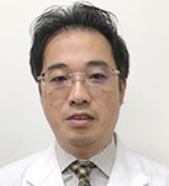 Shiro Oka (岡志郎)合作论文数Department of Gastroenterology, Graduate School of Biomedical and Health Sciences, Hiroshima University;Department of Gastroenterology and Metabolism, Hiroshima University7
 Fengju Zhang (张丰菊)合作论文数Key Laboratory of Colloid and Interface Chemistry (Shandong University), Ministry of Education, School of Chemistry and Chemical Engineering, Shandong University, Jinan, 250100 People’s Republic of China7Annette H. Sohn合作论文数7I Azwa合作论文数6P. C. K. Li合作论文数6W. Lam合作论文数6
 Patrick Chung-Ki Li合作论文数6Kh Wong合作论文数6S. Khusuwan合作论文数5Y. M. Gani合作论文数5S. Sangle合作论文数5Y. T. Chan合作论文数5P Li合作论文数5Sharifah Faridah Syed Omar合作论文数5
 Lim Poh Lian合作论文数Dept Infect Dis, Tan Tock Seng Hosp5
 Fujie Zhang (张福杰)合作论文数Beijing Ditan Hospital, Capital Medical University5Thira Sirisanthana合作论文数5
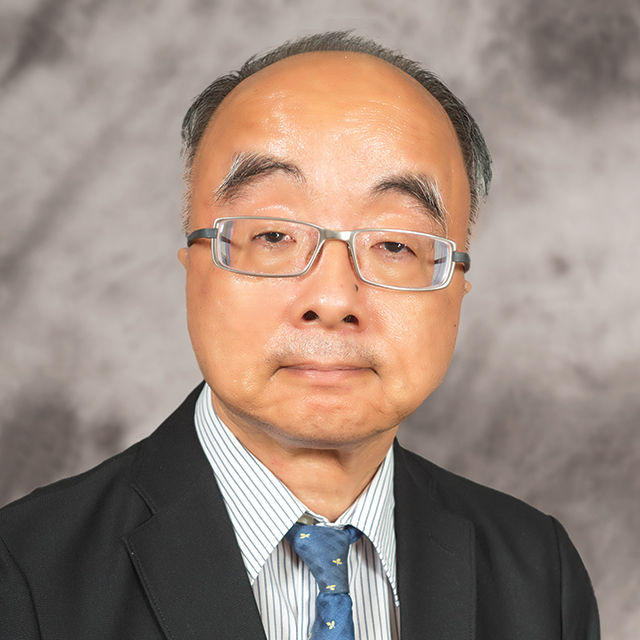 Shui Shan Lee (李瑞山)合作论文数S.H. Ho Research Centre for Infectious Diseases, Faculty of Medicine, The Chinese University of Hong Kong;Stanley Ho Centre for Emerging Infectious Diseases, The Jockey Club School of Public Health and Primary Care, The Chinese University of Hong Kong5
 Praphan Phanuphak合作论文数5N. Han合作论文数4C. Ezhilarasi合作论文数4H. V. Bui合作论文数4F. Yuliana合作论文数4
 David Boettiger合作论文数4V. Khol合作论文数4Dhanushi Rupasinghe合作论文数4D. T. H. Nguyen合作论文数4




