OBJECTIVES The aim of this study was to determine echocardiographic predictors of outcome in patients with advanced heart failure (HF) due to severe left ventricular (LV) systolic dysfunction in the Beta-blocker Evaluation of Survival Trial (BEST).BACKGROUND Previous studies indicate that echocardiographic measurements of LV size and function, mitral deceleration time, and mitral regurgitation (MR) predict adverse outcomes in HF. However, complete quantitative echocardiograms evaluating all of these parameters have not been reported in a prospective randomized clinical trial in the era of modern HF therapy.METHODS Complete echocardiograms were performed in 336 patients at 26 sites and analyzed by a core laboratory. A Cox proportional-hazards regression model was used to determine which echocardiographic variables predicted the primary end point of death or the secondary end point of death, HF hospitalization, or transplant. Significant variables were then entered into a multivariable model adjusted for clinical and demographic covariates.RESULTS On multivariable analysis adjusted for clinical covariates, only LV end-diastolic volume index predicted death (events = 75), with a cut point of 120 ml/m(2). Three echocardiographic variables predicted the combined end point of death (events = 75), HF hospitalization (events = 97), and transplant (events = 9): LV end-diastolic volume index, mitral deceleration time, and the vena contracta. width of MR. Optimal cut points for these variables were 120 ml/m(2), 150 ms, and 0.4 cm, respectively.CONCLUSIONS Echocardiographic predictors of outcome in advanced HF include LV end-diastolic volume index, mitral deceleration time, and vena contracta width. These variables indicate that LV remodeling, increased LV stiffiness, and MR are independent predictors of outcome in patients with advanced HF. (c) 2005 by the American College of Cardiology Foundation.
Background-beta-Blockers improve survival and reduce hospitalization in chronic heart failure (CHF) by biologically improving left ventricular ejection fraction (LVEF). However, a good predictor of improvement with this therapy has not been identified. This substudy of BEST examined whether myocardial contractile reserve, as determined by dobutamine stress echocardiography, predicts improvement in LVEF.Methods and Results-Seventy-nine patients with class III/IV CHF underwent dobutamine stress echocardiography before treatment with bucindolol (n=41) or placebo (n=38). Regional wall motion score index (WMSI) was calculated as the sum of the scores in each segment divided by the total number of segments visualized. WMSI was compared with change in LVEF after 3 months of therapy as determined by gated radionuclide scan. Change in WMSI correlated inversely with change in LVEF after 3 months of bucindolol (r=-0.72, P<0.0001) and was the most significant multivariate predictor of change in LVEF (P=0.0002). Patients with contractile reserve had demographics similar to those of patients without contractile reserve, including RVEF, LVEF, systolic blood pressure, and CHF duration. However, patients without contractile reserve had higher baseline plasma norepinephrine levels (687&PLUSMN;333 versus 420&PLUSMN;246 pg/mL, P<0.05) and greater decrease in plasma norepinephrine in response to bucindolol (-249+/-171 versus -35+/-277 pg/mL, P<0.05).Conclusions-This study suggests a direct relationship between contractile reserve and improvement in LVEF with β-blocker therapy in patients with advanced CHF. Patients without contractile reserve have higher resting adrenergic drive, as reflected by plasma norepinephrine, and may experience greater sympatholytic effects from bucindolol.
 Barry Greenberg合作论文数University of California, San Diego;UC San Diego Health4
 Paul Grayburn合作论文数Baylor University Medical Center4
 Eric J. Eichhorn合作论文数4DeMaria A合作论文数3
 Jonathan Plehn合作论文数3H Krause-Steinrauf合作论文数3C. Appleton合作论文数2S Mayer合作论文数2J. Oh合作论文数2Christopher P. Appleton合作论文数2Jf Plehn合作论文数1An Demaria合作论文数1
 Peter Rahko合作论文数Department of Medicine, School of Medicine and Public Health, University of Wisconsin-Madison1
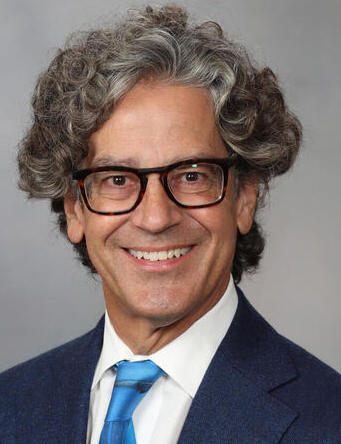 Robert P. Frantz合作论文数Department of Surgery, Mayo Clinic;Transplant Center, Mayo Clinic1
 Brian Lowe合作论文数Department of Internal Medicine, College of Medicine, University of Nebraska Medical Center1




