Almost a century after the first experiments with camphor in inducing seizures for the treatment of schizophrenic patients, this past remains present in psychiatry as one of its milestones, being one of the first effective biological approaches conducted for mental illness. In Hungary, László Meduna, a psychiatrist with training in neuropathology, hypothesized that convulsions held therapeutic potential based on a theoretical incompatibility with psychosis and, with firm intellectual dedication, planned and executed a research project that resulted, after generations of improvements, in one of the most effective and timeless treatments in psychiatry. László Meduna entered history. Using the early research methods available at the time, he developed an innovative procedure. Meduna, like many other dedicated scientists throughout history, filled gaps with his research skills. This review situates the work of Meduna within its historical context, examining his development of chemically induced seizures as a treatment for severe psychiatric disorders. This seminal therapeutic advance proved remarkably effective, and its fundamental repercussions continue to resonate in contemporary practice.
Almost a century after the first experiments with camphor in inducing seizures for the treatment of schizophrenic patients, this past remains present in psychiatry as one of its milestones, being one of the first effective biological approaches conducted for mental illness. In Hungary, László Meduna, a psychiatrist with training in neuropathology, hypothesized that convulsions held therapeutic potential based on a theoretical incompatibility with psychosis and, with firm intellectual dedication, planned and executed a research project that resulted, after generations of improvements, in one of the most effective and timeless treatments in psychiatry. László Meduna entered history. Using the early research methods available at the time, he developed an innovative procedure. Meduna, like many other dedicated scientists throughout history, filled gaps with his research skills. This review situates the work of Meduna within its historical context, examining his development of chemically induced seizures as a treatment for severe psychiatric disorders. This seminal therapeutic advance proved remarkably effective, and its fundamental repercussions continue to resonate in contemporary practice.
This study investigated the impact of childhood sexual abuse (CSA) on brain responses to aversive stimuli in patients with Posttraumatic Stress Disorder (PTSD). Whole-brain and regions-of-interest analyses revealed that participants who reported higher severity of CSA had smaller brain reactivity to mutilation versus neutral pictures in the right postcentral and supramarginal gyrus, and in the left midcingulate, suggesting that CSA may blunt brain reactivity to aversive stimuli in areas involved in sensory and emo-motoric processing. This study adds evidence for long-lasting effects of CSA on brain processing and attests the need for specific diagnosis and treatment for the affected patients with PTSD.
ABSTRACT:Posttraumatic stress disorder (PTSD) is a heterogeneous disease defined by four Diagnostic and Statistical Manual of Mental Disorders, 5th Edition (DSM-5) symptom clusters: reexperiencing, avoidance, negative alterations in cognitions and mood, and hyperarousal. There are effective evidence-based psychotherapies (EBPs) for PTSD. However, given the variety of PTSD clinical presentations, we conducted the first meta-analysis investigating whether DSM-5 PTSD symptom clusters show different responses to EBPs. We systematically reviewed the literature for controlled clinical trials in five databases, performed a meta-analysis, and evaluated the methodological quality of the studies. We screened 633 studies and included seven. Three showed high risk, two showed some concerns, and one showed a low risk of bias. The symptom clusters do not seem to respond differently to EBPs (SMD cluster B: -0.40; 95% confidence interval [CI], -0.87 to 0.08; cluster C: -0.49; 95% CI, -0.90 to -0.08; cluster D: -0.44; 95% CI, -0.94 to 0.05; cluster E: -0.54; 95% CI, -1.07 to -0.0), even when analyzed by the therapeutic focuses. The findings dovetail nicely with the network theory of PTSD symptom, as although it is a heterogeneous disorder, the EBPs seem to promote a kind of cascade of symptom improvement.
This is a bibliometric analysis of the most-cited articles on post-traumatic stress disorder (PTSD) with the objective of identifying citation patterns for researchers, journals, centers, periods, topics, and nations. A search was conducted in Thomson Reuters' WoS Core Collection employing the expression TI = (posttraumatic stress disorder OR post-traumatic stress disorder OR PTSD). The 100 most-cited articles were downloaded, and the relevant data were extracted and analyzed. These studies had a total of 69,649 citations, ranging from a minimum of 360 to a maximum of 6029 citations, with an average of 696.49, a standard deviation of 720.92, mode of 369, and a median of 512. Eighty-eight percent of the most-cited articles on PTSD originated from the USA, with just six cities accounting for 52% of the publications and the Boston area alone responsible for almost one-fifth of the total output. The universities of Yale and Harvard headed the ranking of institutions with larger numbers of highly-cited articles. Female researchers represented 42.3% of all authors, 51% of the first authors, and 48% of the corresponding authors. The proportion of M.D. authors decreased significantly between the 1980-1999 (42%) and the 2000-2019 (27.2%) periods while that of Ph.D. authors increased from 44% to 57.4%. The most studied population was military veterans (28%). Female victims of sexual or physical violence, traumatized children, and adult survivors of childhood abuse were assessed in only 6-7% of the most-cited publications. Ten clinical trials evaluated psychological interventions but only three investigated pharmacotherapy. We concluded that influential research on PTSD remains centralized in the USA. A balanced gender representation in publications was found. There was a heavy reliance on combat veterans as the study population. Few highly-cited studies on the pharmacotherapy for PTSD were identified. Focused efforts are needed to address these challenges.
Cumulative trauma is usually devastating and can lead to severe psychological consequences, including posttraumatic stress disorder (PTSD). Exposure to various types of traumas, particularly during childhood, can be even more deleterious than the sheer number of events experienced. This epidemiological study is the first to investigate the impact of discrete childhood traumatic exposure on the risk of developing lifetime PTSD in a representative sample of the general population of the two biggest Brazilian cities. Participants were aged between 15 and 75 years old, living in São Paulo and Rio de Janeiro, Brazil, who had experienced traumatic events (N = 3,231). The PTSD diagnosis was assessed using the DSM-IV criteria through the version 2.1 of Composite International Diagnostic Interview. To operationalize childhood cumulative trauma, we considered the sum of 15 different childhood trauma categories that occurred before PTSD onset. The final multivariate logistic regression model indicated a strong relationship between the number of discrete types of childhood traumas and the likelihood of the lifetime PTSD development. The lifetime PTSD risk increased 28% with each different type of childhood trauma when adjusted by confounds. Our study strengthens the evidence associating childhood cumulative trauma to increased lifetime PTSD risk.
During the COVID-19 pandemic healthcare workers were repeatedly exposed to traumatic experiences. Facing life-threatening events and repeated exposure to traumatic duty-related situations may cause posttraumatic stress disorder (PTSD). While tonic immobility has been considered a key vulnerability factor for PTSD, little is known about this relationship in the long term. In this study, we aimed to determine whether peritraumatic tonic immobility triggered by COVID-19-related trauma predicts PTSD symptom severity six to twelve months later. We conducted an online longitudinal survey using the PTSD Checklist for the DSM-5 (PCL-5) and the Tonic Immobility Scale to assess PTSD symptoms and the tonic immobility response, respectively. Multivariate regression models revealed a significant association between tonic immobility and PTSD symptoms. Each one-unit increase in the tonic immobility score was associated with a 1.5 % increase in the average PTSD symptom score six to twelve months after the traumatic event that triggered the tonic immobility. Furthermore, participants who showed significant or extreme levels of tonic immobility were 3.5 times or 7.3 times more likely to have a probable PTSD diagnosis, respectively. Hence, peritraumatic tonic immobility seems to have a lasting deleterious effect on mental health. Psychological treatment for health care professionals is urgent, and psychoeducation about the involuntary, biological nature of tonic immobility is essential to reduce suffering.
AbstractBackgroundThe goal of the present study was to investigate the association between PTSD and the onset of hypertension in previously normotensive individuals in a population living in the stressful environment of the urban slums while controlling for risk factors for cardiovascular disease (CVD).MethodsParticipants were 320 normotensive individuals who lived in slums and were attending a family doctor program. Measurements included a questionnaire covering sociodemographic characteristics, clinical status and life habits, the Posttraumatic Stress Disorder Checklist – Civilian Version, and the Beck Depression Inventory. Incident hypertension was defined as the first occurrence at the follow-up review of the medical records of (1) systolic blood pressure of 140 mm Hg or higher or diastolic blood pressure of 90 mm Hg or higher, (2) the participant started taking antihypertensive medication, or (3) a new diagnosis of hypertension made by a physician. Differences in sociodemographic, clinical, and lifestyle characteristics between hypertensive and non-hypertensive individuals were compared using the χ2 and t tests. Multivariate Cox proportional hazards models were used to calculate hazard ratios (HR) and 95% confidence intervals (CI).ResultsSix variables – age, educational level, body mass, smoking, diabetes, and PTSD diagnosis – showed a statistically significant (p ≤ 0.20) association with the hypertensive status. In the Cox regression, only PTSD diagnosis was significantly associated with incident hypertension (multivariate HR = 1.94; 95% CI 1.11–3.40).ConclusionsThe present findings highlight the importance of considering a diagnostic hypothesis of PTSD in the prevention and treatment of cardiovascular diseases.
ABSTRACT The goal of this editorial is to analyse a recent case of mass murder under the psychiatric perspective.
Dementia is a clinical syndrome characterized by multiple, acquired and persistent cognitive deficits, capable of substantially interfering in the patient’s activities of daily living. The diagnosis of Dementia with Lewy Bodies (LBD) is characterized by fluctuation in cognitive functions, recurrent, well-formed, and detailed visual hallucinations, and parkinsonism, with stiffness, tremor, bradykinesia, and slurred speech. Our goal is to describe a case report of LBD that for several years was diagnosed and treated as depression. It is extremely important to have detailed medical research in these cases, including performing differential diagnosis with depression, in order to enable adequate treatment, family guidance and receipt of financial benefits provided by government authorities.
of Rio de Janeiro (IPUB/UFRJ), published quarterly for over 70 years.During the tenure of Profs.
OBJECTIVES:The most recent DSM-5 (2013) and ICD-11 (2018) diagnostic criteria for posttraumatic stress disorder (PTSD) encompass 20 and six symptoms, respectively, organized in different structures. This study aimed to investigate the dimensions of the Posttraumatic Stress Disorder Checklist 5 (PCL-5) according to the DSM-5's broader definition of PTSD and the ICD-11's narrower approach, as well as to explore an alternative restricted model that retains the core symptoms explicitly related to traumatic experiences.METHODS:Data were gathered from Brazilian employees (n=1,101) who had directly experienced traumatic life events or had been exposed to them because of their work activities. Confirmatory factor analysis (CFA) and exploratory structural equation modeling (ESEM) were used to evaluate the configural and metric structures of the models.RESULTS:We estimated seven models of the latent structure of PTSD including the four-factor DSM-5 and three-factor ICD-11 PTSD models. Given the lack of evidence of their validity, an alternative 10-symptom model was tested. The final seven-item PTSD model considerably improved estimation of the PTSD construct. This solution showed reliable items with non-redundant content, acceptable fit indices, and satisfactory configural and metric properties.CONCLUSION:The more parsimonious one-dimensional model comprising the core PTSD symptoms has the potential to improve assessment of PTSD.
Background The present study aimed to apply multivariate pattern recognition methods to predict posttraumatic stress symptoms from whole-brain activation patterns during two contexts where the aversiveness of unpleasant pictures was manipulated by the presence or absence of safety cues. Methods Trauma-exposed participants were presented with neutral and mutilation pictures during functional magnetic resonance imaging (fMRI) collection. Before the presentation of pictures, a text informed the subjects that the pictures were fictitious (“safe context”) or real-life scenes (“real context”). We trained machine learning regression models (Gaussian process regression (GPR)) to predict PTSD symptoms in real and safe contexts. Results The GPR model could predict PTSD symptoms from brain responses to mutilation pictures in the real context but not in the safe context. The brain regions with the highest contribution to the model were the occipito-parietal regions, including the superior parietal gyrus, inferior parietal gyrus, and supramarginal gyrus. Additional analysis showed that GPR regression models accurately predicted clusters of PTSD symptoms, nominal intrusion, avoidance, and alterations in cognition. As expected, we obtained very similar results as those obtained in a model predicting PTSD total symptoms. Conclusion This study is the first to show that machine learning applied to fMRI data collected in an aversive context can predict not only PTSD total symptoms but also clusters of PTSD symptoms in a more aversive context. Furthermore, this approach was able to identify potential biomarkers for PTSD, especially in occipitoparietal regions.
Introduction: The history of psychiatry encompasses the evolving concepts about the relationship between body and mind and also of the definiton of normality, which depend on the knowledge and customs of different times and places. For a better understanding of this journey, this study privileged the presentation of the main influential figures on the construction of psychiatric nosology and classifications mainly unfolded on a descriptive or causal basis, from psychics or somatics driving, since the Western Renaissance. This article, the second in a two-part series, mainly discusses the importance of psychopharmacology for a better understanding of mental disorders and their classifications. Part one is a preamble to the historical development of the new nosography and psychopharmacology. Method: Narrative review based on secondary sources. Results: The current article illustrates how the understanding of the pathophysiological mechanisms underlying mental illness improves, mainly employing the psychopharmacology that may lead to the reclassification of certain mental disorders. This natural reductionism view of the sciences must be in cooperation with an integrative understanding of the human being, as is customary in the humanities. Conclusion: The study of psychiatric nosohistoriography helps to understand the conceptual evolution of mental illnesses and the most recent importance of psychopharmacology for this.
Introduction: The history of psychiatry encompasses the evolving concepts about the relationship between body and mind and also of the definition of normality, which depend on the knowledge and customs of different times and places. For a better understanding of this journey, this study privileged the presentation of the influential figures on the construction of psychiatric nosology and classifications mainly unfolded on a descriptive or causal basis, from psychics or somatics driving, since the western renaissance. Because of the length of this historical path, this study is divided into two parts. This paper, the first in a two-part series, is a preamble to the development of the new nosography and psychopharmacology of the 21st century, merit of the second paper in this series. Method: Narrative review based on secondary sources. Results: Part One includes a review of prior studies concluding that the psychiatric nosography construction has many stations and it passes through the 18th century more structured morbid classifications based on taxonomies of the natural sciences. Psychiatric classifications navigate the course between different psychiatric theories, often marked by inherent prejudices, alongside advances achieved in neuroscience and its intricate connections with the physiology of emotions, cognition and behaviors, shedding light on their deviations or disorders. This evolution goes in parallel with that of the macro and microanatomy, physiology, chemistry, pharmacology, genetics, internal medicine, mainly neurology, apace with evaluation techniques that also reach the Blood-oxygen-level-dependent imaging (BOLD) fMRI (functional magnetic resonance imaging) that indirectly study the action of neurotransmitters and neuronal signalling. The biologic approach stands in contrast to the psychodynamic theory, particularly dominant until roughly the mid-20th century. Conclusion: The study of psychiatric nosohistoriography helps to understand the conceptual evolution of mental illnesses and the most recent importance of psychopharmacology for this.
O objetivo do presente estudo foi verificar a possibilidade de predição dos sintomas do Transtorno de Estresse Pós-Traumático (TEPT) a partir dos padrões de atividade cerebral. Os participantes expostos a situações traumáticas foram submetidos a exames de Ressonância Magnética Funcional (RMf) enquanto eram expostos a fotos neutras e de corpos mutilados. Neste experimento, foram criados dois contextos de imagens aversivas (real e seguro). O modelo de aprendizado de máquina foi capaz de predizer sintomas de TEPT a partir de padrões de atividade cerebral em resposta às imagens de mutilação no contexto real, mas não no contexto seguro. As regiões cerebrais que apresentaram maior contribuição para o modelo foram as regiões occipitoparietais, incluindo o giro parietal superior e inferior, e o giro supramarginal.
This study objective was to investigate publication trends on personality disorders (PD) and to identify patterns of historical development. Publication rates were determined using the Results by Year Timeline feature of PubMed. Time series autoregressive integrated moving average models were used to analyse the publication rates for PDs in quinquennial periods beginning in 1980 and ending in 2019 and to predict the number of publications in the 2024-2029 period. More than 300 articles on antisocial and borderline PD are being published each year, and the models suggest an accelerating growth rate. Approximately 100 articles are being published on average every year on schizotypal PD, and the regression model indicates linear growth in the near future. The mean number of publications per year for obsessive-compulsive, narcissistic and avoidant PDs is in the range of 10-30 with the corresponding models indicating linear growth. Fewer than 10 articles are being published each year on dependent, paranoid, histrionic and schizoid PD, whereas dependent PD shows modest growth and paranoid PD rates tended to stability, histrionic and schizoid PD exhibit declining rates. Personality disorders are a group of conditions with diverse etiological, prognostic, therapeutic, legal, research, social and cultural implications that influence publication rates.
 Ivan Figueira合作论文数Faculdade de Medicina, Universidade Federal do Rio de Janeiro;Instituto de Psiquiatria, Universidade Federal do Rio de Janeir153
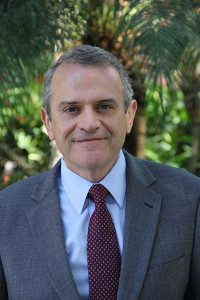 Antonio Egidio Nardi合作论文数Institute of Psychiatry, School of Medicine, Federal University of Rio de Janeiro95
 Marcio Versiani合作论文数75
 Leonardo F Fontenelle合作论文数71
 William Berger合作论文数Instituto De Psiquiatria, Universidade Federal do Rio de Janeiro;Departamento de Psiquiatria e Medicina Legal, Universidade Federal do Rio de Janeiro65Carla Marques合作论文数45
 Evandro Da Silva Freire Coutinho合作论文数Departamento de Epidemiologia e Métodos Quantitativos em Saúde, Escola Nacional de Satde Publica Sergio Arouca;Instituto de Medicina Social, Universidade do Estado do Rio de Janeiro;Universidade Federal do Rio de Janeiro40Carla Marques-Portella合作论文数37Eliane Volchan合作论文数36Carlos Camisäo合作论文数33Paula Ventura合作论文数Institute of Psychology, Universidade Federal do Rio de Janeiro (UFRJ25eloisa saboya合作论文数23
 Alexandre M Valenca合作论文数23Y. Andrade合作论文数22yasmin andrade合作论文数20Sandra Pinto合作论文数19Adriana Fiszman合作论文数18
 Leticia Oliveira合作论文数Department of Physiology and Pharmacology, Universidade Federal Fluminense18pedro coscarelli合作论文数17
 Mariana Pires Luz合作论文数17
 Pereira Mirtes G合作论文数Instituto Biomédico, Universidade Federal Fluminense16De Moraes Talvane M合作论文数16Jair De Jesus Mari合作论文数14Gustavo Kinrys合作论文数Department of Psychiatry, Cambridge Health Alliance-Harvard Medical School13Carlos M. Marques合作论文数12Andrea de Moraes合作论文数12
 Wanderson Souza合作论文数Institute of Psychiatry, the Universidade Federal do Rio de Janeiro12Vanessa Rocha-Rego合作论文数12P Coscarelli合作论文数11
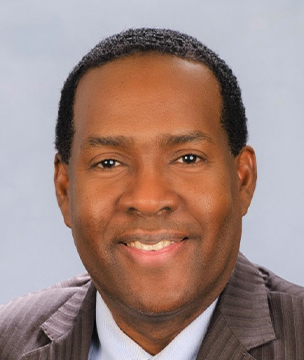 Girardin Jean-Louis合作论文数Department of Psychiatry and Behavioral Sciences, Miller School of Medicine, University of Miami10Mark H. Rapaport合作论文数9Márcio Gekker合作论文数8
 Liana Catarina Lima Portugal合作论文数Centre for Computational Statistics and Machine Learning, University College London;LABNEC, Universidade Federal Fluminense;University College London, Universidade Federal Fluminense8
 Fatima Smith Erthal合作论文数8
 Juliana Kalaf合作论文数Institute of Psychiatry, Universidade Federal do Rio de Janeiro7
 Luiz Felipe Pagotto合作论文数7
 Jose Appolinario合作论文数Grupo de Obesidade e Transtornos Alimentares (GOTA) do Instituto Estadual de Diabetes e Endocrinologia (IEDE) e do Instituto de Psi, quiatria da Universidade do Brasil7Alexandre Xavier Gomes de Araújo合作论文数6
 Souza Gabriela Guerra Leal合作论文数Universidade Federal de Ouro Preto6
 Jerson Laks合作论文数6J.Christian Gillin合作论文数6
 Raquel Goncalves合作论文数6Isabella Nascimento合作论文数6Liliane Vilete合作论文数6
 Isabel A. David合作论文数Universidade Federal Fluminense6
 John Kelsoe合作论文数Institute for Genomic Medicine, University of California, San Diego;Department of Psychiatry, University of California, San Diego6
 Cristofe Marques合作论文数5Euripedes Constantino Miguel合作论文数Faculdade de Medicina da Universidade de Sao Paulo5




