For working-age patients with colorectal cancer, returning to work is a key rehabilitation goal. This study examines the association between socio-economic position (SEP) and return-to-work (RTW), including competing outcomes (pension entry and death), following medical rehabilitation. German Pension Insurance data (2013–2022) were analysed, including 32,174 formerly employed patients (ICD-10 C18–C20) of working age undergoing oncological rehabilitation. Patients were categorised by SEP (education, occupational position, income). Logistic regression and restricted mean survival time (RMST) analyses investigated socio-economic differences in RTW, unemployment, sick leave, pension, and death. Following rehabilitation, 31
OBJECTIVES:The increasing use of oral anticancer therapies (OAT) requires comprehensive information, counseling, and self-management support to ensure safe and effective use at home. This study examines patients' experiences with information and counseling during OAT and explores the roles of different healthcare professionals (HCPs) in this process. METHODS:Semi-structured interviews were conducted with patients undergoing OAT in two oncology practices in Germany. Interviews were transcribed and analyzed using qualitative content analysis. Deductive categories were derived from an established theoretical framework of patient-centeredness. RESULTS:A total of 22 interviews were conducted (mean age 68.4 years; 15 female). Patients receiving various types of OAT for different durations were interviewed. Patients described their treating hematologist/oncologist as their main contact for information and counseling. Trust and perceived professional competence were central. Nurses were seen as an additional source of information and counseling in settings with structured oncology nursing consultations (ONC). Patients without access to structured ONC tended to attribute organizational and technical tasks to nurses. Pharmacists were rarely described as a source of information and counseling on OAT. CONCLUSION:Hematologists/oncologists were perceived as the main source of information and counseling during OAT. ONC was valued by patients who had access to it and may represent a complementary resource for patient support. Counseling by pharmacists was reported less frequently. The findings suggest that the potential contribution of nurses and pharmacists to interprofessional, patient-centered counseling on OAT seems to have been underutilized in current outpatient oncology in Germany. PRACTICE IMPLICATIONS:The findings highlight the importance of clear professional roles and effective interprofessional cooperation in information and counseling for patients undergoing OAT. Promoting health literacy-sensitive communication skills and a trusting patient-provider relationship may help address patients' diverse information needs. Integrating nursing and pharmaceutical counseling services into existing care structures could support better coordinated and patient-centered OAT care.
Abstract Background Sexual dysfunctions in individuals with social anxiety disorder (SAD) have been previously reported. However, most of these results refer to physical and behavioral measures. Psychological aspects have not been previously researched. Method In the present study, we utilized an online version of the “Multidimensional Sexuality Questionnaire” (MSQ) in a sample of individuals with SAD (n = 242, 40.70 ± 13.40 years, 58.7% female). We hypothesized greater difficulties for SAD individuals compared to controls without SAD through the influence of fear and avoidance symptoms. Results Based on multivariate analyses (MANCOVA), SAD individuals showcased significant deficiencies in almost all subscales of the MSQ compared to the control group (partial η2 = 0.016 − 0.217, all p < .001). Moreover, men with SAD were significantly more preoccupied and motivated for sexual behaviour and relationships than women with SAD (partial η2 = 0.104 − 0.159, all p < .001). Conclusion These results give first insights for psychological reasons possibly underlying sexual difficulties in SAD patients. SAD individuals spend less time thinking about and are less motivated for sexuality. Assertiveness and the belief of one’s control and autonomy of sexuality are less pronounced in SAD individuals. Those signs can be approached via different techniques and therapeutic interventions if difficulties with sexuality and sexual satisfaction are relevant for those affected by SAD. Clinical trial number Not applicable.
Medication literacy is particularly important for patients undergoing oral anticancer therapy, as this treatment involves additional challenges and responsibilities compared to intravenous chemotherapy. The aim of this study was to develop a questionnaire to measure the medication literacy of patients receiving oral anticancer therapy. Following semi-structured interviews and an expert focus group, a first draft of the questionnaire was developed. The draft consisted of two parts, each containing four dimensions. Part A of the questionnaire measured patients’ self-assessed medication literacy, whereas Part B measured their functional medication literacy. After this, both parts of the draft questionnaire were evaluated by conducting a patient survey in oncology practices and community pharmacies. Based on the results of factor analyses, the questionnaire was adapted and finalised. Lastly, the criterion-related validity of the final questionnaire was tested using linear regression analysis, with the aim of investigating its possible influence on quality of life and patient enablement. Factor analysis resulted in a questionnaire that contained 27 items across 7 dimensions. A total of 307 patients was included in the patient survey. Patients achieved an average of 36.7 out of 50 points in Part A and 11.7 out of 17 points in Part B of the final instrument, with higher scores indicating better results. Part A was found to be positively associated with quality of life and patient enablement. While Part A exhibited sound psychometric criteria, Part B still lacked sufficient internal consistency. In conclusion, we developed the first medication literacy questionnaire designed completely from scratch for cancer patients receiving oral anticancer therapy. The part on self-assessed medication literacy could be used as a patient-relevant endpoint or for identifying patients in need of further support with their medication. The part on functional medication literacy needs further refinement. This project is registered in the German Clinical Trials Register (no. DRKS00034341, registration date: 2024-06-03; https://drks.de/search/en/trial/DRKS00034341).
Im September kehrt der Deutsche Kongress für Versorgungsforschung an seinen Ursprungsort zurück und feiert an der Uniklinik Köln sein 25-jähriges Jubiläum. Die Kongresspräsidentinnen Prof. Dr. Lena Ansmann, Medizinsoziologin am IMVR der Universität zu Köln, und Prof. Dr. Nicole Ernstmann, Diplom-Psychologin und Professorin für Versorgungsforschung in Köln, zeigen im Gespräch mit „Monitor Versorgungsforschung“ auf, warum es sich lohnt, dem von ihnen gestalteten Fachkongress teilzunehmen. Das Motto „Menschen. Beziehungen. Organisationen” ist für sie viel mehr als eine Trias der Schlagworte, sondern die Beschreibung eines Wegs in eine mögliche Zukunft der patientenzentrierten Versorgung.
Introduction: Parental cancer affects the whole family and can have negative impact on family as a system as well as on single family members. This multicentre, prospective, interventional and non‐randomized family‐SCOUT study aimed to implement a comprehensive psychosocial intervention to provide support for the family during and after the disease. The purpose of this study is to analyse the contextual factors that impact the subjective perceived effectiveness of family‐scout support for families affected by parental cancer from the healthy parents’ perspective. Methods: Semi‐structured interviews with the healthy parent as a surrogate of family‐SCOUT families from the intervention group were conducted. All interviews were audio‐recorded, transcribed and analysed using template analysis. Results: Within two years, 23 interviews were conducted. Four themes were identified, highlighting contextual factors that indicate successful support for families: Ability to meet the support needs of families; cancer as a family disease—burdens in the context of the family system; coping strategies—how the individual family members deal with the situation and communication within the family. Conclusion: Family‐scouts can provide beneficial support to families affected by parental cancer, but individual time of the families, communication and stress factors need to be taken into consideration. Trial Registration: Familien‐SCOUT: NCT04186923
IntroductionOutpatient cancer counseling centers (OCCs) are important social work facilities that provide support for cancer survivors who have psychosocial and sociolegal challenges. This paper explores clinical and sociodemographic characteristics, psychosocial burden as well as access routes of clients in OCCs seeking work-related counseling.MethodsBetween May 2022 and December 2023, data were collected in 19 OCCs, using questionnaires and documentation by counselors.ResultsThe 719 cancer survivors surveyed had a mean age of 50 and were predominantly female (78%); 46% had been diagnosed with breast cancer. Most respondents had university entrance certificates (42%). The respondents rated their overall life and job satisfaction at a mean of 5 and distress at a mean of 7. The majority of respondents had received information about the OCC from the hospital.DiscussionThe results show that especially women with breast cancer and high socioeconomic status made use of counseling in the CARES study. The respondents also had a high sense of burden and dissatisfaction and access routes to the OCCs were mainly through recommendations of the treating hospitals or physicians. These findings can be used to ensure need-based counseling in the OCC, as well as to address additional target groups that are currently underrepresented.
Single motherhood is associated with increased psychosocial risks, affecting both mothers and their minor children. However, little is known about the specific psychosocial impact of maternal cancer in single mothers (SMs). This study compared psychological burden, quality of life, specific problems, and parental concerns between SMs and partnered mothers (PMs) affected by cancer and caring for minor children. Cross-sectional analysis of baseline data from a multicenter, non-randomized, controlled trial in Germany (Family-SCOUT). SMs and PMs affected by cancer were assessed for psychological burden (anxiety, depression, distress), quality of life, practical, family, emotional, spiritual/religious, and physical problems and parental concerns. A total of 54 SMs and 245 PMs were included. SMs reported more practical problems (p = 0.008, d = 0.44) and parental concerns than PMs (p = 0.011, d = 0.40). After controlling for demographic and clinical group differences, practical problems (p = 0.009, OR = 1.53) and parental concerns (p = 0.015, OR = 1.73) remained significantly associated with single motherhood. SMs and PMs did not differ in anxiety, depression, distress or quality of life. Overall, a large proportion of mothers reported clinically relevant elevated levels of anxiety (71.9
Background:The increasing use of oral anticancer therapy (OAT) requires self-management skills from cancer patients. Adequate information and counseling, as well as medication literacy, are key elements of safe and successful therapy in the patient's home. Objective:The aim of the study was to identify unmet information needs and knowledge gaps of cancer patients regarding their therapy with OAT. Methods:Semi-structured, guideline-based interviews with cancer patients undergoing OAT were conducted, recorded and professionally transcribed. The transcripts were analysed using qualitative content analysis. Results:A total of 21 interviews were conducted. Fifteen of the interviewees were female, the median age was 69.6 years. Patients with solid tumours as well as those with blood cancers were interviewed. In the interviews, experiences were reported with various classes of OATs (chemotherapy; anti-hormonal therapy; targeted therapy). The following themes were identified: 1) Therapy-related information needs; 2) No information received; 3) No awareness for information needs; 4) No need for more information; 5) Therapy-related knowledge gaps; 6) Potentially inadequate knowledge. Deficits were identified in relation to correct use, possible interactions, and dealing with adverse events. Individual patients also report actively avoiding information. Conclusion:The identified information needs and knowledge gaps of patients undergoing OAT highlight the need to optimize information and counseling in order to ensure treatment safety and success. In addition to providing knowledge, the self-management skills of patients should also be specifically strengthened. Furthermore, improvements to the structural framework in the outpatient setting are necessary, particularly with regard to the availability of counseling services. The results can be used as a basis for the development of specific interprofessional educational interventions for those affected.
Introduction Providers’ self-efficacy in patient-centeredness, defined as their confidence in their ability to communicate in a patient-centered manner, is linked to their patient-centered attitudes and behaviors. The SEPCQ-27 is a validated instrument to measure medical students’ and physicians’ self-efficacy in patient-centered communication. The aim of this study was to produce a German adaptation of the SEPCQ-27 and evaluate its psychometric properties in a sample of physicians in oncology.Materials and methods The SEPCQ-27 was professionally translated and adapted into German. Descriptive analyses, exploratory and confirmatory factor analyses, and internal consistency, convergent, discriminant and construct validity were conducted using data from a sample of n = 258 physicians collected during the three-arm cluster-randomized intervention trial ‘KommRhein Interpro’ conducted from 2019–2023.Results Exploratory factor analysis led to a modified three-dimensional German version with 24 items (SEPCQ-24-GER), which showed acceptable fit in confirmatory factor analysis (χ2/df = 1.8, CFI = 0.92, TLI = 0.91, SRMR = 0.05, RMSEA = 0.06). The SEPCQ-24-GER demonstrated good internal consistency (Cronbach’s alpha > 0.7 for all three dimensions) and acceptable convergent (CR for all dimensions is > 0.7), discriminant (√AVE is higher than the factor intercorrelations for all but one factor), and construct validity (regarding occupational group (F = 4.741, p < .001), occupational experience (r =.240, p < .001) and between factor 3 and sex (t = 2.575, p = .011)).Discussion The SEPCQ-24-GER demonstrated satisfactory psychometric properties. Future research should focus on further measures of reliability, sensitivity to change and validation within different samples.Trial Registration DRKS (German Clinical Trials Register) - ID: DRKS00022563, registered 29/07/2020.
BACKGROUND/AIM:Tumor boards (TUBs) are interdisciplinary meetings designed to determine the most effective cancer therapies and improve patient outcomes. This study aimed to assess which TUB therapy recommendations were easily implemented and to identify factors that hindered their implementation in clinical practice. PATIENTS AND METHODS:In this retrospective study, data from ten TUBs held at the University Hospital Bonn between 2014 and 2016 were analyzed. The dataset included 7,152 patients and 13,050 therapy recommendations. The degree of adherence to the recommended therapies was classified into four categories. Additionally, reasons for deviations from the recommendations were categorized based on medical record reviews. RESULTS:On average, 84.2% of recommendations were implemented: 68.1% were fully and 16.1% partially implemented. Deviations occurred in 8.6% of cases. The most common reasons for partial implementation were therapy changes based on new clinical findings or physician decisions (16.7%) and patient preferences (10.4%). The leading reason for complete deviation from the recommendation was lack of documentation (51.3%). CONCLUSION:Most TUB recommendations across ten medical disciplines were fully or partially implemented. However, there remains potential for improvement, particularly in ensuring consistent documentation and integrating patient preferences into clinical decision-making.
OBJECTIVE:To identify a) interruptions (secondary activities disrupting the workflow of the main task) occurring during case discussions in multidisciplinary tumor conferences (MTCs) with patient participation, and b) observable reactions among patients and healthcare professionals (HCPs). METHODS:Within the non-interventional mixed-methods study PINTU, we video-recorded five case discussions during MTCs with patient participation at one breast and gynecological cancer center. A qualitative sequential video interaction analysis was used to identify interruptions and related interactions. RESULTS:Occurring interruptions resulted in reactions of patients and/or HCPs. Work organization and seating arrangement led to interruptions, e.g., turning around to face individuals. Some interruptions caused reactions only among patients and not among HCPs. CONCLUSION:Interruptions occur regularly in case discussions during MTCs with patient participation. Certain interruptions, which did not cause observable reactions among HCPs and seem to be commonplace, attracted the patient's attention. As interruptions can be associated with patients' unmet need for information, HCPs' awareness of interruptions should be raised. PRACTICE IMPLICATIONS:When patients participate in MTCs, interruptions should be reduced to improve HCP-patient interactions. Our findings can lead to recommendations for improving organization of MTCs with patient participation aiming to cause fewer interruptions and thus better quality of patient care.
Viele Menschen mit einer Krebserkrankung haben auch nach der Rehabilitation weiteren Unterstützungsbedarf im Hinblick auf ihre berufliche Wiedereingliederung. Psychosoziale Krebsberatungsstellen (KBS) unterstützen Betroffene hierbei mit spezifischen Beratungsangeboten. Derzeit wird ein Qualitätsverbund (QV-CARES) psychosozialer KBS aufgebaut, der einen Schwerpunkt auf die Intensivierung der Beratung zum beruflichen Wiedereinstieg nach Krebs legt. Um der Frage nachzugehen, wie schwer erreichbare Zielgruppen besser adressiert werden können, wurden zwei Fokusgruppendiskussionen mit Beratungsfachkräften und Berufslots*innen durchgeführt. Die Ergebnisse dienen der Ergänzung und Weiterentwicklung von Maßnahmen zur zielgruppenspezifischen Ansprache sowie der Verbesserung der Erreichbarkeit im Rahmen des Qualitätsverbundes.
Bei Krebsbetroffenen im erwerbsfähigen Alter stellen sich von Diagnose und Behandlungsbeginn an zumeist auch arbeitsbezogene Fragestellungen. In der CARES-Studie (Cancer Rehabilitation Support by Cancer Counseling Centers) wurden Berufslots*innen in Krebsberatungsstellen (KBS) fortgebildet, die Ratsuchende rund um berufliche Themen unterstützen können. Wer nimmt das Berufslots*innenangebot in Anspruch? Welche Vorteile und Optimierungsmöglichkeiten nehmen Ratsuchende, Berufslots*innen und Zuweisende vom Berufslots*innenprogramm wahr? CARES ist eine quasiexperimentelle Machbarkeitsstudie. In 19 KBS wurden zunächst Ratsuchende vor Einführung des Berufslots*innenprogramms (Vergleichsgruppe [VG]) und anschließend Ratsuchende nach Schulung der Berufslots*innen (Interventionsgruppe [IG], vorläufige Ergebnisse) eingeschlossen. In diesem Beitrag werden Befragungsdaten zum ersten Befragungszeitpunkt zu Beginn der Beratung berichtet. Zudem wurden semistrukturierte Interviews geführt. Diese wurden inhaltsanalytisch ausgewertet. Teilnehmende an CARES (VG: n = 293/IG: n = 326) waren mehrheitlich weiblich und hatten einen (Fach‑)Hochschulabschluss. An den Interviews nahmen 16 Ratsuchende, 11 Berufslots*innen und 5 Zuweisende teil. Als Vorteile des Programms wurden u. a. die unmittelbare Unterstützung und Hilfe bei bürokratischen Prozessen, erhöhte zeitliche Kapazitäten sowie die Schließung einer Lücke in der Versorgungslandschaft genannt. Als Optimierungsmöglichkeiten wurden u. a. Beratungstermine in den Abendstunden bzw. im Onlineformat. Ratsuchende, Berufslots*innen wie auch Zuweisende nehmen das Berufslots*innenprogramm als vorteilhaft wahr, z. B. als Möglichkeit, Patient*innen mit Bedarf für Unterstützung bei beruflichen Themen zu verweisen und so eine Lücke in der Versorgung zu schließen.
AbstractObjectiveMultidisciplinary tumor conference (MTC) is a key instrument in multidisciplinary cancer care. In recent years, if and how patient participation in MTC can contribute to a more patient‐centered care have been scientifically discussed. This study aimed to identify determinants of treatment confidence in the context of patient participation in MTC. Therefore, the association among health literacy‐sensitive communication, trust in health‐care providers (HCP), and treatment confidence is examined.MethodsThis study used data from the multicenter, observational study “PINTU” on patient participation in MTC. Data were collected from November 2018 to February 2020. Validated scales for treatment confidence, health literacy‐sensitive communication, and trust in providers were included in the structural equation modeling (SEM) analysis.ResultsA total of 95 patients participated in MTC. The sample compromised n = 80 completed datasets. The SEM fit measures indicated good fit of the proposed model. The analysis showed a positive association between health literacy‐sensitive communication and treatment confidence when adding the mediating effect of trust in providers.ConclusionPatient‐centered communication during MTC in combination with a trustful relationship between participating patients and health‐care providers is positively associated with treatment confidence. The results indicated the relevance of a trustful doctor–patient communication and relationship. Trainings for physicians targeting patient‐centered communication could be a promising approach to strengthen patient participation.
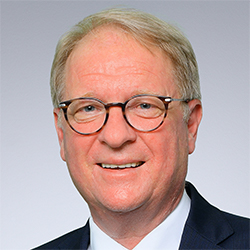 Holger Pfaff合作论文数Faculty of Human Science, Department of Special Education and Rehabilitation, University of Cologne;Faculty of Medicine, University of Cologne;Institute for Medical Sociology, Health Services Research and Rehabilitation Science, University of Cologne;Center for Health Services Research Cologne, University of Cologne118
 Christoph Kowalski合作论文数Institute for Medical Sociology, University of Cologne87
 Lena Ansmann合作论文数68
 Markus Antonius Wirtz合作论文数Faculty of Mathematics, Natural Sciences and Technology, University of Education Freiburg39Oliver Ommen合作论文数37Franziska Geiser合作论文数32
 Christian Heuser合作论文数30
 Ute Karbach合作论文数20Andrea Petermann-Meyer合作论文数19
 Lina Heier合作论文数19Melanie Neumann合作论文数19
 Andre Karger合作论文数18
 Andrea Icks合作论文数18Annika Diekmann合作论文数17Kati Hiltrop合作论文数17Jallal Al-Abtah合作论文数16Anna Katharina Ewering合作论文数16Susanne Quill-Rais Parsi合作论文数16Pajam Rais Parsi合作论文数16Sandra Mantz合作论文数16Brigitte Sachsenmaier合作论文数16Sonja Schänzle合作论文数16B. Heise合作论文数16Eva Quack合作论文数16Anne Winnefeld合作论文数16Lukas Schmülling合作论文数16Elke Hotze合作论文数16Walter Anton合作论文数16Sonja Hagenberger合作论文数16Olaf Kirschnick合作论文数16Judith Kramwinkel合作论文数16Sarah Schicks-Sultanie合作论文数16Katharina Wettich-Hauser合作论文数16Tobias Herbers合作论文数16Beatrix Meier-Tacke合作论文数16Dagmar Elbert-Maschke合作论文数16Bettina Dörr合作论文数16Wolfgang Peghini合作论文数16Stefanie Kaster合作论文数16Jakob Jäckle合作论文数16Michaela Friedhoff合作论文数16Marlene Sedlmayr合作论文数16Annette Lauber合作论文数16Barbara Schellenberger合作论文数16Paula Heidkamp合作论文数16
 Clara Breidenbach合作论文数16
 Anika Nitzsche合作论文数16Jasmin Schön合作论文数14Elke Driller合作论文数14




