BACKGROUND:Standardized guidance regarding the processes for collecting directed blood donations (DBD) is lacking, leading to variable practices. This study assessed laboratory, clinical, and charging practices for DBD collection in the United States and Canada. STUDY DESIGN AND METHODS:An electronic survey was distributed to United States and Canadian blood collection centers and hospitals to evaluate institutional demographics, policies, indications, medical oversight, and financial responsibility for DBD collection. RESULTS:Survey respondents included 193 hospitals and 10 blood collection centers with a response rate of 34% (203/594). Red blood cells were the most commonly collected DBD product. Fifty percent (5/10) of blood center respondents did not include the rationale for the DBD request on requisitions. Non-medical requests were accommodated by 70% (7/10) of blood centers and 42% (81/193) of hospitals. Transfusion Medicine review was not required by 48% (98/203). Safety practices also varied: only 60% (53/88) verify donor-recipient ABO suitability prior to collection, and 57% (50/88) had no additional exclusion criteria for high-risk related donors. Forty-four percent of respondents reported additional charges, but many hospitals reported uncertainty about billing. Most hospitals (59%) reported wasting DBD units, with higher discard rates among those that do not return units to general inventory. CONCLUSION:Heterogeneous DBD practices reflect the absence of standard policies. Lack of oversight and safety checks may expose patients to unnecessary risks. The authors outline key considerations for DBD requests to standardize safeguards, including defined exclusion criteria for high-risk donor-recipient pairs and education on DBD risks.
BACKGROUND AND OBJECTIVES:Clinically significant alloantibodies complicate transfusion and prenatal care, especially in individuals with genetic variants affecting high-frequency antigens. Many patients from African descent carry RHCE*ceVS alleles, which alter the expression of c (RH4), e (RH5) and hrB (RH31). However, the risk and clinical impact of alloimmunization remain uncertain. We evaluated the alloimmunization in a cohort of patients with a RHCE*ceVS genotype. MATERIALS AND METHODS:We conducted a retrospective study on 48 patients with a RHCE*ceVS genotype divided into three categories: prenatal care, patients with sickle cell disease (SCD) and other or unspecified diagnosis. RESULTS:No anti-c, anti-e or anti-hrB were found in prenatal care patients or in patients with other or unspecified diagnosis. Among transfused patients with SCD, 50% developed an anti-e. Anti-hrB was identified in two patients, both with SCD. Warm autoantibodies were found in 58% of transfused patients with SCD, many of whom had an anti-e. CONCLUSION:The risk of developing anti-e or anti-hrB antibodies was low in patients with an RHCE*ceVS genotype, except in those with SCD. In patients with SCD, the presence of autoantibodies, recent transfusions and technical caveats complicate the assessment of clinical impact; therefore, an individualized evaluation of alloimmunization risk is recommended.
Few studies have compared the prevalence of transfusion reactions (TRs) in paediatric and adult recipients, and none have been conducted in Canada. We carried out a retrospective cross-sectional study of TRs reported in a Canadian haemovigilance system (i.e. Québec's haemovigilance system [QHS]) from 1 January 2005 to 31 December 2022. QHS is a province-wide voluntary haemovigilance system that records TRs among blood recipients. Overall, 5 372 752 transfusions were recorded; 23 946 reactions deemed definitely, probably or possibly associated with transfusion were analysed (paediatric recipients = 1951 [8.2%]; adults = 21 995 [91.9%]). Paediatric recipients experienced higher rates (95% confidence interval) of reported TRs than adults (97.05 [92.79-101.45] vs. 42.53 [41.97-43.10] per 10 000 transfusions). This difference was predominantly driven by children (age: ≥12 months to <18 years), platelets, red blood cells and minor allergic reactions (all p < 0.0001). Similar results were obtained for nearly all individual TRs except transfusion-associated circulatory overload, whose rates were lower among paediatric recipients (p < 0.0001). However, paediatric age subgroups exhibited divergent patterns: recipients aged <1 month had lower rates than adults, while those aged ≥1 to <12 months and ≥12 months to <18 years had higher rates (all p < 0.0001). The aforementioned differences were consistently observed throughout the 18-year period, with only minor year-to-year variations in subgroups and for individual TRs. We conclude that paediatric recipients consistently exhibited higher rates of reported TRs than adult recipients.
ABSTRACT Transition from pediatric to adult healthcare is a critical period for adolescents and young adults (AYA) with sickle cell disease (SCD), often associated with increased morbidity. In Canada, healthcare transfer is mandated by Age 18, yet objective measures to predict transition outcomes are lacking. The Transition Readiness Assessment Questionnaire (TRAQ) is a self‐administered, disease‐neutral tool. Its French version (TRAQ‐FR) has been administered at the CHU Sainte‐Justine (CHUSJ)—Centre Hospitalier de l'Université de Montréal (CHUM) SCD transition clinic since 2020. This retrospective cohort study aimed to describe TRAQ‐FR scores in AYA Aged 16–18 years and to explore possible associations between transition readiness and transfer success/transition outcomes. Among 32 participants, the median TRAQ‐FR completion age was 17.9 years, with an overall score of 3.5 [2.2–4.6]. The highest‐scoring domain was Talking With Providers, while Tracking Health Issues scored lowest. There was no significant difference in global TRAQ‐FR scores between AYA with successful (≤ 6 months) versus delayed transfer (> 6 months). Between these groups, there were no significant differences in youth‐initiated communications with clinic nurse, emergency visits, or hospitalizations. While TRAQ‐FR can help guide and individualize interventions, larger studies are needed to clarify its association with health outcomes.
BACKGROUND AND OBJECTIVES:Selective immunoglobulin A (IgA) deficiency is the most common human immunodeficiency, affecting approximately 1 in 500-800 individuals of European ancestry. It is defined by a serum IgA level below 7 mg/dL, with normal immunoglobulin G (IgG) and immunoglobulin M (IgM) levels. Since 1968, severe allergic transfusion reactions have been reported in IgA-deficient patients, often linked to anti-IgA antibodies. This led to recommendations for using IgA-deficient blood components in affected individuals. However, due to the rarity of such reactions, standardized and evidence-based guidelines are lacking, while blood services face logistical challenges maintaining registries of IgA-deficient donors and inventories of compatible products. MATERIALS AND METHODS:An international survey was conducted to assess current practices in managing IgA deficiency. The survey explored the frequency of transfusion reactions involving IgA/anti-IgA, detection methods for IgA deficiency and anti-IgA antibodies, reasons for requesting IgA-deficient products, product availability and strategies to facilitate access to IgA-deficient products. RESULTS:Participants from 14 countries/regions across four continents reported a wide variability in defining IgA deficiency, criteria for recommending IgA-deficient products and anti-IgA testing practices. CONCLUSION:These findings highlight the need for international reference standards and harmonized recommendations to improve the management of IgA-deficient patients. Establishing harmonized best practices and evidence-based guidelines should enhance patient safety and support clinical decision making globally.
BACKGROUND:Sickle cell disease (SCD) has undergone major changes in the last decades. Its prevalence has been steadily increasing and numerous advances have been made in the management of the disease. However, the effect in real-life setting of these major changes is unknown, particularly in a Canadian environment. PROCEDURE:We aimed to assess the impact of these changes on the evolution in the healthcare utilization (HCU) of children with SCD in a Canadian pediatric tertiary center from 2009 to 2024. RESULTS:The number of children with SCD followed at our center more than doubled (221 to 499 patients). Practice changes reduced mean time to hydroxyurea introduction, resulting in a steady annual increase in mean fetal hemoglobin across the patients with HbSS. Reflecting the number of patients followed, the absolute number of annual outpatient and ED visits increased significantly (1207 to 1769 and 192 to 526, respectively). However, there was a significant decrease in the mean number of outpatient visits (5.46 to 3.55 [p = 0.03]) and hospitalizations (1.18 to 0.58 [p<0.0001]) by patient annually. There was also a reduction in the percentage of admissions after an ED visit (62.5% to 42.6% [p<0.0001]). CONCLUSION:Although the number of patients with SCD followed at our institution drastically increased in 15 years, the practice changes were effective and likely mitigated the impact on admissions. It illustrates the significant impact of improved management in the care of patients with SCD. Allocated resources need to reflect the overall increase in HCU to allow for continuous optimal care of this vulnerable population.
Diamond-Blackfan anemia (DBA) is a rare inherited bone marrow failure syndrome characterized by erythroid aplasia, congenital anomalies, and cancer predisposition. Although corticosteroids are the standard first-line therapy for transfusion-dependent patients, treatment response varies, and reliable predictors remain undefined. We retrospectively analyzed data from the Canadian Inherited Marrow Failure Registry to identify clinical and genetic factors associated with steroid responsiveness. Among 80 patients with evaluable steroid response, 30 were classified as the responder group and 50 as the non-responder group (non-response or loss of response after initial improvement). The median age at diagnosis was significantly higher in the responder group than in the non-responder group (20 months vs. 3 months, p = 0.004). ROC curve analysis showed that age at diagnosis had predictive value for steroid responsiveness, with an optimal cutoff of 9.5 months. DBA-associated genetic mutations were identified in 58 patients. Notably, RPL5 mutations were significantly more frequent in the non-responder group than in the responder group (22.0% vs. 0%, p = 0.004). No significant difference in overall survival was observed between the responder and non-responder groups. Differences in corticosteroid response were associated with diagnostic age and specific genetic variants, offering potential guidance for individualized treatment decisions.
Abstract Objective Evaluate the effectiveness of a local guideline for managing low-risk febrile children with sickle cell disease using a single emergency department visit and telephone follow-up. Design/Methods This retrospective single-centre observational study included patients aged 6 months to 17 years with sickle cell disease presenting with fever to the emergency department of a paediatric tertiary care hospital before (2015) and after (2019) implementation of a guideline introduced in December 2016 to reduce in-person follow-up. Patients deemed low risk per 2018 Canadian Haemoglobinopathy Association consensus statement received one intravenous ceftriaxone dose and were discharged with a telephone follow-up scheduled the next day. Results Out of 160 patients in each period, 96 (60%) were discharged home in the pre-implementation period and 111 (69%) in the post-period. Among those discharged, 97% (93/96) received in-person follow-up in the pre-period, compared with 10% (11/111) in the post-period, representing a difference of 87% (95% CI: 78 to 92). No serious bacterial infections or bacteremia were reported among discharged patients. The rate of unscheduled return visits within 72 hours did not increase, 9/96 (9%) in the pre-period and 17/111 (15%) in the post-period (difference of 6%, 95%: CI −3, 15). Of the 100 patients scheduled for telephone follow-up, 29% were not reached. Conclusion This study suggests that a single emergency department visit with telephone follow-up is an alternative to in-person visits for low-risk febrile children with sickle cell disease. However, the high proportion of unsuccessful calls highlights the need for improved follow-up strategies to ensure patient safety.
OBJECTIVES:To evaluate the feasibility of conducting a large international electronic health record-enabled randomized controlled trial (RCT) designed to compare two strategies for RBC transfusion (RBCT) in almost all anemic critically ill children, and the ability to support data abstraction from electronic medical data monitoring systems (eMDMSs). DESIGN:Two-arm parallel design pilot RCT. SETTING:Four university-affiliated PICUs in Canada, France, and United Kingdom. PATIENTS:Non-cyanotic critically ill children with hemoglobin (Hb) less than or equal to 9.5 g/dL. INTERVENTIONS:Participants were randomly allocated to a restrictive strategy (no RBCT if Hb ≥ 7.0 g/dL) or to usual care (clinician discretion for RBCT). MEASUREMENTS AND MAIN RESULTS:Feasibility outcomes were recruitment, adherence, separation of pre-RBCT Hb, and electronic data extraction from eMDMS. The proportion of patients with Hb less than or equal to 9.5 g/dL who were eligible for consent to participate in Pilot-Optimizing Transfusion Therapy in Critically Ill Children With Anemia (P-OpTTICCA) was 83% (feasibility criterion: ≥ 80%). We enrolled 120 patients, 63 in the restrictive and 57 in the usual care arms. We reached the planned recruitment rate (≥ 2 participants/wk in sites with > 800 admissions/yr, ≥ 1 in other sites). The pre-RBCT Hb concentration was 6.6 ± 7 and 6.7 ± 1.3 g/dL in the restrictive and usual care arms, respectively (separation = 0.1 g/dL; desired difference ≥ 1.0 g/dL). The pre-transfusion Hb concentration was greater than or equal to 7.0 g/dL for 6 of 20 RBCT (30%) given to patients allocated to the restrictive arm (success criterion for protocol adherence: < 20%). There were two protocol deviations, but no protocol violation. Using eMDMS, 87.7% of the 390 data elements in the case report form were extracted and/or calculated electronically (success criterion: > 80%). CONCLUSIONS:P-OpTTICCA demonstrated the feasibility of recruitment, adherence, and electronic data extraction, but we did not get a good separation of pre-RBCT Hb. Future trials need to clearly define transfusion Hb thresholds in both trial arms (NCT03871244).
BACKGROUND:Alpha-gal syndrome (AGS) is caused by IgE antibodies against the alpha-gal oligosaccharide, which is structurally similar to the Group B antigen. Recent case reports of severe allergic transfusion reactions (ATRs) in Group O patients receiving Group B plasma and platelets raise the possibility of a new adverse event, herein called transfusion-related AGS (TRAGS). The primary goal of this study was to assess the frequency of Groups B and AB plasma and platelet transfusions to Group O patients. STUDY DESIGN AND METHODS:In this multi-site retrospective study, participating sites submitted the numbers of platelet and plasma transfusions administered during a 2-year period categorized by patient and product ABO group. RESULTS:Fourteen sites from 10 countries participated. Group O patients received Group AB for an average of 9.9% (range 2.8%-29.2%) of plasma transfusions and Group B for 3.2% (0%-12.8%). AB plasma transfusion to Group O patients represented 4.5% (0.9%-14.6%) of the total plasma transfused; Group B 1.4% (0%-5.1%). Group O patients received Group AB for an average of 1.5% (range 0%-5.9%) of platelet transfusions and Group B for 4.1% (0%-14.2%). AB platelet transfusion to Group O patients represented 0.6% (0%-2.7%) of the total platelets transfused; Group B platelets were 1.8% (0%-6.7%). DISCUSSION:Evidence supporting the possibility of a new adverse event, TRAGS, is accumulating. This study quantifies how often Group O patients may be exposed to Group B antigen in Group B or AB plasma and/or platelet transfusions, providing an estimate of the scope of potential risk for TRAGS.
BACKGROUND:Autologous blood donation (ABD) can be indicated in pregnant individuals with rare blood groups. Yet, unlike hospitals, some blood establishments are reluctant to collect ABDs in this population. Therefore, we evaluated the safety and use of prepartum ABD conducted by a blood establishment. STUDY DESIGN AND METHODS:This retrospective, descriptive cohort study used data from the ABD program in Québec, Canada, and patient medical data reported by treating physicians. Patients were included if they were pregnant, enrolled in Québec's ABD program between January 2010 and January 2021 (i.e., study period) and had a rare blood group. RESULTS:Twenty-four individuals met the inclusion criteria (mean age at first referral = 31.7 years; 21 [87.5%] first-time donors) and initiated 52 ABDs. Three mild vasovagal reactions (VVRs) were recorded, while no moderate or severe vasovagal reactions (VVRs) were observed. Of the 41 units distributed to the hospitals' blood banks, none were transfused to the mother; 3 were transfused to the fetus or newborn. Most fresh unused units were salvaged and cryopreserved post-delivery (75.0%). Twenty-seven (51.9%) ABDs were made <3 weeks of the expected date of delivery. All seven individuals with available data on iron supplementation had iron deficiency, but only two (28.6%) received intravenous iron. DISCUSSION:ABDs may be safely carried out by a blood establishment among pregnant individuals. Transfusion rate is low; however, the majority of donated units are successfully recovered. Improvements will be made to the program by developing specific guidance to target iron deficiency management and timing of donation.
OBJECTIVES:National stakeholders developed guidance statements regarding controversial aspects of perinatal testing and management of pregnancies at risk of or affected by alloimmunization. The objective was to create national, standardized recommendations to guide testing practices, reduce unnecessary testing, optimize resources, and improve patient care. METHODS:A total of 46 multidisciplinary Canadian experts participated in an iterative Delphi process to reach consensus on 47 practices regarding all aspects of screening and management of pregnant persons at risk of alloimmunization. The panel rated their agreement on a 5-point Likert scale. After each round, panellists voted again on the statements until consensus was achieved, defined as a Cronbach α >0.95 in a maximum of 3 voting rounds. Fifteen of the 47 statements pertaining to high-risk obstetrical scenarios are presented. RESULTS:A total of 46 experts completed all rounds of voting. Consensus was achieved after 3 survey rounds (Cronbach α = 0.94) for all statements. The 15 statements reaching consensus addressed general issues pertinent to the evaluation of the high-risk patient, including testing for clinically significant antibodies (e.g., Kell), antibody titration frequency, paternal phenotyping, fetal genotyping, multidisciplinary care, and administration of RhIG following clinical situations such as ectopic or molar pregnancy and after invasive fetal testing or therapy. CONCLUSIONS:The consensus document provides guidance regarding best practices for prevention and management of alloimmunization to RhD and clinically significant antibodies to optimize RhIG usage and support clinical units. To effect practice change, knowledge translation of this consensus will require a broad educational program involving clinical offices, hospital emergency departments, and birthing units.
Introduction:Sickle cell disease (SCD) is one of the most frequent monogenic diseases worldwide. SCD has undergone two major changes in the last decades. First, its prevalence is steadily increasing, with recent data showing a 41.4% increase globally from 2000 to 2021 (Lancet Haematology, 2023). Most patients with SCD are living in Sub-Saharan Africa, but the population of children affected is likely growing in North America as well. In particular, epidemiological data are extremely limited in Canada. Second, numerous progresses have been made in the management of the disease and the prevention of the complications. However, the effect in real-life setting of these improvements combined with the increased prevalence of SCD is unknown. We aimed to describe the evolution in the healthcare utilization of children with SCD in a tertiary center of North America in the last 15 years. Methods:Retrospective review of healthcare utilization markers for pediatric patients (< 18 years old) with SCD from 2009 to 2024 at a pediatric tertiary care center in Canada. Patients followed in obstetrics were excluded. Significant practice changes were made in the emergency department (ED) and hematology department at our institution over the study period, following quality improvement projects of a multidisciplinary group. This included the set-up of a structured SCD program for patient follow-up and screening of complications, increased use of hydroxyurea, and standardization of pain and fever management to favor out-patient management. A provincial newborn screening program was initiated in 2013. Results:The number of children with SCD followed at our center more than doubled between 2009 and 2024 (221 to 499 patients). Similarly, the absolute number of annual outpatient visits and of ED visits increased significantly: from 1207 to 1769 and from 192 to 526, respectively (p<0.0001). However, this was not reflected in the number of hospitalisations, which remained stable (p=0.89), nor in the number of intensive care admissions (p=0.97). In effect, the mean annual number of outpatient visits, of hospitalisations and of transfusions per patients per year decreased: 5.46 to 3.55 (p=0.03), 1.18 to 0.58 (p<0.0001) and 2.4 to 1.0 (p<0.0001), respectively. There was also a trend towards decreased intensive care admissions by patients per year; 4.98% to 2.40% (p=0.10). Finally, the mean number of ED visits per number of patients followed remained stable (0.87 to 1.05, p=0.42), but the percentage of admissions per visits decreased from 62.5% to 42.6% (p<0.0001). Of note, no patient has been admitted for acute stroke at our institution since 2019. The proportion of hematopoietic stem cell transplantation per patients followed remained stable: 0.45% to 1.20% (p = 0.90). The mean fetal hemoglobin percentage per year increased from 9.14% to 18.39% over the study period (p<0.0001). Interestingly, the highest average fetal hemoglobin percentage was reached in 2017 (19.78%), 3 years after the implementation of systematic introduction of hydroxyurea (HU) around 9-12 months of age in patients with SS or S/Β0 phenotypes. Values have remained relatively stable since, which might reflect that the maximal effect of the systematic and earlier introduction of HU has been reached. Conclusion: The number of patients living with SCD followed at our institution drastically increased in 15 years. This study provides real-world data about healthcare utilization trends in recent years, showing that the improvement of patient care, the introduction of universal newborn screening and earlier introduction of hydroxyurea likely mitigated the impact on healthcare utilization. It also reflects the positive impact of the practice changes implemented in the ED, which directly led to a decrease in admissions per visit. However, there was an important increase in the resources utilization overall. Increased allocated resources should reflect these changes to allow for continuous optimal care of this vulnerable population.
OBJECTIVES:Blood Group, antibody screen, fetal maternal hemorrhage tests and Rh(D) immunoglobulin (RhIG) administration are interventions during pregnancy that aid in the prevention of hemolytic disease of the fetus and newborn (HDFN). The timing, frequency, and nature of testing vary across centres due to limited data to inform standards development. Using Delphi methodology, this study aimed to establish guidance for Canadian practice related to prenatal, postnatal and neonatal immunohematologic testing, and RhIG administration, to reduce risk and improve diagnosis of HDFN. METHODS:A national, multidisciplinary Delphi panel rated their agreement with potential guidance statements related to prenatal, postnatal and neonatal immunohematology testing on a 5-point Likert scale during iterative rounds of voting. After each round, responses were analyzed and statements were re-sent to the panel for further ratings until consensus was achieved, defined as Cronbach's α >0.95 or a maximum of 3 voting rounds. At the conclusion of the Delphi process, statements rated ≥4/5 were included. RESULTS:In total, 46 experts voted on 49 proposed statements. Consensus was achieved after 3 survey rounds (Cronbach's α = 0.94), with a 100% response rate throughout. Overall, 44 statements reached consensus. Statements focused on prenatal immunohematology testing (N = 21 statements), maternal-fetal hemorrhage testing and RhIG administration during pregnancy (N = 15), and testing of neonates for surveillance of hyperbilirubinemia secondary to hemolytic disease of the newborn (N = 8). CONCLUSIONS:This Canadian consensus guidance aims to optimize the surveillance of pregnancies at risk of HDFN and the dosing and timing of RhIG administration. It provides actionable recommendations to harmonize practice and support safe, timely, and cost-effective care.
Background The adolescent and young adult period is a time of increased risk of acute complications and mortality in patients with sickle cell disease (SCD). Transfer of care from pediatric to adult healthcare setting presents several challenges. Attention difficulties, lower IQ and other cognitive deficits may negatively impact transfer success and adherence to adult health maintenance appointments. Cognitive screening is available since 2021 at the CHUM, an adult SCD centre. The main aims of this study are to 1) describe the results obtained by young adults (YA) with SCD in different cognitive screening tests, and 2) to explore if these results are associated with different measures of transition skills, healthcare engagement and utilization. Methods A retrospective study was conducted at the CHUM (Montréal, Canada), a tertiary care centre treating adults with SCD. Patients with SCD between the ages of 18-25 who had undergone cognitive screening between August 2021 and December 2023, and who had a follow-up period of at least 12 months were included. Cognitive screening was conducted using the Montreal Cognitive Assessment Test (MoCA), the Rowland Universal Dementia Assessment Scale (RUDAS) and a standard neurological examination. Electronic medical records were used to extract baseline characteristics including demographics, pre-existing intellectual disability (ID) or attention disorder (AD), as well as variables pertaining to transition skills (Transition Readiness Assessment Questionnaire [TRAQ] score), health care engagement (appointment attendance, interactions with clinic nurses), and acute care utilization (ED visits, hospitalizations). Patients were identified as having a cognitive comorbidity (CC) if they had a documented ID or AD, a RUDAS score of <28 or a MoCA score of <27. Mann-Whitney U test was used for comparison of transition success measures between those with and without CC and Spearman's ρ to find correlations between those same measures. Results Thirty patients fulfilling the inclusion criteria were identified. The median age at the time of cognitive assessment was 20 years [range: 18-23]. Nineteen (63%) patients were female and 20 (67%) had the SS/Sβ0 genotype. Most patients (28, 93%) were followed at a pediatric centre with expertise in SCD prior to the transfer. Three (10%) patients had a previous diagnosis of stroke, 8 (27%) were diagnosed with AD and 1 (3%) patient had a diagnosis of ID. As part of the cognitive screening, 28 (93%) patients completed the MoCA and 28 (93%) the RUDAS. The median RUDAS score was 30 (23-30) and the median MoCA score was 27 (22-30). RUDAS and MoCA scores were suggestive of a mild cognitive disorder in 7 (23%) and 10 (33%) patients, respectively, and overall, 15 (50%) patients were identified as having a CC. With regards to transition success, mean TRAQ scores were similar between patients with and without a CC (74±8 vs. 72±7, p=0.69). No differences were noted in attendance of ophthalmology (72±32% vs 68±29, p=0.69) or imaging appointments (86±22% vs 87±22%, p=0.85) between those with and without CC, however attendance of hematology appointments was noted to be higher in patients with a CC (88±10% vs. 81±13%, p=0.04). Numbers of formal communications per year in the form of emails or phone calls between patients and the care team were similar between groups, regardless if initiated by the patient's family or the patient themselves. No significant differences were noted in the mean number of ED visits per year (1.0±1.1 vs. 0.8±0.6, p=0.95), day hospital visits per year (0.3±0.7 vs. 0.3±0.4, p=0.37) nor hospitalizations per year (0.4±0.5 vs. 0.5±0.6, p=0.54) between those with and without CC. Conclusion In our study, YA with SCD and cognitive comorbidity demonstrated similarly favourable transition skills, good healthcare engagement and limited acute care utilization when compared to their peers. While this study is limited in size, we hypothesize that the potentially negative effect of cognitive vulnerabilities on health outcomes in youth with SCD could be mitigated with appropriate support throughout the transition period.
BACKGROUND:Hematopoietic stem cell transplant (HSCT) is currently the only widely available curative option for patients with sickle cell disease (SCD). Alloimmunization in this population is frequent and can complicate transfusion management during the HSCT period. The case of a pediatric patient with severe SCD clinical phenotype, multiple alloantibodies (9), and hyperhemolysis syndrome who underwent haploidentical HSCT is described. STUDY DESIGN AND METHODS:The patient was known for an anti-e, despite RHCE*01.01 allele, which predicts a C- c+ E- weak e+ phenotype. Donors matching the patient's extended phenotype were targeted for RHCE genotyping. RESULTS:Donors homozygotes or heterozygotes for RHCE*01.01 were selected for compatibility analyses and ranked based on strength of reactions. Discordance between zygosity and strength of reactions was observed, as the most compatible donors were heterozygotes for RHCE*01.01. In total, the patient received seven RBC units from two different donors during HSCT process without transfusion reaction or development of new alloantibodies. Six months post-HSCT, his hemoglobin level is stable at around 120 g/L and his chimerism is 100%. DISCUSSION:This case highlights the complexity of transfusion management during HSCT of alloimmunized patients with SCD. Collecting sufficient compatible units requires early involvement of transfusion medicine teams and close communication with the local blood provider. Genotyping of donors self-identifying as Black is useful for identifying compatible blood for those patients but has some limitations. HSCT for heavily alloimmunized patients is feasible and safe with early involvement of transfusion medicine specialists. Further research on the clinical impact of genotypic matching is needed.
BACKGROUND:The CONvalescent Plasma for Hospitalized Adults With COVID-19 Respiratory Illness (CONCOR-1) trial was a multicenter randomized controlled trial assessing convalescent plasma in hospitalized COVID-19 patients. This study evaluates the cost-effectiveness of convalescent plasma and its impact on quality-of-life to provide insight into its potential as an alternative treatment in resource-constrained settings. METHODS:Individual patient data on health outcomes and resource utilization from the CONCOR-1 trial were used to conduct the analysis from the Canadian public payer's perspective with a time horizon of 30 days post-randomization. Baseline and 30-day EQ-5D-5L were measured to calculate quality-adjusted survival. All costs are presented in 2021 Canadian dollars. The base case assessed the EQ-5D-5L scores of hospitalized inpatients reporting at both timepoints, and a utility score of 0 was assigned for patients who died within 30 days. Costs for all patients enrolled were used. The sensitivity analysis utilizes EQ-5D-5L scores from the same population but only uses costs from this population. RESULTS:940 patients were randomized: 627 received CCP and 313 received standard care. The total costs were $28,716 (standard deviation, $25,380) and $24,258 ($22,939) for the convalescent plasma and standard care arms respectively. EQ-5D-5L scores were 0.61 in both arms (p = .85) at baseline. At 30 days, EQ-5D-5L scores were 0.63 and 0.64 for patients in the convalescent plasma and standard care arms, respectively (p = .46). The incremental cost was $4458 and the incremental quality-adjusted life day was -0.078. DISCUSSION:Convalescent plasma was less effective and more costly than standard care in treating hospitalized COVID-19.
BACKGROUND:Homozygous inheritance of the RN haplotype, characterized by the absence of the high frequency antigen Sec, as well as partial C and e antigens, is rare and is associated with potential for alloimmunization. Anti-Sec has been reported to be associated with a risk of delayed hemolytic transfusion reaction and hemolytic disease of the fetus and newborn (HDFN). RESULTS:We report the case of a 36-year-old pregnant woman with known sickle cell trait (SCT) and homozygous for the RN haplotype with anti-Sec, anti-c, and anti-e. Morphological ultrasound identified dextro-transposition of the great arteries in the fetus. Neonatal cardiac surgery was planned with cardiopulmonary bypass support. Due to the rarity of this genotype, there were no compatible donors in our registry. For this reason, in addition to two previously glycerolized maternal donations, the mother donated three units during pregnancy and one unit postpartum. DISCUSSION:This case highlights the many complexities for the blood supplier pertaining to organizing blood donations during pregnancy, the risk of leukoreduction failure and jellification during the deglycerolization process of units from donors with rare blood carrying the SCT, as well as planning the rare-blood inventory and managing expiry dates to provide transfusion support during delivery, neonatal surgery, and the postoperative period. This case also exemplifies the importance of a strong partnership between blood suppliers and medical teams.
 Yves Pastore合作论文数Baylor College of Medicine and Veterans Administration Hospital, Houston33
 Jacques Lacroix合作论文数Département de Pédiatrie, Université de Montréal;Centre Hospitalier Universitaire Sainte-Justine15
 Marisa Tucci合作论文数11
 G. A. Leiva-Torres合作论文数9
 Helen Trottier合作论文数8
 Jessica Constanzo Yanez合作论文数7Antoine Lewin合作论文数7Renée Bazin合作论文数Affaires Médicales et Innovation, Hema-Quebec7
 Evelyne D. Trottier合作论文数Département De Pédiatrie, Faculté De Médecine, Université De Montréal7France Gauvin合作论文数7Nadia Baillargeon合作论文数6
 Stephanie Forte合作论文数6
 Jeannie Callum合作论文数Department of Laboratory Medicine and Pathobiology, Temerty Faculty of Medicine, University of Toronto6St-Louis Maryse合作论文数6Du Pont-Thibodeau Geneviève合作论文数6
 Michel Duval合作论文数Ctr Cancerol Charles Bruneau, CHU St Justine6Marc Cloutier合作论文数6
 Benoît Bailey合作论文数CHU Sainte-Justine;Département de Pédiatrie, Université de Montréal;Centre Antipoison du Québec6Marie-Joelle Dore-Bergeron合作论文数5Kent Cadogan Loftsgard合作论文数5Catherine Latour合作论文数5Josée Lavoie合作论文数5
 Michael Chasse合作论文数Ottawa Hospital Research Institute, University of Ottawa5
 Dean Fergusson合作论文数Centre for Practice-Changing Research, Ottawa Hospital Research Institute;Department of Medicine, School of Epidemiology and Public Health, Faculty of Medicine, University of Ottawa;Department of Surgery, School of Epidemiology and Public Health, Faculty of Medicine, University of Ottawa;Ontario SPOR SUPPORT Unit, Government of Ontario;Ontario SPOR SUPPORT Unit, Canadian Institutes of Health Research5
 Niina Kleiber合作论文数Intensive Care and Department of Pediatric Surgery, Erasmus MC-Sophia Children's Hospital5Éthier Carole合作论文数5
 Nick Daneman合作论文数Sunnybrook Research Institute;Faculty of Medicine, University of Toronto5
 Richard J. Cook合作论文数Department of Statistics and Actuarial Science, University of Waterloo5Yang Liu合作论文数5Erin Jamula合作论文数5Thierry Ducruet合作论文数5Andrés Finzi合作论文数5
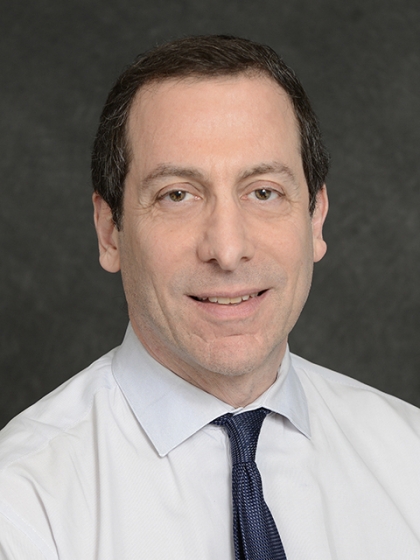 Marshall Glesby合作论文数Weill Cornell Medical College5
 Nancy Heddle合作论文数McMaster Centre for Transfusion Research, Faculty of Health Sciences, McMaster University5Melissa M. Cushing合作论文数5Marie-Claire Chevrier合作论文数4Pascale Gregoire-Pelchat合作论文数4Jessica Constanzo-Yanez合作论文数4Gilles Lambert合作论文数4
 Michaël Sauthier合作论文数Div Pediat Intens Care, Univ Montreal4Hugo Paquin合作论文数4Josée Perreault合作论文数4
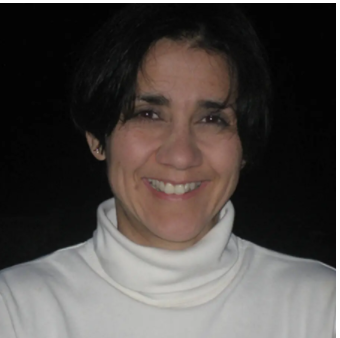 Nadine Shehata合作论文数Department of Laboratory Medicine and Pathobiology, Temerty Faculty of Medicine, University of Toronto4
 Sharon Abish合作论文数Gerald Bronfman Department of Oncology, Faculty of Medicine and Health Sciences, McGill University4
 Turgeon Alexis F合作论文数Québec – Université Laval4
 Philippe Begin合作论文数4Lani Lieberman合作论文数Department of Laboratory Medicine and Pathobiology, Temerty Faculty of Medicine, University of Toronto4
 Donald M. Arnold合作论文数Faculty of Health Sciences, McMaster University4
 Bruce S. Sachais合作论文数Department of Pathology;Laboratory Medicine;University of Pennsylvania;Laboratory Medicine, University of Pennsylvania4




