Adverse impacts of human-induced modifications to the seascape, particularly urbanisation, are widely reported in sandy-beach ecosystems. However, few, if any, studies have adequate temporal replication over decades, making inferences about the duration of impacts somewhat tenuous. Here we resurveyed beaches originally sampled 25 years ago to assess whether ghost crab burrow density, an indicator of ghost crab abundance, continues to reflect patterns of urbanisation and human impact. Burrow abundance remained consistently lower on urban beaches than on non-urban beaches, confirming the robustness of this indicator despite natural variability. Populations on armoured and intensively trampled urban beaches remain depleted, with no evidence of recovery over the study period, suggesting that natural recolonisation is unlikely without management interventions. On non-urban beaches, we detected a decline in burrow density at dune toes, possibly linked to the use of off-road vehicles. Burrow abundance was positively associated with dune vegetation, highlighting the importance of preserved dune systems. These findings indicate both the persistence of long-term human impacts and the emergence of negative effects on non-urban beaches. We recommend management experiments to limit trampling and traffic and establish exclusion zones in upper urban beach areas. Overall, ghost crab burrow density remains a reliable, practical indicator of impact, and its continued application can be used to costeffectively support conservation of sandy beach biodiversity and ecosystem functioning.
Urchin diets are a topic of global interest due to their impacts on subtidal reefs. Urchins can consume large amounts of macroalgae, leading to the loss of macroalgal forests and creation of “barrens”. However, there is scant dietary information in the southern hemisphere for the temperate sea urchin, Centrostephanus rodgersii, and what they consume within barrens, which lack macroalgae. Here, we sampled C. rodgersii to quantify its nutritional sources in macroalgal forests and barrens along 630 km of the SE Australian coastline. Urchins were collected from macroalgal forests and barrens and the stable isotope values (δ13C, δ15N, δ34S) of urchin muscle tissues were analysed. Using Bayesian stable isotope mixing models, we found macroalgae contributed to nutrition in both habitats ( 30
The influence of fishes on temperate rocky reef ecosystems is globally recognised, particularly where large predators may structure ecosystems through predation. In South-East Australia, the common Wrasse Achoerodus viridis (Blue Groper) and Sparid Chrysophrys auratus (Snapper) are sympatric rocky reef predators. While their diets are thought to be well understood, this is generally based on gut contents undertaken over limited spatial scales. Stable isotope approaches can provide a time-integrated dietary history. We used Bayesian mixing models (δ¹³C and δ¹⁵N) to examine diets of 45 Blue Groper and 73 Snapper collected across > 1,250 km of coastline. We found that both predators consume filter-feeders likely including mussels, oysters or serpulid polychaete worms based on previous gut contents, shifting to consuming omnivores such as crabs or the problematic sea urchin Centrostephanus rodgersii, and carnivores such as cephalopods, predatory fishes or nereidid polychaetes when large (> 400 mm TL). However, ontogenetic shifts differed, with Blue Groper relying primarily on filter-feeders at all sizes and carnivores/omnivores becoming equally important when large. By contrast, small Snapper relied both on filter-feeders and omnivores/carnivores, relying on omnivores/carnivores when large. Trends varied spatially for Blue Groper more than Snapper, with Blue Groper relying on carnivores/omnivores in the north and filter-feeders in the south, while Snapper relied primarily on carnivores/omnivores throughout. These results highlight species-specific trophic pathways, indicating that these predators ecological role differs markedly throughout their ontogeny. Key to ecological structuring processes affecting temperate rocky reefs, our results suggest large Snapper may impact C. rodgersii populations more than Blue Groper.
Quantifying the patterns and drivers of animal movement is critical to the effective conservation and management of species across all ecosystems. Despite their importance for global commercial and recreational fisheries, the movement patterns of marine soft sediment associated fishes are poorly understood. This study provides an important assessment of the characteristics of fine-scale movement patterns for a soft sediment fish species, the bluespotted flathead (Platycephalus caeruleopunctatus), and evaluates a suite of 8 environmental factors as potential drivers of these movements. Using a fine-scale acoustic positioning system, we tracked the movements of 46 bluespotted flathead over 472 days within the soft sediment marine habitat of Jervis Bay Marine Park. We found that tagged individuals exhibited directed movements within small areas, challenging the prevailing assumptions regarding the movement patterns of soft sediment fishes. The speed and space use associated with these movements were influenced by sea surface temperature, atmospheric pressure, wind speed, wind direction, time of day, and time of year. Fish length, rainfall, and wave height had no detectable influence on impact fish movements. We offer an important insight into directed movement in an understudied group of marine fishes. Our results highlight the need for further research into the combined effect of environmental and ecological drivers of movement in soft sediment habitats.
Sea urchin 'barrens' are thought to offer fewer food resources than macroalgal habitats. As such, sea urchins from barrens are expected to have a smaller isotopic niche compared to those in dense macroalgal forests. Sea urchin isotopic niches in macroalgal forests are also expected to show little overlap with those from barrens given the differing availability of resources. To investigate, we analysed delta 13C, delta 15N and delta 34S values from muscle tissues of 150 Centrostephanus rodgersii individuals collected along >470 km of SE Australian coastline. Using a conservative Bayesian isotopic niche analysis, we found moderate niche overlap from barrens relative to macroalgal forests (45%) but lower overlap from macroalgal forests relative to barrens (18%). This suggests that resource use in barrens can show similarities to that in macroalgal forests while sea urchins in macroalgal forests use different resources. However, the trend reversed at 1 out of 5 locations while overlap was approximately equal at 2. Similarly, isotopic niches in barrens were approximately half the size (4.98 +/- 0.72 parts per thousand(3)) of macroalgal forests (10.48 +/- 1.51 parts per thousand(3)), but this trend again reversed at 2 locations while niches were approximately equal at 2. The smaller isotopic niches of sea urchins from barrens generally had higher delta 15N ranges than those from macroalgal forests, indicating resource use from higher trophic levels. These results suggest that rather than being general, C. rodgersii resource use in barrens and macroalgal forests is specific to location, and despite their name, some 'barrens' can provide similar food resources to macroalgal forests.
The ecological impacts of extreme floods to benthic ecosystems in oceanic environments remain unclear, as events are difficult to observe and quantify. Between 2020 and 2022, an unusually long La Niña resulted in substantial flooding across southeastern Australia. Major floods in the Hawkesbury‐Nepean River led to an unprecedented flood plume extending ~70 km offshore to depths of ~50 m, exposing coastal biodiversity to rare environmental conditions. Here, we use long‐term monitoring data to quantify the impacts of large‐scale flooding to coastal rocky reef fishes. Flooding reduced the total abundance and species richness of reef fishes by 50% and 13%, respectively. Declines were primarily due to reductions in the abundance of planktivores (−75%) and benthic invertivores (−40%). Assemblages at reference locations isolated from large rivers were stable across the study period, indicating observed patterns were in response to floods. Surveys 1‐year post flooding signaled that benthic invertivores were beginning to recover but not planktivores. Our results demonstrate the detrimental impacts of extreme flooding to some coastal rocky reef fishes. Given projected increases in the severity and frequency of rainfall due to climate change, our findings suggest that extreme flooding may compromise ecosystem functions and services provided by rocky reef fish in a future climate.
Context Eastern blue groper (Achoerodus viridis) is an iconic Australian fish and a trial prohibition of fishing for it has been implemented in New South Wales (NSW). A review of available data on this species is needed to inform future management.Aims To assess the temporal and spatial patterns in the abundance of A. viridis.Methods Data collected across four NSW bioregions from two systematic sampling programs, namely, baited remote underwater video (2010-23) and underwater visual census (2008-23), were analysed with the inclusion of two other common wrasse species as references.Key results Achoerodus viridis showed strong latitudinal variation: being least abundant in the warmer northern bioregion and peaking in abundance in the central Manning and southern Batemans Bioregions. Temporal trajectories for A. viridis were mixed with significant declines on shallow reefs in the Manning and Hawkesbury Bioregions, whereas abundances on deeper reefs were stable. Similar patterns of decline were observed for the two reference species, although both species were far more abundant than was A. viridis.Conclusions Achoerodus viridis, like other temperate wrasse, appears to be declining because of warming oceans, although depth may provide a thermal refugeImplications These analyses should assist decision-making for future management regulations for A. viridis.
Recreational fishing is an important social and economic activity on a global scale. In Australia, the quantification of the recreational fishing catch has relied on voluntary surveys, which require significant human resourcing for data collection and also limit the sampling and the precision of the estimates. Artificial intelligence (AI) incorporated into fish cleaning tables offers the opportunity to collect data in an almost continuous manner with little human effort. To date, the feasibility of such an approach has not been tested nor optimised. Here, we present a rudimentary image classification model that we developed with a dataset of only 2000 images, and test its accuracy and the deployment variables that may affect its performance. We assessed the influence of camera height, image resolution, species, fish orientation and position on identification and measurement accuracy. Lowering camera height and photographing fish in their dorsal orientation increased identification accuracy, while poor image resolution decreased measurement accuracy. These results informed subsequent development of an object detection model with increased performance (80% true positives compared to 30% for the image classification model). This assessment indicates the substantial promise of AI to sample recreational fisheries catches, with the potential to dramatically increase data collection for recreational fisheries management.
Context Food provisioning is widely used in elasmobranch tourism to elicit encounters between tourists and these typically elusive species. Wildlife tourism operations usually target a single species, although behavioural responses of these species often differ among provisioning locations. Likewise, provisioned foods are often consumed by multiple non-target species, which may also differ in their behavioural responses despite being exposed to the same provisioning event. Few studies have compared behaviour and movement patterns of multiple species in response to provisioning, particularly of those occupying similar niches. Aims This study aimed to compare the movement patterns of two sympatric ray species, the smooth stingray (Bathythosia brevicaudata) and the southern eagle ray (Myliobatis tenuicaudatus), around a site where they are fed as part of an unregulated but popular tourist attraction in south-eastern Australia. Methods Using passive acoustic telemetry, we compared the presence, duration of visits, and space use around the provisioning site for the two ray species. Key results Both species responded to provisioning at the site, but in different ways, suggesting different temporal use of the provisioning site (i.e. time-sharing). Southern eagle rays exhibited stronger attachment to the site, potentially indicating habituation to regular provisioning and a greater risk of being negatively affected than were smooth stingrays. Conversely, smooth stingrays appeared to focus their use of the site on periods of higher provisioning activity (i.e. daytime and on weekends) and may temporarily displace the smaller eagle rays during these times. Despite their attachment, both species made movements out of the study area, suggesting limited impacts on broader-scale behaviours. Conclusions Smooth stingrays and southern eagle rays exhibited distinct temporal patterns of site use in response to food provisioning, reflecting differences in their behavioural responses. These patterns suggest that even closely related and co-occurring species may adopt different approaches to accessing the same anthropogenic resource. Implications This research has highlighted the need for a broader approach to assessing and managing wildlife provisioning activities, that takes into account species-specific responses and interspecific interactions.
Estuarine and adjacent inshore habitats have long been recognised as important nursery areas for fishes before they disperse to coastal habitats. Assessing nursery function supports spatial and fisheries management, yet work commonly focusses on singular habitat types. Re-considering how juvenile fish connect habitats may improve our understanding of nursery function and the scales that recruits are supplied to coastal fisheries. This study quantified the juvenile movements of two harvested fishes in south-eastern Australia, luderick ( Girella tricuspidata ) and yellowfin bream ( Acanthopagrus australis ). Acoustic tags were used to track 33 luderick and 20 yellowfin bream from seagrass meadows for up to ~400 days in Jervis Bay Marine Park. Both species had relatively small home ranges (< 7 km 2 ) and exhibited site attachment to seagrass meadows where they were released. Most luderick and yellowfin bream were detected moving 100’s metres to kilometres to reefs adjacent to seagrass, although these movements were not habitat shifts. Rather, reef-ward movements represented repeated visits that lasted days to months before fish returned to seagrass, suggesting that these movements may be explorations in search of suitable adult habitat. Strong retention within an existing marine reserve was observed, with only five of 33 fish tagged within reserves crossing the boundary into fished waters. Overall, our results demonstrate that juvenile fish use and connect multiple habitat types during their movements. These findings support the broadening of the nursery concept from single habitats to a mosaic of functionally connected habitat patches (dubbed ‘seascape nurseries’).
Worldwide, lobsters are considered key predators that control urchin populations. It has been widely reported that lobster size plays a significant role in the size of urchins they feed on, as does the size of the urchin. Generally, it is thought that small palinurid "spiny" lobsters measuring less than 120 mm carapace length (CL) are morphologically incapable of eating urchins, while large lobsters are voracious predators. Urchin size is expected to affect predation with larger urchins of greater than 90 mm test diameter (TD) presenting the most difficult prey. These generalities, however, have not been quantitatively tested for the eastern spiny lobster Sagmariasus verreauxi and recently the accepted size paradigm for lobsters eating urchins has come into question. The aim of this study was to assess whether lobster predation on urchins would differ with urchin size or species, or the size of lobster. Our results indicate that S. verreauxi does not fit the common lobster patterns regarding urchin predation. There were generally low rates of predation and a significant negative relationship between feeding and both lobster size and urchin size. We found that small lobsters were capable urchin predators with a higher likelihood of eating urchins than larger lobsters, which were more reluctant predators. While we did find the expected effect of smaller urchins being significantly more vulnerable prey, there was none of the expected size limitations for small lobsters eating large urchins and predation did not differ between urchin species, indicating that this was a general pattern. Overall, we observed low rates of predation, suggesting that either S. verreauxi may not be a key urchin predator like other lobster species elsewhere, or that small lobsters are underestimated as urchin predators in temperate marine ecosystems.
Globally, key predators such as lobsters are thought to control urchins. In south-eastern Australia, the role of Sagmariasus verreauxi (eastern rock lobster) as a key predator of the native urchin Centrostephanus rodgersii (long-spined urchin) has been questioned while the sympatric Heliocidaris erythrogramma (short-spined urchin) may be eaten more frequently. To test this, we tethered and filmed 100 urchins (50 C. rodgersii and 50 H. erythrogramma) outside of a lobster den over 25 nights to identify predators and quantify predation rates, time to feeding onset and handling time. Sagmariasus verreauxi exhibited very low predation rates (4%), despite being filmed walking past urchins repeatedly whereas Heterodontus galeatus (crested horn shark) was the main predator (45%). Predation rates by all predators (lobsters and sharks) were influenced primarily by tethering night but not urchin size or species. Predation increased throughout the study and while H. erythrogramma and C. rodgersii were eaten at similar rates, there was a trend for lobsters to eat H. erythrogramma and sharks to eat C. rodgersii. Feeding onset had no significant predictors though large C. rodgersii took longer to handle during feeding for both predators. Importantly, sharks readily consumed 25 C. rodgersii up to 121 mm Test Diameter (TD) while lobsters only ate one C. rodgersii (58 mm TD). These findings, although from only one test location, provide important insights into the species eating urchins and highlight the potential significance of overlooked predators such as H. galeatus.
1. Intensive temporal and spatial sampling of benthic infauna have rarely been analysed to improve impact assessment or conservation planning. An impact assessment started in the late 1980s in Jervis Bay (Australia) provided a spatially, temporally and taxonomically comprehensive benthic invertebrate dataset. While the proposed development did not eventuate, the area was later declared a multi-zone marine park. 2. We specifically used the polychaete data which included nine sampling times (February 1989 to June 1991) in seagrass and unvegetated sediments across multiple sites to identify ecological patterns that could inform current and future conservation management and impact assessment. 3. The polychaete assemblage was diverse with 171 species, many of them rare (40% < 10 individuals). Variation was greatest at small spatial scales (metres) for abundances and diversity, and there was substantial spatio-temporal variation due to inconsistent site differences. Most species occurred in both unvegetated and seagrass sediments, though several were more abundant or restricted to one habitat (39% and 3% only found in unvegetated or seagrass, respectively), or showed bathymetric differences in abundances (e.g., Eunice cultrifera and Lumbrineris cf. latrelli). 4. The current marine park zoning representatively covered polychaete biodiversity, as all sites were generally similar in terms of abundances and species richness. It also representatively covered seagrass and unvegetated sediments and the bathymetric range of the embayment. These findings reinforce the utility of using habitats as surrogates to representatively zone for biological diversity. 5. The high levels of spatial and spatio-temporal variation in abundances and diversity only allowed detection of environmental impacts with >70% effect sizes even if numerous sites and times were sampled (i.e., > seven sites and > eight times). This suggests that most univariate measures for polychaetes would only be useful to detect enormous effects, and effective impact assessment might require more sophisticated multivariate approaches.
Acoustic telemetry is a popular approach used to track many different aquatic animal taxa in marine and freshwater systems. However, information derived from focal studies is typically resource‐ and geography‐limited by the extent and placement of acoustic receivers. Even so, animals tagged and tracked in one region or study may be detected unexpectedly at distant locations by other researchers using compatible equipment, who ideally share that information. Synergies through national and global acoustic tracking networks are facilitating significant discoveries and unexpected observations that yield novel insight into the movement ecology and habitat use of wild animals. Here, we present a selection of case studies that highlight unexpected tracking observations or absence of observations where we expected to find animals in aquatic systems around the globe. These examples span freshwater and marine systems across spatiotemporal scales ranging from adjacent watersheds to distant ocean regions. These unexpected movements showcase the power of collaborative telemetry networks and serendipitous observations. Unique and unexpected observations such as those presented here can capture the imagination of both researchers and members of the public, and improve understanding of movement and connectivity within aquatic ecosystems.
Sea urchins are important herbivores that can graze macroalgae, creating ‘barren’ areas. These barrens are believed to offer little food for urchins due to the absence of attached macroalgae, leading to malnourishment as indicated by a low urchin gonad index. To investigate the diet and resultant gonad index of the long-spined sea urchin Centrostephanus rodgersii in New South Wales, Australia, we dissected 100 C. rodgersii individuals collected in macroalgae and barrens habitats along >470 km of SE NSW coastline. Diverse items were present in the digestive tracts of urchins from all habitats. These items included brown (42% barrens, 46% macroalgae), green (28% barrens, 42% macroalgae) and red algae (15% barrens, 12% macroalgae) and corallines (29% barrens, 37% macroalgae), molluscs (28% barrens, 29% macroalgae) and crustaceans (26% barrens, 22% macroalgae). There was no difference in urchin gut fullness between habitats (85% barrens, 90% macroalgae). Importantly, the gonad index only differed in macroalgae compared to barrens habitats at one location, with no differences detected at the other 4 locations. These results suggest that C. rodgersii has a diverse diet that is similar in both habitats, which could explain the similarities in gut fullness and gonad index. Our results suggest that C. rodgersii eat a broad diet including invertebrates and drift algae, and hence may not be malnourished in barrens. The finding of comparable gonad index between barrens and macroalgal areas further supports this conclusion. These findings challenge the prevailing perspective, indicating that sea urchins have sufficient food to survive and reproduce in different habitats.
The expansion and persistence of urchin-dominated habitats at the expense of macroalgal cover has long been of interest in marine ecology. Macroalgal habitats are considered to harbor a high abundance of urchin predators that protect these habitats from grazing. We tested this concept using tethering experiments in south-eastern Australia to investigate whether predation on urchins is higher and faster within macroalgal habitats (dense seaweed) than in barrens-mosaic habitats (primarily bare rock with the presence of turfing algae, ascidians and macroalgae). We also assessed whether the sympatric species, the diadematoid Centrostephanus rodgersii and the echinometrid Heliocidaris erythrogramma differ in the rates at which they are preyed upon. As smaller urchins are generally considered to be easier prey, we also investigated the influence of urchin size on predation risk. We tethered a total of 96 urchins (48 C. rodgersii and 48 H. erythrogramma) in macroalgal and barrens-mosaic habitats at 4 locations (n = 24 of each species per habitat) and revisited the tethers to record mortality. A damage index assigned to urchin remains was used to infer likely sources of predation (lobster or fish), and we recorded predators in the area. We found no difference in predation between habitat types. Urchins persisted significantly longer at one location where we recorded a less diverse predator guild. Overall, we found no evidence that habitat, urchin species or size play a role in predicting rates of predation on urchins. Our observations suggest that the local predator guild plays an important role in determining predation rates on urchins.
The urchin Centrostephanus rodgersii is expanding its range southward in eastern Australia, which has been associated with negative ecological impacts, including shifts from kelp forests to barrens. However, limited analyses are available that examine the factors influencing its abundance and distribution across the entirety of this range. Here, we utilise data from 13,085 underwater visual census surveys, from 1992 to 2022, to develop an urchin density model for C. rodgersii across its historical and extending geographical range. We apply this model to examine whether C. rodgersii densities are increasing and to project future urchin densities by 2100 under IPCC climate scenario RCP 8.5. Significant increases in C. rodgersii densities were detected in data for the South-east marine region of Australia, which encompasses Tasmania, Victoria, and the far south coast of New South Wales (NSW) over the last 30 years. In the Temperate East marine region (encompassing Queensland and NSW waters to 36.6° S), however, no significant increases in densities were observed. Future projections indicated that further substantial increases in C. rodgersii densities are likely to occur in the South-east marine region and substantial reductions in most of the Temperate East marine region by 2100. Importantly, results indicate that current and future changes to C. rodgersii densities in Australia vary among marine regions. Therefore, the future ecological impacts of urchins on temperate ecosystems, including the formation of barrens, will also vary among regions. Consequently, management actions will need to differ among these regions, with the South-east marine region requiring mitigation of the impacts of increasing C. rodgersii densities, whereas the Temperate East marine region may need actions to preserve declining C. rodgersii populations.
Context It is common for recreational anglers to discard waste produced from filleting catches back into the water, which results in a highly spatio-temporally predictable food subsidy for wildlife to scavenge. However, the behavioural responses of these scavengers has received little attention. Aims We aimed to assess the visitation of a common mesopredatory scavenger in relation to temporal patterns in waste discarding at a boat ramp in south-eastern Australia. Methods Using passive acoustic telemetry, the movements of 13 adult female smooth stingrays (Bathytoshia brevicaudata) were tracked, and patterns in their acoustic detections and duration of time spent in different sections within the study area were compared. Key results Use of the study area was strongly focused around the boat ramp, and peaked during periods of increased provisioning activity (i.e. afternoons and weekends). Environmental variables had limited influence on visitation, suggesting that the use of the area was not likely to be linked to natural behaviours. Conclusions The observed patterns indicated that the movements of smooth stingrays were linked to waste-discard practices by recreational anglers. Implications This study has implications for the management of discard practices for recreational fishing.
Human society is dependent on nature 1 , 2 , but whether our ecological foundations are at risk remains unknown in the absence of systematic monitoring of species’ populations 3 . Knowledge of species fluctuations is particularly inadequate in the marine realm 4 . Here we assess the population trends of 1,057 common shallow reef species from multiple phyla at 1,636 sites around Australia over the past decade. Most populations decreased over this period, including many tropical fishes, temperate invertebrates (particularly echinoderms) and southwestern Australian macroalgae, whereas coral populations remained relatively stable. Population declines typically followed heatwave years, when local water temperatures were more than 0.5 °C above temperatures in 2008. Following heatwaves 5 , 6 , species abundances generally tended to decline near warm range edges, and increase near cool range edges. More than 30% of shallow invertebrate species in cool latitudes exhibited high extinction risk, with rapidly declining populations trapped by deep ocean barriers, preventing poleward retreat as temperatures rise. Greater conservation effort is needed to safeguard temperate marine ecosystems, which are disproportionately threatened and include species with deep evolutionary roots. Fundamental among such efforts, and broader societal needs to efficiently adapt to interacting anthropogenic and natural pressures, is greatly expanded monitoring of species’ population trends 7 , 8 .
RationaleIsotope analysis can be used to investigate the diets of predators based on assimilation of nitrogen and carbon isotopes from prey. Recent work has shown that tissues taken from legs, antennae or abdomen of lobsters can give different indications of diet, but this has never been evaluated for Sagmariasus verreauxi (eastern rock lobster). Work is now needed to prevent erroneous conclusions being drawn about lobster food webs, and undertaking this work could lead to developing non-lethal sampling methodologies. Non-lethal sampling for lobsters is valuable both ethically and for areas of conservation significance such as marine reserves. MethodWe evaluated this by dissecting 76 lobsters and comparing delta C-13 and delta N-15 isotope values in antennae, leg and abdomen tissue from the same individuals ranging from 104 to 137 mm carapace length. Stable isotope values were determined using a Europa EA GSL elemental analyser coupled with Hydra 20-20 Isoprime IRMS. ResultsWe found the abdomen delta C-13 values to be lower than other tissues by 0.3 +/- 0.2 parts per thousand for antennae tissue and 0.1 +/- 0.2 parts per thousand delta C-13 for leg tissues, whereas for delta N-15, no significant difference between tissues was observed. There was no significant effect of lobster size or sex, though we did observe interactions between month and tissue type, indicating that differences may be seasonal. Importantly, the detected range of isotopic variability between tissues is within the range of uncertainty used for discrimination factors in isotopic Bayesian modelling of 0 parts per thousand-1.0 parts per thousand for delta C-13 and 3.0 parts per thousand-4.0 parts per thousand for delta N-15. ConclusionsWe show that S. verreauxi can be sampled non-lethally with mathematical corrections applied for delta C-13, whereas any tissue is suitable for delta N-15. Our results indicate that a walking leg is most favourable and would also be the least intrusive for the lobster. The application of non-lethal sampling provides avenues for the contribution of citizen science to understanding lobster food webs and to undertake fieldwork in ecologically sensitive areas such as marine reserves.
 Andrew R. Davis合作论文数Institute for Conservation Biology, University of Wollongong20
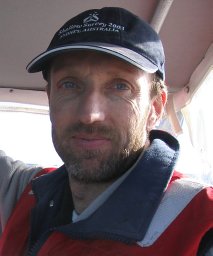 Jordan Alan合作论文数Fisheries Research, NSW Department of Primary Industries16
 Matthew D. Taylor合作论文数Department of Surgery, University of Virginia14
 Daniel S. Swadling合作论文数Sch Earth Atmospher & Life Sci, Univ Wollongong13
 Hamish A. Malcolm合作论文数Solitary Islands Marine Park, NSW Marine Parks Authority13
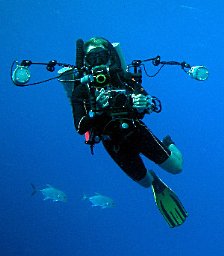 David Harasti合作论文数NSW Department of Primary Industries, Fisheries Research12
 Culum Brown合作论文数Department of Biological Sciences, MacquarieUniversity;School of Natural Sciences, MacquarieUniversity12
 Melinda A Coleman合作论文数University of New South Wales Center for Marine Bioinnovation11
 Matthew J. Rees合作论文数10
 Neville S. Barrett合作论文数Tasmanian Aquaculture and Fisheries Institute, University of Tasmania10
 Emma Johnston合作论文数School of Life and Environmental Sciences, Faculty of Science, University of Sydney10
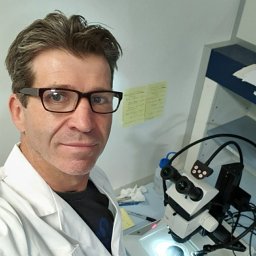 Brendan P. Kelaher合作论文数Department of Ecology;State University of New York;Department of Ecology, State University of New York9
 Euan Harvey合作论文数School of Molecular and Life Sciences, Faculty of Science and Engineering, Curtin University8
 Lachlan C Fetterplace合作论文数Fish Thinkers Research Group, Gerroa, New South Wales, Australia.7
 Graham Edgar合作论文数Institute for Marine and Antarctic Studies, University of Tasmania7
 Charlie Huveneers合作论文数Graduate School of the Environment;Macquarie University;Graduate School of the Environment, Macquarie University7
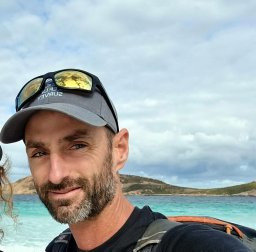 Rick D. Stuart-Smith合作论文数School of Zoology and Tasmanian Aquaculture and Fisheries Institute, University of Tasmania7M. J. Rees合作论文数6
 Jeremy Karl Day合作论文数6
 Holmes Thomas H合作论文数6
 David Ayre合作论文数Centre for Sustainable Ecosystem Solutions, School of Earth, Atmospheric and Life Sciences, Faculty of Science, Medicine and Health, University of Wollongong;School of Biological Sceinces, University of Wollongong6
 Mark G. Meekan合作论文数Australian Institute of Marine Science6
 Troy F. Gaston合作论文数Faculty of Science, University of the Sunshine Coast6
 Michelle Heupel合作论文数Integrated Marine Observing System, University of Tasmania6
 Joni Pini-Fitzsimmons合作论文数Sch Nat Sci, Macquarie Univ5
 Leanne M. Currey-Randall合作论文数Australian Inst Marine Sci5
 Tom R. Davis合作论文数Fisheries Res, NSW5
 Megan J Huggett合作论文数University of Hawaii5
 Adrian M. Ferguson合作论文数The UWA Oceans Institute and School of Plant Biology, The University of Western Australia;School of Biological Sciences, University of Wollongong;The University of Western Australia, University of Wollongong5
 Speed Conrad W合作论文数Australian Inst Marine Sci5
 Graeme Frederick Clark合作论文数Centre for Marine Science and Innovation, School of Biological, Earth and Environmental Sciences, Faculty of Science, The University of New South Wales5
 Amanda E Bates合作论文数Portobello Marine Laboratory, University of Otago5Jamie Hicks合作论文数4Nathan Charles Bass合作论文数4Joanna Day合作论文数4
 Wakefield Corey B合作论文数Western Australian Fisheries & Marine Res Labs, Govt Western Australia4
 McLean Dianne L合作论文数UWA Oceans Institute and School of Biological Sciences (M470), University of Western Australia4
 Michael J Travers合作论文数4
 Joel Williams合作论文数Department of Zoology, University of Melbourne4
 Benjamin E Saunders合作论文数Department of Psychiatry and Behavioral Sciences, College of Medicine, Medical University of South Carolina4
 Tim Langlois合作论文数School of Biological Sciences, The University of Western Australia;UWA Oceans Institute, The University of Western Australia4
 Russ Babcock合作论文数CSIRO4
 Rachel Przeslawski合作论文数Marine and Coastal Environment Group, Geoscience Australia4
 Daniel Ierodiaconou合作论文数School of Life and Environmental Sciences, Deakin University4
 Tristan L Guttridge合作论文数Bimini Biol Field Stn Fdn4
 David V Fairclough合作论文数Department of Fisheries, Western Australian Fisheries and Marine Research Laboratories4
 Jacquomo Monk合作论文数Sch Life & Environm Sci, Deakin Univ4Ben Radford合作论文数Australian Institute of Marine Science4
 Gwenael Cadiou合作论文数Technologique de Luminy4




