Purpose Benchmarking enables Facilities Management (FM) professionals to identify performance gaps within FM functions. However, FM professionals have not effectively adopted systematic performance benchmarking models for their applications. This study focused on developing a robust model for benchmarking FM performance in buildings and proposed best practices for performance gaps. Design/methodology/approach The existing benchmarking models, such as the Xerox model, Kulikowski's model, Adewunmi's benchmarking framework and various Key Performance Indicators (KPIs), were thoroughly studied and applied with modifications in the proposed FM benchmarking model. A questionnaire survey was conducted to collect data to benchmark FM functions in buildings using the developed model. Furthermore, the best practices adopted in buildings were studied to propose good practices for underperforming buildings. Findings Twelve KPIs were integrated into the design of the proposed model. After studying the critical FM functions in hotels, apartments and office buildings, utilities, janitorial, housekeeping and security were selected to be benchmarked. Results show that financial benchmarks of utilities, janitorial and housekeeping and security metrics have increased in hotels, apartments and office buildings, while non-financial KPIs remain unchanged over the 4 years. Eight best practices are suggested to enhance FM performance in each building type. Originality/value The facility managers can use this proposed FM benchmarking model to compare the FM performance of their buildings with other similar buildings in the competitive business. Further, they can optimize the FM performance of their buildings, considering the benchmark values.
Purpose As economic activities grow, clients demand more efficient building facilities. Smart buildings, which integrate technology, user interaction and adaptability, offer a solution, yet their adoption in developing countries like Sri Lanka remains limited. Although frameworks exist, most originate in developed contexts and emphasise individual attributes rather than integrated assessment. This study develops a Sri Lanka-specific smartness assessment model to evaluate modern buildings and motivate improvements in efficiency and sustainability. Design/methodology/approach This article employs a mixed-methods design to develop a smartness assessment model comprising 11 attributes and 41 variables, derived from the literature and subsequently validated and weighted by experts. Sixteen selected buildings in the Colombo suburbs were assessed; cases were selected by convenience sampling. Data were collected through site observations, document review and interviews with responsible professionals. Scores were computed using a four-level subgrades and weighted aggregation to produce Smartness Ratings, which were summarised descriptively. Findings Across 16 buildings, the mean Smartness Rating is 42%. By type, commercial average 48.35%, hotels 45% and apartments 34%, with CB4 (61.34%) and CB5 (57.79%) leading the sample. Higher Smartness Ratings are associated with deeper building management systems coverage, central-plant control and sensor-based monitoring, whereas lower Smartness Ratings reflect fragmented integration. At the attribute level, occupant control and safety and security are consistently strong; energy efficiency and environment and sustainability sit in the mid-range; and adaptability and learning are largely absent. Originality/value This article introduces a comprehensive, validated smartness assessment tailored to Sri Lankan buildings and demonstrates its application to a real-world sample.
Purpose - Facilities management (FM), which is crucial for the operation and sustainability of buildings and infrastructure across the world, covers a wide range of competencies that may vary across regions. Focusing on Sri Lanka and Hong Kong, this study aims to reveal and compare the importance and current competency levels of FM competencies in these regions, based on which appropriate education and training can be formulated to enhance the growth of their FM sectors. Design/methodology/approach - After an extensive literature review, 12 FM competency attributes (CAs) were identified. A questionnaire survey in Sri Lanka and Hong Kong solicited the industry practitioners' perceived importance and current levels of the CAs. The survey responses, 126 from Sri Lanka and 148 from Hong Kong, were analysed by a modified Importance-Competency Analysis matrix, followed using the Mann-Whitney U test to identify any differences in the responses between the two regions. Findings - Between Sri Lanka and Hong Kong, significant differences were found to exist in the importance and current competency levels of over half of the CAs. Among the CAs requiring priority attention, "operation and maintenance" and "leadership" are the top two in Sri Lanka while the top two in Hong Kong are "technology" and "leadership". Originality/value - This study yielded insightful results on the importance of FM competencies and the current competency levels in a developing region and a developed region, which are useful for the development of FM education and research.
Purpose Sewing machine operators face a significant health risk in the form of work-related musculoskeletal disorders (WMSDs). Although the importance of adopting dynamic postures to alleviate musculoskeletal symptoms is researched, a substantial proportion of operators still experience WMSDs. This study aims to fill a gap in the literature by analysing the impact of dynamic posture, as opposed to static ones, on musculoskeletal symptoms among sewing machine operators. Design/methodology/approach A quantitative research approach was used for this study. Data were gathered from 1,543 sewing machine operators in Sri Lankan textile and apparel manufacturing sector, encompassing seated, standing and dynamic working postures. The participants were selected using stratified random sampling, and data collection was conducted via a pre-tested, interviewer-administered questionnaire based on the extended translated version of the Nordic Musculoskeletal Questionnaire. To analyse the data, a one-way analysis of variance was performed to examine the impact of current working postures on pain and discomfort, considering various demographic variables such as age and gender. Findings The results indicate that 58.24% of sewing machine operators reported suffering from pain/discomfort due to work activities. Individuals in dynamic postures (21%) reported the least pain (52.7%), while majority of female sewing machine operators declared of having pain/discomfort as a result of work activities they perform. However, foot/ankle pain was common across postures. In summary, the discussion reveals the nuanced relationship between working postures and musculoskeletal pain/discomfort among sewing machine operators. Originality/value Enhancing ergonomics through dynamic postures has implications that extend beyond the textile and apparel manufacturing industry, offering valuable insights applicable to a wide range of workplace environments. This study highlights the importance of further research, particularly in assessing the effectiveness of ergonomic interventions designed to reduce musculoskeletal symptoms among sewing machine operators. It also underscores the importance of incorporating anthropometric data, adopting a holistic approach that considers factors such as the work environment, equipment design and worker health, and ensuring a more balanced or gender-specific sample in future studies.
The ever-increasing number of accidents is detrimental to the sustainable objectives of work zones. Exploring the causes for work zone safety (WZS) issues, countermeasures, and effectiveness is significant to enhance the WZS. Therefore, this research aims to identify the factors influencing the WZS, identify the established countermeasures, examine the effectiveness of countermeasures, and develop a decision support framework to enhance WZS.This study addresses the issue by utilizing the Scopus database and the VOSViewer data mining tool. A Bibliometric search followed by a Scientometric analysis was conducted to identify the highly researched areas. Qualitative content analysis was performed by exploiting the results, findings, and discussions from influential articles. A systematic coding process was carried out by employing Nvivo software to establish factors that influence the WZS and possible countermeasures.The most influencing factors were driver speeding, inattention, non-compliance to traffic control measures, poor work zone (WZ) layout, lane closures, and adverse weather conditions. Highly discussed countermeasures include changeable/variable/dynamic message signs, advance traveler information systems (ATIS), channelizing devices, merge guidance and police enforcement presence. Further, a framework to support WZS decision-making is developed to assist industry practitioners in making informed decisions on WZS. The academic community can benefit from identifying the core literature related to urban WZS and knowledge gaps that need to address in the future.
Purpose The maintainability of urban spaces has become critical with rapid urbanization to create an effective and safe environment for the increasing population. The absence of scientific studies exploring the factors that affect urban space maintainability (USM) has hindered the incorporation of maintainability aspects during the urban space planning and designing stages. This paper aims to establish critical factors for USM. Design/methodology/approach Qualitative content analysis is performed under an abductive approach to developing USM factors. A bibliometric search is conducted using databases including Scopus Elsevier, Emerald Insight, Science Direct, IEEE XPLORE and the American Society of Civil Engineers. The selected primary data set comprises journal papers on USM published after 2000. Seventy-three journal articles are selected through a comprehensive screening procedure and subjected to further analysis. The literature findings are processed via a software-assisted systematic coding and visualizing of the key data using NVivo 12 software. The coded USM factors are validated based on experts’ consensus statements by conducting an expert focus group discussion. Findings Twelve critical factors are established for USM; they include six design stage-related factors, one construction stage-related factor and five operational stage-related factors. Research limitations/implications Established USM factors give an insight into the main focus areas when incorporating maintainability into urban spaces. Originality/value The authors establish a set of maintainability factors for urban spaces based on the life cycle stages. USM factors such as vegetation management, interdepartmental coordination and work zone safety draw attention to context-specific aspects of USM.
Purpose This paper proposes strategies for adopting Industry 4.0 in achieving sustainable manufacturing, by overcoming barriers in the Sri Lankan manufacturing sector. Design/methodology/approach A conceptual model of sustainable manufacturing and Industry 4.0 was proposed based on a comprehensive literature review and validated through experts' inputs. The model was illustrated using three case studies to assess the relationships between sustainable manufacturing and Industry 4.0 in the Sri Lankan manufacturing context. Furthermore, possible strategies were proposed to overcome current barriers identified from case studies. Findings The case studies showcase that there is a considerable gap in Industry 4.0-enabled sustainable manufacturing in the Sri Lankan manufacturing sector due to several barriers. Thus, experts' knowledge-based strategies to overcome those barriers are proposed. Research limitations/implications The conceptual model provides a holistic view of maturity levels of sustainable manufacturing measures directly connected with Industry 4.0 technologies. The study was limited to investigating the application of Industry 4.0 for sustainable manufacturing in leading apparel manufacturing organisations in Sri Lanka. Practical implications The conceptual model can be used as a framework to guide practitioners in implementing Industry 4.0-enabled sustainable manufacturing. The proposed strategies in addressing barriers to Industry 4.0 adoption towards sustainable manufacturing can be directly applied to achieving better sustainable manufacturing performance. Originality/value This study is an informative guide to encourage the Sri Lankan manufacturing industry to adopt Industry 4.0 technologies in achieving sustainable manufacturing, using the knowledge of relationships between Industry 4.0 and three dimensions of sustainable manufacturing, possible barriers and strategies.
PurposeEnergy consumption in existing office buildings has been growing in parallel with the rise in occupant energy demand. As a result, many building owners have given smart retrofits (SRs) a higher priority. However, the utilisation of suitable SRs from a range of SRs has become a challenging task. The purpose of this paper is to develop a decision-making model to select the most suitable SRs for conventional office buildings and form a set of benchmarks for assessing the performance of SRs.Design/methodology/approachA qualitative approach with six case studies was used. Content analysis was carried out using NVivo to explore the factors considered for the selection of SR techniques. A decision-making model for selecting SRs in Sri Lankan office buildings was proposed. SR performance benchmarks were developed by referring to established standards and studies done in tropical office buildings.FindingsOut of 18 identified SRs from literature, fan cycling, ventilation control and LED luminaires have been recognised as commonly used SRs in Sri Lankan office buildings. Analysis showed that HVAC retrofits saved more energy, while lighting retrofits could be easily implemented in existing buildings. The proposed decision-making model can explore further improvements to enhance the performance of SRs.Originality/valueThe selection of SRs is a comprehensive decision-making process. Metrics were established to benchmark the performance of SRs. The proposed model offers a tool for building owners and facility managers to optimise facility operations.
Purpose Factory acceptance testing (FAT) in the construction industry has been severely hampered due to restrictions in cross-border travel resulting from the COVID-19 pandemic. Consequently, virtual FAT (vFAT) became a popular substitute for physical FAT. However, the credibility of vFAT is being questioned because it was adopted without much scrutiny. Hence, this study is aimed at investigating vFATs and re-engineering the FAT process to suit an effective vFAT environment.Design/methodology/approach A comprehensive literature search on FAT procedures was followed by two stages of expert interviews with eight leading subject experts and a case study. The findings were analysed using code-based content analysis on NVivo software.Findings Strengths of vFATs include “reduction in cost and time consumed”, “flexibility for more participants” and “faster orders”. Most emphasized weaknesses include “lack of reliability” and “lack of technology transfer”. vFAT has mostly increased test reliability by “improving accessibility” and has decreased reliability by “restricting physical touch and feel observation of the equipment”. A four-step vFAT process was developed with a noteworthy additional step called “Pre-FAT Meeting”.Research limitations/implications The scope of this study is limited to the Sri Lankan construction industry. Expansion of the geographical area of focus is recommended for future studies.Originality/value The findings of this study unveil a vFAT process, which is timely and beneficial for construction practitioners to optimize and enhance the effectiveness of vFATs which are currently conducted in a disarranged manner.
Escalating needs of availability in built environments have pursued maintenance to be recognized with the strategic importance notwithstanding the conventional belief of necessary evil. Nevertheless, it absorbs the three-quarters of whole building lifecycle cost. Studies proved that proportion significantly contributed by inefficiencies owing to poor maintenance, lack of reliability focus, poor management commitment, technical and human resources-related issues. Consequently, Sri Lankan buildings opted to adopt numerous strategic management approaches such as Lean, Six-Sigma to acquire the higher status of efficiency and effectiveness in their operations. Simultaneously, adherence to lean concepts was apparent in Sri Lankan manufacturing context, relatively fewer attempts were made on establishing assessment procedures to distinguish the degree of leanness. Hence, research was focused on developing an assessment model to address the leanness levels in maintenance operations. Lean quantification metric “Leanness” in maintenance is defined through identified parameters in literature and those were narrowed down into seven (7) leanness criteria and further expanded into forty-two (42) leanness attributes paving a pathway to the formation of a theoretical assessment model. For the investigation, nine semi-structured interviews were conducted from three identical cases. The derived data were analysed using the manual content analysis technique. Empirical findings revealed satisfactory adherence scoring the thirty-eight (38) attributes accomplishment as the highest and twenty-five (25) as the least. Findings point out significant gaps in lack incorporation of planned maintenance programs with maintenance inventory-related aspects, lack of undertakings on extensive reliability analysis efforts for maintenance activities. The outcomes will mark valuable insights for building practitioners to engage in maintenance operations in a versatile manner to acquire a waste-free, quality, stakeholder-driven maintenance environment.
Purpose Concrete structures undergo early and fast deterioration, which causes defects such as cracks, water leaks and delamination, resulting from a lack of or inefficient maintenance practices. To improve this behaviour, this paper aims to develop a maintenance strategy benchmarking model for concrete structures. Design/methodology/approach Fuzzy logic toolbox on MATLAB R2018a was used to develop the proposed model and it was applied to two cases. A comprehensive literature search was done to review common concrete defects, their impact on the performance and functionality of the structure, effectiveness of maintenance strategies and previous maintenance benchmarking models. The literature findings were further validated through expert interviews which have been incorporated in the model. Findings Case study results show that preventive maintenance (PM), predictive maintenance (PdM) and corrective maintenance (CM) strategies are required more or less in similar combinations for maintenance of concrete roof structures. The best combination for case 1 is 36.42% PM, 35.40% PdM and 28.18% CM, and for case 2 is 35.93% PM, 35.08% PdM and 28.99% CM. According to suitability, they can be ranked as PM > PdM > CM. Originality/value This model will contribute as a comprehensive decision-making tool for building/facility managers. The findings further carry a strong message to those who practice only CM in their buildings.
There has been a growing trend of organisations adopting a sourcing strategy that increases their competitive advantages through improving the performance of their facilities management (FM) services. Facilities Management Outsourcing (FMO) is a management strategy whereby FM services are contracted to one or more external providers with the aim of improving organisational efficiency and effectiveness. However, this kind of contract procurement is yet to acquire its full potential in Sri Lanka and thus, it is vital to unfold its current status and make suggestions for enhancement. Therefore, a study was conducted to investigate the existing FMO challenges, drivers and the strategies to overcome those challenges in Sri Lanka. Initially, a literature review was made on FM services sourcing strategies, challenges and drivers of FMO. Then a qualitative approach was taken to carry out semi-structured interviews with six FM experts in the industry. The data captured was structured and analysed by using a manual content analysis method. Fourteen challenges and eleven drivers were revealed as significant to FMO. The results of this research, which contribute to the understanding on FMO, serve as a cornerstone upon which further studies can be pursued in the context of FM in Sri Lanka and countries in a similar state of FM development.
Business Continuity (BC) of condominiums is being greatly affected by the COVID-19 pandemic. The pandemic is highly contagious, imposing a huge risk on community-based environments in which residents share different common facilities such as lifts, recreational areas, swimming pools, gyms. Besides, the apartments are mostly used as closed units without a solid connection with the environment. Such settings may heavily contribute in spreading any contagious disease, justifying the strict care extremely demanded at residentials. As the caretaker, the Facilities Management (FM) service provider, also known as the Managing Agent (MA) must continue its operations while facing the pandemic with a huge risk. Rather than being reactive towards the emerging struggles, it is more effective to have a proactive approach in combatting a pandemic. Business Continuity Planning (BCP) allows an organisation to be equipped with all mandatory plans and strategies which can be implemented before the pandemic strikes. Hence, this paper proposes a Pandemic BCP model for MAs which can be utilized for the on-going COVID-19 and future pandemics. Data were gathered using literature, expert interviews, site observations and document review. It was observed that none of the organisations had BC plans prepared for a pandemic. However, most experts admitted the importance of BCP in this context. They mentioned that the remote working culture already established in MAs, heavily contributed in adapting to the situation. Further, satisfactory accommodation facilities provided for the on-site staff was witnessed during the site observations. The documents review revealed the comprehensiveness of prompt action taken by MAs to resume operation of the critical functions. The proposed model consists of six stages and the paper discusses the factors to be considered under each stage of the model. MAs can utilize this plan effectively in adapting to the current and future pandemics to ensure solid BC.
In marching towards a rapid economic expansion after the end of 30 years' civil war, Sri Lanka is in enormous needs of entrepreneurs to generate new wealth for the country. Accounting for the majority of total investments of the country, Sri Lankan construction industry possesses the highest need of new entrepreneurial blood. This study focuses to explore gaps in entrepreneurial skills, traits and knowledge in quantity surveying education to foster entrepreneurial quantity surveyors (QS) to the industry. A questionnaire survey was conducted with quantity surveying entrepreneurs and graduates with a strong intention of an entrepreneurial career, passed out with a bachelor's degree in quantity surveying which resulting in 15 duly completed responses with 100% respond rate, through convenient sampling method. Importance Performance Analysis (IPA) matrix was constructed to identify shortages in skills, traits and knowledge offered by the degree programme to produce entrepreneurial QSs. Seven skills/traits and three knowledge areas were identified as under-developed areas in the undergraduate education. The findings of the research will create an impact to revisit educational needs to cater the industry's demand for entrepreneurs. Further industry can convert the over qualified areas into opportunities to take immediate advantages towards the profession.
Purpose Office buildings confront with the issue of high energy demand during the day time mainly due to heavy use of energy for HVAC and lighting systems. Demand-side energy retrofits (DSER) are identified as effective in controlling electricity demand of existing buildings. The purpose of this paper is to analyse the potential of incorporating DSER in to existing office buildings. The paper reports the cost benefits of using DSER in existing office buildings. Furthermore, it reveals several enablers that can be used to promote retrofits in office buildings of Sri Lanka. Design/methodology/approach An industry survey was conducted by selecting a sample of 35 office buildings to study the usage of DSER in office buildings of Sri Lanka. Furthermore, three case studies were conducted to analyse the costs benefits of widely used DSER techniques in office buildings. Findings Research revealed that the use of DSER techniques in existing office buildings of Sri Lanka is at a lower level. However, it found that the financial viability of those DSER was at a promising level. Furthermore, 11 enablers in two levels as organisational level and national level were identified to enhance the use of DSER. Originality/value The study justifies the potential of DSER in reducing energy demand of existing office buildings through in-depth cost benefit analysis, which is useful for a country like Sri Lanka which faces massive energy crisis. This encourages Facility Managers towards using DSER to reduce building energy demand. Furthermore, study provides enablers at organisational and national levels to enhance the use of DSER.
Weak linkages between project management (PM) and asset management (AM) phases pose a major challenge to total asset management (TAM) solutions that could significantly boost the value of built assets, through relational integration among key stakeholders in the TAM cycle. Fourteen key stakeholders who could help bridge PM and AM phases and teams through relationally integrated value networks (Rivans) were identified as key players in a previous study. This paper reports on a follow-up research study based in Sri Lanka, into how these stakeholders could be relationally integrated through collaborative procurement frameworks such as Rivans to deliver high-value built asset solutions, first focusing on the building sector. A critical Rivans-TAM network was established using Ucinet Social Network Analysis software package; 68 critical cross-links were identified. A comprehensive case study then revealed the current integration levels, together with the weak cross-links, and the critical relationships that should be strengthened for effective Rivans-TAM. Identified shortfalls in relationships were next focused on to explore and propose approaches to uplift current integration levels and boost built asset value. Thus, the industry, led by such key stakeholders, should create opportunities for nurturing goal-oriented Rivans to catalyse innovations towards smart and sustainable TAM.
Purpose The purpose of this paper is to identify enablers for setting up relationally integrated value networks (RIVANS) for total facilities management (TFM) as a holistic approach to bridge the Project Management (PM) phase to the facilities management (FM) phase, aiming for better service delivery while optimizing the life-cycle cost. These enablers are proposed as required driving forces for the industry to bridge current gaps through RIVANS for TFM so as to improve the value of the facility and deliver better value to its stakeholders over its life span. Design/methodology/approach A literature review elicited 11 typical better values that could be achieved by suitably linking the PM and FM supply chains in general. While these were tested in parallel research exercises in Hong Kong, the UK and Singapore, this paper reports on the specific findings from Sri Lanka, where a Web-based questionnaire survey was conducted to identify potential better values for proposed relational networks (including the clients, consultants, contractors and suppliers in the supply chain). Better values were then clustered under principal domains/components using factor analysis to establish synergetic enablers. Findings In total, 11 significant better values for TFM were identified and four enablers were extracted as building long-term integrated networks, establishing a common resource pool linking PM and FM, enhancing sustainability of TFM and developing a similar protocol between PM and FM. Originality/value The study carried out in this paper contributes to knowledge by identifying drivers to bridge the gap between PM and FM to best achieve clients' long-term aspirations through a holistic life-cycle approach. Furthermore, all stakeholders in TFM can revisit their practices to establish and strengthen the identified enablers.
Purpose Under-reporting of occupational accidents is a common problem in many countries. This is mainly because of the shortfalls in accident reporting and recording systems. Construction industry being a hazardous industry, the rate of accidents is higher compared with other industries and apparently a high rate of under-reporting. The purpose of this paper is to investigate the rate of under-reporting, significant reasons for under-reporting and identify the shortcomings in the existing accident reporting system in Sri Lanka in aiming to recommend efficient mechanisms for occupational accident recording and reporting to construction industry. Design/methodology/approach Both secondary and primary data were tapped to gather required data. The secondary data were extracted from the records available in year 2014-2015 at the office of the commissioner for workmen's compensation and the industrial safety division of the Department of Labor (DoL) to analyze the rate of under-reporting. The primary data were obtained through expert interviews to explore the gaps in reporting system and to identify mechanisms to reduce under-reporting. Findings The findings revealed 80 per cent of construction accidents are under-reported. Eight gaps in the current accident recording and reporting system and key recommendations at organizational and national level for its improvements were identified. Originality/value The findings provide an insight of occupational safety and health (OSH) practices in construction industry and it can be used as an eye opening flash for safety law-makers and practitioners to revisit the existing regulations and practices.
Purpose A case is made for developing “Relationally Integrated Value Networks for Total Facilities Management” (RIVANS-TFM) by synergistically connecting significant stakeholders of the project management (PM) and facilities management (FM) phases to deliver substantially better value for the end users of built infrastructure. The paper aims to discuss these issues. Design/methodology/approach A structured questionnaire survey enabled identification of typically significant stakeholders in the PM and FM phases. In total, 14 key stakeholders were identified through t-test analysis in this Sri Lankan study. Semi-structured interviews unveiled relationships among the aforementioned stakeholders and the findings were used to develop the “required” RIVANS-TFM, as well as the “existing” RIVANS-TFM, using the UCINET social network analysis software package. Social network theory of relationships was applied to analyze the networks in terms of “Structural Holes” or missing links and “Brokerage Potentials.” Findings Structural holes analysis highlighted the existing setup to be more vulnerable to missing links than the “required”/targeted setup. Furthermore, brokerage potentials analysis revealed that owners, project managers, facility managers, maintenance engineers, main contractors, designers, principal consultants, and other specialist consultants can act as “brokers” to bridge the gaps or minimize structural holes, thereby uplifting and reinforcing the existing network to deliver better performance and value in TFM. Originality/value By revealing existing and required levels of integration of each stakeholder in RIVANS-TFM, clients are provided a great opportunity to identify the stakeholders who should be engaged more, or less – in order to best achieve clients’ long-term aspirations and project objectives. Furthermore, the findings also indicate appropriate levels of stakeholder relationships to target, in order to maintain efficient flows of information, material and services in the supply chains while enhancing TFM life-cycle values.
 Michael Yit Lin Chew合作论文数Department of the Built Environment, College of Design and Engineering, University of Singapore9
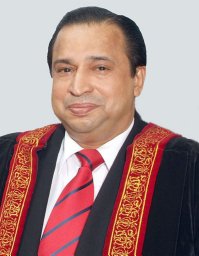 Malik Ranasinghe合作论文数Department of Civil Engineering, University of Moratuwa7
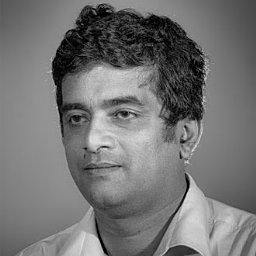 Chathura De Silva合作论文数Department of Computer Science and Engineering;University of Moratuwa;Department of Computer Science and Engineering, University of Moratuwa5
 s s tan合作论文数4
 Sanduni Peiris合作论文数4
 Kumaraswamy Mohan Maheswaran (顧茂翰)合作论文数Department of Civil Engineering, The University of Hong Kong4fyy ling合作论文数2R.P.N.P. Weerasinghe合作论文数Sch Property Construct & Project Management, RMIT Univ2
 Uthpala Rathnayake合作论文数Dept Architecture & Civil Engn, City Univ Hong Kong2
 Janaka Wijesundara合作论文数University of Moratuwa2
 Mohammed Fadhil Dulaimi合作论文数Department of Building;School of Design and Environment;National University of Singapore;School of Design and Environment, National University of Singapore2
 Joseph H.K. Lai合作论文数2
 George Ofori合作论文数School of The Built Environment and Architecture, London South Bank University2A. K. N. E. Rathnasiri合作论文数1
 Nandun Madhusanka合作论文数1Shashini Jayakodi合作论文数1Dhanushka Sampath合作论文数1
 Puwakkatiya Lokuge Indrani Wimalaratne合作论文数1Sabrina Fathima Nazeer合作论文数1
 Kanchuka Withanage合作论文数1
 D.M.P.P. Dissanayake合作论文数University of Moratuwa1
 Pournima Sridarran合作论文数Dept Bldg Econ, Univ Moratuwa1
 Tharindu Karunaratne合作论文数1
 Ashan Senel Asmone合作论文数National University of Singapore1
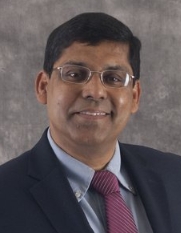 Sajal Das合作论文数Intelligent Systems Center, Missouri University of Science and Technology;Department of Computer Science, College of Engineering and Computing, Missouri University of Science and Technology1
 Raufdeen Rameezdeen合作论文数Department of Building Economics;University of Moratuwa;Department of Building Economics, University of Moratuwa1
 Premaratne Samaranayake合作论文数School of Management Locked Bag, University of Western Sydney1
 Harsha De Silva合作论文数Centre for Poverty Analysis Annual Symposium on Poverty Research in Sri Lanka1
 Niraj Thurairajah合作论文数1
 Sutapa Das合作论文数Research Triangle Institute1




